
Last updated October 9, 2026
Free roof inspection with deck photos before we talk money - GAF and Owens Corning certified installation
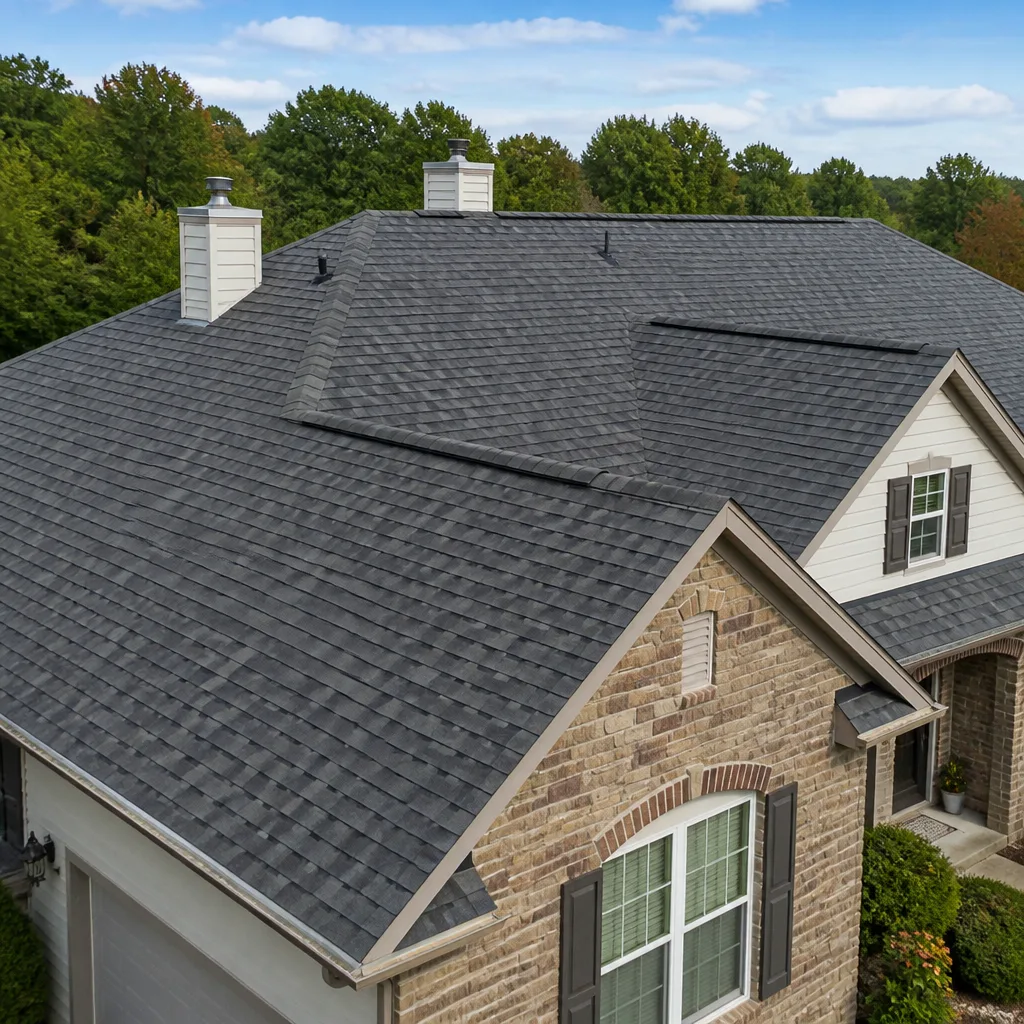
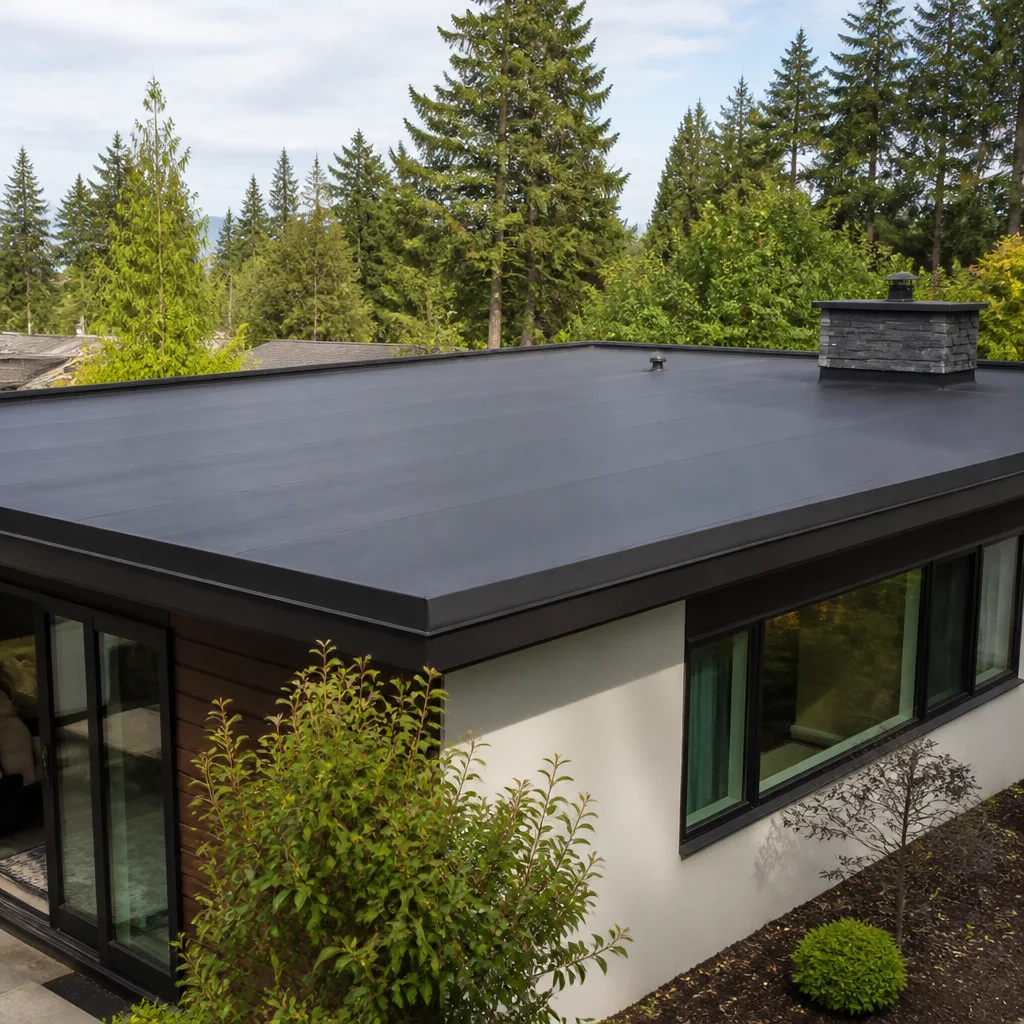
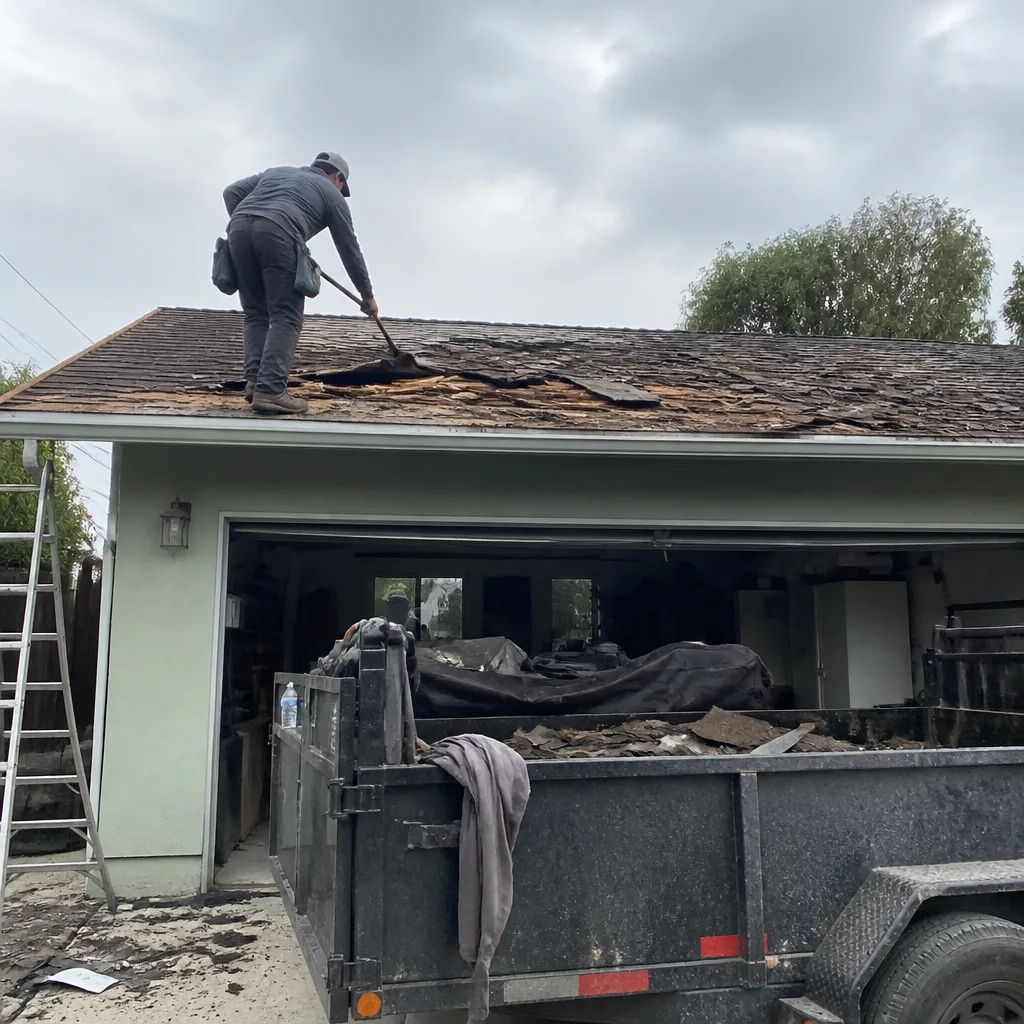 Before
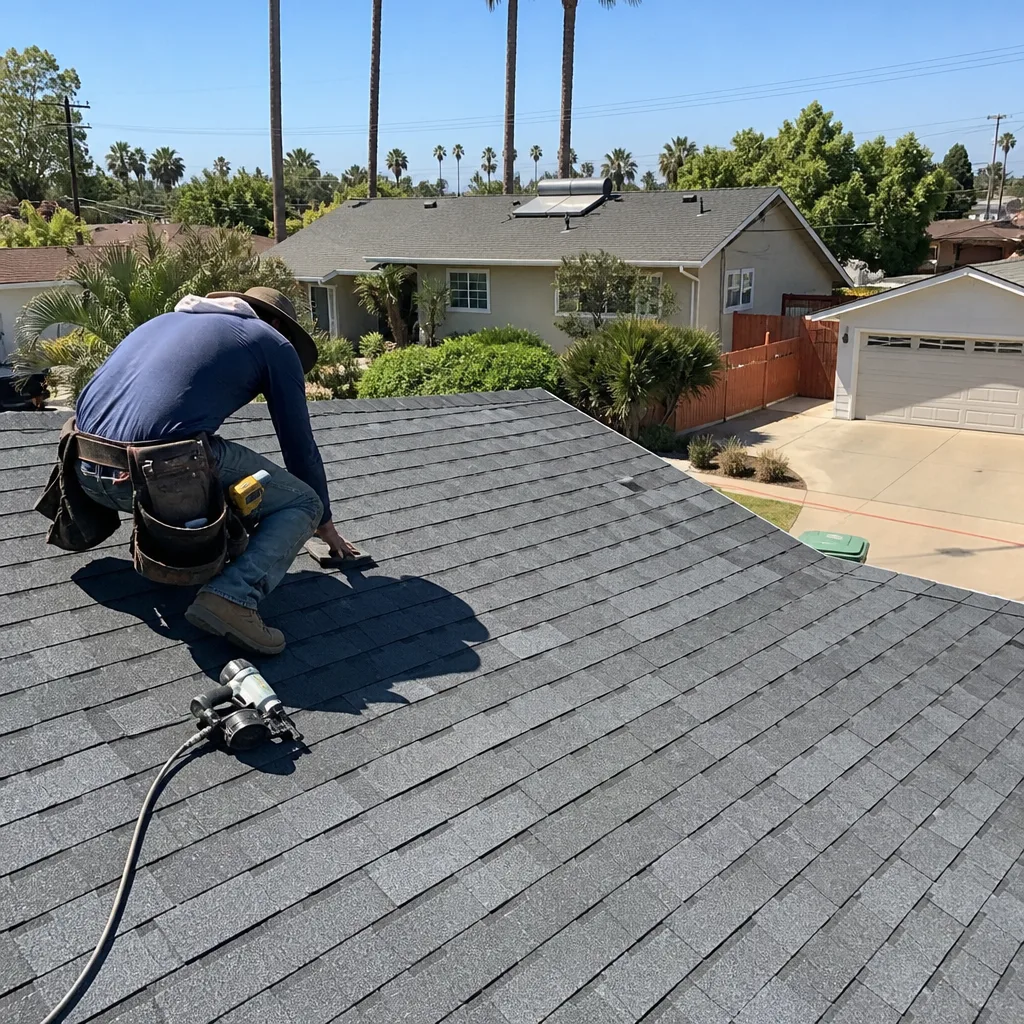 After
After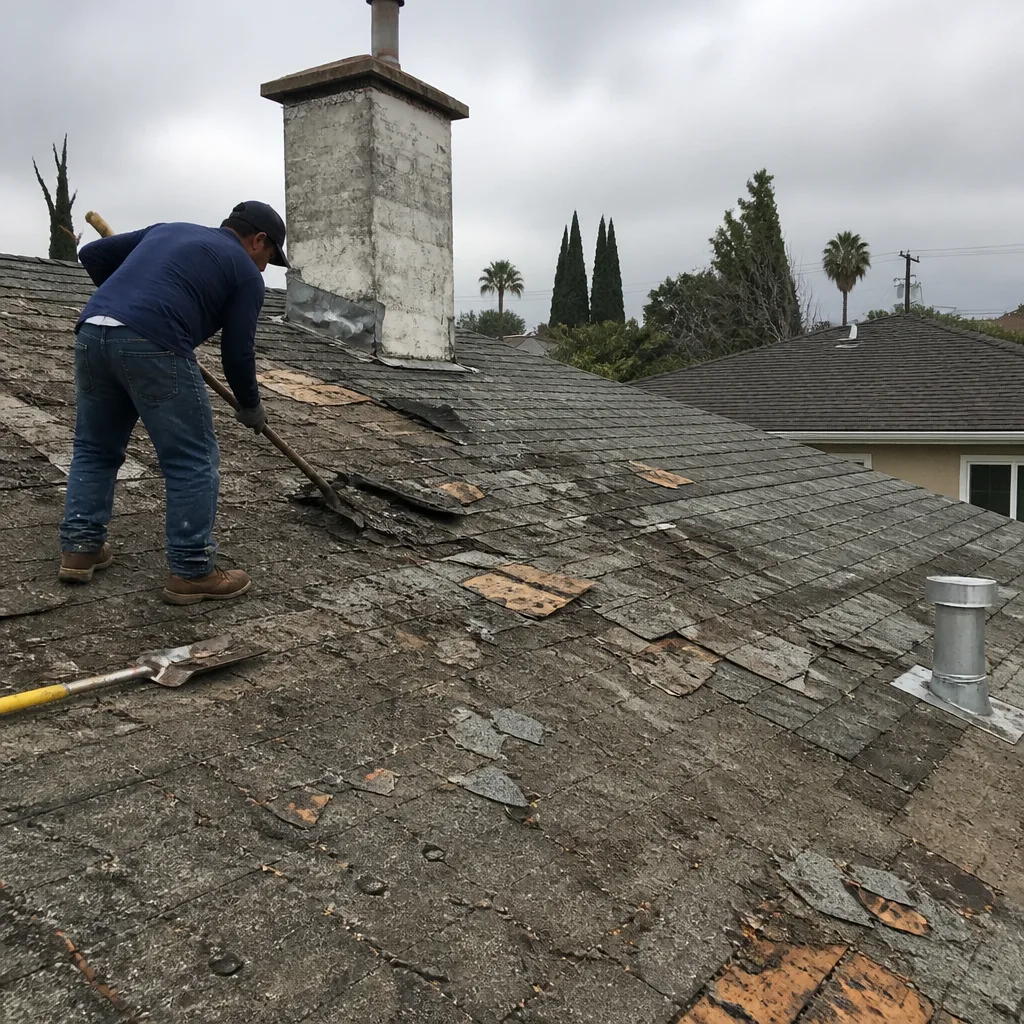 Before
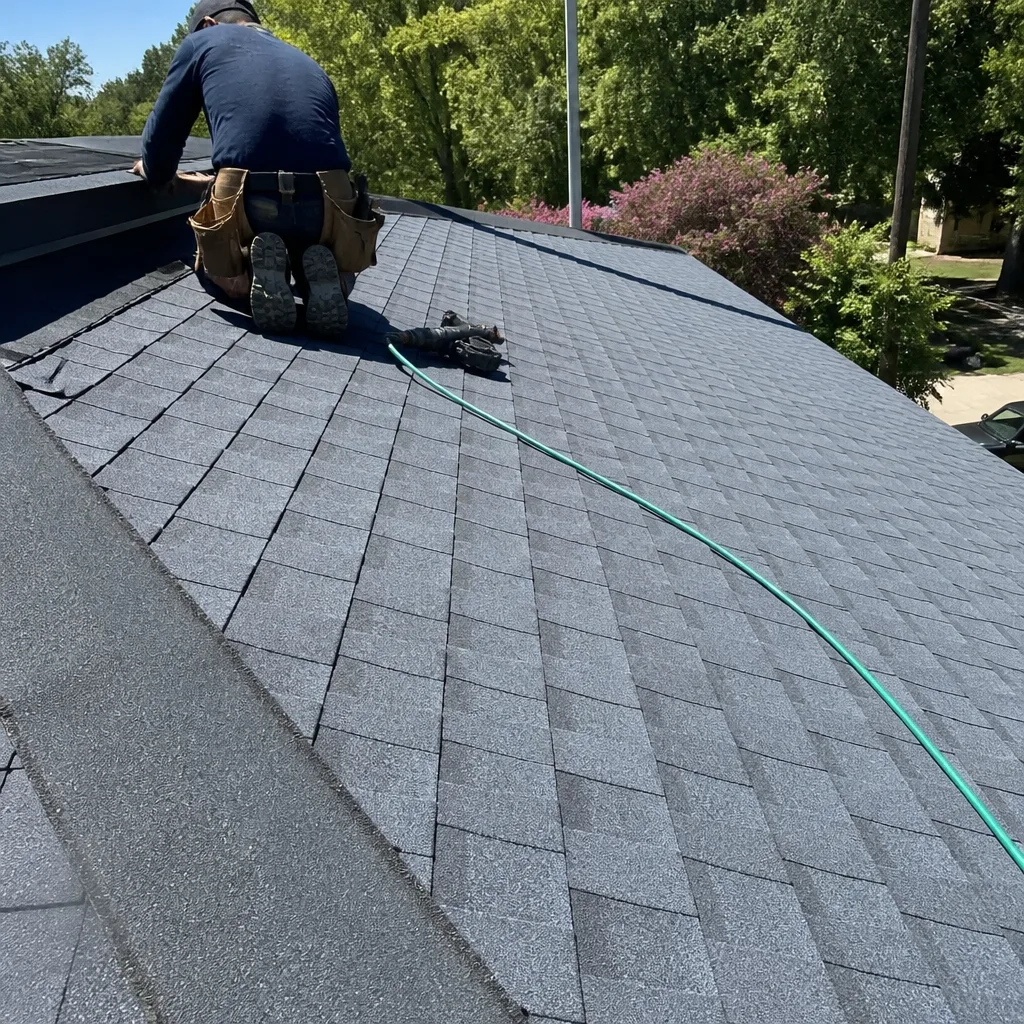 After
After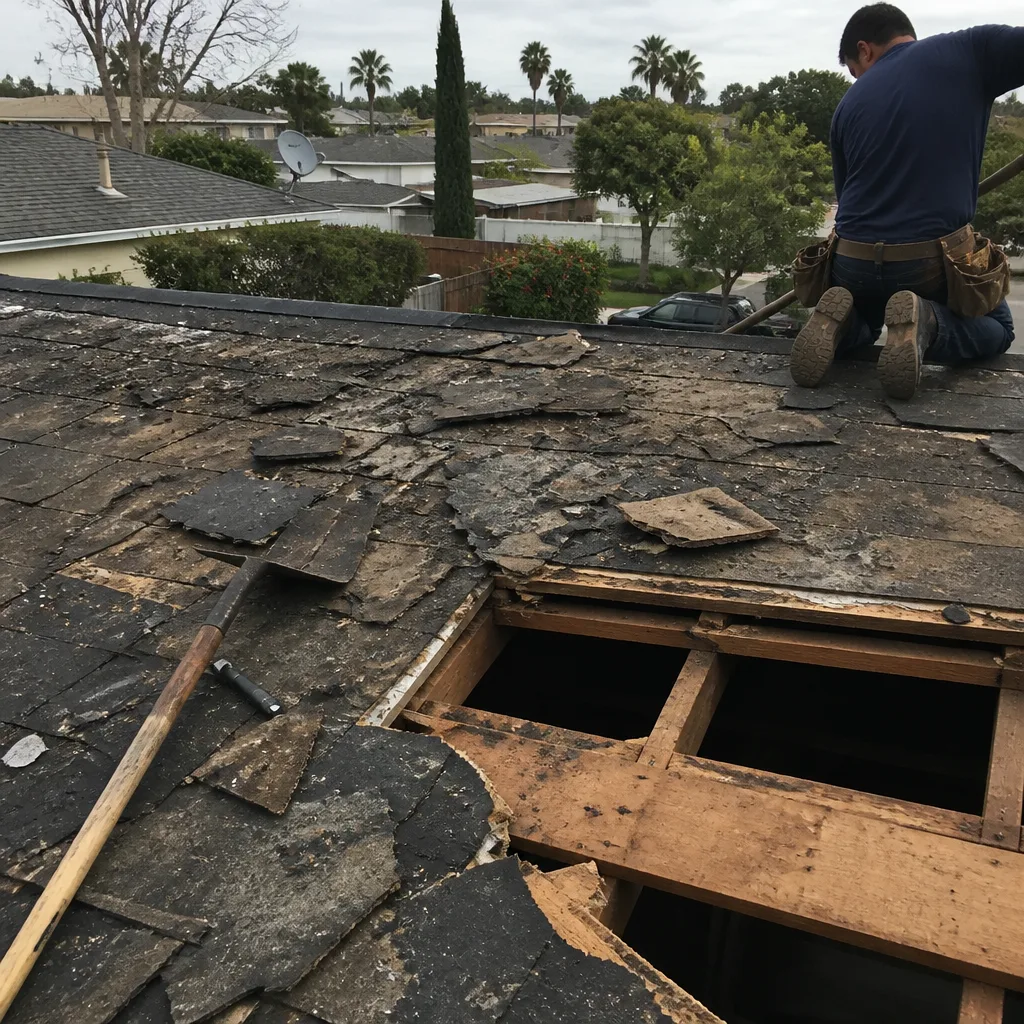 Before
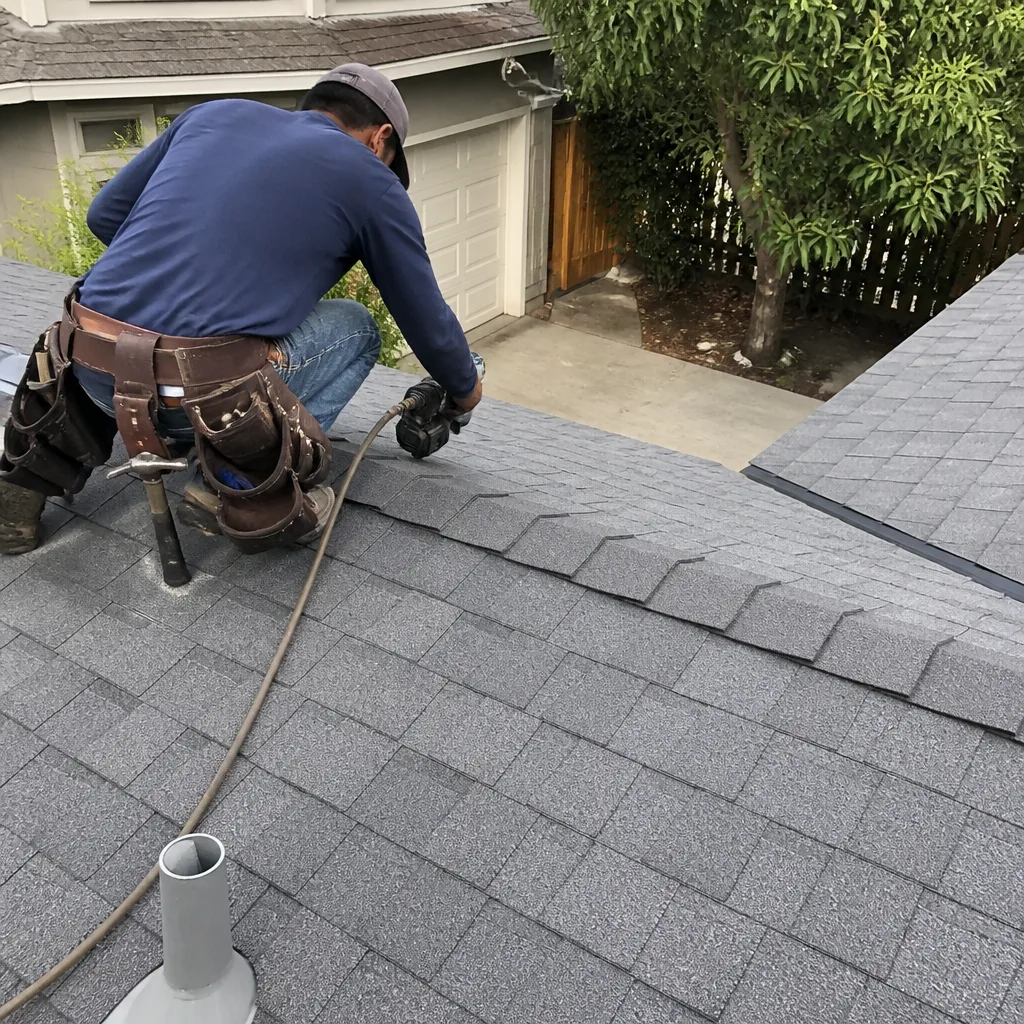 After
AfterHow to Hire a Roofing Contractor in Los Angeles: A Step-by-Step Guide
The California Contractors State License Board fielded over 20,000 complaints in a recent year, and roofing and construction trades consistently top the list. That tells you something about the Los Angeles roofing market: the biggest risk isn’t a bad shingle, it’s a bad hire. A low bid from an unverified contractor isn’t a deal. It’s deferred liability. This guide walks you through the exact screening process we would run if we were hiring for our own home in Los Angeles, from license verification to the clauses that belong in your contract.
Quick Answer
Hiring a roofing contractor in Los Angeles comes down to four steps: verify the California contractor license on the CSLB website, request current insurance certificates before any work starts, get a detailed written contract with specific clauses that protect you, and structure payment so the contractor is never ahead of the work. For more on keeping your roof in good shape long-term, see our Roof Inspection Maintenance Schedule: What to Do and When. Run this process before you compare bids, and the bids you do receive will be worth comparing.
Table of Contents
- Verify the California Contractor License
- Request and Confirm Insurance Certificates
- What a Legitimate Written Contract Must Include
- Red Flags Specific to Los Angeles Roofing
- How to Structure a Payment Schedule
- Questions to Ask Before Signing
- Los Angeles-Specific Considerations
- Common Mistakes to Avoid
- When to Call a Professional
- Frequently Asked Questions
- The Bottom Line
Step 1: Verify the California Contractor License
Before you look at a single bid, verify the license. In California, any contractor performing roofing work valued at $500 or more in labor and materials must hold a valid license issued by the Contractors State License Board. The CSLB website is free and takes under three minutes to use. It’s the first filter, and in the Los Angeles market, it eliminates a meaningful share of the people knocking on doors.
How to Check a License in Under Three Minutes
- Go to cslb.ca.gov and click “Check a License.”
- Enter the contractor’s name or license number. The roofing classification you want is C-39.
- Look at the license status, the expiration date, and the personnel listed on the license.
- Confirm the business name on the license matches the name on the bid and the contract.
What the Status Field Actually Means
- Active: The license is current and the contractor can legally perform work. This is the only status you should accept.
- Suspended: The contractor cannot legally work. A suspended license often means a failure to comply with a CSLB action, a bond lapse, or an unresolved judgment.
- Expired: The license lapsed. No legal work can be done under an expired license, and a contractor working while expired is operating illegally.
- Inactive: The contractor has chosen not to renew. Same effect: no legal work.
We recommend running this check every time, even if the contractor was referred by a neighbor. Licenses lapse. Business names get sold. The Los Angeles market has a steady supply of crews working under another company’s expired paperwork, and the homeowner is the one holding the liability if something goes wrong.
While you’re on the CSLB site, look at the contractor’s bond status. California requires a $25,000 contractor’s bond, and while that figure is modest against a full roof replacement, an active bond means the contractor is in good standing with the board. If the bond shows a cancellation or a payout, walk away.
For a deeper look at how licenses factor into hiring a roofing company in Los Angeles, we walk through the full process on that page.
Step 2: Request and Confirm Insurance Certificates
A license proves the contractor is legal to operate. Insurance proves they’re safe to have on your property. In Los Angeles, where roofs sit on steep pitches and crews work at height in the afternoons of a hot San Fernando Valley summer, insurance is not a formality. It’s the difference between a resolved accident and a lien on your home.
Ask for two certificates directly from the contractor’s insurance agent, not photocopies from the contractor. A current certificate of insurance comes from the agent or carrier and lists the policy holder, the coverage limits, and the policy dates. An expired copy from a contractor’s folder proves nothing.
What to Require Before Work Starts
- General liability insurance: Minimum $1,000,000 per occurrence. This covers damage to your property caused by the contractor’s work.
- Workers’ compensation insurance: Required for any contractor with employees. If a worker is hurt on your roof and the contractor lacks workers’ comp, the worker can file a claim against your homeowner’s policy.
- Current policy dates: Both policies must be active on the day work begins and should extend through the projected completion date.
Call the insurance agent’s number on the certificate and confirm the policy is active. It takes four minutes. We’ve seen instances in Los Angeles where a contractor presented a certificate that had been canceled weeks earlier, and the homeowner had no idea until a claim was denied.
If a contractor balks at providing certificates, treats the request as unusual, or offers a “discount” for skipping insurance, that’s the end of the conversation. Legitimate roofers carry insurance because they know what can happen on a roof. The ones who don’t are shifting their risk onto you.
Step 3: What a Legitimate Written Contract Must Include
California law requires a written contract for home improvement work, and a legitimate Los Angeles roofing contract includes more than a price. The written contract is the document that determines what happens when something goes wrong, and the clauses you’re missing are the ones that matter most.
Required Elements Under California Law
- Full scope of work: Every material, quantity, and task spelled out. “Replace roof” is not a scope. “Remove existing shingles, inspect decking, replace damaged decking up to 2 sheets, install synthetic underlayment, install GAF Timberline HDZ shingles, replace drip edge, install new flashing at all penetrations” is a scope.
- Total price: The contract price must be on paper, not verbal, and not subject to change at the door.
- Payment schedule: Specific dollar amounts tied to specific milestones, with the final payment due only after completion and inspection.
- Start and completion dates: Approximate dates are standard, but the contract should state them.
- License number: The same number you verified on the CSLB site.
- Warranty terms: What is covered, for how long, and in writing.
- Change order process: How additional work gets approved and priced.
Three Clauses That Protect You
- Written change orders only: A clause stating that no additional work or cost is authorized without a written, signed change order. This prevents the “we found rot and had to replace the whole deck, trust us” conversation that turns a $14,000 roof into $22,000 without your approval.
- Lien release requirement: A clause requiring the contractor to provide lien releases from all material suppliers and subcontractors before final payment. Without it, a supplier who wasn’t paid can file a mechanics lien against your home, even if you paid the contractor.
- Cleanup and debris removal specified: Roofing produces nails, shingles, and sharp metal. A clause stating that the crew will magnet-sweep the property daily and remove all debris at completion protects your driveway, your lawn, and your car tires.
At Brennan Roofing, every job begins with a written price in hand before any work starts, and the price goes on paper with the full scope attached. We put it in writing because it removes the two most common places a roofing job goes wrong: the door and the change order.
Step 4: Red Flags Specific to Los Angeles Roofing
Los Angeles is the largest roofing market in California, and its size attracts a specific kind of operator. You’ll recognize them by the pattern. They appear after windstorms. They work neighborhoods in waves. They prefer cash. Here are the red flags we tell our neighbors in Los Angeles to watch for, and what each one actually means.
The Door-Knocker After a Windstorm
Every winter, Santa Ana winds tear shingles off roofs from Woodland Hills to Pasadena. Within days, trucks appear in those neighborhoods with crews offering “free inspections” and “insurance specials.” Some are legitimate. Many are not. The pattern is predictable: a quick look at the roof, a declaration of severe damage, a cash deposit, and a crew that’s gone before the next storm. A legitimate Los Angeles roofer does not need a windstorm to stay busy.
The “Permit Optional” Offer
In the city of Los Angeles, a roof replacement typically requires a permit through the Department of Building and Safety. A contractor who tells you to skip the permit “to save money and time” is telling you two things: they don’t want the city inspecting their work, and they’re fine leaving you with an unpermitted roof that can complicate a future home sale. Permits exist because roofs fail in ways that are invisible from the ground. The inspection is the point.
The Cash-Only Discount
A cash discount isn’t inherently illegal, but in the Los Angeles roofing market, it’s a frequent marker of an unlicensed operator working under the table. Cash means no traceable payment, no contract discipline, and no leverage if the work fails. A legitimate contractor can take a check or a card, and their price doesn’t depend on how you pay.
The License That Belongs to Someone Else
This one is common enough in Los Angeles that it deserves its own warning. A crew shows up, does good work, and hands you a contract under a license number. But the person you talked to isn’t the license holder. The license was rented. The CSLB check you ran was wasted, because the paper doesn’t match the crew on your roof. Confirm that the person you signed with, the name on the license, and the name on the insurance certificate all align.
Step 5: How to Structure a Payment Schedule
A fair payment schedule protects both sides. It gives the contractor the cash flow to buy materials and pay the crew, and it gives you the leverage to ensure the work gets completed. The wrong schedule puts you in a position where a contractor is ahead of the work and has no reason to finish it well.
California law limits the down payment for home improvement contracts. For a roofing job in Los Angeles, expect to pay a deposit of 10% or up to $1,000, whichever is less, with the remainder paid in progress payments as work is completed. Here’s a structure we consider fair for a typical roof replacement:
- Deposit upon signing: 10% or $1,000, whichever is less, per state law.
- Material delivery: A progress payment covering delivered materials, paid when the shingles, underlayment, and flashing arrive on site and you’ve confirmed the brand and quantity match the contract.
- Midpoint of installation: A smaller progress payment tied to a visible milestone, such as the old roof removed and the new underlayment fully installed.
- Final payment upon completion and inspection: The largest payment, released only after the job is done, the permit is signed off, the lien releases are in hand, and you’ve walked the property with the contractor.
Never pay the full amount upfront. A contractor who demands 50% or more before any work starts in Los Angeles is either undercapitalized or planning something. Either way, it’s not a contractor you want on your roof.
If you’re comparing bids for a roof repair in Los Angeles, the same payment logic applies at a smaller scale: written price, clear scope, payment released against completed work.
Step 6: Questions to Ask Before Signing
Once the license checks out and the insurance is current, the right questions separate a bid from a relationship. Here are the questions we recommend every Los Angeles homeowner ask before signing, and the answers a legitimate contractor should give without hesitation.
Seven Questions That Reveal the Contractor You’re Dealing With
- “Who will be on the roof?” The answer should be specific people, background-checked, and employed by the company. In Los Angeles, subcontracted crews are common, and you have a right to know who is doing the work and whether they’re covered by the contractor’s workers’ comp.
- “What underlayment are you installing?” The underlayment is the waterproofing layer under the shingles, and in a Los Angeles climate with infrequent but intense rain, it matters more than the shingle brand. A contractor should name a specific product, not say “standard felt.”
- “Will you replace the flashing or reuse it?” Flashing is the metal that seals the joints where the roof meets walls, chimneys, and vents. Reusing old flashing is a common cost-cutting move in Los Angeles, and it’s the cause of a large share of roof leaks.
- “What happens if you find rotted decking?” The answer should reference the change order process and a per-sheet price. If the contractor can’t give you a per-sheet price for decking replacement before you sign, they’re planning to name a number after the roof is off.
- “Who pulls the permit?” The answer should be “we do.” A contractor who asks the homeowner to pull the permit in their own name is shifting liability.
- “How do you handle cleanup?” The answer should include daily magnet sweeps for nails and a final debris removal. Nails in a driveway are the most common complaint on Los Angeles roofing jobs.
- “What exactly does your warranty cover?” The answer should be specific: what is covered, for how long, and in writing. “We stand behind our work” is a sentence, not a warranty.
Los Angeles-Specific Considerations
Roofing in Los Angeles is not the same as roofing in Seattle or Phoenix. The conditions here create specific requirements that a competent contractor should know and mention before you do.
Climate: Sunshine, Rain, and the Santa Anas
Los Angeles gets around 15 inches of rain a year, most of it in a few concentrated storms, and the rest of the year is sun. That means your roof spends most of its life fighting UV exposure and heat, not water. The underlayment and shingle selection should account for that: a roof designed for Seattle’s constant drizzle is not the right roof for a home in Sherman Oaks. When it does rain in Los Angeles, it tends to rain hard for short periods, and that’s when a small flashing defect becomes a visible ceiling stain. The roof has to be able to shed water quickly, not just absorb it.
Then there are the Santa Ana winds, which arrive every fall and winter, gusting to 60 and 70 mph in the passes. The winds lift shingles, tear off loose flashing, and scatter debris. A Los Angeles roof needs properly installed edge metal and drip edge, fastened to withstand uplift. Ask your contractor how they fasten the perimeter. If they don’t have an answer, keep looking.
Permitting in the City of Los Angeles
The Los Angeles Department of Building and Safety issues permits for roof replacements, and the process typically includes an inspection after the decking is visible and another after the final installation. It adds days to the job, not weeks, and it means a city inspector has verified the work meets current code. That’s worth the wait, and it’s the main reason to be suspicious of a contractor who wants to skip the permit in Los Angeles.
HOA and Historic District Rules
Many Los Angeles neighborhoods, including parts of Hancock Park, Los Feliz, and the hills above Sherman Oaks, fall under homeowners associations or historic preservation overlay zones that restrict roofing materials and colors. If you live in one of these areas, confirm the contractor has experience with the approval process. The best paperwork in the world doesn’t help if the HOA makes you redo the roof in a different color.
For a full walkthrough of what a roof inspection in Los Angeles covers, including what we look for after Santa Ana events, see that page.
Common Mistakes to Avoid
- Hiring the first contractor who answers the phone. Los Angeles is a big market, and three bids is the minimum standard. The first contractor available is often available for a reason.
- Choosing the lowest bid without checking the license. A low bid from an unlicensed contractor in Los Angeles often means no workers’ comp, no permit, and no recourse. The discount becomes a second full-price roof later.
- Signing a contract that says “replace roof.” A scope that vague gives the contractor authority to decide what gets replaced and what gets reused. That’s how you pay for a full roof and get half the flashing replaced.
- Reusing old flashing to save a few hundred dollars. In Los Angeles, where rain comes hard and wind comes harder, reused flashing is the most common cause of a roof that leaks within a year. The savings never justify the risk.
- Paying more than the legal deposit upfront. California caps the deposit at 10% or $1,000, whichever is less. Paying more than that puts you in a weak position before a single shingle is removed.
- Skipping the permit. In the city of Los Angeles, an unpermitted roof can complicate a sale and, more importantly, means no city inspector ever verified the work. The permit inspection is the cheapest quality check you’ll ever buy.
- Not asking who pulls the permit. Some contractors in Los Angeles ask the homeowner to pull the permit in their name to avoid the inspection and the liability. If the permit is in your name, the liability is too.
When to Call a Professional
Some roofing decisions are suited to a conversation and a handshake. Others are suited to a professional with a ladder, a license, and the willingness to put a number on paper before anything gets touched. Call a professional in Los Angeles when you see water stains on the ceiling, when the roof is past 20 years old, when shingles start appearing in the yard after a windstorm, or when you’re buying a home and the inspection report flags the roof. A Brennan Roofing home roof is a structural system, not a surface. Brennan Roofing offers free estimates in Los Angeles, call (361) 320-9467.
Frequently Asked Questions
A full asphalt shingle roof replacement in Los Angeles typically runs between $12,000 and $25,000 for an average single-family home, depending on square footage, pitch, tear-off complexity, and material grade. Tile and flat roof systems run higher. Get a written line-item quote before any work starts. Call (361) 320-9467 for an exact quote, estimates are free.
Go to cslb.ca.gov, click “Check a License,” and enter the contractor’s name or license number. Confirm the status is “Active,” the classification is C-39, and the business name matches the one on the bid and contract. A suspended, expired, or inactive license means the contractor cannot legally perform roofing work in Los Angeles.
Request current certificates for general liability insurance with a minimum of $1,000,000 per occurrence and workers’ compensation insurance if the contractor has employees. Confirm the policies are active by calling the agent listed on the certificate. An expired certificate offers no protection if a worker is injured on your property.
Yes, a roof replacement in the city of Los Angeles typically requires a permit through the Department of Building and Safety, including inspections during and after installation. A contractor who offers to skip the permit is asking to do work that no city inspector will ever verify, and that unpermitted roof can complicate a future sale.
A legitimate California roofing contract includes the full scope of work, the total price, a payment schedule, start and completion dates, the contractor’s license number, warranty terms, and a written change order process. Clauses requiring lien releases before final payment and a written change order for any additional work protect you from surprise costs and mechanics liens.
California law caps the down payment for a home improvement contract at 10% of the total price or $1,000, whichever is less. A contractor demanding more than that upfront in Los Angeles is asking you to assume risk the state has already decided you shouldn’t carry. Call (361) 320-9467 if you want a written quote with a legal payment schedule.
The Bottom Line
Hiring a roofing contractor in Los Angeles is a vetting problem before it’s a price problem. The market has enough unlicensed, underinsured, and unaccountable operators that the screening you do before opening a bid determines whether the roof you get is the roof you paid for. Verify the license on the CSLB site. Confirm the insurance is current. Get the price in writing with a full scope attached. Structure payments so no one is ahead of the work. Run this process, and the contractor you hire will be the one who had nothing to hide. Browse our more guides & resources for Los Angeles homeowners. In our experience, that’s the same thing.
Written by Travis Oakley, Owner at Brennan Roofing, serving Los Angeles since 2000.