
Free roof inspection with deck photos before we talk money - GAF and Owens Corning certified installation
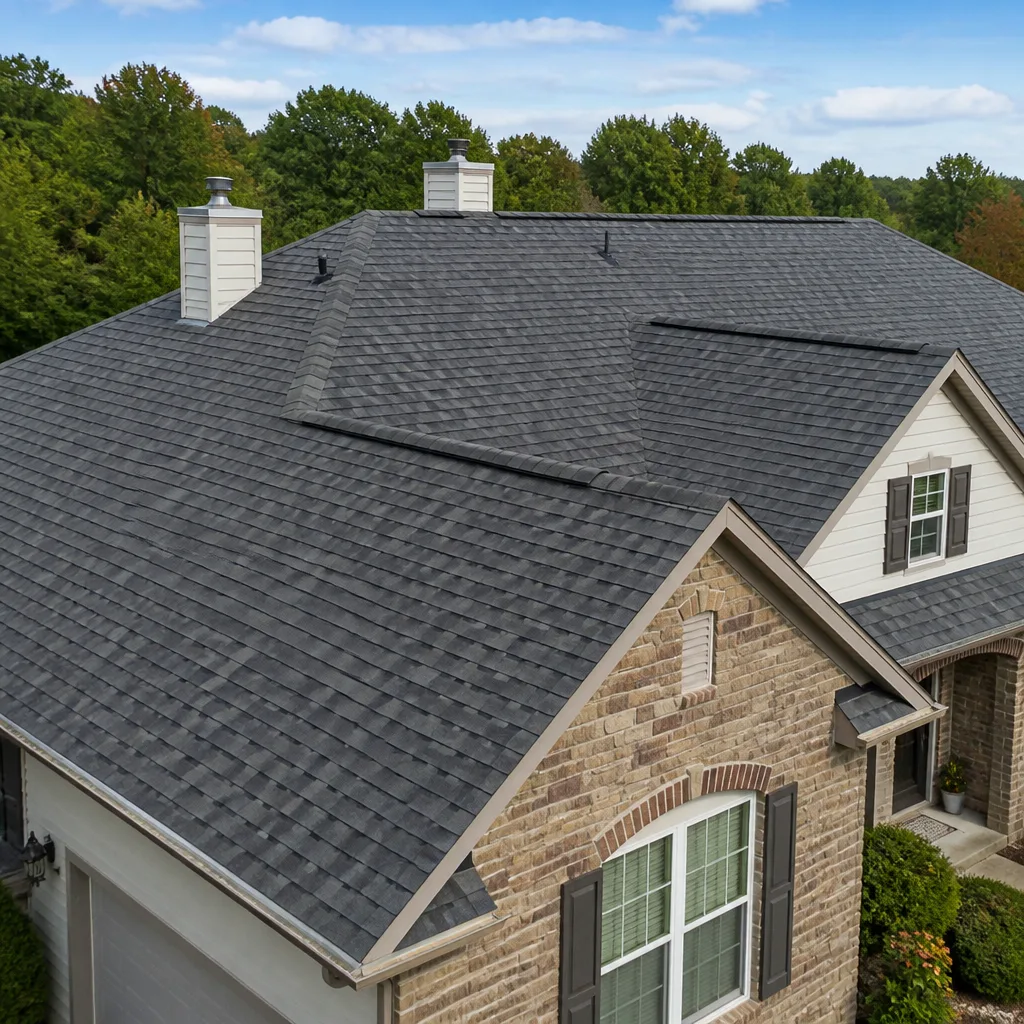
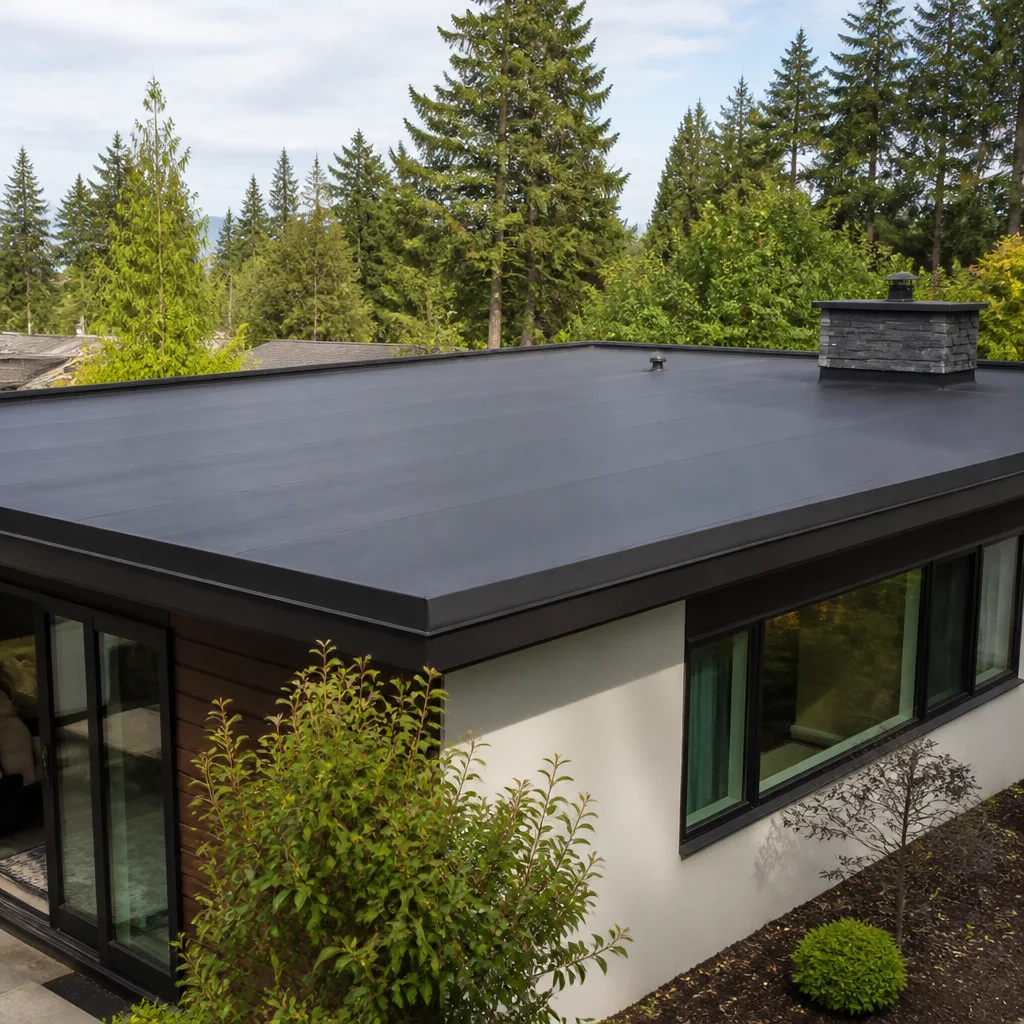
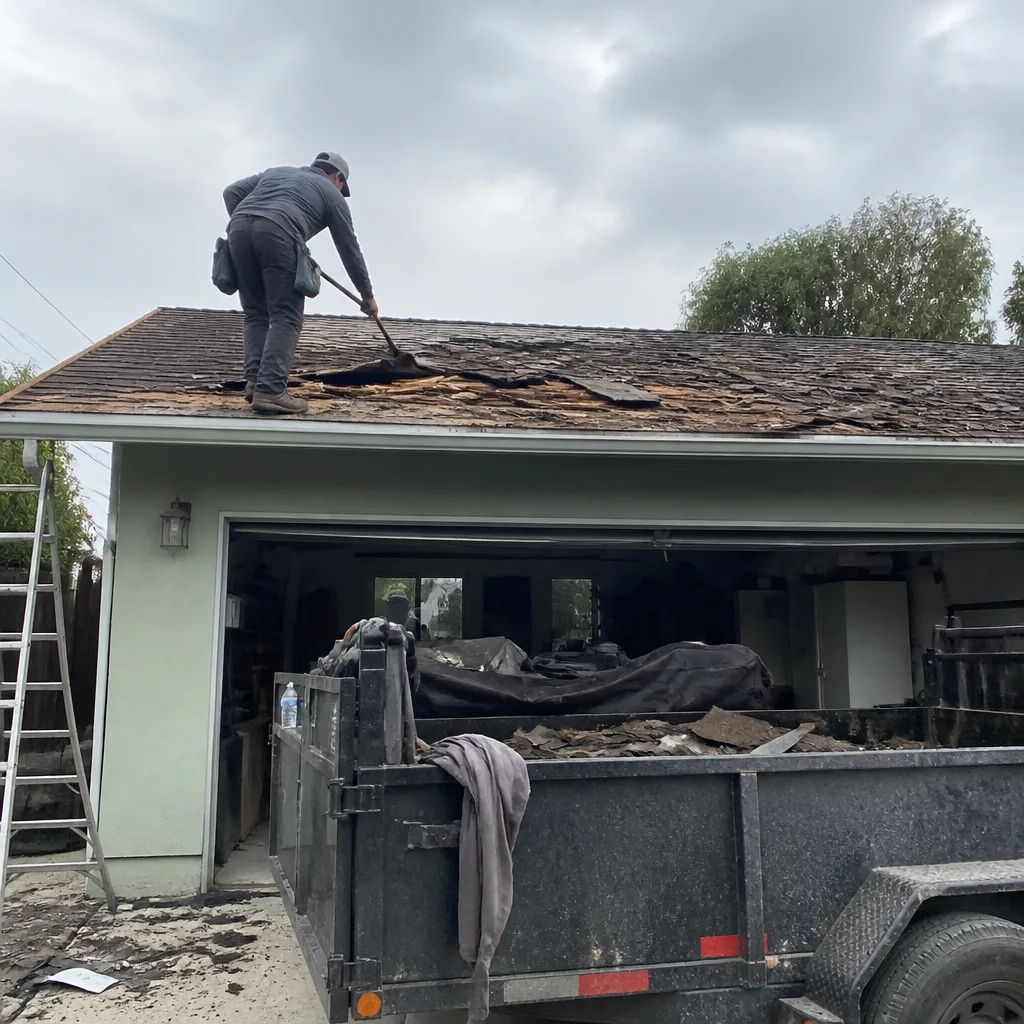 Before
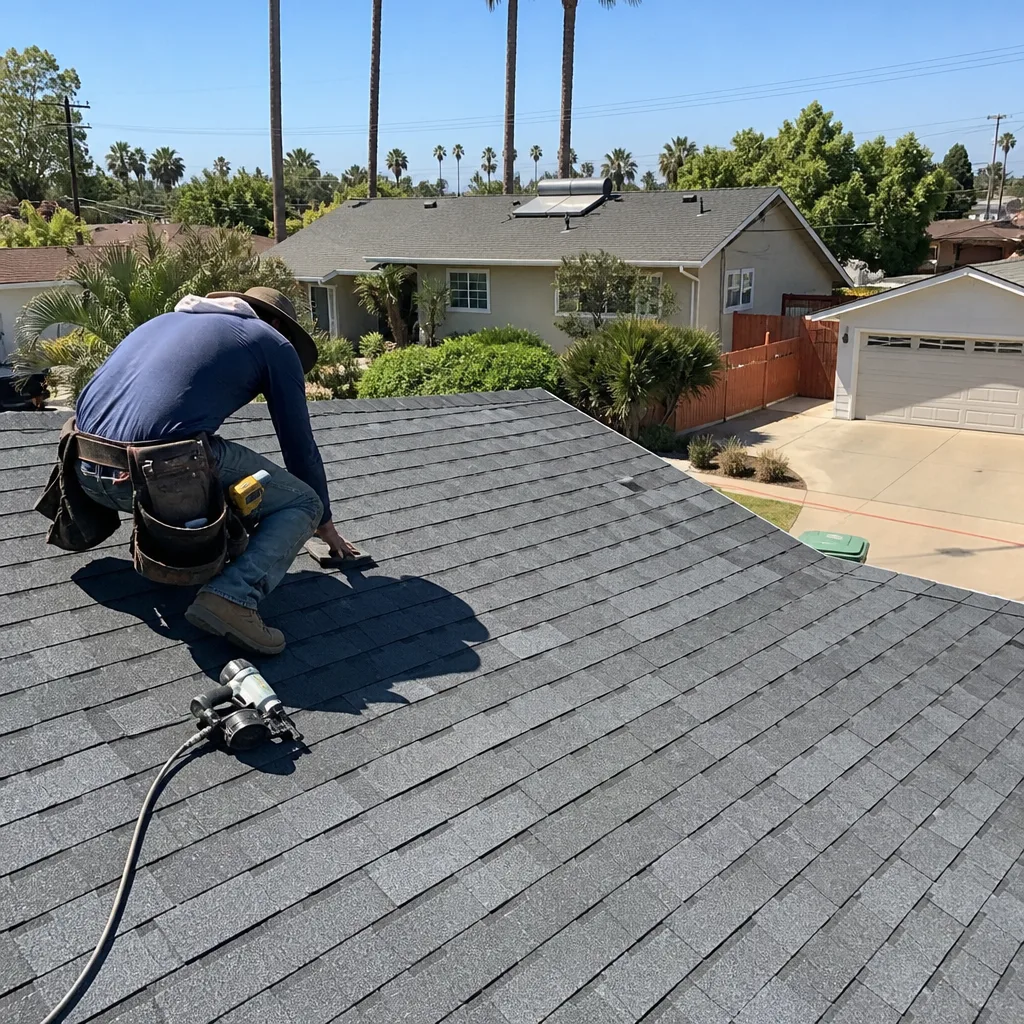 After
After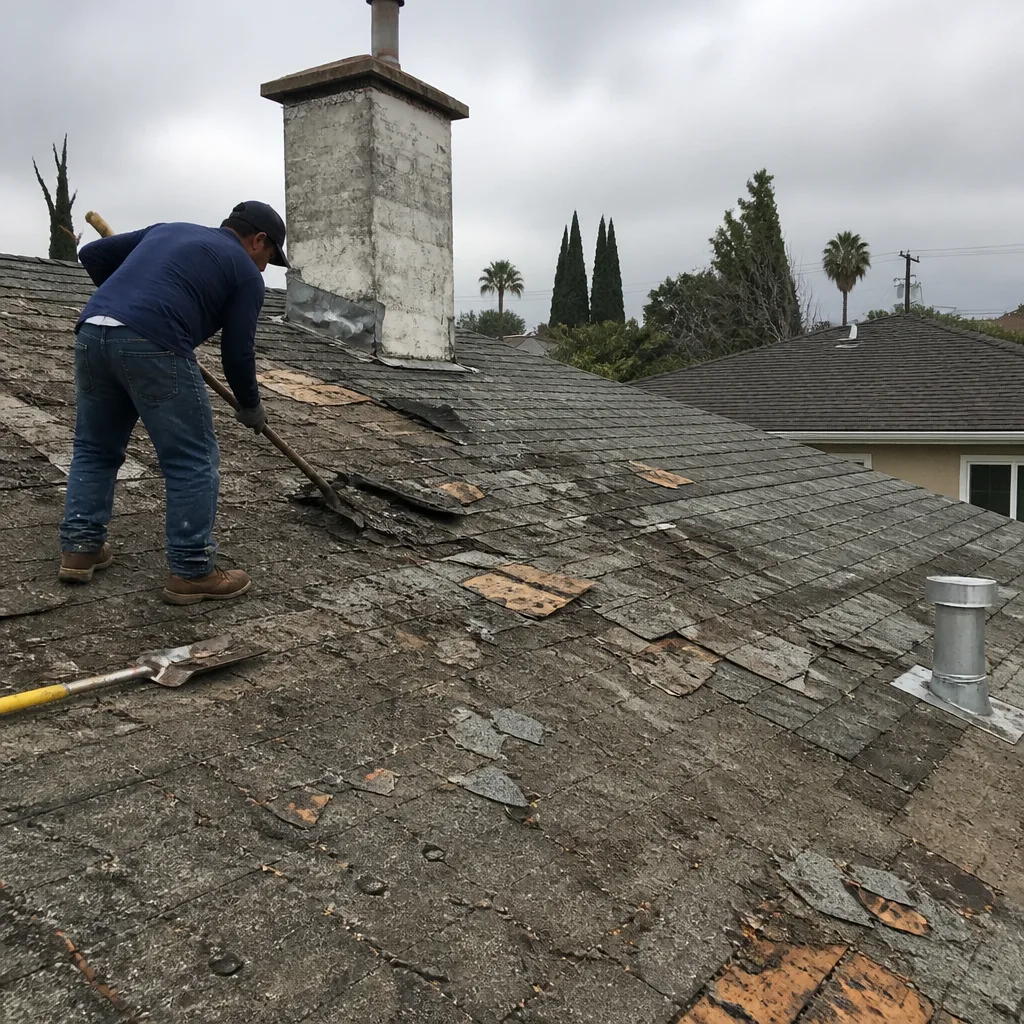 Before
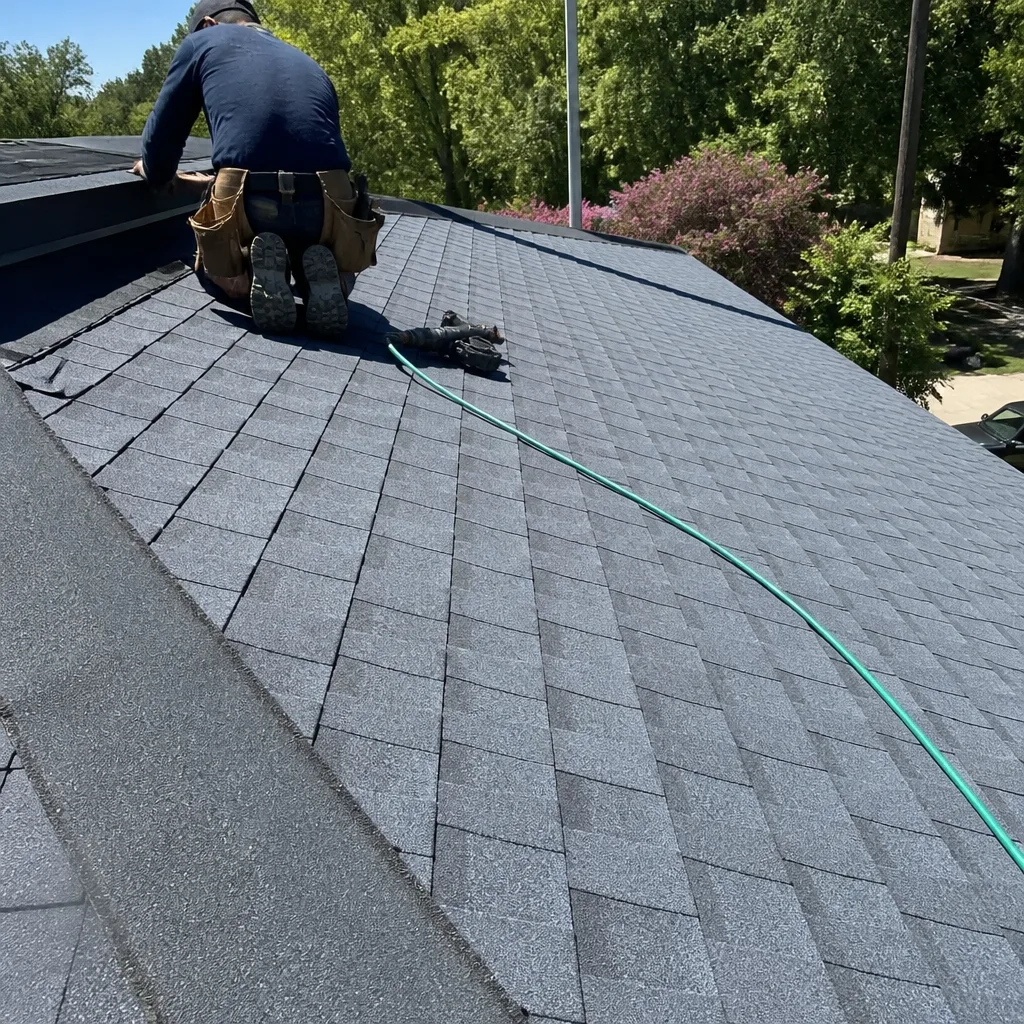 After
After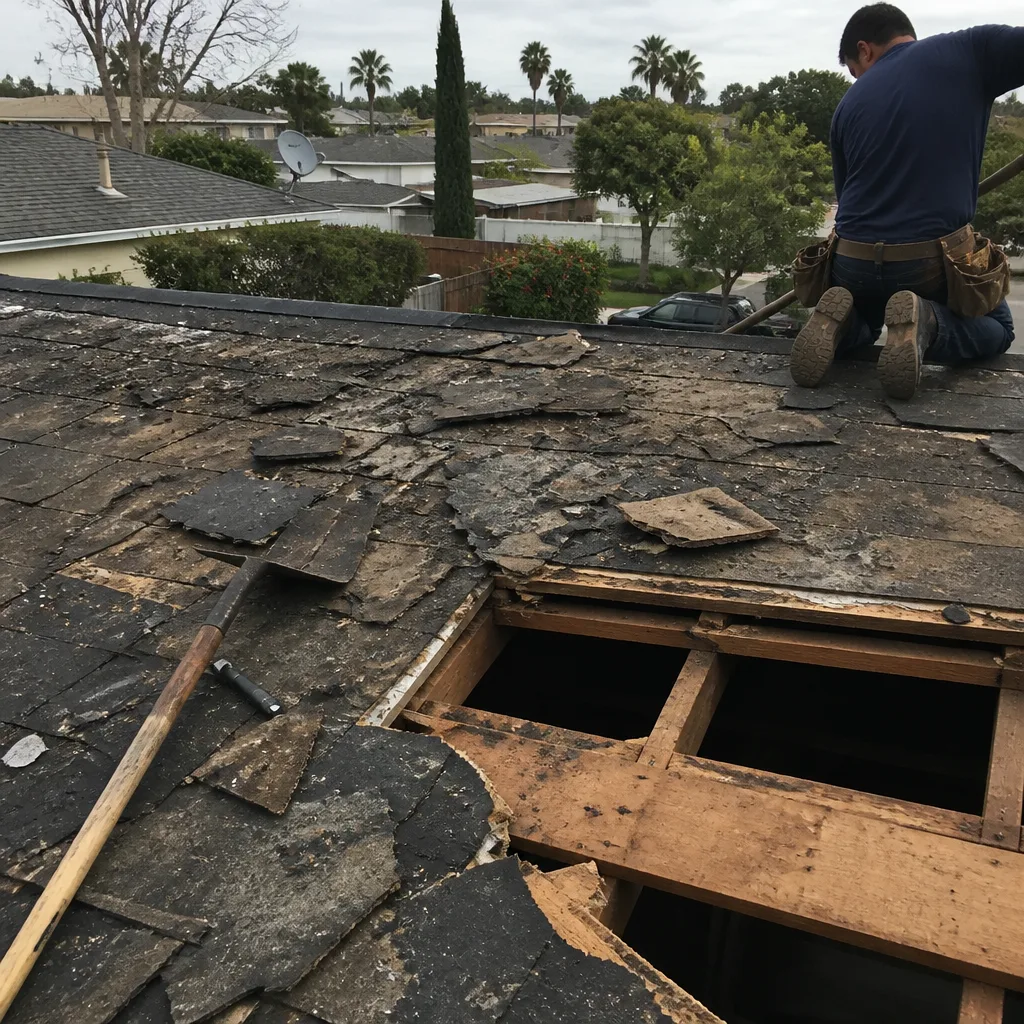 Before
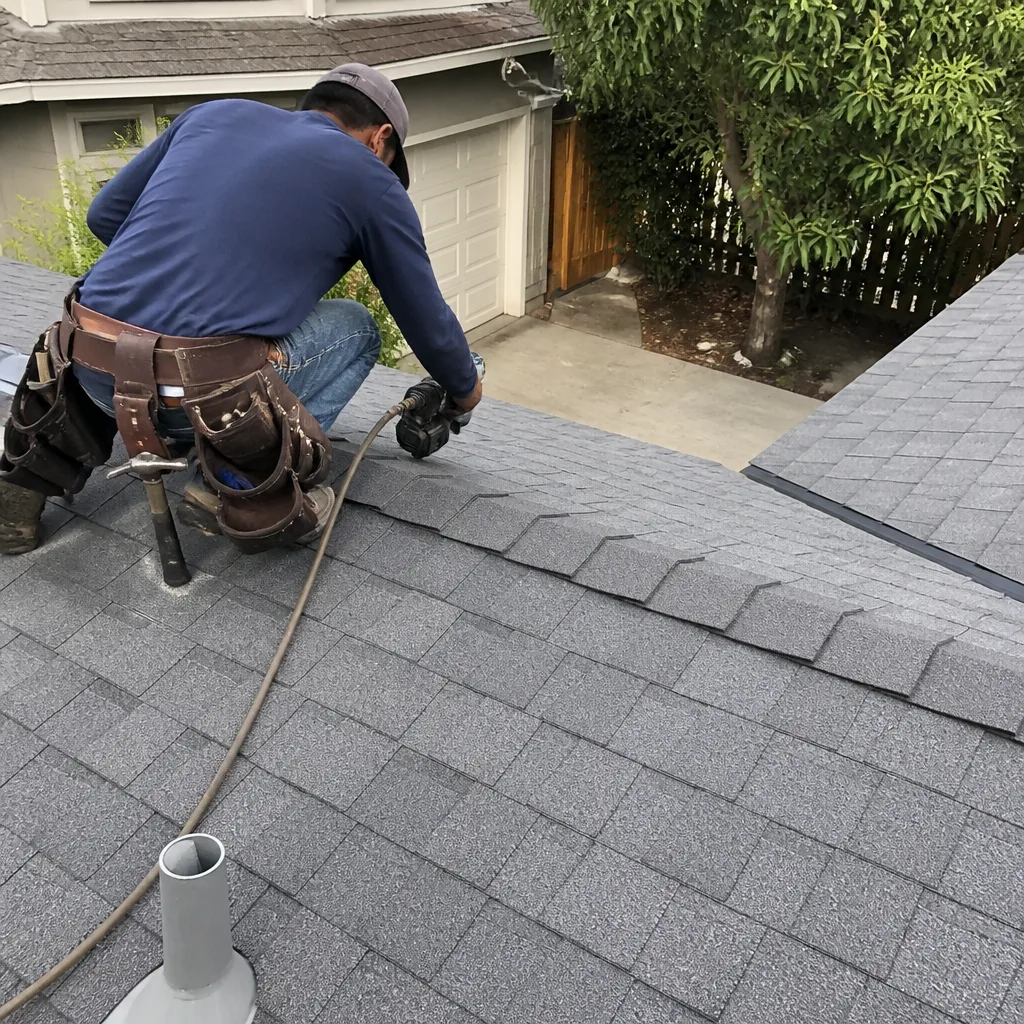 After
AfterAtlas Ridge Vent Installation: The Los Angeles Owner’s Guide
Atlas ridge vent installation in Los Angeles typically runs between $14 and $22 per linear foot installed, which puts most single-family homes in the $600 to $1,300 range depending on ridge length and roof pitch. We stock Atlas-compatible ridge vent material on our trucks, so most installs happen same-day once we’re on site. The part itself rarely fails first. What usually fails is the installation around it: nails backing out after a few Santa Ana seasons, the vent material cracking after years of direct LA sun, or the original contractor using the wrong profile for the roof pitch.
Which Atlas Models This Applies To
Atlas makes ridge vent under a few different product lines, and the compatibility differences matter more than most people expect. The two we work with most in Los Angeles County are the Atlas CrossVent and the Atlas FieldVent, both of which are shingle-over ridge vents designed to sit along the peak and get covered by cap shingles. The CrossVent is the higher-flow option, meant for roofs with steeper pitches or homes with vaulted ceilings that need more air movement. The FieldVent is Atlas’s standard-profile vent, and it’s the right call for most single-story ranch and Spanish-style homes we see from the Valley down to Long Beach.
Here’s the compatibility gotcha that trips up homeowners: Atlas ridge vent material is not interchangeable with GAF, Owens Corning, or CertainTeed profiles just because the box looks similar. The vent profile, the nail line placement, and the airflow rating all differ. If a roofer shows up with whatever ridge vent is on the truck, you’ll get a vent that doesn’t seat correctly against your Atlas cap shingles, and that gap becomes a leak point within a year or two. If you want OEM Atlas material, ask for it by name. We stock both Atlas profiles on our trucks, along with quality aftermarket equivalents that match the Atlas profile spec-for-spec when a homeowner wants to keep cost down. The aftermarket version we carry is a 48-inch rigid profile with a 4-foot roll length and a 12-inch width, and it installs to the same nail line as the OEM Atlas part. You lose nothing functionally, and it comes in about 15% cheaper on material.
To identify what’s on your roof now, check the underside of the vent at the gable end if any is exposed, or look at your original roof paperwork for a material list. If neither works, we can measure the profile in about ten minutes and match it correctly before any price goes on paper.
Signs Your Atlas Ridge Vent Installation Is Failing
- Water staining on ceiling corners near exterior walls. Ridge vents don’t usually leak from the vent material itself. What leaks is the nailing flange when the original installer drove nails too hard, or when the cap shingles over the vent curl after a few years of LA heat. Water follows the nail, not the vent.
- Cap shingles lifting or missing along the peak. The cap shingles are what protect the vent, and once they start lifting, wind-driven rain gets under them and sits against the vent’s nail line. This is the most common failure we see after two or three strong Santa Ana wind seasons.
- Granules collecting in gutters in a straight line below the peak. If your cap shingles are shedding faster than the rest of the roof, that’s a sign the cap shingles were a different batch or different age than the field shingles. It’s not the vent failing, but it means the system protecting the vent is wearing out first.
- Attic feels hotter than it should in summer while the roof looks fine. Ridge vents can clog with blown-in insulation if the original installer didn’t use baffles at the eaves and the air can’t move. Airflow dies at the intake, but the symptom shows up at the ridge. Your attic temp in a Los Angeles August afternoon should not be climbing past 140°F if the vent is moving air correctly.
- You can see daylight through the vent slot from inside the attic. A properly installed ridge vent has a filter membrane that blocks rain, dust, and embers while letting air through. If that membrane has deteriorated after years of heat, you’ll see pinholes of light. That membrane is not field-repairable; the vent section gets replaced.
Replacement Cost & What’s Included
| Scope | Installed Range (Los Angeles) |
|---|---|
| Short ridge (10-15 linear feet, typical townhome or small single-story) | $600 – $900 |
| Standard ridge (20-35 linear feet, common 1,500-2,200 sq ft home) | $850 – $1,550 |
| Long or multi-ridge (35+ feet, split levels, hip roofs with multiple peaks) | $1,400 – $2,400 |
| Partial section replacement (one 8-10 foot failed span) | $350 – $600 |
Those numbers include removal of the old vent material and failed cap shingles, the new Atlas or Atlas-spec vent, new cap shingles color-matched to your existing roof where possible, and the nails, sealant, and cleanup. What drives the range up is ridge length, roof pitch over 7/12, two-story access, and whether the decking under the old vent has water damage that needs a patch. We write the line items on the estimate so you see what each part of the job costs before you approve anything. Every Atlas ridge vent installation we do is covered by the 365-Day Done Right Promise: if it fails within a year, we come back and fix it at no charge. That’s in writing, and “we come back for free” means exactly that, not a discounted service call.
DIY or Call Us?
There’s an honest split on this one. What you can safely do yourself is inspect from inside the attic with a flashlight: check for daylight pinholes, look at the vent slot to see if insulation has been pushed up against it, and note any water staining on rafters near the peak. That’s information worth having before you call anyone. What goes wrong with DIY installation is the nail line. Ridge vents fail when nails are overdriven through the flange, when the cap shingle nails miss the vent nail line entirely, and when someone walks the ridge and compresses the vent profile. None of that is fixable from below once it’s done. It’s also roof work at the peak, which means fall exposure on every job, and the cap shingle removal tears up the existing seal. If you’re not regularly working on a roof, the safer call is to let us do it. Call (361) 320-9467, tell us what you saw in the attic, and we’ll get you a written price before any work starts.
FAQs
The vent material itself will typically last 15 to 20 years in LA’s sun, but the cap shingles protecting it usually need replacement every 12 to 15 years depending on exposure and whether you’re coastal or inland. What kills the vent early is heat, and an attic that isn’t moving air will bake the membrane until it’s brittle. If you’re seeing failure at year 8 or 10, the problem is usually airflow, not the vent product. We’ll diagnose that before we quote the replacement, because putting new vent material on a roof with blocked intake vents just means you’ll be replacing it again in a few years. Call (361) 320-9467 and we’ll check both ends of the system.
If the failed section is localized, like a ten-foot span where cap shingles blew off in a wind event, yes, we can replace that section and re-seat the surrounding nail line without touching the rest of the ridge. What can’t be repaired is the vent membrane once it’s torn or baked brittle, or a nail line that has worked loose along the full ridge length. At that point the correct fix is full replacement. Travis Oakley will tell you flat-out if a partial repair buys you another five years or if it’s throwing money at a part that’s done, and the price goes on paper either way before any work starts.
A standard single-ridge installation takes half a day, including tear-off of the old cap shingles, vent removal, inspection of the decking below, and new installation. Long ridges, steep pitches, or multi-peak roofs can run a full day. The team shows up inside the window we give you, in uniform, and the site gets magnet-swept for nails before we leave. You don’t have to be home for the whole job, but we do need access to the attic for an airflow check before we finish.
Yes. We carry Atlas CrossVent and FieldVent profiles, along with the aftermarket equivalent that matches Atlas’s spec, so the job doesn’t get delayed waiting on a materials run. We also keep cap shingle stock in Atlas’s most common LA colors, including the Weathered Wood and Charcoal blends we match on most homes from the Valley to the South Bay. If your cap shingles are a less common color, we’ll source the match and have it on hand before we schedule installation, which usually adds one to two days.
Written by Travis Oakley, Owner, Brennan Roofing at Brennan Roofing, serving Los Angeles and nearby areas.
Contact Brennan Roofing
If your Atlas ridge vent is showing signs of failure, or if you just want a second set of eyes on the roof before the next Santa Ana season, call (361) 320-9467. You’ll get a live person, a written price before any work starts, and an install backed by the 365-Day Done Right Promise. No voicemail, no callback queue, and no price that moves once it’s on paper.