
Free roof inspection with deck photos before we talk money - GAF and Owens Corning certified installation
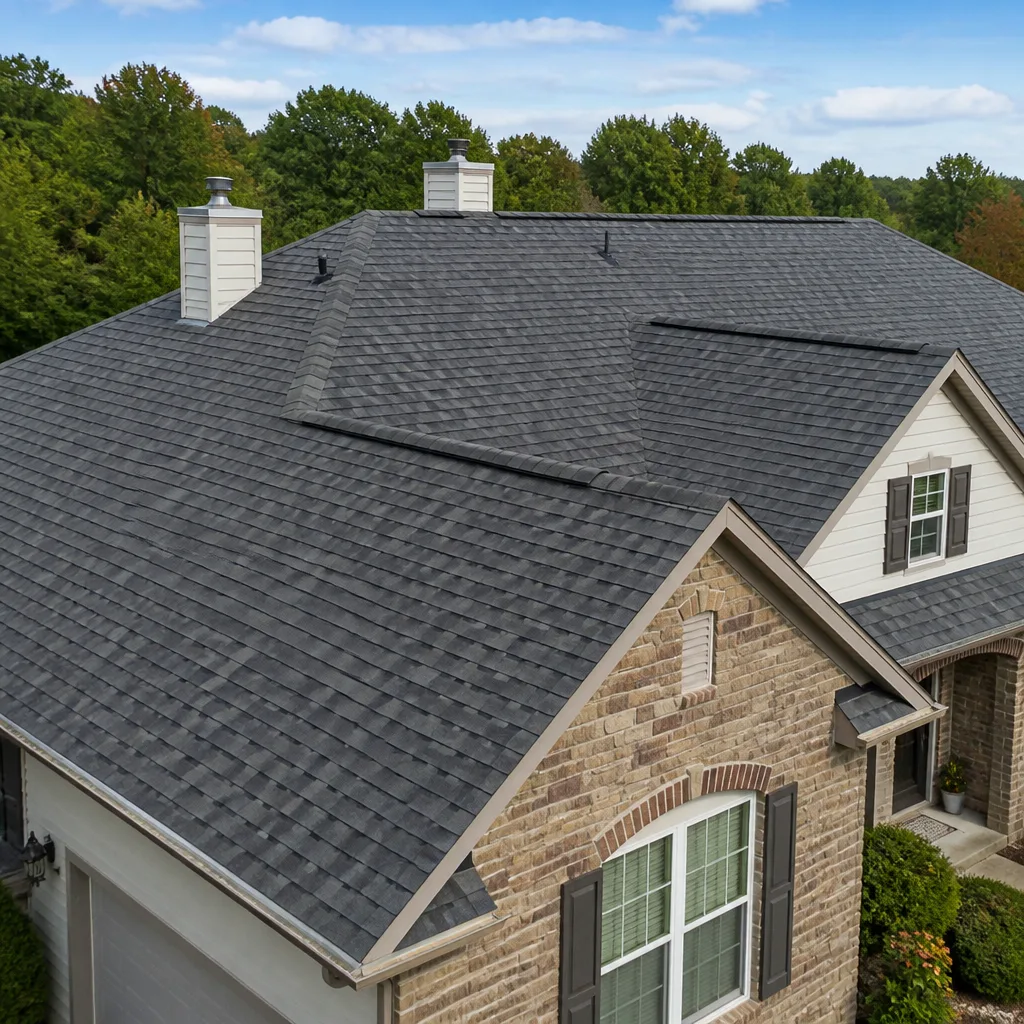
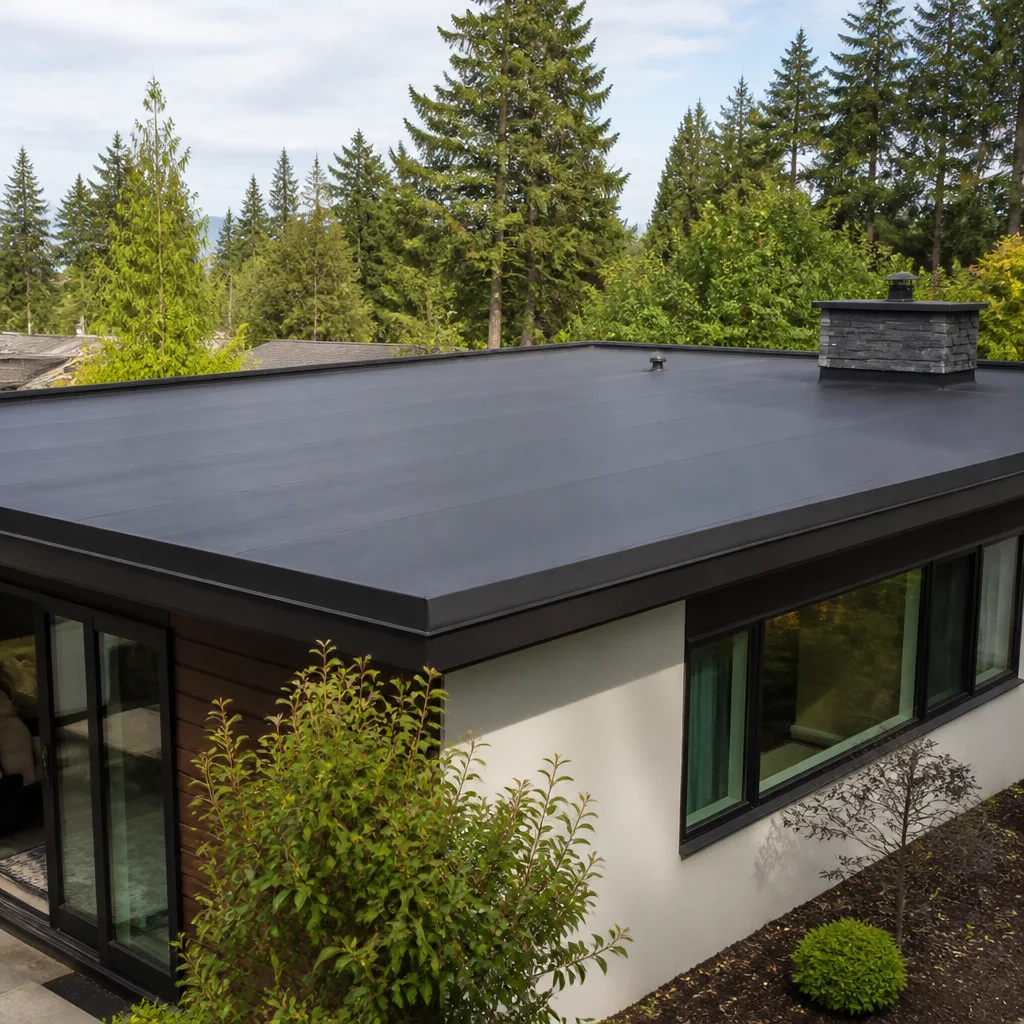
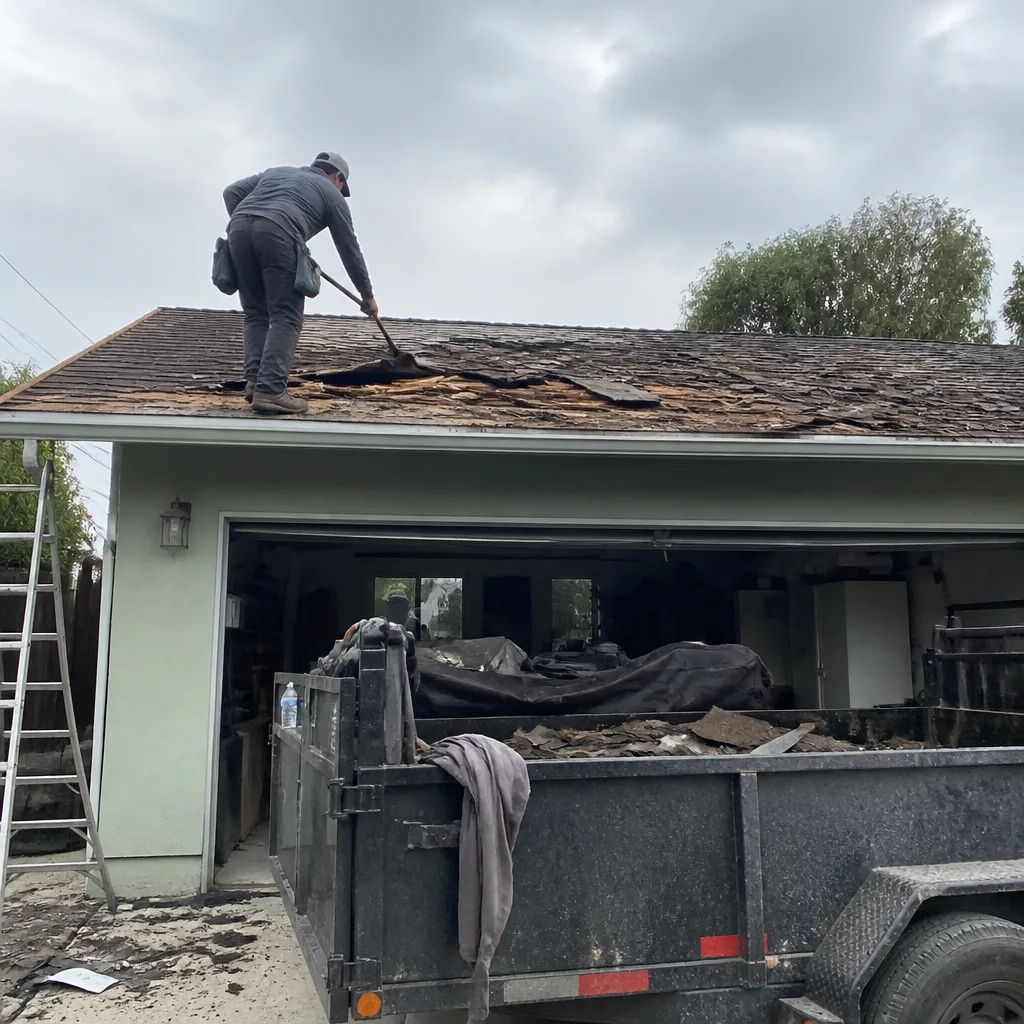 Before
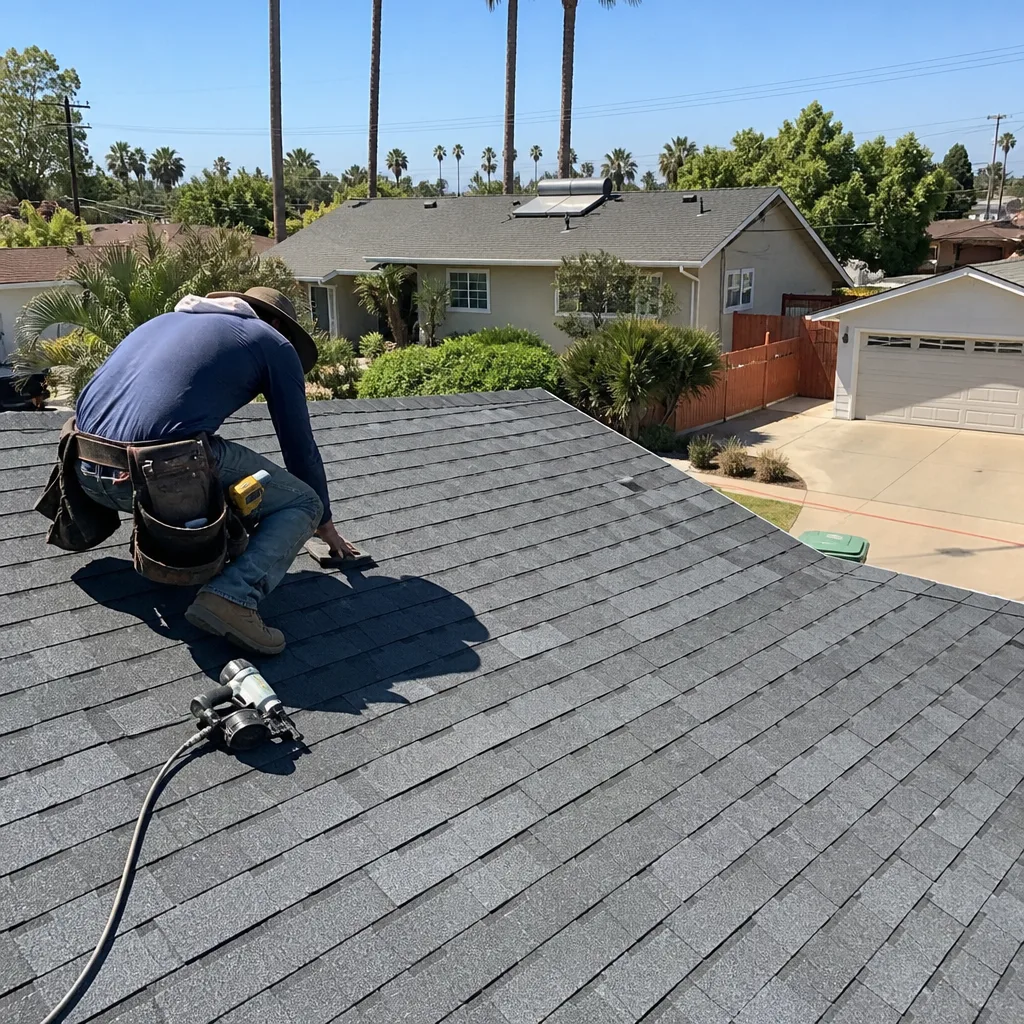 After
After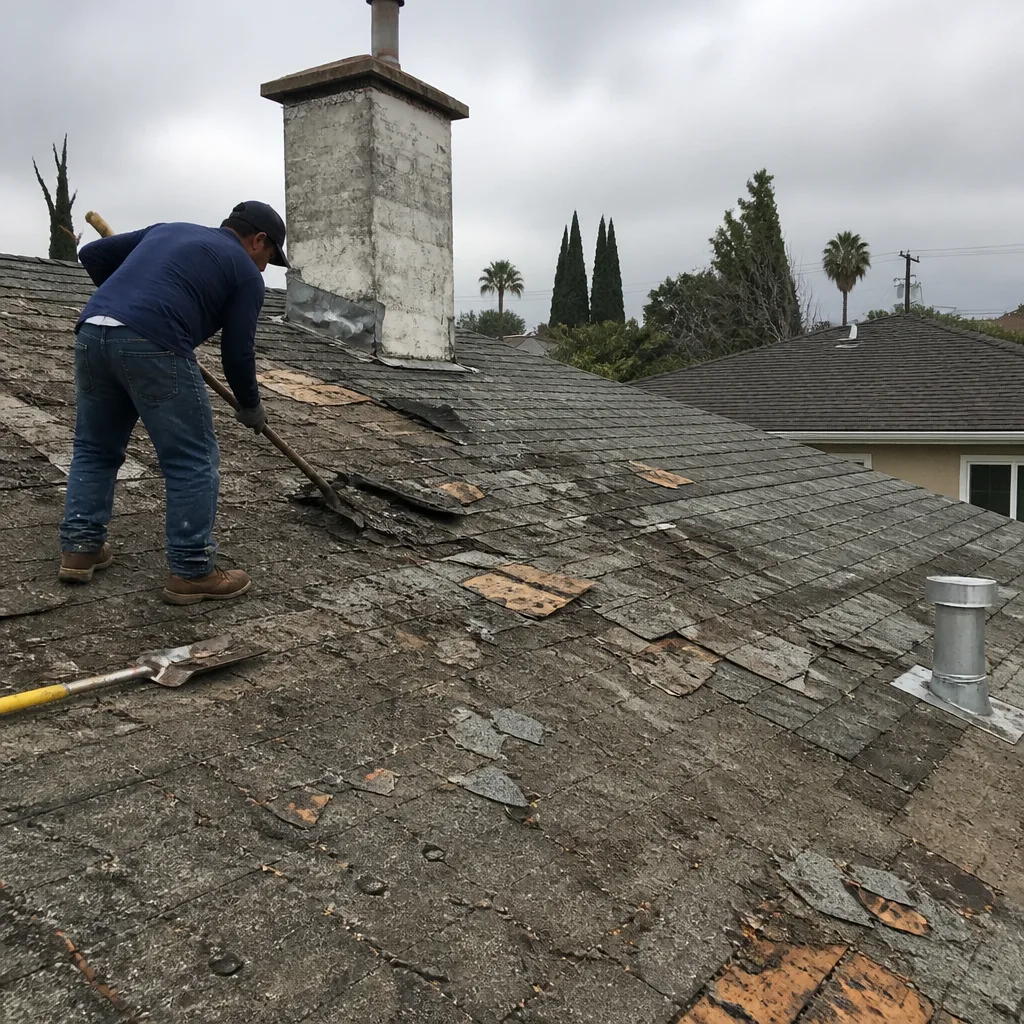 Before
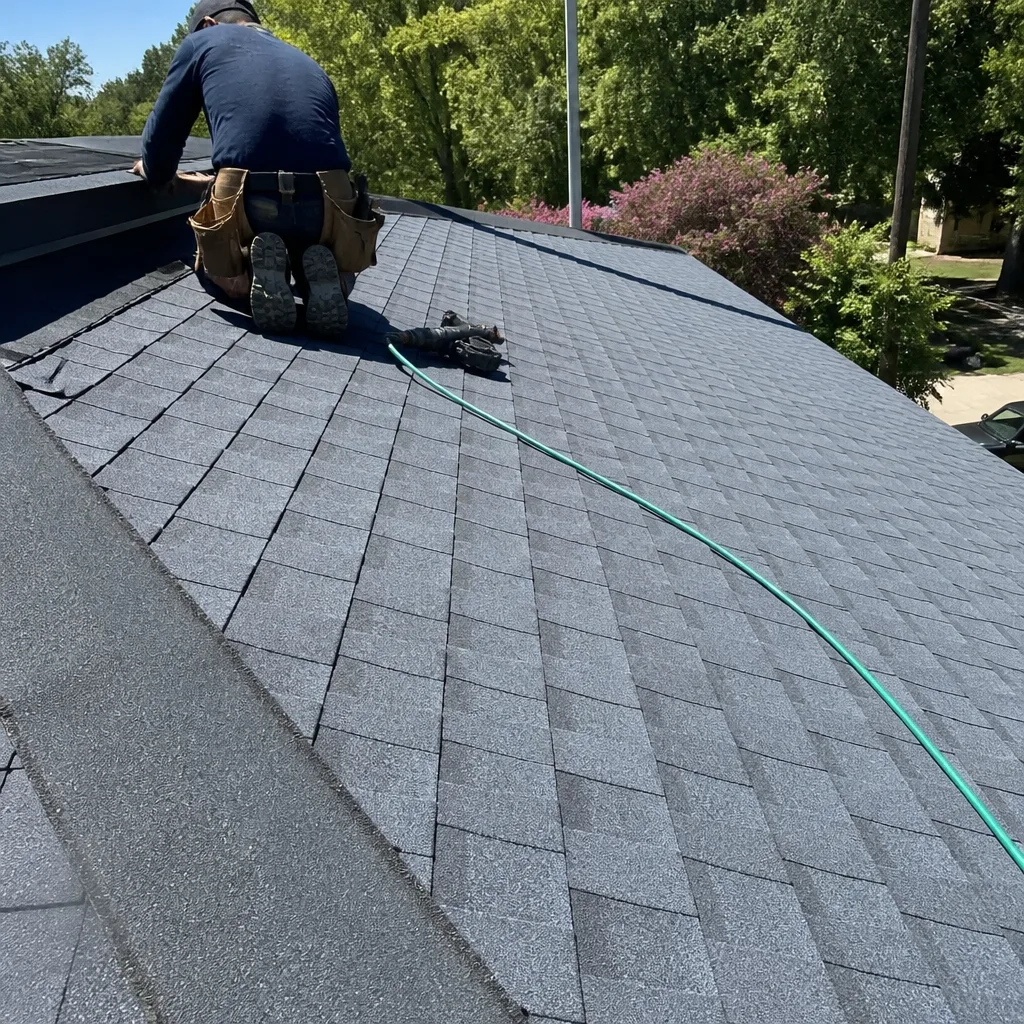 After
After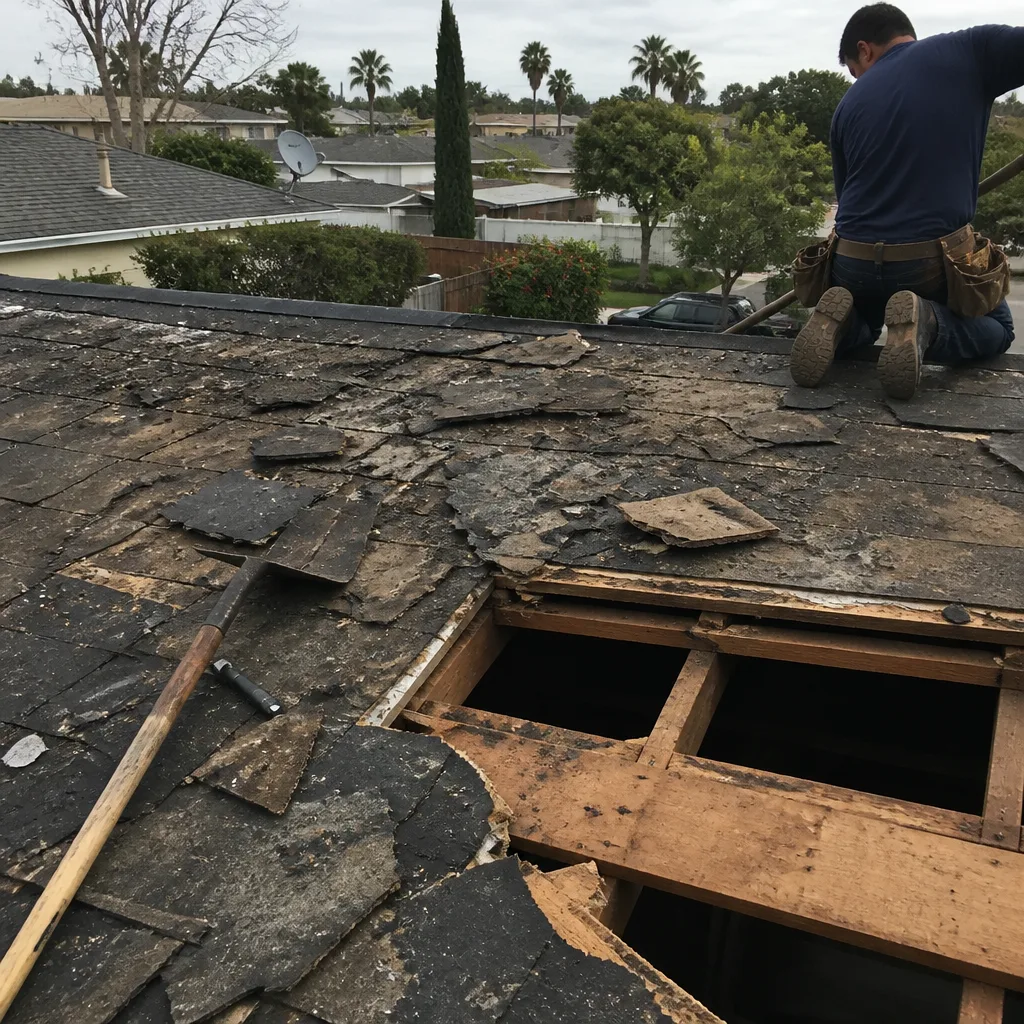 Before
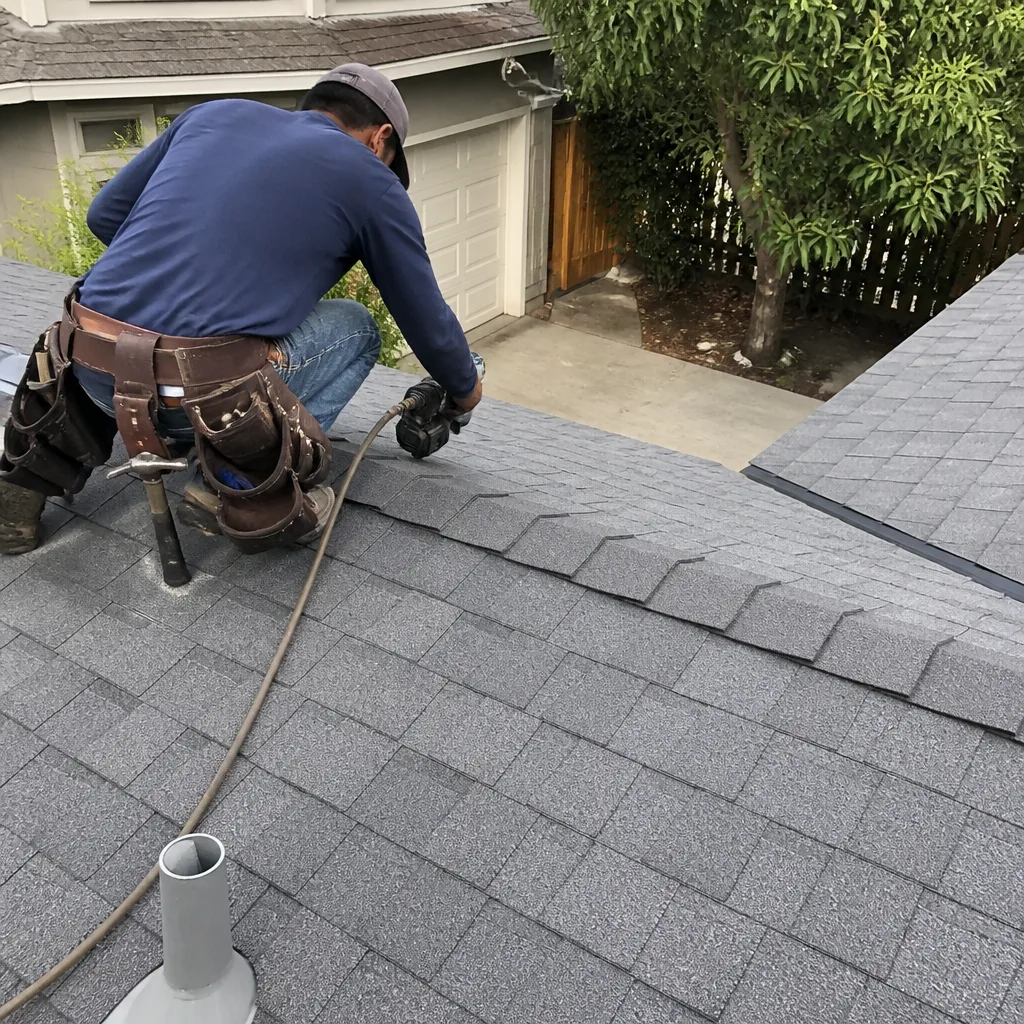 After
AfterGAF Underlayment & Deck Repair: The Los Angeles Owner’s Guide
GAF underlayment and deck repair in Los Angeles typically runs $1,800 to $4,600 installed, depending on how much decking has rotted and which GAF underlayment product your roof was originally built with. We stock GAF-compatible underlayment on our trucks and can usually complete a deck repair and re-underlayment in one day. Most Los Angeles homeowners discover the problem the hard way: a ceiling stain after the first real rain of the season, or a roofer pointing it out during a tile repair and lifting a corner of felt that crumbles in his hand.
Here’s what matters before you spend a dollar: the underlayment is the waterproof layer between your decking and whatever sits on top of it – tile, shingle, or flat-roof membrane. When it fails in Los Angeles, it’s rarely dramatic. It’s slow. Water seeps through hairline cracks, saturates the plywood or OSB decking beneath, and quietly rots the structure that holds your roof together. By the time you see the stain, the damage underneath has usually been happening for months.
Key takeaways:
- Installed repair costs in Los Angeles run $1,800 to $4,600 depending on deck rot and underlayment grade.
- GAF underlayment failure is usually discovered during a leak investigation, not before.
- We install GAF-compatible underlayment with the work guaranteed in writing for one full year.
- Same-week scheduling is standard; this is not a job that requires weeks of lead time.
Which GAF Models This Applies To
GAF makes three underlayment lines we work with regularly in Los Angeles: FeltBuster (their entry synthetic), Tiger Paw (mid-grade synthetic), and StormGuard (a peel-and-stick ice and water barrier). Each has a different spec and a different correct application. FeltBuster is a lightweight synthetic we see under older composition shingle jobs. Tiger Paw is the workhorse – higher tear resistance, better traction for installers, and the one we recommend for most reroofs in LA’s climate. StormGuard is the heavy hitter, a self-adhered membrane with a split-back release film that we use at eaves, valleys, and around penetrations where water collects.
If your home has a flat roof or low-slope section – common in Mid-Century moderns across the San Fernando Valley and West LA – GAF’s Liberty system uses a self-adhered base sheet that bonds directly to the deck. That’s a different animal from the mechanically fastened synthetics under tile. The point is this: you can’t just “put down underlayment.” You have to match it to the roof system above it and the slope below it.
On the deck side, GAF-compatible reroofs on existing homes almost always need some deck replacement. We’re looking for plywood or OSB that’s delaminating at the edges, soft under foot, or showing dark water staining. In Los Angeles, we also deal with a specific legacy issue: homes built before 1980 sometimes have 3/8-inch plywood decking that’s below current code minimums. GAF’s own installation specs typically require solid decking of adequate thickness for fastener hold, especially under tile, so thin or rotted sections have to go before new underlayment goes down.
One compatibility gotcha worth knowing: if your original underlayment was a peel-and-stick product and you’re switching to a synthetic, the deck surface has to be cleaned and sometimes primed for the new material to lay flat and seal correctly. Skipping that step is how you get wrinkles, and wrinkles are where water pools. On the other side of that coin, swapping synthetic for peel-and-stick at the eaves is a genuine upgrade that GAF specs for ice-dam-prone zones. In coastal Los Angeles neighborhoods like Playa del Rey and San Pedro, we see enough wind-driven rain that upgrading your eave underlayment to StormGuard is money well spent.
Signs Your GAF Underlayment & Deck Repair Is Failing
Underlayment failure doesn’t announce itself. Here’s what we actually see when we get on roofs across Los Angeles.
- Ceiling stains after rain, especially along exterior walls or under valleys. This is the classic. Water has breached the underlayment, saturated the deck, and found its way into the living space. By now, the decking is almost certainly compromised.
- Granule buildup in gutters for shingle roofs. Granules protect the shingle surface, but they don’t cause underlayment failure. What they signal is a roof entering the final third of its life, which means the underlayment underneath is probably fighting the same battle.
- Soft spots on the roof deck you can feel from inside the attic. If you’re up in the attic and the plywood gives under your palm or shows dark ring stains around nail penetrations, the deck needs replacement, not just re-covering.
- Lifted or cracked tiles with visible felt beneath. On tile roofs in Los Angeles, cracked tiles are common. But when you can see the underlayment through a cracked tile and it looks brittle, chalky, or torn, the waterproof layer has deteriorated past the point of protection.
- A musty smell in the attic after heavy morning marine layer or fog. This is a Los Angeles-specific tell. Coastal and hillside homes that sit in fog overnight get condensation cycles that reveal failed underlayment through persistent attic dampness, even without rain.
Replacement Cost & What’s Included
Here’s the real Los Angeles pricing for GAF underlayment and deck replacement, and what drives the numbers.
| Work Performed | Typical Los Angeles Installed Range |
|---|---|
| Underlayment replacement only (tear-off, new synthetic, shingle or tile reset) | $1,800 – $3,200 |
| Underlayment plus 2-4 sheets of deck replacement | $2,400 – $3,800 |
| Full re-deck plus underlayment (extensive rot or old 3/8″ plywood) | $3,600 – $4,600+ |
| Upgrade to GAF StormGuard at eaves and valleys (add-on) | $300 – $700 |
The range depends on how many sheets of decking come up, how steep the roof is (steeper pitch means more labor), and whether we’re working under tile or shingle. Tile is heavier and takes longer to remove and reset, which is reflected in labor. The underlayment material itself is not the expensive part of this job; labor and decking are. You should know that going in.
Every estimate is written before any work starts. The price on paper is the price you pay – it does not move at the door, and it does not change mid-job unless you add scope. What’s included: tear-off and disposal, deck inspection with replacement of any unsound sections, new GAF-compatible underlayment installed to manufacturer spec, fastener and flashing check, and a full cleanup with magnetic sweep. The work is guaranteed in writing for one full year. If it fails within that window, we come back at no charge. That’s the 365-Day Done Right Promise, and it’s printed on every contract.
DIY or Call Us?
Here’s the honest split. What you can safely do yourself: look in the attic for staining or soft decking, check visible underlayment through any cracked tiles, and clear your gutters so water isn’t backing up under the tile edges. That’s diagnosis, and it’s useful when you call us because it helps steer the conversation.
What you should not do yourself: tear off tile or shingle and re-lay underlayment on a roof you plan to live under. This is not like swapping a faucet washer. You’re exposing the entire roof structure to weather while you work, and a single bad seam in the underlayment means every drop of LA’s winter rain finds it. We’ve repaired more than a few DIY underlayment attempts where homeowners saved $2,000 in April and spent $9,000 in February. Getting the material right matters. Getting the laps right matters more. And falling off a two-story roof is not a home improvement story anyone wants to tell. If you’re unsure, call us. The conversation is free, and we’ll tell you if it’s a repair or a replacement situation without pushing either direction.
FAQs
GAF synthetic underlayments are rated for decades of service life, but real-world lifespan in Los Angeles depends on exposure, slope, and the condition of the roofing material above it. Under tile roofs, which are common in Los Angeles, underlayment is doing the real waterproofing work and sees more wear than under shingle. A well-installed synthetic underlayment under tile should last 25 to 40 years, but that assumes the roof system above it is maintained and the original installation had proper laps and fastening. If you’d like us to evaluate what’s currently on your roof, call (361) 320-9467 and we’ll schedule an inspection.
Yes, in the right circumstances. A localized tear or a puncture from a broken tile can be patched with compatible material if the surrounding underlayment is still flexible and the deck below is dry and sound. But if the material has become brittle, if water has been getting under it, or if multiple areas are showing age, a patch is throwing good money after bad. Travis Oakley routinely tells homeowners when a patch will buy them a few years versus when it’s just postponing the bigger job. Call (361) 320-9467 for an honest assessment of what’s repairable and what isn’t.
Most underlayment and deck repairs on a typical Los Angeles home are completed in one day, from tear-off through cleanup and final inspection. Larger jobs with extensive deck replacement or steep, cut-up rooflines may run into a second day. Tile reset and debris removal are included in that timeline. We’ll give you a clear completion window in writing before work starts, and the technicians on your roof are background-checked, uniformed, and the same crew from start to finish.
We do. Our trucks carry GAF FeltBuster, Tiger Paw, and StormGuard, giving us the right grade for everything from a small patch to a full underlayment replacement. We also work with CertainTeed and Owens Corning lines when a homeowner’s existing system demands a specific match. The material is real, it’s on the truck, and we’ll show you what’s going down before it goes down. Call (361) 320-9467 for a free estimate with the price in writing before any work starts.
Written by Travis Oakley, Owner, Brennan Roofing at Brennan Roofing, serving Los Angeles and nearby areas.