
Free roof inspection with deck photos before we talk money - GAF and Owens Corning certified installation
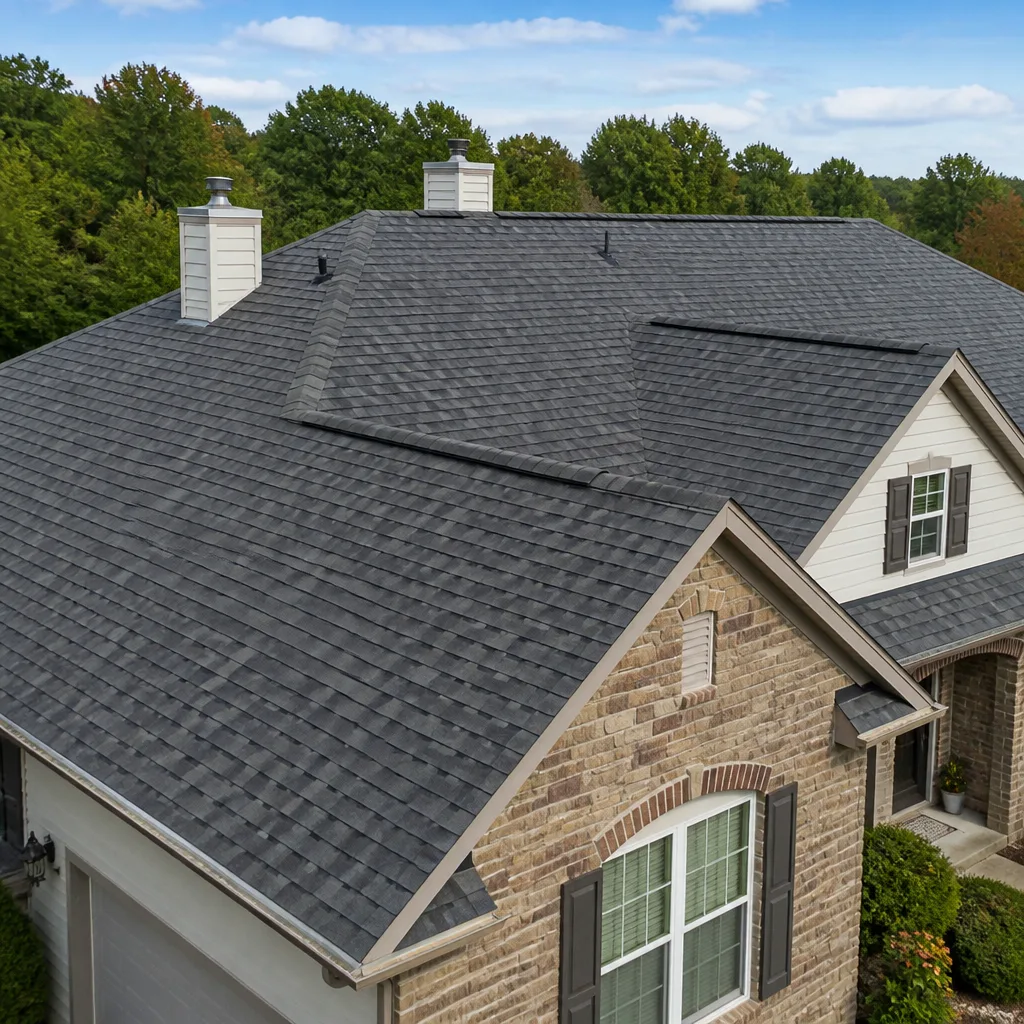
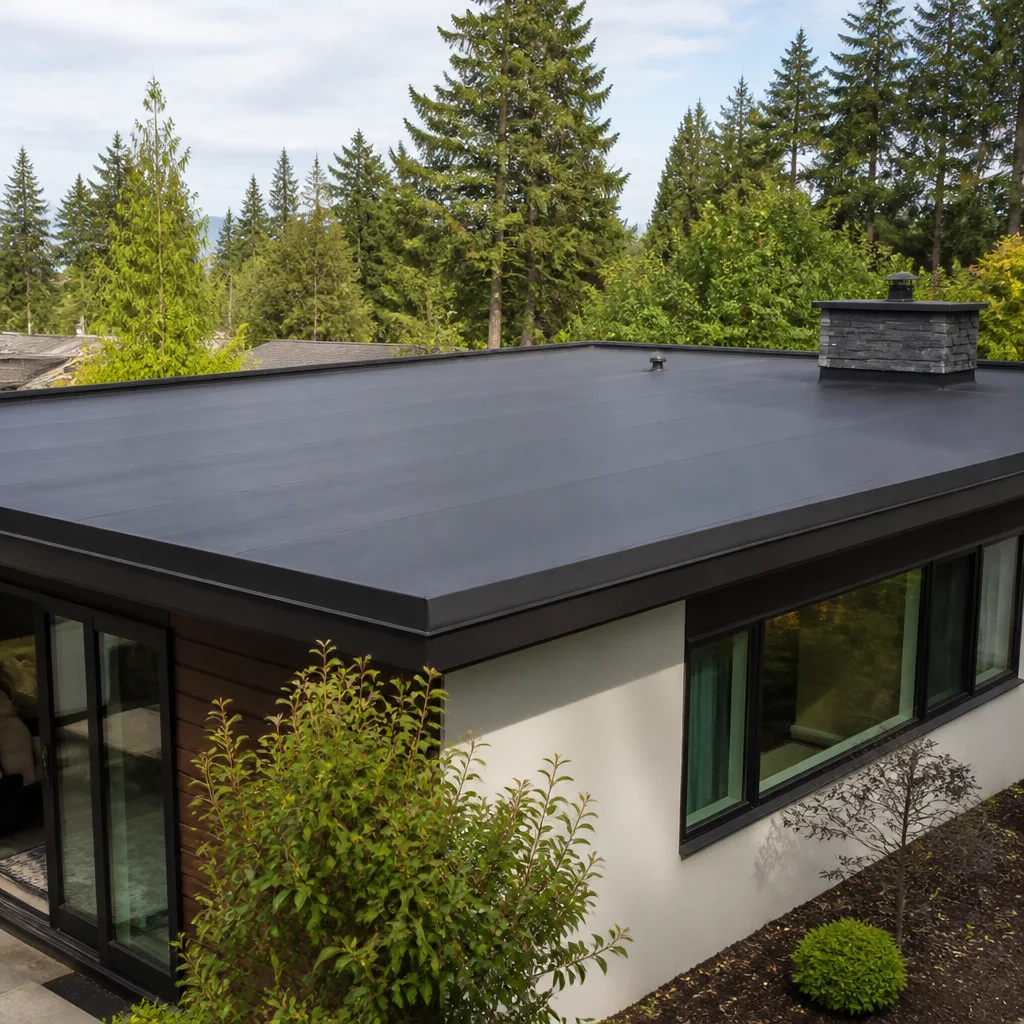
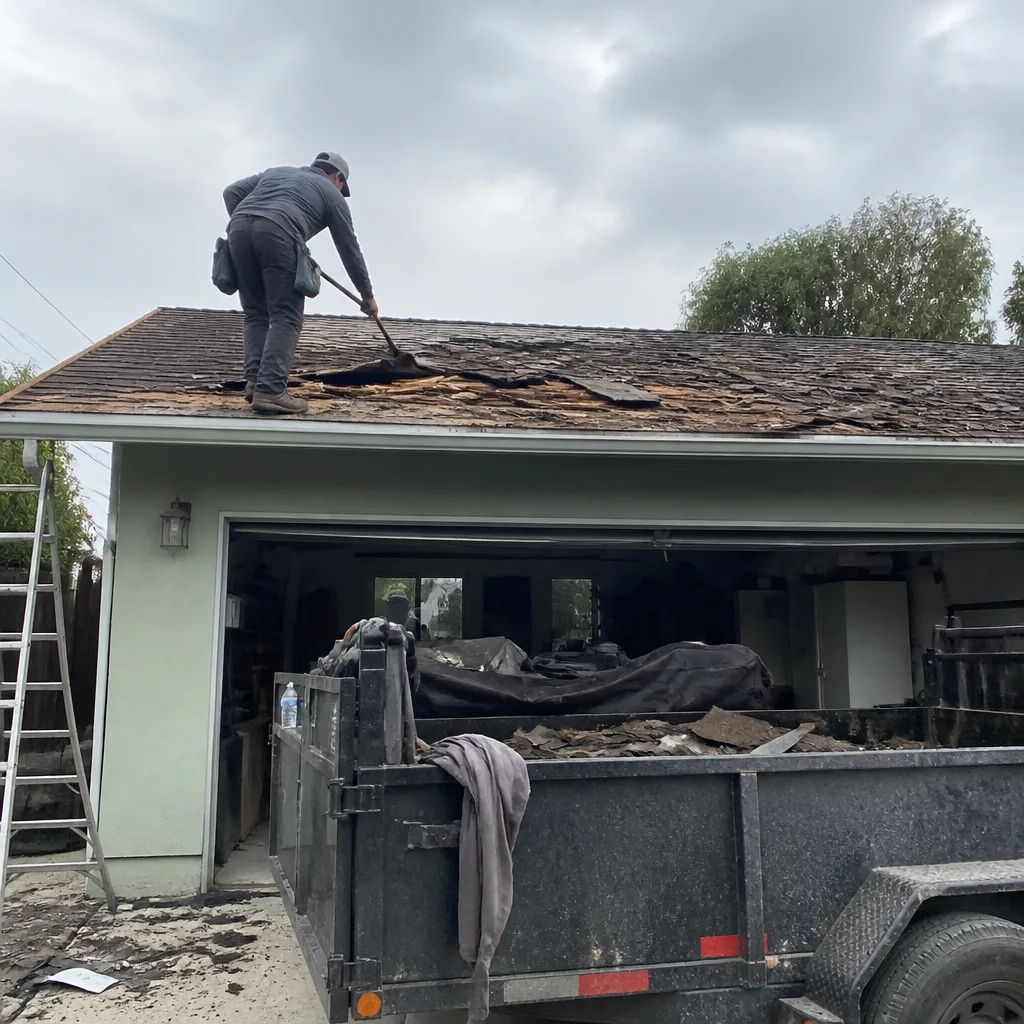 Before
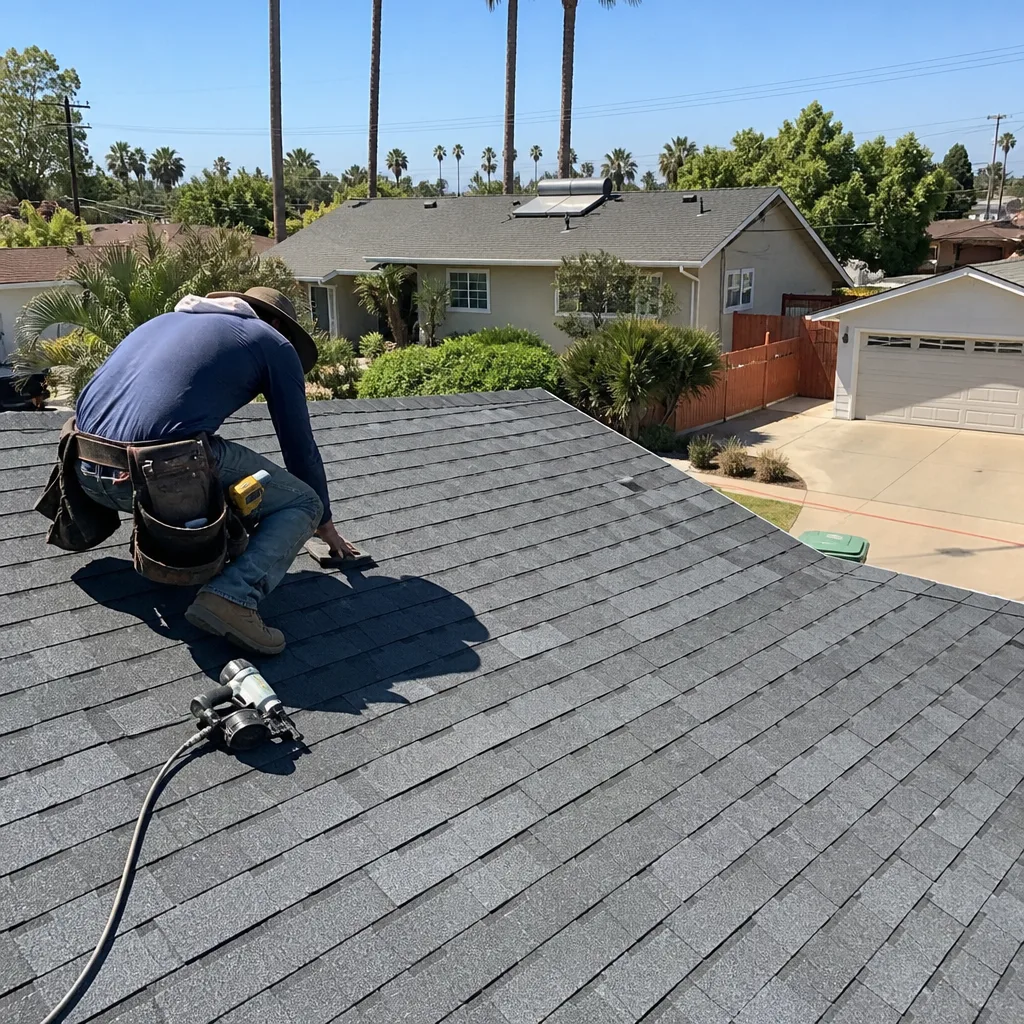 After
After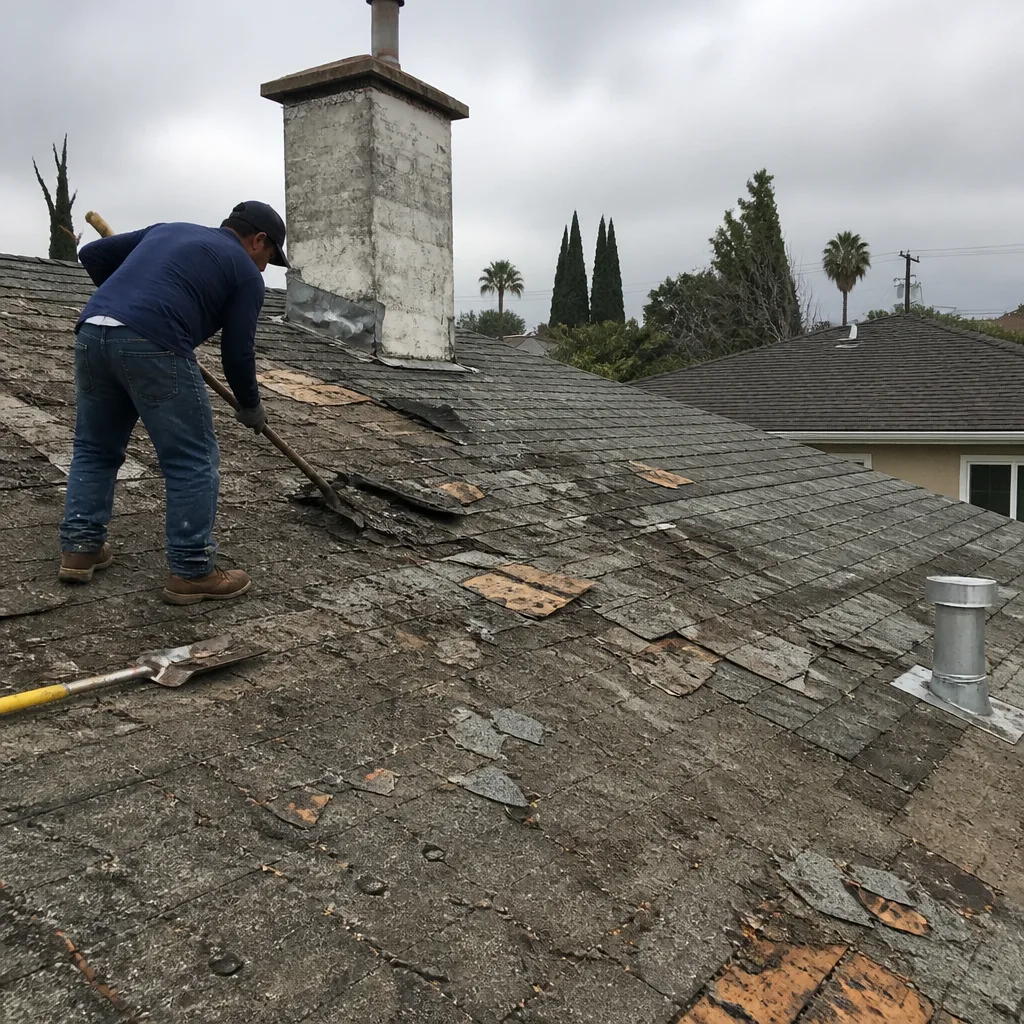 Before
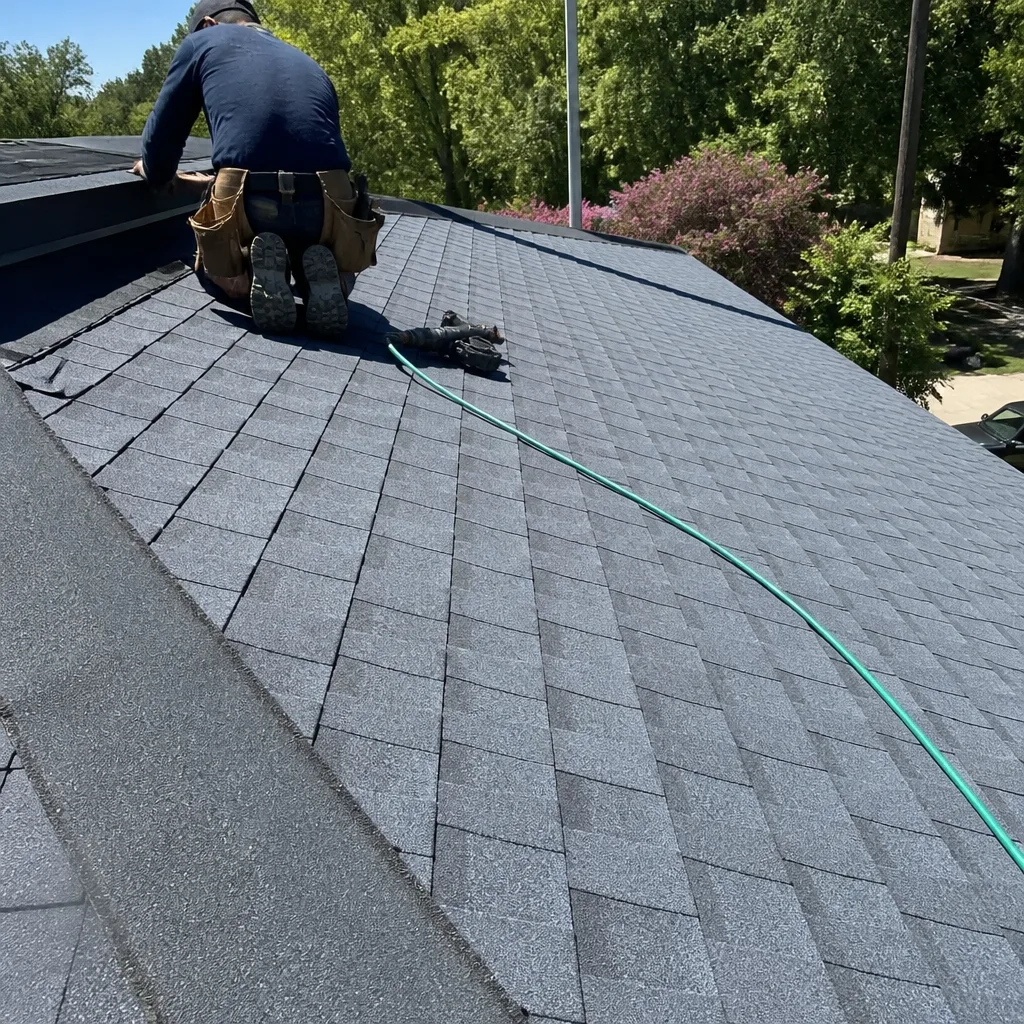 After
After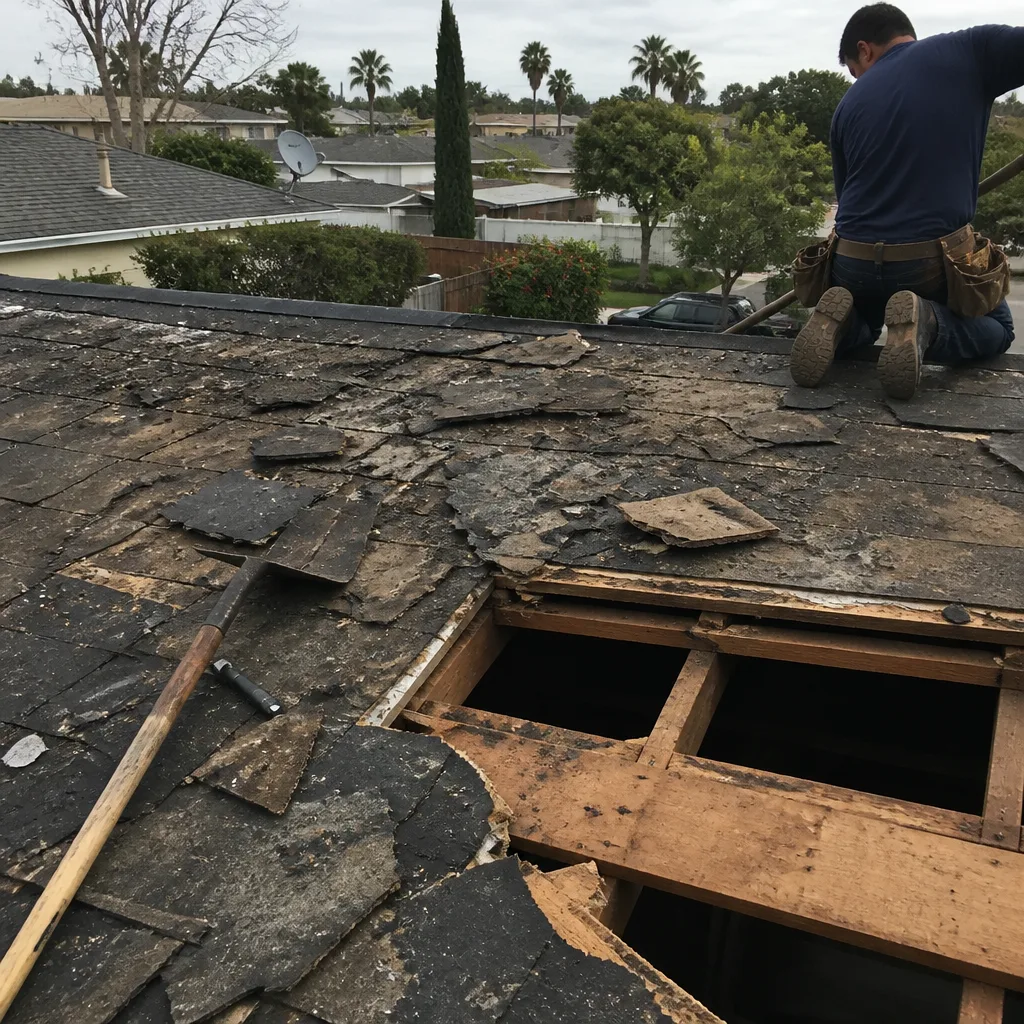 Before
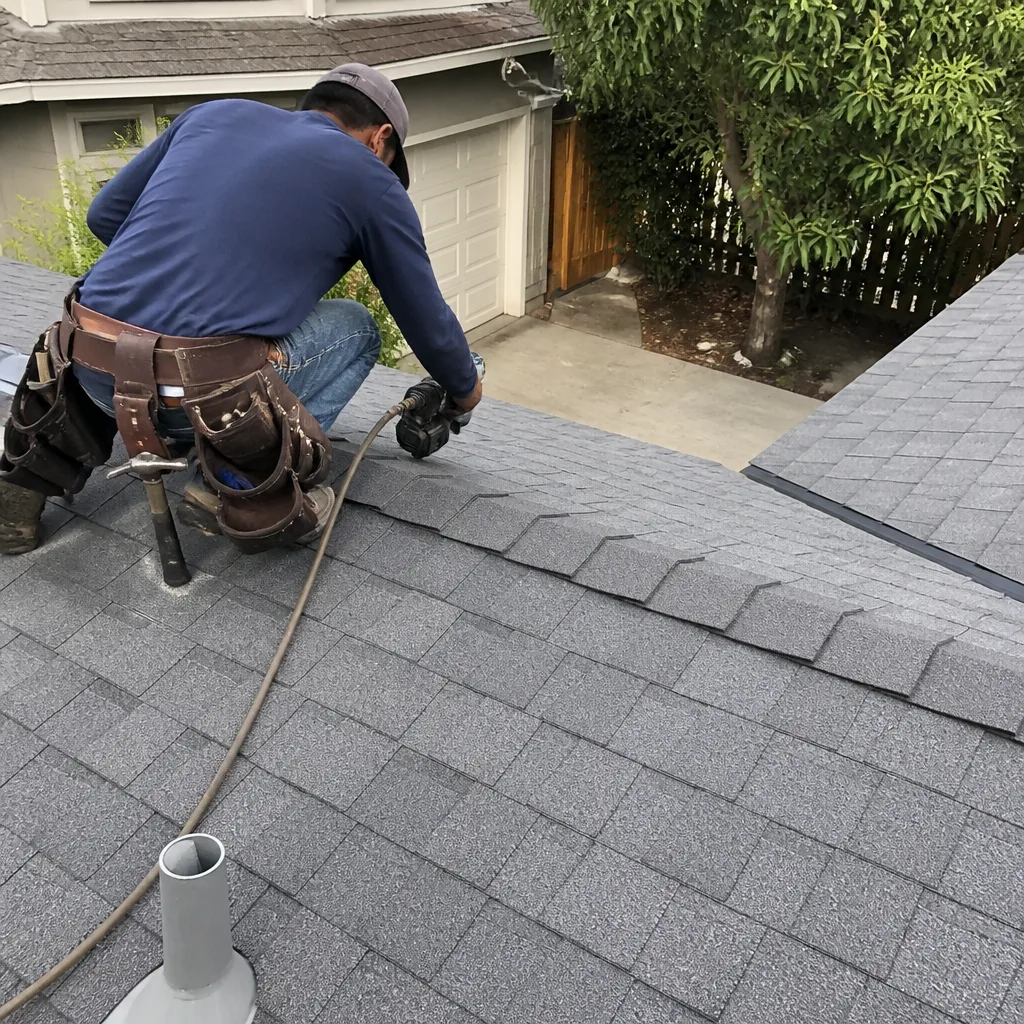 After
AfterOwens Corning Flashing Replacement: The Los Angeles Owner’s Guide
Replacing failed flashing on an Owens Corning roof in Los Angeles typically runs $450 – $1,100 installed, depending on linear footage and how many roof-to-wall or roof-to-penetration transitions need rework. We stock Owens Corning-compatible flashing profiles on our trucks and can usually complete the replacement the same day we diagnose it. Most Los Angeles homeowners discover the problem after a winter rain: a water stain on the ceiling near a wall, a drip near the chimney, or granules collecting in a gutter below a valley. Flashing fails long before shingles do, and in LA’s dry-summer, wet-winter cycle, the expansion and contraction pulls old flashing loose from its sealant and then the first real storm finds the gap.
Key Takeaways
- Installed flashing replacement in Los Angeles runs $450 – $1,100 for typical jobs.
- We’re an independent roofing contractor, not affiliated with Owens Corning, but we install flashing compatible with Owens Corning roof systems daily.
- Flashing fails faster than shingles in LA because summer heat bakes the sealant, then winter rain exploits the crack.
- Every job gets a written price before any work starts, and our 365-Day Done Right Promise covers the replacement in writing for a full year.
Which Owens Corning Models This Applies To
Owens Corning flashing isn’t a single part with a single part number. The flashing for an Owens Corning Duration or Oakridge shingle roof depends on where it’s going: step flashing at a wall, headwall or apron flashing, valley metal, pipe boot, chimney counter-flashing, or drip edge at the eave. The compatibility question most Los Angeles homeowners actually face is whether the flashing on their roof matches the Owens Corning system they installed five, ten, or twenty years ago. We check the shingle identification label if it’s still attached in the attic or under a ridge, and we measure the existing flashing profile with a gauge before we order or cut anything. Owens Corning’s own warranty documentation refers to flashing as an accessory, and it’s typically the roofing contractor’s scope, not a factory-matched Owens Corning part. That’s a real compatibility gotcha: homeowners assume the flashing came from the shingle manufacturer, when in practice it’s locally fabricated metal sized to the roof. We use 26-gauge galvanized steel or aluminum flashing that matches Owens Corning profiles and LA building code, and we carry pre-bent step flashing in 4-inch, 5-inch, and 6-inch rises on the truck for most common transitions.
For homeowners in LA with original-era tile-to-shingle conversions or mid-century additions, mismatched flashing is common. Travis Oakley grew up in the San Fernando Valley and has pulled apart enough of these transitions to know what a 1960s flashing job looks like when it finally lets go. If the existing metal is thinner than 26 gauge or was sealed with roofing cement instead of a proper elastomeric sealant, replacement is the right call, not patching.
Signs Your Owens Corning Flashing Replacement Is Failing
- Water stains on interior ceilings near exterior walls. This usually means step flashing behind the stucco or siding has separated from the wall plane, and rainwater is tracking down the wall sheathing into the house. In Los Angeles hillside homes, heavy wind-driven rain makes this failure pattern show up faster.
- Lifted, curled, or missing metal at a wall transition or chimney. Heat expansion in LA summers, especially in the Valley where attics hit 130°F, physically works flashing out of its sealant bed. If you can see daylight under the flashing from a ladder, water can get in.
- Rust streaks or white corrosion on metal flashing. Galvanized flashings eventually sacrifice their coating, and coastal neighborhoods in Los Angeles like Playa del Rey or San Pedro see salt-accelerated corrosion. Once the metal is rusting through pinholes, the only reliable fix is cutting out the section and replacing it.
- Granules accumulating in gutters below a valley or wall line. Failed flashing diverts water under the shingle edge, which loosens granules and then begins rotting the shingle’s fiberglass mat. The flashing issue causes the shingle failure, not the other way around.
- Damp smell, bubbling paint, or mold at the underside of roof decking visible in the attic. Slow flashing leaks don’t always make dramatic stains. They wick into plywood and show up as a musty smell or a soft spot when you probe the decking.
Replacement Cost & What’s Included
For a flashing replacement on an Owens Corning roof in Los Angeles, the honest price window is $450 – $1,100 installed, and here’s what moves the number: how many linear feet of step flashing, how many plumbing penetrations or chimney saddles, whether the existing flashing is accessible or buried under stucco, and whether the surrounding shingles are brittle enough that we’re pulling and resetting them carefully rather than working around them. A simple pipe boot at one plumbing vent could run $300 – $450. A full chimney counter-flashing and saddle with new metal and sealant could push toward $1,000 or more. The line items are straightforward: metal and sealant materials plus labor, with no markup games. You get a written price before any work starts, it doesn’t move at the door, and every flashing replacement is covered under the 365-Day Done Right Promise. If it fails within that year, we come back and redo it at no charge, in writing. That’s the Garrison Standard, and it applies to a $400 pipe boot the same as it applies to a $40,000 re-roof.
DIY or Call Us?
You can safely inspect from the ground with binoculars: look for lifted flashing, missing metal, and sealant that has pulled away in long cracks. You can also check the attic after a rain for wet sheathing near wall lines or chimney chases. What goes wrong with DIY flashing repair is usually the ladder and the sealant choice, in that order. Los Angeles homes on slopes put a ladder at a steep angle, and a fall from a two-story roof edge is a life-changing injury, not a Saturday project. The second failure is using roofing cement or a hardware-store silicone caulk instead of a polyurethane or elastomeric sealant that can take LA’s heat without cracking in three years. We’ve seen more than a few homeowner “repairs” where the new caulk over the old failed sealant just trapped water behind it. Flashing replacement also often means lifting the bottom course of Owens Corning shingles without cracking them in summer heat, which is harder than it looks when the deck is 140°F. If you notice any of the signs above, call (361) 320-9467 and we’ll send a background-checked, uniformed technician to give you a written price before any work starts. No sales pitch follows. A roof that’s squared away doesn’t need a sales pitch.
FAQs
Quality flashing installed correctly lasts 20 – 35 years in Los Angeles, but the sealant bed around it typically fails in 10 – 15 years due to UV exposure and heat cycling. In the San Fernando Valley and inland areas where summer temps hit 100°F or more, sealant failure is the reason most flashing gets replaced long before the metal wears out. If your flashing is original from the last re-roof and the roof is a decade old, it’s worth an inspection. Call (361) 320-9467 for a straight answer.
Yes, if the metal itself is sound and the problem is failed sealant or a pulled nail, we can clean, re-bed, and re-secure the existing flashing. If the metal is rusted through, cracked, or thinner than 26 gauge, repair is a temporary patch and we’ll say so directly. A repaired flashing section doesn’t get less expensive the second time it leaks. We give you the choice with a written price either way.
A typical pipe boot or small section of step flashing takes 1 – 2 hours on site. A chimney counter-flashing and saddle replacement can take a half day depending on accessibility and how much old sealant has to be cleaned off. We’ll tell you the time window with the written estimate, and our technicians arrive in uniform inside that window.
We stock common step flashing profiles in 4-inch, 5-inch, and 6-inch rises, pipe boots, and valley metal in 26-gauge galvanized steel and aluminum. Odd sizes or custom bent metal for unusual transitions are fabricated locally, usually within one to two days. If you’re replacing a flashing section on an Owens Corning roof in Los Angeles, we can likely handle it same day once we see the transition. Call (361) 320-9467 to schedule a look.
Written by Travis Oakley, Owner, Brennan Roofing at Brennan Roofing, serving Los Angeles and nearby areas.