
Free roof inspection with deck photos before we talk money - GAF and Owens Corning certified installation
 Before
 After
After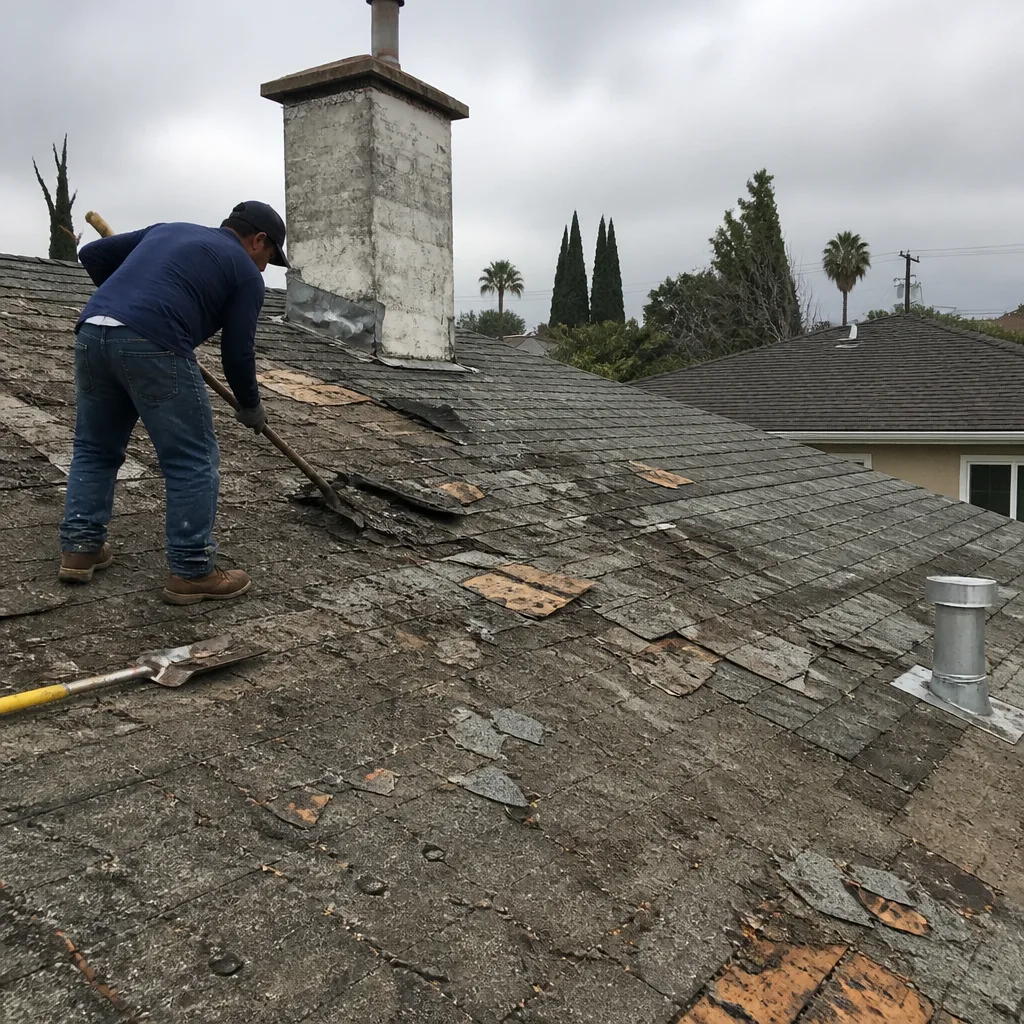 Before
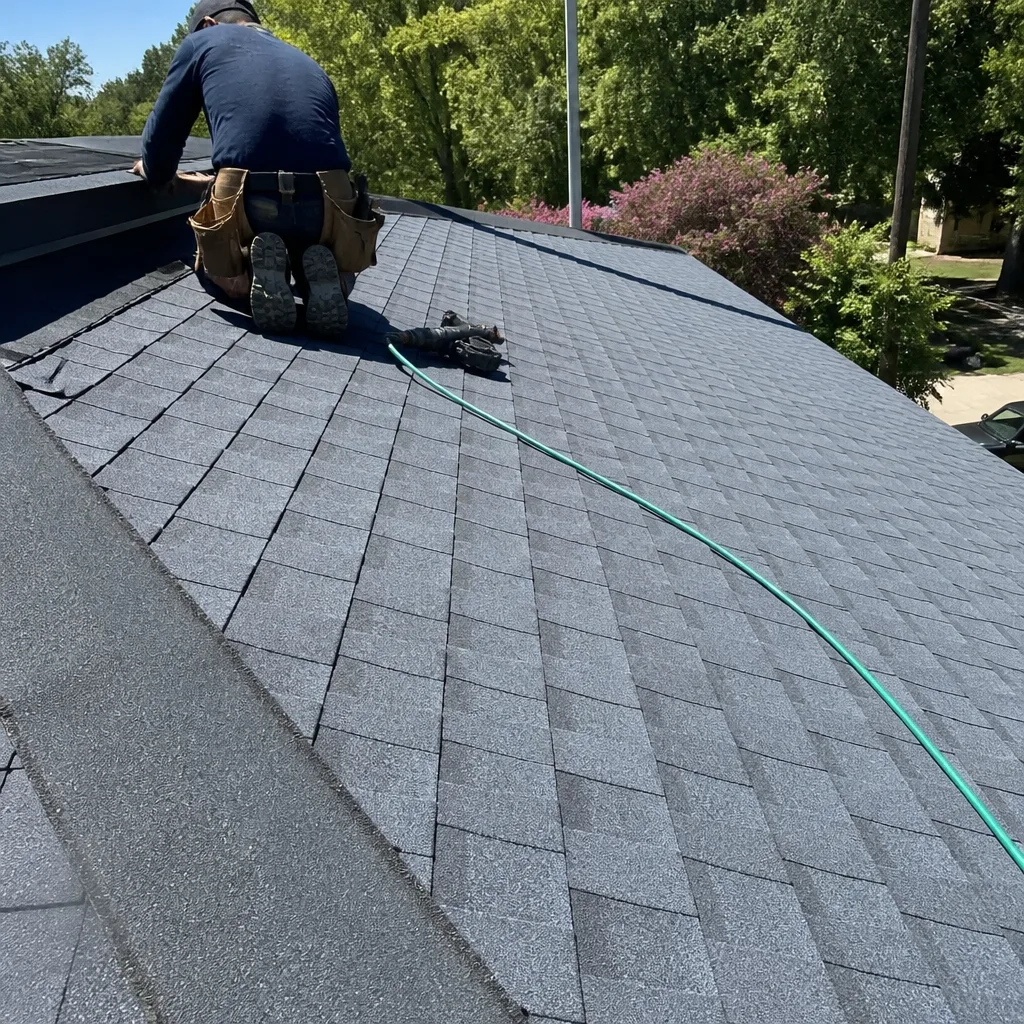 After
After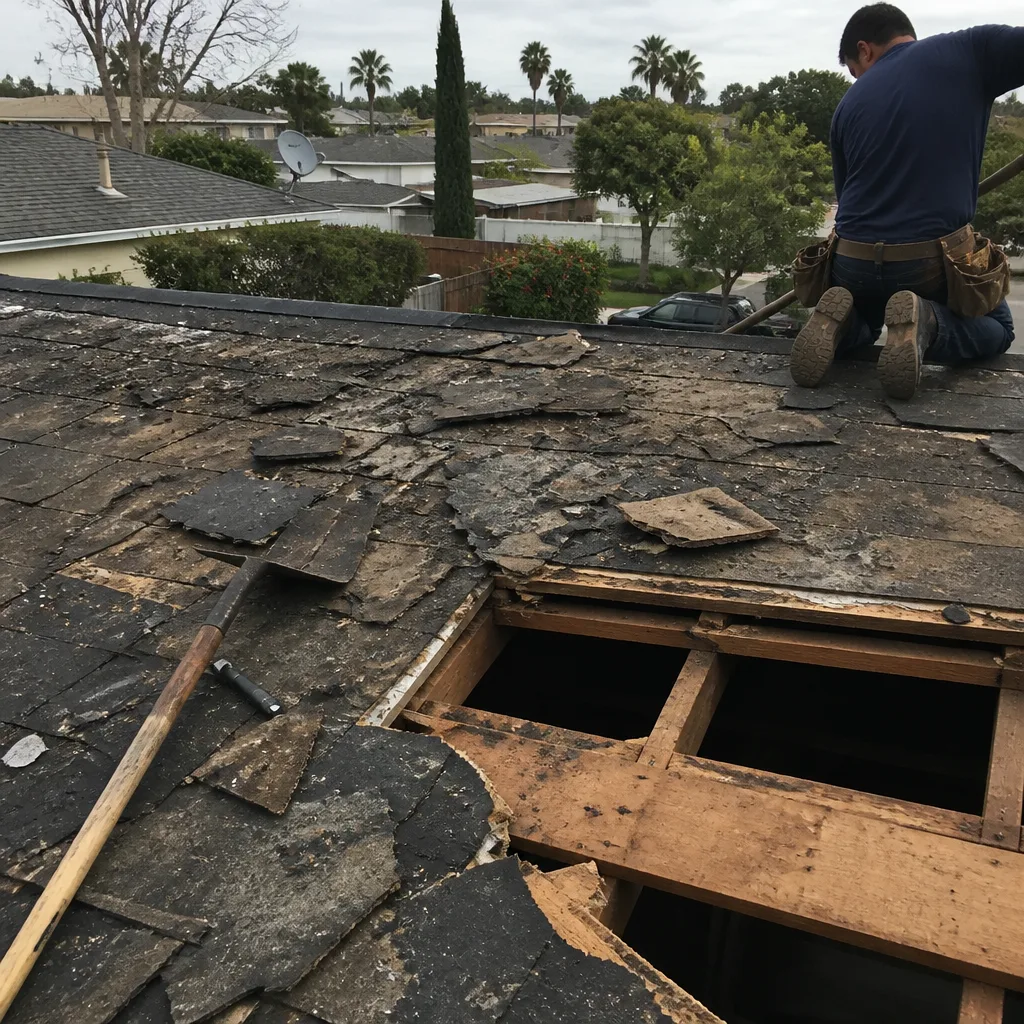 Before
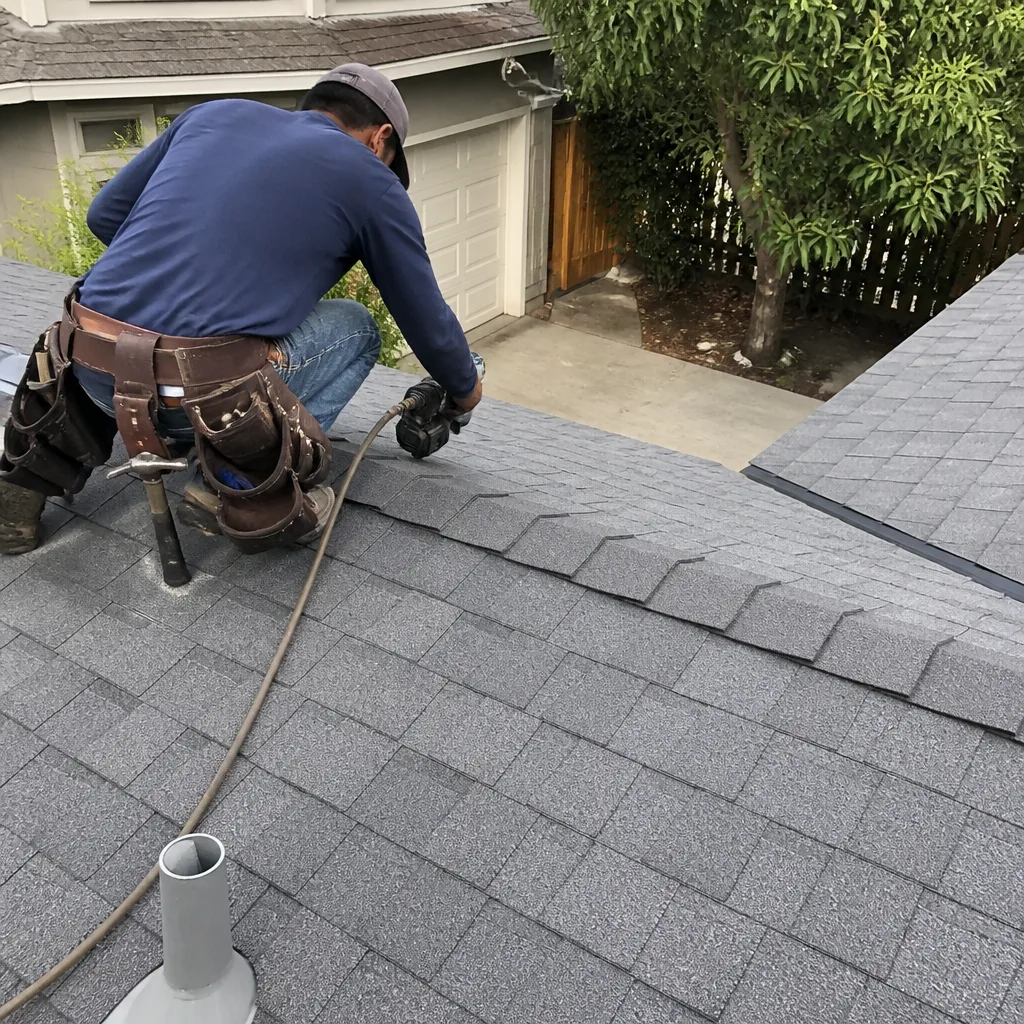 After
AfterTamko Gutter Replacement: The Los Angeles Owner’s Guide
Tamko gutter replacement in Los Angeles typically runs $14 to $22 per linear foot installed, with most single-story homes landing between $900 and $1,800 for a full gutter run. We stock Tamko-compatible aluminum and steel gutter sections, hangers, and downspout components on our trucks, so the swap usually happens in a single visit. What brings most homeowners to this page is a gutter that’s pulling away from the fascia, a visible split along the seam, or water spilling over the edge during a downpour and pooling at the foundation.
If you’re reading this, you’ve probably already noticed a section of gutter that’s sagging, rusting through, or pulling loose from the roofline. Maybe you found granules from a Tamko shingle roof washing into the gutter and backing up. Either way, the fix is straightforward: match the profile and gauge, replace the failed section, and make sure the pitch still moves water to the downspout. We’ll walk through what that looks like below, including what it costs in Los Angeles.
Which Tamko Models This Applies To
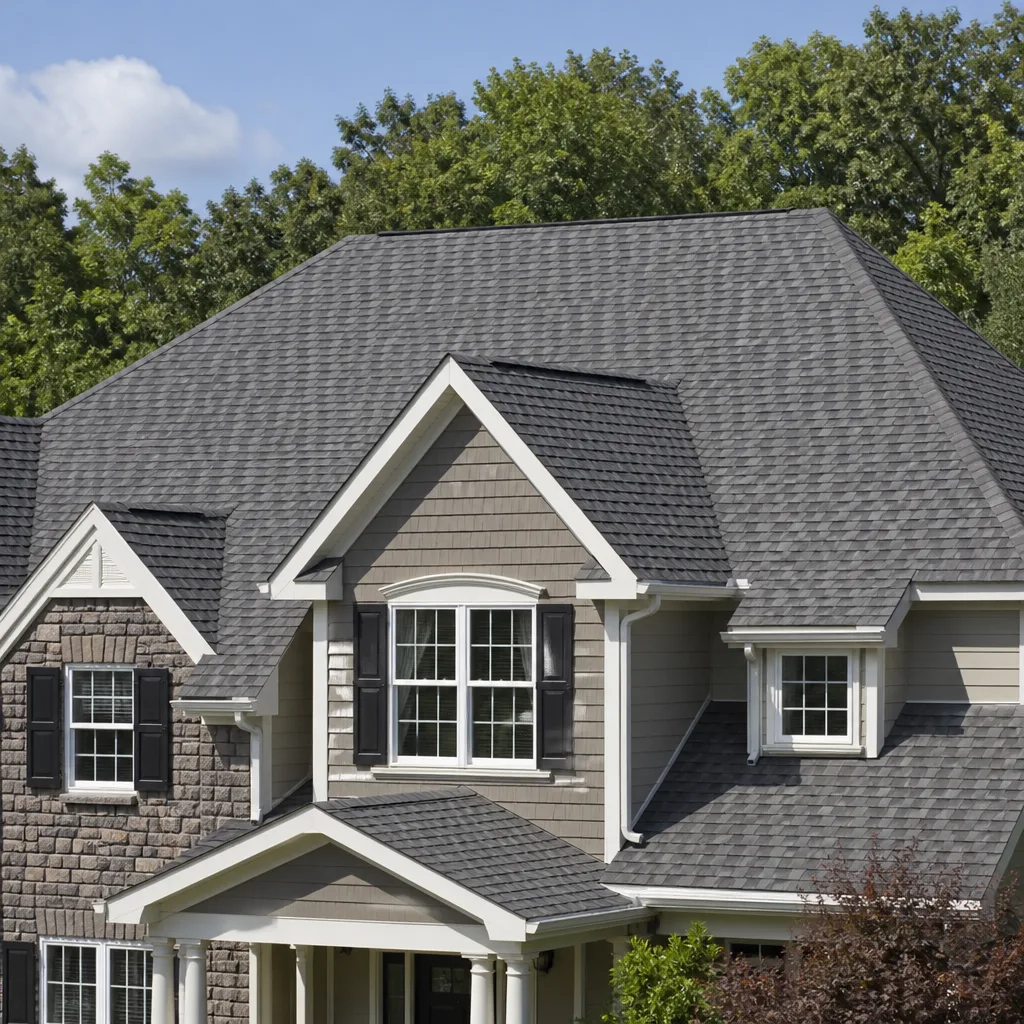
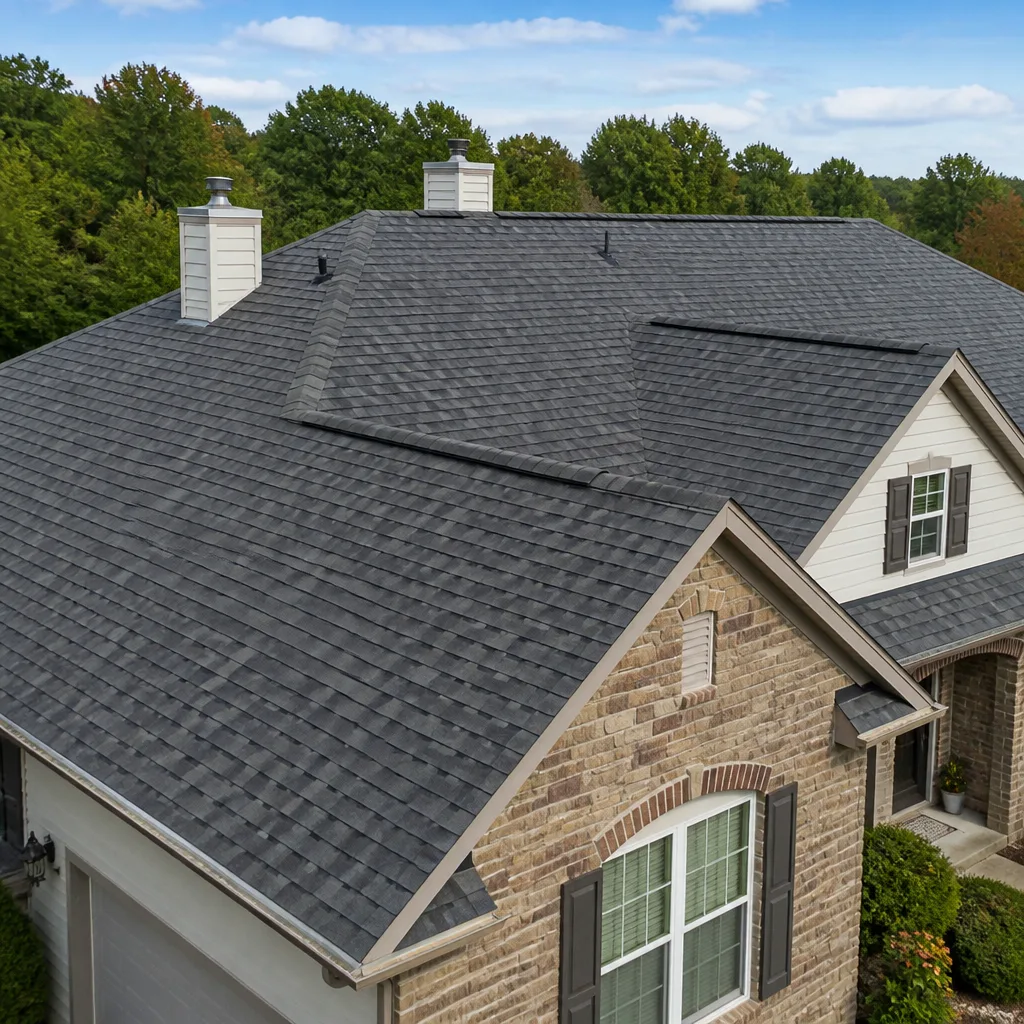
Tamko manufactures roofing products, not gutters, so when we talk about Tamko gutter replacement in Los Angeles, we mean replacing gutters on homes where a Tamko roof system is already in place. The gutter work itself uses standard 5-inch or 6-inch K-style aluminum or steel profiles, but the compatibility question matters at the roof-to-gutter connection point. If your home has a Tamko Heritage, Elite Glass-Seal, or Titan XT shingle roof, the drip edge and underlayment profile at the eave dictates how the gutter hanger gets attached. We’ve seen some Los Angeles homes where the shingle overhang at the eave extends farther than standard, which means the gutter hangers need to be mounted slightly lower on the fascia to keep water from overshooting the gutter trough entirely.
Here’s the practical part: pull a gutter section and measure across the top opening. A 5-inch gutter measures about 5 inches from back to front lip. A 6-inch gutter, which we recommend more often in Los Angeles hillside areas where heavier seasonal rain hits, measures 6 inches. The hanger style matters too. Hidden hangers that clip inside the gutter and screw through the back wall and into the fascia are standard now, but if your home still has spike-and-ferrule hangers (the old nail-through-a-metal-tube setup), those are the first thing to fail. You don’t need to know these terms to call us. We’ll bring samples and match what’s on the house.
We are an independent contractor and not affiliated with Tamko. We install Tamko roofing products and we replace gutters on homes with Tamko roofs, but the gutter components themselves come from major sheet metal and gutter manufacturers that fabricate to standard residential profiles.
Signs Your Tamko Gutter Replacement Is Failing
Here’s what we find when we get called out for gutter problems on Tamko-roofed homes in Los Angeles:
- Gutter pulling away from the fascia board. This is usually rotted wood behind the gutter, not the gutter itself. Los Angeles doesn’t get rain for months at a time, but when the Santa Anas push debris into the gutter and it holds moisture against the fascia, that wood breaks down fast. The gutter can’t stay attached to wood that’s soft.
- Visible splits or cracks at seams and corners. Aluminum expands and contracts with temperature swings. In the San Fernando Valley, summer afternoons over 100 degrees and winter nights near freezing put real stress on seam caulk and corner joints. Once a seam splits, water tracks down the exterior wall every time it rains.
- Water overflowing the gutter lip during rain. The gutter is undersized or the pitch has flattened. We regularly see 5-inch gutters on Los Angeles homes where a 6-inch profile with larger downspouts would handle the volume just fine. Debris loading makes it worse.
- Rust stains or pinholes in steel gutters. Older steel gutters rust from the inside out, especially where leaves and shingle grit sit against the bottom of the trough for months of the dry season. By the time it shows on the outside, the trough wall is thin.
- Downspout separation at the elbow joint. The downspout is pulling away from the gutter outlet, often because the gutter itself has sagged a half-inch or more, or the eave is letting go. When the downspout disconnects, the water coming off that entire roof section is dumping at one corner of the foundation.
Replacement Cost & What’s Included
In Los Angeles, you’ll pay roughly $14 to $18 per linear foot for standard 5-inch aluminum seamless gutter replacement, and $17 to $22 per linear foot for 6-inch aluminum or steel. A typical 40-foot gutter run on a ranch home in the Valley lands between $700 and $1,000. A two-story home with 120 linear feet and new downspouts runs $1,800 to $2,600. The spread comes from roof height, existing fascia condition, debris removal, and whether we’re also replacing the downspouts and elbows. Second-story work drives up labor simply because of ladder work and fall protection setup.
Every estimate is a written, line-item price before any work starts. No change orders at the door, no “we found extra rot” surprise beyond what’s in the written quote. If the fascia board needs repair so the gutter has something solid to hang on, that gets priced in writing up front. The work is covered by our 365-Day Done Right Promise. If a gutter we installed fails within one year, we come back at no charge, period. That’s in writing too.
DIY or Call Us?
A homeowner can safely inspect what’s happening at ground level. Walk the perimeter and look at where the gutter meets the fascia. If it’s pulling away, if you see a visible crack, or if the downspout is disconnected, you’ve found the problem. What we don’t recommend is getting on an extension ladder against the roofline with a drill and trying to re-secure hangers. Gutter work on a ladder puts you at height, working overhead, on a surface that’s often wet or slick with debris. And if the fascia is rotted, re-screwing the hanger into soft wood gives you a gutter that falls again the next time a heavy storm rolls through.
Where DIY also goes wrong is matching the profile. Gutter profiles aren’t universal. A hanger that fits a 5-inch K-style trough will not seat properly on a 6-inch profile or on an older half-round gutter. We’ve had calls from homeowners who bought a pile of brackets from a big-box store and ended up with a gutter that popped off again two months later. If you want an honest read on whether the fix is a section replacement or the whole run, call us at (361) 320-9467. Travis Oakley will tell you straight if a repair makes more sense than a full replacement.
FAQs
Aluminum gutters typically last 20 to 25 years in Los Angeles, while steel gutters run 15 to 20 years depending on exposure and how often debris sits in the trough. Gutters on the hot, direct-sun side of the house tend to fail at seams and corners first because of the temperature cycling. Call (361) 320-9467 for a free estimate on replacement.
If the gutter is pulling away but the aluminum itself is sound and the fascia is solid, we can re-secure hangers and re-pitch the run without replacing the whole gutter. If there are splits, rust-through, or the fascia is gone behind the trough, replacement is the honest call. We’ll price both options in writing so you can decide.
Most full gutter replacements in Los Angeles are finished in one day, including old gutter removal, fascia inspection, and new downspout installation. Two-story homes or homes with difficult roofline access can run into a second day. The written quote includes the timeline before we start.
We stock standard 5-inch and 6-inch aluminum and steel gutter profiles, hidden hangers, outlets, elbows, and downspout extensions on our trucks. If your Tamko roof has a non-standard eave detail that requires a specific hanger configuration, we’ll measure it on site and source the right component. Call (361) 320-9467 and a live person will answer.
Written by Travis Oakley, Owner, Brennan Roofing at Brennan Roofing, serving Los Angeles and nearby areas.