
Free roof inspection with deck photos before we talk money - GAF and Owens Corning certified installation
 Before
 After
After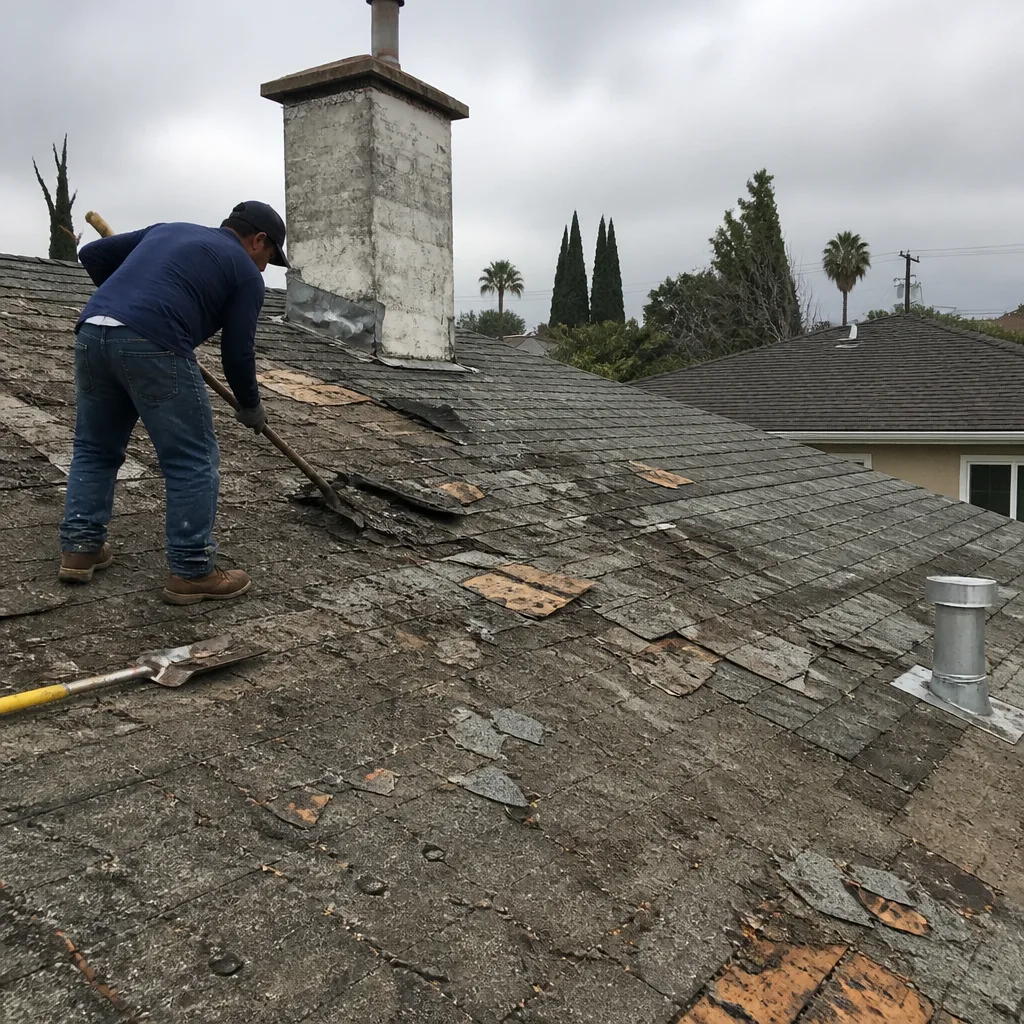 Before
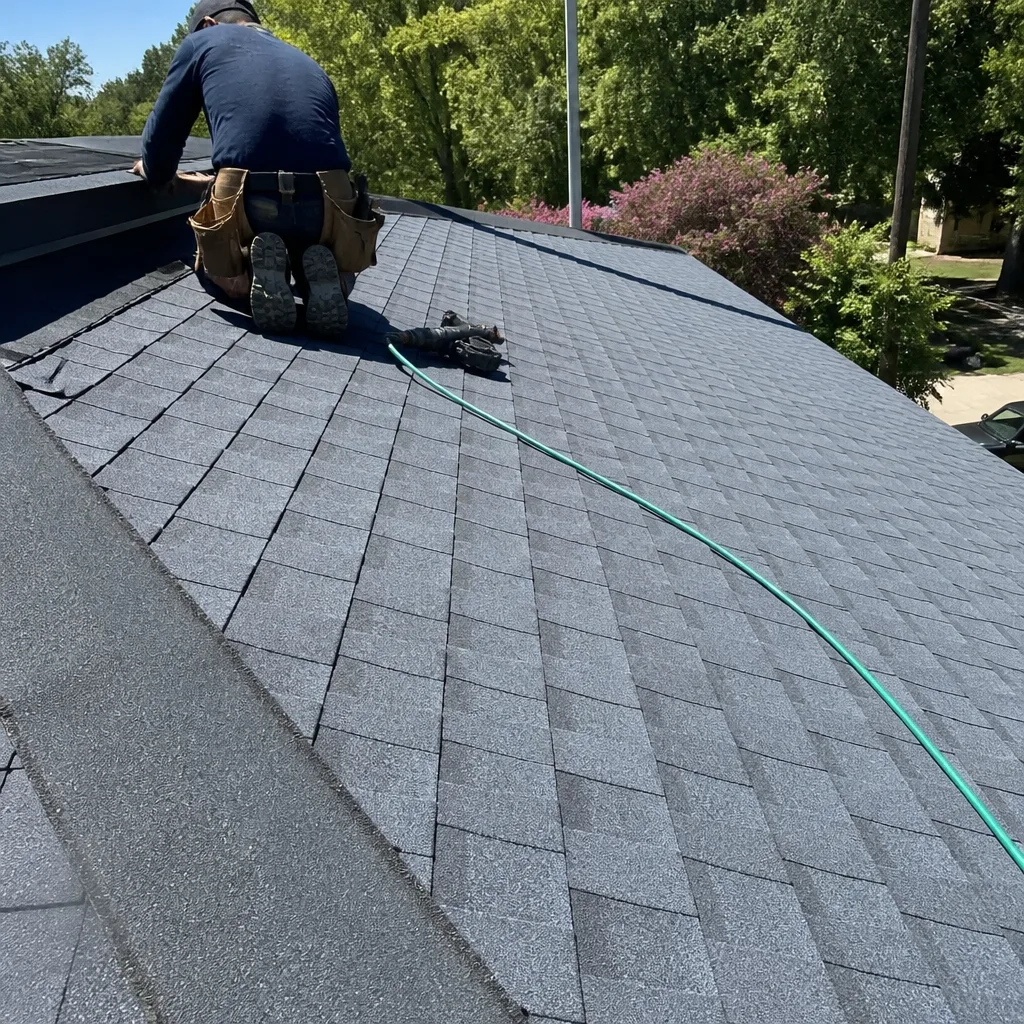 After
After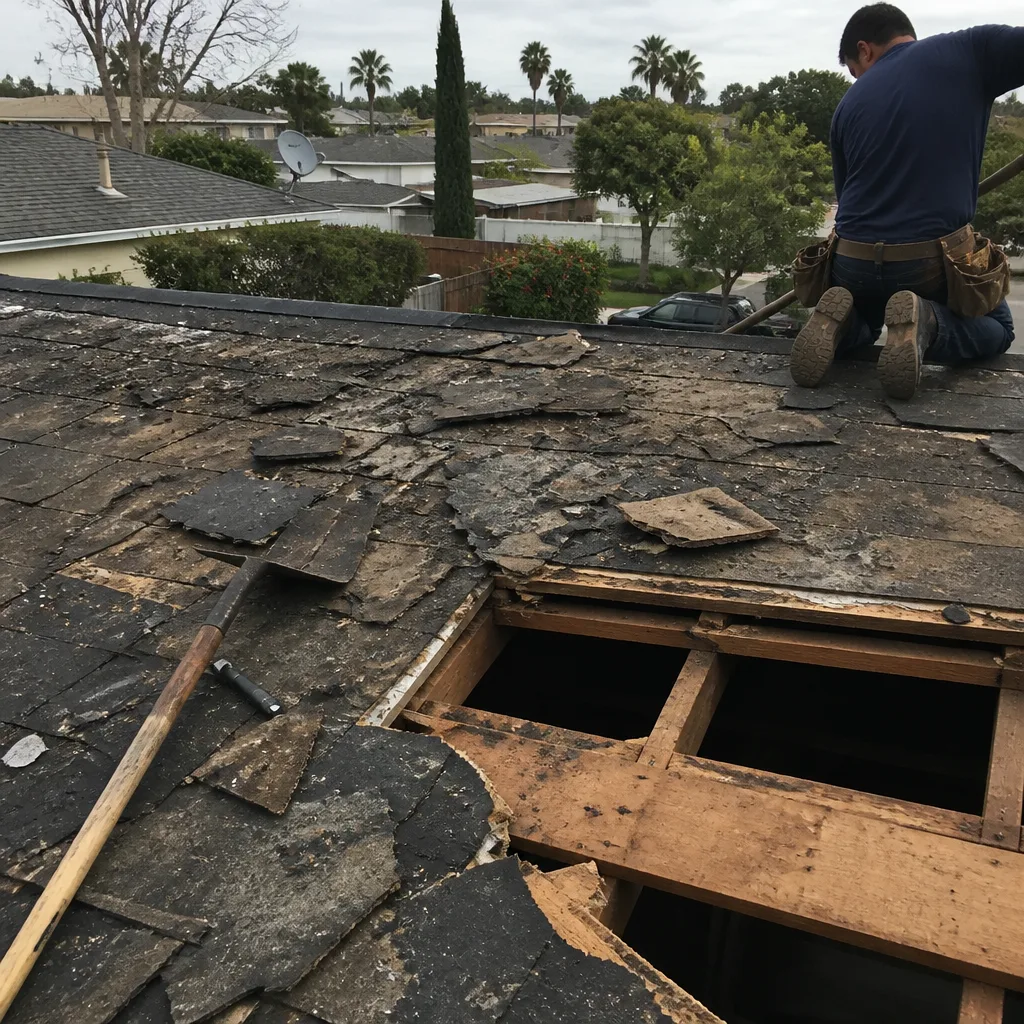 Before
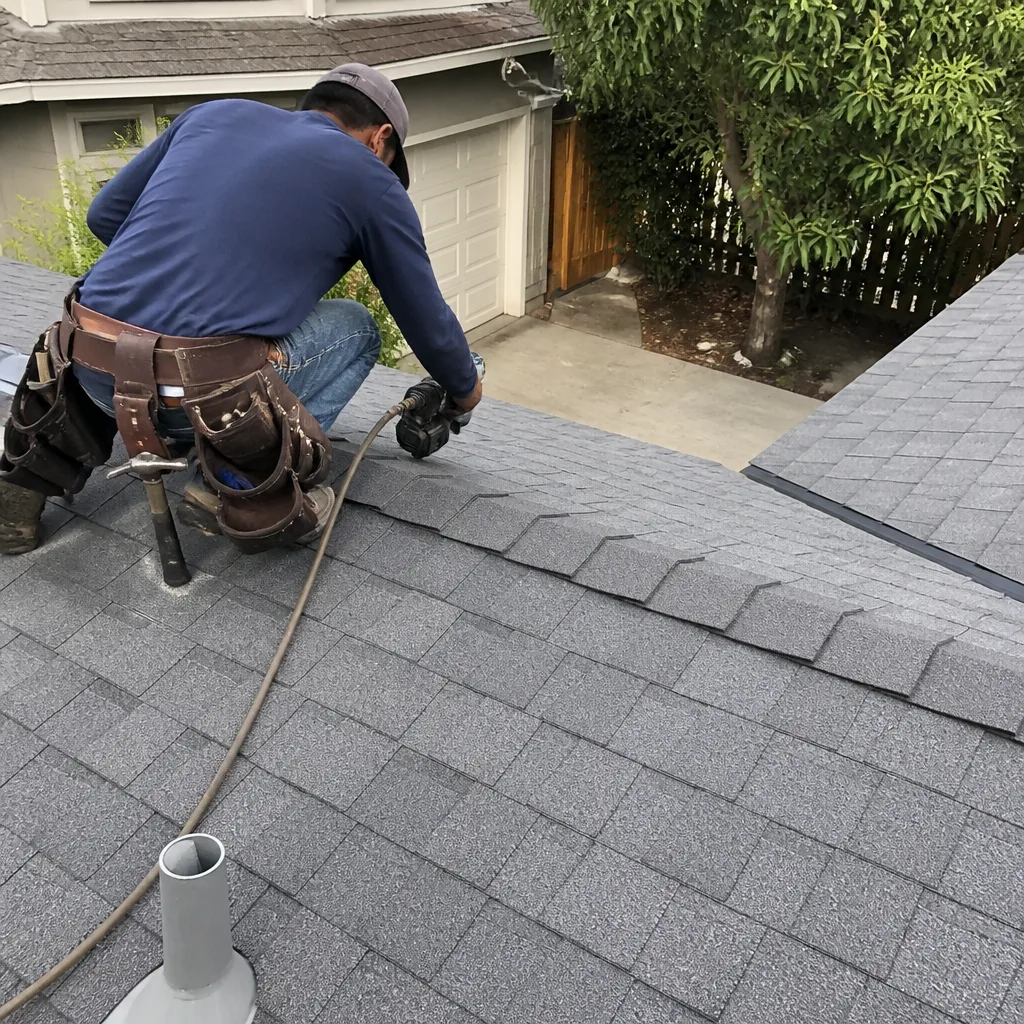 After
AfterTamko Ridge Vent Installation: The Los Angeles Owner’s Guide
We stock and install Tamko ridge vent and compatible aftermarket equivalents across Los Angeles, with most installations priced between $450 and $950 depending on linear footage and roof pitch. Most jobs are completed in a single visit once we confirm your existing vent profile. Homeowners typically find us after spotting lifted shingle caps, water staining on a ceiling near a ridge line, or granules collecting in a gutter along the peak.
Ridge vent is what lets your attic breathe along the highest point of the roof. When the Tamko unit fails, the fix is almost never a patch job. It’s a full run replacement so the airflow stays balanced and water stays out. At Brennan Roofing, we’re an independent service provider, not affiliated with Tamko, so we’ll match the right part to your roof without steering you toward a brand for the sake of it.
Which Tamko Models This Applies To
Tamko ridge vent falls under the MetalWorks and Proline product families, with the most common residential profiles being the MV-50 and RV-4 series. The MV-50 is a roll-form aluminum vent, 11.5 inches wide before installation, with a 9-inch exposure over the ridge. The RV-4 runs narrower at 10.5 inches and is more often found on homes built in the late 1990s and early 2000s across the San Fernando Valley and the San Gabriel foothills.
Here’s the gotcha most homeowners miss: Tamko changed the vent profile dimensions on the MetalWorks line around 2015. If you have a pre-2015 install and try to splice in a newer section, the profiles won’t interlock cleanly at the seam. That’s a leak waiting to happen. We carry both the older and newer profile dimensions on the truck, which saves a second trip.
OEM Tamko vent is the cleanest match when it’s available. But we also stock quality aftermarket equivalents from GAF, Owens Corning, and CertainTeed that meet the same net free area specs (typically 18 to 20 square inches per linear foot for a 9-inch exposure). If your goal is spot-matching a discontinued color or shingle cap, OEM often wins. If longevity and price are the priority, the aftermarket options are worth a straight conversation.
Signs Your Tamko Ridge Vent Installation Is Failing
- Lifted or curling shingle caps along the peak. This is the most common failure point in Los Angeles. Summer heat cycles bake the adhesive strips on the cap shingles, and by year eight or nine in full sun exposure, the corners lift. Once lifted, wind-driven rain gets a direct path underneath.
- Water staining on the ceiling near an interior wall or at the highest point of a vaulted ceiling. If the stain appears below the ridge line and not near a chimney or pipe boot, the vent seam or the end caps are the prime suspects. Water travels, though, so a stain near the wall can still be a vent problem.
- Granules accumulating in gutters directly below the ridge. Some granule loss is normal on the cap shingles, but a heavy concentration in one stretch of gutter tells you the caps are degrading faster than the rest of the field shingles and the vent flashing may be exposed.
- Visible gap between the vent profile and the shingle cap. On older MetalWorks installs, the plastic end plugs crack and fall out in the dry heat, leaving a finger-sized opening for wasps, rodents, and rain. You can spot this from the ground with a pair of binoculars.
- Attic temperature climbing on mild days. When the vent clogs with dust, or the profile has been crushed by foot traffic during a prior repair, the attic stops drafting. Your AC works harder, and your energy bill reflects it. This one is quieter than a leak, but it costs real money over a Los Angeles summer.
Replacement Cost & What’s Included
In Los Angeles, a Tamko ridge vent replacement runs $450 to $950 installed for a typical single-family home with 30 to 60 linear feet of ridge line. Here’s the breakdown:
- Parts: $180 to $380 depending on profile style, linear footage, and whether you go OEM Tamko or a quality aftermarket equivalent.
- Labor and fasteners: $220 to $450 including removal of the old vent, new underlayment at the ridge, and re-nailing the cap shingles.
- End caps and sealant: $40 to $90, replaced as part of every job. We don’t reuse old end caps. They crack.
- Debris and waste haul-off: Included. No surprise line item.
What moves the price: total ridge length, roof pitch (anything above 6:12 adds staging and safety time), two-story access, and whether the decking underneath needs a small section replaced. We’ll give you the number in writing before any work starts. And that number does not move at the door. Every vent install is covered by our 365-Day Done Right Promise: if it’s not done right, we make it right, at no charge, for one full year.
Call (361) 320-9467 for a free estimate. We’ll give you the installed price on the phone once we know your ridge length and profile, and we’ll confirm it in writing before anything gets touched.
DIY or Call Us?
What an owner can safely check from the ground: look for lifted cap shingles, missing end caps, or an obvious profile gap. Use binoculars if you need to. Check the attic on a dry day for daylight showing through the ridge vent slot or water staining on the underside of the decking near the peak.
Where DIY goes wrong: ridge vent replacement means working at the highest point of the roof, often on a 6:12 or steeper pitch. You’re removing cap shingles, exposing the vent slot, and re-nailing along a line that’s already weak from the original install. Falls from a ridge line are the most common serious roofing injury we see, and a misaligned vent profile will leak invisibly into the attic until the drywall fails. This is a job where the cost of doing it wrong shows up months later as a $3,000 ceiling repair. Call (361) 320-9467 and we’ll quote it straight.
One thing you learn doing this work in Los Angeles for as long as I have: a roof that’s squared away doesn’t need a sales pitch. It just needs the right part installed so it doesn’t leak for another ten years. Travis Oakley, Owner, Brennan Roofing.
FAQs
In our experience across Los Angeles, a Tamko ridge vent installation lasts 10 to 18 years, with south-facing ridge lines in full sun failing on the shorter end of that range because the cap shingles bake and the aluminum oxidizes faster.
If yours is past year twelve and you’re seeing lifted caps, plan for replacement before the next heavy rain season. Call (361) 320-9467 and we’ll tell you what’s left in it.
Spot repairs can buy time for a small crack or a lost end cap, but the honest answer is that once the cap shingles have lifted or the profile is warped from heat, a full run replacement is the only fix that won’t leak again within a season.
We’ll always give you that straight answer on the roof. Estimates are free: (361) 320-9467.
Most single-family homes in Los Angeles take four to six hours from setup to cleanup, including removing the old vent, replacing the underlayment at the ridge, installing the new profile, and re-nailing the caps.
Two-story houses or anything steeper than 7:12 may add a couple of hours. Call (361) 320-9467 for a time estimate specific to your roof.
Yes. We carry both the pre-2015 and current MetalWorks profile dimensions, along with quality aftermarket equivalents from GAF, Owens Corning, and CertainTeed, so most jobs are completed in one visit.
When you call (361) 320-9467, we’ll ask about your roof’s age and ridge length to confirm the right profile before we arrive.
Key Takeaways
- Installed Tamko ridge vent replacement in Los Angeles: $450 to $950, depending on ridge length and pitch.
- Pre-2015 and post-2015 Tamko profiles are not interchangeable. We stock both.
- Failure usually shows up as lifted cap shingles, end cap loss, or ceiling staining below the ridge.
- Every job: written price before any work starts, and a one-year written guarantee.
Ready to get your Tamko ridge vent replaced the right way? Call (361) 320-9467 to schedule your free estimate. A live person answers, the price goes in writing before any work starts, and the job is backed in writing for one full year.
Written by Travis Oakley, Owner, Brennan Roofing at Brennan Roofing, serving Los Angeles and nearby areas.