
Free roof inspection with deck photos before we talk money - GAF and Owens Corning certified installation
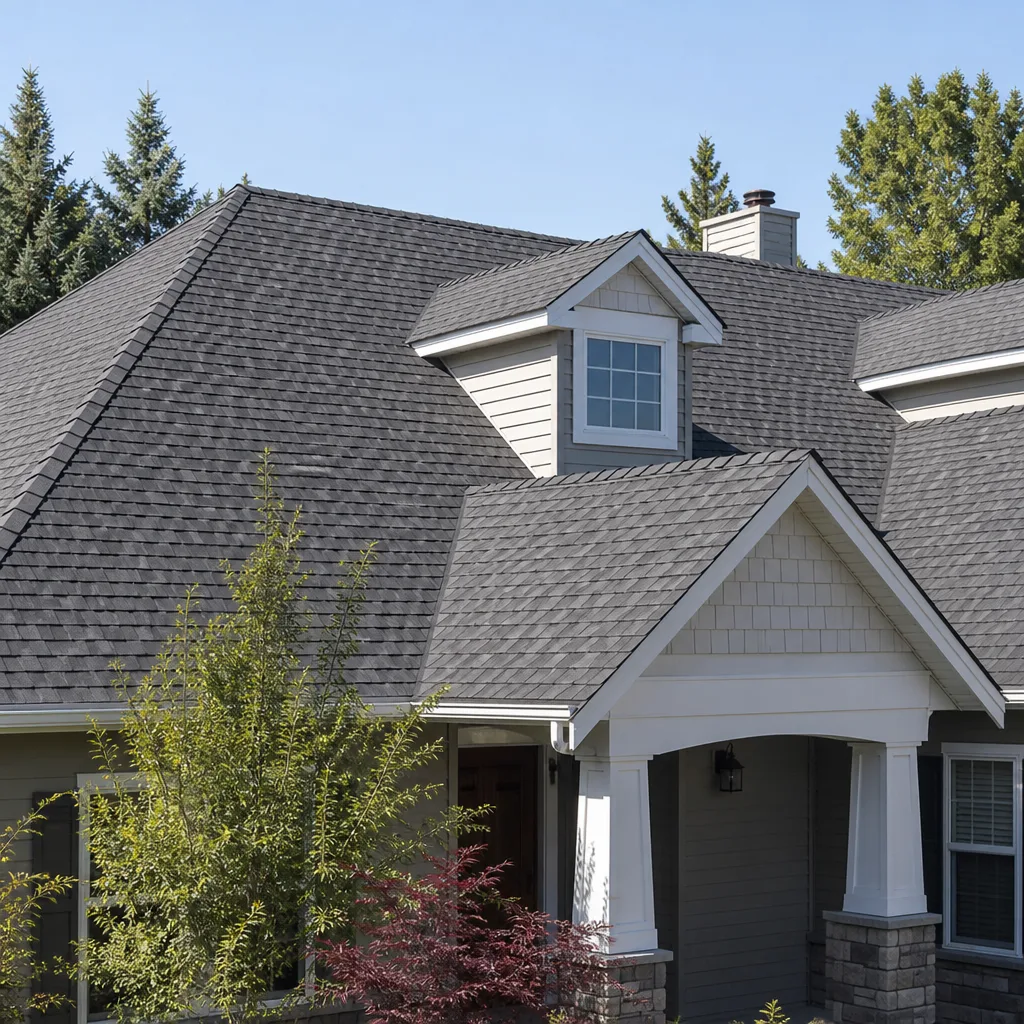
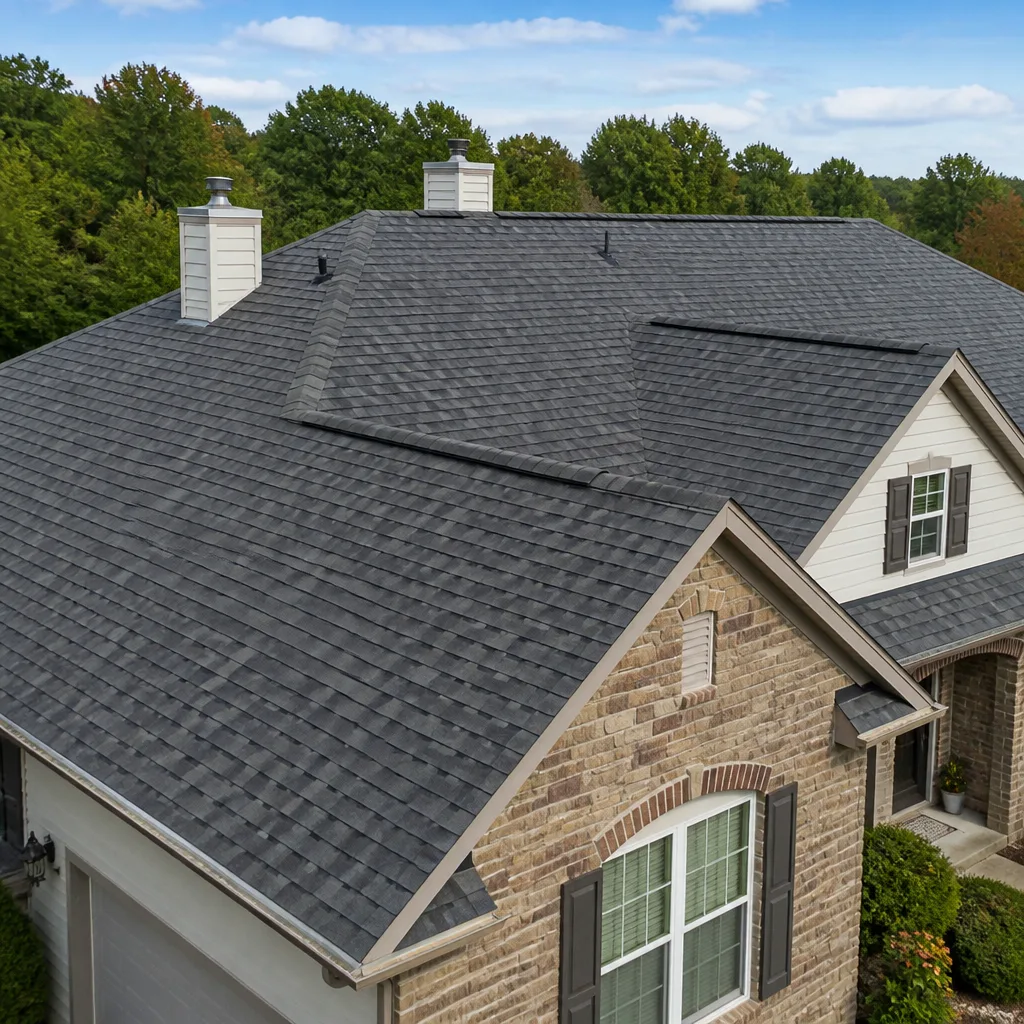
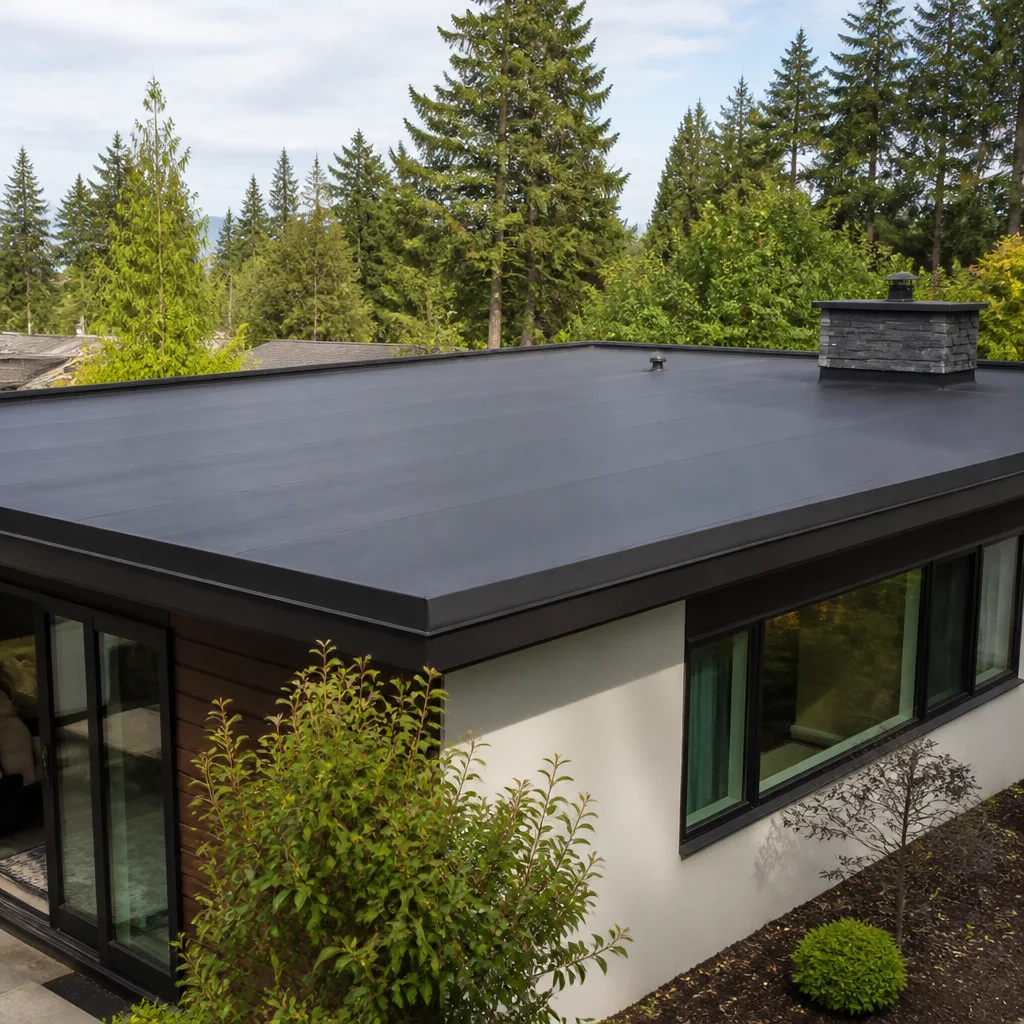
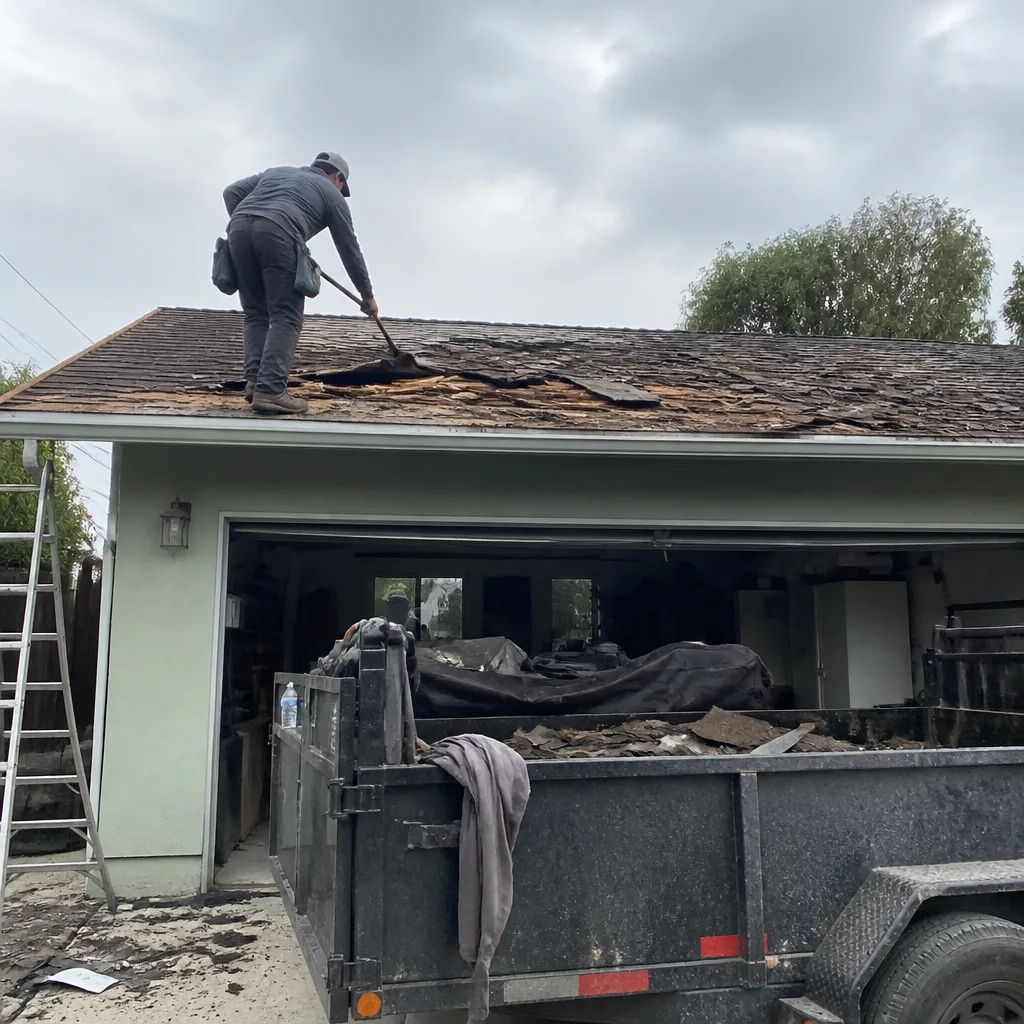 Before
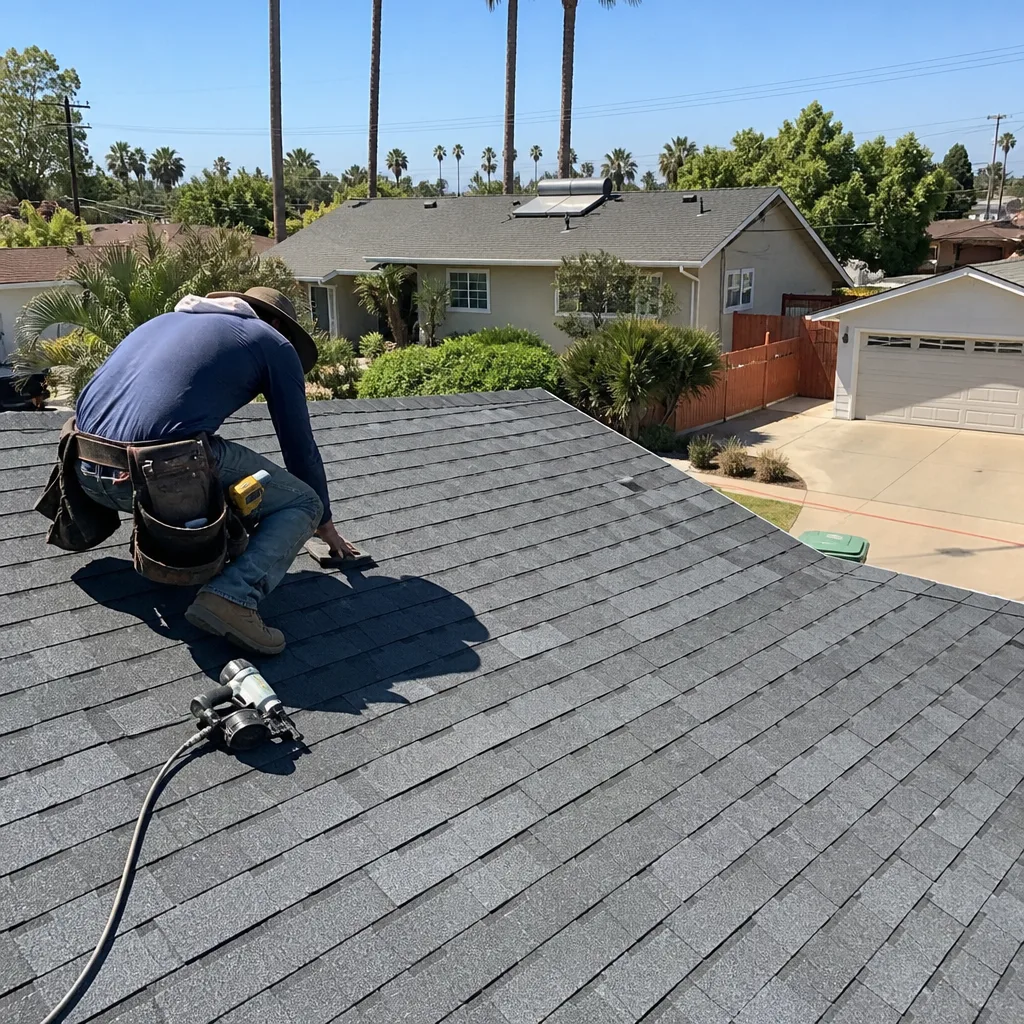 After
After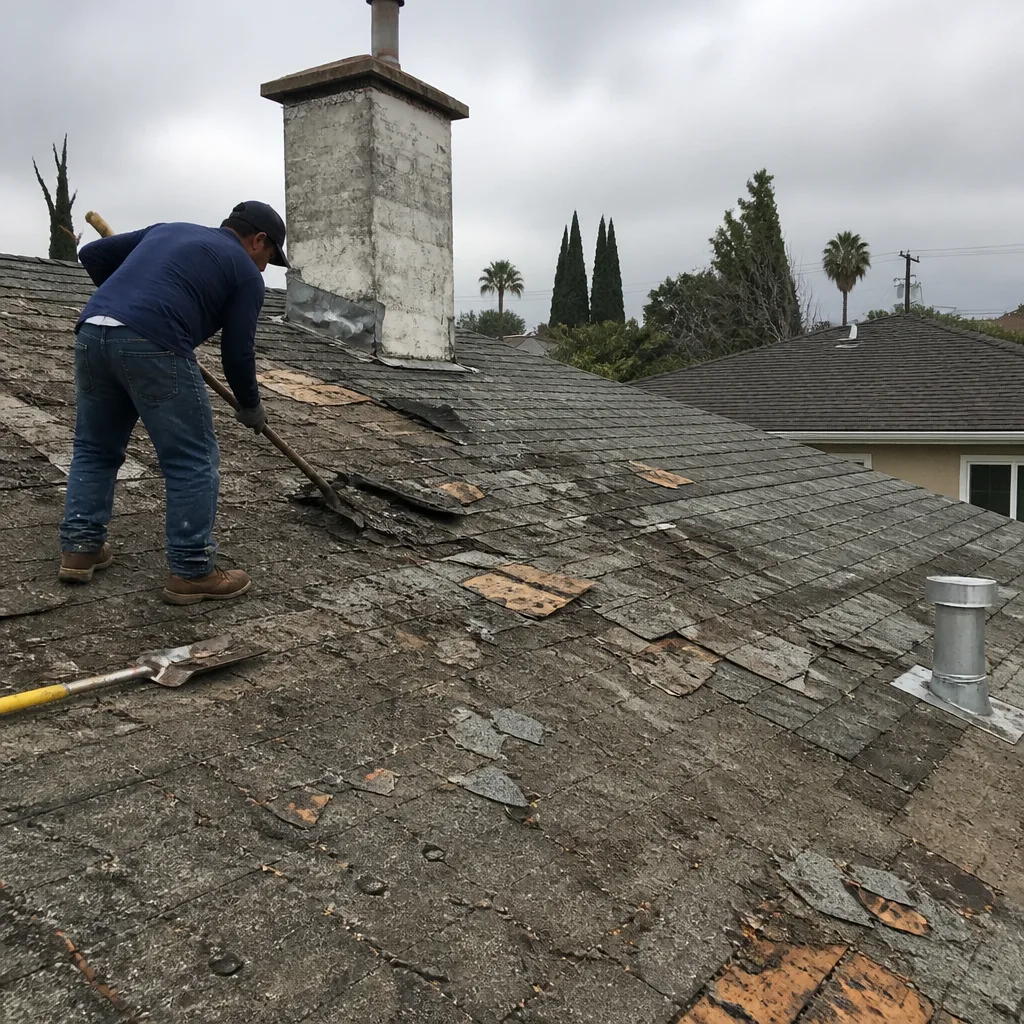 Before
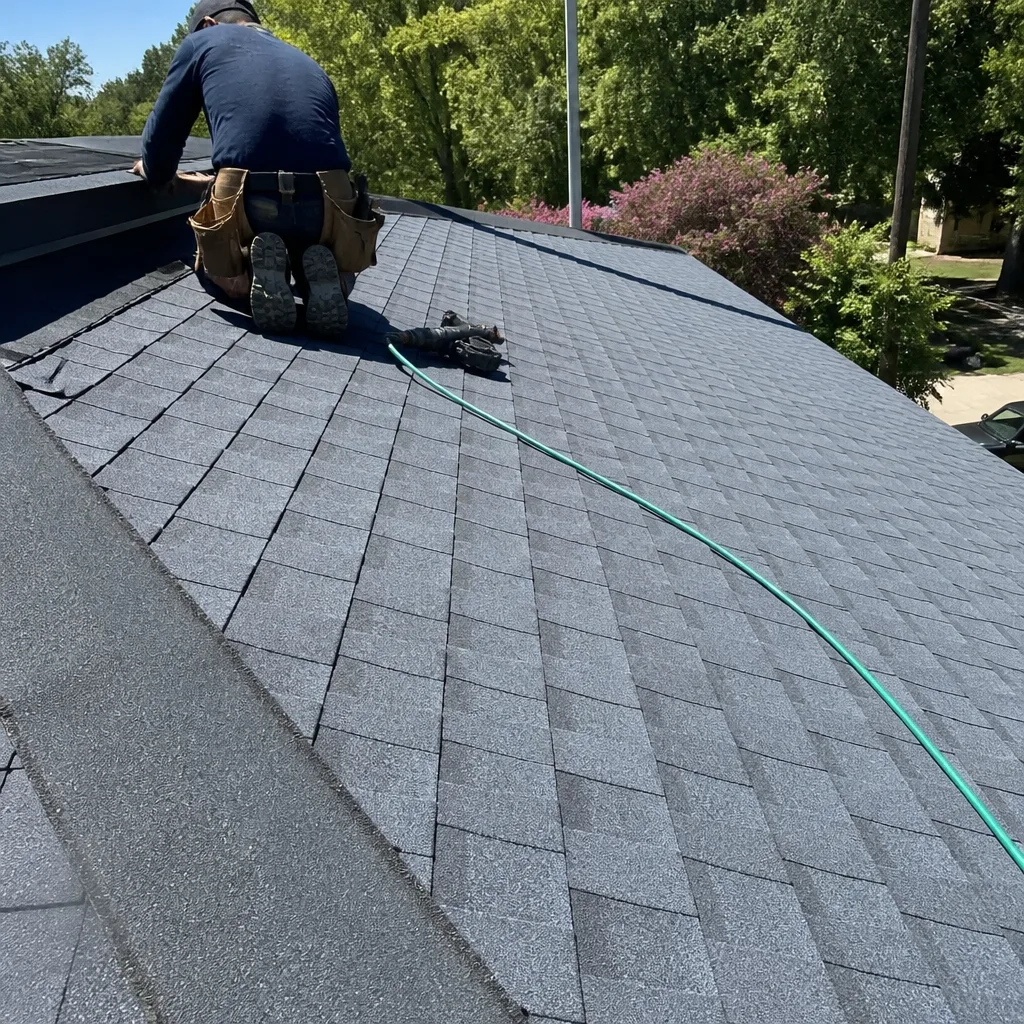 After
After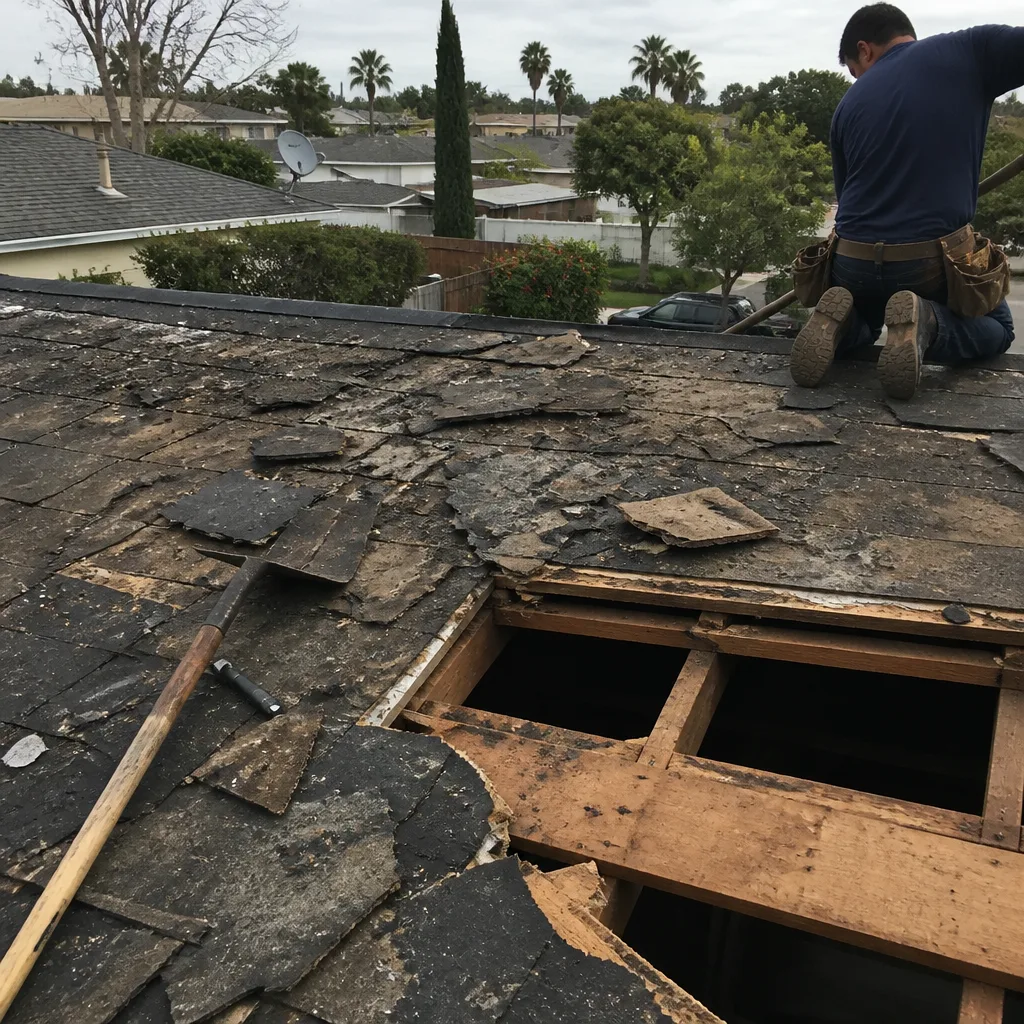 Before
 After
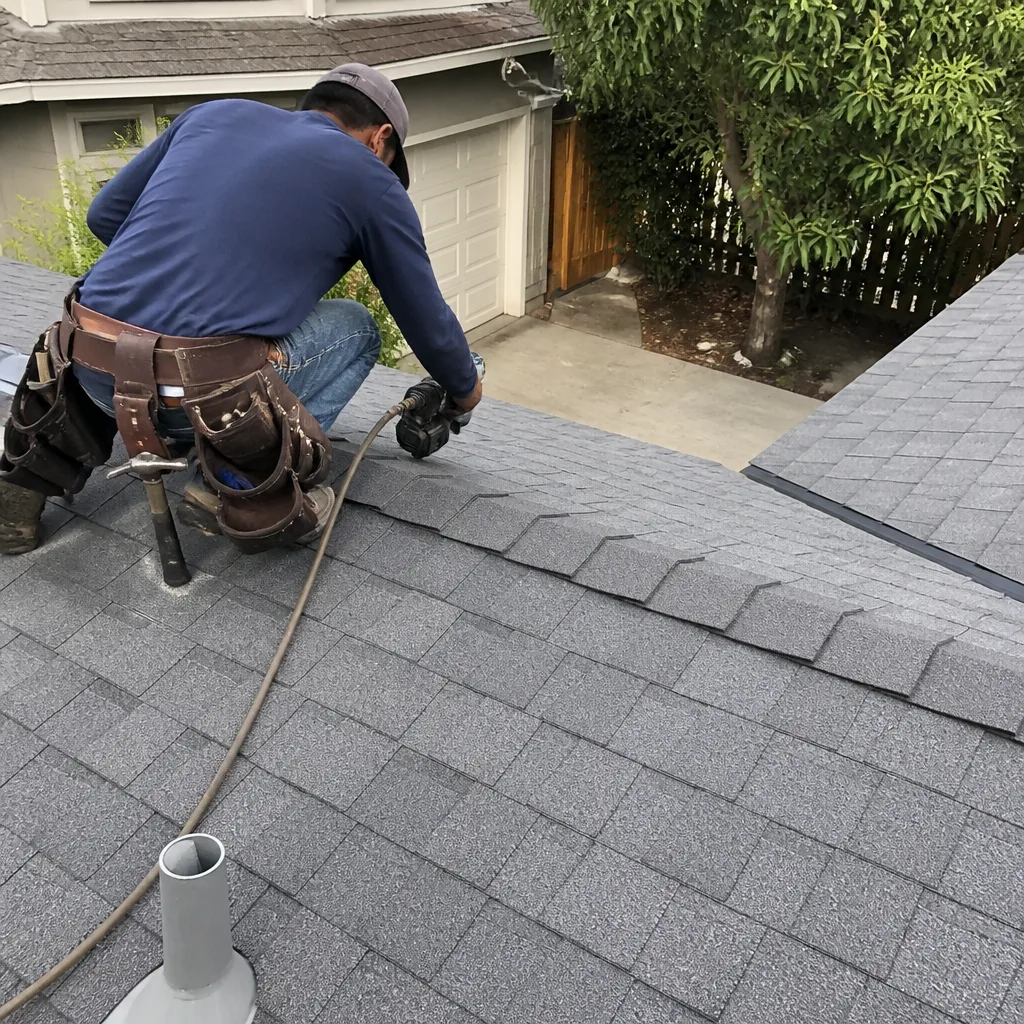
AfterDaylight Visible Through the Attic Boards
What’s Happening
If you’re standing in your attic and you can see actual daylight coming through the boards above you, your roof deck has at least one gap where the outside is meeting the inside with nothing in between. That almost always means missing or displaced shingles, failed flashing, or rotted decking – and water has very likely already moved through the same opening that light is using. This is not a cosmetic issue.
Light travels in a straight line. If it’s getting in, rain isn’t far behind – or it’s already been in longer than you know. The gap you’re seeing could be a single point failure, like a popped fastener or a cracked ridge cap, or it could be the visible tip of broader decking damage that has been building for months. Either way, an open roof deck is an active problem. The longer it stays open, the more the repair scope grows, because wet wood rots fast and rot spreads.
Why It Happens
Missing or Displaced Shingles
High wind is the most common reason you see daylight through the deck. When a shingle blows off or lifts enough to break its seal, it exposes the felt underlayment – and if the underlayment is old or was never seated correctly, the deck below it is exposed too. From the attic, this looks like a bright pinhole or a longer crack of light following the outline of a shingle seam. If you heard anything rattling during a recent storm, missing shingles are the first thing to check for.
Failed or Pulled Flashing
Flashing is the metal trim that seals every transition on your roof: around chimneys, skylights, dormers, and plumbing vents. It’s fastened and then sealed with roofing cement, and over time that cement dries out, cracks, and separates. When flashing pulls away from a wall or curb, it leaves a clean gap that you can sometimes see from the attic as a sharp, defined line of light – usually near a vertical surface rather than mid-field on the deck. If the light you’re seeing is right next to a chimney or vent, flashing is the likely culprit.
Rotted or Cracked Roof Decking
Plywood and OSB decking absorbs water when any part of the roof system above it fails. Once it’s wet long enough, it softens, warps, and eventually splits or pulls away from the rafters. You may not have noticed a leak yet because the wood itself held water for a while before failing. From inside the attic, rotted decking often looks darker than the boards around it, and the light shows through where the material has actually cracked or separated at a seam. If the boards look discolored or you can press a finger into the wood and feel any give at all, that section is compromised.
Ridge Cap or Hip Shingle Failure
The very top of your roof takes more UV exposure and wind stress than any other part of it. Ridge cap shingles are smaller pieces, and they’re the first to crack, curl, or blow loose – especially on roofs that have been through more than a few years of weather. When a ridge cap goes, it leaves the peak of the deck open along its entire length. Light coming through in a long, narrow line running along the highest point of the attic is a strong sign the ridge cap has failed. You’ll often also feel more air movement near the peak when it’s windy outside.
What to Do Right Now
- Don’t go on the roof. A compromised deck may not hold weight evenly, and you don’t know yet how far the damage extends. Height plus an unknown structural condition is a combination to leave to a trained technician with the right equipment.
- Photograph everything from the attic. Get clear shots of each point where you can see daylight, and note which direction each gap is facing. This gives the technician a head start and creates a record of the condition before any work begins.
- Check the deck boards around the gap for softness or discoloration. You don’t need to press hard – just enough to tell if the wood feels firm or if there’s any spongy give. Note what you find; it matters for the repair scope estimate.
- Put a bucket under any obvious drip point and move anything stored beneath the gap. If rain is in the forecast, protect what’s underneath now. Wet insulation and damaged belongings add cost that has nothing to do with the roof repair itself.
- Call your local Brennan Roofing team before you cover the gap yourself. Tarping and temporary patching can shift or trap moisture in ways that make the underlying condition harder to diagnose. Let the technician see the gap as it is.
How We Fix It
When your local Brennan Roofing technician arrives, the first thing they do is inspect the gap from both sides – the attic and the exterior – before any work starts. That full picture is the only way to know whether you’re dealing with a single shingle or a section of rotted decking underneath it. Once they know the scope, you get a written price. Not a ballpark. A number on paper, before anything is touched. That’s how every Brennan Roofing job works, and it doesn’t move.
Depending on what the inspection finds, the fix is either a targeted roof repair – replacing the specific shingles, flashing, or ridge cap that failed – or, if the decking itself has rotted through, a repair that includes replacing that section of deck before new material goes over it. Materials come from manufacturer lines including GAF, CertainTeed, Owens Corning, IKO, Atlas, Tamko, and Boral, and the right match for your roof gets explained plainly so you can choose with confidence. The work is covered by the 365-Day Done Right Promise: if the repair fails within a year, we come back and make it right at no charge. Most repair visits wrap in a single day.
Frequently Asked Questions
It should not wait. An open roof deck is an active entry point for water, and water damage to decking and insulation compounds quickly – a repair that costs one amount today can cost significantly more after the next rain cycle. There’s also a secondary risk: gaps in the deck create pathways for animals and insects to enter the attic space. Call (361) 320-9467 to get a technician out before the weather changes.
Your local Brennan Roofing team keeps schedules that allow for prompt response on situations like this – a visible gap in the roof deck is exactly the kind of thing we want to look at without delay. Call (361) 320-9467 and a live person will pick up, not a voicemail. They’ll get you on the calendar and tell you your arrival window directly.
No. The written price you receive covers the scope of work as inspected. If the technician finds additional damage during the repair that wasn’t visible during the initial inspection, they stop, show you what they found, and give you a new written price for the additional scope before touching it. Work doesn’t expand without your written agreement. That’s the Garrison Standard, and it applies to every job.
That’s what the inspection is for. The technician checks the deck from the attic side and the exterior, probes for soft spots, and looks at the condition of the underlayment and surrounding shingles. A lot of daylight gaps that look severe from the attic turn out to be a single failed shingle or a small section of lifted flashing – straightforward repairs. Others reveal decking that’s been wet long enough to need replacement before new shingles go down. You won’t know until it’s looked at properly, which is why the inspection comes first. Call (361) 320-9467 to schedule yours.
Get It Fixed
Daylight in the attic means the roof is open. Your local Brennan Roofing team will inspect it, give you a written price before any work starts, and back the repair with the 365-Day Done Right Promise. Call (361) 320-9467 now – a live person answers around the clock – or book online to schedule your free estimate.
Written by Travis Oakley, Owner at Brennan Roofing, serving communities nationwide as part of the Garrison Partners family since 2000.
What Our Customers Say
"They gave me a warranty in writing and stood behind it."
- Irene G."Quality work and clear communication. Rain pushed the start by two days, which is fair, but we were hoping to be done sooner."
- Cathy N."Storm took off a section of shingles. They were here next morning to tarp it and finished the repair that week."
- Elaine D.