
Free roof inspection with deck photos before we talk money - GAF and Owens Corning certified installation
 Before
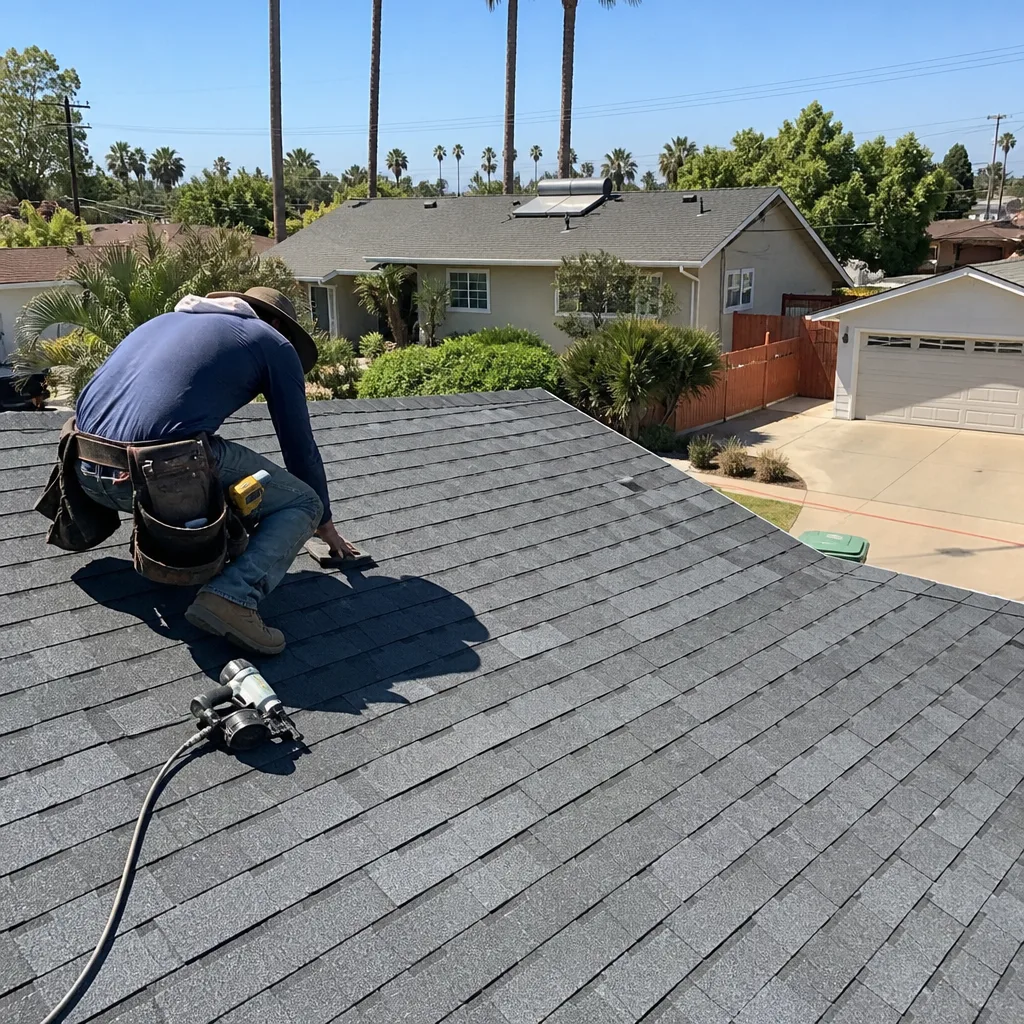 After
After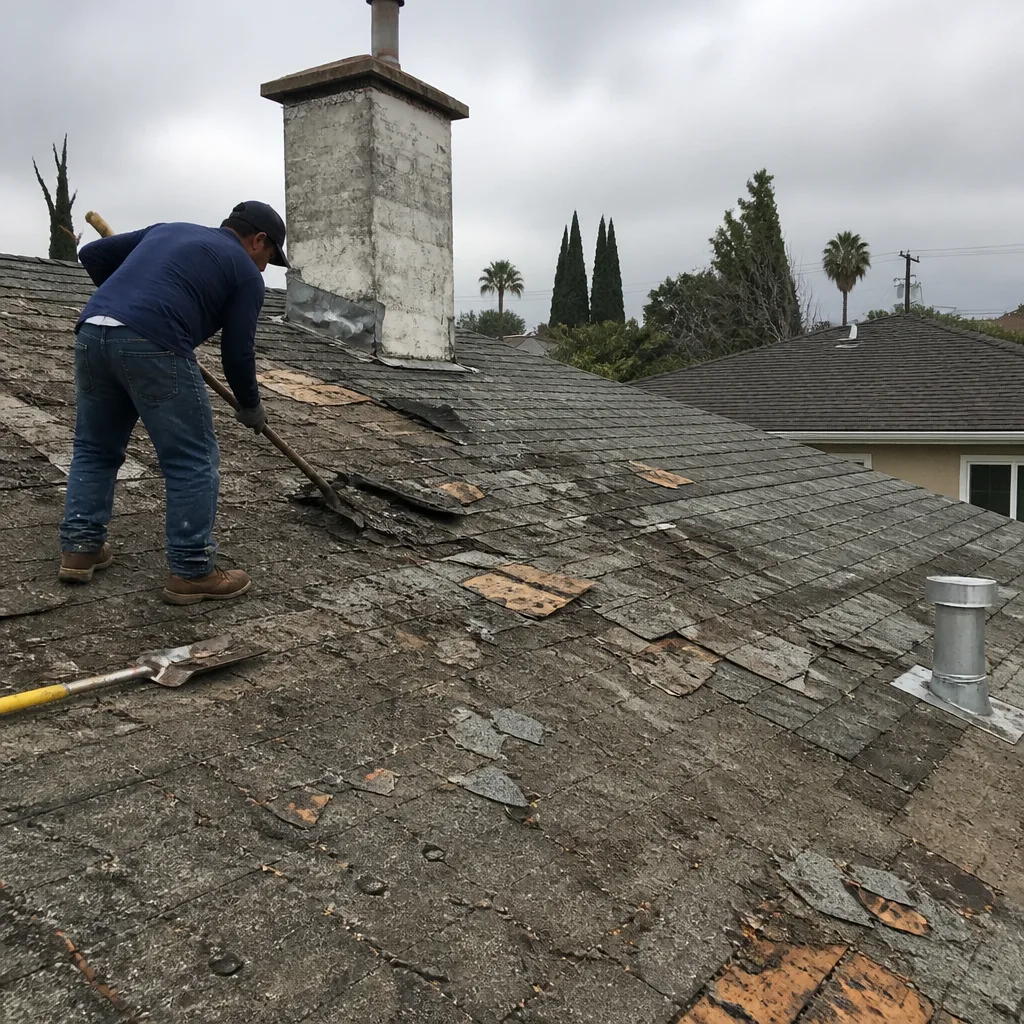 Before
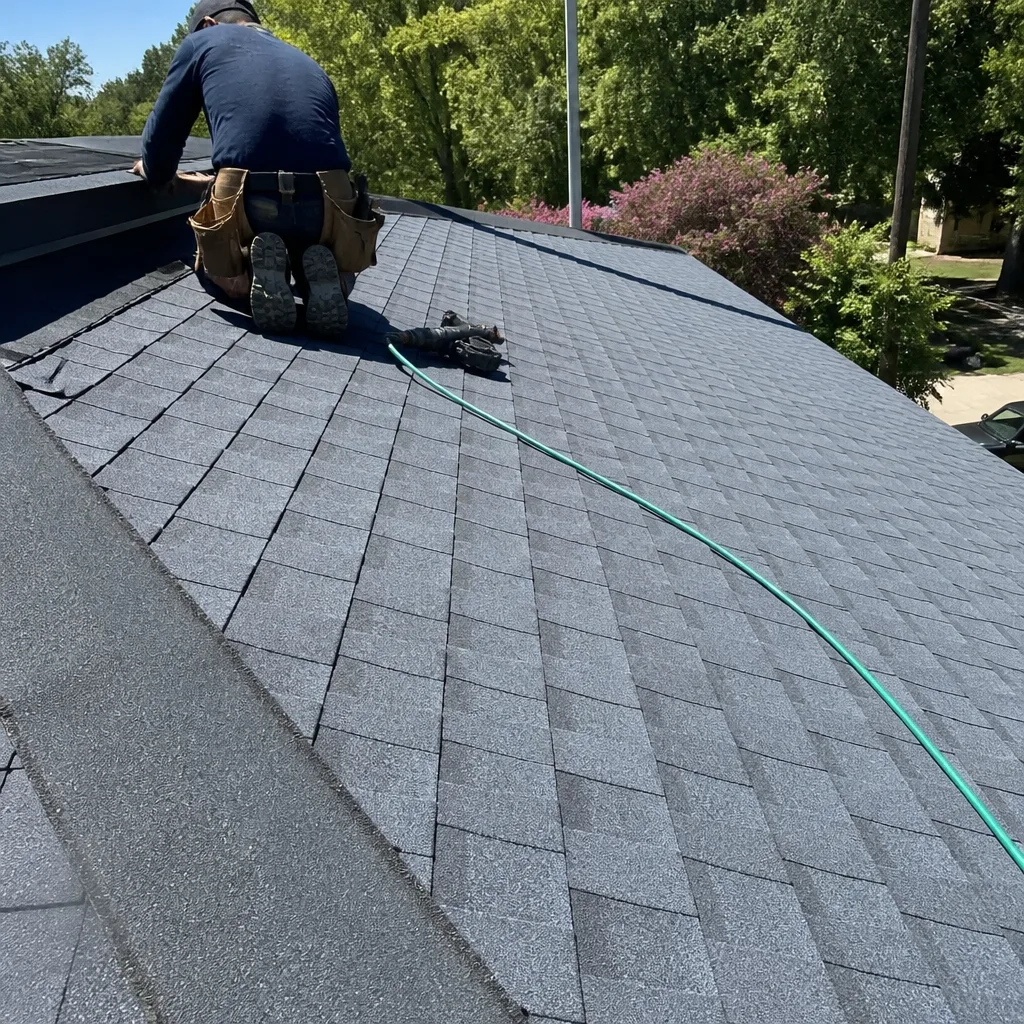 After
After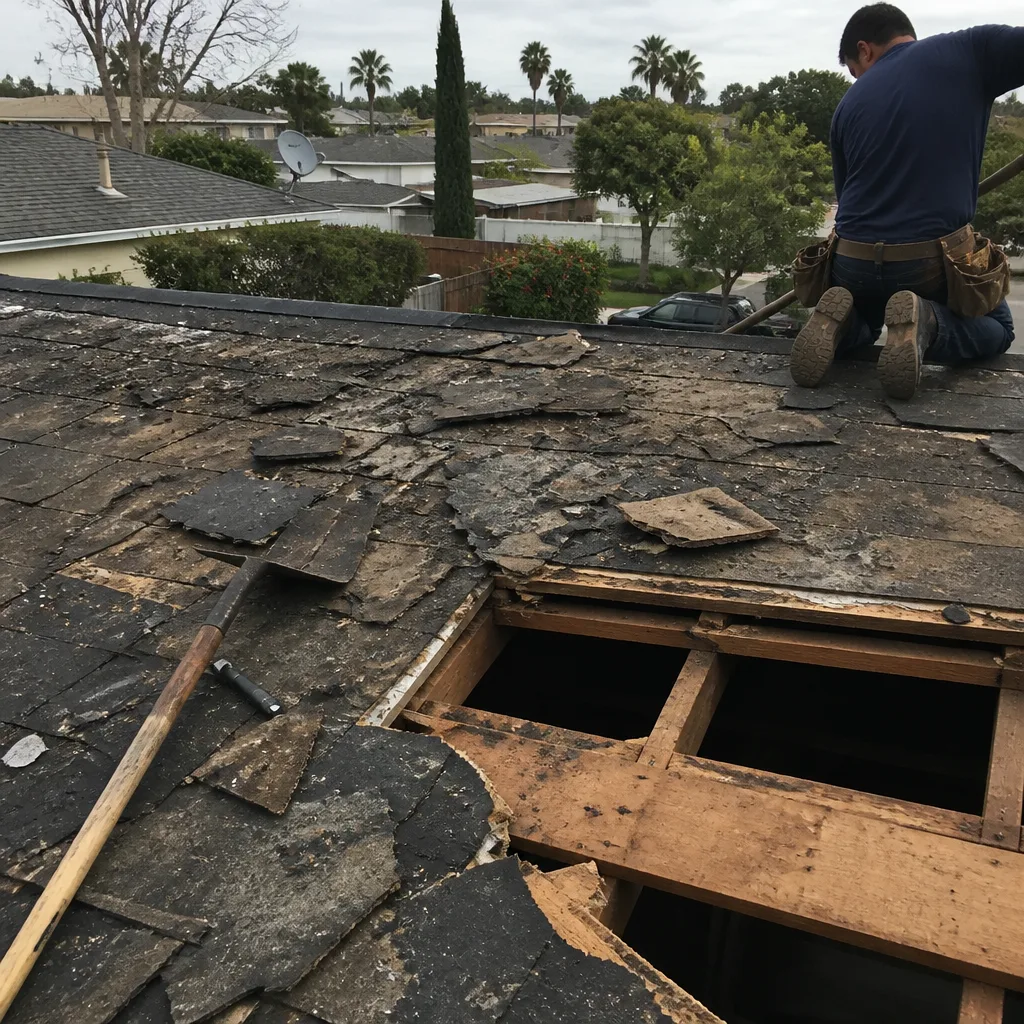 Before
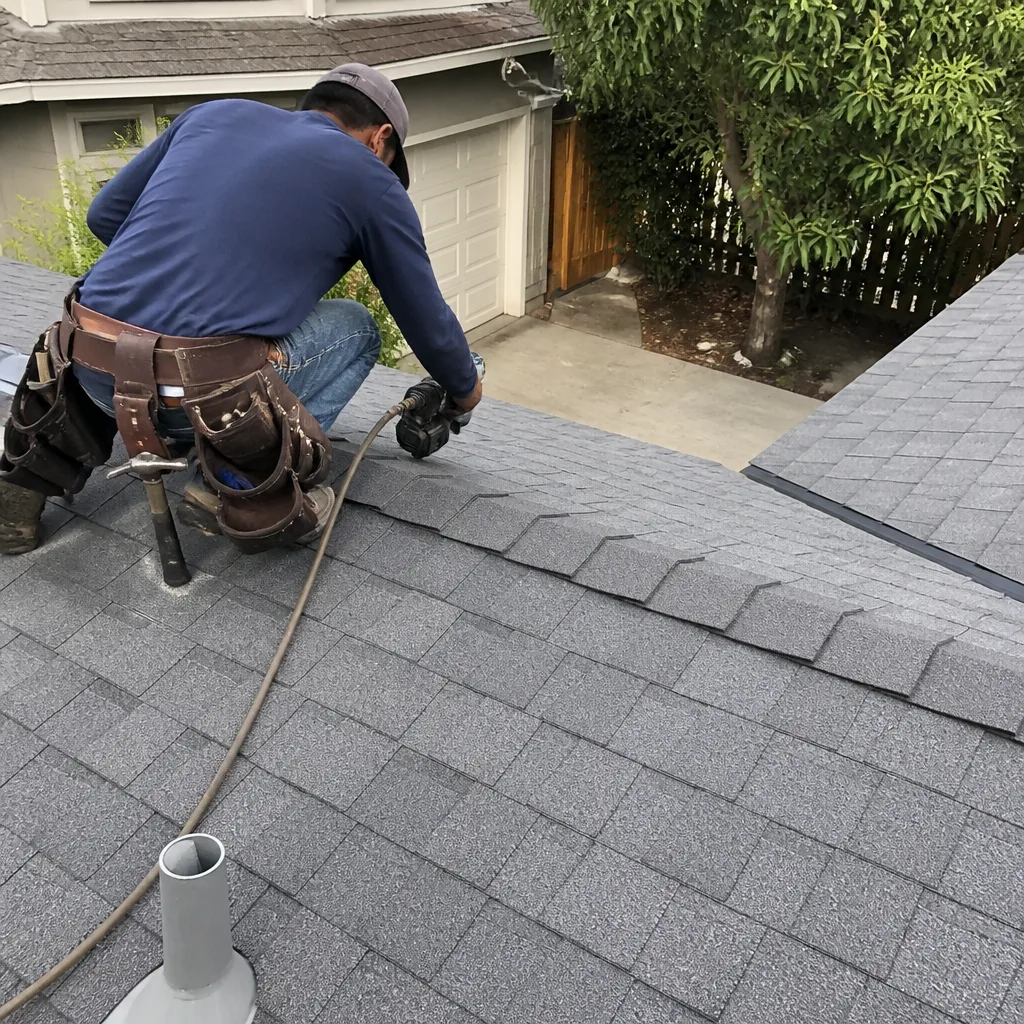 After
AfterFlashing pulling away from the chimney
What’s Happening
When chimney flashing pulls away from the masonry, the watertight seal between your roof and chimney has failed – and rain, snowmelt, and windblown moisture now have a direct path into your home. This is one of the most common sources of interior water damage we diagnose during roof inspections, and it almost never fixes itself. The good news is that it’s a repair with a clear scope, and a technician can usually assess the full picture in a single visit.
Chimney flashing is the metal – usually galvanized steel, aluminum, or lead-coated copper – that bridges the gap where your chimney meets the roof deck. It’s installed in two parts: base flashing that lies against the roof surface, and counter-flashing that’s embedded or sealed into the chimney’s mortar joints. When either piece separates, lifts, or peels back, water gets underneath. Depending on how long it’s been happening, you may see staining on ceiling drywall near the chimney, damp attic insulation, or visible daylight between the flashing and the masonry when you look up from inside the attic. Any one of those signs means the problem is already working against your structure.
Why It Happens
Mortar joint failure
Counter-flashing is often secured by packing it into a reglet – a cut or existing groove – in the chimney’s mortar joints, then sealing it with roofing caulk or fresh mortar. Mortar is porous and expands and contracts with temperature. Over years of freeze-thaw cycles, it cracks and crumbles, and the flashing loses its anchor. You can usually spot this from the ground with binoculars: look for white or gray powder streaking down the face of the chimney, gaps at the top edge of the counter-flashing, or flashing that visibly tilts outward at the top.
Sealant that’s dried out and let go
Many flashing installations rely on roofing sealant rather than – or in addition to – mechanically fastened counter-flashing. That sealant has a service life. Ultraviolet exposure and thermal movement cause it to shrink, crack, and peel away from both the metal and the masonry. If the gap between the flashing and the chimney looks clean and brittle at the edges rather than crumbly, failed sealant is the likely culprit. This is also common on chimneys that were sealed as a temporary fix rather than re-flashed properly the first time.
The flashing fasteners have backed out or corroded
Base flashing is nailed or screwed to the roof deck and sometimes to a wood cricket (the triangular structure behind a wide chimney that diverts water around it). Those fasteners can corrode, back out from thermal movement, or pull through the flashing metal if it’s thin-gauge. If the bottom edge of the flashing is lifting rather than the top, and you can see the roof deck underneath it, this is a likely cause. Do not try to press it back down by hand – without re-securing the fasteners and resealing the seams, it will lift again with the next temperature swing.
The chimney itself has shifted
Chimneys sit on their own footing, separate from the home’s foundation. If that footing has settled even slightly, the chimney can pull away from the roof plane – and the flashing, which bridges that gap, gets stretched or torn in the process. This is less common than mortar or sealant failure, but it shows up on older homes and in areas with expansive soil. A tell is flashing that has physically creased or torn rather than simply separating at a seam. A roof technician can document this and tell you whether the flashing alone needs re-doing or whether a masonry professional should evaluate the chimney structure first.
What to Do Right Now
- Photograph it from the ground. Use your phone with the zoom function. Get a shot of the full chimney and a closer shot of wherever the flashing has visibly separated. These photos matter when the technician writes the scope of work, and they’re useful if you’re filing an insurance claim.
- Check the attic directly below the chimney. Look for wet or compressed insulation, dark staining on the rafters, or any visible daylight coming through. Note how large an area is affected – that tells the technician how long water has been getting in.
- Check the ceiling inside the room below. Look for brown rings, bubbling paint, or soft drywall near the chimney chase. If the ceiling feels soft when you press it, don’t press harder – the drywall may be waterlogged.
- Stop using a wood-burning fireplace or insert until the flashing is assessed. A failed seal around an active chimney can also mean compromised venting. This is a combustion-safety matter, not just a water matter. If you smell smoke inside the house when the fireplace is in use, stop using it and call your local Brennan Roofing team as well as a chimney sweep.
- Do not attempt to re-seal the flashing yourself from the roof. Working at height on a pitched surface near a chimney is genuinely dangerous – roof falls send people to the hospital every year. You also risk pressing the flashing back temporarily while hiding a fastener or structural problem that needs proper diagnosis. Leave the roof surface to someone with the right equipment and training.
How We Fix It
When your local Brennan Roofing team arrives, the technician starts on the ground – photos, attic check, a close look at the ceiling below. Then they go up and inspect the full flashing assembly: base flashing, counter-flashing, any step flashing along the sides of the chimney, and the condition of the mortar joints the flashing seats into. The written price goes on paper before any work starts. That’s not a formality – it’s how every Brennan job runs, no exceptions.
Most chimney flashing repairs fall under our Roof Repair service. If the inspection reveals the flashing failure is part of broader roofing deterioration, the technician will document that and walk you through the full picture. Depending on what’s found, the repair involves re-cutting the reglet, setting new counter-flashing mechanically, installing fresh base flashing, and sealing every seam with appropriate roofing caulk. A straightforward re-flash typically takes two to four hours. All work is backed by the 365-Day Done Right Promise – in writing, for a full year, with a free return visit if anything fails in that period.
Frequently Asked Questions
Pulled flashing should not be treated as a “watch and see” situation – once that seal is open, every rain event drives water further into the roof assembly and the structure below. Wet insulation loses its R-value, wet rafters can develop rot and mold, and waterlogged drywall eventually fails. The longer the gap is open, the larger the repair scope gets. Call (361) 320-9467 and get a technician out to look at it before the next weather event.
The honest answer is that it depends on what’s actually there – the size of the chimney, how much flashing needs to be replaced, whether the mortar joints need re-cutting, and whether any underlying deck damage has to be addressed. Every Brennan Roofing job starts with a written estimate that lays out exactly what the repair involves and what it costs before anyone picks up a tool. Call (361) 320-9467 and your local team will come out, assess the full situation, and put a price on paper for you at no charge.
Our phones are answered by a live person around the clock – not a voicemail, not a callback queue. When you call (361) 320-9467, someone picks up, and your local Brennan Roofing team will get you scheduled as quickly as their current workload allows. If there’s active leaking into your home, say so when you call – that helps the team prioritize the visit.
Yes, and it’s in writing. Every Brennan Roofing repair is covered by the 365-Day Done Right Promise: if the repair fails within a full year of completion, we come back and make it right at no charge. That’s not a verbal assurance – the guarantee is documented before we close the job. You’ll have it on paper the same day the work is done.
Get It Fixed
Pulled chimney flashing doesn’t wait, and neither should you. Call (361) 320-9467 – a live person answers around the clock. Your local Brennan Roofing team will schedule the visit, put a written price in your hands before any work starts, and back every repair with the 365-Day Done Right Promise.
Written by Travis Oakley, Owner at Brennan Roofing, serving homeowners nationwide as part of the Garrison Partners family since 2000.
What Our Customers Say
"Quality work and clear communication. Rain pushed the start by two days, which is fair, but we were hoping to be done sooner."
- Cathy N."Storm took off a section of shingles. They were here next morning to tarp it and finished the repair that week."
- Elaine D."Ridge vent added and the attic is cooler. Fair price compared to the other two quotes."
- Vernon C.