
Free roof inspection with deck photos before we talk money - GAF and Owens Corning certified installation



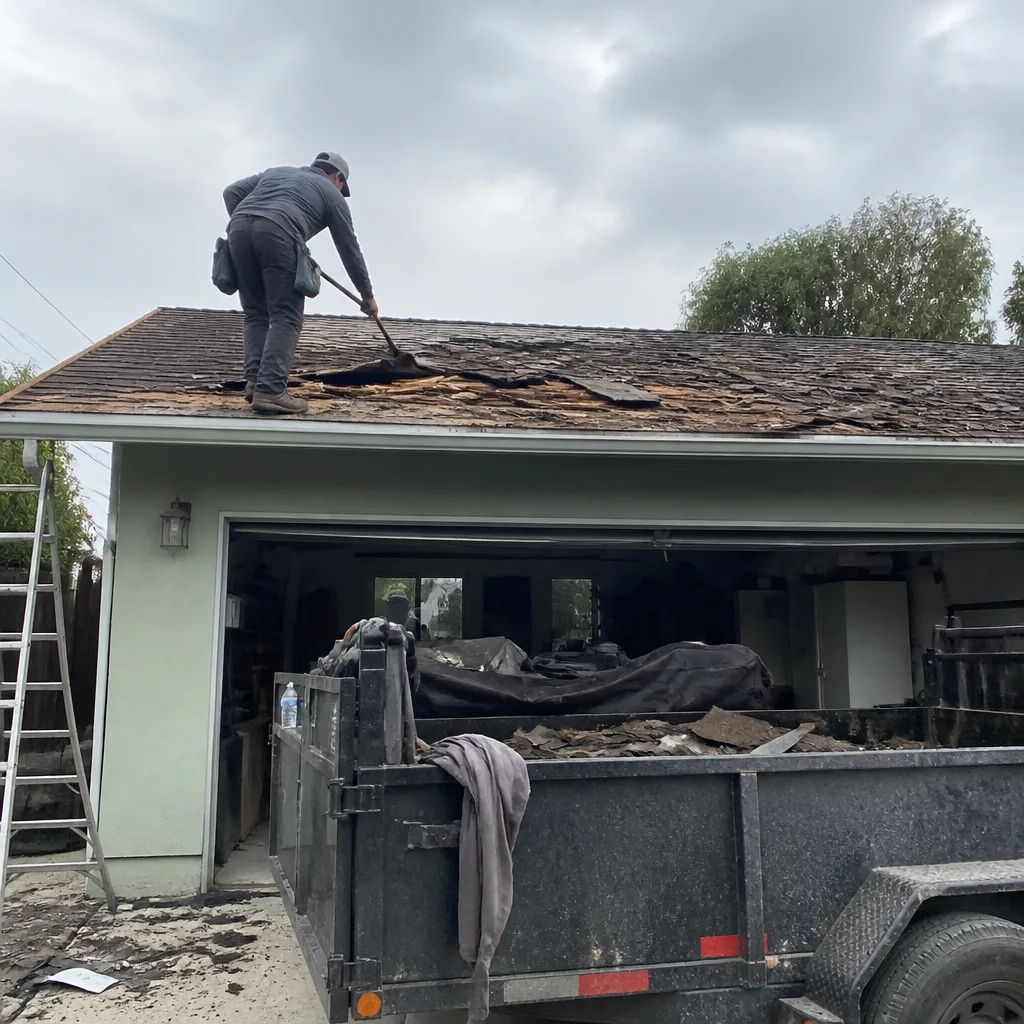 Before
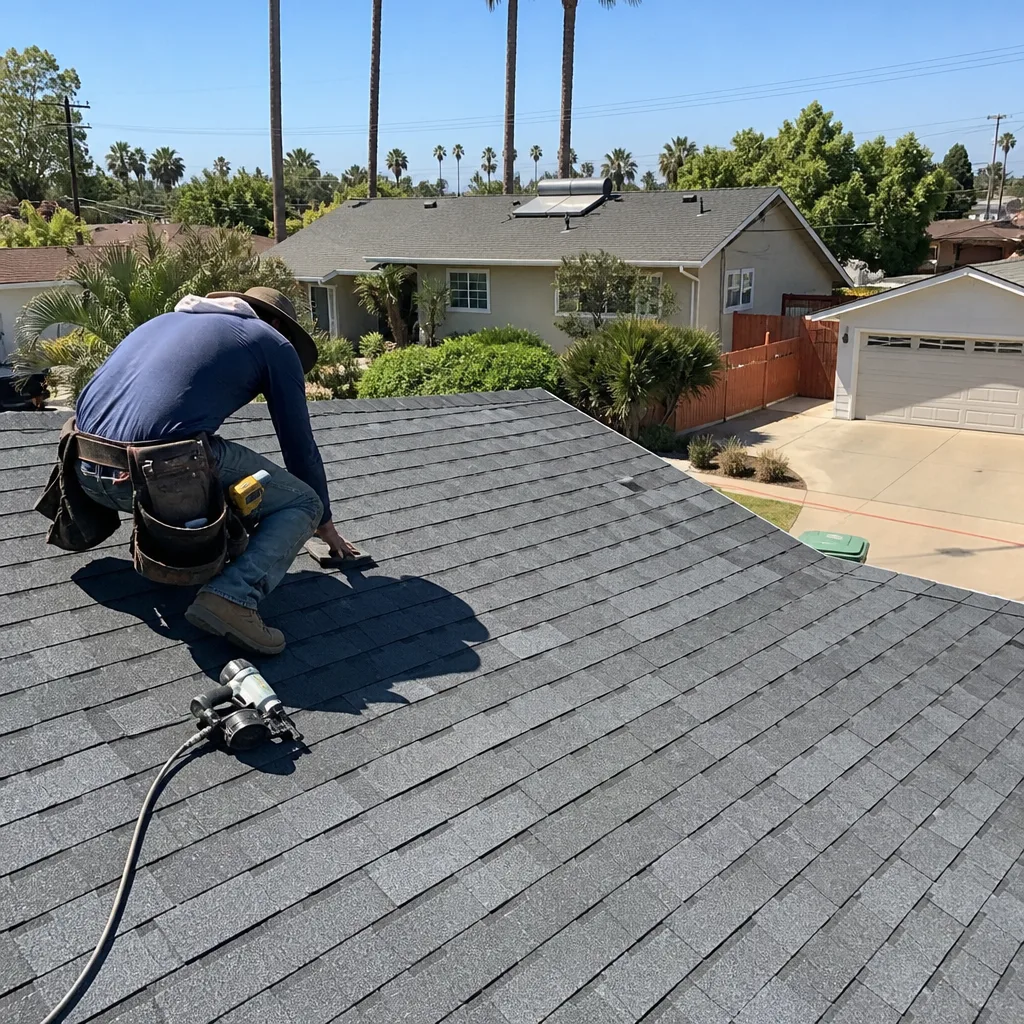 After
After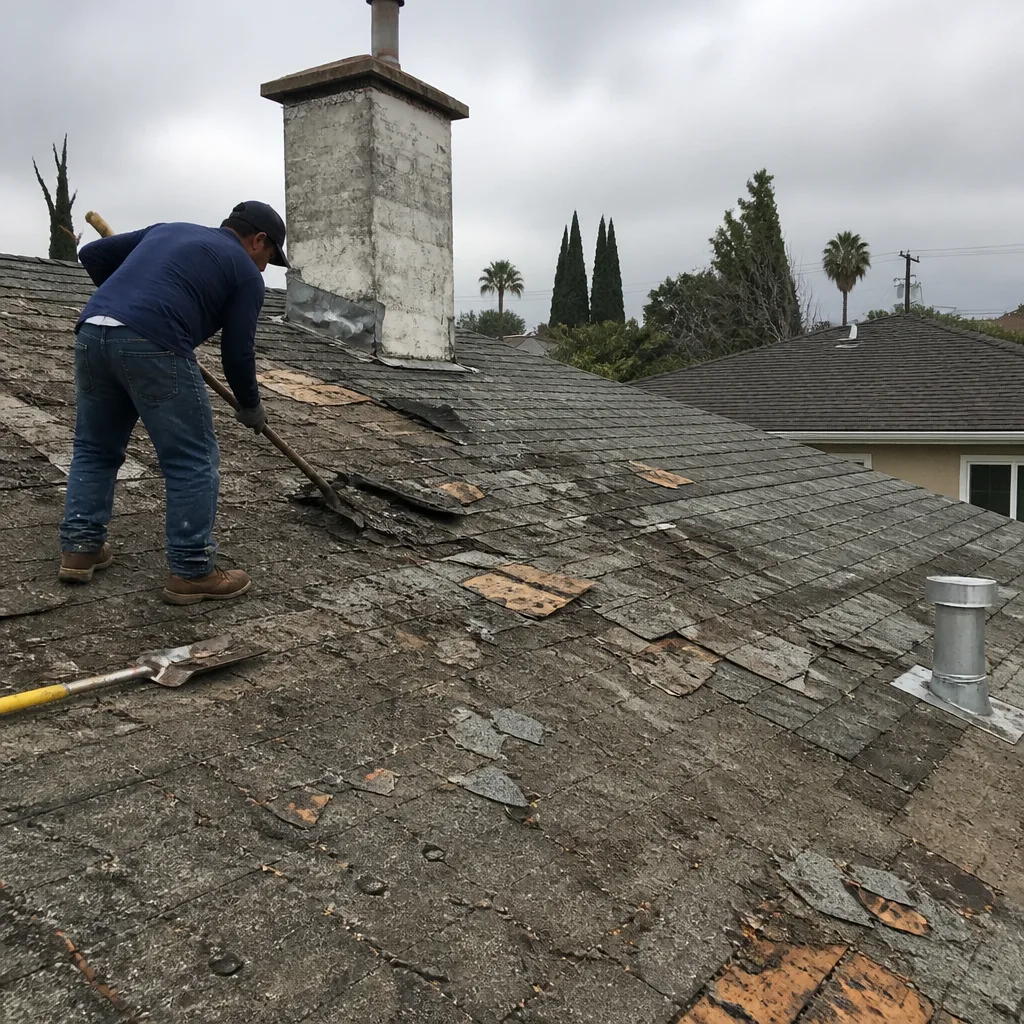 Before
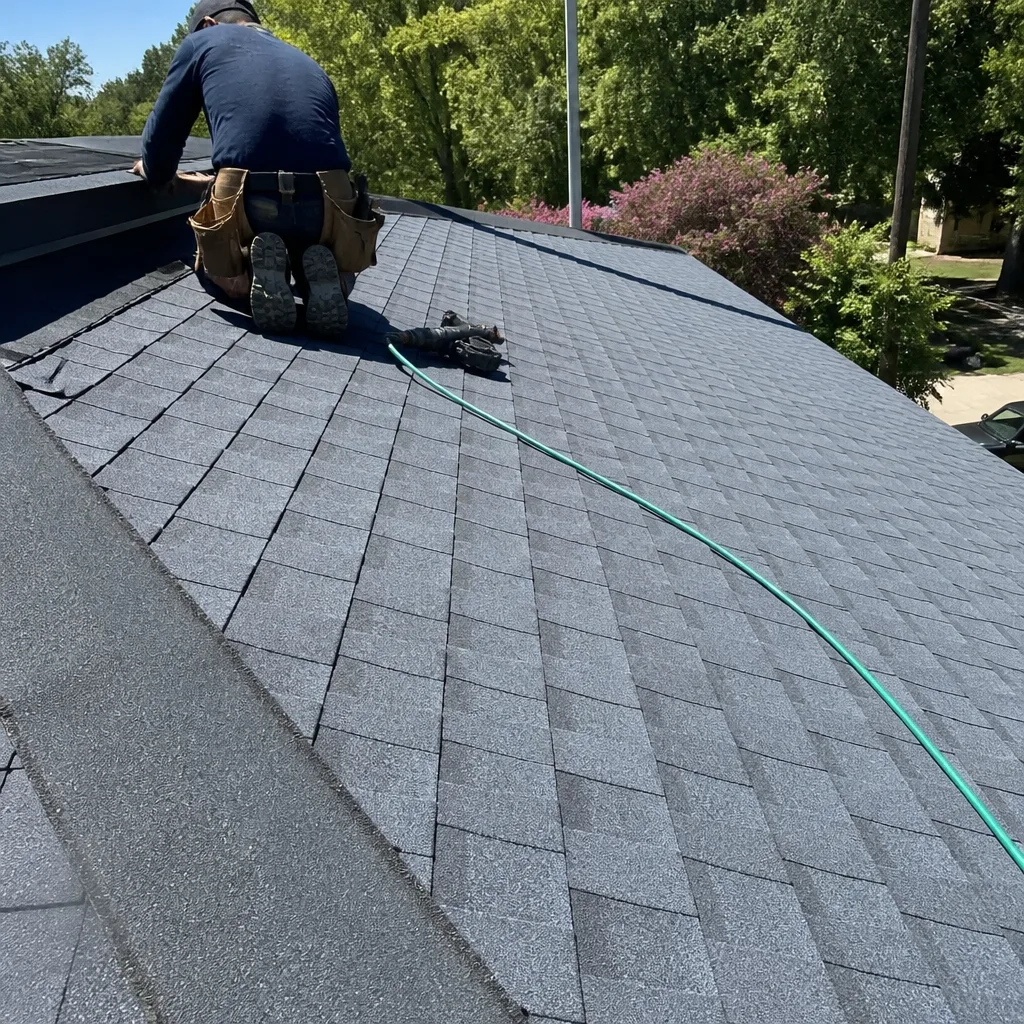 After
After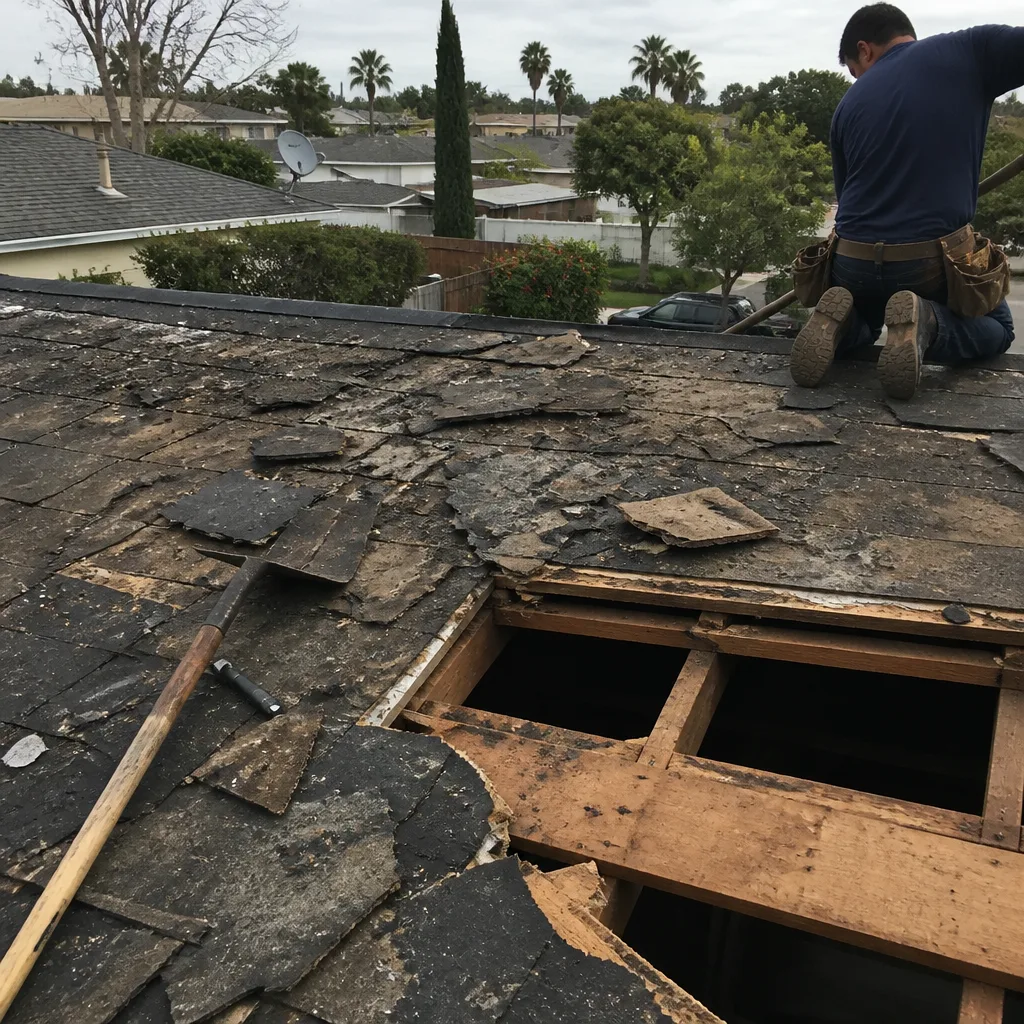 Before
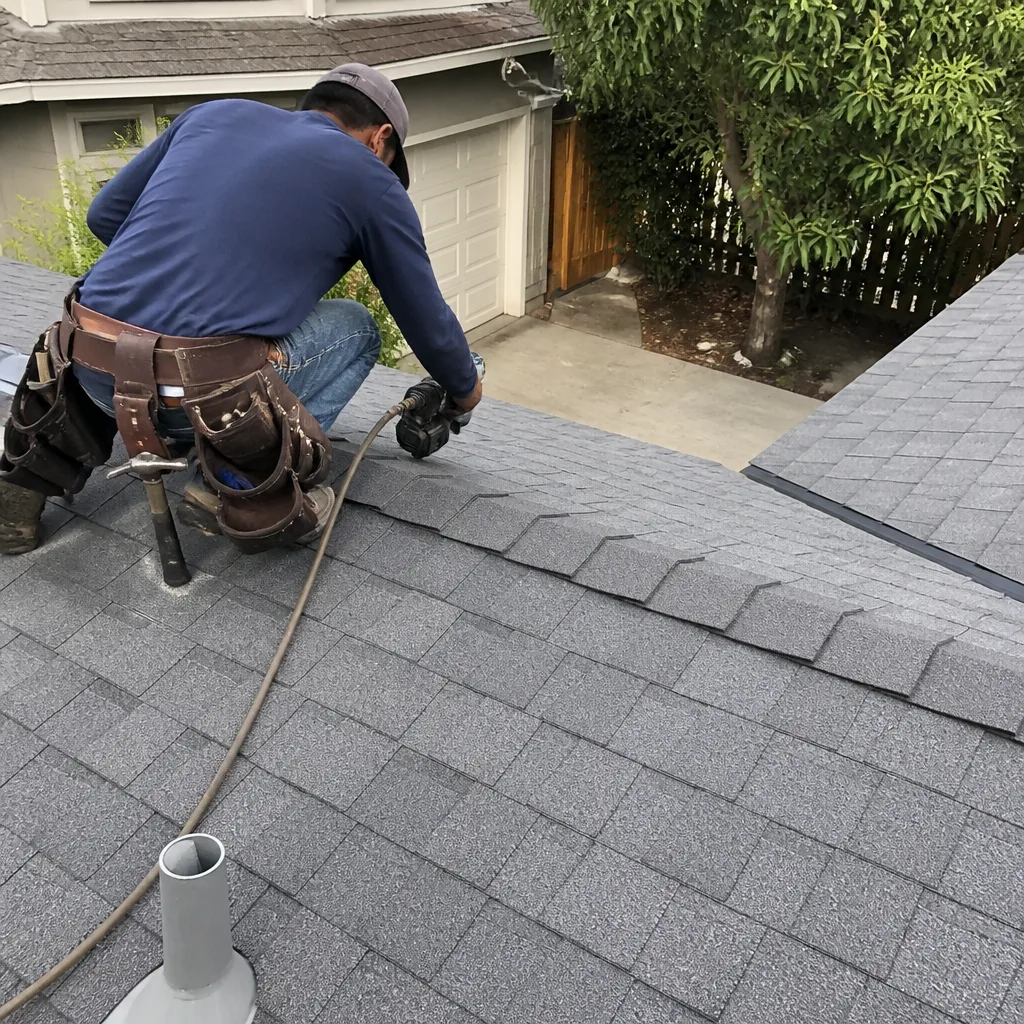 After
AfterGranules in the gutters
What’s Happening
Granules in your gutters almost always mean your shingles are shedding their protective coating – and that is one of the clearest signs a roof is aging past the point where it can protect your home the way it should. It is not a cosmetic issue. Once those granules are gone, the asphalt underneath is exposed to the sun, rain, and heat that the granules were there to block.
Every asphalt shingle is essentially a mat of fiberglass or organic felt, saturated with asphalt, and then coated with mineral granules that are pressed into the surface. Those granules do three jobs: they block UV radiation that would otherwise cook the asphalt underneath, they add fire resistance, and they give the shingle its color. When you see them piling up at the bottom of your downspout – sometimes looking like coarse, dark sand – the shingles above are losing the layer that keeps them functional. A small amount of loose granules after a new install is normal shedding from the manufacturing process. Handfuls of them, or a consistent stream after rain? That is a different conversation, and it means your roof needs a professional set of eyes on it soon.
Why It Happens
Age-related granule loss (the most common cause)
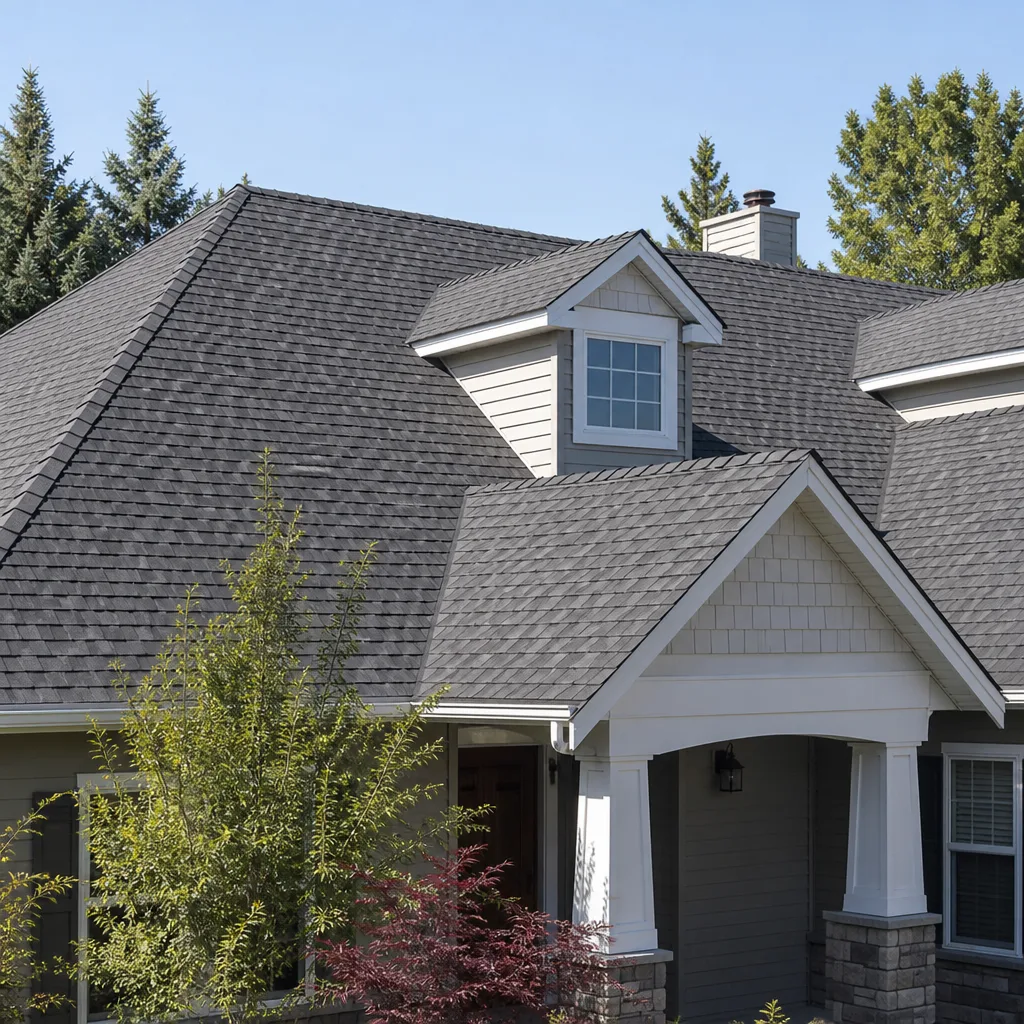
Asphalt shingles have a lifespan. As they approach or pass it, the bond between the granules and the asphalt softens and releases. You’ll see this as a general thinning of granule coverage across the whole roof surface, not just one spot. If your roof is more than 15 to 20 years old and the gutters are collecting granules regularly, the shingles are telling you they are at end of life.
Hail or storm impact
A hail strike knocks granules loose at the point of impact, leaving a small depression or “bruise” in the shingle surface. From the ground you might see dark spots scattered across the roof face – those are bare patches where granules were knocked clean. Storms that bring heavy wind can do similar damage by driving debris across shingle surfaces at speed. If granule loss appeared suddenly after a storm, impact damage is the likely reason.
Poor installation on a prior job
Shingles that were installed without proper underlayment, with the wrong nailing pattern, or over an uneven deck can flex and crack earlier than they should. That mechanical stress breaks the surface bond and granules let go. If your current roof is less than ten years old and already shedding heavily, a faulty install is worth investigating. A roof inspection will tell you quickly whether the substrate and fastening pattern are right.
Blistering from trapped moisture or heat
When moisture gets trapped under a shingle layer during manufacturing, or when a roof is poorly ventilated, the asphalt can blister. Those blisters are weak spots. When they pop – from foot traffic, a branch, or just thermal expansion – they take granules with them and leave a small bare crater. Blistering tends to show up in clusters and is often a ventilation problem as much as a shingle problem.
What to Do Right Now
- Collect a sample from the gutter. Before the next rain washes it away, scoop a handful of what’s in the gutter and set it aside. A technician can confirm it’s granules and note the approximate volume – that detail helps diagnose how far along the wear is.
- Photograph your gutters and downspout splash zones. Good clear photos with your phone, taken now, give your Brennan Roofing technician a baseline and help with any insurance documentation if a storm caused the damage.
- Do not get on the roof yourself. Roof surfaces are slippery, the pitch can be steeper than it looks from the ground, and a fall from even a single story is serious. You can see a lot from a ladder at the eave or from the ground with binoculars – that is enough.
- Check your attic for daylight, staining, or soft spots. Shine a flashlight around the underside of the deck and look for streaks, dark staining, or any pinpoint of outside light. These signs mean moisture may already be moving through the shingles where the granules are gone.
- Skip power-washing the roof. It feels like a reasonable fix but it accelerates granule loss significantly. Leave the surface alone until a technician has looked at it.
How We Fix It
When a Brennan Roofing technician arrives, the first thing they do is a full roof inspection – not just the gutter line, but the field of the shingle, the ridge, the valleys, and the flashing at every penetration. Granule loss is a symptom, and the inspection tells us what caused it and how far it has progressed.
If the damage is isolated – a section of shingles hit by a branch, a few blistered squares near a poorly vented area – a targeted roof repair is usually the right call. We pull the damaged shingles, inspect the deck underneath, and install new material matched as closely as possible to what’s there. We work with shingles from GAF, CertainTeed, Owens Corning, IKO, Atlas, Tamko, and Boral, so we have real options and we’ll explain them plainly before any choice is made.
If the inspection shows age-related wear across the full roof, a full roof inspection report will lay out exactly what’s there, and we’ll walk you through whether repair or full replacement makes more sense for what you’re dealing with. Either way, the price goes in writing before any work starts – that is not something we negotiate around. And every repair and installation is backed by the 365-Day Done Right Promise: a written guarantee for one full year, with a free return visit if anything we did fails in that time.
Frequently Asked Questions
It depends on how much granule loss you’re seeing and how old the roof is. Light granule shedding on an older roof can progress to exposed asphalt quickly, especially through summer heat or a wet season, and once that asphalt starts cracking you’re a short step from leaks. It is not usually an emergency the night you notice it, but waiting several months while the loss continues is the kind of delay that turns a repair into a full replacement. Call (361) 320-9467 to get eyes on it sooner rather than later.
Call us at (361) 320-9467 and a live person will answer – not a voicemail, not an automated system. Your local Brennan Roofing team will tell you exactly when they can get out and what that visit looks like. We schedule inspection appointments and we show up inside the window we gave you, every time.
The inspection tells us that. Granule loss on a small section of an otherwise sound roof usually means a targeted repair. Granule loss that is widespread and paired with an older roof age often means the shingles as a whole have reached end of life. We will not recommend replacement if repair is the honest answer – and whatever we recommend comes with a written price before we touch anything.
It depends on the cause. Granule loss from storm or hail impact is often a covered claim; age-related wear typically is not. The roof inspection report your Brennan Roofing technician produces documents the condition and the probable cause, which is exactly what an adjuster needs to evaluate your claim. We do not work as public adjusters, but we give you the documentation you need to have that conversation. Call (361) 320-9467 to get the inspection scheduled.
Get It Fixed
Your local Brennan Roofing team is ready when you are. Call (361) 320-9467 – a live person answers around the clock – or book online. We’ll schedule your free written estimate, show up inside the window we gave you, and put the price on paper before any work starts. That is the Garrison Standard, and it does not move.
Written by Travis Oakley, Owner at Brennan Roofing, serving homeowners across our local markets as part of the Garrison Partners family since 2000.
What Our Customers Say
"They gave me a warranty in writing and stood behind it."
- Irene G."Quality work and clear communication. Rain pushed the start by two days, which is fair, but we were hoping to be done sooner."
- Cathy N."Storm took off a section of shingles. They were here next morning to tarp it and finished the repair that week."
- Elaine D.