
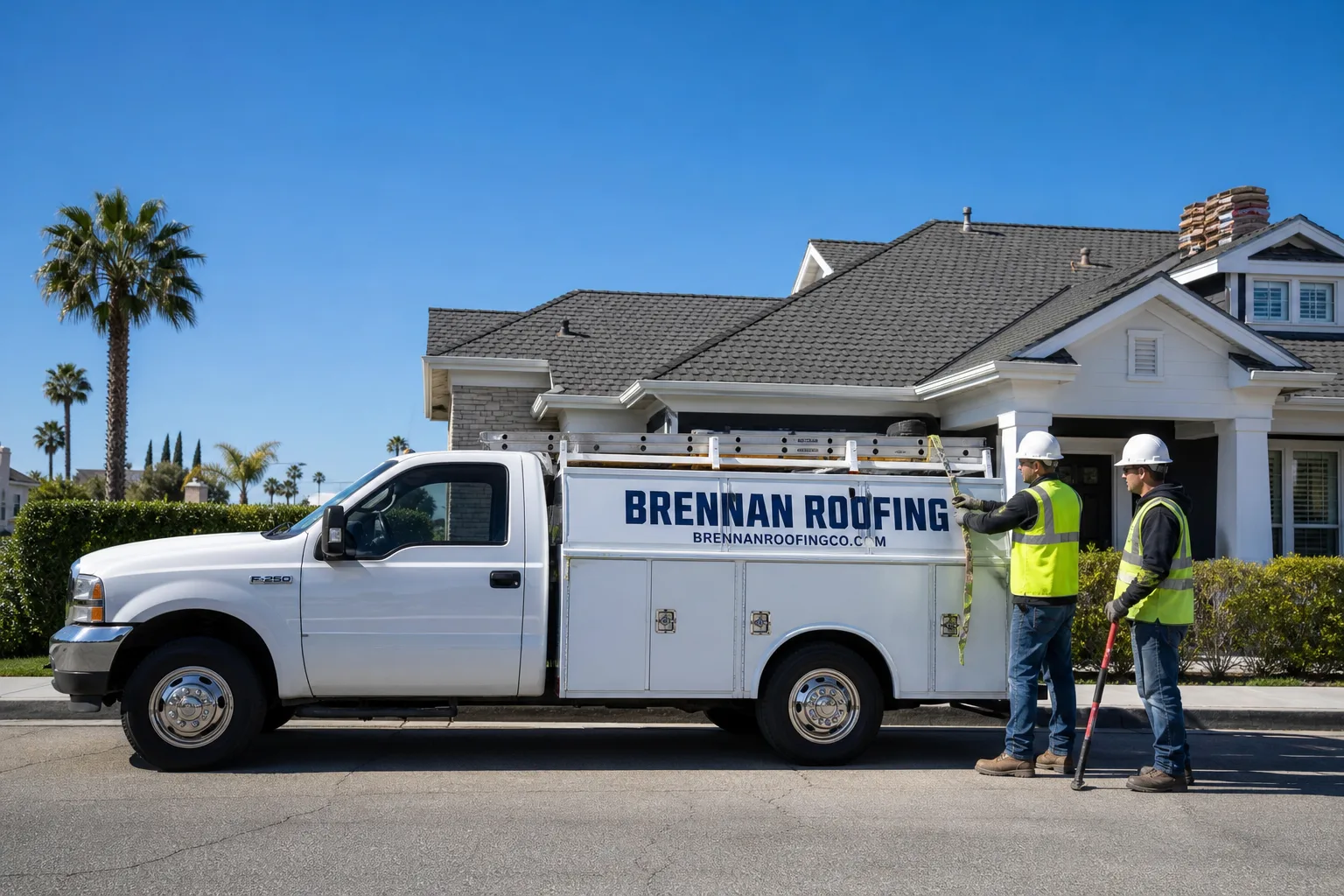
Free roof inspection with deck photos before we talk money - GAF and Owens Corning certified installation
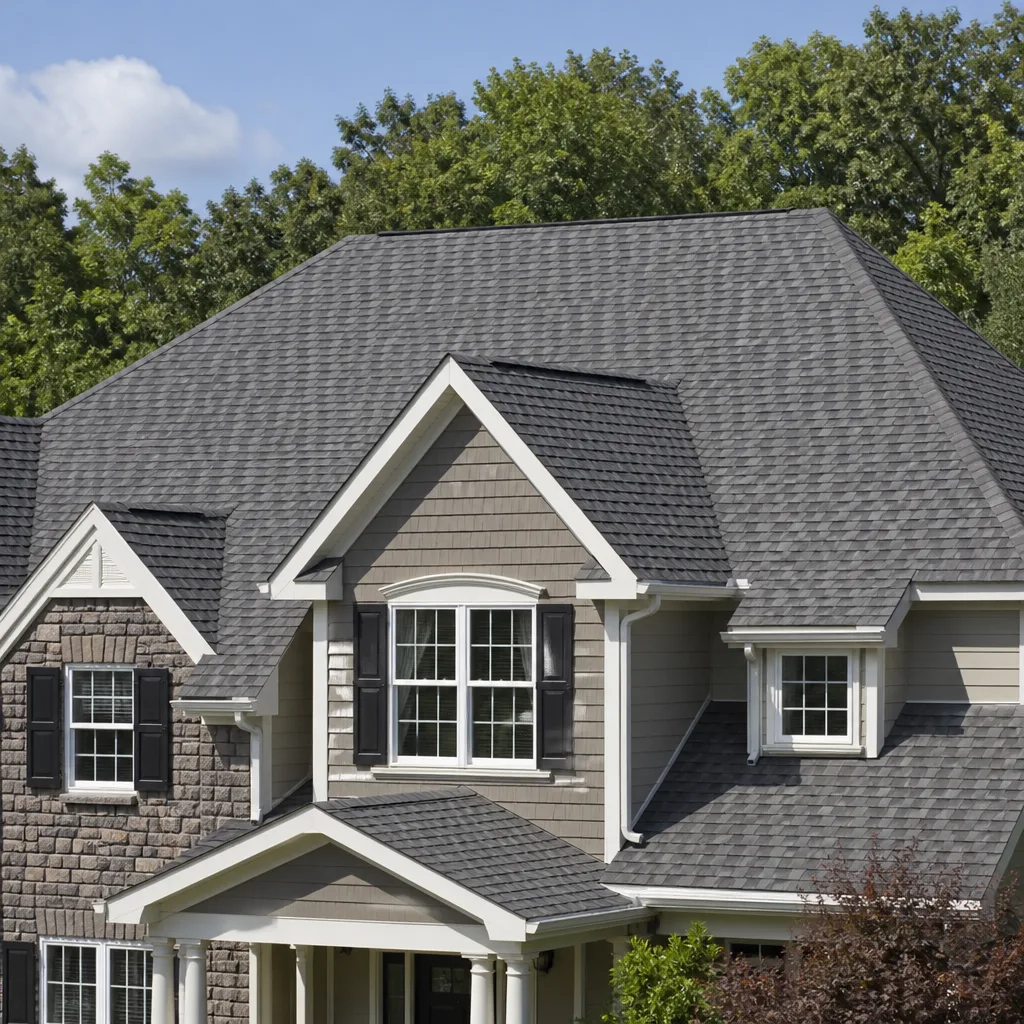
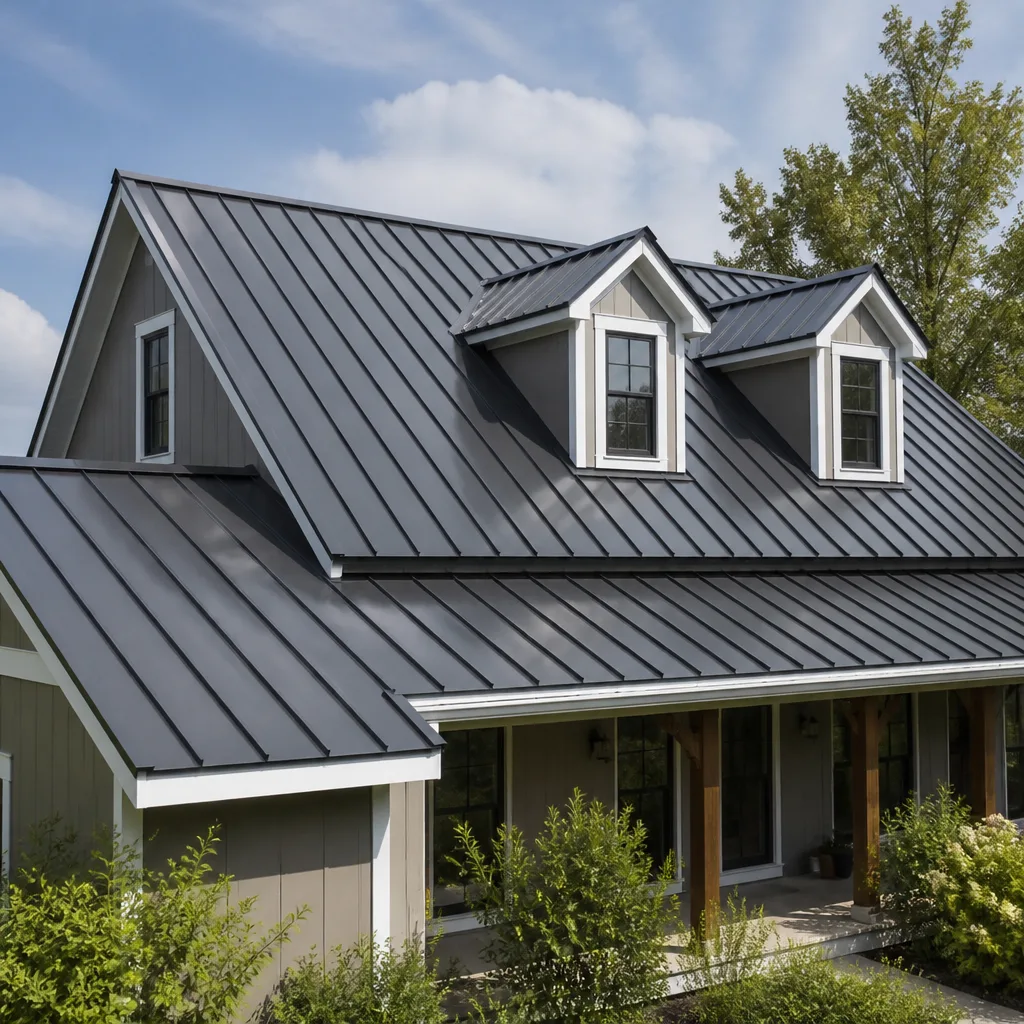
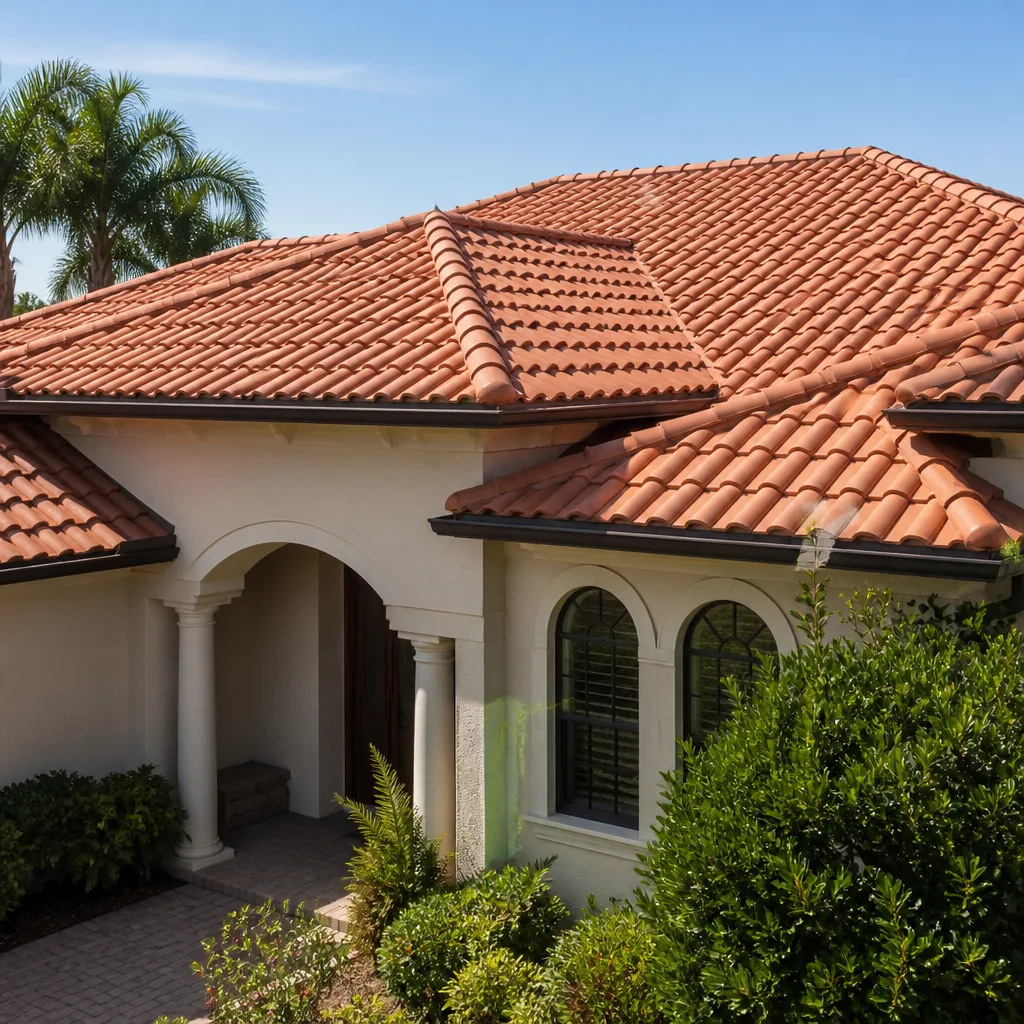
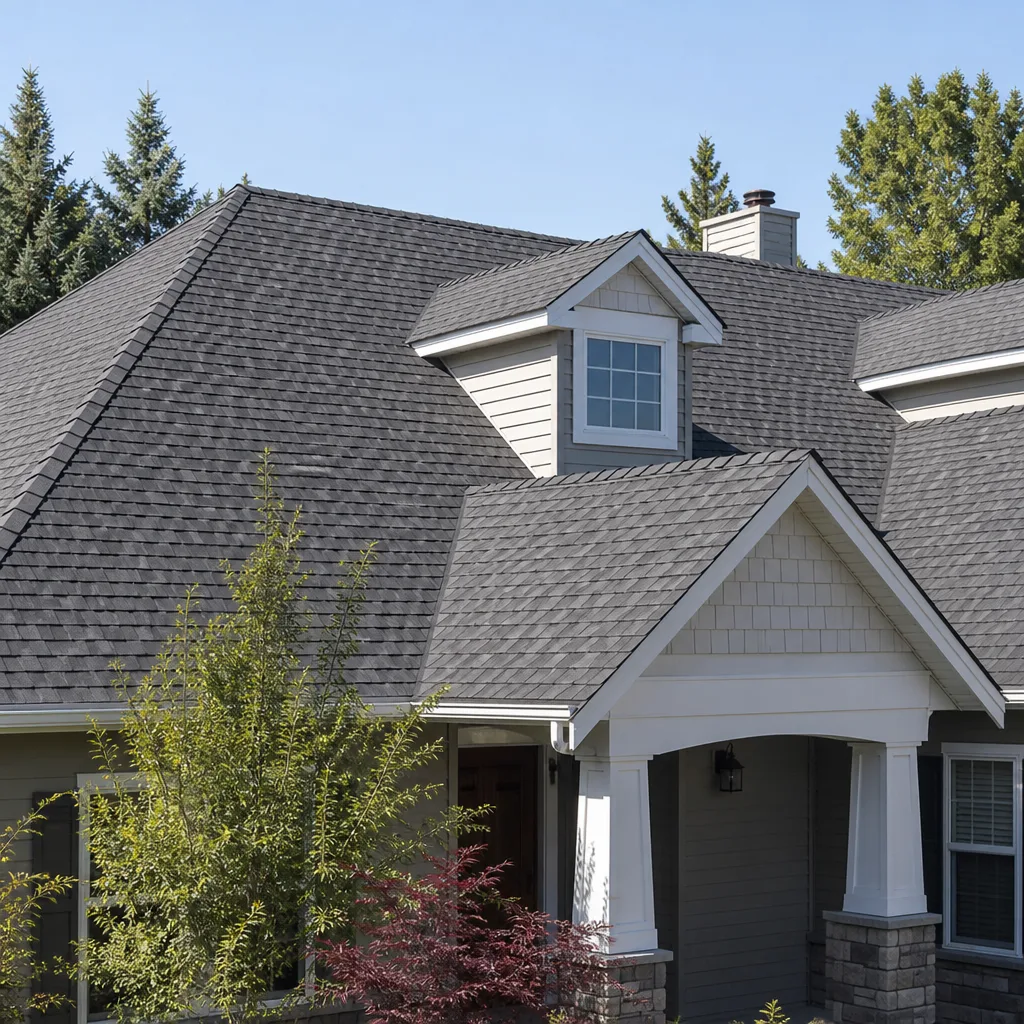
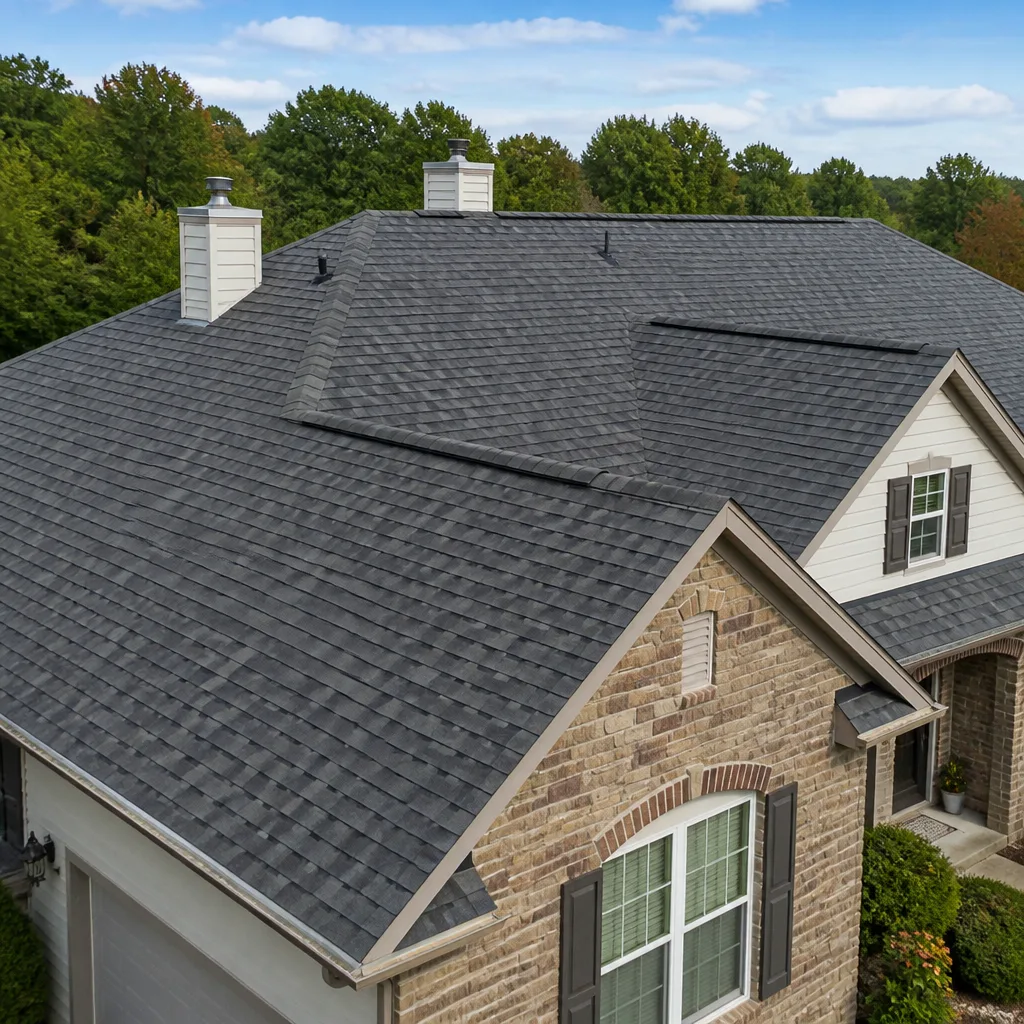
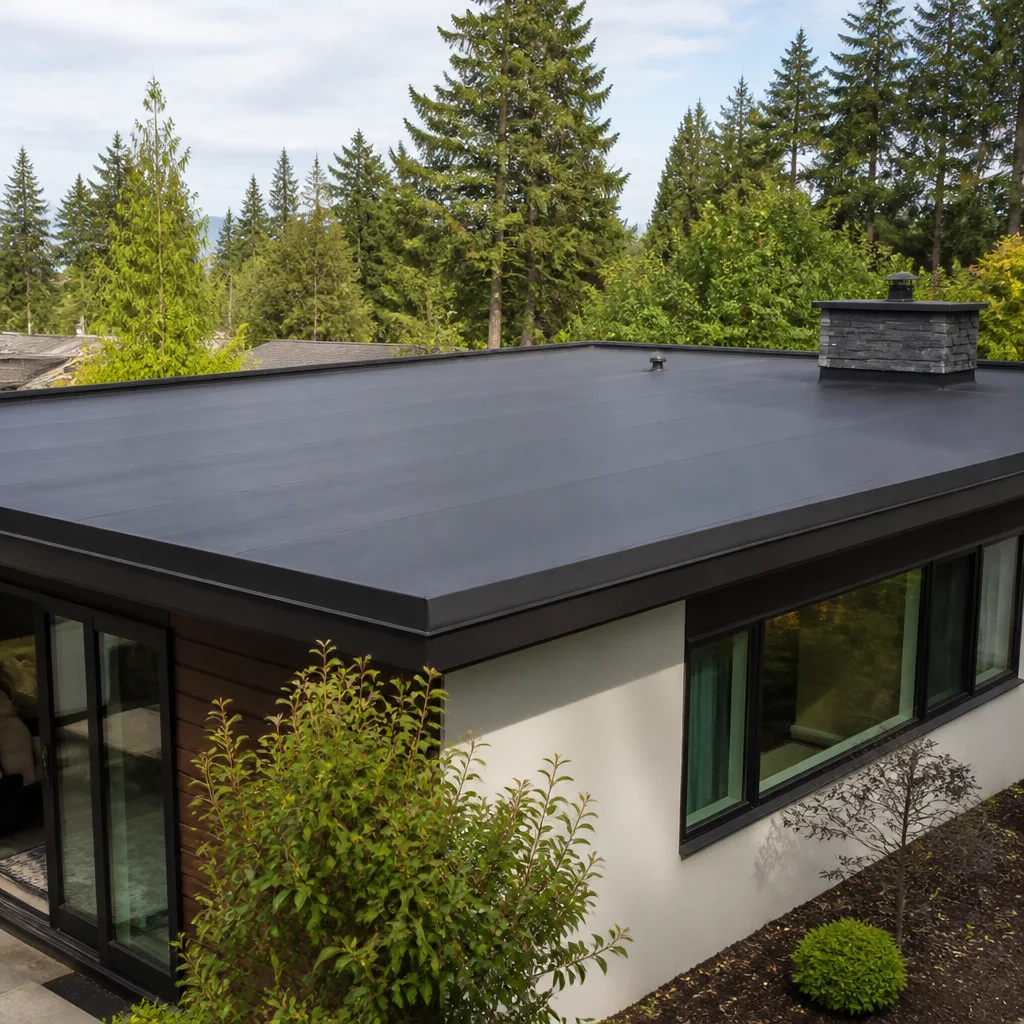
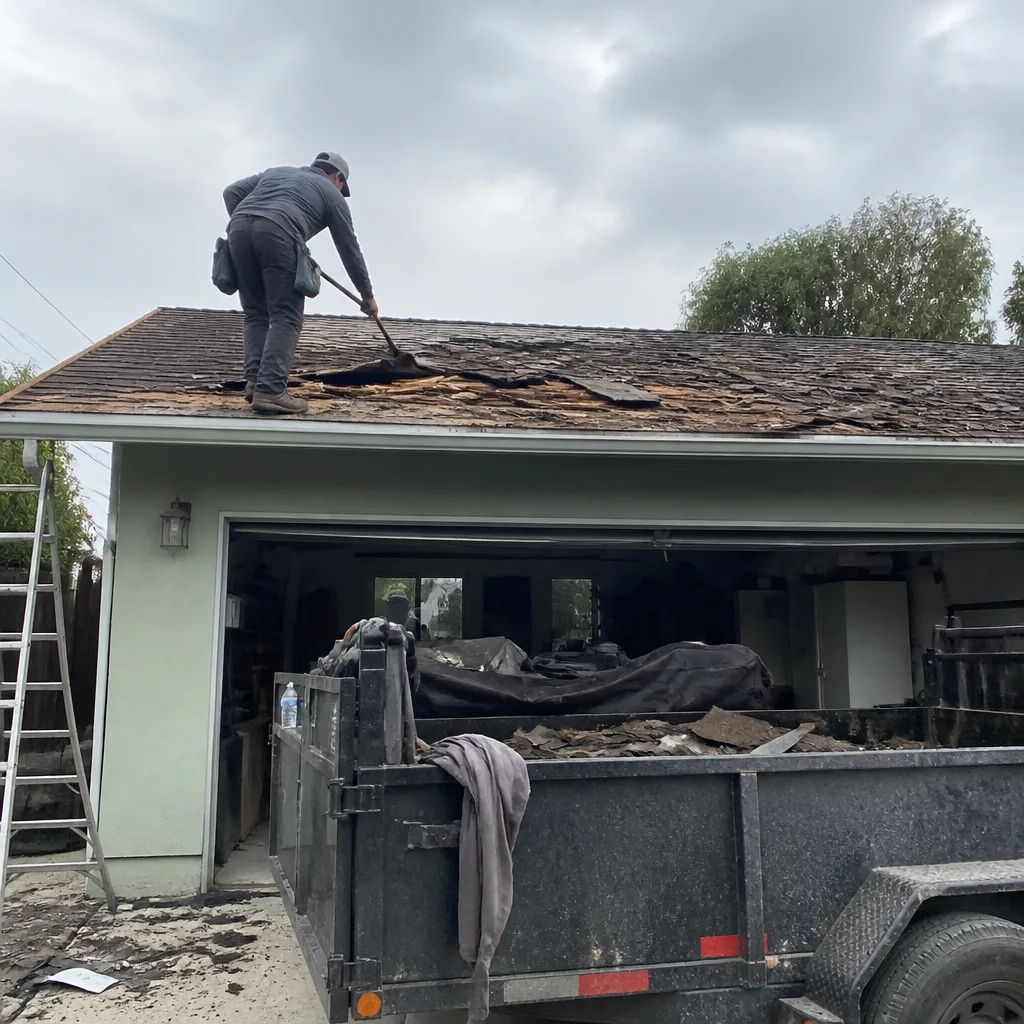 Before
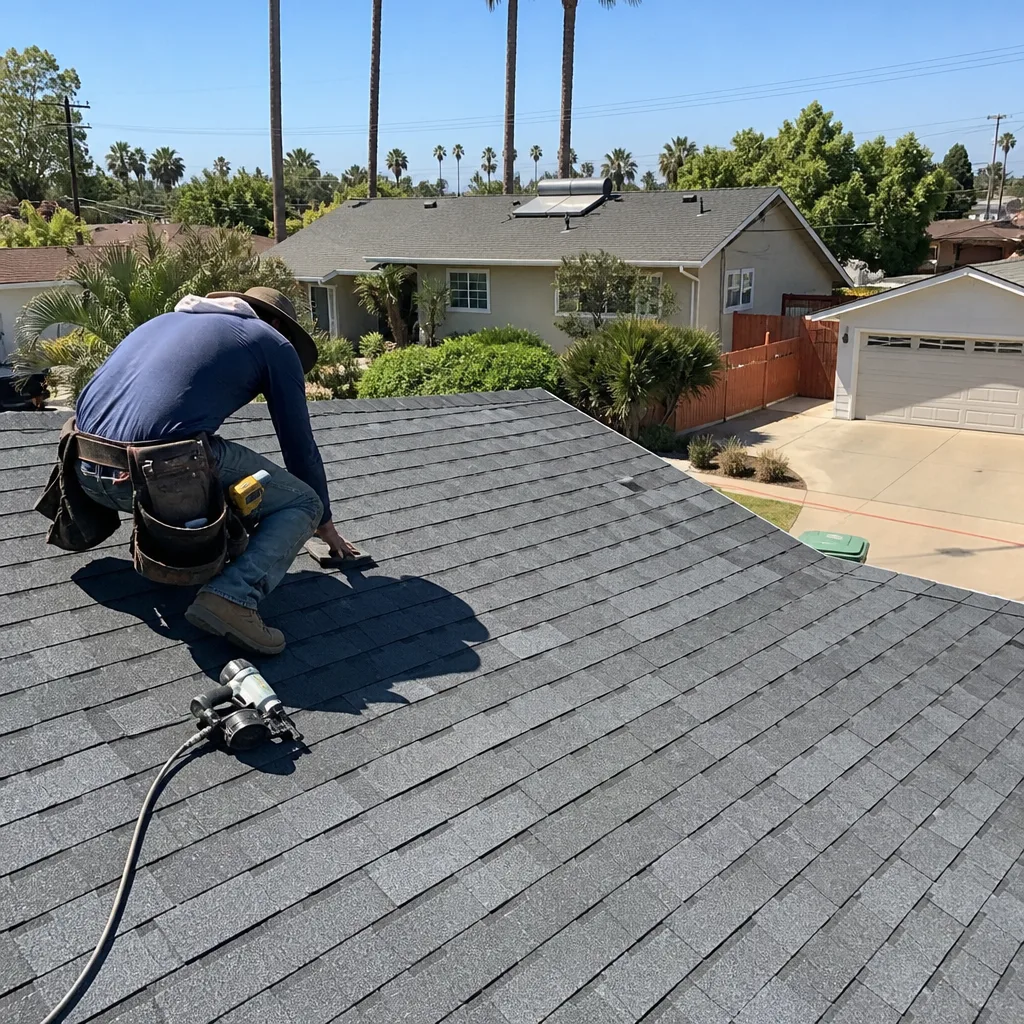 After
After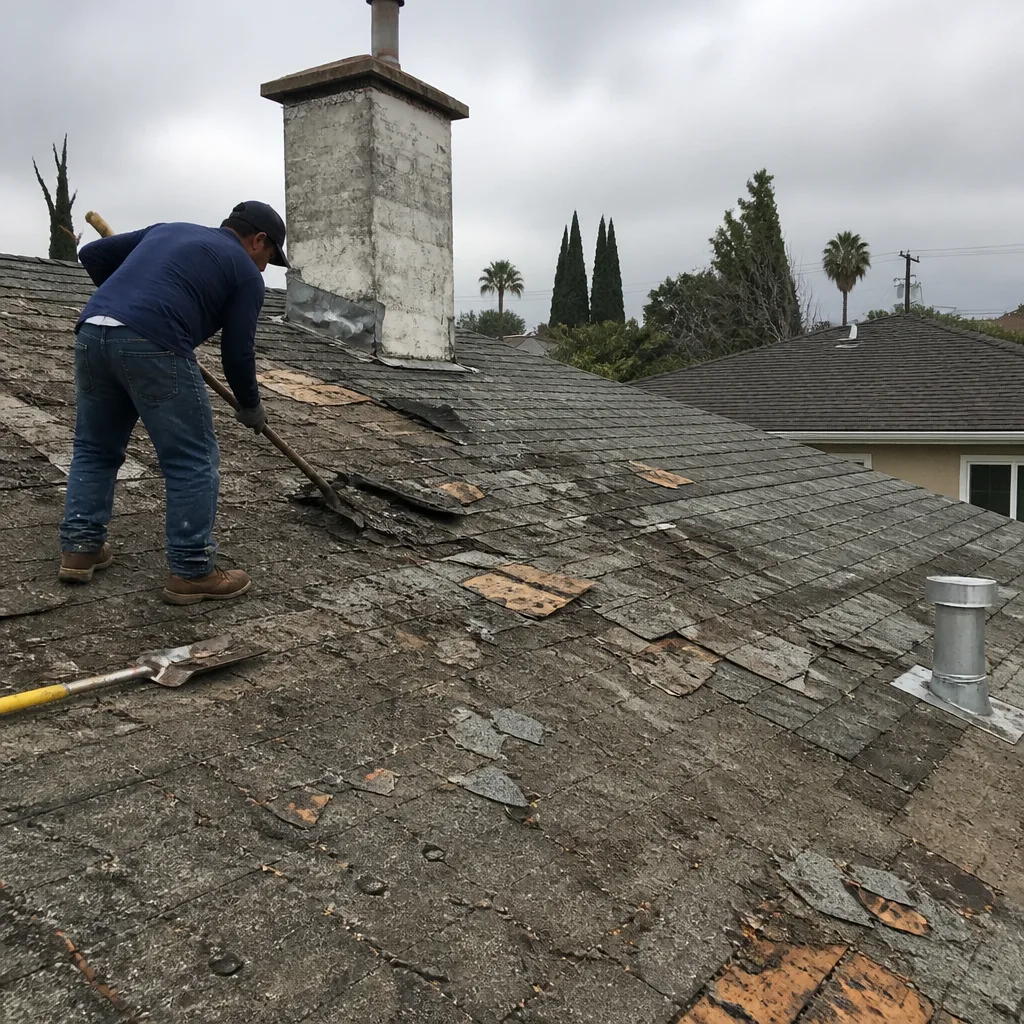 Before
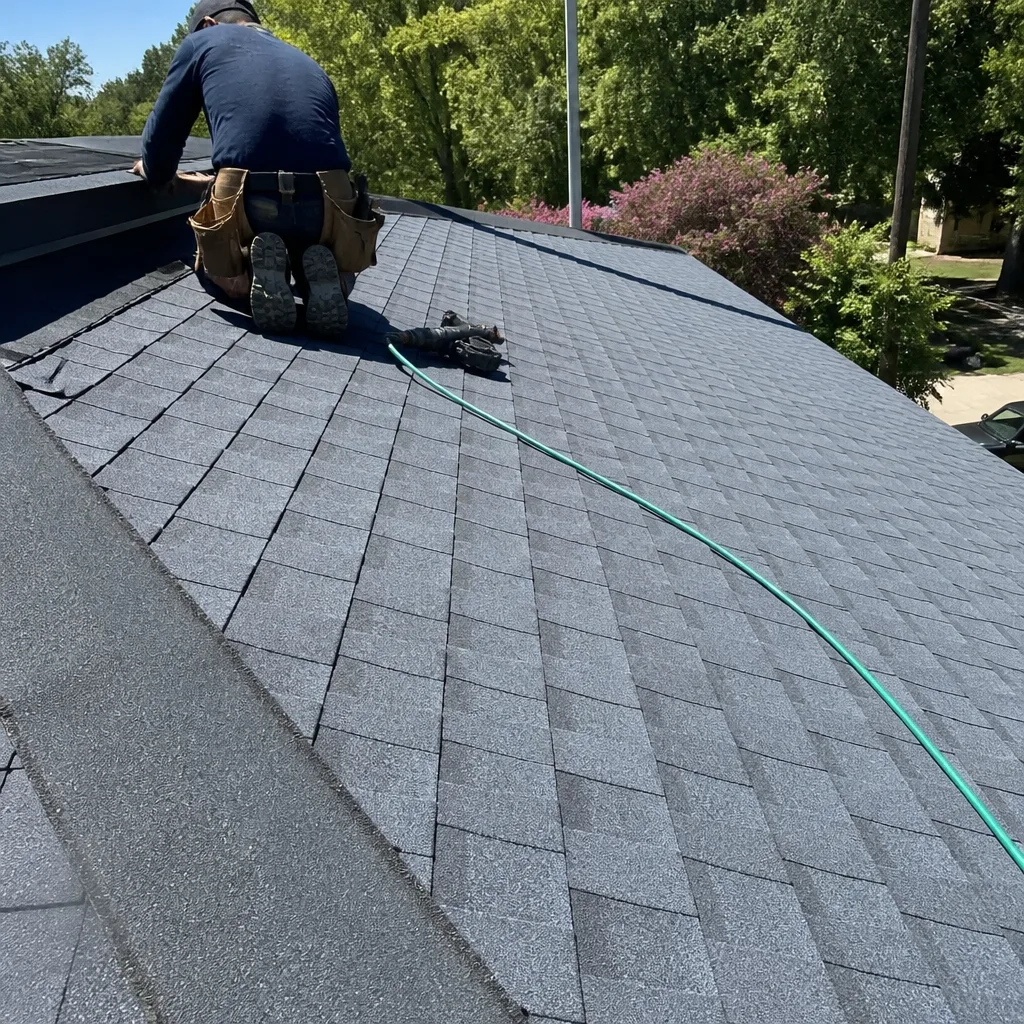 After
After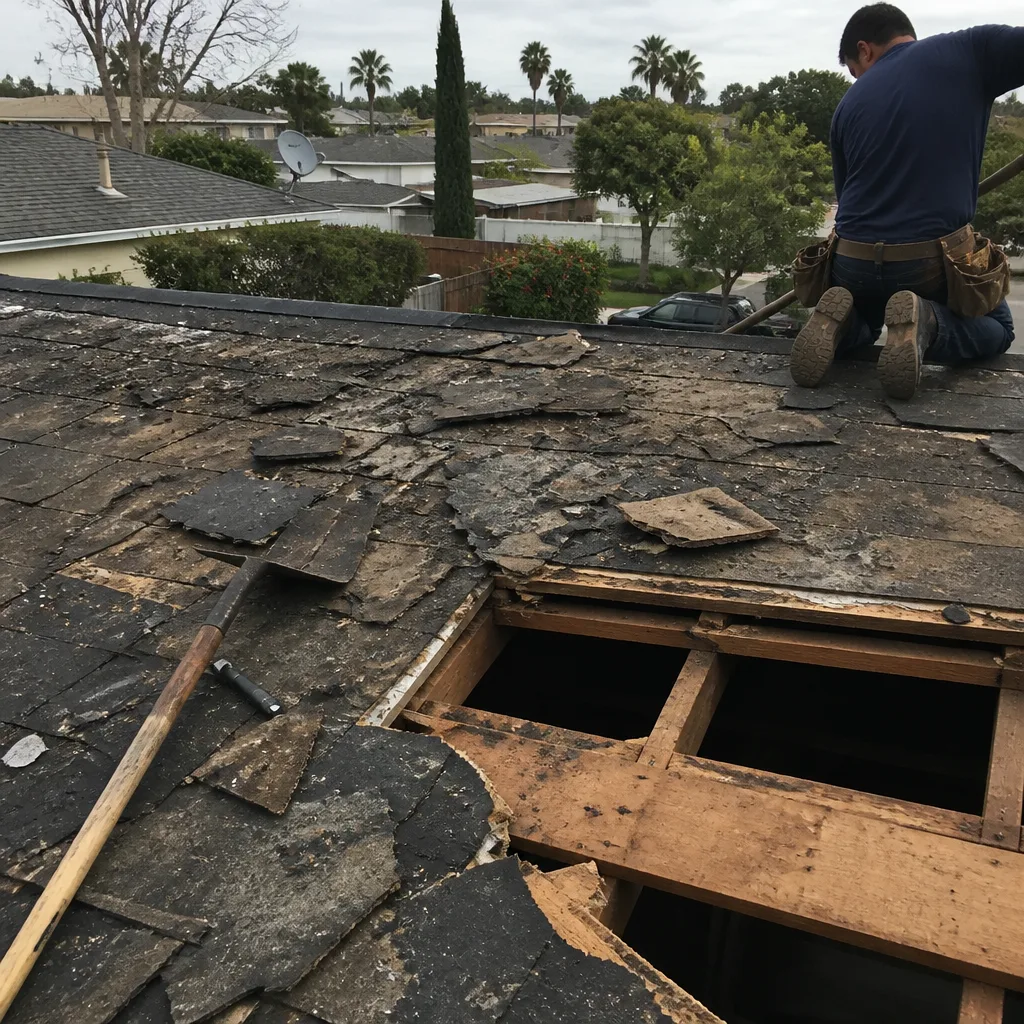 Before
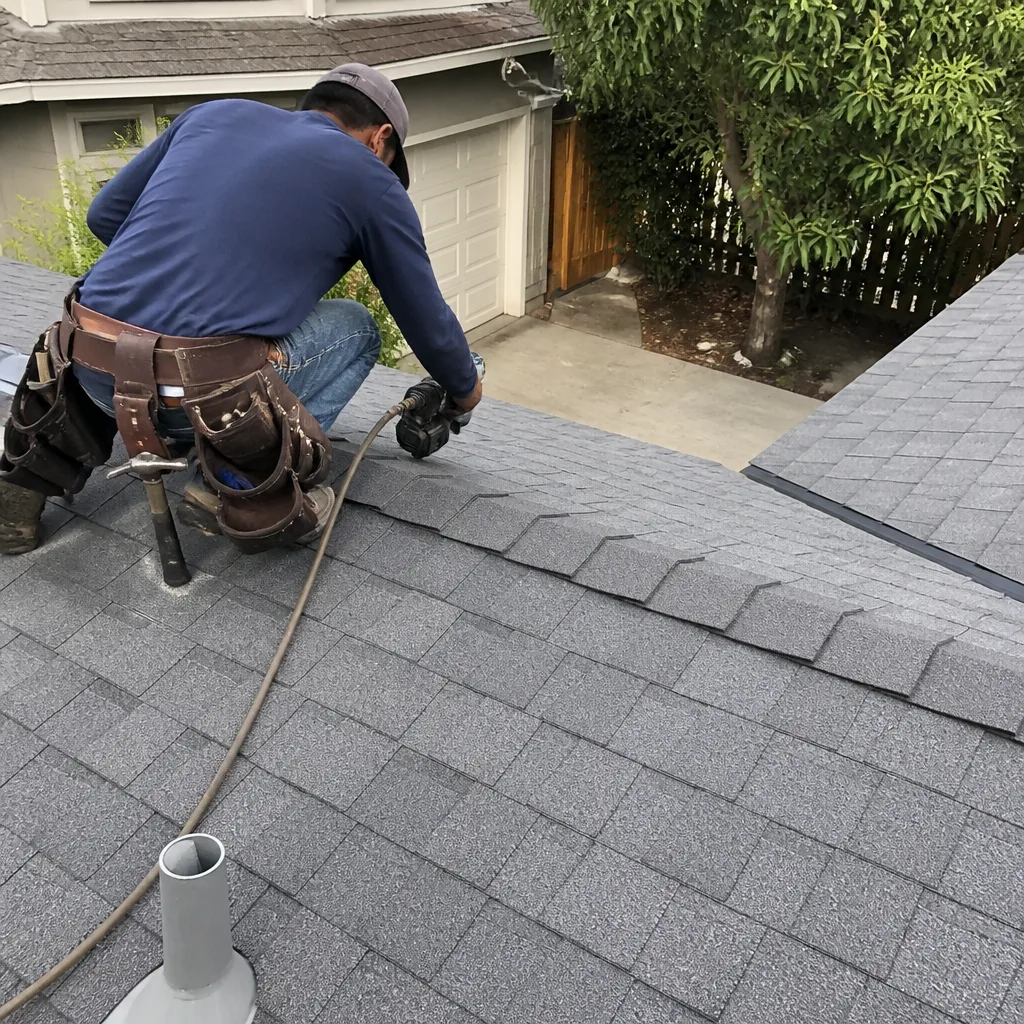 After
AfterFast, Reliable Roof Inspection Across Stanford
A roof inspection in Stanford typically runs $250 to $500 for a standard residential home, and most inspections we schedule in College Terrace, Stanford Hills, and the surrounding campus-adjacent neighborhoods are completed the same week you call. We walk every plane, check flashing, underlayment, penetrations, and the roof-to-wall connections, then hand you a written report with photos and a scope that’s priced on paper before any work starts. No vague notes, no phone-tag follow-up – just a straight answer about what your roof actually needs.
Stanford is a different roofing market from the rest of the Peninsula. The 8,180-acre campus is governed through Santa Clara County and the university’s own design review rather than a single city permit office, so inspections here split into two tracks: institutional structures with clay tile and slate that need coordination with Stanford Facilities, and the mid-century ranch homes in College Terrace and Stanford Hills that fall under county review. We know both. If you’re on the residential side, call (361) 320-9467 and we’ll get you on the schedule this week.
Why Brennan Roofing Is Stanford’s Preferred Roof Inspection Company
We work under The Garrison Standard, which means the price goes on paper before any work starts and it does not move at the door. Every technician who steps onto a Stanford roof is background-checked and arrives in uniform. You know exactly who is on your property and what they’re there to do. That matters when you’re letting someone walk your roof in College Terrace or inspect a Mission Revival tile system near campus.
Travis Oakley leads our roofing inspection work across Stanford, and he’s walked enough tile, shake, and flat membrane roofs in this area to know what the local sun and winter storms actually do to them. When we inspect a roof here, we’re looking for the failure modes this climate produces – dried-out underlayment on south-facing planes, cracked clay tiles, failed membrane seams on flat sections. The report reflects that local knowledge, not a generic checklist.
We answer the phone with a live person around the clock. When you call our Roof Inspection team about a home in Stanford, you get a human being who can book the appointment and answer questions about scoping, timing, and pricing. No voicemail queue, no automated system.
Every inspection we complete is backed by the 365-Day Done Right Promise. If we miss something and you have a leak within a full year of our inspection, we come back at no charge and make it right in writing. Nobody else in the Stanford market puts that guarantee on an inspection report.
Roof Inspection Companies in Stanford
Roof inspection and Roof Repair in Stanford companies don’t all operate the same way, and the split between campus work and residential work is the first thing to understand when you’re hiring one. On the university side, inspectors need to coordinate with Stanford Facilities and account for design review requirements that don’t exist in Palo Alto or Menlo Park. On the residential side in College Terrace and Stanford Hills, you’re dealing with Santa Clara County permitting and mid-century housing stock that has aged in very specific ways.
Residential Inspection Scope
For a home in Stanford Hills or College Terrace, a proper inspection means walking every plane, checking the underlayment condition on south-facing exposures, and examining flashing at chimneys, skylights, and plumbing penetrations. We also verify drip edge and fascia integrity along open eaves, which is where many mid-century ranches fail first. Expect a written report with photos and a line-item scope.
Institutional and Campus-Adjacent Work
Structures on or near the Stanford campus – Mission Revival clay tile, flat membrane systems on mid-century buildings, newer LEED-certified structures – require a different inspection protocol. Roof-to-wall connection condition is part of the seismic retrofit conversation on older tile-roofed buildings. We flag deteriorated underlayment beneath intact tile, failed membrane seams, and cracked tiles that compromise the system even when they haven’t yet leaked.
Commercial Roof Inspection in Stanford
Commercial roof inspection in Stanford means something different depending on which side of the campus boundary you’re on. University-affiliated buildings go through Stanford Facilities and typically need seismic roof-to-wall assessments alongside the standard membrane, flashing, and drainage evaluation. Independent commercial properties in the county-review areas around College Terrace and along the campus edge need straightforward commercial scoping with an eye toward sun damage on flat membrane systems and water intrusion during winter storms.
Flat and Low-Slope Membrane Systems
Mid-century modern buildings throughout Stanford rely on flat or low-slope membrane roofs, and the Mediterranean climate punishes them. Intense UV exposure from dry summers breaks down membrane seams long before visible leaks appear. Our commercial inspections include seam-by-seam evaluation, flashing condition at curbs and penetrations, and drainage verification. If you manage a commercial property here, call (361) 320-9467 and we’ll give you a written price for the inspection before we set foot on the roof.
Clay Tile and Slate Institutional Roofs
Mission Revival buildings with clay tile and slate demand specialized attention. Cracked, shifted, or spalled tiles allow water to reach the underlayment, which on older buildings can be original and near failure. We inspect tile condition, underlayment integrity beneath accessible sections, and the roof-to-wall connections that matter for seismic compliance. This is not the kind of inspection you can shorthand, and we don’t.
Trusted Brands We Service in Stanford
We inspect and work on roofs built with GAF, CertainTeed, and Owens Corning systems throughout Stanford, from architectural shingle ranches in College Terrace to commercial membrane installations near campus. We know these manufacturer lines well enough to identify installation defects, material failures, and warranty-eligible conditions during the inspection itself. When a follow-up repair or replacement is needed, we source materials from the same manufacturer lines and keep parts locally available for fast turnaround on Stanford jobs.
Common Roof Inspection Problems We See in Stanford Homes
- Dried-out underlayment on wood shake roofs. We inspected a mid-century ranch in College Terrace with a wood shake roof and found the original shake was intact overhead but the underlayment had dried out under two decades of UV. We walked the roof valley-by-valley, checked the flashing at the chimney and plumbing penetrations, and confirmed the drip edge and fascia along the open eaves were still sound before writing up a scope focused on replacement underlayment rather than a full tear-off.
- Cracked and shifted clay tiles on Mission Revival roofs. The tiles look fine from the ground, but once we’re on the roof we find cracked and spalled tiles that let water hit the underlayment underneath. On older campus-adjacent buildings, that underlayment is often original and near the end of its service life.
- UV-baked membrane seams on flat and low-slope roofs. Stanford gets intense summer sun and little freeze-thaw cycling, so the main threat is seam failure on membrane systems. The roof looks intact, but the seams have been baked brittle and the next winter storm opens them up.
- Missing or weakened roof-to-wall connections on older tile buildings. This is a seismic retrofit issue we flag on pre-1980s tile-roofed structures around campus. It rarely comes up on standard residential roofs in nearby cities, but on the Stanford side it can be the difference between a permitted roof replacement and a scope that gets sent back.
Pricing for Roof Inspection in Stanford, CA
A standard residential roof inspection in Stanford runs $250 to $500 depending on roof size, number of planes, and whether we need to access outbuildings or a detached ADU. Larger estates in Stanford Hills or properties with multiple structures, shops, or guest houses add inspection time, and the price reflects that additional ground. Commercial and institutional inspections are scoped per building, with a written line-item price provided before we start. Every inspection comes with the full written report and our 365-Day Done Right Promise at no additional cost.
You’ll get a fixed price in writing before any work starts, and that number does not change at the door. Call (361) 320-9467 for a free estimate on your Stanford roof inspection.
We Also Serve Cities Near Stanford
While this page focuses on Roof Inspection in Stanford, our crews regularly handle inspection work in the surrounding communities. If you’re in Palo Alto, Menlo Park, Atherton, or Los Altos, the same Garrison Standard applies: written pricing, background-checked uniformed technicians, and a live person on the phone around the clock. Call us for service anywhere on the mid-Peninsula.
Serving Stanford, CA - Our Local Coverage Area
We’re based in the Stanford area and know this community well. Use the map below to see our service coverage - if you’re nearby, we can almost certainly help.
FAQs About Roof Inspection in Stanford
Roof inspections on residential properties in Stanford, including College Terrace and Stanford Hills, are typically reviewed through Santa Clara County rather than a standalone city permit office, and university-affiliated structures go through Stanford Facilities and the university’s design review process. We handle both tracks and will tell you which one applies to your property before we schedule. Call (361) 320-9467 and we’ll sort out the details for your specific address.
We check cracked, shifted, and spalled tiles, underlayment condition beneath accessible sections, flashing at hips, valleys, and penetrations, and roof-to-wall connection condition for seismic compliance on older buildings. Clay tile looks permanent, but the underlayment beneath it ages and fails, and that’s where most leaks on this roof type originate. If you own a Mission Revival structure in Stanford, call (361) 320-9467 for a written inspection quote.
Most Stanford properties with outbuildings, detached ADUs, or shops take three to five hours to inspect thoroughly, depending on total roof square footage and access. Each structure gets its own evaluation: main house, detached garage or shop, ADU, and any other covered building. The price scales with total inspection time and roof accessibility, and we’ll give you the number in writing before scheduling. Call (361) 320-9467 and we’ll scope it directly.
Yes. Every inspection report we produce for a Stanford home includes the measured roof area in squares, broken out by structure if there’s more than one building on the property. That number matters for budgeting a future replacement, and we include it whether or not you hire us for the work afterward. Our Roof Inspection reports give you real numbers, measured on-site, not estimated from satellite images or parcel data.
Architectural shingles from GAF, CertainTeed, or Owens Corning installed in Stanford are typically rated for wind uplift from 110 to 130 mph depending on the specific product line and installation method, which meets and exceeds Santa Clara County requirements. We’ll verify the wind rating on your existing roof during inspection and flag any areas where fastening patterns look deficient. If you need a replacement in Stanford, call (361) 320-9467 and we’ll walk you through the options with a written price before any work starts.
Brennan Roofing serves Stanford from the San Francisco Bay Area office, with crews dispatched locally for inspections, repairs, and replacements. Call (361) 320-9467 to schedule your free estimate, or to talk through the specifics of your roof with a live person, any hour of the day.
Written by Travis Oakley, Owner at Brennan Roofing, serving Stanford, CA with the Garrison Standard of written pricing, background-checked technicians, and a full-year guarantee on every job.