
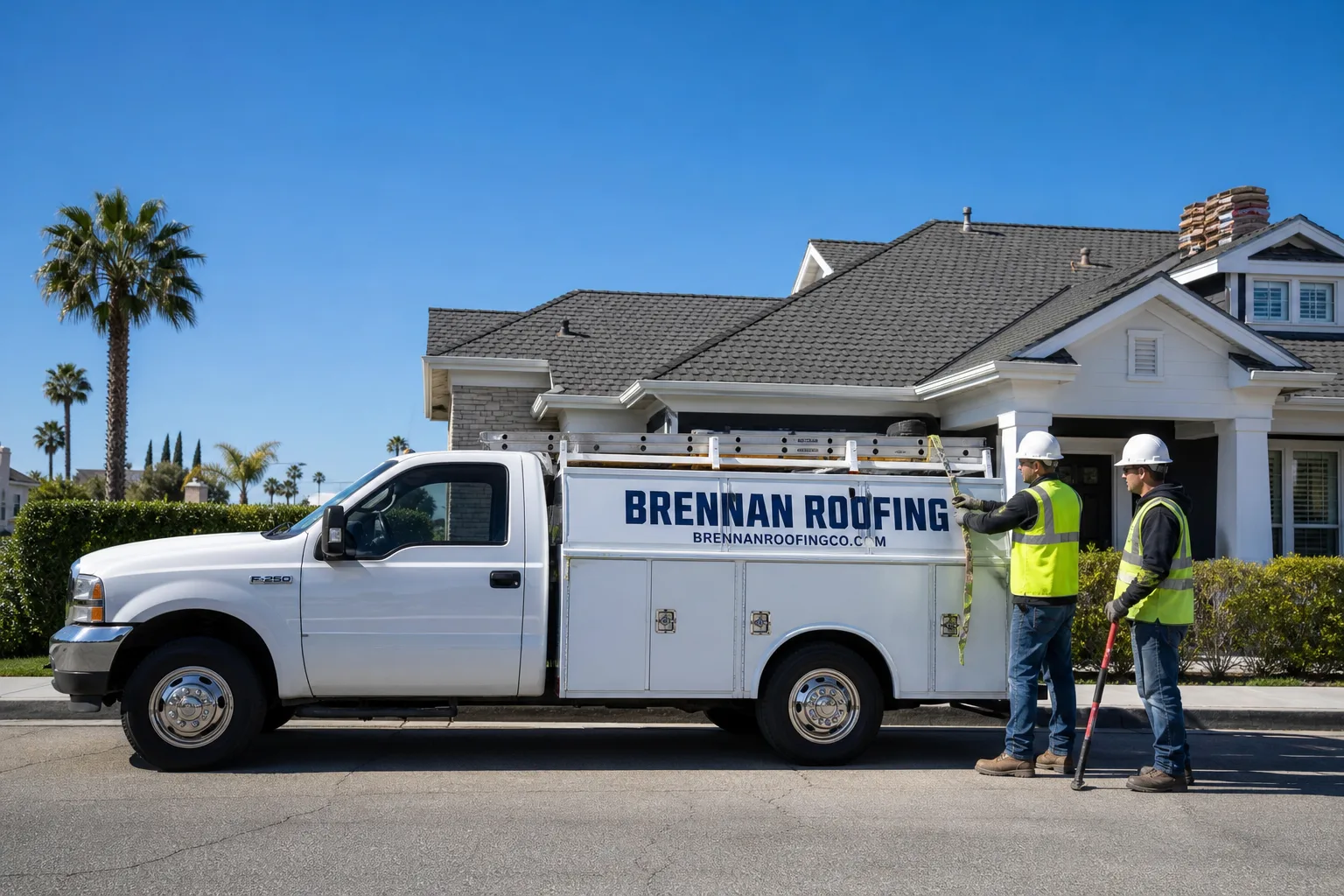
Free roof inspection with deck photos before we talk money - GAF and Owens Corning certified installation






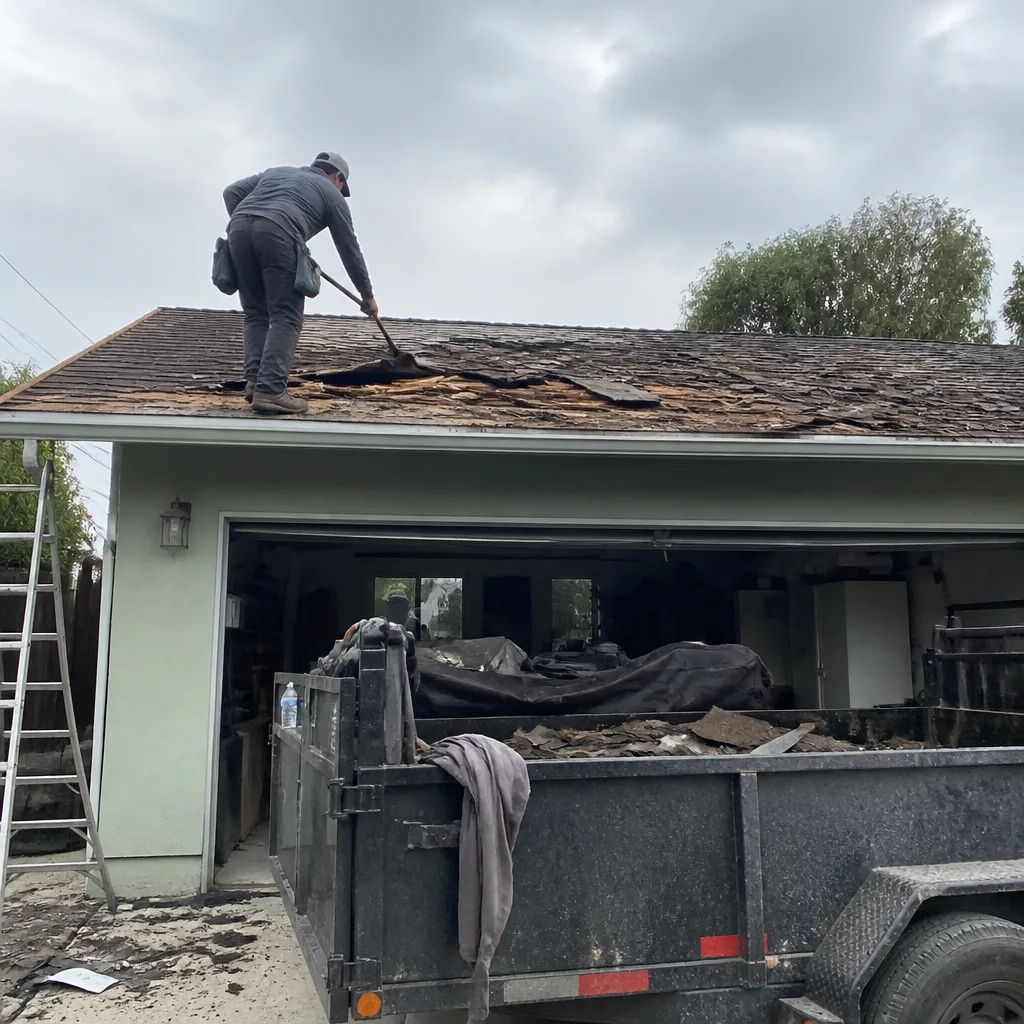 Before
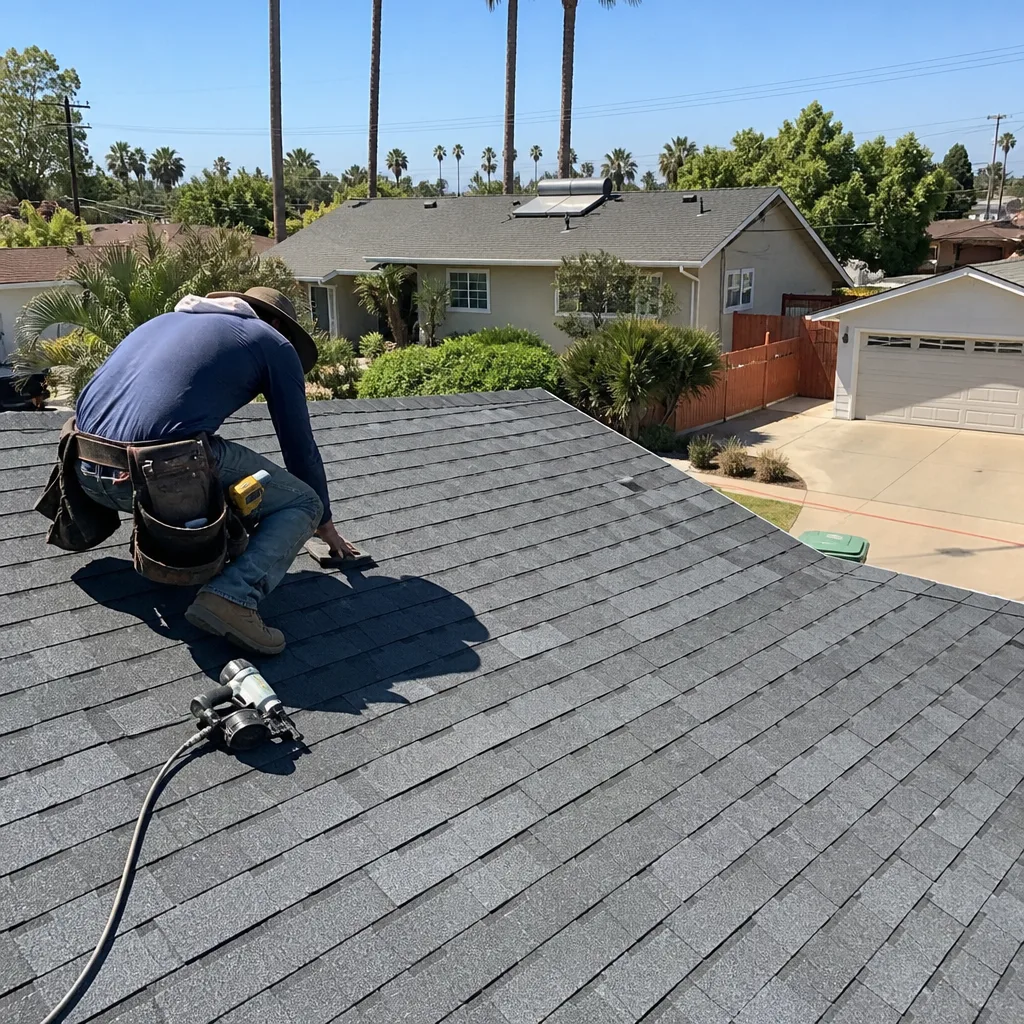 After
After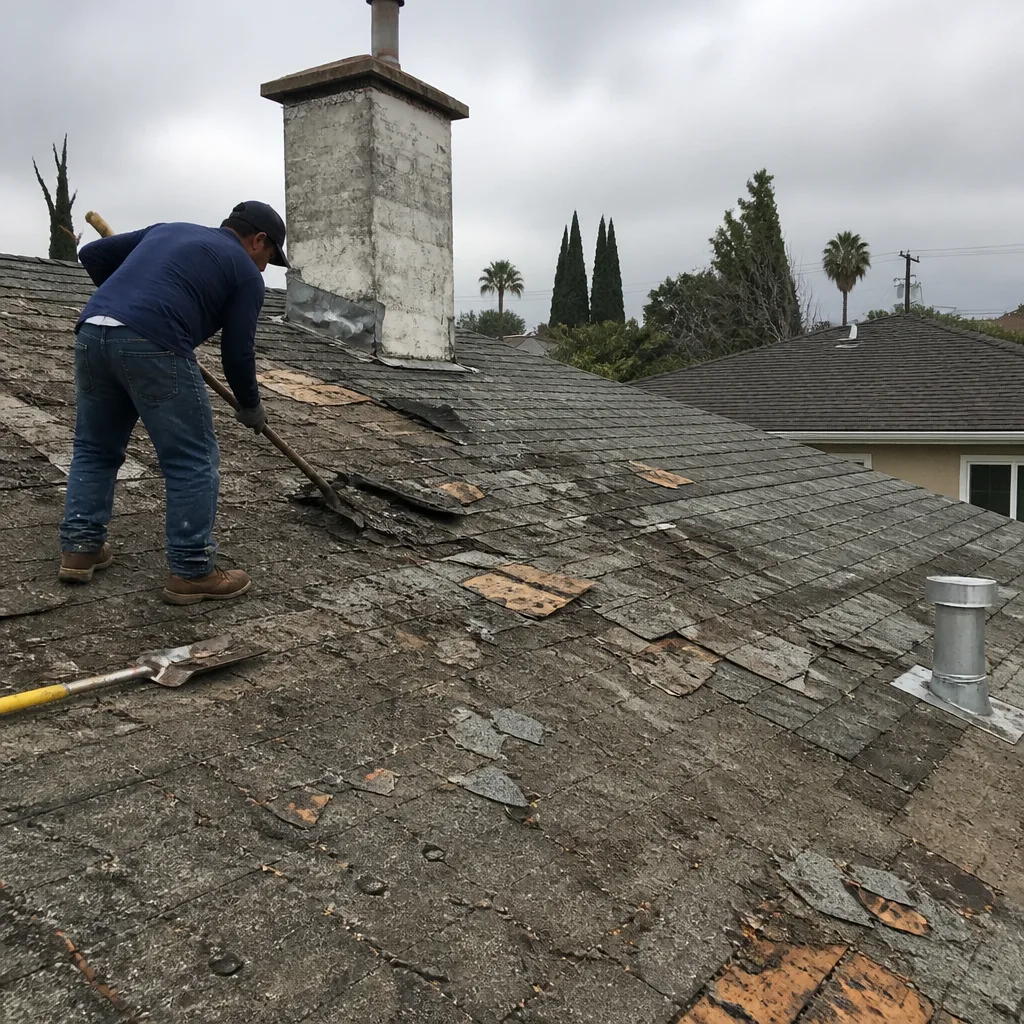 Before
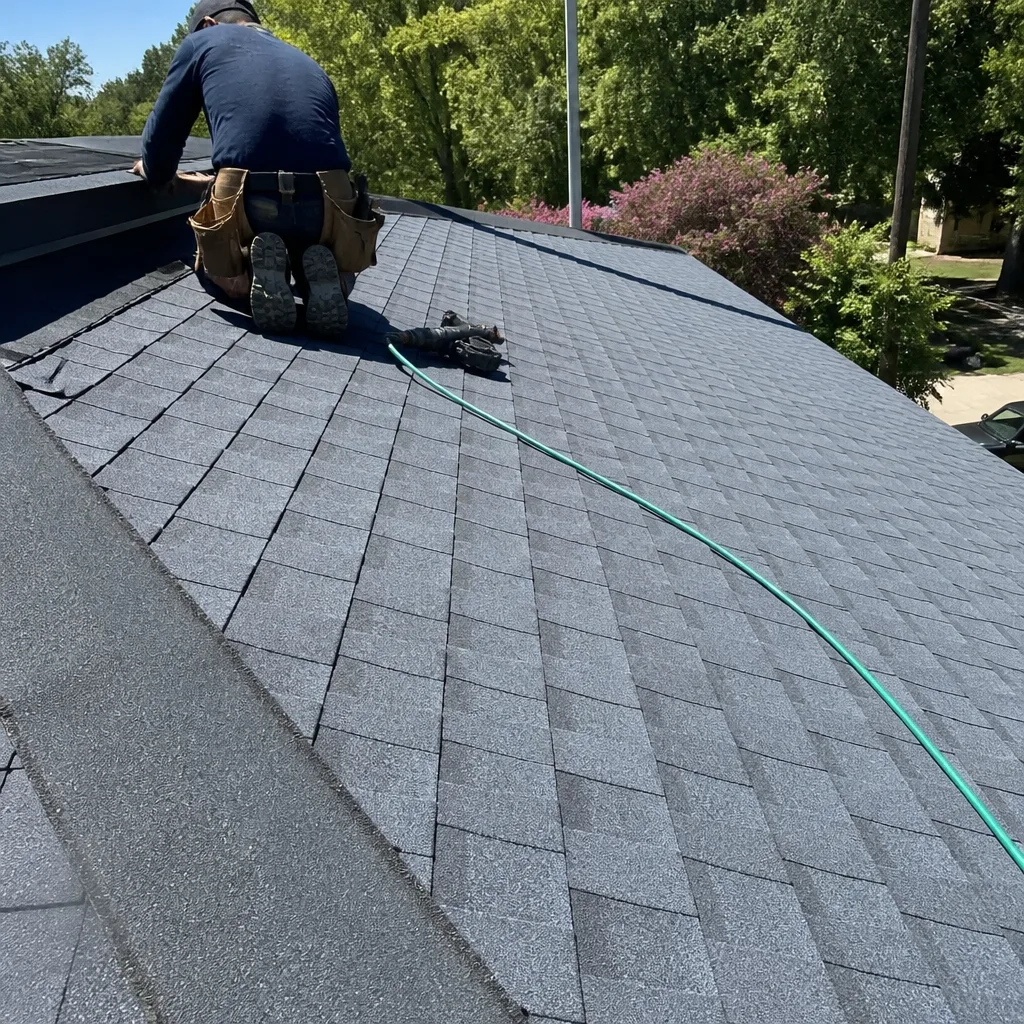 After
After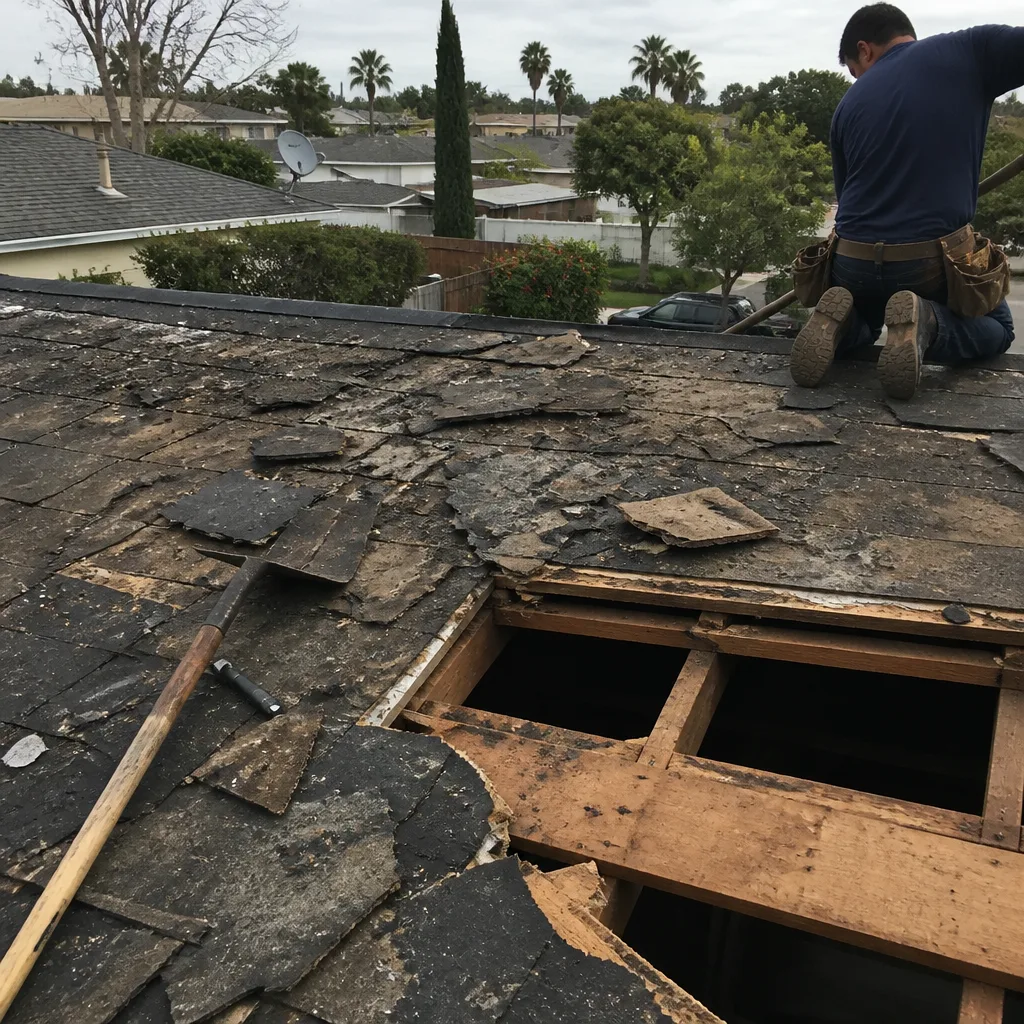 Before
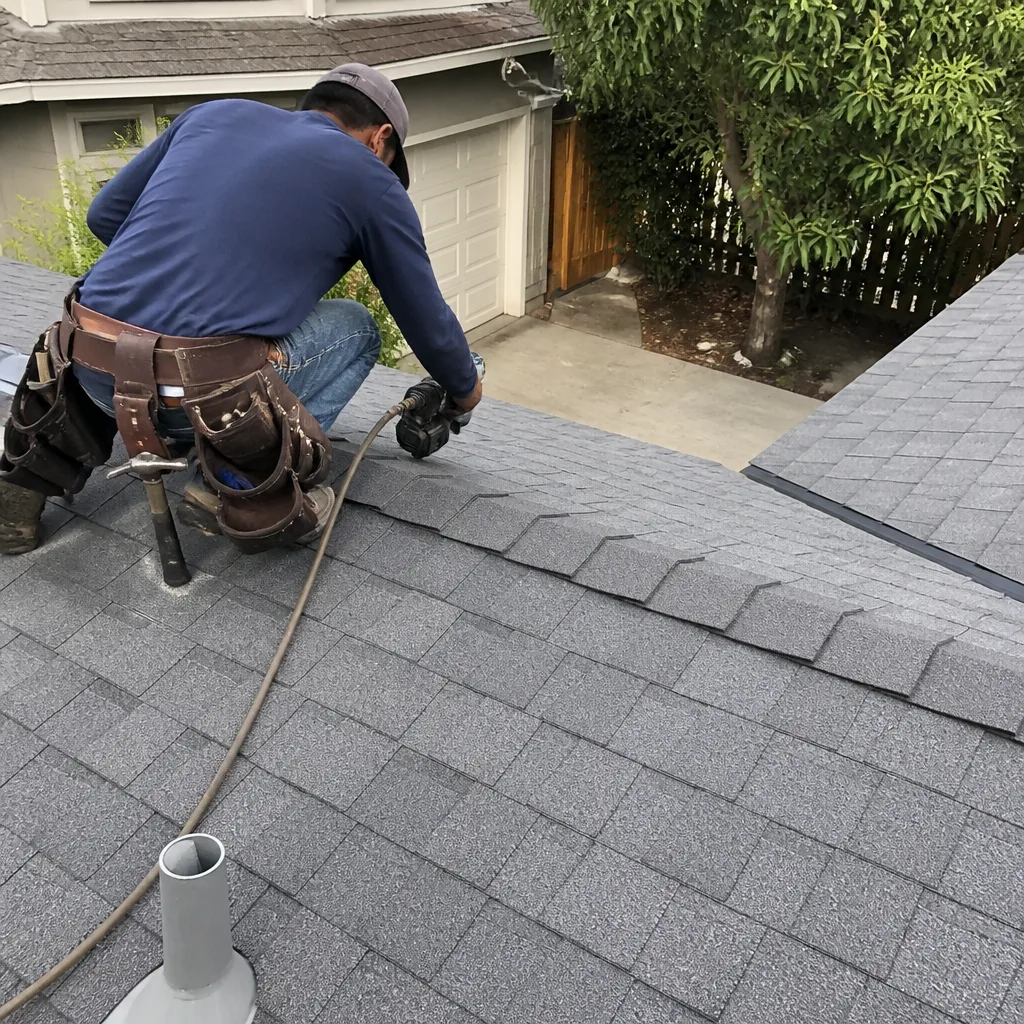 After
AfterRoof Leak After Heavy Rain
What’s Happening
A roof leak that shows up during or right after heavy rain almost always means water has found a gap in your roof’s outer layer – either at a flashing joint, a worn section of shingles, or a failed sealant point around a penetration like a vent or skylight. The rain itself isn’t the problem; it’s the pressure and volume of water exposing a weak spot that was already there.
Most of the time, the leak isn’t new. It’s been working its way through underlayment or insulation for weeks or months, and the heavy rain just pushed enough volume through to make it visible inside your home. That’s actually useful information: the visible stain on your ceiling is almost never directly below the entry point on the roof. Water travels along rafters, sheathing, and insulation before it finds a place to drip. Understanding that gap between where you see the water and where the roof is actually letting it in is the first thing a trained eye has to sort out.
Why It Happens
Failed or Separated Flashing
Flashing is the thin metal that seals the joints where your roof meets a wall, chimney, dormer, or valley. It’s the most common cause of a rain-triggered leak by a wide margin. When flashing pulls away from its sealant bed – through thermal expansion, age, or a poor original installation – it opens a channel that directs water straight into the roof assembly. If you can safely look at your roof from ground level and see a metal strip that looks lifted, rusted, or separated from a wall, flashing is the likely culprit.
Worn or Missing Shingles
Asphalt shingles have a granule coating that protects the mat underneath. When that coating wears thin – you’ll see it in the gutters as a gritty, sand-like buildup – the mat starts absorbing water instead of shedding it. Missing shingles are obvious from the ground: bare, dark patches where the deck is exposed. Either way, heavy rain overwhelms the compromised material faster than a light drizzle would, which is why the leak shows up in a downpour and not a sprinkle.
Clogged or Damaged Gutters Backing Water Under the Eaves
A gutter that’s full of debris can’t move water away from the roof edge. When water backs up and sits against the fascia and drip edge, it can work under the first course of shingles through a process called ice damming in cold climates – and simple hydrostatic pressure in warmer ones. If you notice water staining on your soffits or fascia boards, or the leak appears near the outer walls rather than in the middle of a room, gutters are worth ruling out before anything else.
Cracked or Unsealed Roof Penetrations
Every pipe, vent, exhaust boot, and skylight curb is a hole in your roof that relies on flashing and sealant to stay watertight. Rubber boot seals around plumbing vents crack with age and UV exposure, and when they go, water funnels directly into the hole they were meant to protect. If your leak shows up in a bathroom or kitchen ceiling and you have a plumbing stack or exhaust fan venting through the roof above, a failed penetration seal is a very likely cause.
What to Do Right Now
- Protect what’s underneath the drip. Put a bucket or towels under the active drip point and move furniture, rugs, and electronics out of the zone. Water damage compounds fast when it sits on wood floors or drywall.
- Take photos and video now, while it’s still raining if it’s safe to do so. Capture the ceiling stain, the drip, and the water pattern from inside. This documentation matters when your technician is diagnosing the source and when you’re talking to your insurance company.
- Do not go onto the roof yourself. A wet roof is genuinely dangerous – even shallow-pitch roofs become slick under rain, and steep or multi-story roofs are a serious fall hazard. Roof work is one of the leading causes of residential fall injuries. Stay off the roof and let a trained technician handle it once conditions allow.
- Check your attic if you can access it safely from inside. Look for wet insulation, damp rafters, or daylight coming through the deck. The point where you see water or moisture in the attic is usually much closer to the actual entry point than the stain on your ceiling below.
- Call and report it now, even before the rain stops. Getting on the schedule early means a faster inspection window. Call (361) 320-9467 and a live person will pick up – there’s no voicemail, no automated system, no callback queue.
How We Fix It
When your local Brennan Roofing team arrives, the technician starts on the roof – not at the ceiling stain. The stain tells us roughly what zone to investigate; the roof surface and attic tell us where the water is actually getting in. We trace the path from the penetration or failure point back through the assembly to confirm we’ve found the source, not just a symptom.
Once the entry point is confirmed, we put the repair scope and price in writing before any work starts. That’s not a formality – it’s how every Brennan job runs, every time, with no exceptions. The written price doesn’t move when we’re on the roof.
Most rain-leak repairs fall under our Roof Repair service: reflashing a chimney or wall joint, replacing a cracked vent boot, resealing a penetration, or replacing a section of damaged shingles with materials from manufacturer lines including GAF, CertainTeed, and Owens Corning. If the inspection reveals damage beyond a targeted repair, we’ll say so plainly and walk you through what a Roof Inspection found, in plain language. All repair work is covered by the 365-Day Done Right Promise – a written guarantee for a full year, with a free return visit at no charge if the repair fails in that period.
Frequently Asked Questions
An active leak is not something to leave sitting. Water that gets into roof sheathing, insulation, or wall cavities starts growing mold within 24 to 48 hours in most conditions, and structural wood that stays wet begins to soften and lose integrity over time. If the ceiling is sagging or the drip is heavy and fast, that’s an immediate concern – a saturated ceiling can fail. Call (361) 320-9467 now so we can get eyes on it as quickly as possible.
Call (361) 320-9467 and a live person will answer – there’s no voicemail, no queue, no automated system. Your local Brennan Roofing team will tell you honestly what the earliest available inspection window looks like and work to get you scheduled as quickly as the calendar allows. We don’t overcommit on timing, but we do pick up the phone and give you a straight answer.
The price depends on what the inspection finds – a failed vent boot seal is a very different repair from reflashing a chimney or replacing a section of damaged shingles, and we won’t quote a number before we’ve seen the actual condition of your roof. What we can tell you is that every job starts with a written estimate, and that written price is what you pay – it doesn’t move once work starts. Call (361) 320-9467 to schedule your free written estimate.
Stopping the water intrusion is the first step and the one we handle. Once the roof is repaired and dried out, the interior stain on your drywall or ceiling material is a separate cosmetic repair – typically painting or replacing a section of drywall – that falls outside roofing scope. We’ll be direct about that when we’re on site so you know exactly what the roofing repair covers and what it doesn’t.
Get It Fixed
Your local Brennan Roofing team is ready to take a look. Call (361) 320-9467 – a live person answers around the clock, no voicemail – or book online. We’ll give you a written price before any work starts, and the job is backed by the 365-Day Done Right Promise.
Written by Travis Oakley, Owner at Brennan Roofing, part of the Garrison Partners family serving homeowners nationwide since 2000.
What Our Customers Say
"Neat, quiet, and disciplined crew. Magnet swept the yard after."
- Tonya R."Replaced the underlayment and drip edge as well as shingles. Many roofers skip that. Everything was explained in writing."
- Barry F."Crew lead is a veteran and runs the job like it. Showed up at 7 sharp, tarped the garden, tore off the old roof, and had the new shingles on by the end of day two."
- Joe K.