
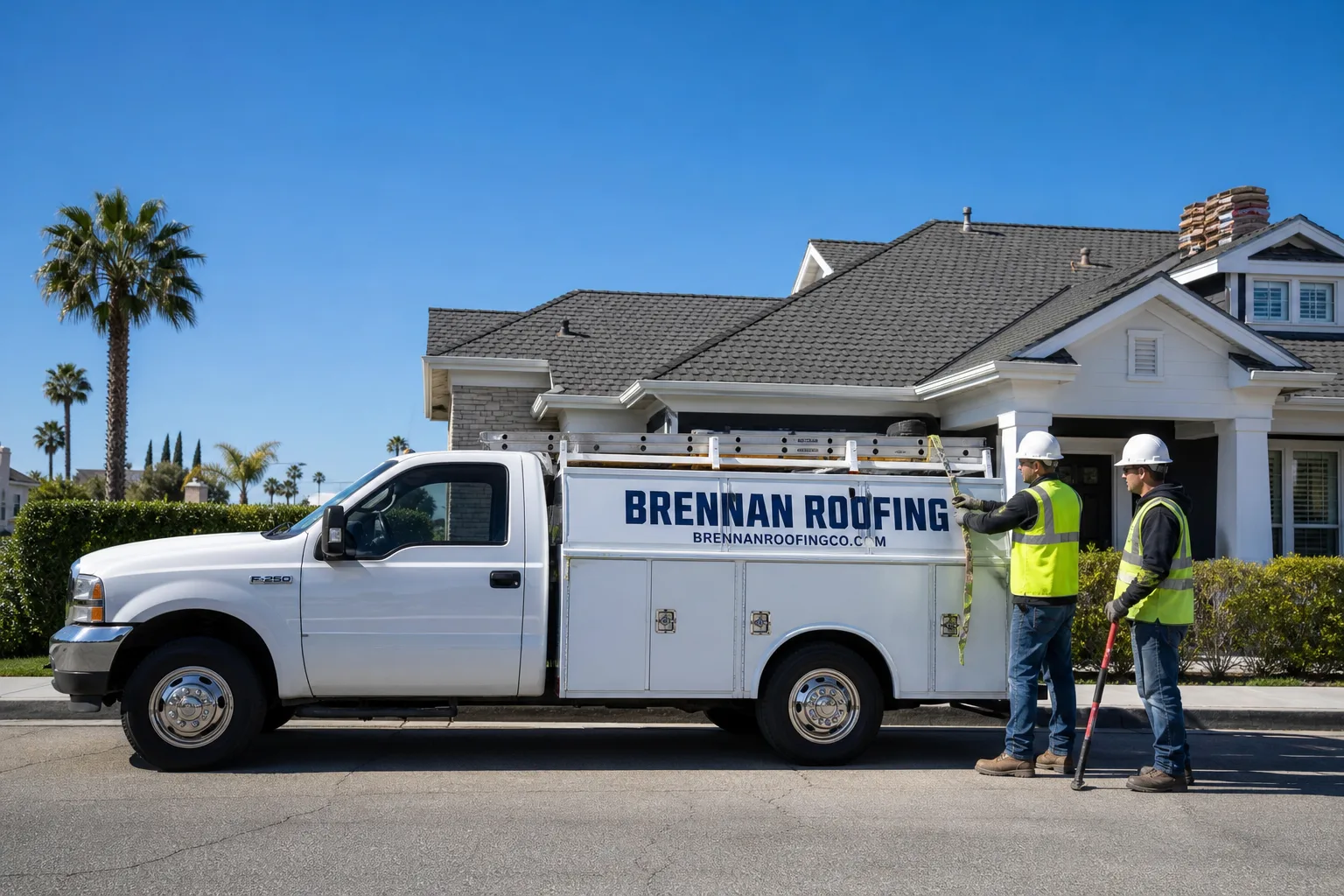
Free roof inspection with deck photos before we talk money - GAF and Owens Corning certified installation
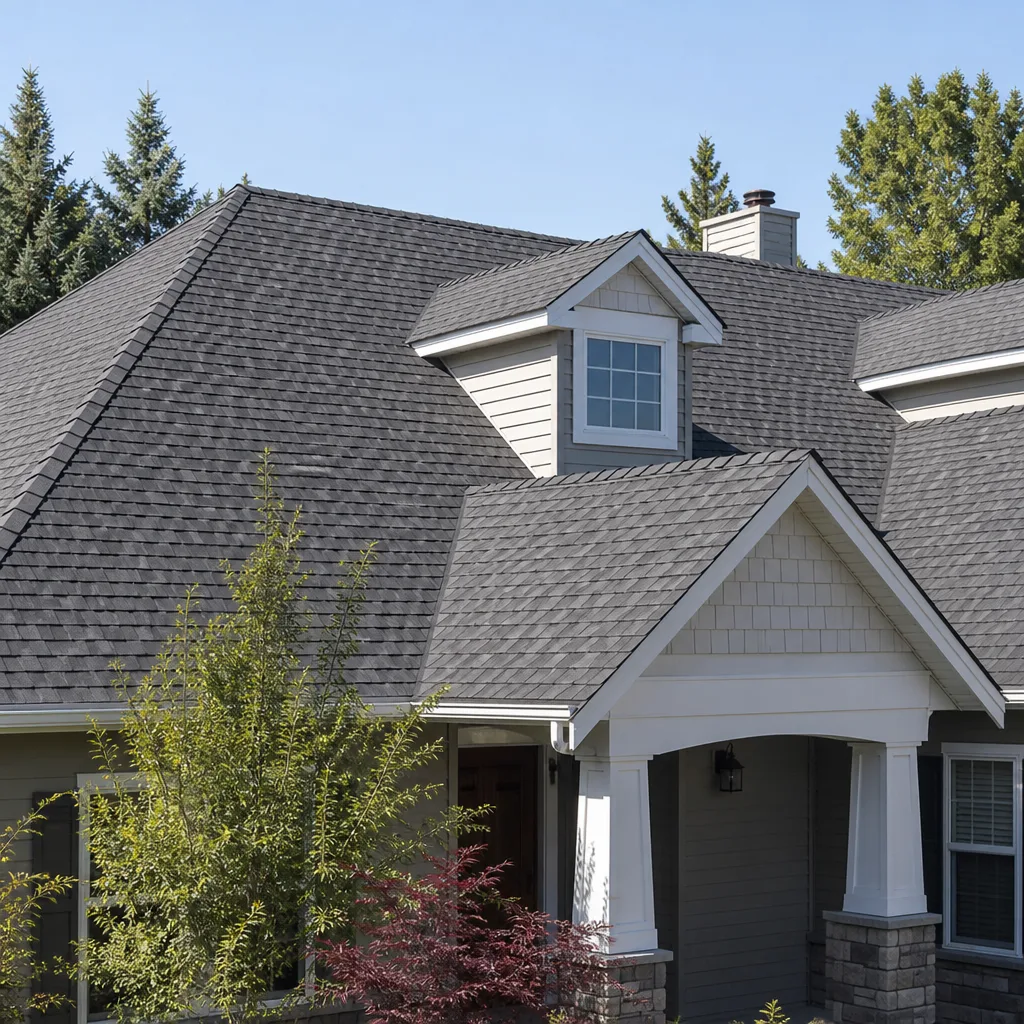
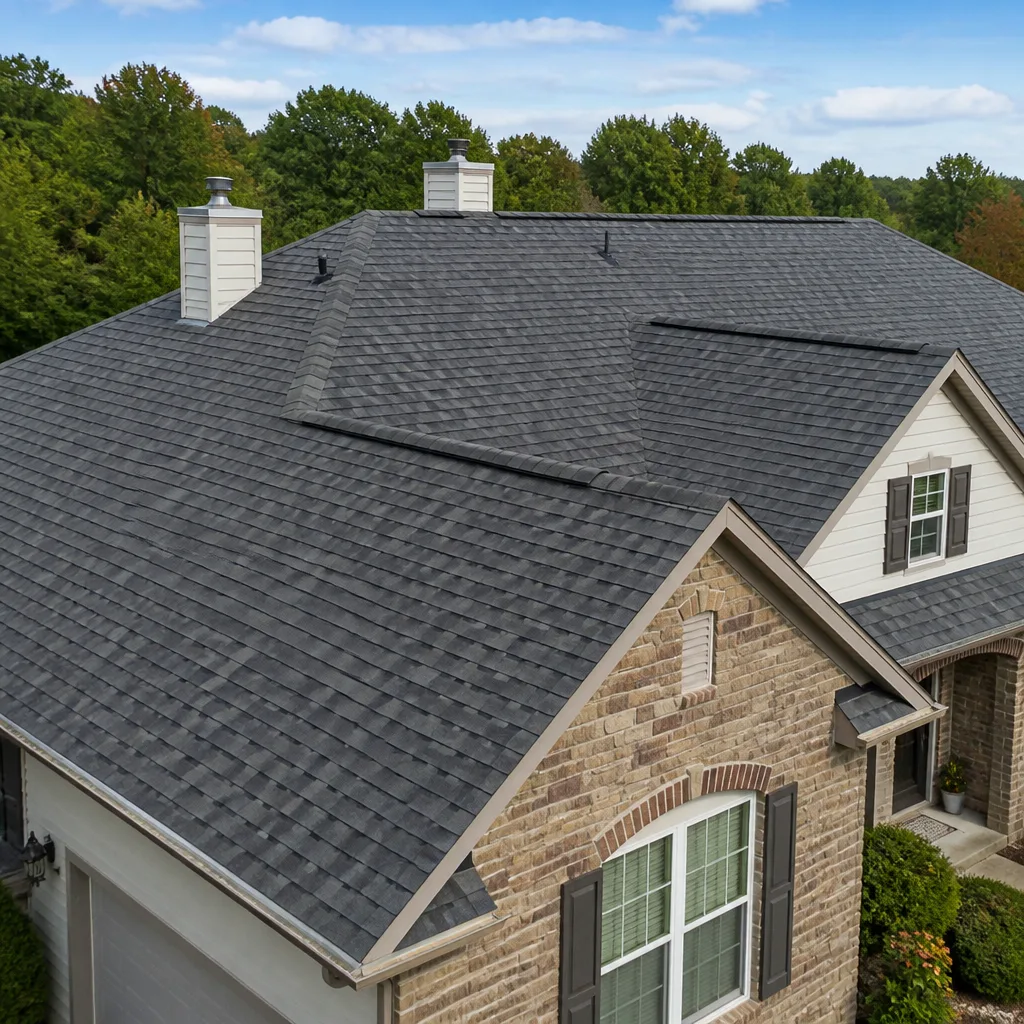
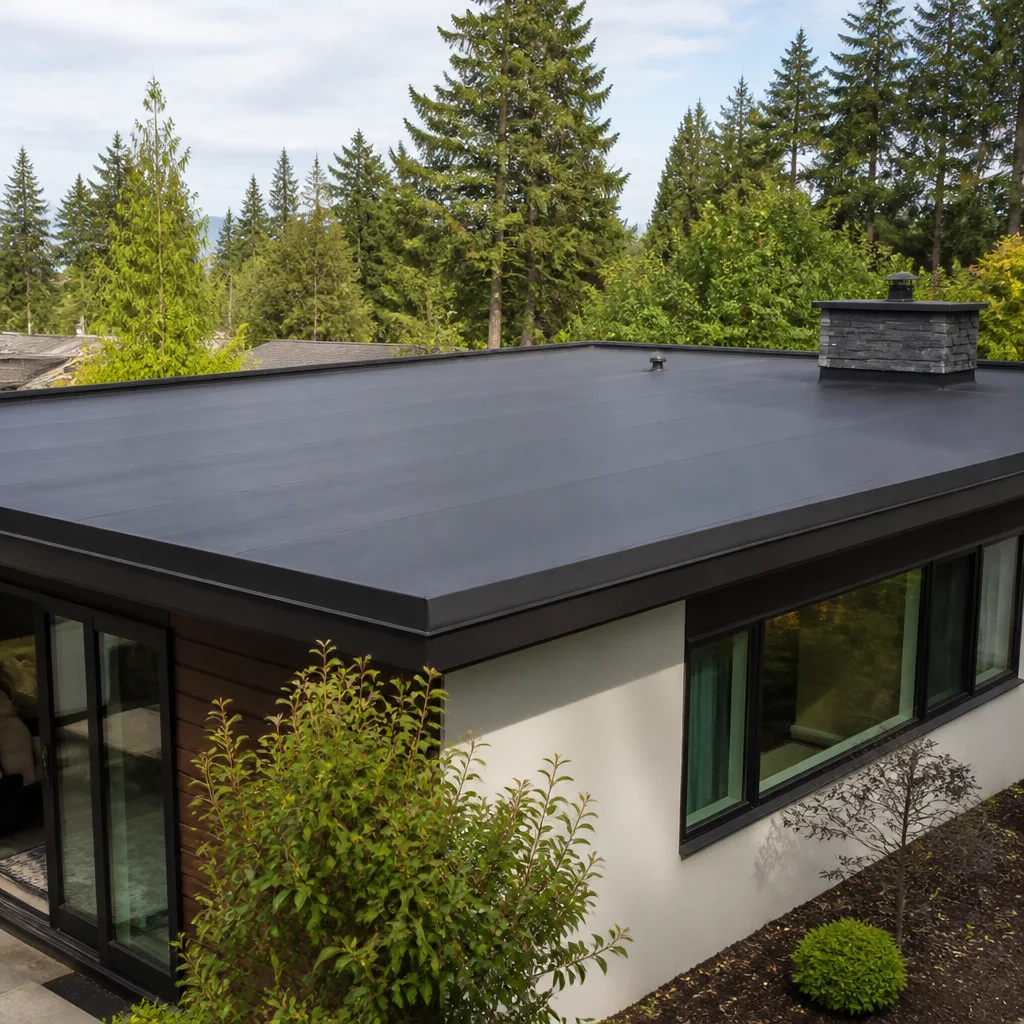
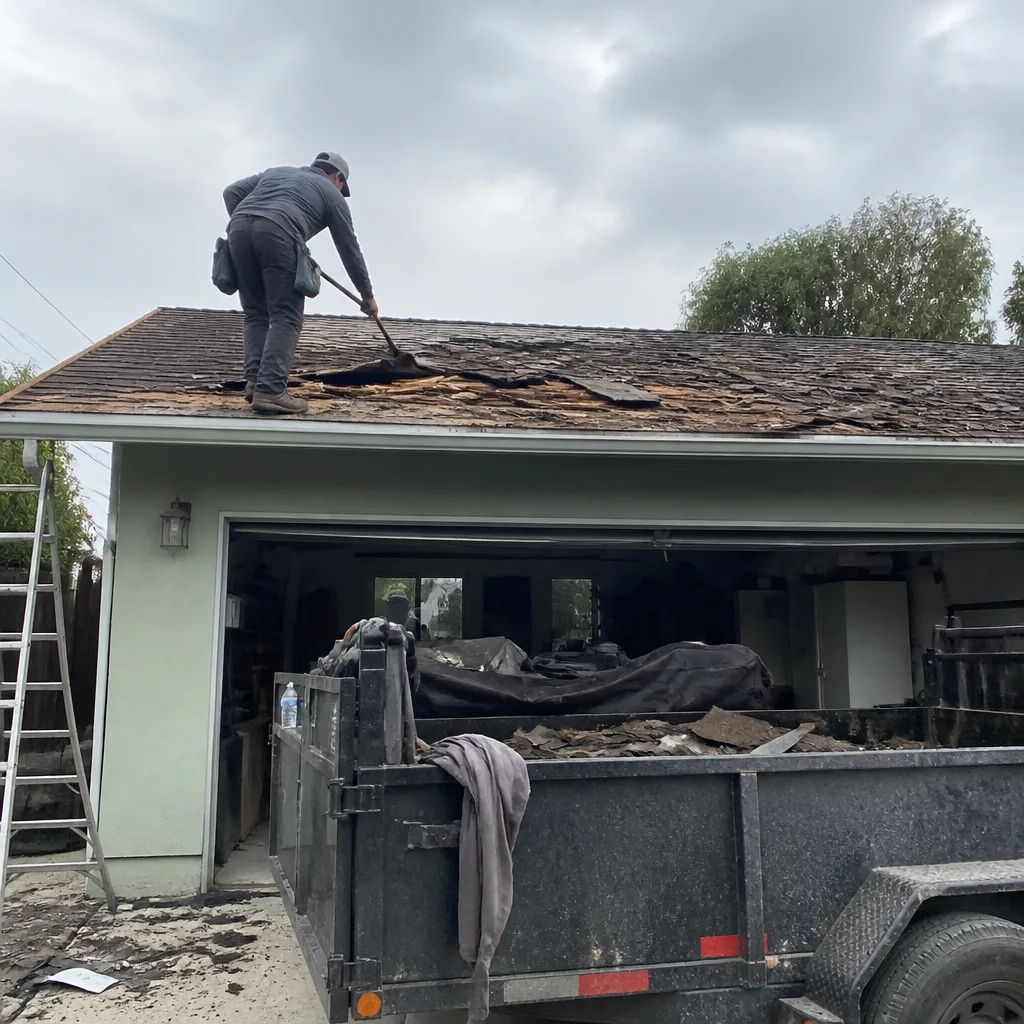 Before
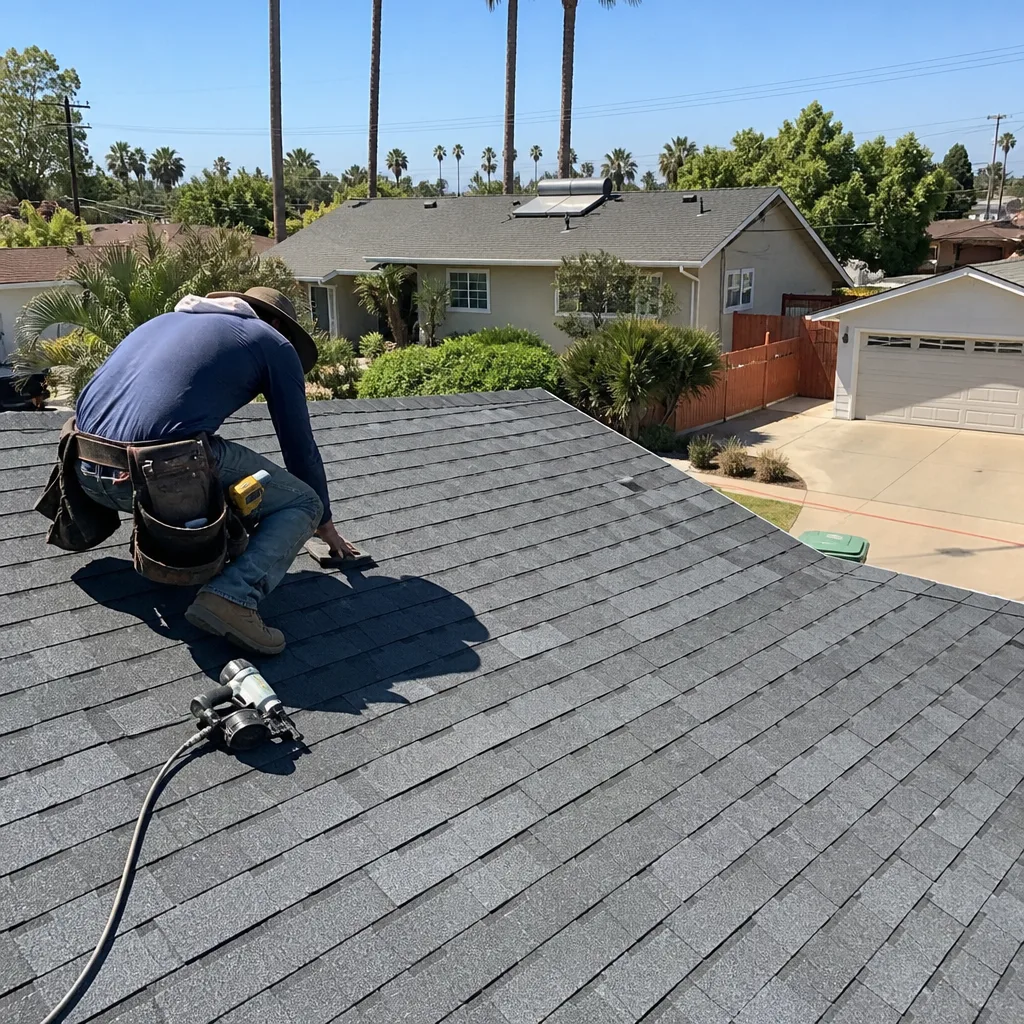 After
After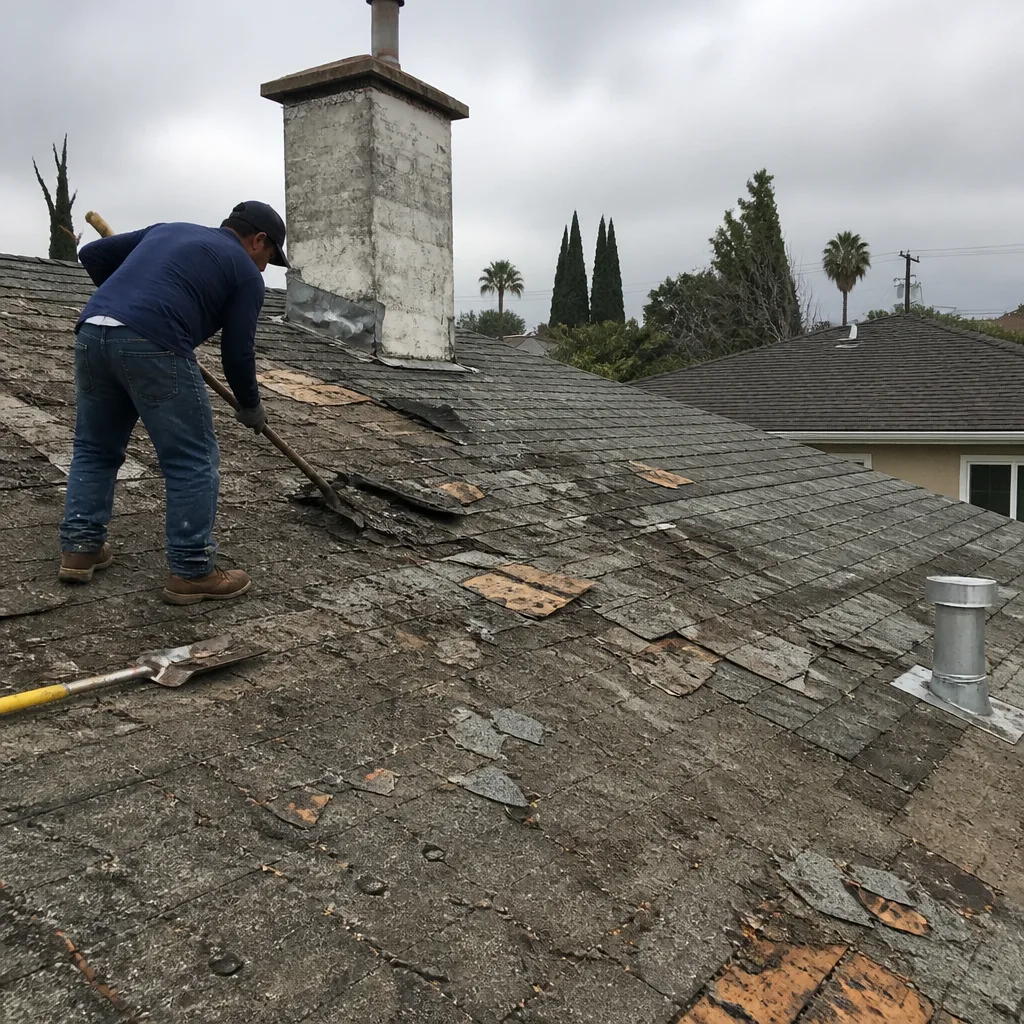 Before
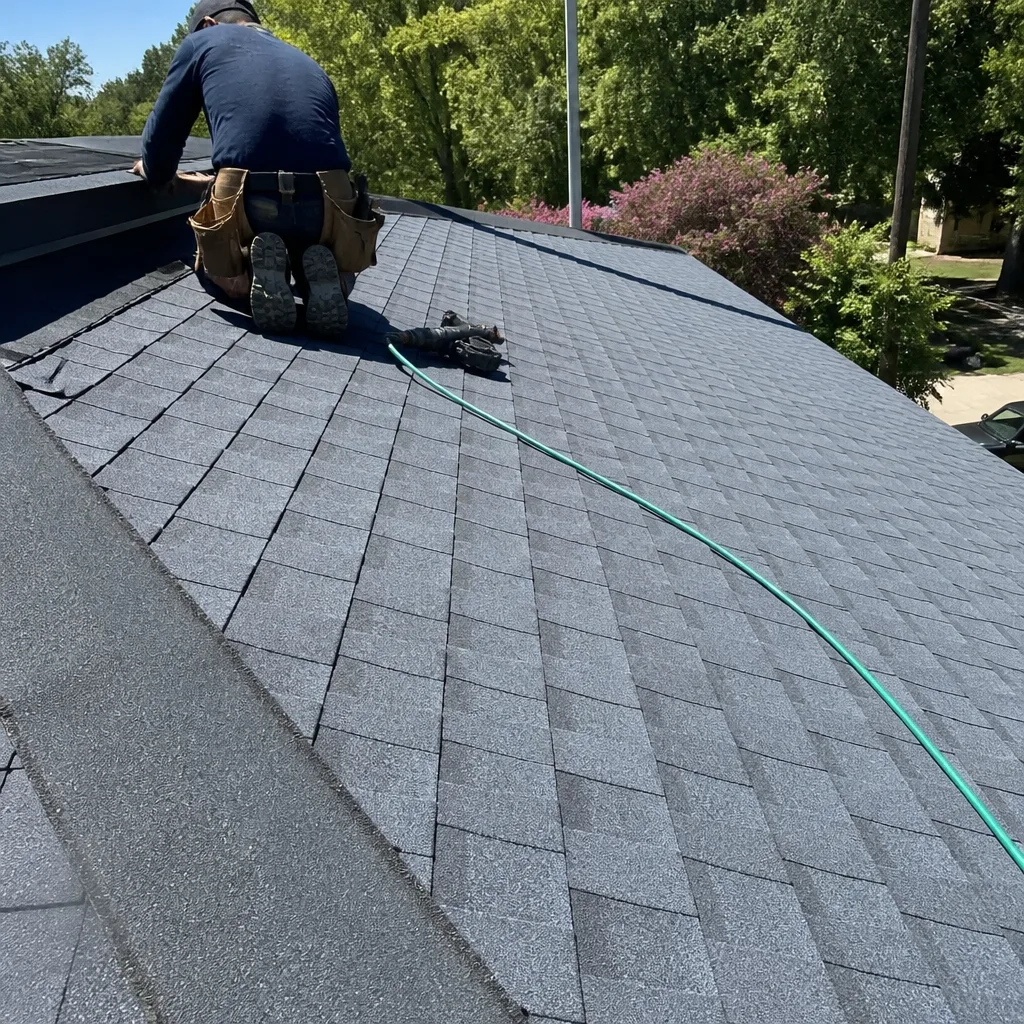 After
After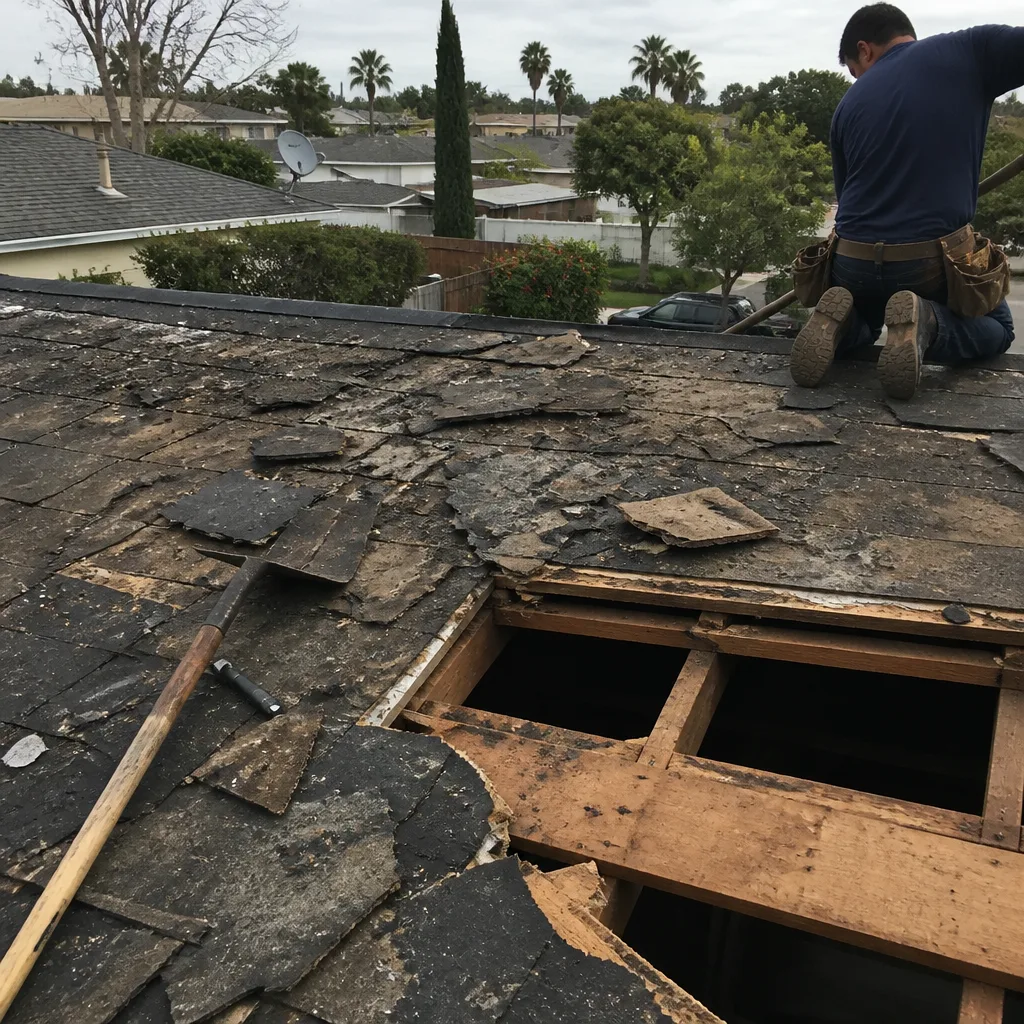 Before
 After
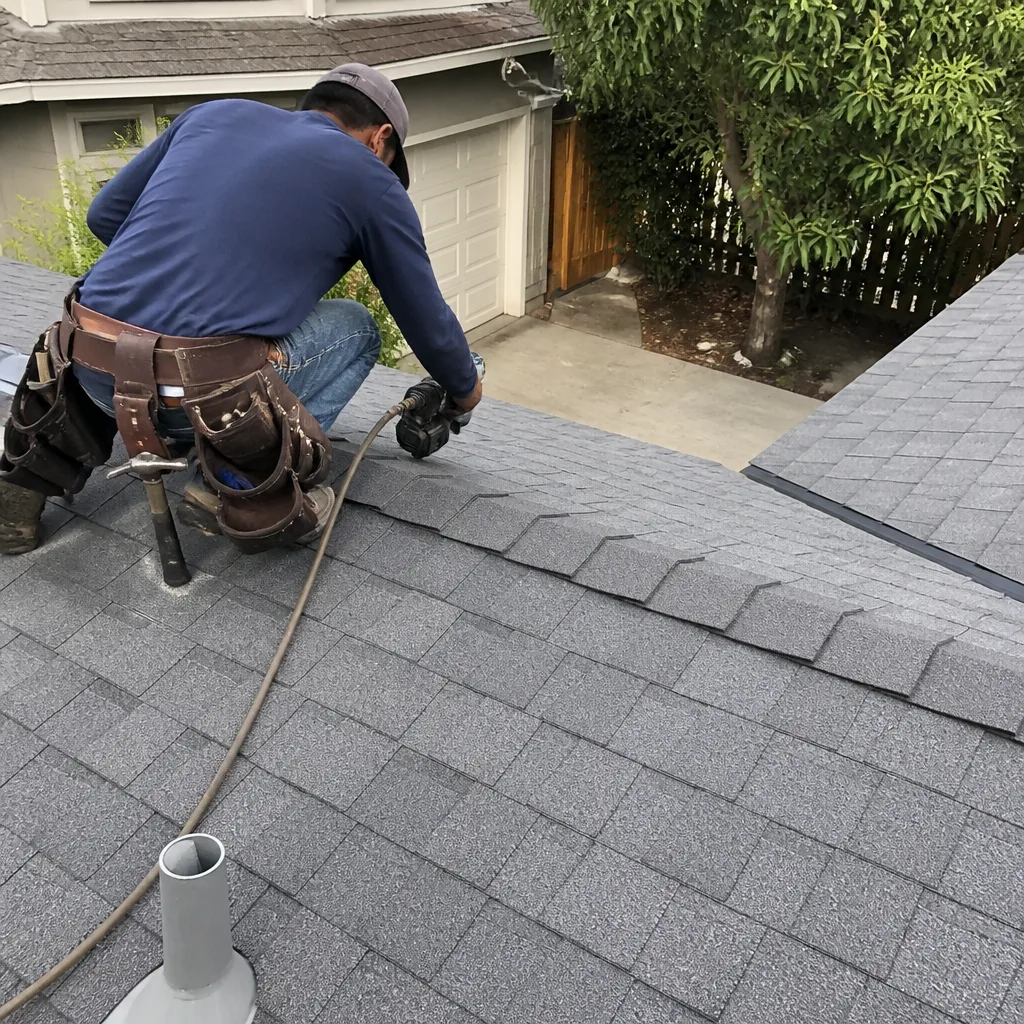
AfterFast, Reliable Roof Repair Across Sun Village
Roof repair in Sun Village typically runs $350 – $1,400 for most shingle and flashing work, with leak repairs starting around $275 and flat roof patches landing between $450 – $900. Most jobs on the tract homes off 106th Street East and Avenue T are finished in a single day, weather permitting. If you’re seeing water stains on the ceiling or found shingles in the open lot behind your house, call (361) 320-9467 and we’ll get a written price in front of you before any work starts.
We know Sun Village not as a map pin but as a working unincorporated community where the wind shapes how roofs fail. Travis Oakley runs our crews with one rule: the price goes on paper first, and it doesn’t move at the door. That matters out here, where a roofing job is only as good as its wind uplift and hail-class ratings. Contractors who don’t account for that get called back every season.
Why Brennan Roofing Is Sun Village’s Preferred Roof Repair Company
Sun Village homeowners call us because we treat the Antelope Valley’s conditions as the job spec, not an afterthought. We work on the single-story tract homes built from the 1950s through the 1990s that make up most of this community, plus the detached shops and outbuildings that come with acreage lots. Our Roof Repair team shows up background-checked and in uniform, with the truck stocked for high-wind installations and membrane work the same day.
The Garrison Standard is what we operate under at Sun Village: a written price before any work starts, background-checked technicians inside the promised window, and a 365-Day Done Right Promise in writing. If a repair fails within one full year, we come back and make it right at no charge. No argument, no invoice. That guarantee is why homeowners let us onto their roofs without second-guessing it.
Dispatch and scheduling for this area are coordinated from our Los Angeles office, and crews reach Sun Village directly. Calls are answered by a live person around the clock, so when you call about a leak opening up during a monsoon storm, you talk to someone who can actually get a crew rolling toward 138th Street East.
Commercial Roof Repair in Sun Village
Commercial Roof Repair in Sun Village usually means flat or low-slope membrane work on detached shops, outbuildings, and the occasional small retail or church roof along Pearblossom Highway. These roofs take a beating from summer heat that stays over 100°F for weeks, and the membrane failures we see are almost always thermal cracking at penetrations or seam splits that cold winter nights pry open. A commercial flat roof patch in Sun Village runs $600 – $1,500 depending on membrane type and how far the cracking has spread.
Membrane Repair and Recovers
For a shop or ADU roof that’s cracking but still sound underneath, we clean and prime the failed area, then weld or adhere a matching patch with the same system the manufacturer specifies. If the membrane is too far gone, we price a partial recover instead of a full tear-off, which keeps costs down while restoring a watertight surface.
Penetration and Flashing Work
Most flat roof leaks start where pipes, vents, or equipment curbs push through the membrane. We strip the old sealant, reset the flashing boot or curb wrap, and re-secure everything against the wind loads that hit this high-desert corridor.
Roof Leak Repair in Sun Village
Roof Leak Repair in Sun Village often traces to two things: wind-damaged shingles or failed flashing at valleys, chimneys, and vent boots on the tract homes, or membrane cracking on flat roofs over detached buildings. A standard leak repair runs $275 – $650 when we’re sealing flashing or replacing a handful of shingles. If the decking underneath has been soaked through, expect $500 – $1,200 for localized decking replacement plus the new roofing above it.
Finding the Real Source
On open-lot properties, a leak that keeps coming back is sometimes not a roof failure at all. Monsoon-season water pushing toward the structure from poor grading will wet the foundation and wick up into walls, and you’ll see stains where the roof meets the fascia. We check the roof first, but we also look at soil slope and drainage before quoting repair work, because fixing shingles won’t stop water that’s running downhill into your wall line.
Tile and Shingle Transitions
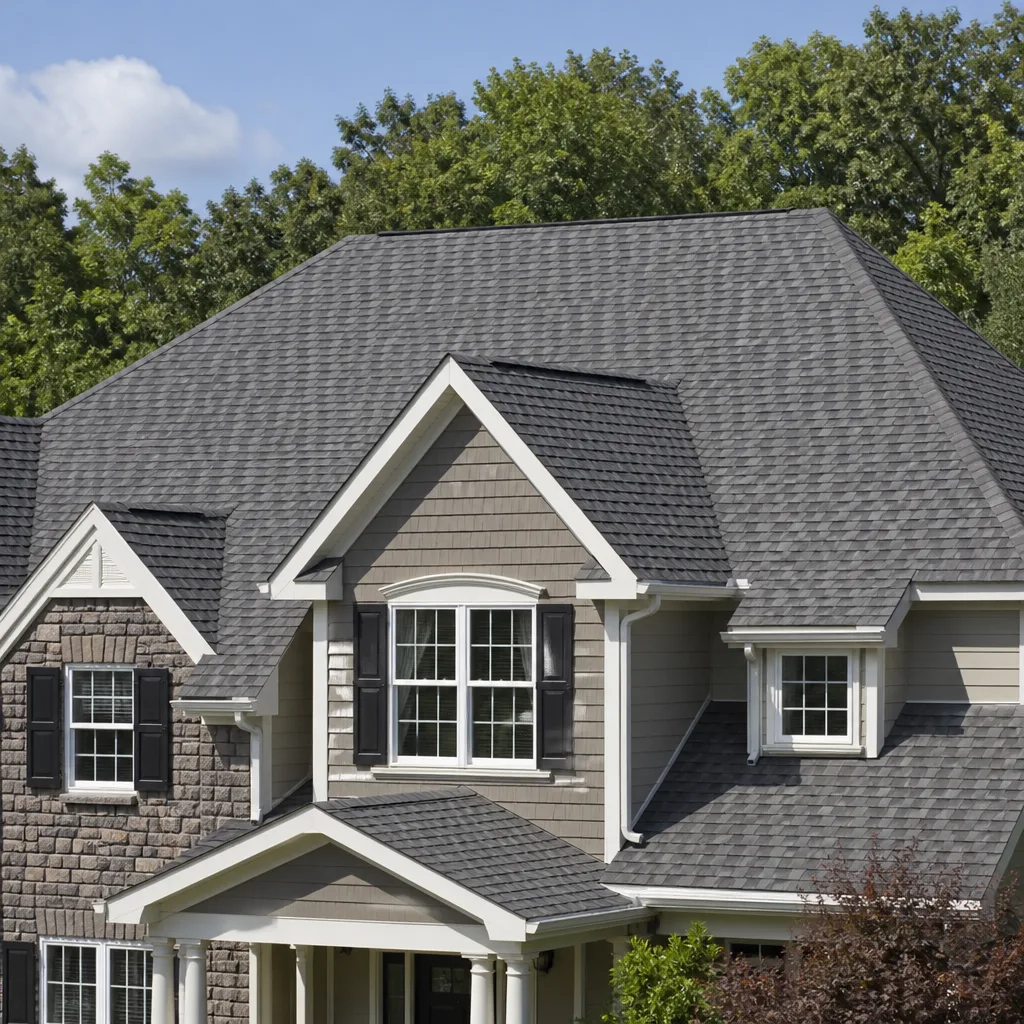
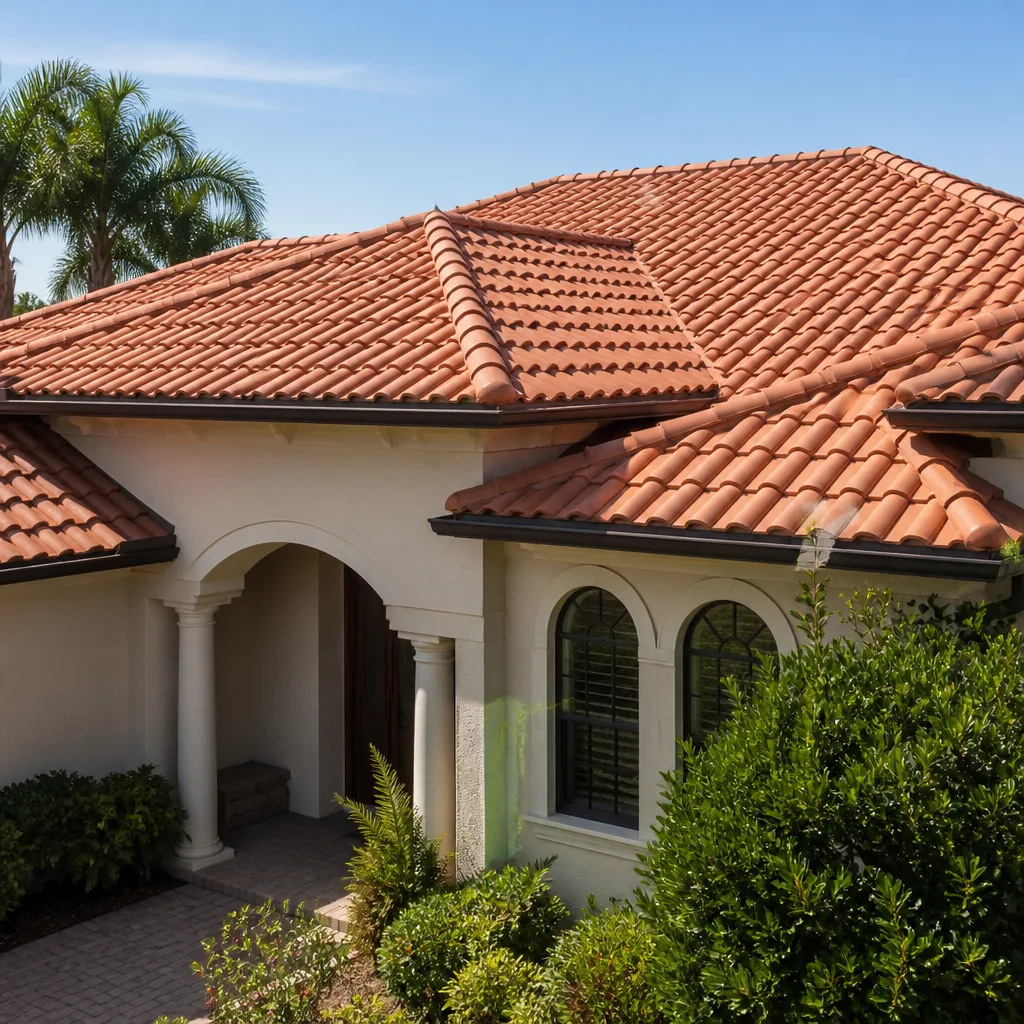
Sun Village has a mix of asphalt shingle, flat membrane, and some tile roofs. Transition points between materials are where water finds a way in. We replace cracked tiles, reset loose ones, and rebuild the underlayment at transitions so the whole assembly sheds water instead of trapping it.
Trusted Brands We Service in Sun Village
We install and repair materials from GAF, CertainTeed, and Owens Corning, among others, and we carry local stock for the shingle lines most common on Sun Village tract homes. That means we’re not sending someone to a supply house across the valley while your roof sits open. When a homeowner wants to match existing shingles after a wind event, having GAF and CertainTeed options in the truck gets the repair closed out the same day. We’ll walk you through what each manufacturer’s wind and hail ratings actually mean for your specific roof, then put the choice on paper with a written price.
Common Roof Repair Problems We See in Sun Village Homes
- Wind-lifted shingles and starter strip. The same gusts that gave the Antelope Valley its “Windy Valley” reputation peel four-nail shingle tabs right off mid-century and 1980s-90s tract roofs. We see loose tabs and exposed underlayment after nearly every strong wind event.
- Thermal cracking on flat membranes. Detached shops and outbuildings with low-slope roofs bake in 100°F-plus summer heat, then freeze-thaw cycles in winter crack the sealants and split seams at penetrations.
- Flashing failures at valleys and vent boots. High-desert UV breaks down the sealant around pipe boots and valley flashing faster than coastal climates, and once the sealant goes, water follows the nail holes.
- Drainage-driven foundation wetting that looks like a roof leak. On open-lot acreage, monsoon water moving downhill toward the structure can wet the wall line and show up as ceiling stains even when the roof itself is sound.
Pricing for Roof Repair in Sun Village, CA
Here’s what Sun Village homeowners can expect on paper before any work starts:
- Leak repair (flashing, vent boots, small shingle sections): $275 – $650
- Shingle replacement (wind-damaged field or starter strip): $350 – $900 depending on square footage
- Flat roof patch (shop, outbuilding, or ADU membrane): $600 – $1,500
- Decking repair under failed roofing: $500 – $1,200 for localized sections
- Valley or flashing rebuild: $400 – $1,100
What moves the number is access on your lot, how far the damage has spread under the surface, and whether we’re matching existing materials or upgrading to high-wind installation standards. We scope the job, put the full price in writing, and don’t change it at the door. Call (361) 320-9467 for exact numbers on your roof; estimates are free.
We Also Serve Cities Near Sun Village
Our crews regularly run from Roof Repair in Sun Village out to nearby communities. Homeowners in Los Angeles, San Diego, San Jose, and San Francisco can expect the same written-price standard and the same 365-Day Done Right Promise on every job, no matter the market.
Serving Sun Village, CA - Our Local Coverage Area
We’re a Sun Village Roofing Company based right here and know this community well. Use the map below to see our service coverage - if you’re nearby, we can almost certainly help.
FAQs About Roof Repair in Sun Village
Yes. Sun Village is unincorporated Los Angeles County, so roof repair permits and inspections run through LA County Building & Safety rather than a Palmdale or Lancaster city counter. That’s a different submittal path than a city-incorporated address, and out-of-area roofers routinely scope it wrong. We pull the county permits ourselves and handle inspections, so you’re not learning the process by trial and error. Call (361) 320-9467 and we’ll tell you exactly which repairs on your roof trigger a permit under current county code.
Wind is the dominant failure mode here, so we repair to a high-wind standard: six nails per shingle instead of the standard four, high-wind-rated underlayment, and starter strip secured to earn the shingle’s full wind rating. A field vignette from 138th Street East: a customer called us after finding loose shingles in their open desert lot; the wind had pulled starter strip and field shingles off a 1990s tract roof that was nailed four-per-square. Our crew re-decked the lifted section, laid high-wind underlayment, set six nails per architectural shingle, and matched new drip edge and ridge vent to the existing soffit line. Hail the following spring left the repaired field intact while neighboring four-nail roofs lost tabs.
When both structures stay wet, the problem is usually drainage, not roofing. Open-lot grading that pushes monsoon-season water toward the structures can wet foundations and wick moisture up into walls, and you’ll see stains where the roof meets the fascia on both the house and the outbuilding. We check soil slope and drainage before quoting any repair, because new shingles on a properly installed roof won’t stop water that’s running downhill into your wall line. For a drainage and roof assessment, call (361) 320-9467 for a free estimate.
Look for bruising or missing granules on shingles, small circular dents in metal flashing and vent caps, and cracked sealant around pipe boots and valleys. Summer heat over 100°F accelerates sealant breakdown, and winter freeze-thaw cycles then open the cracks. On flat membranes, look for alligator cracking, seam splits, and lifting at penetrations. If you’re seeing any of those, a repair now is cheaper than a decking replacement later; call (361) 320-9467 and we’ll give you a written price before any work starts.
We price each structure separately and on paper. The house roof gets its own written estimate, and the shop, outbuilding, or detached ADU gets its own line-item quote, because the membrane type, access, and failure mode are usually different from the main roof. Long material hauls and equipment access on open lots factor into the number you see on the estimate, not into a surprise change order later. That’s the Garrison Standard: the price goes in writing before any work starts, and it doesn’t move.
Written by Travis Oakley, Owner at Brennan Roofing, serving Sun Village under the Garrison Standard.