
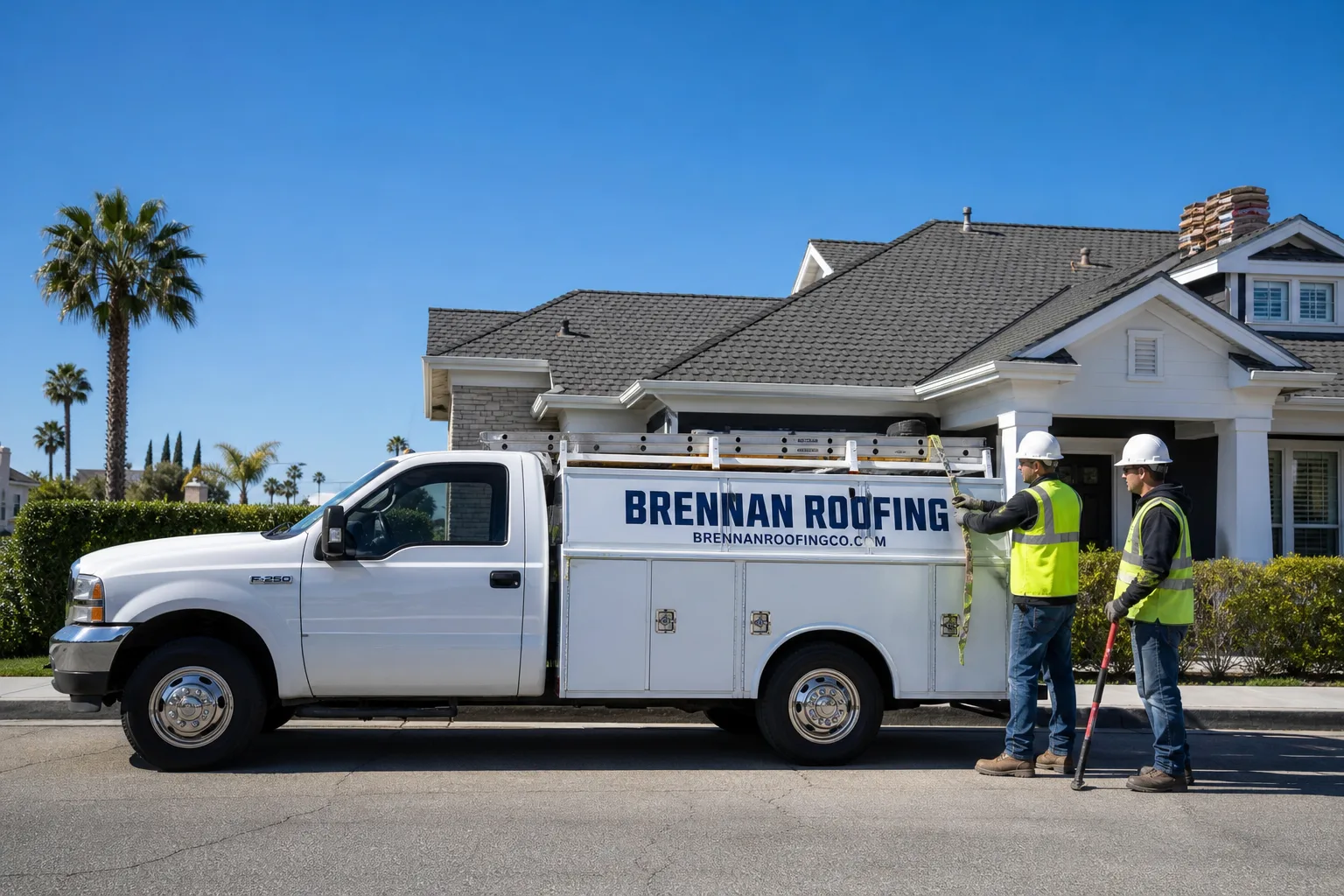
Free roof inspection with deck photos before we talk money - GAF and Owens Corning certified installation
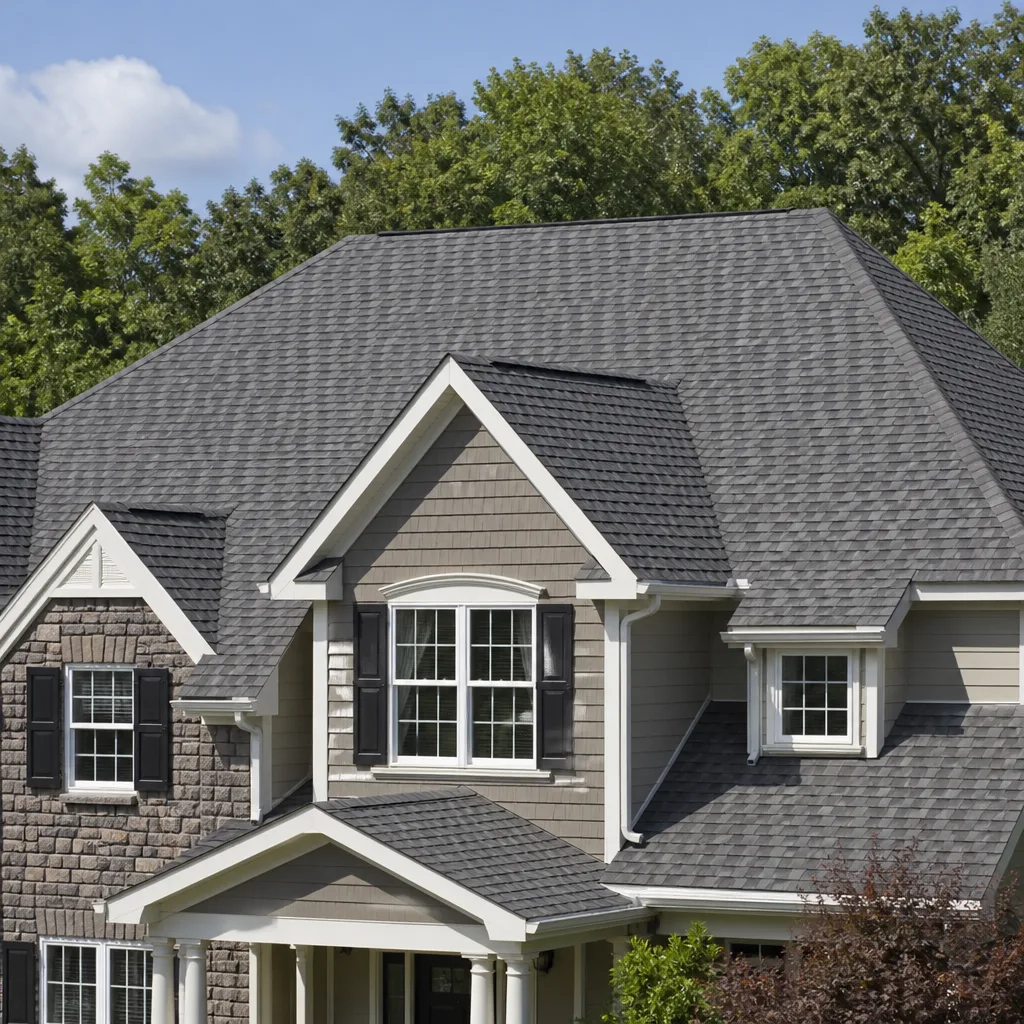
 Before
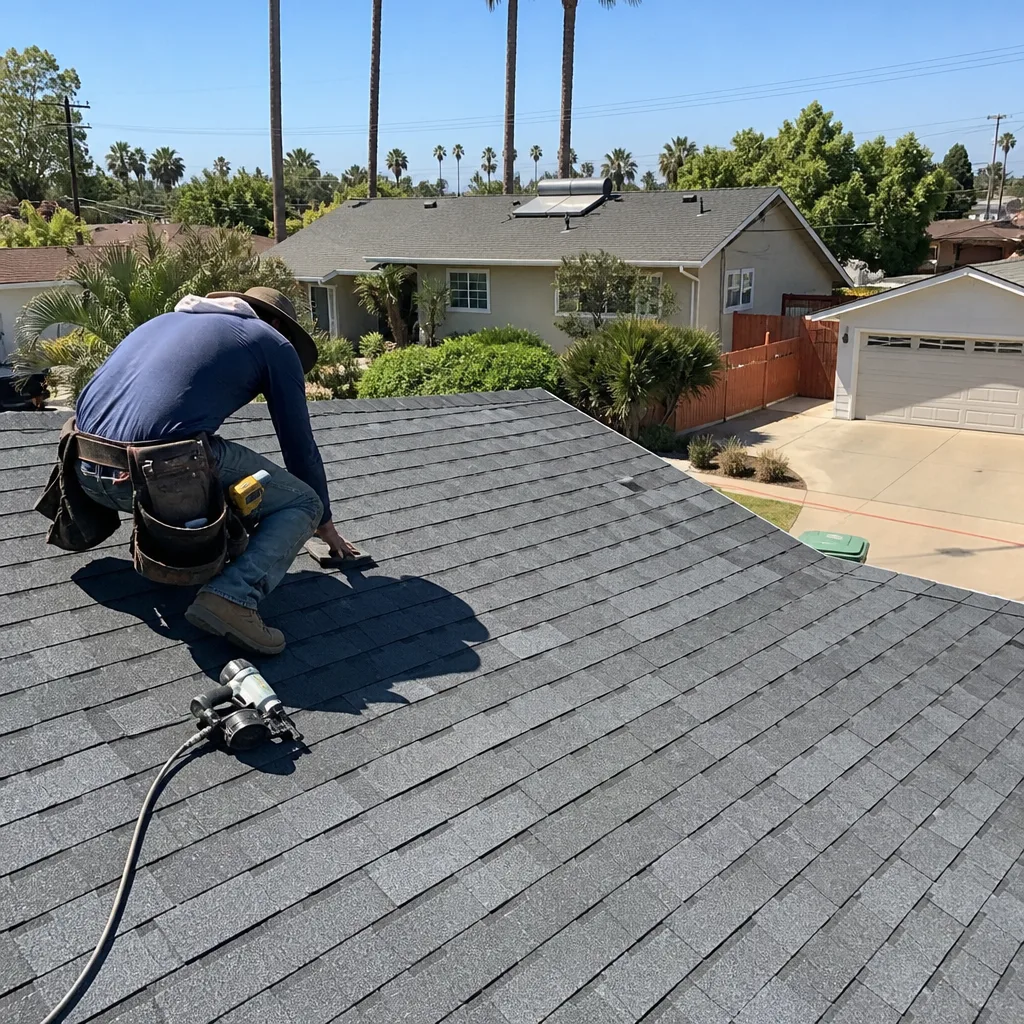 After
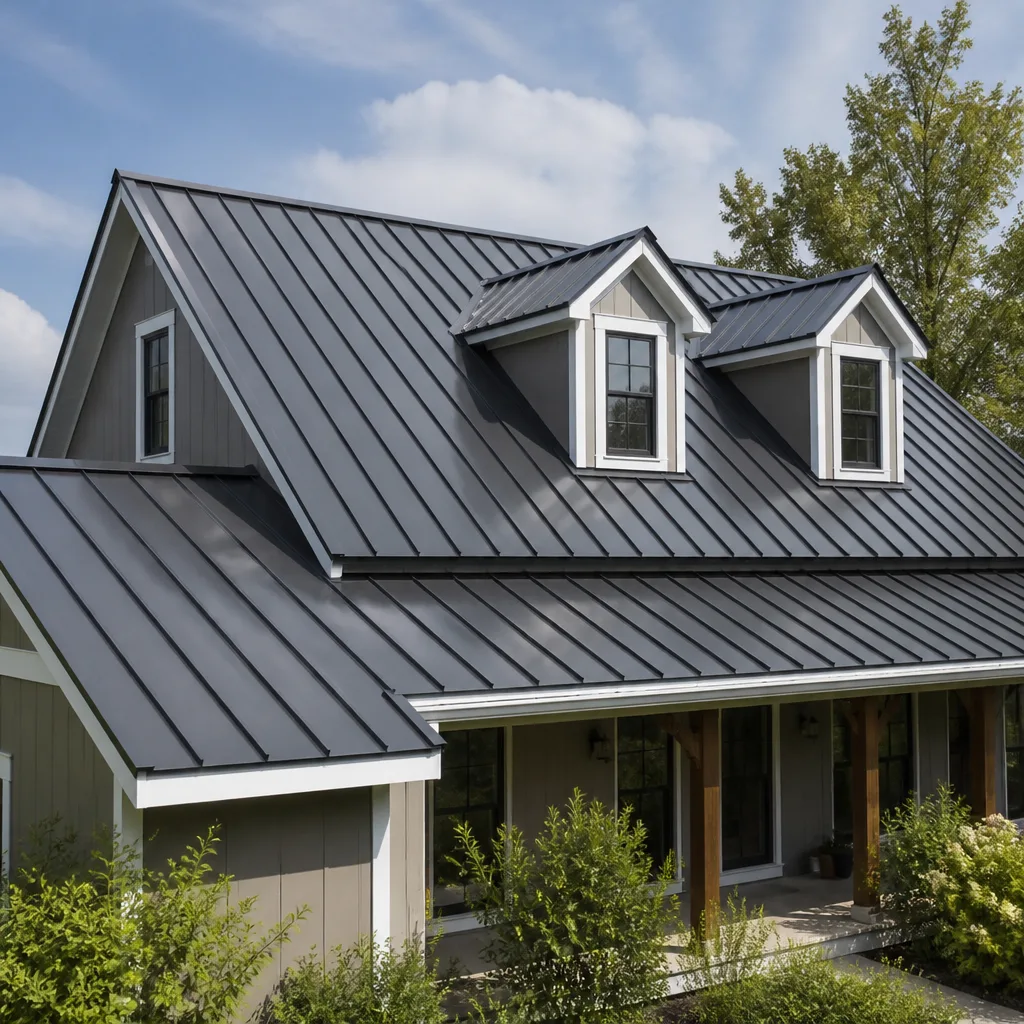
After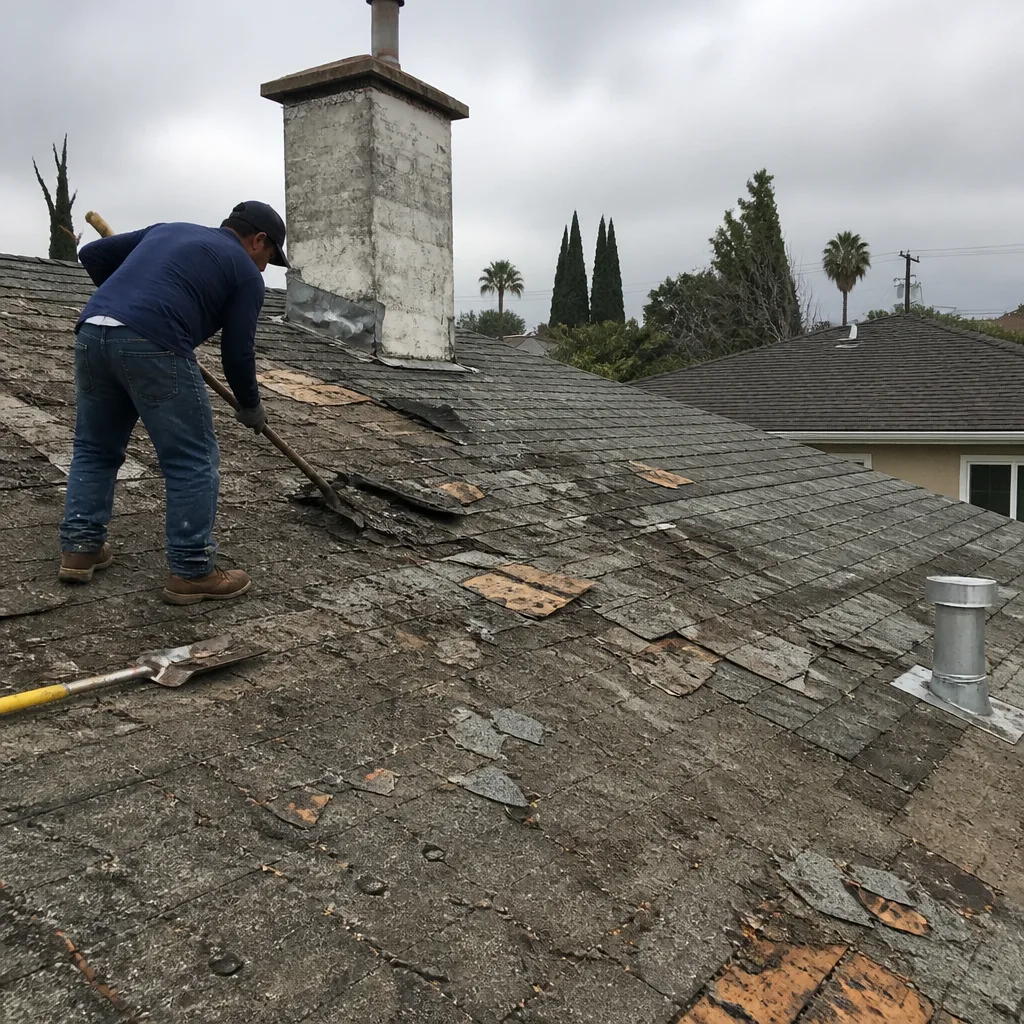 Before
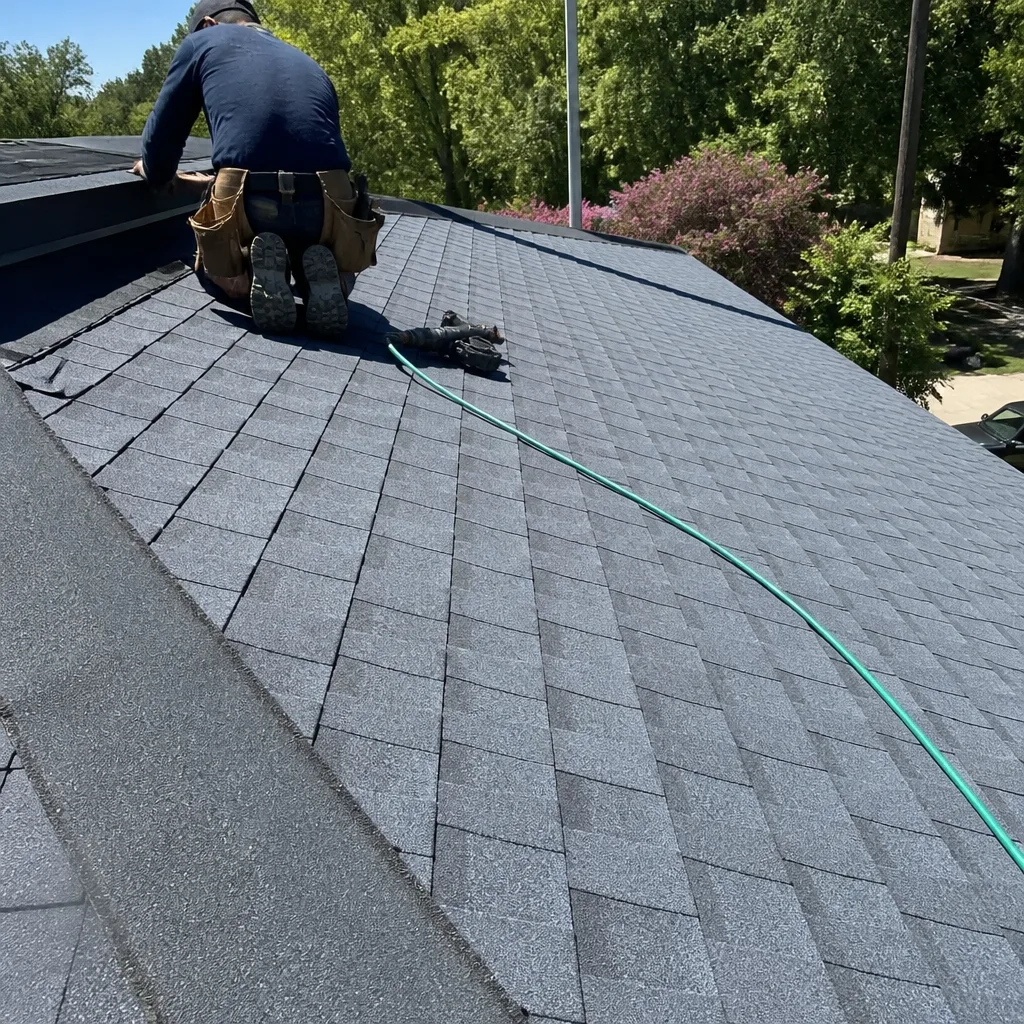 After
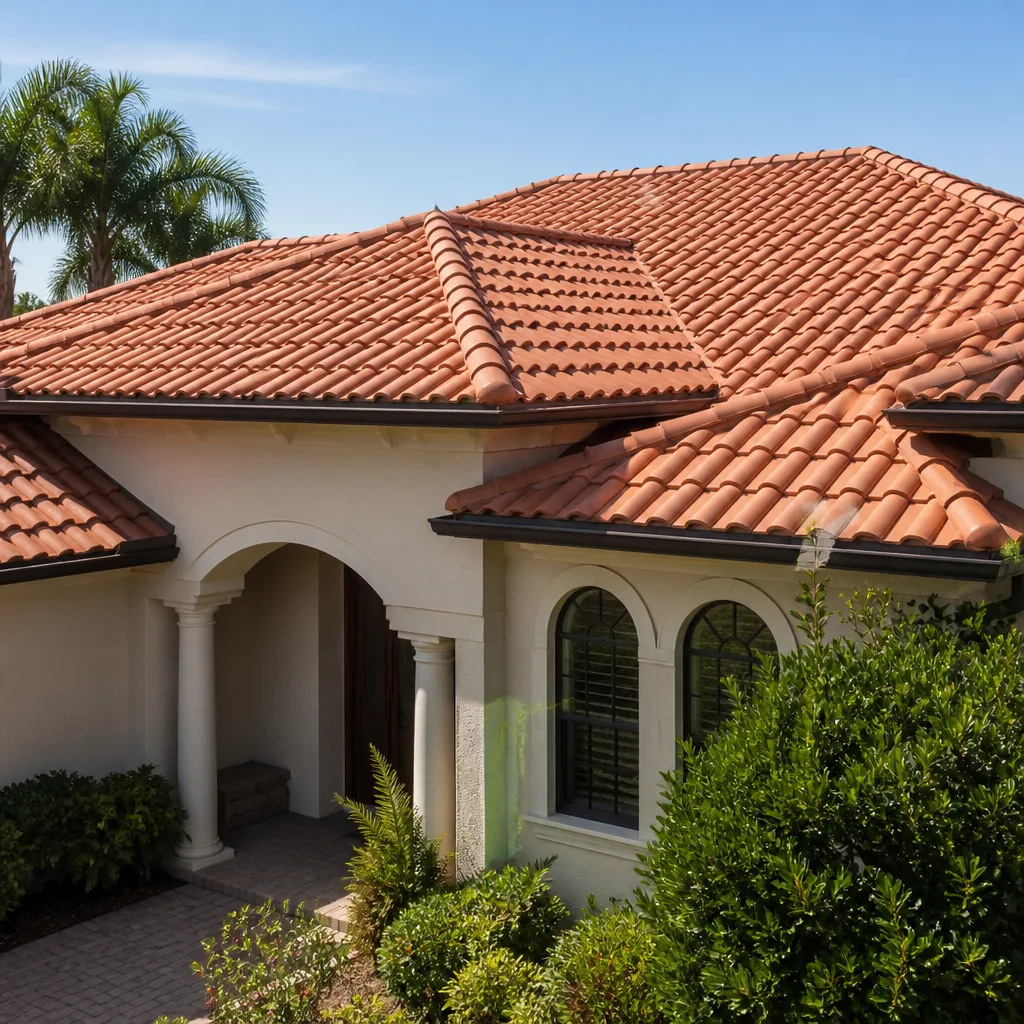
After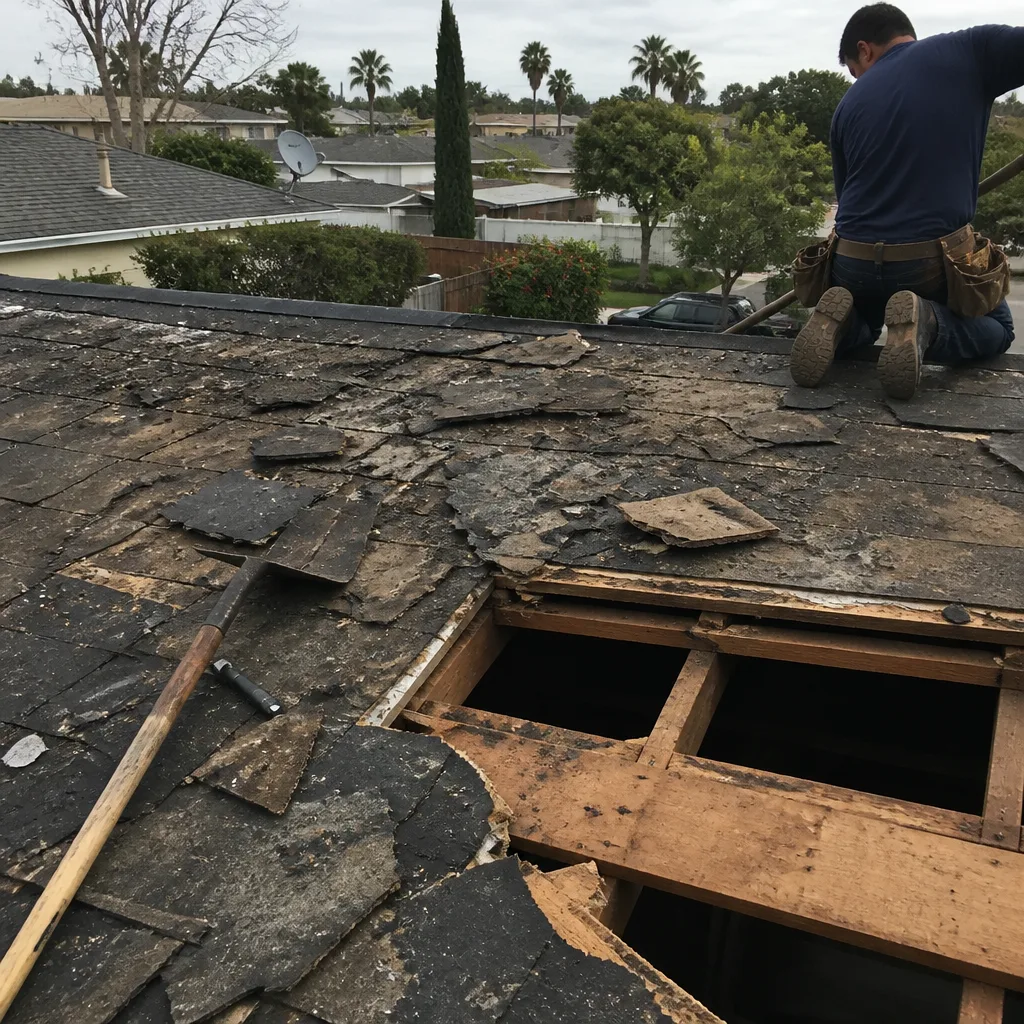 Before
 After
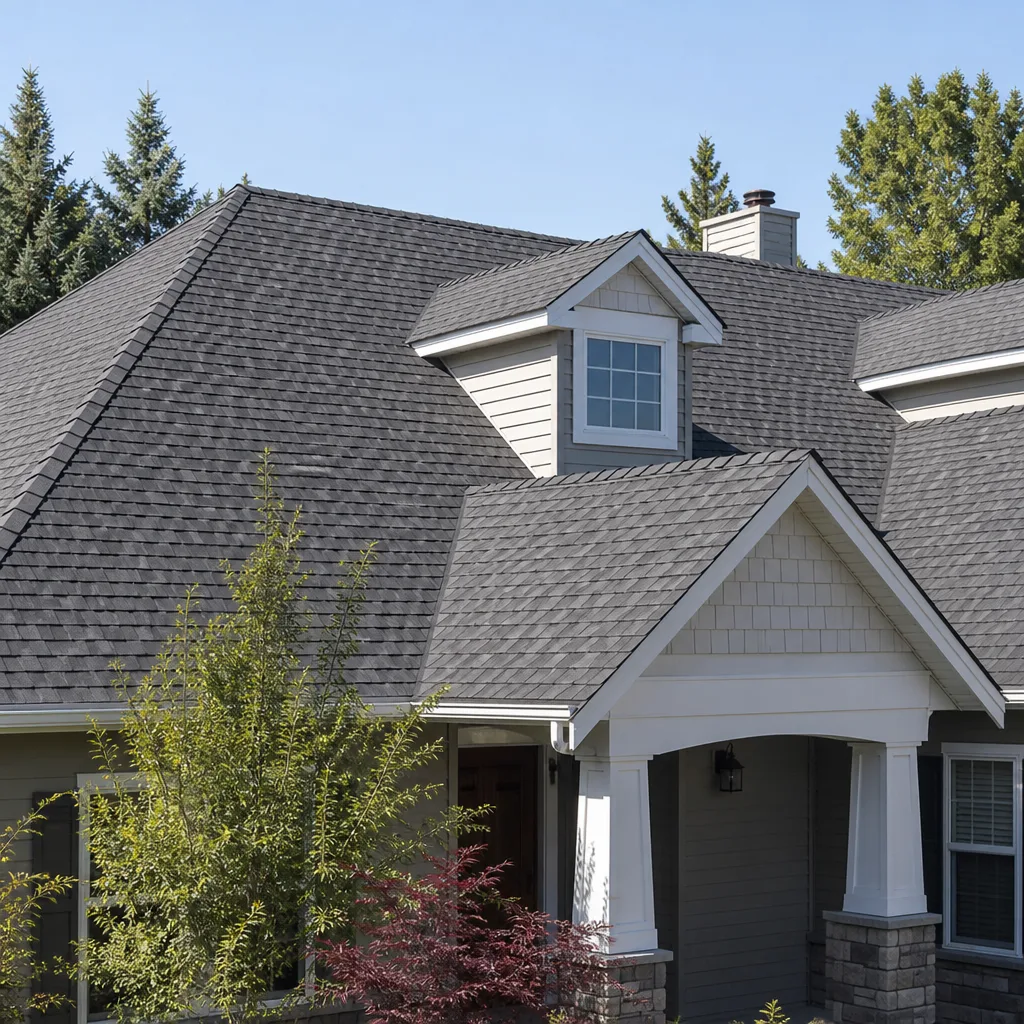
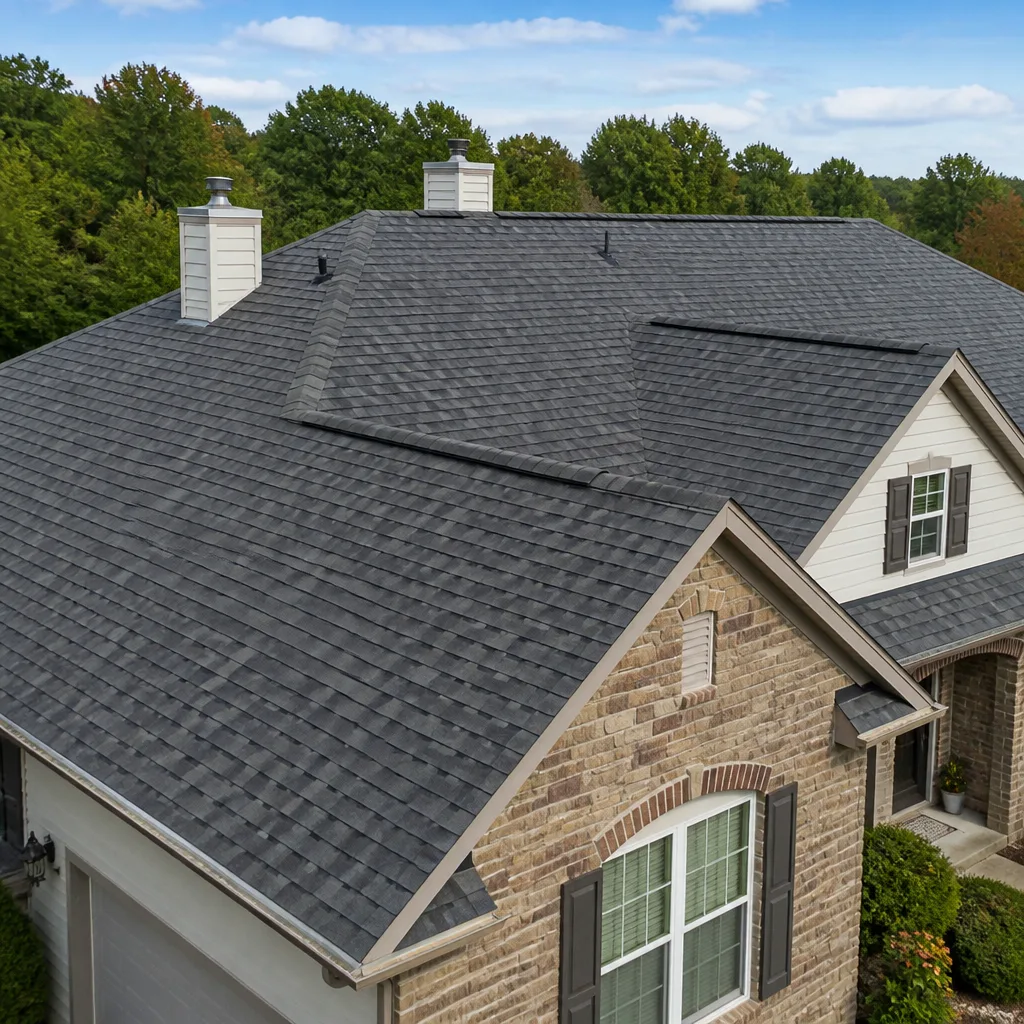
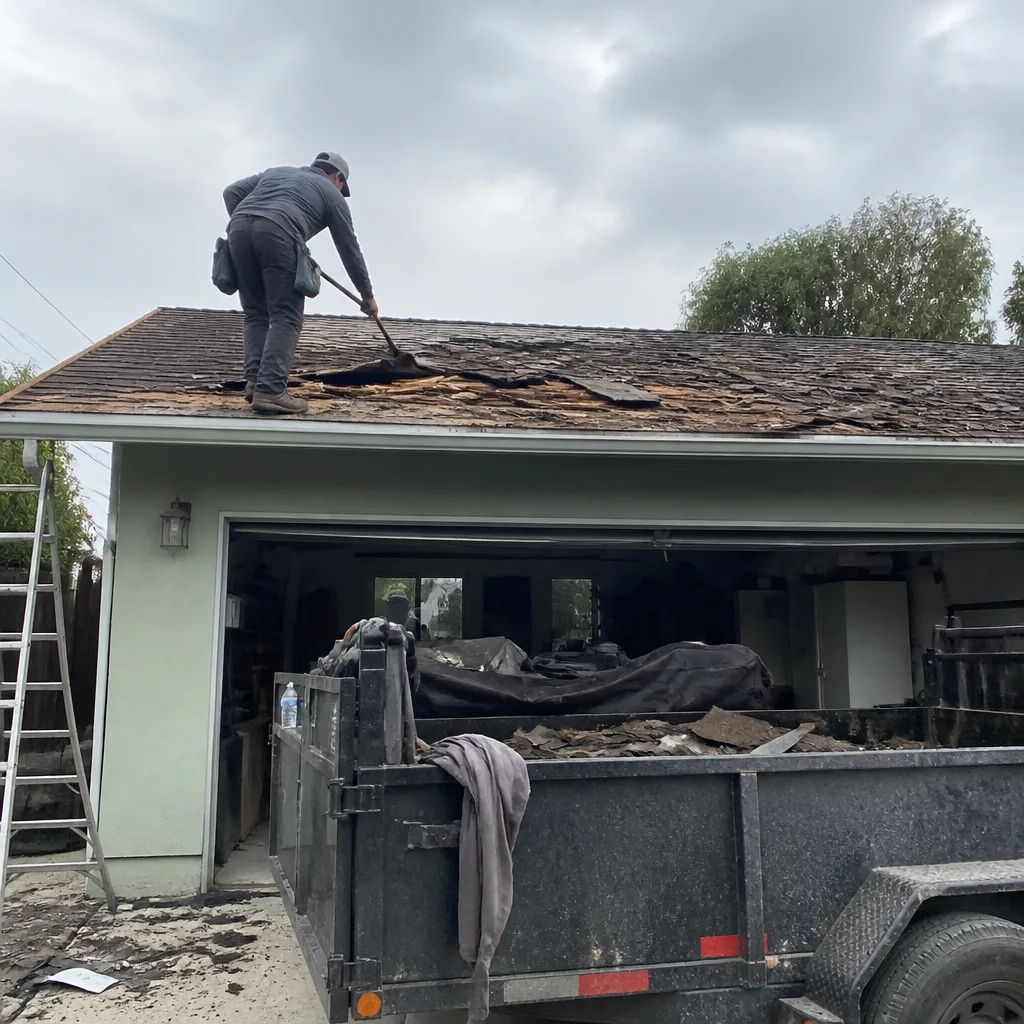
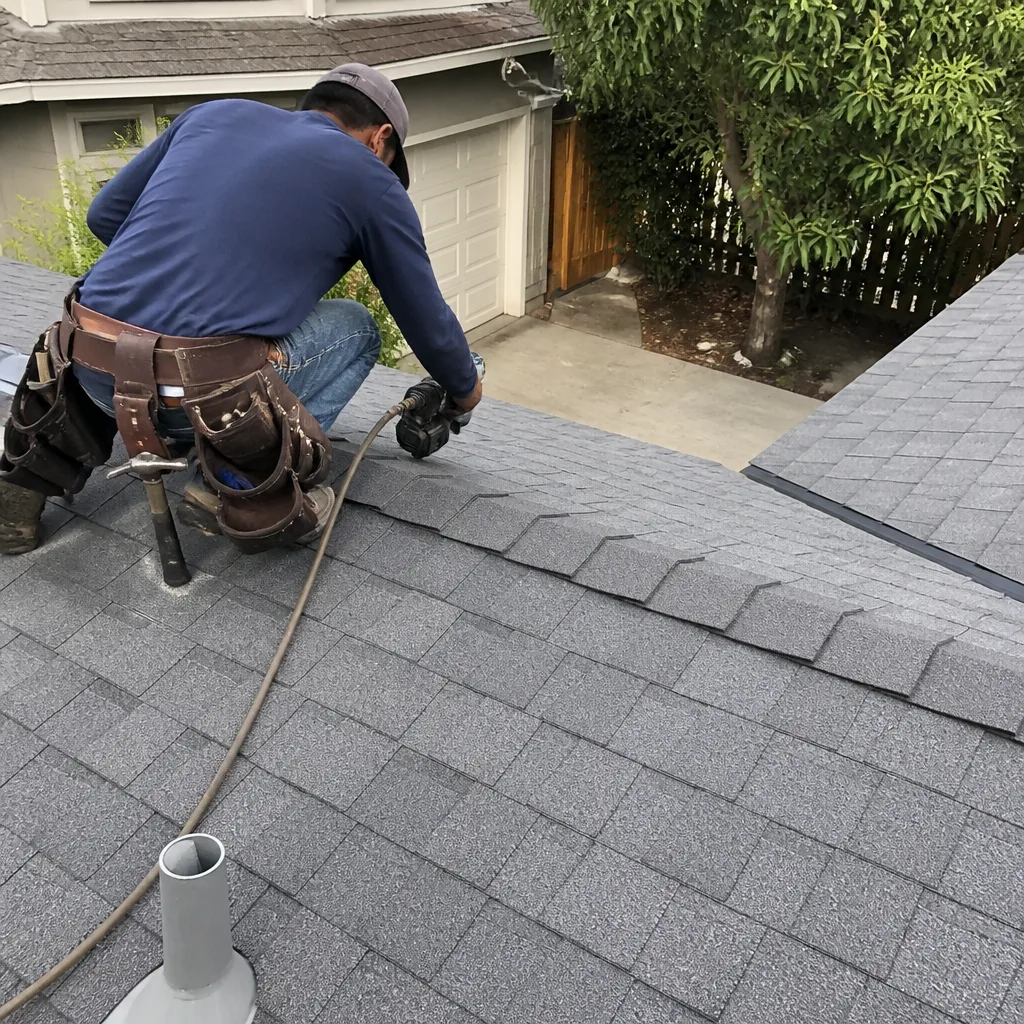
AfterShingles blown off after a windstorm
What’s Happening
When shingles blow off in a windstorm, your roof deck is exposed to the sky and water can get in with the next rain. This is an active leak waiting to happen, not a cosmetic problem you can schedule for next month. The missing shingles almost always mean the seal strips or nails on those sections had already weakened before the storm arrived – the wind just finished the job.
A shingle that lifts and separates in wind didn’t fail because the wind was unusual. It failed because something underneath was already compromised. The storm exposed it. That matters because simply replacing the visible missing shingles without checking the surrounding field often leaves weaker shingles in place, ready to go with the next gust. A proper inspection looks at what came off and what’s still up there but shouldn’t be.
Why It Happens
Sealant strip failure
Every asphalt shingle has a self-sealing adhesive strip near its lower edge. Heat from the sun is supposed to activate it and bond the shingle to the one below. When that strip dries out, cracks, or never bonded properly to begin with, the shingle is effectively just nailed on – and high wind gets under the tab and peels it right off. If you find shingles in your yard with the adhesive strip that looks cracked, chalky, or has bits of the shingle below stuck to it, that’s likely what happened.
Improper nailing during installation
Shingles have a defined nail zone – a narrow band where fasteners must land to hold the shingle under the weight of the one above it. If a nail was placed too high (called a high nail) or too close to the edge, the shingle was never properly anchored. You probably won’t see this from the ground, but a technician will find it fast: the remaining shingles will lift with minimal effort, and the nail holes will be in the wrong spot.
Age and granule loss
Asphalt shingles wear from the top down. As granules wash away over the years, the mat underneath gets brittle and loses flexibility. Old, brittle shingles crack along the nail line and the wind pulls the lower portion away, leaving a ragged tab edge stuck to the roof. If the shingles that blew off look thin, cracked at the edges, or show bare black mat where the granules used to be, age is the primary driver – and the surrounding shingles probably aren’t far behind.
Starter course or edge flashing problems
The first row of shingles along the eaves is called the starter course, and its job is to anchor everything above it. If the starter course was skipped, undersized, or the drip edge flashing along the eaves is bent or missing, wind gets a running start under the entire bottom field. If you look up at the eave line and see exposed wood or felt, or if the lowest row of shingles is visibly curling up at the edge, the starter or drip edge is likely compromised.
What to Do Right Now
- Photograph everything from the ground. Walk the perimeter and take clear photos of every spot where shingles are missing or lifted. Do this before anything changes – these images matter for insurance documentation and help your technician plan the repair before they even climb up.
- Do not go on the roof yourself. A roof after a windstorm can have unseen structural damage, wet decking, or loose materials underfoot. Working at height on a compromised surface is genuinely dangerous. Leave the assessment to someone equipped for it.
- Check your attic for daylight or water. Safely access your attic and look up. If you see light coming through the decking or feel dampness on the insulation, water has already entered. Note exactly where it is – that location will guide the repair.
- Cover exposed areas if you can reach them safely from a ladder at the eave. If shingles came off at a low edge you can reach without climbing onto the roof, a heavy-duty poly tarp weighted or stapled at the edge buys you time. Do not attempt to walk onto the roof to tarp it yourself.
- Call your insurance company to open a claim. Wind damage is a covered peril on most homeowner policies. Open the claim now so the adjuster timeline runs while you’re scheduling repair – the photos you just took are exactly what they’ll ask for.
How We Fix It
When your local Brennan Roofing team arrives, the technician starts on the roof, not with a clipboard. They inspect every section around the missing shingles – checking nail placement, sealant adhesion, the condition of the felt underlayment underneath, and whether the decking itself took any water. That full picture is what produces an accurate written price, which you’ll have in hand before any material is touched. That’s how The Garrison Standard works, and it doesn’t move at the door.
The repair itself typically involves removing any partially lifted or cracked shingles in the affected zone, confirming the decking is solid, and installing replacement shingles – sourced from manufacturer lines including GAF, CertainTeed, Owens Corning, IKO, Atlas, Tamko, and Boral – with correct fastener placement and proper sealing. If the starter course or drip edge is compromised, that gets addressed in the same visit. The work is covered by the 365-Day Done Right Promise: if it fails within a year, we come back and make it right at no charge. Most wind damage repairs are completed in a single day.
The services that resolve this are Roof Repair and, where the damage is more widespread, a full Roof Inspection to determine whether replacement makes more sense than patching.
Frequently Asked Questions
Missing shingles should not wait. Exposed roof decking can absorb water in a single rain event, and once the OSB or plywood underneath gets wet, you’re looking at potential rot, mold, and interior ceiling damage that costs significantly more to fix than the shingles themselves. The structural risk isn’t dramatic – your roof isn’t going to fall in – but the water damage risk is real and escalates fast. Call (361) 320-9467 to get someone out quickly.
Your local Brennan Roofing team handles wind damage repairs and can often schedule a same-visit inspection and estimate quickly after a storm. Phones are answered by a live person around the clock – no voicemail, no callback queue. Call (361) 320-9467 and someone picks up.
The price depends on how many shingles came off, whether the underlayment or decking took any damage, and the material you choose. Brennan Roofing puts the exact number in writing before any work begins – no ballpark, no estimate that changes once the crew is on the roof. Call (361) 320-9467 to schedule a free written estimate for your specific situation.
Wind damage is a standard covered peril on most homeowner’s insurance policies, though your deductible and coverage limits apply. Your local Brennan Roofing technician can document the damage during the inspection in a way that’s useful for your adjuster. File your claim as soon as possible – most insurers have a window after a storm event, and delays can complicate the process. Call (361) 320-9467 if you want to get the inspection on the calendar while your claim is open.
Get It Fixed
Your local Brennan Roofing team will inspect the damage, put the repair price in writing, and get to work. Call (361) 320-9467 – a live person answers around the clock. Or book online and your local team will reach out to schedule. The 365-Day Done Right Promise covers every repair we make.
Written by Travis Oakley, Owner at Brennan Roofing, part of the Garrison Partners family since 2000.
What Our Customers Say
"Quality work and clear communication. Rain pushed the start by two days, which is fair, but we were hoping to be done sooner."
- Cathy N."Storm took off a section of shingles. They were here next morning to tarp it and finished the repair that week."
- Elaine D."Ridge vent added and the attic is cooler. Fair price compared to the other two quotes."
- Vernon C.