
Last updated October 9, 2026
Free roof inspection with deck photos before we talk money - GAF and Owens Corning certified installation

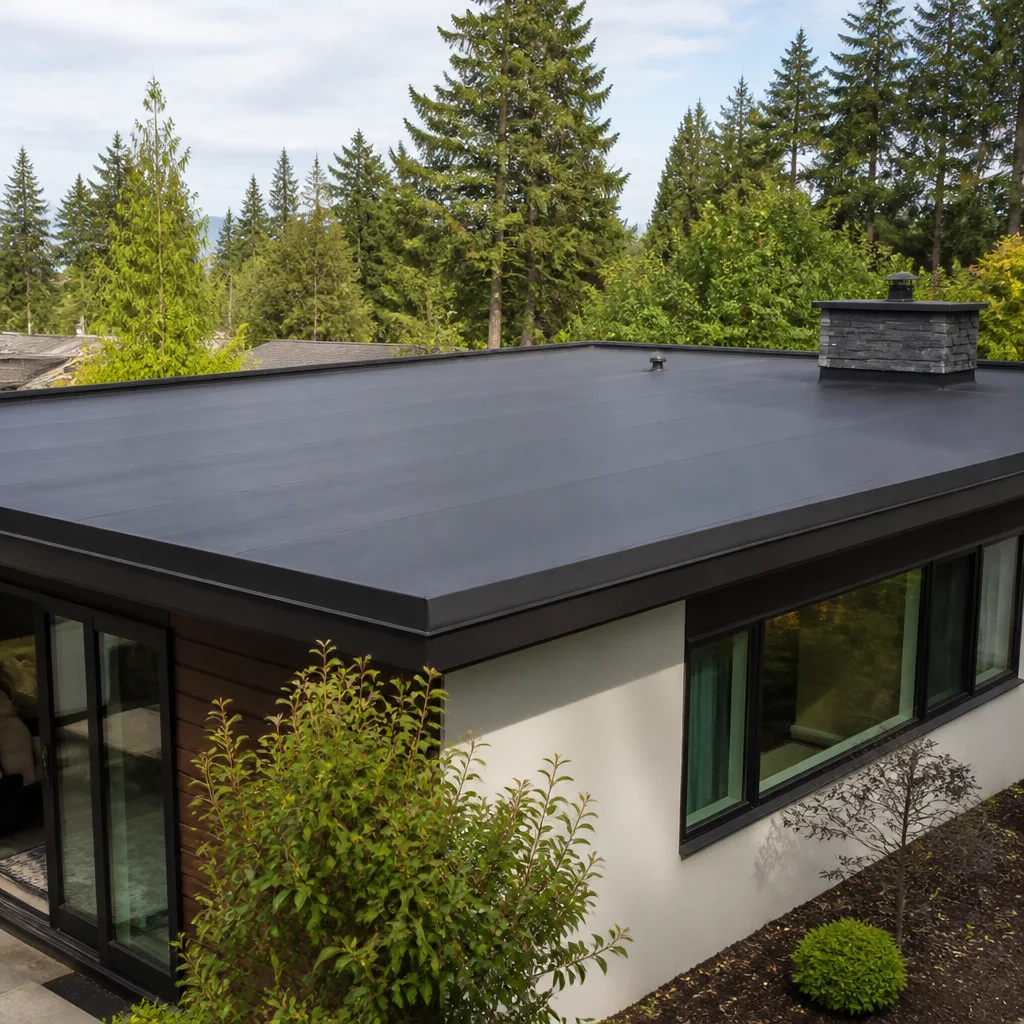
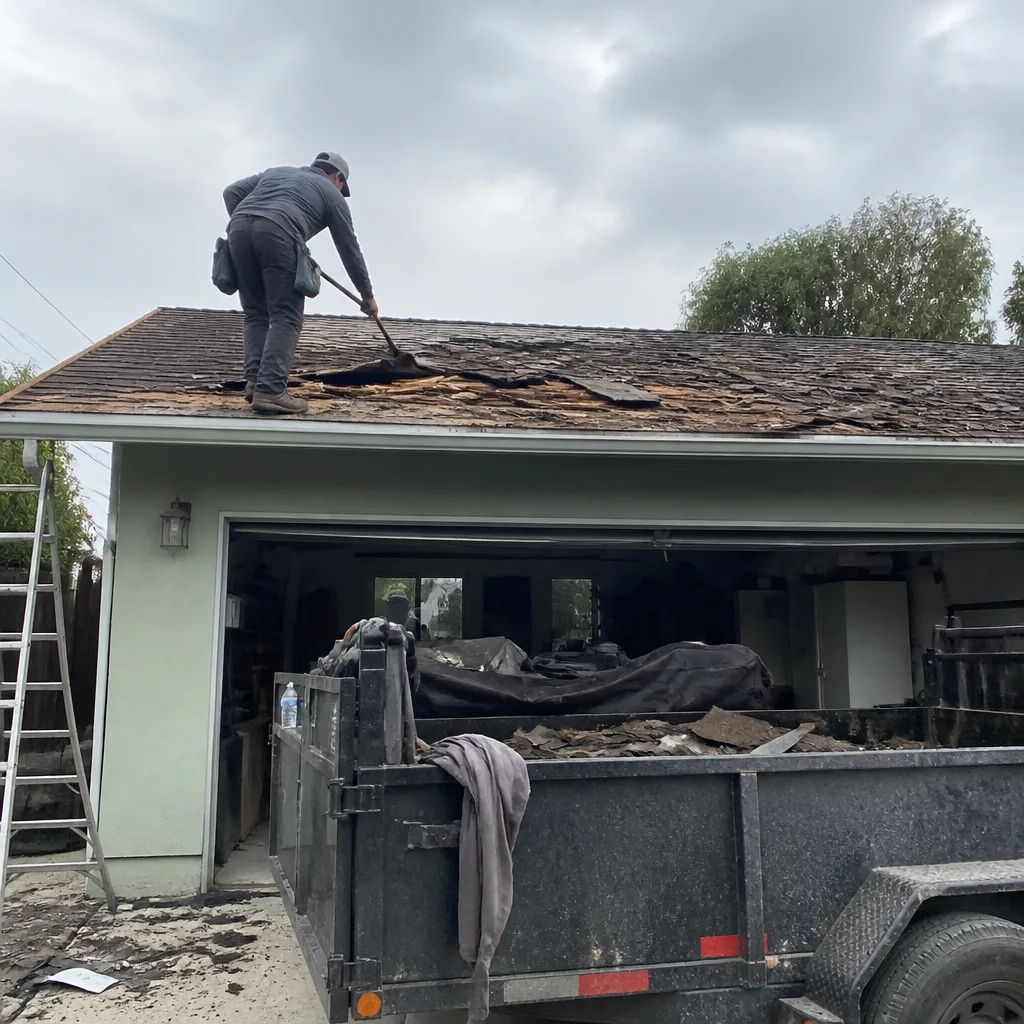 Before
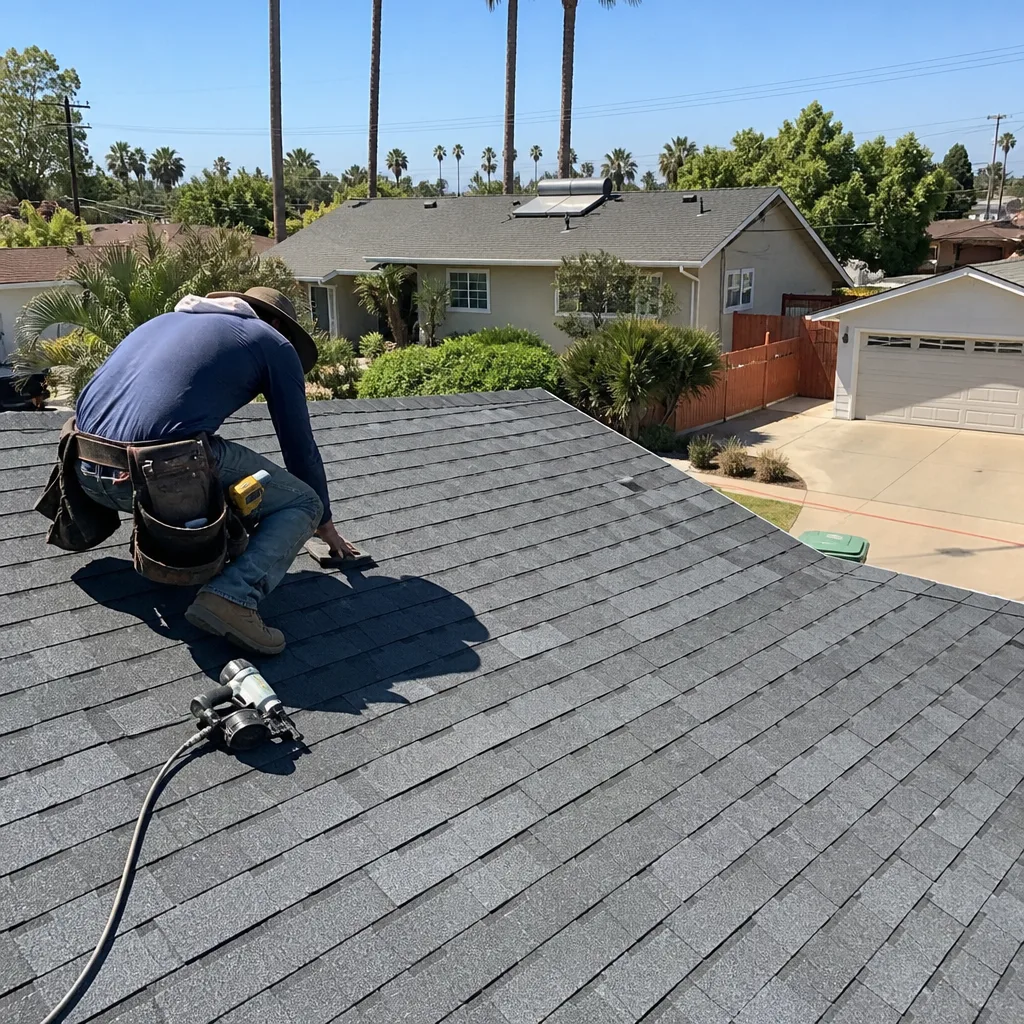 After
After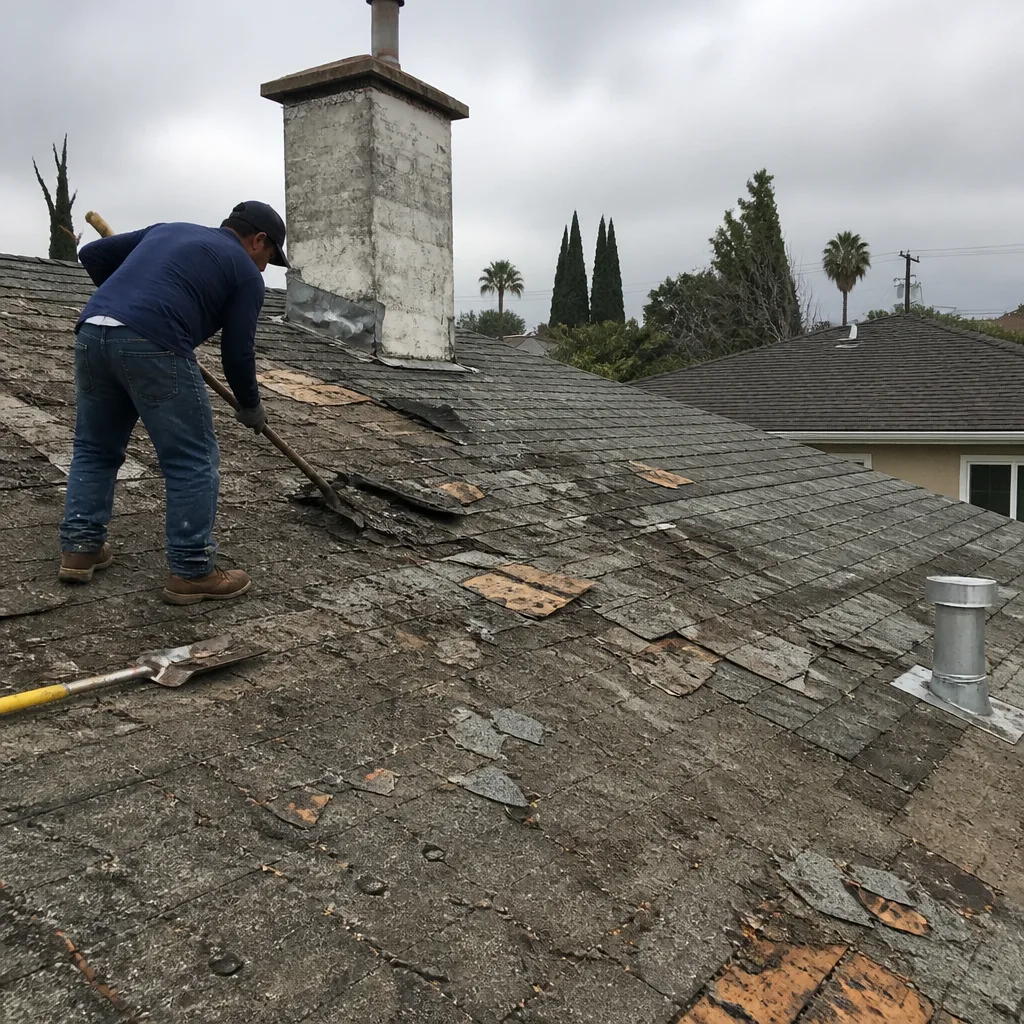 Before
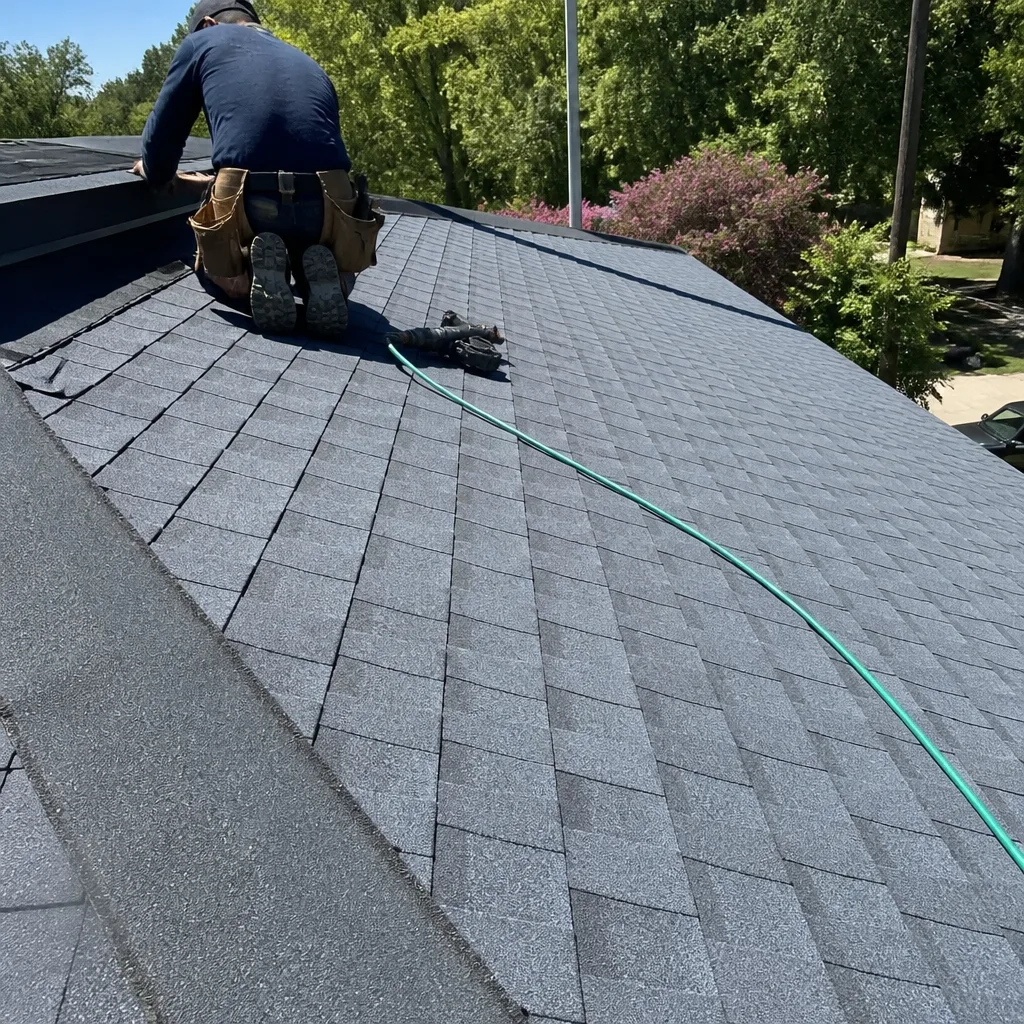 After
After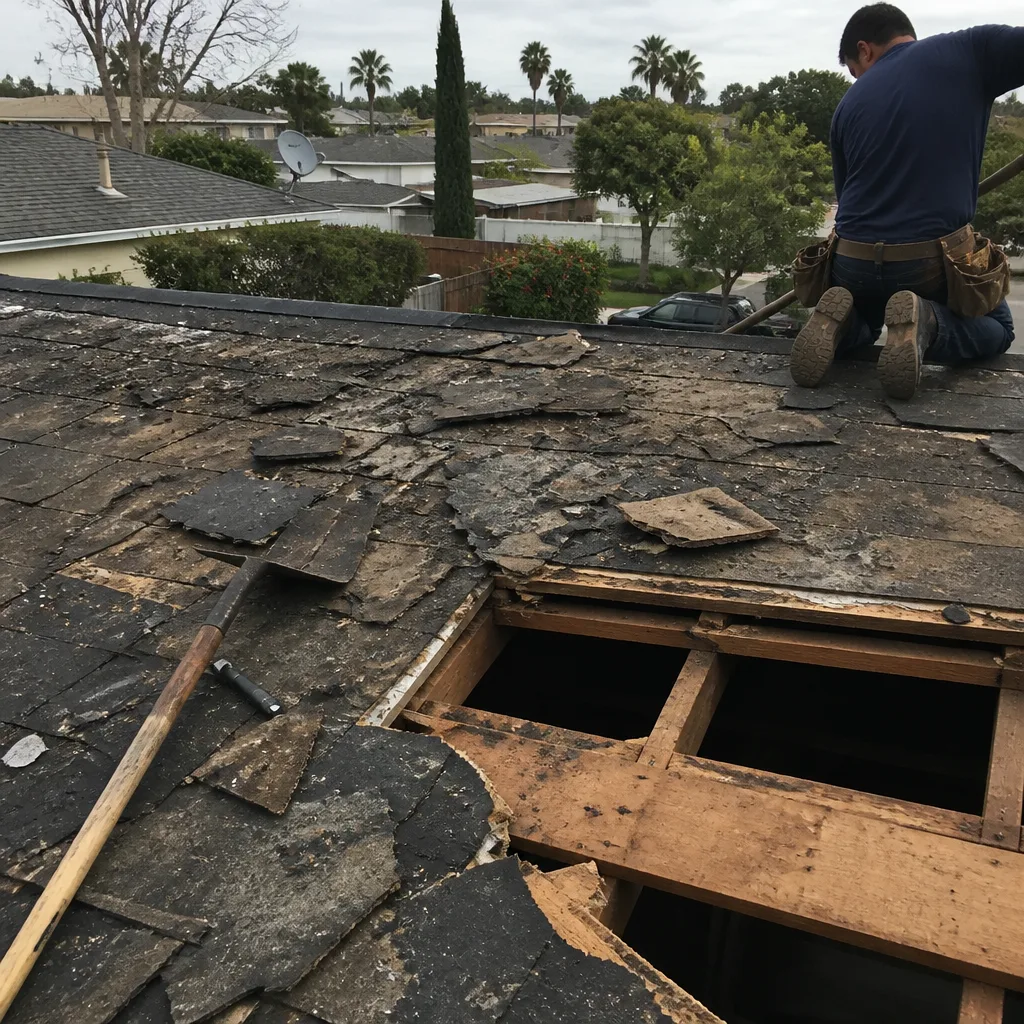 Before
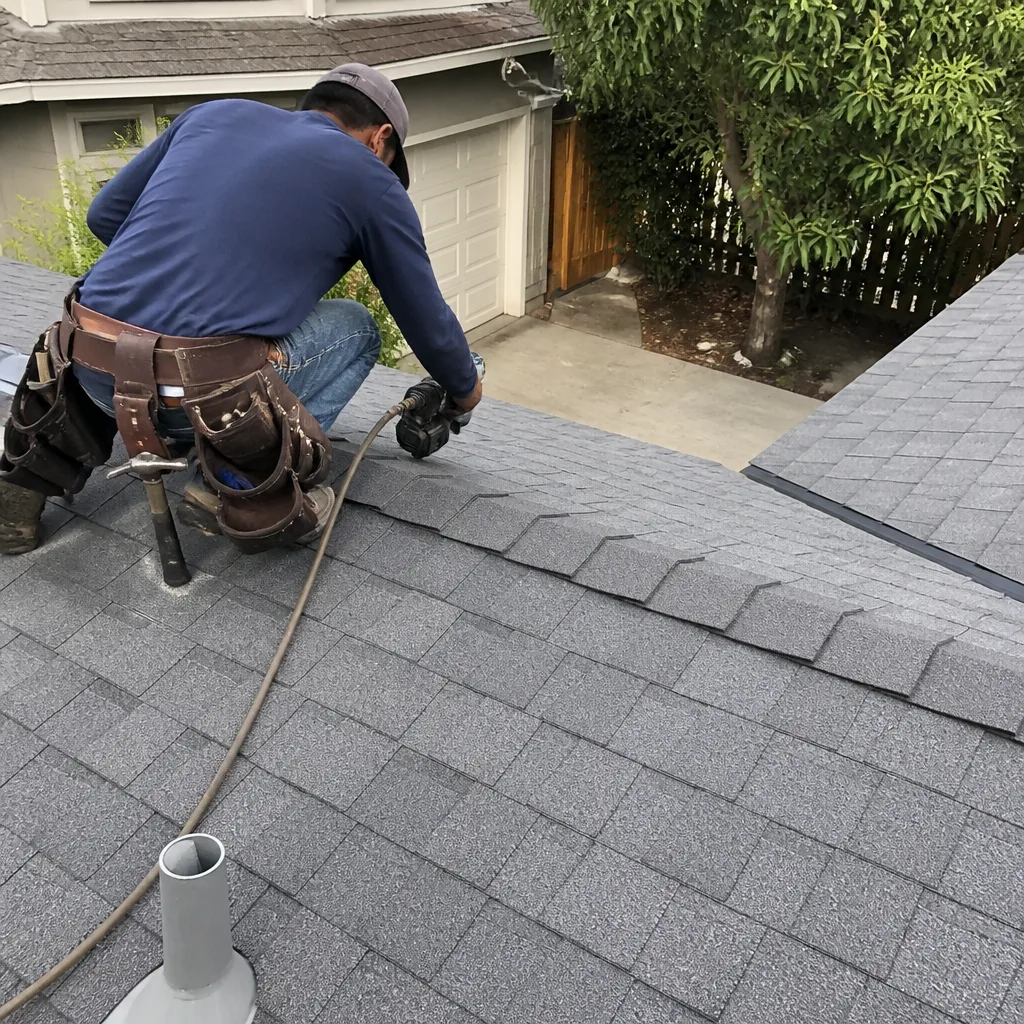 After
AfterRoof Inspection Maintenance Schedule: What to Do and When
Most homeowners in Los Angeles inspect their roof on exactly the wrong schedule: whenever a leak shows up on the ceiling. By then, the damage is done and the repair costs more than any preventive visit would have. Here’s a counterintuitive fact we tell every homeowner who calls us: the most valuable roof inspection you can get in Los Angeles happens in August, not October, and almost nobody schedules one then. By late summer, months of intense UV exposure have had maximum time to dry out and crack the sealant around your roof penetrations, and the first real rain is still six weeks away. This guide lays out a maintenance calendar built around LA’s actual climate patterns, not a generic “twice a year” rule that ignores how our weather actually works. For Roof Inspection Warning Signs Every Homeowner Should Know, see our dedicated guide.
Quick Answer
A Roof Inspection and maintenance schedule in Los Angeles should follow the climate calendar: seal penetrations and inspect in August or September before the rainy season, check for Santa Ana wind damage in November, clear debris and inspect drainage in February after winter storms, and do a visual check from the ground every spring. Most homeowners can safely handle gutter cleaning and visual checks from a ladder, but sealing work and anything requiring you to walk on the roof should go to a professional.
Table of Contents
- Why Los Angeles Weather Demands a Different Schedule
- The Month-by-Month Los Angeles Roof Maintenance Calendar
- What a Homeowner Can Do Safely (and What to Leave Alone)
- What Deferred Maintenance Actually Costs: A 5-Year Model
- Maintenance Records as a Financial Asset
- Tools and Products Worth Keeping on Hand
- Common Mistakes to Avoid
- When to Call a Professional
- Frequently Asked Questions
Why Los Angeles Weather Demands a Different Schedule
The standard roofing advice you’ll find online says to inspect your roof in spring and fall. That guidance comes from regions with four distinct seasons, freeze-thaw cycles, and heavy snow. Los Angeles has none of those. What we have instead is a long, dry, intensely sunny stretch from roughly May through October, punctuated by Santa Ana wind events in the fall, and a relatively short wet season from December through March. The failure points on an LA roof are different too: UV degradation of sealants and underlayment, wind-driven debris impacts, and the slow accumulation of fine dust and grit that holds moisture against roofing materials.
A roof in the San Fernando Valley endures different stress than one in San Pedro or the Hollywood Hills. Valley roofs bake in sustained dry heat. Coastal roofs deal with morning marine layer moisture followed by afternoon sun, a cycle that encourages algae and mildew growth. Hillside roofs catch more wind, especially during Santa Ana events. A schedule built around the calendar rather than the weather is a schedule built to miss things.
We’ve been on roofs across Los Angeles where the homeowner dutifully had an inspection every October. What the inspector found each time was damage that had already happened, usually in July and August, when nobody was looking. The sealant had cracked, the underlayment had baked, and the first rain simply revealed the hole. Moving the inspection window earlier changes the whole equation.
The Month-by-Month Los Angeles Roof Maintenance Calendar
Here is the schedule we recommend for Los Angeles homeowners, organized around what is actually happening to the roof in that month. Each task is placed where it has the most protective value, not where it is most convenient to think about.
- August: Seal and inspect before the rains. This is the highest-value maintenance month in Los Angeles. Months of summer UV have had time to dry out, shrink, and crack the sealant around vents, pipes, chimneys, and skylights. Inspecting now gives you six weeks or more to make repairs before the first storm. If you only schedule one professional inspection per year, make it August or early September.
- September: Clear debris and check the flashing. Late summer dust, leaves from deciduous trees in certain LA neighborhoods, and the odd palm frond accumulate in valleys and behind chimneys. Debris holds moisture when rain arrives. Flashing, the metal strips where the roof meets a wall, chimney, or skylight, should be checked for lifting or gaps. September is also the time to replace sealant that was identified in August.
- October: Final pre-rain walkaround. A visual check from the ground or a ladder. Look for lifted shingles, cracked tile, or anything that looks out of place. Confirm gutters and downspouts are clear. By late October in Los Angeles, the first light rain is typically two to six weeks away.
- November: Post-Santa Ana inspection. Santa Ana winds typically peak in October and November. These winds lift shingles, dislodge tiles, and throw debris onto the roof. After the first significant Santa Ana event of the season, check for damage. Even if your roof was inspected in September, wind damage is a separate thing.
- December through February: Post-storm gutter and drainage checks. After each significant rain event, walk the perimeter and check that downspouts are flowing and gutters are not sagging. In coastal neighborhoods, also check for moss or algae starting to build on north-facing roof sections.
- March and April: Spring visual check. After the wet season, look for water staining on exterior walls under eaves, check the condition of the drip edge, and confirm that no shingles or tiles shifted over the winter. This is a lower-urgency inspection, but it catches issues before the summer heat bakes them in.
- May through July: Monitoring only. The roof is generally stable in these months. Watch for anything visual after unusual events like heavy wind or construction in the neighborhood. If you see cracked or lifting sealant, schedule an August repair rather than waiting.
This calendar assumes an asphalt shingle roof or a concrete tile roof, the two most common systems in Los Angeles. Flat roofs, common in older mid-century homes in neighborhoods from Mid-City to the Valley, have different needs: they should be inspected more frequently because ponding water can sit on the surface and degrade the membrane faster than sloped roofs.
What a Homeowner Can Do Safely (and What to Leave Alone)
There is a clear line between homeowner-level maintenance and professional work, and that line is whether your feet leave the ladder. If a task requires you to walk on the roof, that is professional work. Walking on a roof without training damages the roofing material, especially tile, and the risk of a fall is real. We have seen more damage caused by well-meaning homeowners than we have by neglect.
Tasks most homeowners can do safely:
- Gutter and downspout clearing from a ladder, assuming the ladder is stable and you have someone spotting you.
- Visual checks from the ground or from a ladder at the roof edge, looking for lifted shingles, cracked tile, debris accumulation, and staining.
- Checking indoor ceilings and attic spaces for water staining, especially after rain.
- Trimming overhanging tree branches back from the roofline, using a pole saw from the ground.
- Photographing visible problem areas to document condition and change over time.
Tasks that should always go to a professional:
- Any repair that requires walking on the roof surface.
- All sealant work around penetrations, including re-sealing around pipes, vents, and flashing.
- Flashing repair or replacement.
- Tile or shingle replacement.
- Any inspection of a roof with a pitch steeper than about 4:12, which describes many hillside homes in Los Angeles.
- Flat roof inspection and repair, because walking on a membrane roof requires knowing exactly where to step.
The reason we draw this line strictly is not to sell more work. It is because we have responded to homeowner calls where a fall from a roof ladder resulted in a hospital visit that cost more than the roof repair would have. A roof is a work surface, not a viewing platform.
What Deferred Maintenance Actually Costs: A 5-Year Model
Every homeowner has a mental model of what a roof costs. Very few have a model of what a skipped inspection costs. Here is a realistic compounding cost scenario for a Los Angeles home, based on the deferred maintenance patterns we actually see in the field, with pricing typical for the LA market.
Year 1: Skipped the August inspection. Small sealant cracks go unnoticed. First rain seeps in around a pipe boot. The homeowner notices a faint ceiling stain and repaints. Cost: $80 for paint, zero risk assessed. The actual leak is still there.
Year 2: Same missed inspection. More rain, more water through the same opening. Ceiling stain returns. Homeowner patches drywall and repaints again. Cost: $150 for drywall patch and paint, plus time. Still no roof work done.
Year 3: The leak widens. Water begins traveling along the roof decking. A soft spot forms. The homeowner finally calls a roofer because the stain has spread across a two-foot area. The roofer finds rotted decking under the penetration. Cost: $450 to $800 for the roof repair, $200 for ceiling repair and paint.
Year 4: Adjacent damage. The original leak area is fixed, but water had migrated across the decking to an adjacent rafter. The homeowner notices mold on the ceiling edge. Cost: $900 to $1,500 for mold remediation and structural drying, plus the original repair scope again widened.
Year 5: The compound bill. Had the sealant crack been caught in Year 1, the fix would have been a $200 to $350 sealant job. Five years of deferral has turned it into $2,500 to $4,000 in combined roof repair, interior repair, and remediation, and that is before any insurance deductible. The five-year cost of the skipped inspection: a minimum of $2,500, and often more like $4,000 to $6,000 when the leak affects insulation or wiring.
The point of this model is not to alarm. It is to show the asymmetry. A maintenance inspection in Los Angeles costs roughly $200 to $400, and a sealant touch-up costs a few hundred dollars. All five years of that maintenance combined still costs less than the Year 5 repair bill alone.
Maintenance Records as a Financial Asset
A roof maintenance history is a financial document, not just a nice-to-have. In Los Angeles, where many homes are sold in competitive markets with short contingency windows, documented maintenance changes how a roof is valued during negotiation.
When a buyer’s inspector flags the roof, the buyer asks for a credit or a replacement. A homeowner with five years of dated maintenance records, including inspection reports and repair invoices, can push back with evidence that the roof has been consistently maintained. That evidence often reduces the buyer’s ask from full replacement to a small repair credit, saving thousands at the closing table.
Insurance claims work similarly. After a wind event or a storm, adjusters look for evidence of pre-existing damage to deny or reduce a claim. If you have a record showing the roof was inspected in September and found sound, and a November Santa Ana event lifted shingles, the causality is cleaner. The claim is harder to dispute. Without records, the adjuster can argue the damage predated the event and that the homeowner was negligent.
Keep a simple file: date, what was inspected, what was found, what was done, who did it, and what it cost. Photographs help. A phone photo of the roof surface dated August 14 is more useful in a dispute than a vague memory. We encourage our own inspection clients to keep exactly this kind of record, because we have seen it pay off for them when the house changes hands.
One more Los Angeles-specific note: many LA homes built before 1980 have roof systems that are now past their designed service life. A maintenance record does not make an old roof young, but it distinguishes a well-maintained older roof from a neglected one, which is exactly the distinction buyers and appraisers are looking for.
Tools and Products Worth Keeping on Hand
Most roof maintenance does not require a specialized kit. A few basic items cover most of what a homeowner can do from the ground or a ladder, and they store easily in a garage or a shed.
- A sturdy extension ladder. A 16-foot fiberglass ladder reaches most single-story LA rooflines. Fiberglass is safer than aluminum around overhead power lines, which are common in older Los Angeles neighborhoods.
- A pair of leather work gloves. For handling debris and gutter material. Roofing debris in LA often includes sharp objects, broken tile fragments, and metal flashing remnants.
- A plastic gutter scoop. A $10 tool that makes gutter clearing cleaner and faster than bare hands.
- A garden hose with a pistol-grip nozzle. For running water through downspouts to confirm flow and for flushing roof valleys from a ladder without climbing onto the roof.
- A smartphone camera. Photograph your roof edges, gutters, and visible flashing every season. These photos become the maintenance record described above.
- A tube of exterior-grade roof sealant. In a pinch, this can temporarily seal a visible crack around a pipe boot or vent from a ladder. Note the word temporary: a bead of sealant from a tube is not a permanent repair. For actual re-sealing work on penetrations, a professional should apply it, because surface prep and proper bead placement determine whether the seal lasts one season or five.
Shelf life matters for any stored roofing product. Sealants have a manufactured date on the tube and are typically usable for 12 to 18 months unopened. If the tube has been opened, use it within a few weeks or discard it. An old tube of sealant that has started to cure inside produces a weak bond that fails quickly. When in doubt, buy a fresh tube for $8 to $14 rather than risking a failed temporary repair.
For homeowners who want to understand the material side of their roof, the major manufacturing lines common on Los Angeles roofs include GAF, CertainTeed, and Owens Corning. These manufacturers publish maintenance and warranty guidance for their products, and knowing what is on your roof helps you follow the right care guidance for that specific material.
Common Mistakes to Avoid
- Inspecting only after leaks appear. By the time water shows up on a ceiling, the roof breach has usually been active for months. The interior damage is already done. Maintenance schedules exist to find problems before they become visible indoors.
- Walking on a tile roof without training. Concrete tile, common throughout Los Angeles, cracks under foot traffic if you step on the wrong spot. A cracked tile lets water under the tile field, and the visual damage spreads beyond the original problem.
- Sealing over dirt or old sealant. Sealant bonds to a clean, dry surface. Applying new sealant over a dirty or deteriorated bead just creates a cosmetic patch that fails at the first rain. Surface prep is most of the job.
- Ignoring gutter condition because “it never rains.” Los Angeles gets most of its annual rain in a handful of events. A gutter that is clogged in October will be overflowing in December, and overflow saturates the fascia and the wall below, not just the ground.
- Skipping the post-Santa Ana check. Wind damage looks different from rain damage, and Santa Ana events happen before the rain arrives. A lifted shingle after a wind event becomes an entry point during the first storm. Checking after wind is not optional in Los Angeles.
- Using interior caulk on the roof. Caulk designed for interior use is not UV-stable and breaks down within a season under direct sun. Roof sealants are formulated for UV exposure, and using the wrong product means reapplying within months.
When to Call a Professional
Call a roofer when you can see cracked sealant around penetrations, when flashing is lifted or bent, when tiles or shingles are out of place, or when a ceiling stain appears after rain. Call a professional for anything that requires walking on the roof. Also call if your roof is more than 15 years old and has not been inspected in the last three years, regardless of what you can see from the ground. Free estimates are standard practice in the trade, and the inspection itself tells you more than any visual check from a ladder. Roof inspection in Los Angeles is the foundation of our work at Brennan Roofing, and we offer free estimates at (361) 320-9467.
Frequently Asked Questions
Once a year, ideally in August or early September, is the right cadence for most Los Angeles roofs. A second visual check after Santa Ana wind events is worthwhile, but the annual professional inspection should happen before the rainy season begins, not during it.
A professional roof inspection in Los Angeles typically runs between $200 and $400, depending on roof type, size, and access. Many roofing companies, including Brennan Roofing, offer free estimates when the inspection is part of a repair or replacement quote. Call (361) 320-9467 to ask about a free inspection estimate in your area.
Yes. From the ground and from a ladder at the roofline, you can check for lifted or missing shingles, cracked tile, debris accumulation, and visible sealant cracking around pipes and vents. Use binoculars for a closer view. Anything that requires you to step onto the roof surface should be left to a professional.
August and September, after the summer sun has had maximum time to dry and crack old sealant, and before the rainy season arrives. Sealing in this window means new sealant cures in warm, dry conditions and is ready before the first storm.
No. Insurance covers sudden and accidental damage, not ongoing maintenance. However, a documented maintenance history can strengthen a claim when damage does occur, because it shows the roof was in good condition before the event. Maintenance records also help in home sale negotiations when a buyer’s inspector flags the roof.
Every inspection, repair, and installation through Brennan Roofing is covered by a written guarantee for one full year. If a repair fails within that period, we return and make it right at no charge. The guarantee is in writing, and it applies to every job, every time. That is the standard that governs our work.
The Bottom Line
A roof maintenance schedule for Los Angeles should follow the climate, not the calendar. For more guides & resources on keeping your roof in top condition, explore our blog. Seal and inspect in August, check after Santa Ana winds in November, and clear drainage after each winter storm. Separate what you can do safely from a ladder from what requires a professional on the roof. Keep records, because they pay off in insurance claims and home sales. And remember that the cheapest roof problem is the one found in August, not the one discovered by a ceiling stain in January. We would rather help you prevent a leak than chase one. Call Brennan Roofing at (361) 320-9467 to schedule your free estimate.
Written by Travis Oakley, Owner at Brennan Roofing, serving Los Angeles since 2000.