
Last updated October 9, 2026
Free roof inspection with deck photos before we talk money - GAF and Owens Corning certified installation
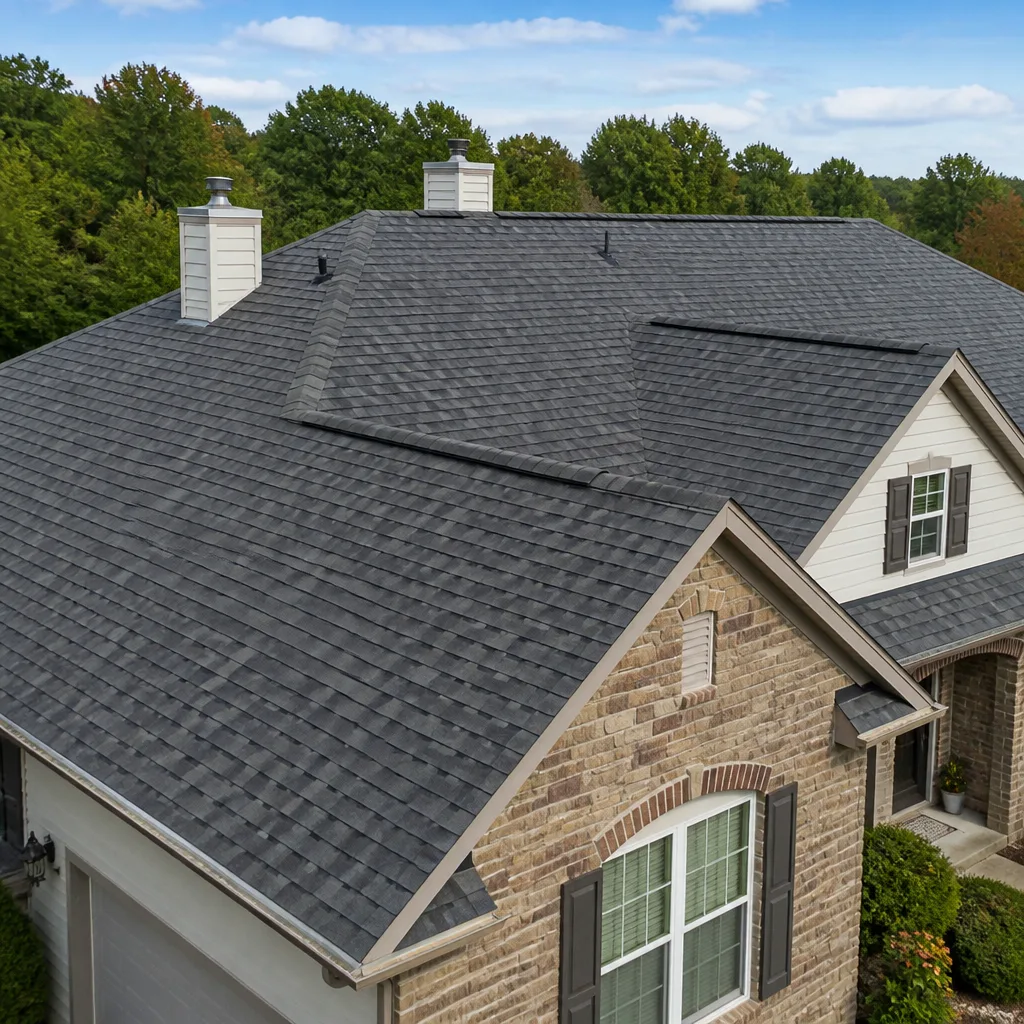
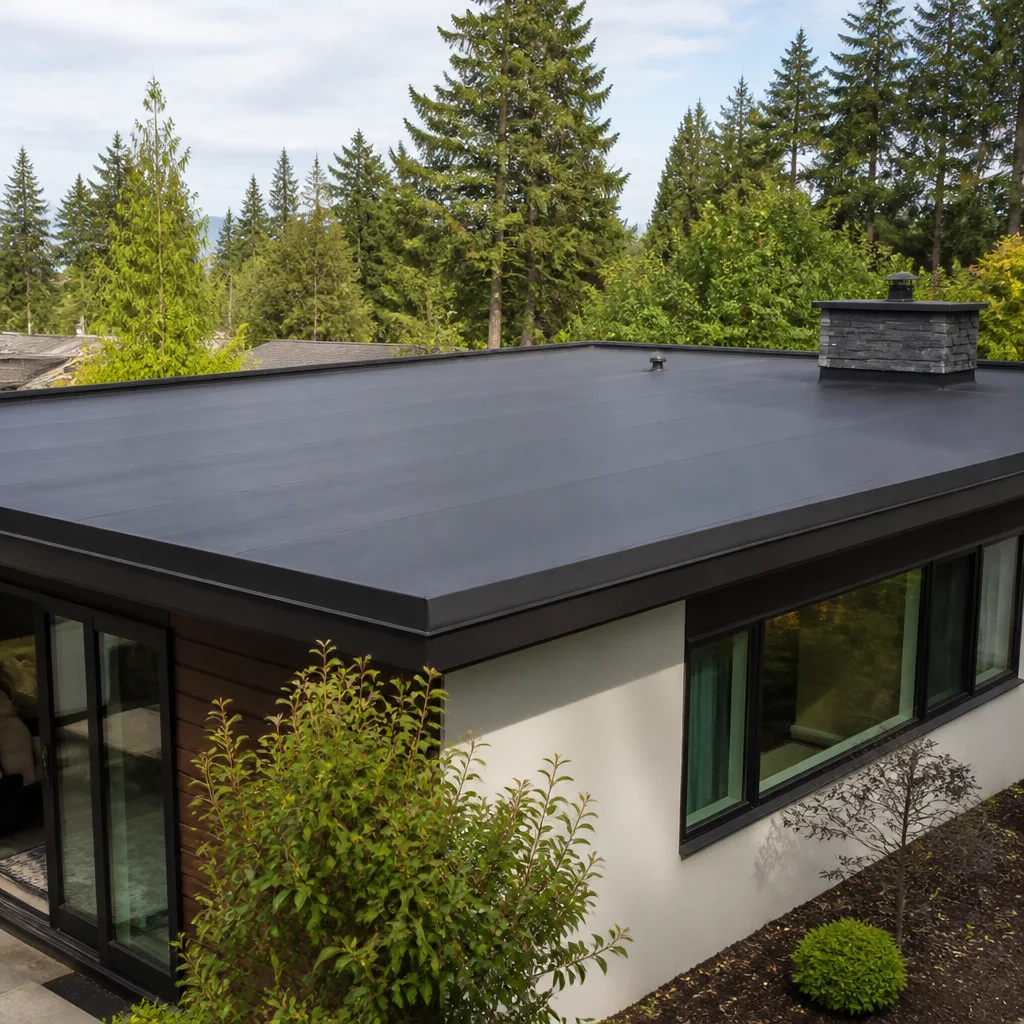
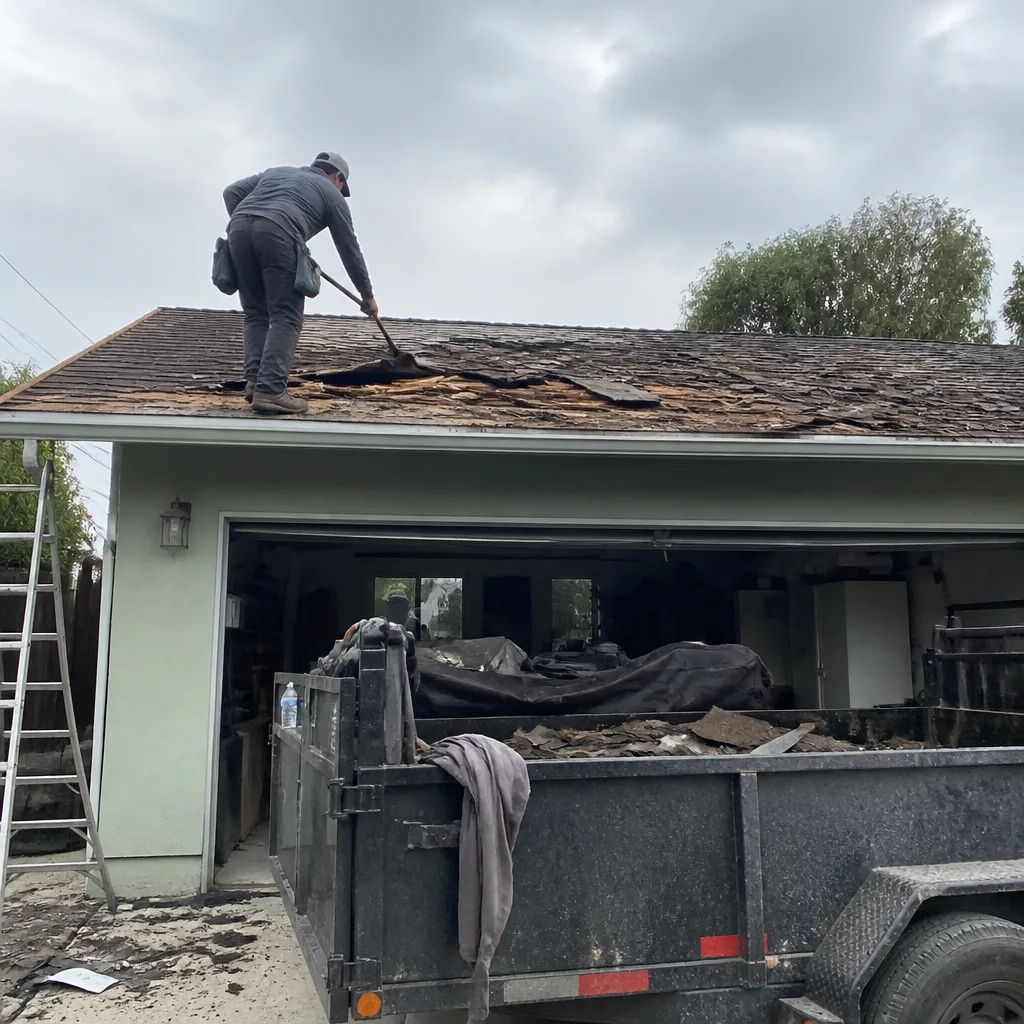 Before
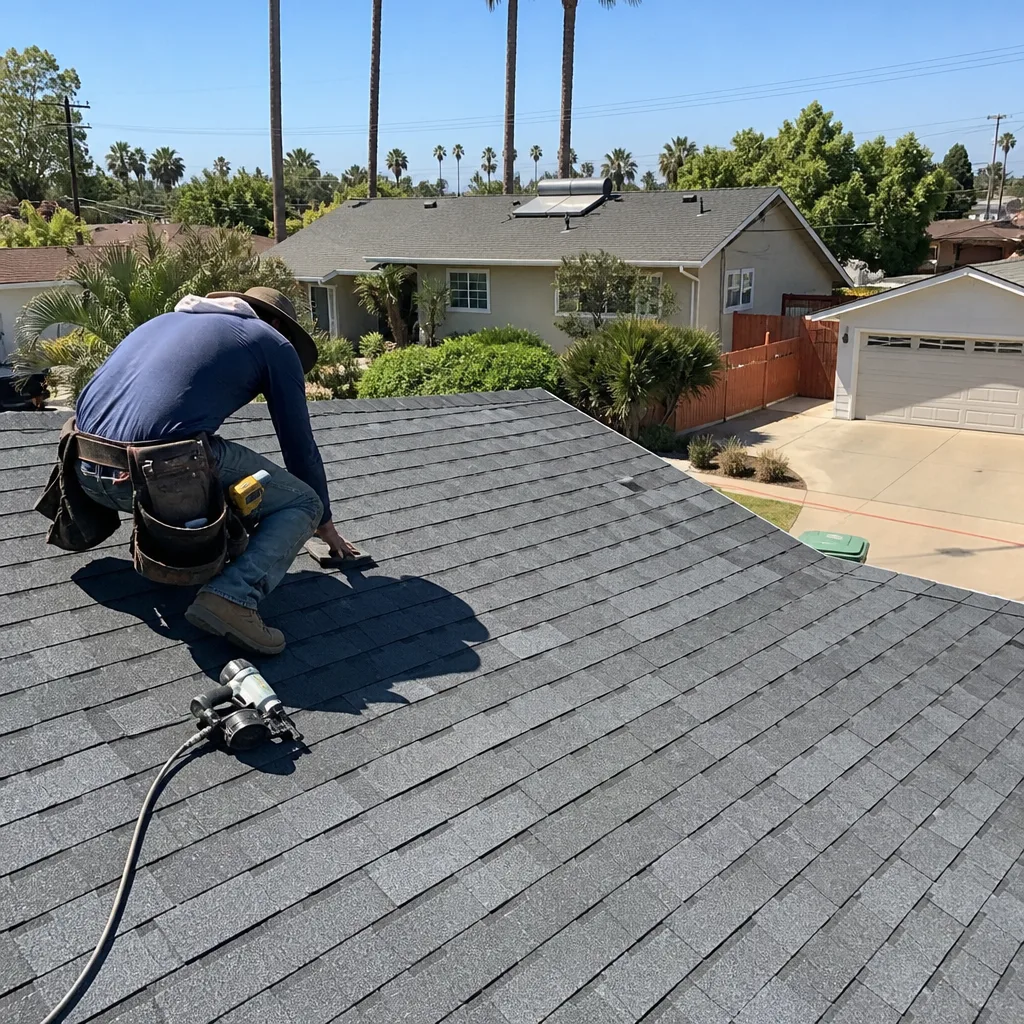 After
After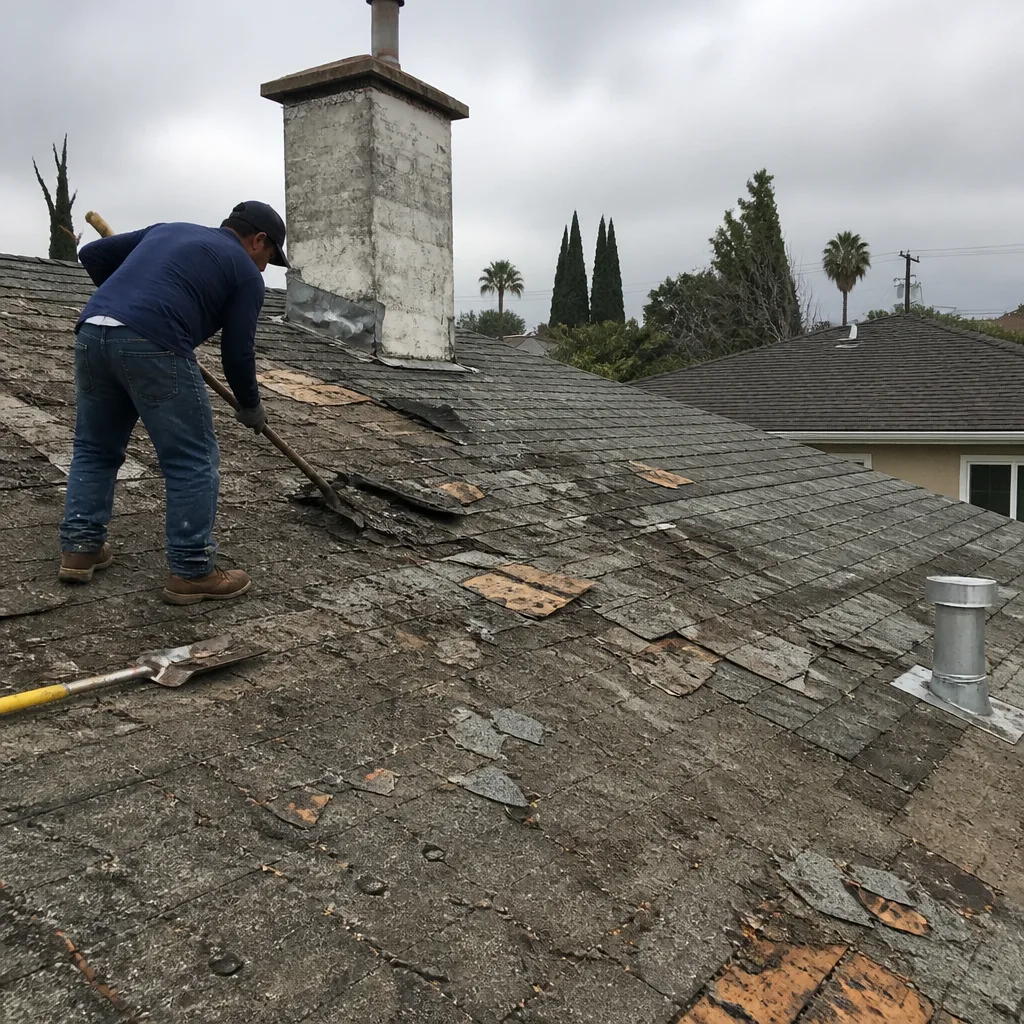 Before
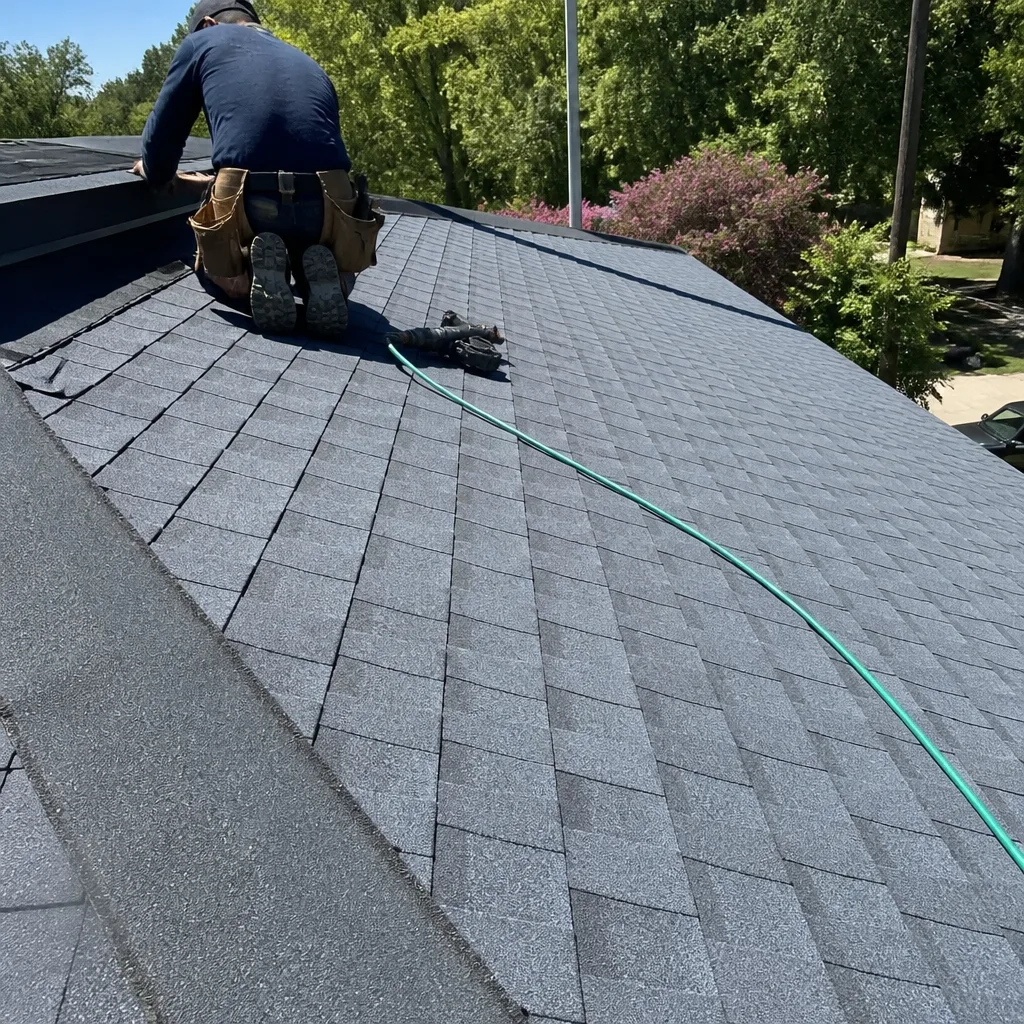 After
After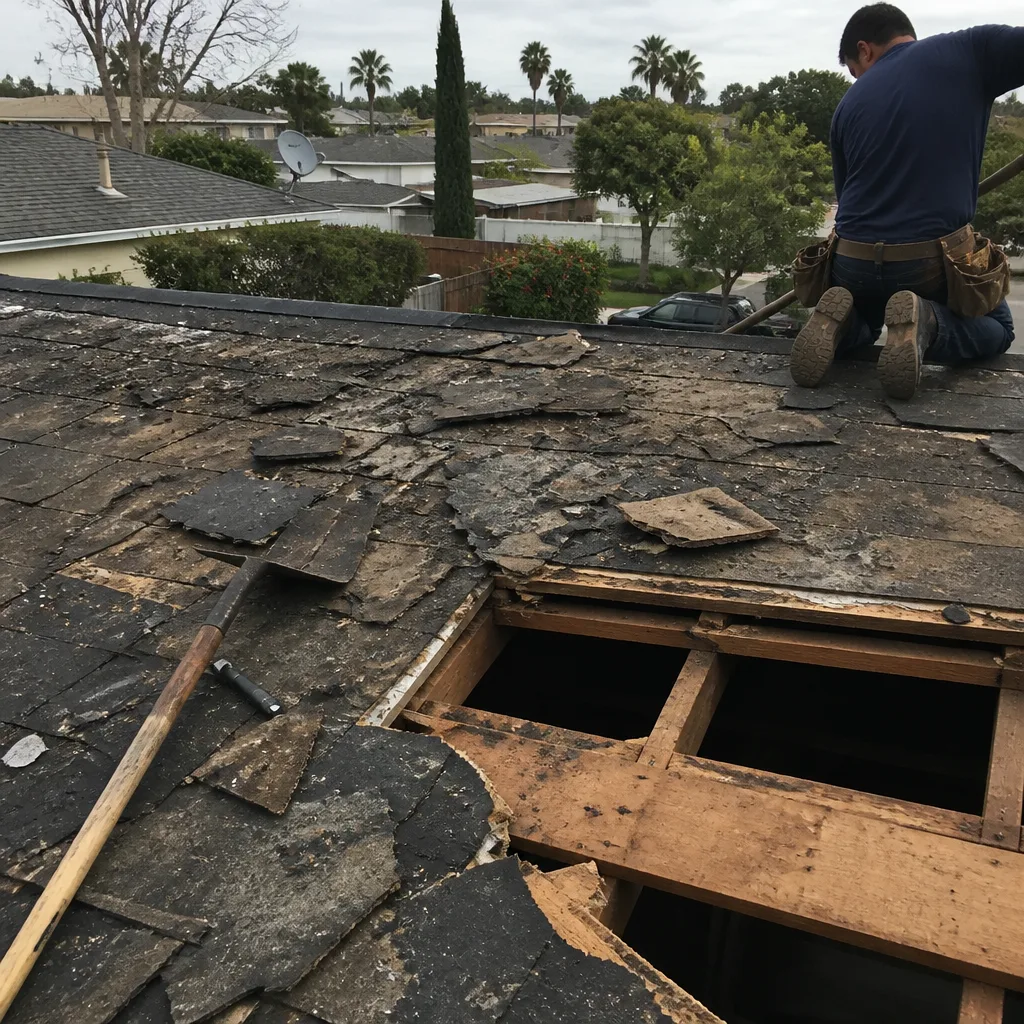 Before
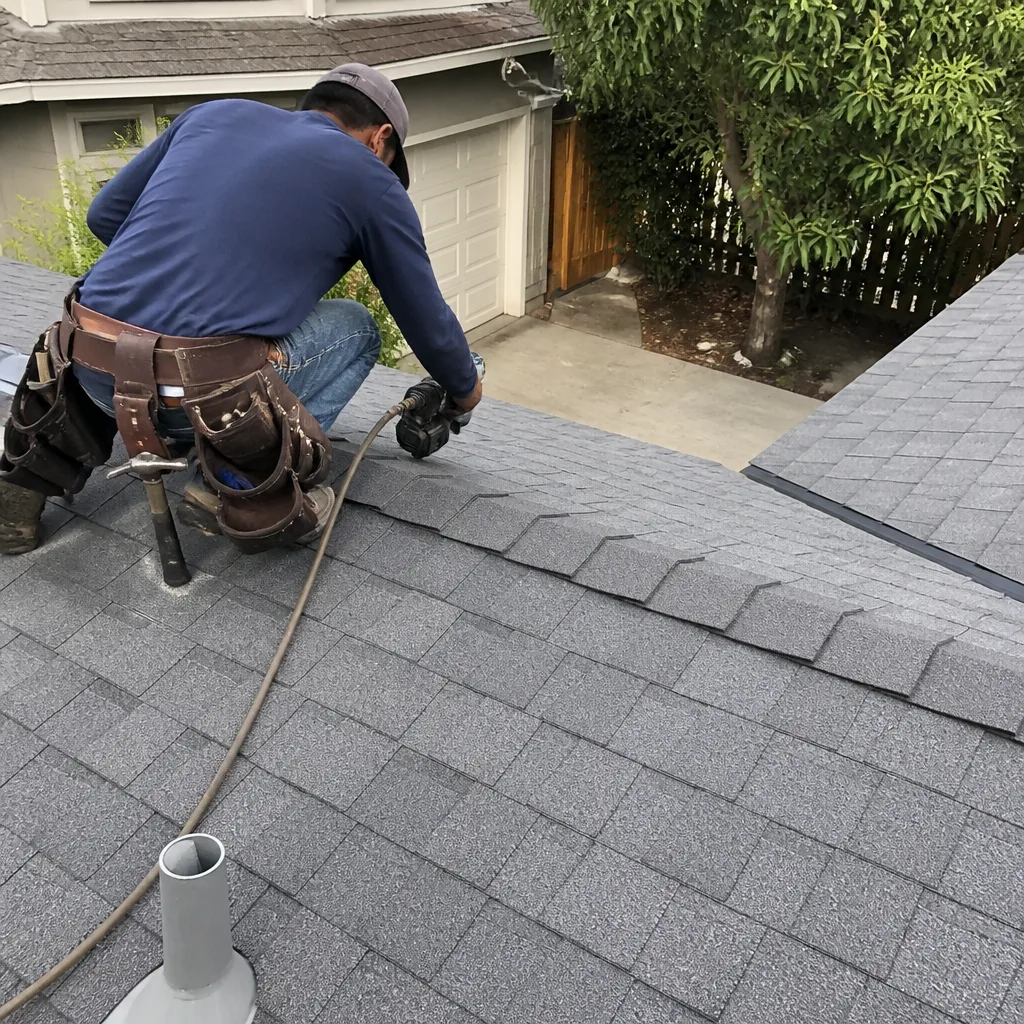 After
AfterThe Complete Roof Inspection Guide for Los Angeles Homeowners
Los Angeles roofs fail differently than roofs in Minnesota, Florida, or Texas. Our climate punishes roofing materials with months of relentless UV exposure and near-zero rain, then tests every weakened seam with sudden, concentrated downpours. A generic roof inspection checklist misses the damage pattern that actually kills roofs here. This guide covers the LA-specific failure points, the permit and escrow gaps that surprise homeowners, and how to read an inspection report that’s worth the paper it’s printed on.
Quick Answer
A proper Los Angeles roof inspection prioritizes flat and low-slope drainage, UV-brittle flashing sealants, cracked clay and concrete tile, and wildfire ember resistance at penetrations. Expect to pay $250 to $600 for a thorough inspection from a licensed roofer in Los Angeles, with detailed photo documentation tied to line-item findings. If you’re buying or selling a home, the inspection should also flag any unpermitted roof work that could stall escrow.
Table of Contents
- Why Los Angeles Roofs Fail the Way They Do
- How Much Does a Roof Inspection Cost in Los Angeles?
- The LA-Specific Inspection Checklist
- Inspection Priorities by Roof Type
- Neighborhood-Level Risk: Hillside vs. Valley vs. Coastal
- Permits, Codes, and the Escrow Gap
- How to Read a Roof Inspection Report
- Common Mistakes to Avoid
- When to Call a Professional
- Frequently Asked Questions
- The Bottom Line
Why Los Angeles Roofs Fail the Way They Do
The failure pattern in Los Angeles is counterintuitive. In most of the country, roofs die from water: rain, snow, ice dams, and the freeze-thaw cycle. Here, the primary killer is dry heat and ultraviolet radiation. A Los Angeles roof can go eight months without seeing meaningful rain, and during that stretch, the sun is working on it every single day.
UV radiation breaks down the molecular structure of asphalt-based sealants, rubberized membranes, and plastic flashing components. Sealant around pipes, vents, and skylights becomes brittle and starts to pull away from the surfaces it’s supposed to protect. Membrane edges curl. Plastic pipe boots crack. None of this leaks during the dry season, because there’s no water to find the gap. Then the first atmospheric river hits, and every one of those dry-season failures becomes a leak at the same time.
This is why inspection timing matters. An inspection done in September or October, before the rainy season begins, catches the cracks while they’re still early enough to repair cheaply. We’ve walked roofs in late September that looked fine to the homeowner but had sealant so brittle it crumbled under thumb pressure. By January, those same roofs were leaking into bedrooms.
Los Angeles also has what roofers call a “thermal cycling” problem. Daytime highs in the 80s and 90s followed by nighttime drops of 30 to 40 degrees cause roofing materials to expand and contract daily. Over a decade, that’s thousands of expansion cycles. Clay and concrete tile, in particular, develop hairline fractures from this cycling that aren’t visible from the ground and often aren’t visible at all until the tile is lifted or the crack opens wide enough to catch debris.
The takeaway: in Los Angeles, a roof that hasn’t leaked yet can still be one season away from failure. The inspection has to look for what the dry season did, not what the rain is doing right now.
How Much Does a Roof Inspection Cost in Los Angeles?
A professional roof inspection in Los Angeles typically costs between $250 and $600. The price depends on roof size, roof type, accessibility, and whether the inspector documents findings with photos.
Here’s a realistic breakdown of what you should expect to pay:
- Visual inspection, single-story, accessible roof: $200 to $350
- Visual inspection, two-story or steep pitch: $300 to $450
- Inspection with photo documentation and written report: $350 to $600
- Inspection with drone footage (common for tile roofs): $400 to $700
- Escrow inspection (time-sensitive, often within a 7-10 day contingency window): $300 to $500
Some roofing companies in Los Angeles offer free inspections, but the free version is usually a sales estimate dressed up as an inspection. A real inspection takes 1 to 2 hours, requires getting on the roof, and produces a written document. That work has to be paid for by someone. If it’s free, the company is paying for it with the expectation of selling you a roof. That doesn’t make the free inspection useless, but you should know what you’re getting.
At Brennan Roofing, every Roof Inspection in Los Angeles comes with a written report and photo documentation tied to each finding, plus a written price for any recommended work before anything starts. The inspection fee is not a deposit; it buys the report, and the report is yours to keep whether you hire us for repairs or not.
The LA-Specific Inspection Checklist
A good Los Angeles roof inspection follows a specific order of priority. Here’s what your inspector should be checking, and in what order.
- Drainage on flat and low-slope sections. LA has more flat and low-slope roofs than almost any major city in the country. On these roofs, standing water is the number one killer. Your inspector should check that every drain and scupper is clear of debris, that water isn’t ponding anywhere for more than 48 hours after rain, and that the slope still carries water toward the drains. Vegetation growth, accumulated debris, and sagging decking between rafters all indicate drainage failure.
- Flashing sealant condition. Flashing is the metal or membrane material that seals the joints where the roof meets a wall, chimney, pipe, or skylight. The sealant that bonds flashing to the roof surface is the most UV-vulnerable material on the roof. In LA, sealant that’s more than 5 to 7 years old is usually brittle, cracked, or separating. The inspector should physically touch and press each flashing point, not just look from the ground.
- Pipe boots and penetration collars. The rubber or plastic collars around plumbing vents, exhaust pipes, and electrical masts crack from UV exposure faster than almost anything else. A cracked pipe boot leaks directly into the attic or wall cavity. In our experience, pipe boots are the single most common source of “mystery leaks” in Los Angeles homes.
- Clay and concrete tile condition. Tile roofs in LA look permanent from the street, but tiles crack from thermal cycling, foot traffic, and falling branches. Cracked tiles let water reach the underlayment, which is the actual waterproof layer. If the underlayment is old, water reaches the decking. The inspector should walk the tile roof (or use a drone) to identify cracked, chipped, slipped, or missing tiles.
- Underlayment condition. The underlayment is the waterproof layer beneath tile, shingle, or metal roofing. On a tile roof in Los Angeles, the underlayment does the real waterproofing work, and it has a finite lifespan: usually 20 to 30 years for modern synthetic underlayment, less for older felt. If the tiles are fine but the underlayment is aged out, the roof is one cracked tile away from a leak. The inspector can’t always see the underlayment directly, but they can infer its condition from the roof’s age, visible felt at eaves and penetrations, and the condition of adjacent areas.
- Wildfire ember resistance at penetrations. In wildfire-prone parts of Los Angeles, the roof’s vulnerability isn’t just about leaks. Embers get into vents, gaps at the roof-to-wall junction, and open eaves. Your inspector should check that vent openings are screened, that the roof-to-wall junction is sealed, and that decking isn’t exposed at the eaves. This is a safety issue as much as a maintenance issue, and it’s one that generic national checklists almost always miss.
- Gutter and downspout function. In a city that goes months without rain, gutters fill with dust, leaves, and debris that hardens into a solid mass. When rain finally comes, clogged gutters overflow against the fascia and down the wall, causing damage that looks like a roof leak but isn’t. The inspector should verify that gutters are clear, pitched correctly, and discharging water away from the foundation.
The order matters. Drainage first, because on a flat roof, standing water destroys everything above it. Flashing and penetrations second, because they’re the most likely failure points. Tile and underlayment third. Ember resistance and gutters last, because they matter less for leaks but more for safety and long-term performance.
Inspection Priorities by Roof Type
Not all Los Angeles roofs need the same inspection. Here’s what matters most for each common roof type.
Flat and Low-Slope Roofs
Flat roofs are everywhere in Los Angeles, especially on mid-century homes in the Valley and on hillside homes that step down the slope. These roofs use built-up roofing (BUR), modified bitumen, or single-ply membranes like TPO or PVC. The inspection priority is drainage, membrane condition, and seam integrity.
Membrane seams fail slowly. The inspector should be looking for lifted seams, blisters, alligator cracking, and exposed reinforcement. On a BUR roof, the gravel or mineral surface should be intact; bare spots mean the UV protection is gone and the asphalt beneath is aging faster.
Clay and Concrete Tile Roofs
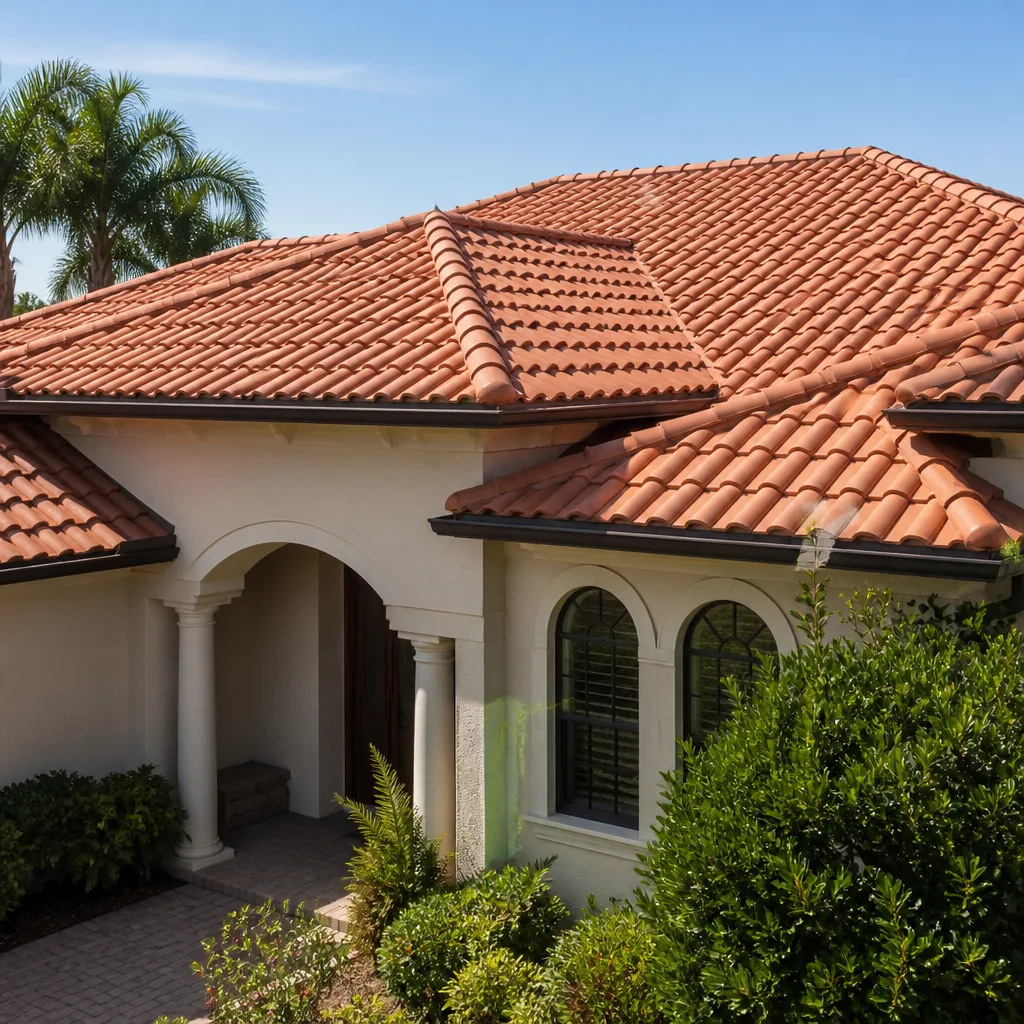
Tile roofs dominate Los Angeles, particularly in Spanish and Mediterranean-style homes from the 1920s onward. The tiles themselves last a long time, but they’re not the waterproof layer. The underlayment is. The inspection should focus on underlayment age and condition, cracked or slipped tiles, and the condition of the battens that hold the tiles.
A tile roof inspection should include at least a few tiles being lifted to check the underlayment directly. If the inspector never lifts a tile, they’re guessing.
Asphalt Shingle Roofs
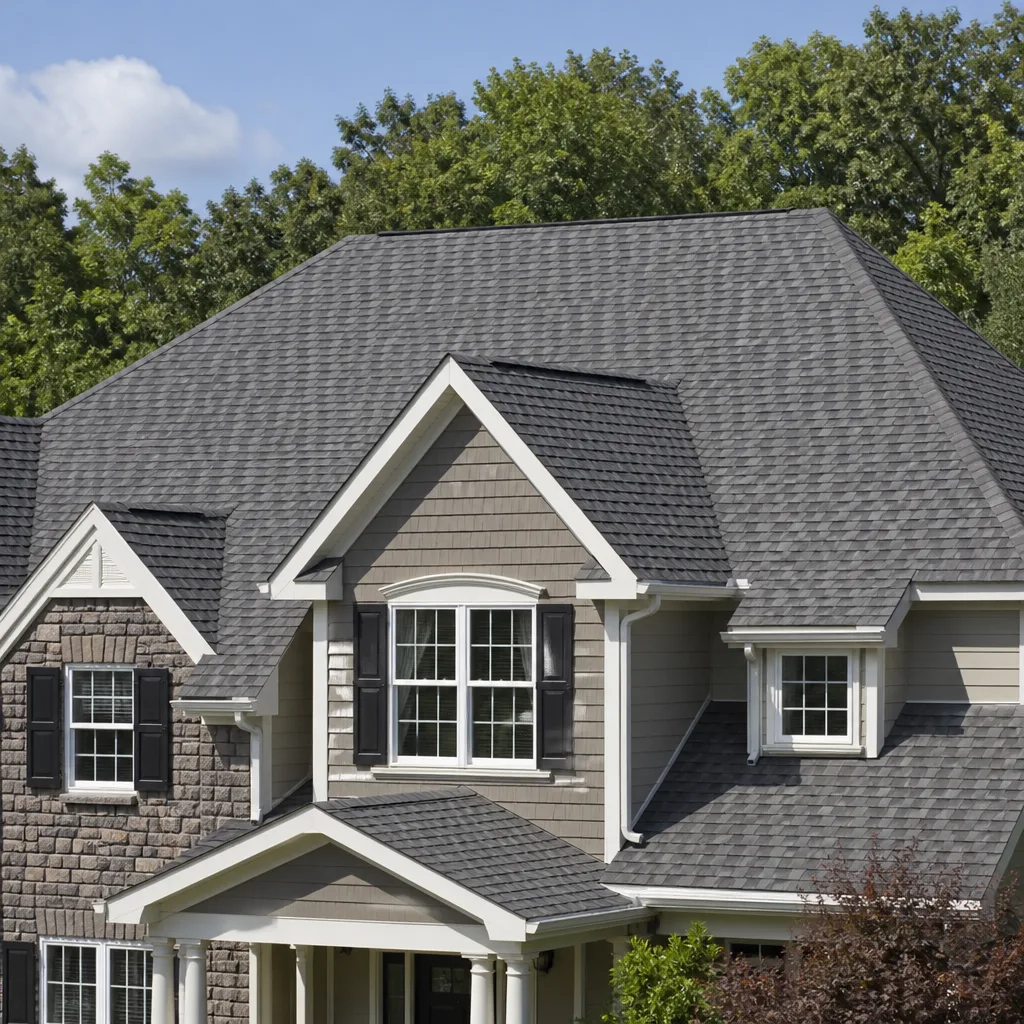
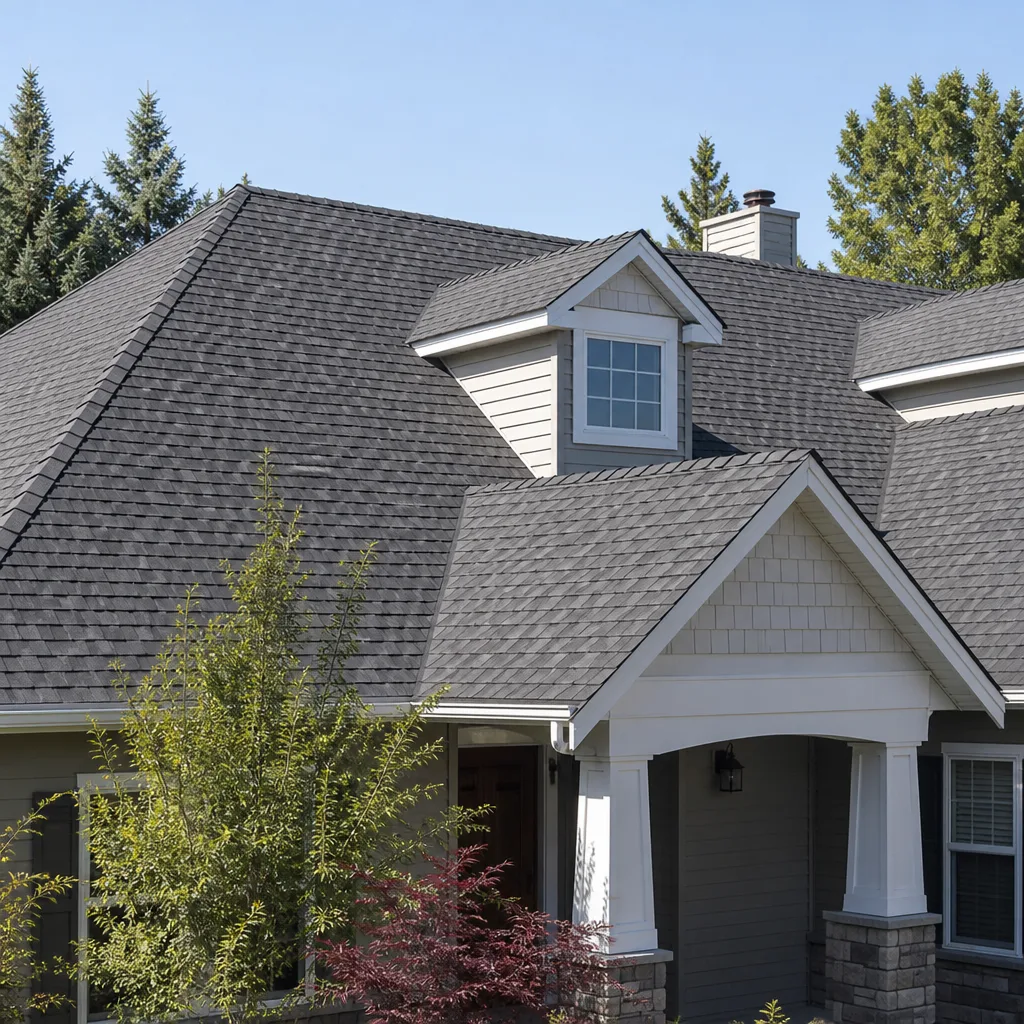
Asphalt shingle roofs are common on newer construction and on homes in the Valley where tile wasn’t required by HOA or architectural guidelines. In LA, shingles age out faster than their rated lifespan because of UV exposure. The inspector should look for granule loss, curling edges, and shingles that have become brittle enough to crack when lifted. Any shingle that can’t be lifted without breaking is end-of-life, regardless of how it looks from the street.
Metal Roofs
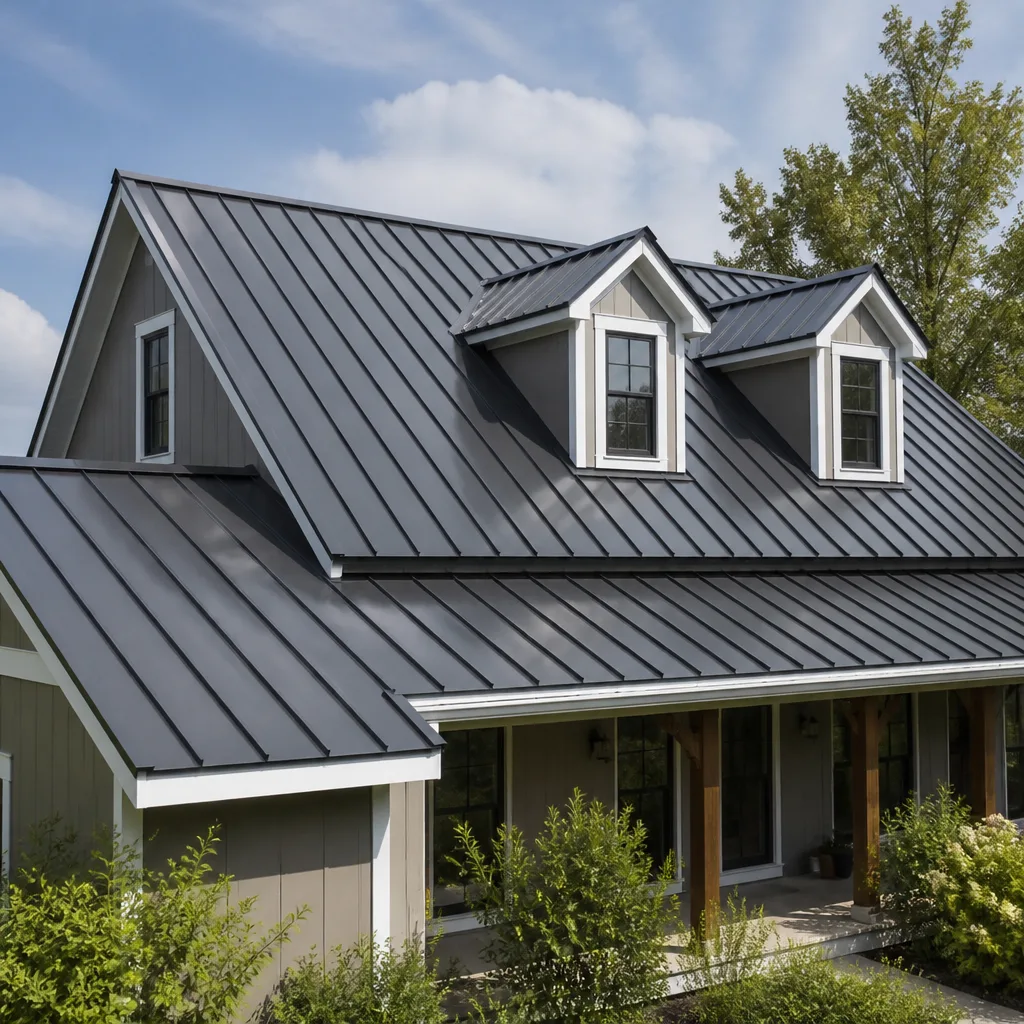
Metal roofs are less common in Los Angeles residential work but do appear on modern and hillside homes. The inspection priority is fastener condition and seam integrity at panel joints. Thermal cycling works screws loose over time. A metal roof inspection should include a fastener check at regular intervals, especially on roofs installed more than 10 years ago.
Neighborhood-Level Risk: Hillside vs. Valley vs. Coastal
Los Angeles is not one climate. The failure mode that dominates in Sherman Oaks is different from what dominates in San Pedro.
Valley Floor (Studio City, Encino, Woodland Hills, Northridge)
The San Fernando Valley gets the most extreme heat in LA. Summer temperatures regularly exceed 100 degrees, and the daily thermal swing can be 40 degrees or more. UV exposure is severe, and roof surfaces can reach 160 degrees on the hottest days. The primary failure mode in the Valley is sealant degradation and accelerated shingle aging. Valley roofs should be inspected for UV brittleness more aggressively than coastal roofs. If you own a home in Woodland Hills or Northridge, consider inspections every 2 years instead of every 3 to 5.
Coastal (Santa Monica, Playa del Rey, San Pedro, Pacific Palisades)
Coastal Los Angeles has cooler temperatures but more moisture in the air, plus salt and fog. The failure mode here is corrosion and biological growth. Metal flashing corrodes faster, fasteners rust, and algae and moss grow on shingles and tiles where they rarely do inland. Coastal inspections should focus on flashing corrosion, fastener condition, and any sign of organic growth that’s trapping moisture against the roof surface.
Hillside (Hollywood Hills, Mount Washington, Laurel Canyon, Bel Air)
Hillside homes in Los Angeles face three compounding problems: steep slopes that make drainage aggressive, wildfire ember exposure, and wind. Wind-driven rain hits hillside roofs from angles that flat, valley roofs never experience. The inspection priority on hillside homes is wind-driven rain resistance at roof-to-wall junctions, ember-resistant venting, and tile and shingle securement against uplift. We’ve seen hillside homes where the roof looked fine from the street but had wind-blown debris packed against the upslope side of the roof, holding moisture against the flashing for months.
Permits, Codes, and the Escrow Gap
Here’s the gap that surprises Los Angeles homeowners during escrow: a standard roof inspection does not verify permit compliance, and many LA roofs have unpermitted work.
Los Angeles requires permits for roof replacement and for certain repairs that involve structural work or a change in roofing material. A homeowner who has a new roof installed without a permit might save money in the short term, but that unpermitted roof becomes a problem when the home goes up for sale. Insurers can decline to cover a home with an unpermitted roof, and lenders can stall escrow over it.
A standard roof inspection tells you whether the roof is functional. It does not tell you whether the roof was permitted. That’s a separate check, and it’s one your roofer should flag. If a roof looks newer than the home’s permit history suggests, the inspector should say so in the report.
The other LA-specific code consideration is wildfire safety. Chapter 7A of the California Building Code applies to homes in designated Wildland-Urban Interface zones, which includes large parts of the Santa Monica Mountains, the Verdugo Hills, and the foothills of the San Gabriels. A home in a WUI zone is required to have a Class A roof assembly. If the roof was replaced before Chapter 7A took effect or with non-compliant materials, it may not meet current code. An inspection should identify the roof’s fire classification and note whether it appears to meet current WUI requirements.
How to Read a Roof Inspection Report
A credible Los Angeles roof inspection report is not a paragraph that says “roof is in fair condition.” It’s a structured document that ties each finding to a specific location, a photo, and a recommended action.
Here’s what the report should include:
- Photo documentation tied to line items. Each finding should have a photo with a location reference, so you can look at the exact spot the inspector saw. If the report doesn’t include photos, ask for them. Any inspector who was actually on the roof should be able to provide them.
- A severity rating for each finding. Not every issue needs immediate repair. The report should distinguish between “monitor,” “repair this season,” and “repair before the next rain.”
- Evidence of what the inspector physically did. Did they walk the roof? Lift tiles? Test sealant? The report should say so. An inspection done from the ground with binoculars is not a roof inspection.
- A clear statement of what the inspector could not see. Some areas of every roof are inaccessible or obscured. The report should say what wasn’t inspected and why.
- The age of the roof and an estimated remaining lifespan. If the inspector can determine or estimate the roof’s age, the report should include it along with an estimated lifespan for the roof type.
- Drainage observations. The report should note whether drainage is functioning, where water ponds, and whether drains were clear at the time of inspection.
If a report gives you a one-paragraph summary and a price to replace the roof, it’s a sales document. A real inspection report gives you enough to make a decision, even if that decision is to get a second opinion.
Common Mistakes to Avoid
- Skipping the inspection because the roof “looks fine.” In Los Angeles, the damage that matters is often invisible from the ground and invisible from inside the house. Dry-season UV damage doesn’t announce itself until the first heavy rain. By then, you’re dealing with a leak and a drywall repair, not just a roof repair.
- Hiring an inspector who doesn’t get on the roof. A ladder against the gutter and a look from the driveway is not a roof inspection. The inspector needs to be on the roof surface, testing sealant, lifting tiles, and checking drainage.
- Treating a free “inspection” from a salesperson as equivalent to a paid inspection. A free inspection is a sales tool. The goal is to sell you a roof, not to give you an honest document of your roof’s condition. Paid and free inspections can both be useful, but they serve different purposes. Know the difference.
- Waiting until escrow to inspect. In a competitive Los Angeles market, buyers sometimes skip the roof inspection to make their offer more attractive. That decision can cost $15,000 to $30,000 for a roof replacement that wasn’t factored into the purchase price.
- Not checking permit history alongside the inspection. An inspection tells you the roof’s condition. It does not tell you whether the roof was replaced with permits. If you’re buying, pull the permit history separately.
- Ignoring minor sealant cracks because “the roof isn’t leaking.” Sealant cracks are the cheapest roof fix you’ll ever get. Ignoring them is how a $400 repair becomes a $2,200 drywall and insulation job, plus the roof work.
- Inspecting in the middle of summer and expecting the report to carry through the winter. An inspection done in July tells you the roof’s condition in July. By December, four more months of UV and thermal cycling have happened. If the inspection is more than a few months old and rain is coming, verify the critical points again.
When to Call a Professional
Call a professional if you see water stains on your ceiling, even if they’re small and dry. Call if you can see lifted or cracked flashing from the ground, if granules are collecting in your gutters, or if your roof is more than 15 years old and hasn’t been inspected in the last 3 years. Call if you’re buying or selling a home and need a documented inspection for escrow. Call if your home is in a WUI zone and you don’t know the roof’s fire classification. And call if you’re not comfortable climbing a ladder; roof inspection is dangerous work and it’s not worth the risk.
At Brennan Roofing, we provide Roof Repair in Los Angeles and full roof inspections with written reports, photo documentation, and a written price for any recommended work before anything starts. Call (361) 320-9467 to schedule a free estimate. Our technicians are background-checked, uniformed, and work to the same standard on every job: written price first, work done right, and a full-year written guarantee.
Frequently Asked Questions
How much does a roof inspection cost in Los Angeles?
A roof inspection in Los Angeles typically costs between $250 and $600, depending on roof size, type, and whether photo documentation is included. A simple visual inspection on an accessible single-story roof runs $200 to $350, while a documented inspection with photos and a written report on a two-story or tile roof runs $350 to $600. Free inspections are usually sales estimates, not independent assessments. Call (361) 320-9467 to schedule an inspection with a written report.
How often should I have my roof inspected in Los Angeles?
In Los Angeles, most roofs should be inspected every 2 to 3 years. Homes in the Valley, where heat and UV exposure are most extreme, should be inspected every 2 years. Homes in coastal areas, where salt and moisture accelerate corrosion, should also be inspected every 2 to 3 years. If your roof is more than 15 years old, or if you’re in a wildfire zone, consider annual inspections.
What’s the difference between a roof inspection and a roof estimate?
A roof inspection tells you what condition your roof is in and what needs attention. A roof estimate tells you what it will cost to fix or replace it. A professional inspection should produce a written report with photos and findings. An estimate should produce a written price. At Brennan Roofing, the written price comes before any work starts, and it does not change at the door.
Does a roof inspection check for permits?
Most standard roof inspections do not verify permit compliance. The inspector can note whether the roof appears newer than the home’s permit history suggests, but permit verification is a separate records check. If you’re buying a home in Los Angeles, check the permit history for the roof in addition to getting an inspection. Unpermitted roof work can stall escrow and complicate insurance.
Can I inspect my own roof?
You can observe your roof from the ground and check for obvious signs like missing tiles, lifted flashing, and granule collection in gutters. But walking a roof is dangerous, especially on steep pitches and two-story homes. A professional inspector tests sealant by hand, lifts tiles to check underlayment, and verifies drainage in ways you can’t safely do. Falls from roofs are a leading cause of serious injury. This is work for a trained professional with safety equipment.
What should I do if my inspection report finds problems?
If the report finds problems, get a written repair estimate that addresses each finding line by line. Don’t accept a single lump-sum price that doesn’t tell you what’s being fixed. The estimate should reference the inspection report and price each repair item separately. At Brennan Roofing, we provide line-item written pricing for every repair recommendation, so you know exactly what each finding costs to fix. Call (361) 320-9467 for an exact quote.
The Bottom Line
A roof inspection in Los Angeles is not a generic checklist exercise. It’s a diagnostic process that has to account for UV aging, thermal cycling, flat-roof drainage, tile underlayment, and wildfire code requirements that don’t show up on national checklists. The inspection is worth paying for, it should produce a written report with photos, and it should tell you what to fix, when to fix it, and what it will cost. In a city where the dry season hides the damage that the wet season exposes, the inspection is how you find problems before they find you.
Written by Travis Oakley, Owner at Brennan Roofing, serving Los Angeles since 2000.