
Last updated October 9, 2026
Free roof inspection with deck photos before we talk money - GAF and Owens Corning certified installation
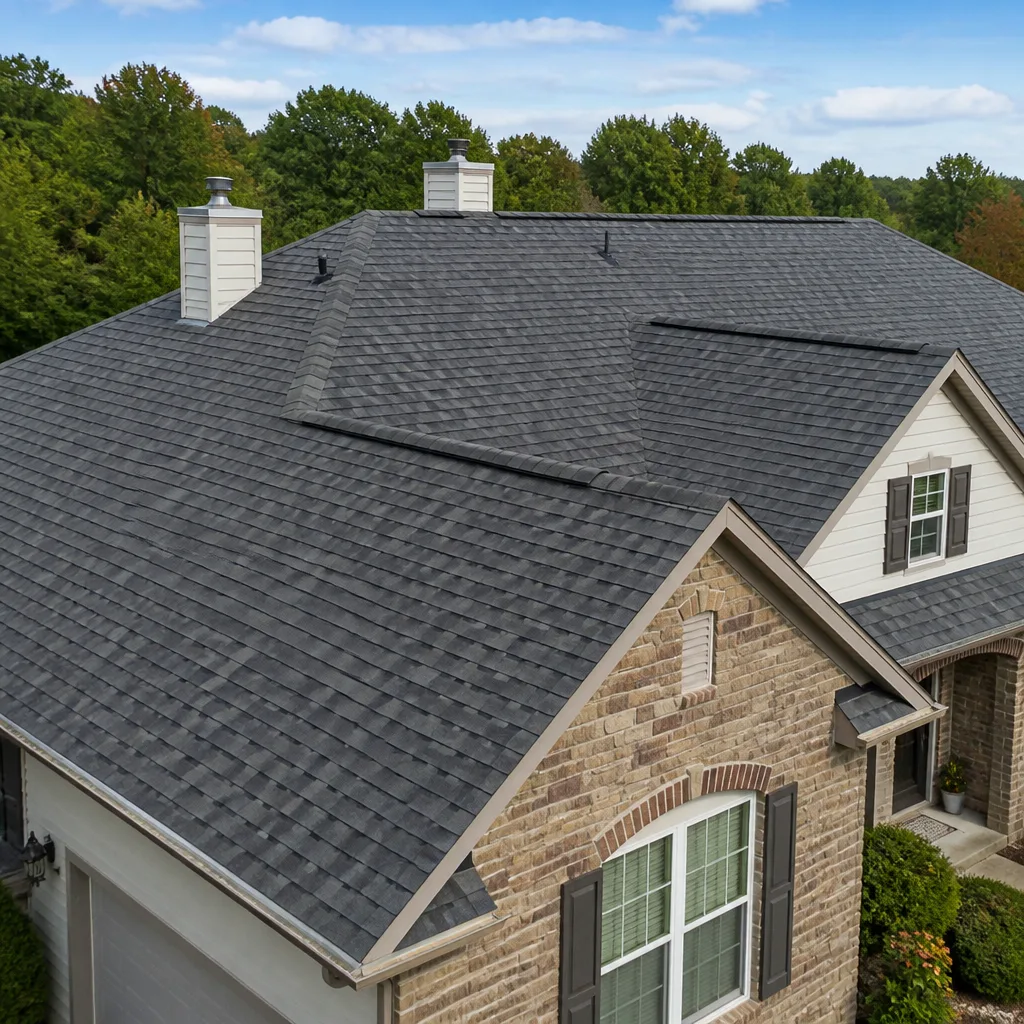
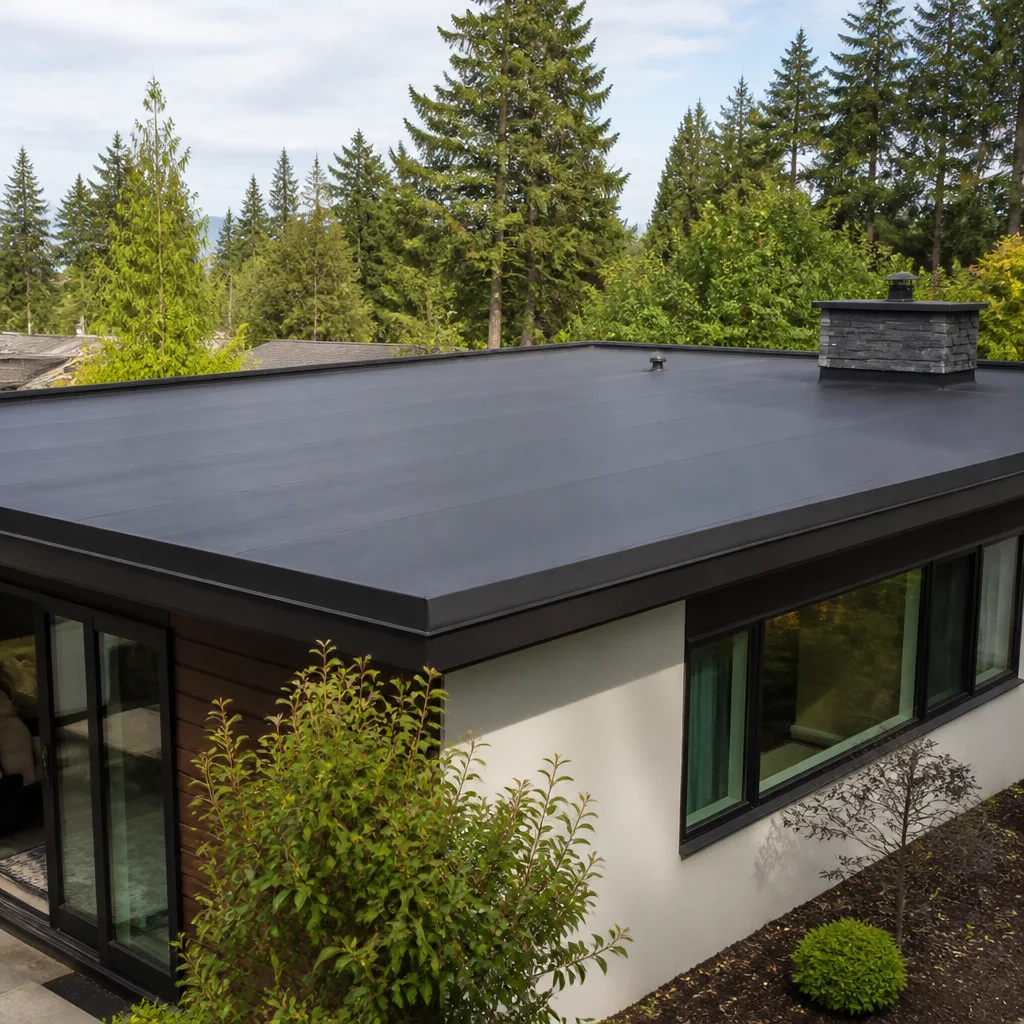
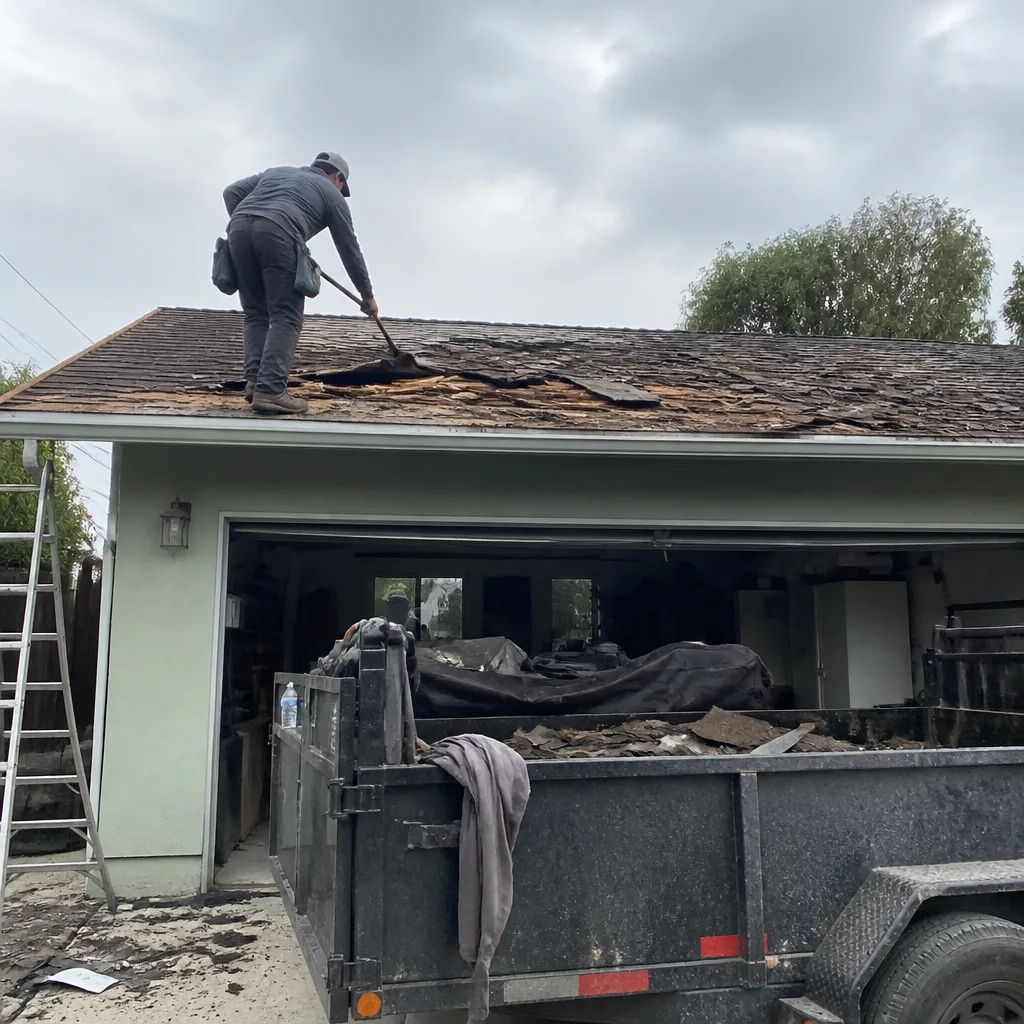 Before
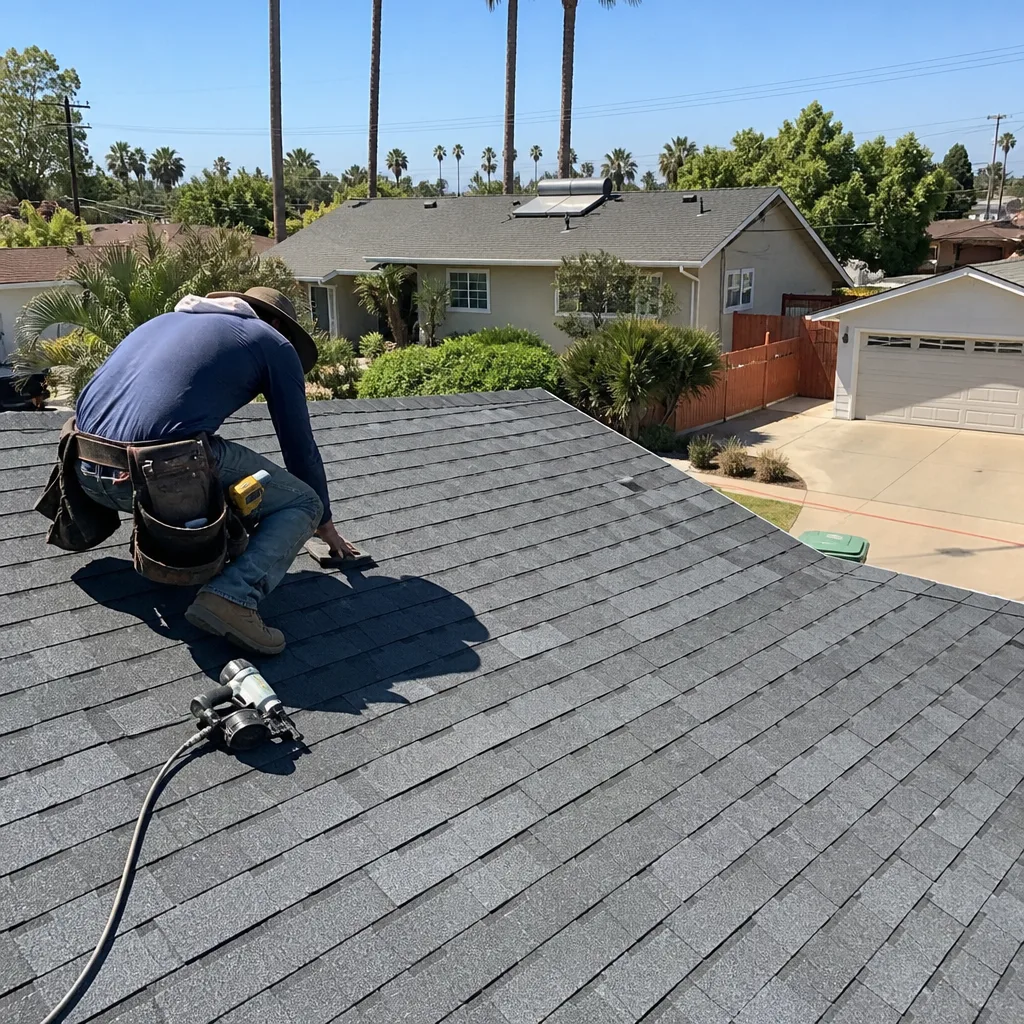 After
After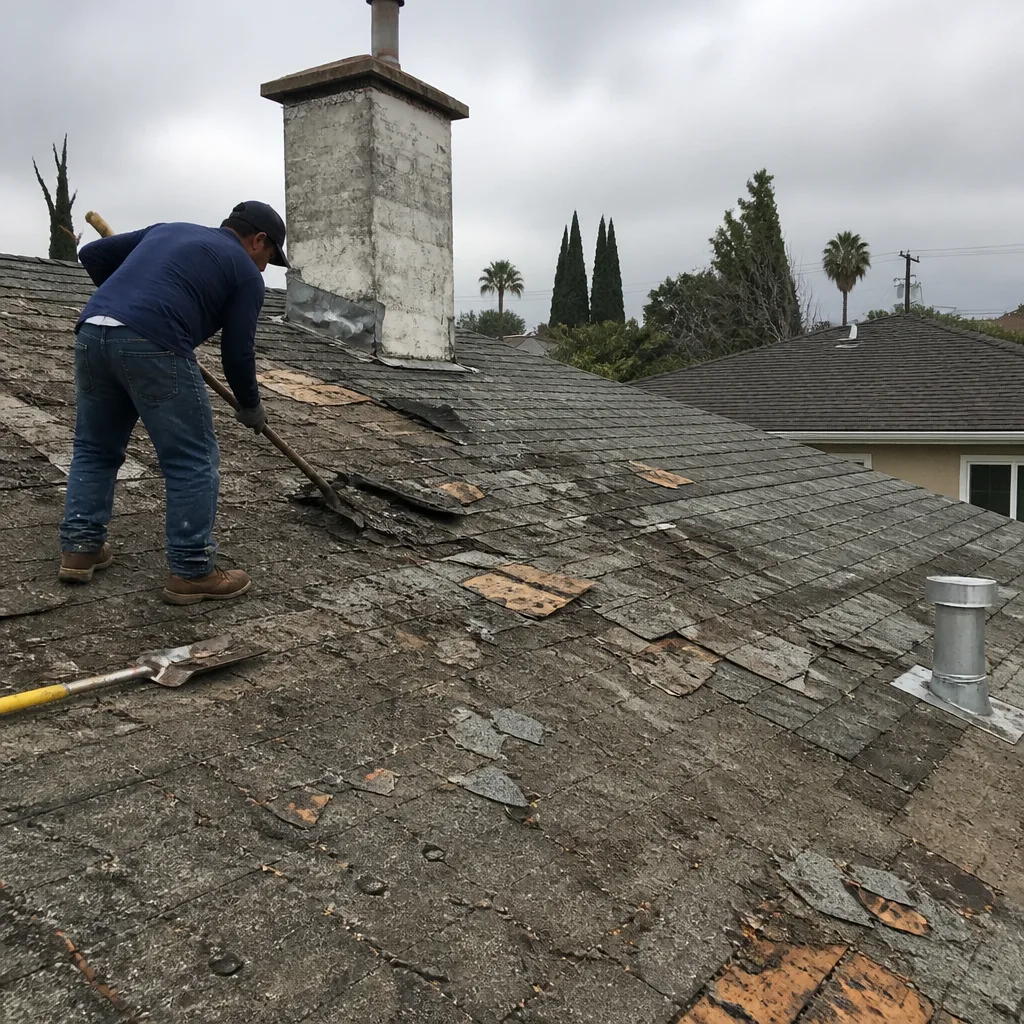 Before
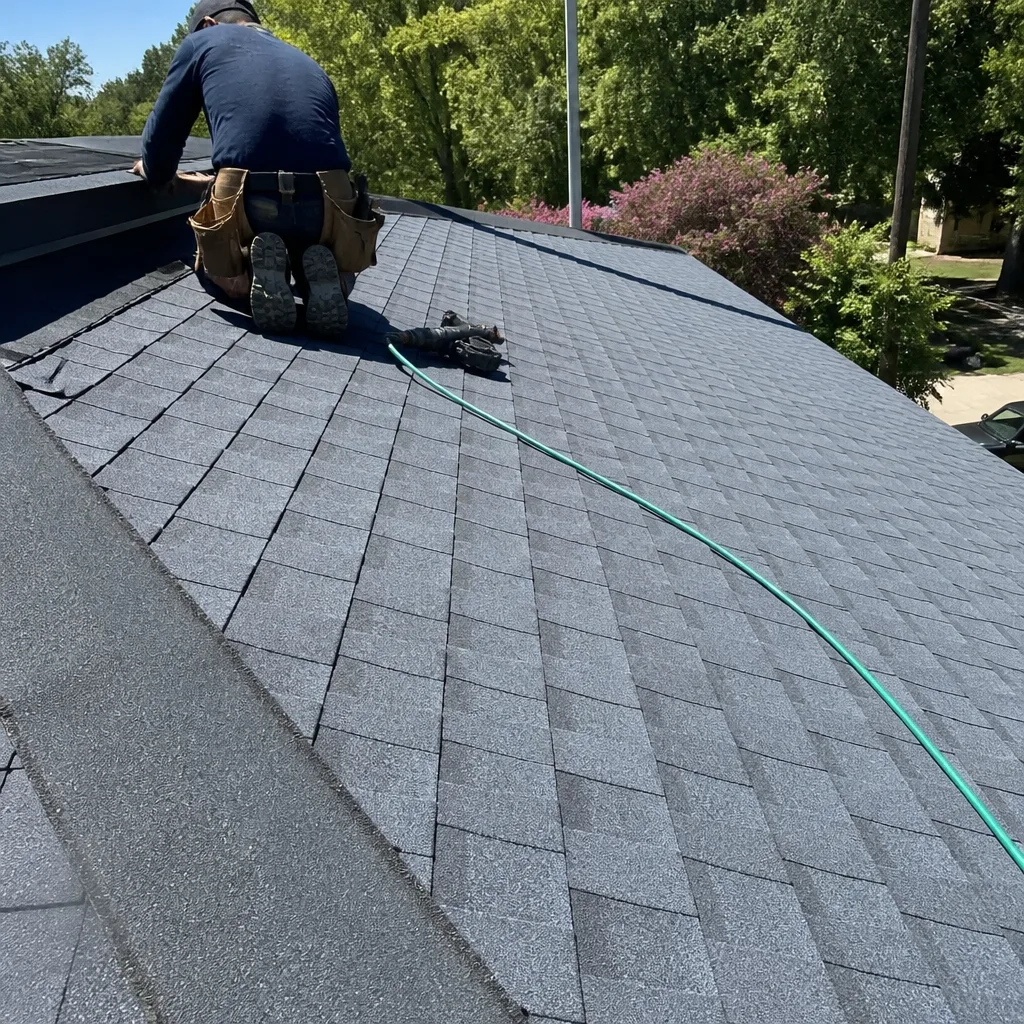 After
After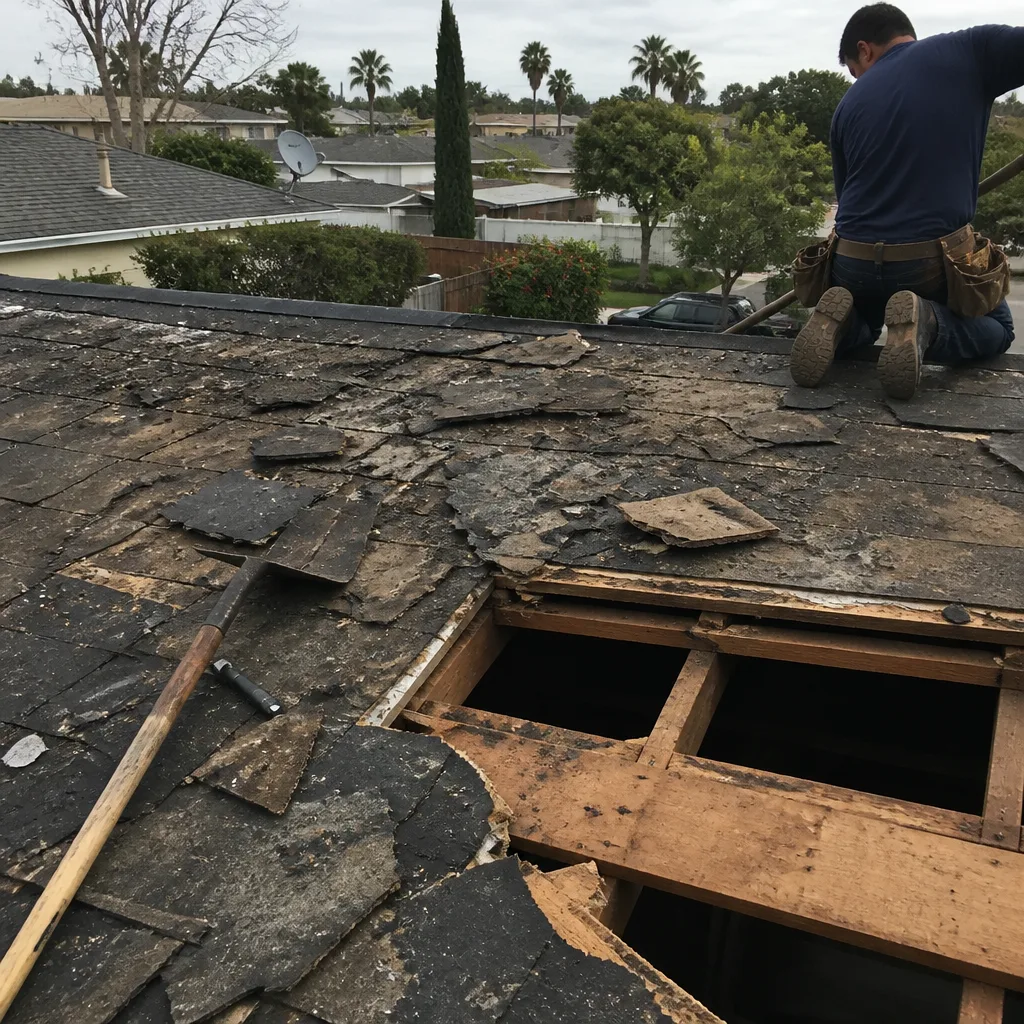 Before
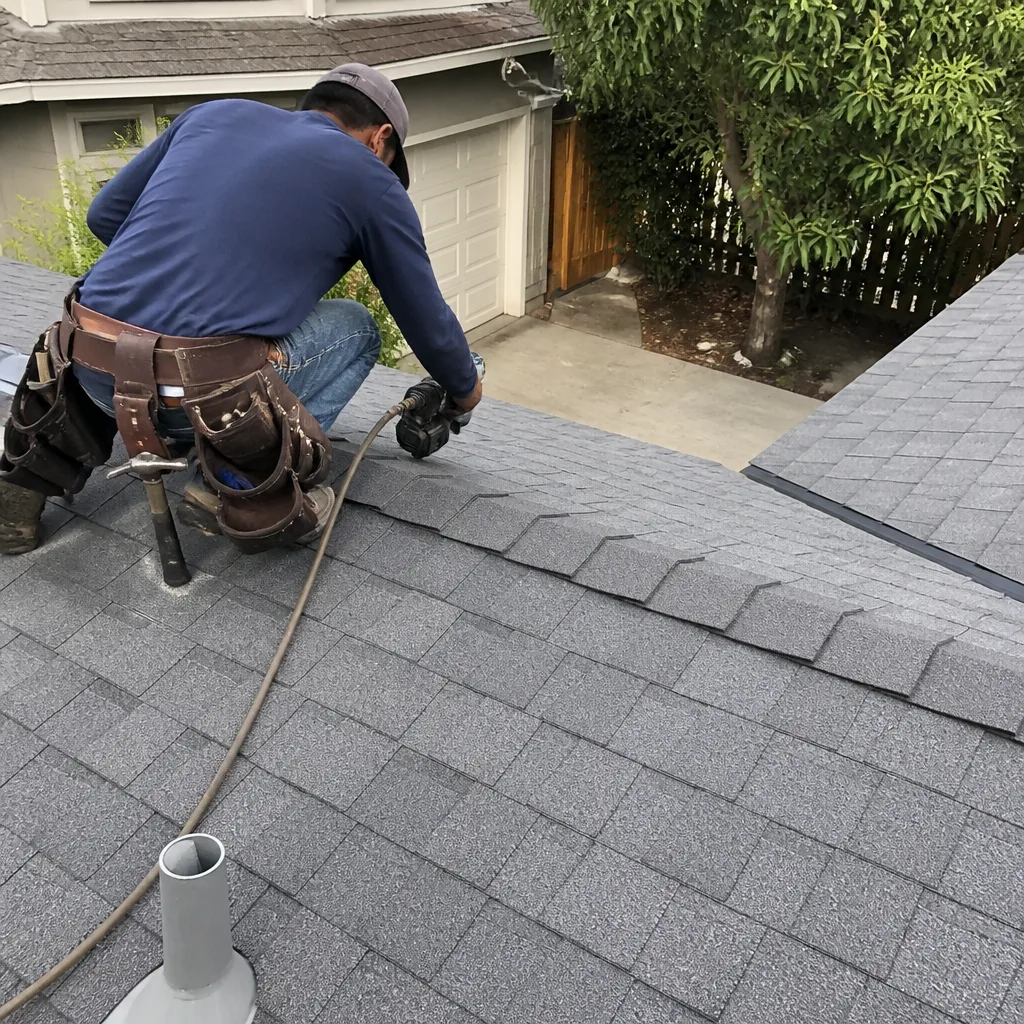 After
AfterThe Complete Roof Repair Guide for Los Angeles Homeowners
Most roof repairs in Los Angeles that fail within a year weren’t done wrong. They were scoped wrong. The leak came back because the roofer fixed what was visible, not what was actually failing. LA’s housing stock skews heavily toward specific materials: clay tile, built-up tar, modified bitumen, and elastomeric coatings. These roof systems fail in predictable ways, and the repair approach that works on a wood shingle roof in Oregon doesn’t transfer. This guide covers diagnosis, correct Roof Repair scope, and realistic costs for each common Los Angeles roof type, so you can hire with a clear head and a written scope that holds up.
Quick Answer
Roof repair in Los Angeles typically costs between $350 and $1,800 depending on roof type, damage location, and whether flashing or underlayment is involved. Clay tile repairs run $300 to $900 per section, flat roof patches run $500 to $1,400, and asphalt shingle repairs run $350 to $800. The repair is only as good as the scope: a written scope that names specific materials and addresses the underlying cause, not just the visible damage, is what separates a repair that lasts five years from one that fails next winter.
Table of Contents
- Understanding Major LA Roof Types
- How to Scope a Repair Correctly
- Real Roof Repair Costs in Los Angeles
- Repair vs. Replacement: The Thresholds That Matter
- Title 24 and Cool Roof Requirements
- What a Written Repair Scope Should Include
- The Repair Process, Step by Step
- Common Mistakes to Avoid
- When to Call a Professional
- Frequently Asked Questions
Understanding Major LA Roof Types
Los Angeles roofs fall into three broad families, and each one fails, ages, and repairs differently. Knowing which family you’re in changes how you should think about the repair. A homeowner in Sherman Oaks with clay tile has a completely different decision tree than someone in Westchester with a flat tar-and-gravel roof. Here’s what actually sits on LA roofs.
Clay Tile: Broken, Slipped, or Flashing
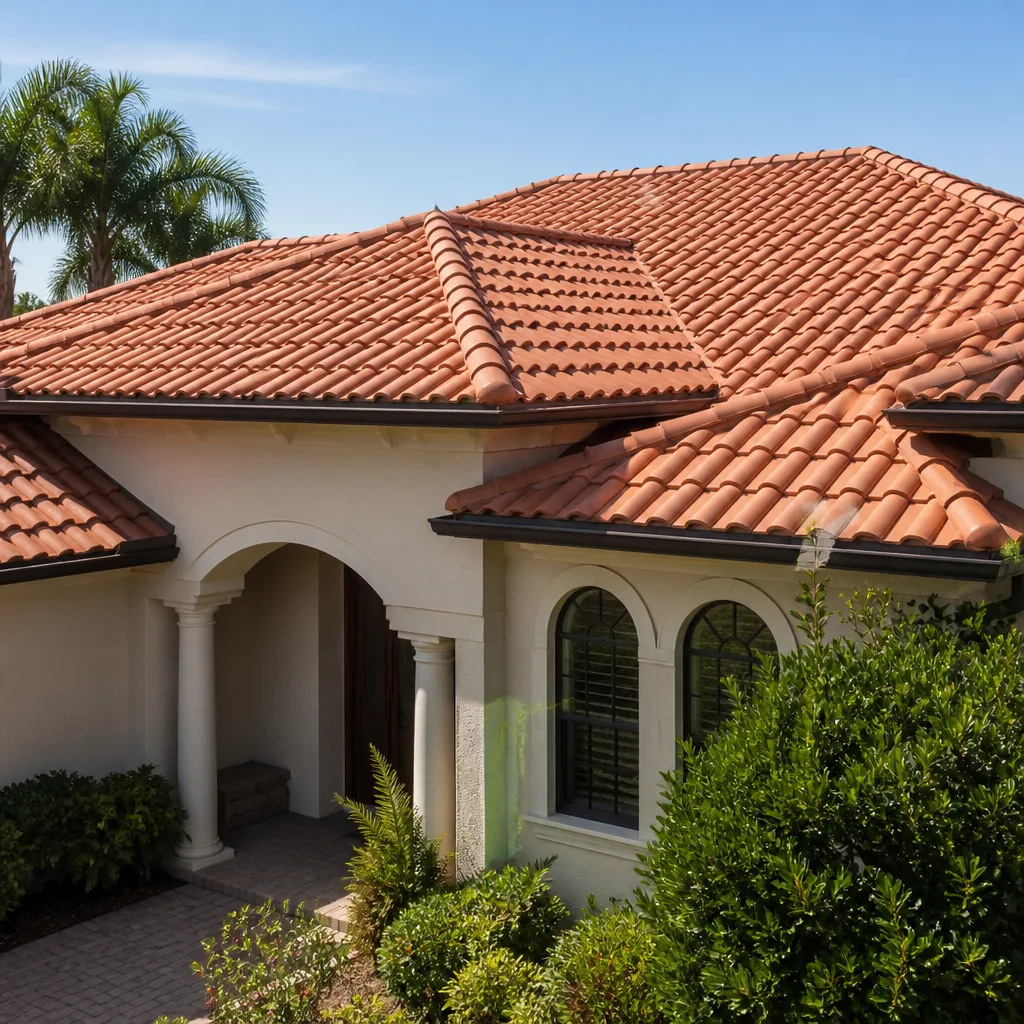
Clay tile dominates the older hillside neighborhoods: Los Feliz, Silver Lake, parts of Pasadena-adjacent LA, and the canyons. These roofs last 50 to 100 years on the tile itself, but the underlayment beneath typically fails after 20 to 30 years. That’s the key insight: a clay tile roof is a two-layer system, and the tile is the less important layer. The underlayment is the waterproofing. The tile is just ballast and UV protection.
Three distinct failure modes define clay tile repair:
- Broken tile: The most visible and least serious. A cracked or shattered tile lets water hit the underlayment directly. If the underlayment is still sound, this is a simple swap. $300 to $500 for a small section.
- Slipped tile: This is more serious. A slipped tile means the fastening system has failed or the decking below has moved. Walking a clay tile roof to fix a slipped tile can crack more tiles if done wrong. If tiles are slipping in one area, expect a scope that includes removing and resetting the surrounding field.
- Flashing failure: This is where most clay tile leaks actually originate. The tile itself rarely leaks. The flashing where the roof meets a chimney, a wall, or a valley does. In our experience across Los Angeles, a majority of clay tile leaks we’re called for trace back to corroded or poorly set flashing, not the tile.
Flat Modified Bitumen: Blisters, Seams, and Drains
Much of Los Angeles’s mid-century housing stock, from the Valley to Culver City, has flat or very low-slope roofs. The material is typically modified bitumen, often mistaken for “tar.” A mod-bit roof is composed of asphalt-based sheets that are either torch-applied, self-adhered, or hot-mopped. The sheets overlap at seams, and the seams are where the system lives or dies.
Common flat roof failures in LA:
- Blisters: Bubbles in the membrane where trapped moisture or air expands under heat. Los Angeles heat accelerates this. A blister is not always a leak, but it is a weak point waiting to become one. Blister repair is localized and tends to hold if the surrounding seams are sound.
- Seam separation: The most common cause of flat roof leaks. Seams fail because of thermal cycling: LA roofs regularly swing 40 to 50 degrees between night and midday. Seams pull apart, and water finds the gap. This repair is straightforward but requires proper surface prep.
- Drain failure: Flat roofs depend on drains or scuppers. When a drain clogs or the flashing around it fails, ponding water concentrates in one spot and accelerates membrane failure. In LA’s dry season, a clogged drain can look like a non-issue for months, then the first heavy storm turns it into an emergency.
Asphalt Shingle: Isolated Damage vs. Systemic Granule Loss
Asphalt shingle roofs are less common in LA than in most of the country, but they exist in quantity in parts of the Valley, South LA, and the foothills. Shingle roofs are the easiest to misdiagnose because granule loss and isolated damage look similar to an untrained eye.
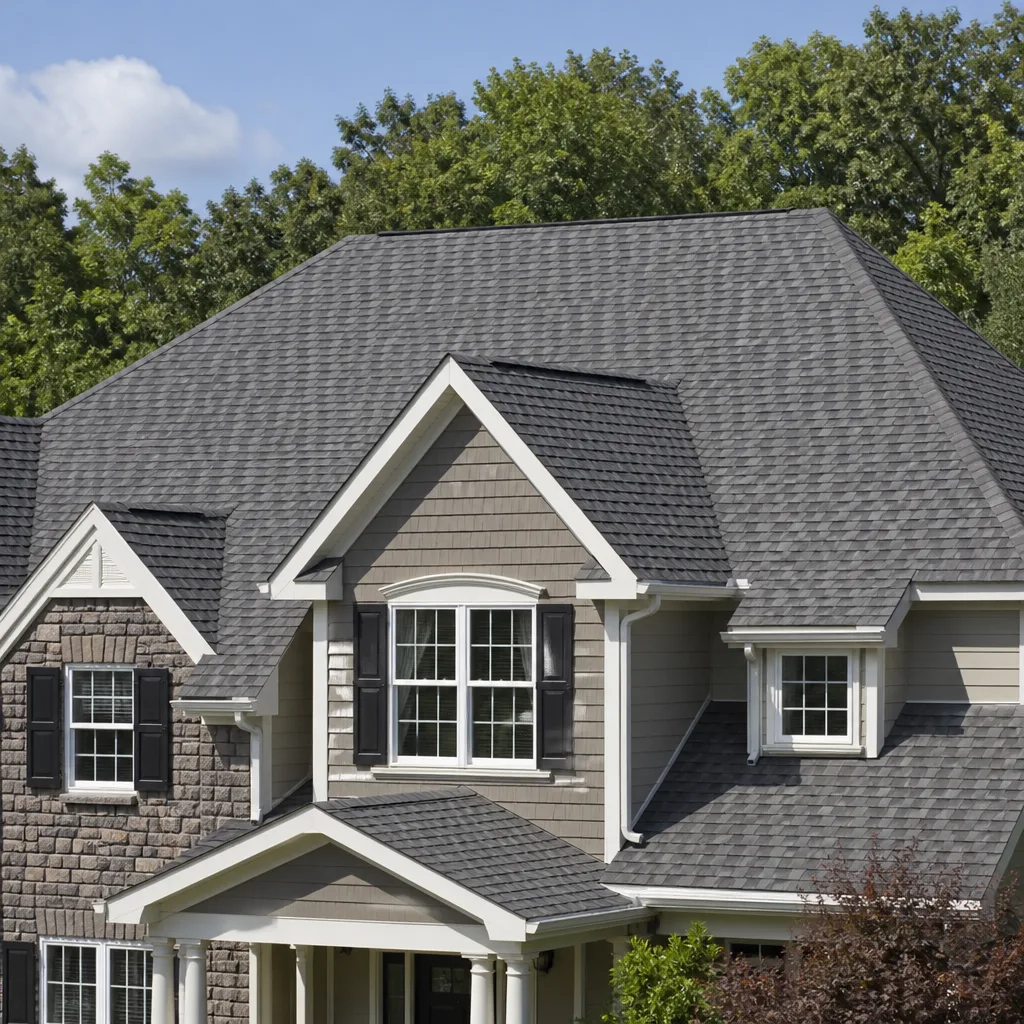
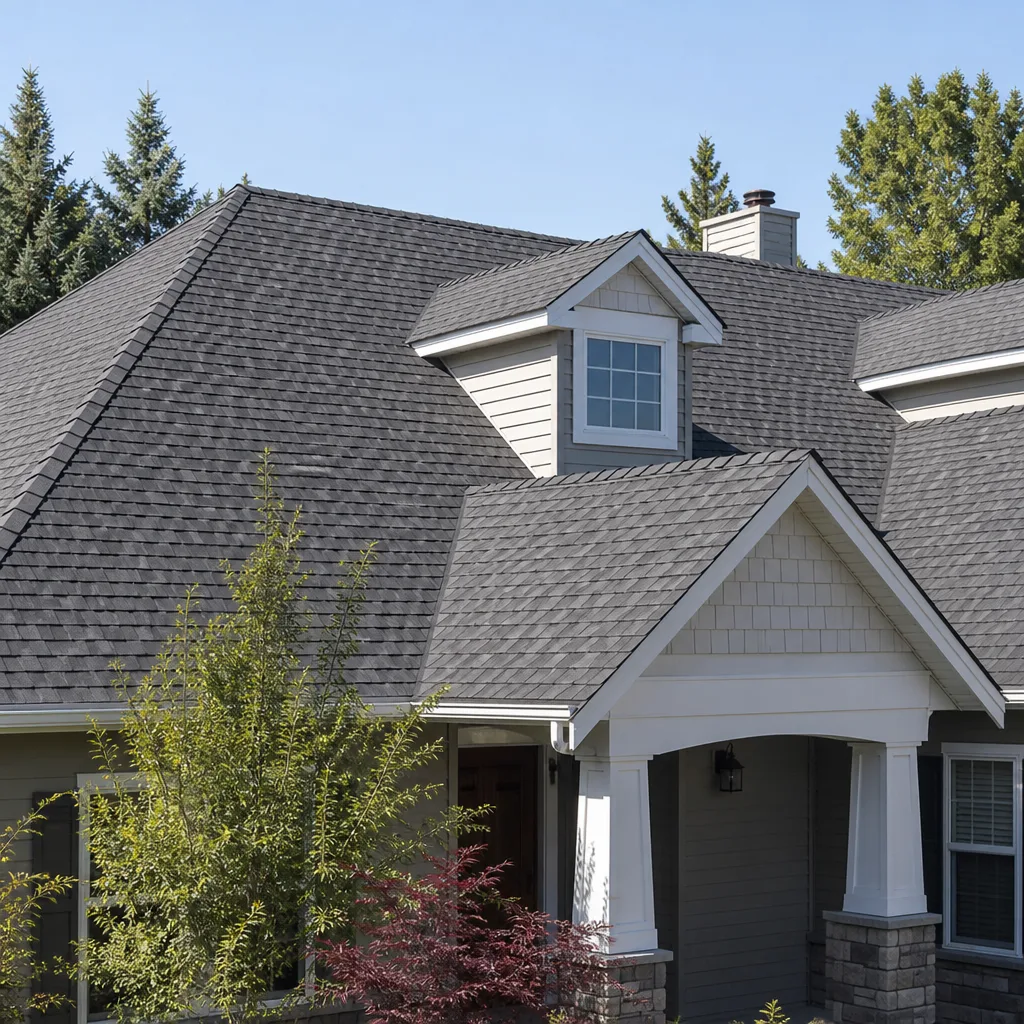
Isolated damage, a wind-lifted shingle, a branch strike, a single tab torn off, is a legitimate repair. It costs $350 to $800 in most Los Angeles cases. Systemic granule loss, where the shingles are shedding their protective surface across large areas of the roof, is a different conversation. Granule loss means the asphalt is oxidizing and the roof is in its final years. Patching a few shingles on a roof that’s losing granules everywhere is throwing money away. That roof needs replacement, and no one benefits from a roofer who sells you a $500 patch instead of telling you the truth.
How to Scope a Repair Correctly
Scoping a roof repair means answering two questions before anyone picks up a tool: what’s the visible damage, and what’s the underlying cause? The first question is easy. The second is where most repair jobs go wrong. Here’s the discipline we apply on every Los Angeles roof repair, and what you should expect from any roofer you hire. For DIY vs Professional Roof Inspection: What’s Safe to Do Yourself, see our dedicated breakdown.
- Find the actual water entry point. Water travels. The stain on your living room ceiling is rarely directly under the leak in the roof. Water follows rafters, drips along insulation, and surfaces at the lowest point. A repair scope that doesn’t trace the full path will fix the wrong spot.
- Inspect the condition of the surrounding field. If a few shingles are damaged but the surrounding shingles are brittle, the repair will tear the field when it’s installed. The scope should account for whether the surrounding material can accept a patch.
- Assess flashing, underlayment, and sealants. On nearly every roof type, the leak origin is more likely to be a transition point than the field of the roof. Flashing at penetrations, perimeter edge metal, drain bowls. The scope should inspect these even if the visible damage is elsewhere.
- Match the material to the existing system. This is where specificity matters. “Patch and seal” is not a scope. “Install 2′ x 4′ patch of CertainTeed Flintlastic modified bitumen, torch-applied, with flood coat and granules to match existing surface” is a scope.
Real Roof Repair Costs in Los Angeles
These are current Los Angeles market rates for licensed, insured roofers. National averages don’t apply here: material costs, labor availability, and permitting requirements in LA County all run higher than the national baseline. The ranges below reflect what a competent mid-market roofing company in Los Angeles actually charges.
| Repair Type | Typical Cost Range | What It Includes |
|---|---|---|
| Clay tile replacement (small section) | $300 – $900 | Removal of broken tiles, replacement tiles matched to field, resetting and fastening |
| Clay tile flashing repair | $450 – $1,200 | Removal of failed flashing, new metal or membrane flashing at penetration, tile reset |
| Flat roof blister repair | $400 – $800 | Opening and drying blister, membrane patch, seam reinforcement |
| Flat roof seam repair | $500 – $1,400 | Seam cleaning, membrane strip overlay, heat weld or cold adhesive depending on system |
| Flat roof drain replacement | $600 – $1,600 | Drain bowl removal, new drain, flashing, and membrane tie-in |
| Asphalt shingle repair (isolated) | $350 – $800 | Removal of damaged shingles, underlayment patch if needed, shingle replacement |
| Underlayment replacement (partial) | $1,000 – $3,500 | Tile removal in affected area, underlayment replacement, tile reset |
These numbers assume an accessible roof and standard conditions. A three-story house in the Hollywood Hills with steep pitch and fragile clay tile will land at the top of the range or above. A single-story rancher in the Valley with a low-slope membrane roof lands at the bottom. The price you get should be written, line-itemed, and specific about materials. If a roofer gives you a phone estimate without looking at the roof, the number will not hold up when the job starts.
Repair vs. Replacement: The Thresholds That Matter
The hardest conversation in roofing is the one where the honest answer is “a repair will not solve this.” Here are the specific thresholds we use when we’re looking at a Los Angeles roof and deciding which side of the line it falls on.
When a Repair Makes Sense
- The roof is under half its useful life, and the damage is confined to one identifiable area.
- The failure is at a penetration: chimney flashing, pipe boot, drain, vent. These are localized by nature and repair well.
- The underlayment is intact. On clay tile, if the underlayment is sound, tile-level repairs are economical and right.
- The owner plans to sell within three to five years and needs the roof to pass inspection without a full capital outlay.
When a Repair Is Throwing Money Away
- The roof is past 80% of its expected life, and failures are appearing in multiple locations. One repair will find two more problems in six months.
- Clay tile roofs with widespread underlayment failure. Replacing a few tiles on underlayment that’s turned to dust will not stop water.
- Flat roofs with multiple seam failures. If three seams are failing, the membrane has lost its elasticity throughout. Patching one seam is chasing water.
- Asphalt shingle roofs with systemic granule loss. The repair will look worse than the surrounding roof and will fail with it.
The discipline is in the second column. A roofer who tells you a repair is fine when the roof is failing is selling you a billable hour. A roofer who tells you to replace a roof that only needs a few tiles is selling you a commission. Both are failures of scope. The right answer is the one the roof gives, not the one the sales target gives.
Title 24 and Cool Roof Requirements
California’s Title 24 energy code applies to permitted roof work in Los Angeles, and it specifically affects low-slope roofs. If your repair involves replacing a significant portion of a flat or low-slope roof, the replacement surface must meet cool roof standards: a minimum solar reflectance and thermal emittance rating. In plain English: the new surface has to reflect more heat than the old one did.
What this means for a flat roof repair: a simple seam patch or blister repair on a mod-bit roof generally does not trigger Title 24 requirements, because it’s a repair, not a re-cover. But if the scope expands, say, a full re-cover of a section, the material chosen must be a compliant cool roof product. This is where manufacturer specificity matters again. Several CertainTeed and GAF modified bitumen lines have Title 24-compliant cap sheets with reflective coatings. A roofer who knows the code will spec a compliant product by name. A roofer who doesn’t will install whatever is on the truck and leave you with a potential issue if the work is ever inspected.
Clay tile and asphalt shingle repairs rarely trigger Title 24 requirements for repair work. The cool roof mandate is aimed at low-slope surfaces, which are the dominant roofing in much of Los Angeles. If you’re in a neighborhood with a flat roof, your roofer should be able to cite the specific Title 24 requirement and name a compliant material. If they can’t, that’s a red flag.
What a Written Repair Scope Should Include
A repair scope is a document that tells you exactly what will happen, with what materials, for what price. It is not a verbal promise. It is not a text message. It’s written, it’s specific, and it’s in your hand before the first tool comes off the truck. In Los Angeles, the difference between a roofer who writes a real scope and one who doesn’t is often the difference between a repair that holds and one that fails at the next rain.
Here’s what a legitimate written repair scope contains:
- Specific materials by manufacturer and product name. Not “patch and seal.” Instead: “GAF Liberty self-adhered base sheet, 2′ x 4′ patch, with CertainTeed Flintlastic cap sheet to match existing surface.” If the scope doesn’t name the product, you don’t know what you’re paying for.
- The exact repair area. Location on the roof, approximate square footage, and the specific failure being addressed: “seam separation at north slope, approximately 12 linear feet.”
- The method. How the repair will be installed. Torch-applied, cold adhesive, self-adhered. The method changes the cost and the performance.
- Decking assessment. What happens if the roofer opens the roof and finds rotten decking. The scope should state that any additional work will be documented and agreed to in writing before it proceeds.
- The guarantee. In writing, for a defined period, with a defined remedy. At Brennan Roofing, every repair carries the 365-Day Done Right Promise: if it fails within a year, we come back and make it right at no charge.
The Repair Process, Step by Step
Here’s what a properly run roof repair looks like in Los Angeles, from first call to finished job. For The Complete Roofing Company Guide for Los Angeles Homeowners, see our full overview. This is the sequence we follow, and it’s what you should expect from any roofer operating under a defined standard, not a handshake.
- Initial assessment. The roofer walks the roof or inspects it from the appropriate vantage point. For steep clay tile, this may mean a ladder and a cautious visual inspection first. For flat roofs, walkable access is usually straightforward. The assessment identifies the visible damage and the likely cause.
- Written scope and price. The roofer puts the repair on paper: materials named, area defined, method specified, price fixed. You get this before you approve anything.
- Approval and scheduling. You sign off on the scope. The roofer schedules the work inside a defined window and shows up when promised.
- Site preparation. Tarps and protection around the work area. The crew knows exactly what the scope says and is instructed to stay within it.
- The repair. The work is done to the scope. If the roofer opens the roof and finds something the scope didn’t anticipate, work stops, you’re shown the issue, and a written change is agreed to before anything continues. No surprise upcharges at the door.
- Cleanup and verification. The work area is cleaned, the repair is photographed, and the roofer walks you through what was done and why. You have the written guarantee in hand before the crew leaves.
The step where most Los Angeles homeowners get hurt is step two. A roofer who won’t put the price in writing before work starts is a roofer who will find a reason to charge more once the work is underway. The written scope is the single most important document in the entire process.
Common Mistakes to Avoid
- Accepting a phone estimate without an inspection. A roofer who quotes a flat roof repair without looking at the roof is guessing. The number will change. In Los Angeles, where flat roofs and clay tile both present access challenges, the inspection is non-negotiable.
- Approving a scope that says “patch and seal.” This phrase means nothing. It doesn’t name a material, a method, or an area. If the scope isn’t specific, the roofer isn’t accountable.
- Fixing visible damage while ignoring the flashing. On LA’s clay tile and mod-bit roofs, the leak origin is often at a transition point, not the field. If the scope doesn’t address flashing, the leak will survive the repair.
- Patching systemic granule loss on asphalt shingles. This is common in parts of the Valley where shingle roofs age out. A patch on a roof that’s shedding granules everywhere is a temporary visual fix, not a repair.
- Skipping the underlayment inspection on clay tile. On older LA hillside homes, the underlayment can be 30 or 40 years old. Tile-level repairs on failed underlayment won’t hold. You need a roofer who will inspect what’s under the tile, not just what’s on top of it.
- Choosing the lowest bid without comparing scopes. A $400 repair scope that says “patch and seal” is more expensive than an $800 scope that names materials, addresses the flashing, and carries a written one-year guarantee. The number means nothing without the scope behind it.
- Waiting through the dry season. Los Angeles goes months without rain. A small leak in August becomes a ceiling collapse in February. The repair is cheaper and less invasive before the water has months to work its way through the assembly.
When to Call a Professional
Roof repair is not a weekend project. Walking a Los Angeles roof, whether it’s a steep hillside clay tile system or a flat mod-bit membrane, carries real risk: fall risk, tile breakage, membrane damage. If you see water stains on the ceiling, if you notice tiles slipped or cracked, if your flat roof is ponding water after rain, call a licensed roofer. A proper inspection costs less than the damage a misdiagnosed leak causes. Roof repair in Los Angeles is a professional trade, and the diagnosis is half the repair. Roof inspections in Los Angeles catch failures before they become ceilings. Brennan Roofing offers free estimates in Los Angeles, call (361) 320-9467.
Frequently Asked Questions
Roof repair in Los Angeles typically costs between $350 and $1,800 depending on roof type and damage location. Clay tile repairs run $300 to $900 per section, flat roof patches run $500 to $1,400, and asphalt shingle repairs run $350 to $800. Call (361) 320-9467 for an exact quote, estimates are free.
Not if the roofer operates on a written scope. The scope defines the work, the materials, and the price before anything begins. If the roofer opens the roof and finds additional damage, that work should be documented and agreed to in writing separately. At Brennan Roofing, every job begins with a written price in hand, no work starts until you have that number on paper, and that number does not move at the door.
Most isolated roof repairs take half a day to one full day, depending on roof type and access. Small clay tile swaps and flat roof seam patches are typically completed in a single visit. Larger scopes, like partial underlayment replacement, run two to three days. Repair work is not a multi-week project unless the scope reveals replacement-level conditions.
Clay tile roofs most often fail at flashing penetration points, not the tile itself. Flat modified bitumen roofs fail at seams and drains, driven by LA’s daily thermal swings. Asphalt shingle roofs fail through granule loss and oxidation. Knowing your roof type tells you where to look first, and a qualified roofing company in Los Angeles starts the diagnosis there.
Most isolated repairs do not require a permit. Work that involves re-covering a significant portion of a low-slope roof, structural deck replacement, or reroofing more than a defined threshold does. A roofer who knows LA’s Title 24 requirements will tell you when a permit is required and will pull it when it is. If a roofer offers to do permitted work without a permit, that’s a warning sign.
Use these thresholds: if the roof is under half its expected life and the damage is isolated, repair is usually right. If the roof is past 80% of its expected life and failures are appearing in multiple places, replacement is the honest call. The specific diagnosis depends on roof type: underlayment condition for clay tile, seam integrity for flat roofs, granule retention for shingles. Call (361) 320-9467 for a straight assessment, estimates are free, or browse more guides & resources.
The Bottom Line
Roof repair in Los Angeles is a scoping problem before it’s a labor problem. The right repair starts with the right diagnosis: what failed, why it failed, and what needs to be addressed so it doesn’t fail again. The right scope names specific materials, addresses the flashing and underlayment, and puts the price in writing before work starts. The right roofer operates under a defined standard, the same on every job. That’s what Brennan Roofing calls the Garrison Standard: written price before any work begins, background-checked uniformed technicians, and a 365-Day Done Right Promise in writing. Your roof is the assembly that protects everything under it. Get the scope right, and the repair stays right.
Written by Travis Oakley, Owner at Brennan Roofing, serving Los Angeles since 2000.