
Last updated October 9, 2026
Free roof inspection with deck photos before we talk money - GAF and Owens Corning certified installation
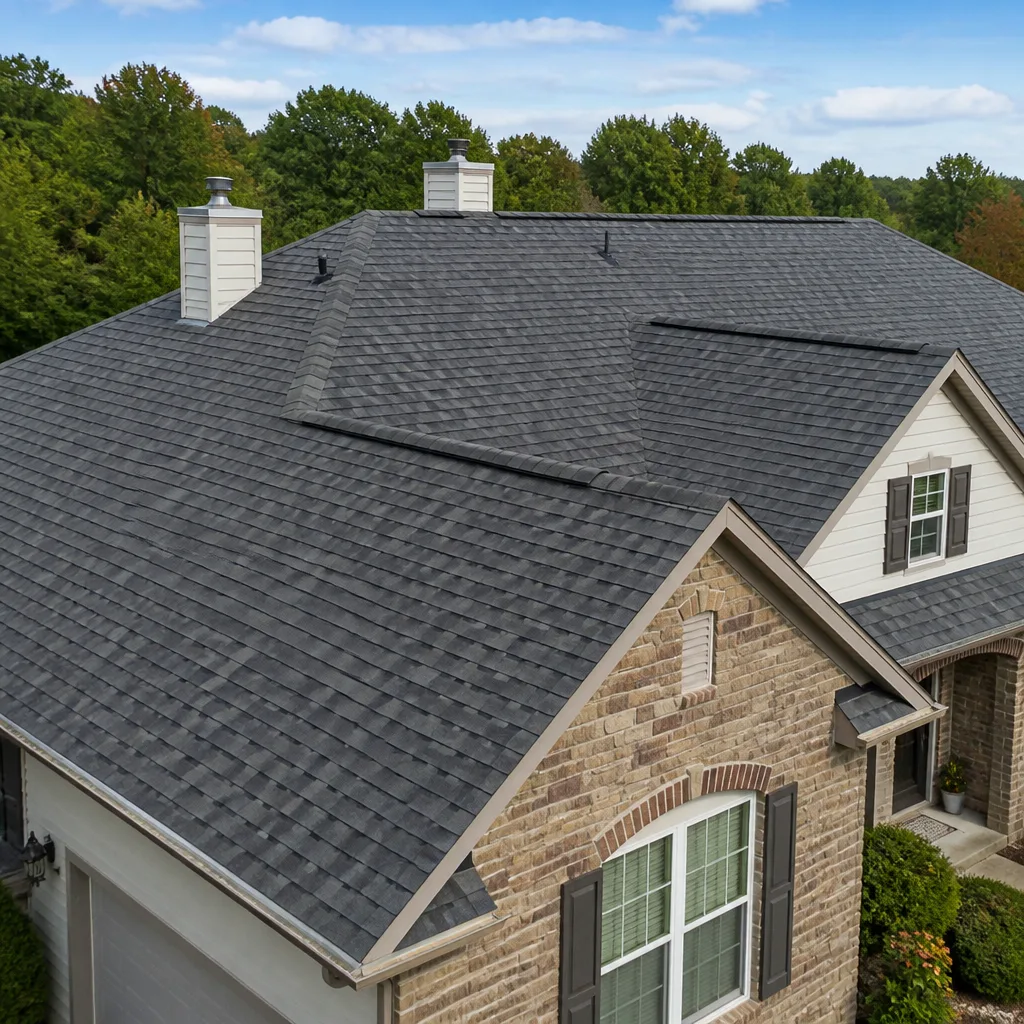
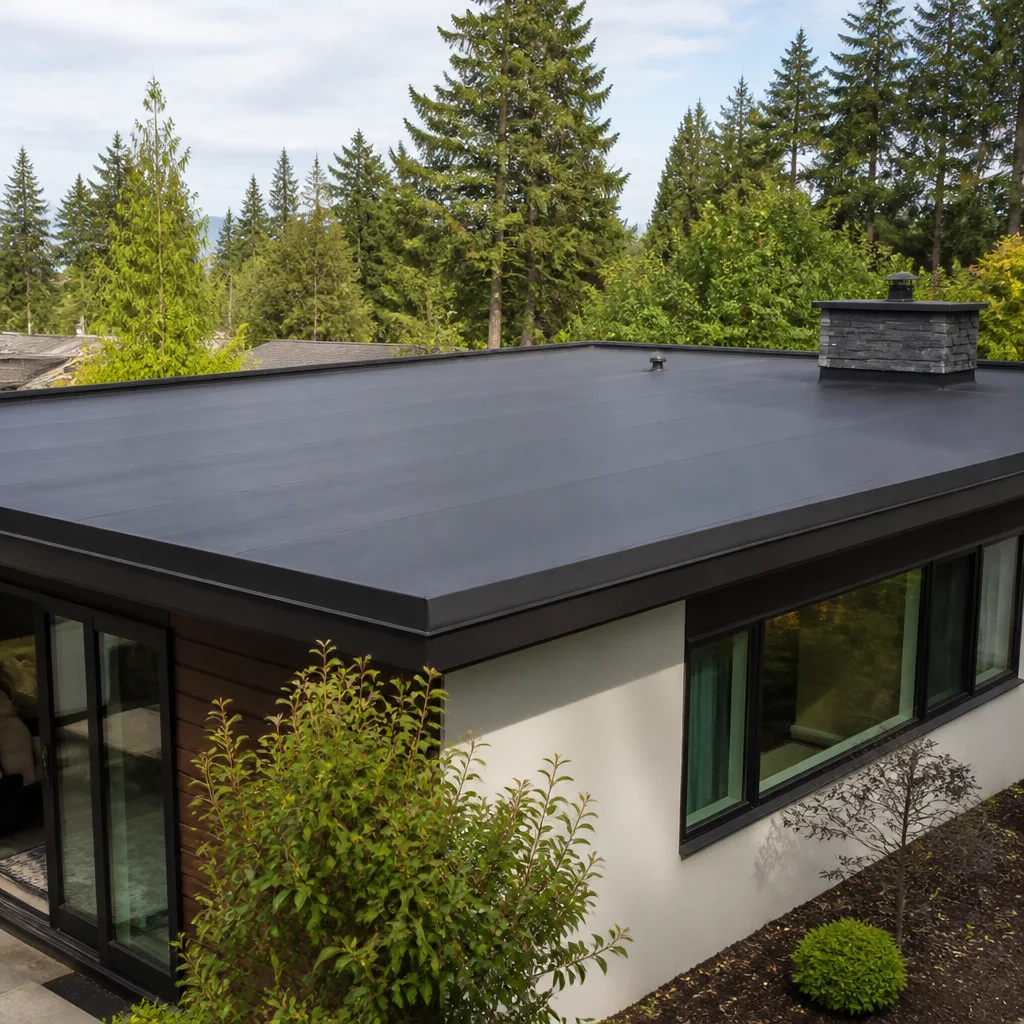
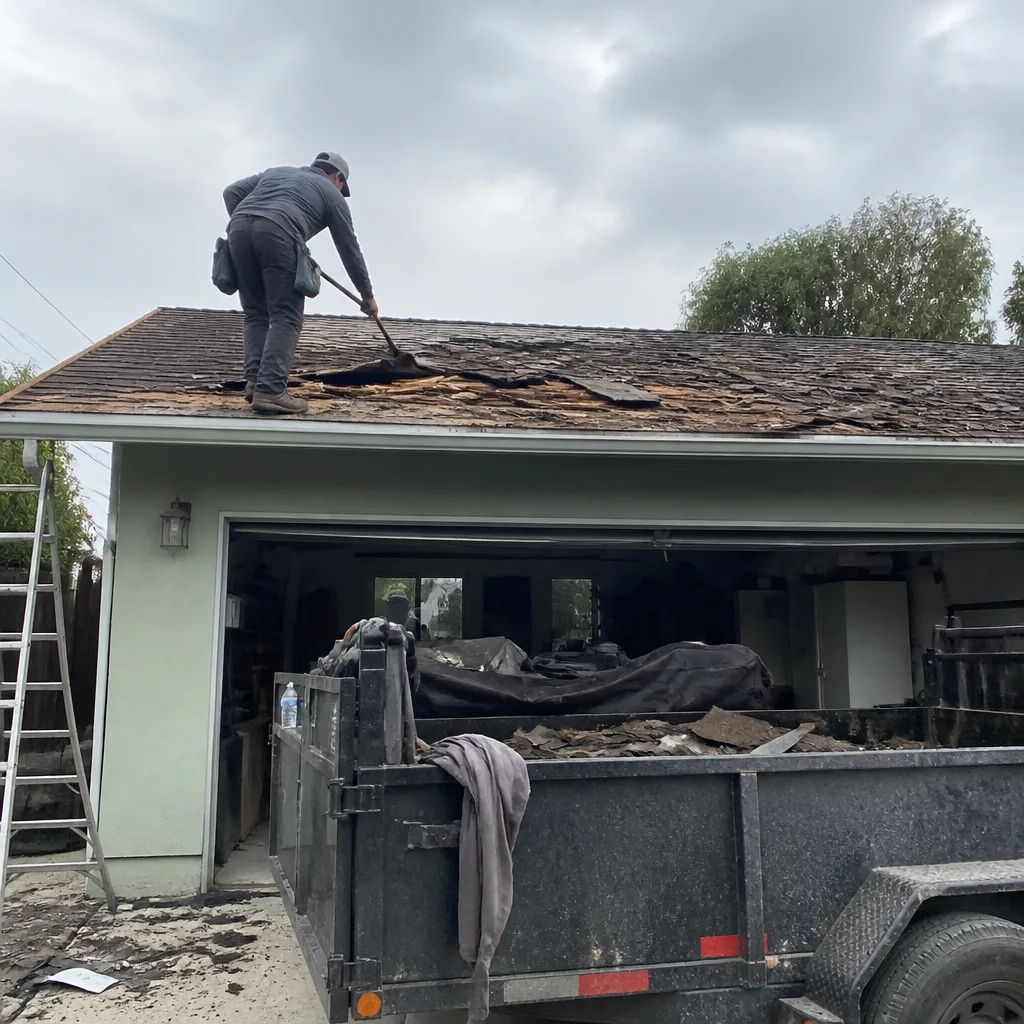 Before
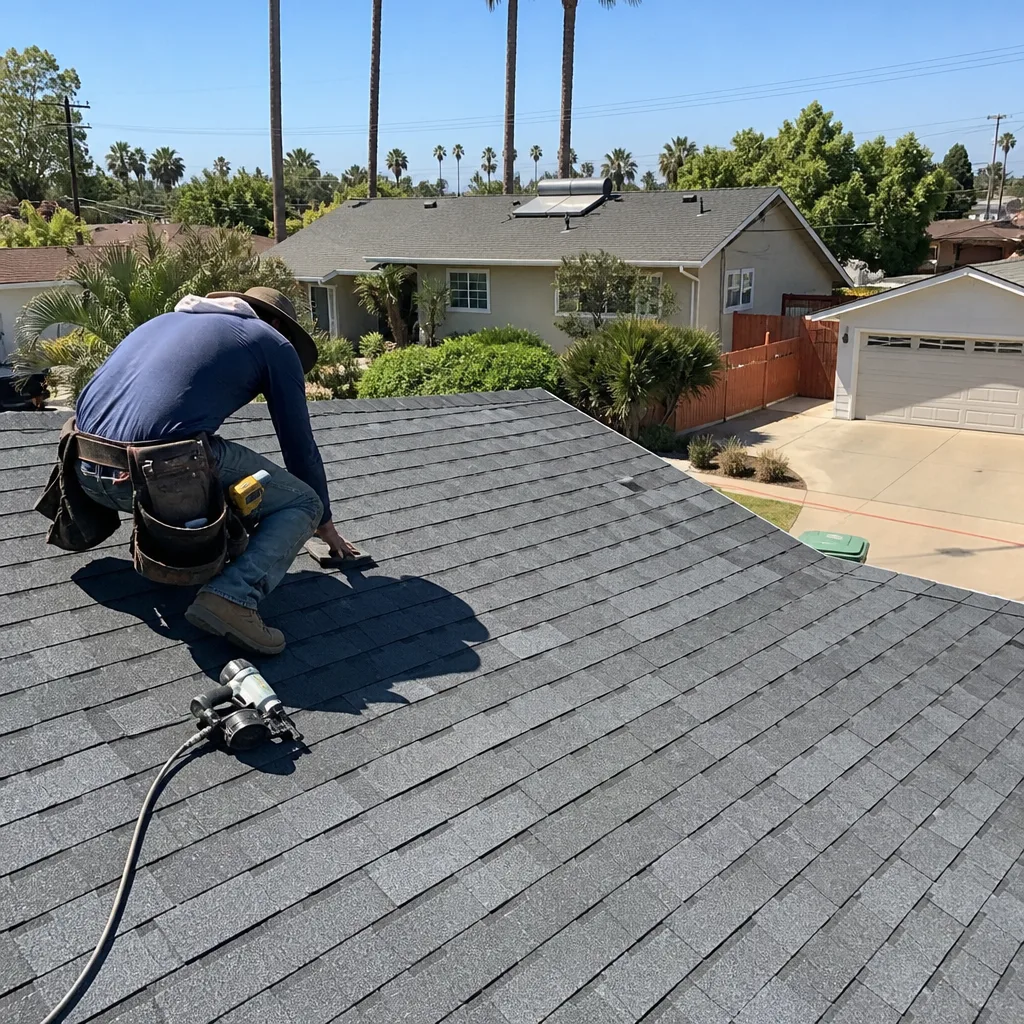 After
After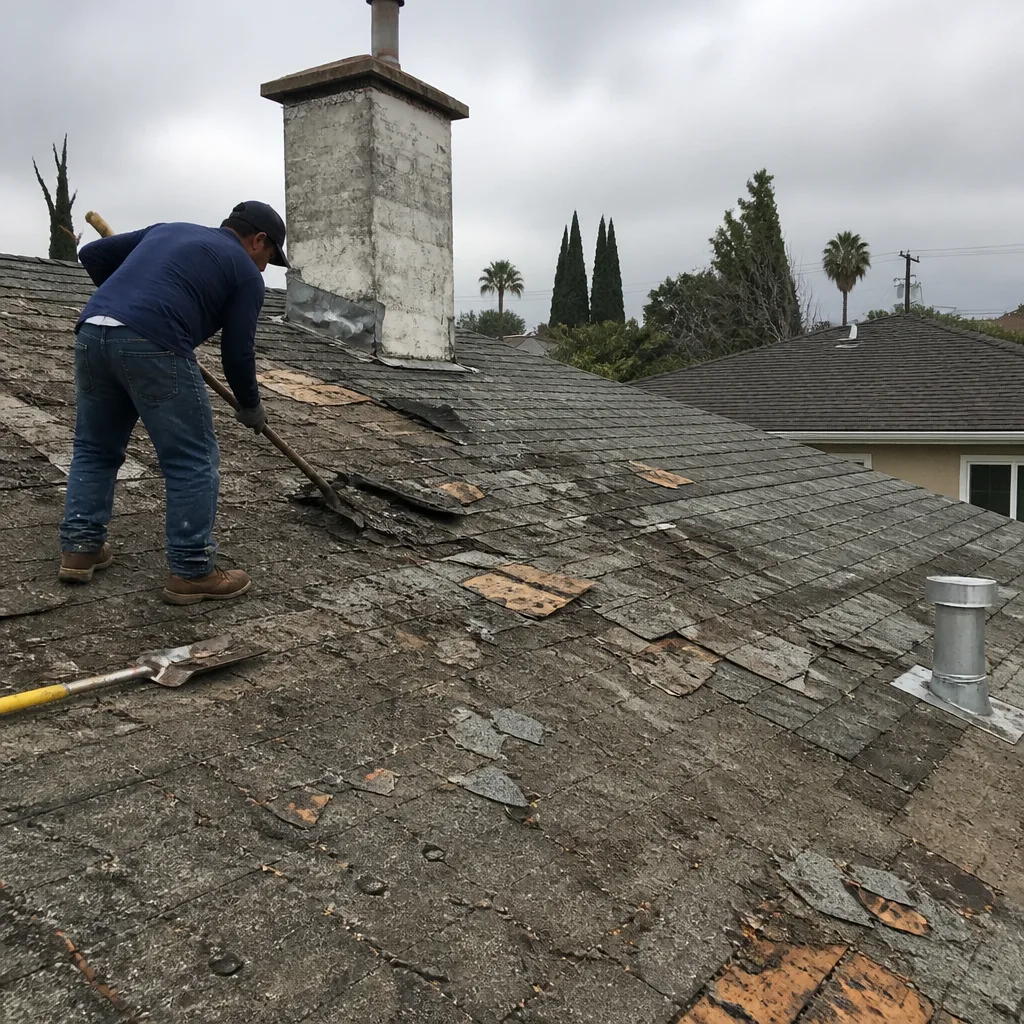 Before
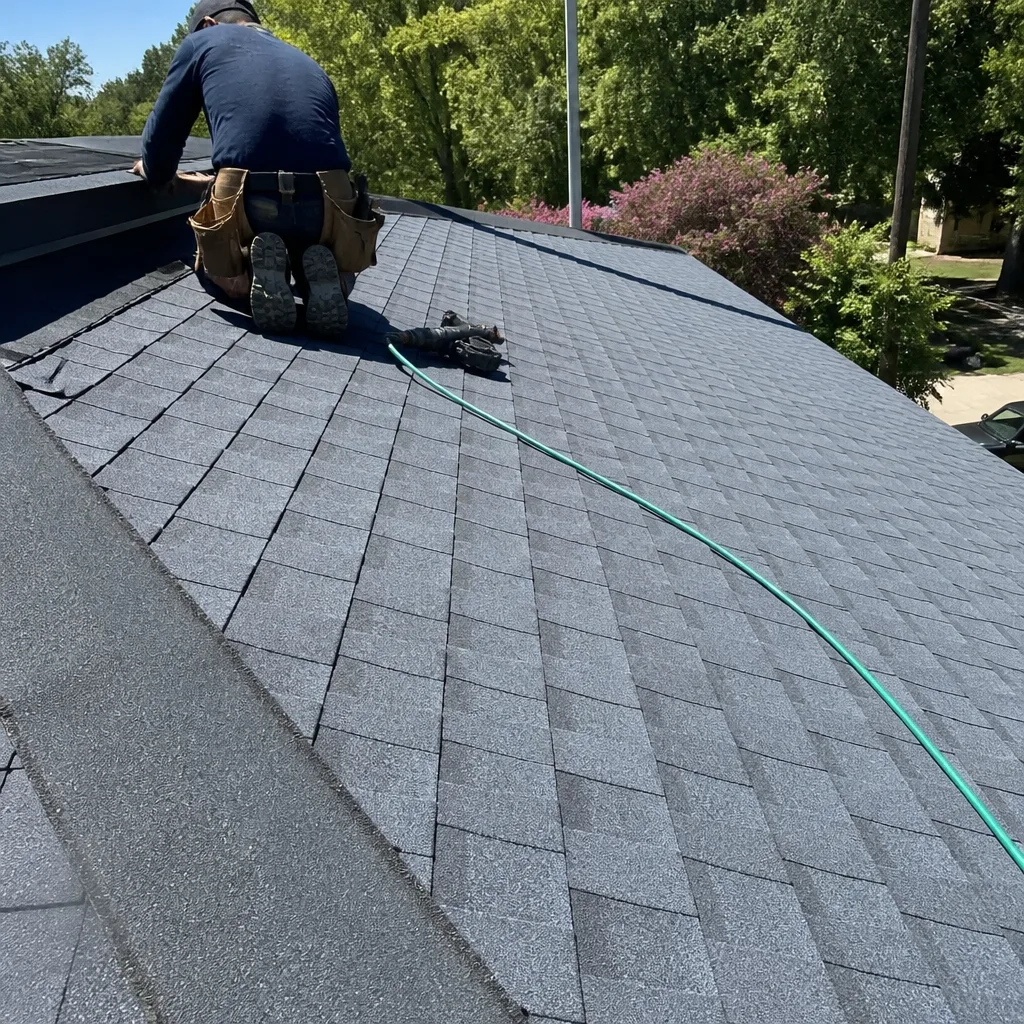 After
After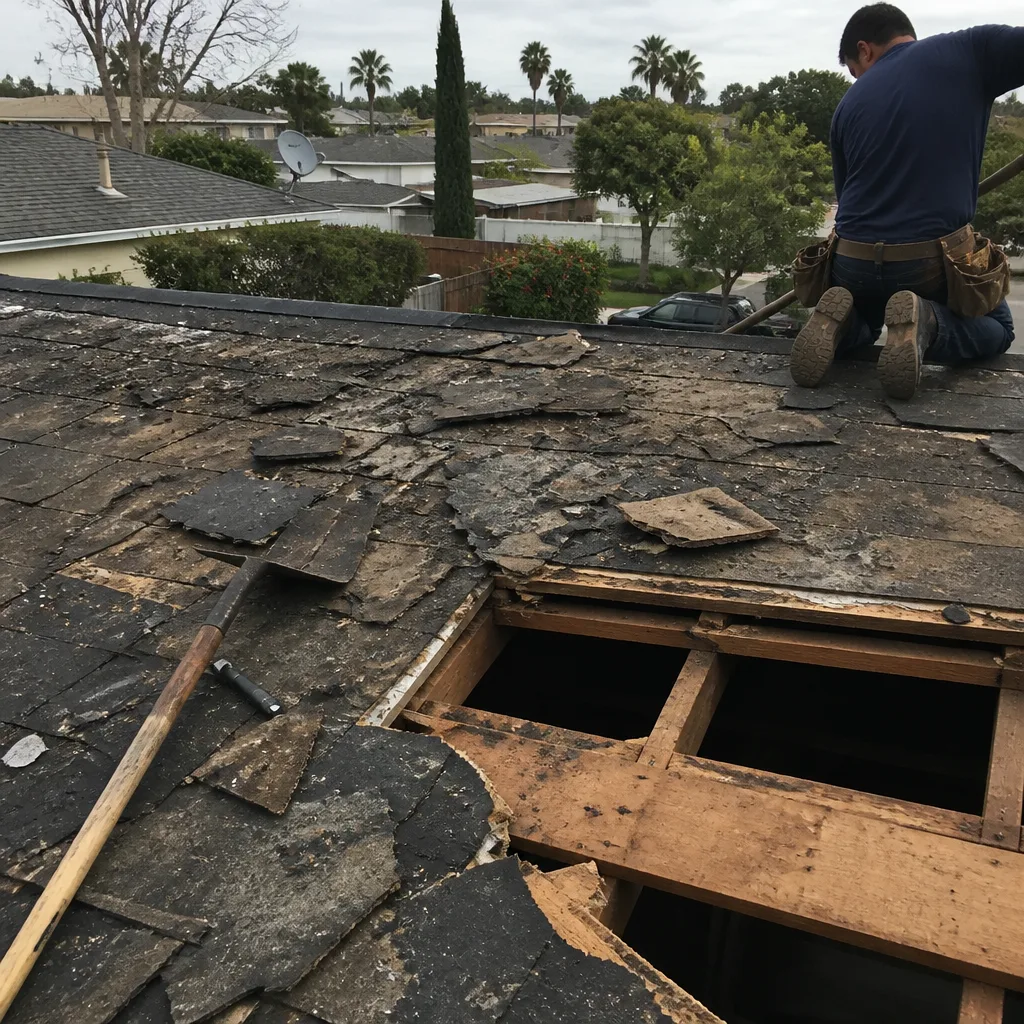 Before
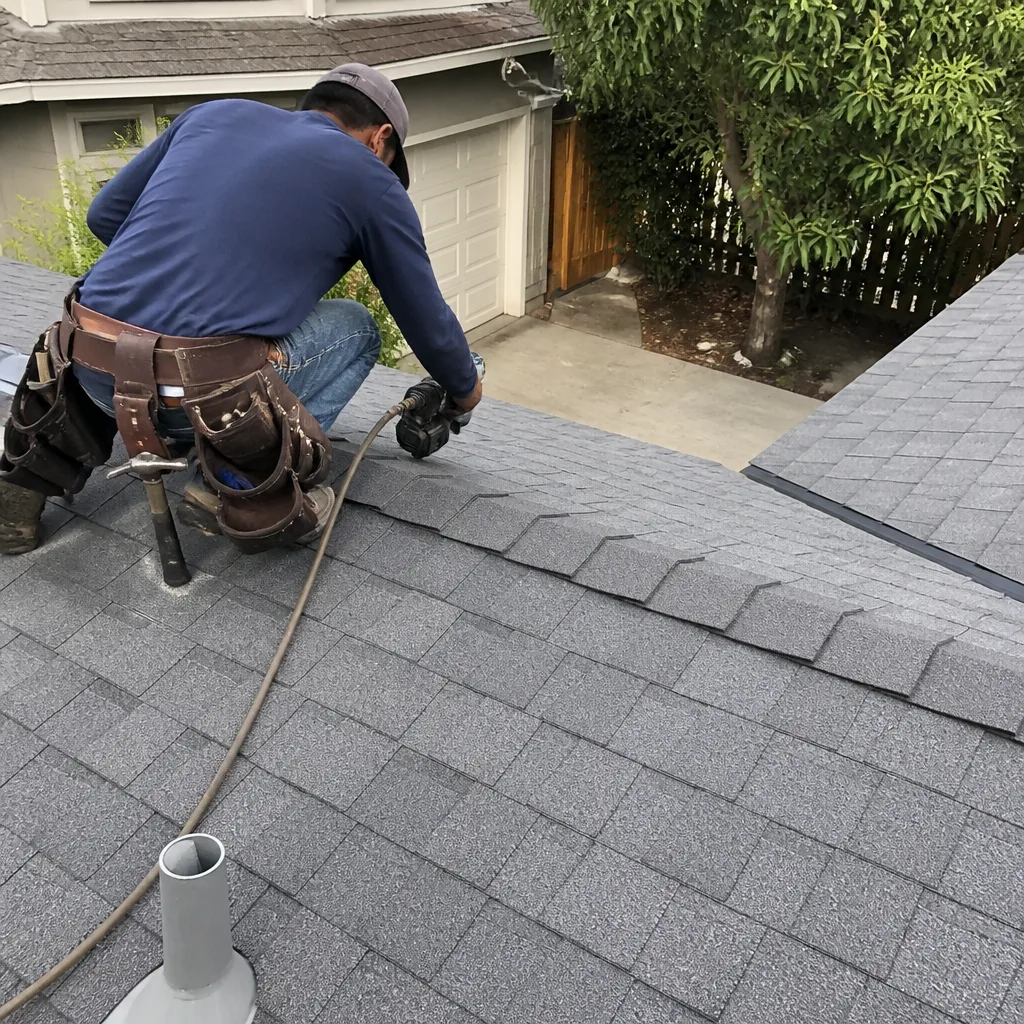 After
AfterRoofing Company Warning Signs Every Homeowner Should Know
The most dangerous roofer isn’t the obvious lowball bid. It’s the one who sounds professional on the phone, shows up in a clean truck, asks for 50% upfront, and stops returning calls after day one. Roofing fraud and workmanship shortcuts hide in normal-sounding contract language and reasonable-seeming sales behavior, and by the time the problems show up, the money is long gone. In Los Angeles, where roof replacements routinely run $12,000 to $28,000 depending on size and material, a bad contractor decision costs more than a leak. It costs tens of thousands of dollars. This guide walks through the specific verbal and written signals that separate a disciplined contractor from one who will be unreachable after the check clears. For more guides & resources, see our blog.
Quick Answer
Roofing Company services warning signs fall into three categories: contract language that lets the price move after you sign, payment demands that exceed what California law allows, and sales behavior built on pressure rather than written specifics. A roofer worth hiring puts the full price on paper before any work starts, follows the state’s 10% or $1,000 upfront limit, and encourages you to verify their license and insurance directly. If a roofer resists any of those three things, walk away.
Table of Contents
- Contract Red Flags: The Phrases That Cost You Thousands
- The Upfront Payment Structure California Law Actually Allows
- Why a Roofer Who Discourages Permits Is a Roofer Worth Walking Away From
- Sales Behavior Signals: Pressure, Vagueness, and the Missing Written Scope
- How to Verify Insurance Certificates Are Actually Current
- Material Allowances and Swaps: Where Roofers Quietly Cut Corners in Los Angeles
- Post-Install Accountability: What a Real Guarantee Looks Like in Writing
- Common Mistakes to Avoid
Contract Red Flags: The Phrases That Cost You Thousands
Most homeowners read a roofing contract the way they read a terms-of-service agreement: they scan it, sign it, and hope for the best. That’s exactly what a bad contractor counts on. The words that end up costing you money are not hidden in fine print. They appear in plain sight as ordinary-sounding phrases that carry enormous financial consequences.
The Three Phrases That Move Your Price After Signing
“Price subject to change.” This sounds administrative. It isn’t. This phrase means the number on your contract is a suggestion, not a commitment. In Los Angeles, where material costs fluctuate and some roofing crews quote low to win the job, “price subject to change” is the most common way a $14,000 bid becomes $19,000 by the time the crew is off your roof. A disciplined contractor quotes a fixed number. If material prices move, that’s the contractor’s risk, not yours. At Brennan Roofing, the price goes on paper before any work starts, and it does not move at the door.
“Allowances for decking.” An allowance means the roofer priced the job assuming your roof decking (the wood layer beneath the shingles) is in perfect condition. It rarely is, especially in Los Angeles neighborhoods where homes date to the 1950s and 1960s and plywood has absorbed decades of moisture. When the crew tears off the old shingles and finds rotted decking, the allowance kicks in, and you pay extra per sheet. That’s not inherently dishonest; rotted decking is genuinely common. What’s dishonest is how little some roofers disclose it upfront. A detailed proposal tells you exactly what decking costs if replacement becomes necessary, per sheet, in writing, before you sign. An allowance without a stated per-sheet unit cost is an open-ended check.
“As needed.” This phrase typically appears next to flashing, underlayment, or drip edge, the metal and moisture-barrier components that keep water out. “Replace flashing as needed” means the roofer decides what’s needed after the roof is already open. You have no say and no advance pricing. On flat and low-slope roofs common in parts of Los Angeles, flashing and drainage detailing are exactly where leaks originate. A contract that says “as needed” is a contract that puts your wallet at the roofer’s discretion. The alternative is a written line-item scope: flashing replaced in X, Y, and Z locations at a stated price.
What a Disciplined Contract Looks Like
- Total price stated as a fixed number, not an estimate range
- Line items for decking, underlayment, flashing, and drip edge with unit costs
- Scope of work written in plain language with no “as needed” or “if necessary” phrases
- A penalty clause for the contractor if the project runs past the agreed schedule
- Written payment schedule tied to milestones, not calendar days
If you’re comparing roofers in Los Angeles, read every line. The contract is the single most accurate predictor of how the job will go. A roofing company in Los Angeles that writes a tight, specific contract is one that has been through enough jobs to know exactly what can go wrong, and priced for it honestly. That’s the one you want on your roof.
The Upfront Payment Structure California Law Actually Allows
California Business and Professions Code Section 7159 sets a hard limit on what a contractor can collect before work begins: 10% of the total project cost, or $1,000, whichever is less. That’s the law. Not a guideline. Not a best practice. The law. For a $20,000 roof replacement in Los Angeles, the maximum legal down payment is $1,000. Any roofer asking for 40% or 50% upfront is breaking state law, and that should end the conversation immediately.
Why Roofers Push Big Upfront Payments
When a roofer demands 40% to 50% before lifting a shingle, the reason is almost never material costs. Materials for most residential roof replacement jobs in Los Angeles run 35% to 45% of the total bid, and established roofing companies have supplier accounts with credit terms. A roofer with no credit line and no working capital may need your deposit to buy materials, but that’s a sign of a business on shaky ground. Worse, some roofers collect large deposits from multiple homeowners, use that money to finish previous jobs, and stall on yours. That’s not hypothetical. It’s a pattern we see regularly when Los Angeles homeowners call us after another company disappeared with their deposit.
The Payment Structure a Disciplined Roofer Uses
- Down payment of 10% or $1,000, whichever is less, at contract signing
- Progress payment when materials are delivered to your property and you can see them with your own eyes
- Progress payment when the roof is installed and passes the local jurisdiction’s required inspection
- Final payment when the job is complete, the site is clean, and the warranty is in your hand in writing
At Brennan Roofing, we operate under what we call The Garrison Standard. That means the price goes on paper before any work starts, always, no exceptions. The payment schedule is tied to milestones you can verify. We don’t ask for half the job before the job begins because the law doesn’t allow it, and because it’s not how a business with nothing to hide operates. When a homeowner in Los Angeles asks us about a competing bid that requires 40% upfront, we tell them the same thing every time: that bid is illegal, and you should not sign it.
Why a Roofer Who Discourages Permits Is a Roofer Worth Walking Away From
Los Angeles requires a building permit for roof replacement and most major roof repairs. The permit process exists to ensure the work is done to code, especially for things like fire-resistant roofing materials in hillside wildfire zones and proper ventilation per California Title 24 energy standards. A permit may cost a few hundred dollars and add a day or two to the schedule. Some roofers tell homeowners to skip it. They frame it as saving money and time. It’s not.
What Skipping the Permit Actually Costs You
When you pull a permit, the city sends an inspector to verify the work meets code. That inspection is your protection. Without it, you have no independent check that the underlayment was installed correctly, that the flashing is flashed properly, or that the roof meets the fire resistance standards required in many Los Angeles neighborhoods. If the work fails, you have no documented record. If you sell the home and the buyer’s inspector finds unpermitted work, the sale can stall or collapse. And in Los Angeles, where aerial and satellite records are increasingly used for code enforcement, unpermitted roof work gets discovered with growing regularity.
A roofer who discourages you from pulling your own permit is a roofer who does not want a city inspector looking at their work. That should tell you everything. The Garrison Code, the standard we operate under, requires permits pulled and inspections passed on every job where the jurisdiction requires them. No exceptions, no shortcuts, no “off the books” pricing. In Los Angeles, the cost of a permit is a small fraction of the cost of redoing a failed roof.
How to Confirm Permits Are Pulled
- Ask the roofer directly: “Will you pull the permit for this job?” If the answer is no or evasive, the conversation is over.
- Ask for the permit number once the permit is pulled, and verify it through the Los Angeles Department of Building and Safety’s online portal.
- Confirm in writing that a final inspection will be scheduled and that you’ll receive the signed inspection card.
- Never sign a contract that puts permit responsibility on you without your knowledge or agreement.
Brennan Roofing pulls permits on every applicable job in Los Angeles. It adds cost and time, and we tell homeowners that plainly. The alternative is a roof nobody inspected and a problem nobody documented.
Sales Behavior Signals: Pressure, Vagueness, and the Missing Written Scope
Roofer warning signs don’t live only in contracts. They show up in how the roofer behaves before you ever see a piece of paper. The sales process is a diagnostic tool, and most homeowners ignore what it’s telling them because the person in front of them is friendly and confident.
Pressure to Sign Same-Day
A roofer who insists you sign the same day is managing you, not your roof. There is no legitimate reason a roof replacement quote in Los Angeles expires in 24 hours. Material prices do not move that fast. Crew schedules are not that rigid. What same-day pressure accomplishes is preventing you from getting competing bids, reading the contract carefully, or verifying the license. Walk away from any roofer who tells you the price is only good today. A real professional wants you to think it through. At Brennan Roofing, we write the price down, give it to you, and let you compare. The price doesn’t move because we’re not trying to keep you from seeing anyone else.
Vague Answers About License Numbers
Every licensed roofing contractor in California has a CSLB license number. It’s public record. You can look it up online in under a minute and see any complaints, disciplinary actions, or bonding issues. When you ask a roofer for their license number and they hedge, change the subject, or say they’ll send it later and never do, that’s not forgetfulness. Ask for the number proactively before the roofer even comes out. Then verify it on the Contractors State License Board website. Travis Oakley, owner of Brennan Roofing, will give you a license number you can verify the same way you check any other Los Angeles contractor. There’s nothing to hide.
Reluctance to Provide a Written Itemized Scope
Some roofers will give you a total price and a handshake. When you ask for a line-item written scope, they say “don’t worry, it’s all included.” It’s not all included. A total price without a written scope means the roofer decides later what “included” meant. Does the bid include new drip edge? New flashing? Hauling away the old materials? A dumpster? A magnetic nail sweep of your yard? If it’s not written down, the answer after the job starts is always no. We write every component on paper before any work starts at Brennan Roofing. That’s what The Garrison Standard requires, and it’s why our homeowners never get a surprise at the door.
How to Verify Insurance Certificates Are Actually Current
Every roofer will hand you a certificate of insurance. Most homeowners look at it, see the word “insured,” and file it away. That certificate can be worthless. Insurance policies lapse or get cancelled, and a PDF from three months ago does not prove coverage exists today. In Los Angeles, where roofing work involves significant liability, accepting a stale certificate is a serious mistake.
The Right Way to Verify Coverage
- Ask the roofer to have their insurance agent name you as an additional insured for the duration of the project. This is standard practice and costs nothing.
- Look at two dates on the certificate: the policy effective date and the expiration date. Make sure today’s date falls between them.
- Call the insurance agency listed on the certificate directly using the phone number on the document, not a number the roofer gives you. Confirm the policy is active and that liability coverage is in force.
- Verify the coverage amount is adequate. For a Los Angeles roof replacement, general liability coverage should be at least $1 million.
- Ask whether workers’ compensation insurance is active. If a worker falls off your roof and the roofer has no workers’ comp, you can be pulled into the claim.
Background-checked, uniformed technicians are sent on every Brennan Roofing job, and our insurance is current because we verify it before we walk onto your property. Every homeowner has the right to make that phone call and ask. If a roofer gets defensive or tries to make you feel unreasonable for checking, that’s the clearest possible signal to hire someone else.
Material Allowances and Swaps: Where Roofers Quietly Cut Corners in Los Angeles
Roofing material quality varies enormously, and most homeowners cannot tell the difference between a premium shingle and an economy one from the ground. That information gap is where some roofers quietly increase their margin at your expense. They quote a brand name, then install a lower tier of that same brand, or a different brand entirely, without ever saying so.
What Material Swaps Look Like in Practice
- Quoting a premium architectural shingle from Owens Corning or CertainTeed, then installing a builder-grade three-tab shingle that costs 40% less
- Substituting an economy underlayment when the contract specified a premium synthetic underlayment
- Reducing the ice and water shield (required in the mountain-adjacent areas of Los Angeles County) to a narrower width or thinner product
- Using a generic flashing product instead of the specified metal gauge
- Changing the ventilation system from a brand-name ridge vent to a cheaper off-brand product
The contract must specify more than “shingles.” It should name the exact product line, the color, the underlayment brand and type, the flashing material and gauge, and the ventilation system. When we install a roof for a Los Angeles homeowner, we write down the exact materials from brands including GAF, CertainTeed, Owens Corning, IKO, Atlas, Tamko, and Boral. You don’t have to know the difference between those brands. You just need to know that whatever we wrote down is what goes on your roof, and you can verify it when the materials arrive at your house.
Los Angeles-Specific Material Considerations
Los Angeles roofing is not one climate. Homes in the Valley contend with extreme summer heat that degrades cheaper shingles faster. Hillside and canyon homes in areas like Laurel Canyon, Studio City, and Malibu face wildfire-resistance requirements under Chapter 7A of the California Building Code. Coastal homes from San Pedro to Pacific Palisades get salt air and morning marine layer moisture. A roofer who quotes the same materials for a Valley home and a coastal home without addressing those differences is not paying attention. The right roof for your Los Angeles home depends on where your home sits, and the roofer should be asking those questions before you do.
Post-Install Accountability: What a Real Guarantee Looks Like in Writing
When a roof fails, the failure rarely happens on the day the crew leaves. It happens six months later, after the first heavy rain, when a flashing seam opens or a shingle blows off in a Santa Ana wind event. That’s when you find out what your roofer’s guarantee was actually worth. If their phone goes to voicemail and you never hear back, the answer was nothing.
What a Written Guarantee Must Include
- The exact duration of the guarantee in months or years, stated as a number
- What the guarantee covers: workmanship, materials, or both, listed separately
- What the guarantee excludes, stated plainly
- Steps to make a claim and how quickly the roofer commits to respond
- A statement about whether the guarantee transfers if you sell the home
Most verbal guarantees are the same thing as no guarantee at all. If the promise is not on paper, the promise did not happen. Brennan Roofing’s 365-Day Done Right Promise is a written guarantee for one full year on every repair and installation. If something isn’t done right, we make it right, at no charge. We visit a second time for free if a repair fails within the guarantee period. Not as a courtesy. As a written commitment.
Why Accountability Changes How Work Gets Done
A roofer who has to come back for free if the work fails does the work differently the first time. The flashing gets sealed correctly. The underlayment gets laid without wrinkles. The job site gets swept for nails. This is not about virtue. It’s about incentive. When the guarantee is in writing and the roofer knows they eat the cost of a callback, the quality of the work goes up. That’s why we built the 365-Day Done Right Promise into every job’s contract at Brennan Roofing. It’s also why we answer the phone with a live person around the clock. When you call about a problem, a person picks up. No voicemail, no callback queue, no automated system.
Common Mistakes to Avoid
- Accepting a verbal price and skipping the written contract. If the price isn’t on paper, the price is whatever the roofer says it was. In Los Angeles’s competitive roofing market, verbal agreements fall apart constantly. Always get a written line-item scope before any work starts.
- Comparing bids on price alone. A $16,000 bid and a $21,000 bid often cover different scopes, different materials, and different levels of detail. Compare line items, not totals. The lowest bid on a Los Angeles roof replacement is frequently the most expensive by the time the real scope reveals itself.
- Paying more than $1,000 down. California law caps upfront payments at 10% or $1,000, whichever is less. A roofer who asks for more is not a roofer you should do business with, no matter how convincing the explanation sounds.
- Signing without verifying the CSLB license number. The California Contractors State License Board makes license verification a 60-second online search. Skipping it because the roofer seems nice is the single most common mistake we see at Brennan Roofing when homeowners call us after a bad experience.
- Not pulling a permit. An unpermitted roof in Los Angeles creates problems with insurance, resale, and code compliance. A roofer who discourages permits is protecting themselves, not you.
- Accepting a stale insurance certificate. Insurance lapses. Call the issuing agency directly before the crew shows up. Every honest roofer welcomes the call.
- Trusting a guarantee that isn’t in writing. A verbal guarantee is worth precisely the paper it’s written on. Ask for duration, coverage, exclusions, and response time, all on paper.
When to Call a Professional
If you’ve spotted any of the warning signs in this guide, whether in a contract you’ve already received or in a roofer’s sales behavior, it’s time to get a second opinion before you sign anything. A legitimate second bid from a disciplined contractor will confirm or expose the problem quickly. If you’re in Los Angeles and you want someone to look at a competing contract, walk your roof with you, or provide a written estimate that follows the payment rules we’ve described, Brennan Roofing offers free estimates with no obligation and no pressure. Call (361) 320-9467 and we’ll schedule a time that works for you. When we show up, we’ll be in uniform, background-checked, and ready to put a number on paper before any work starts.
Frequently Asked Questions
The most common red flags are requests for 40% to 50% upfront payment (which violates California law), contracts that include “price subject to change” or “as needed” language, and sales pressure to sign the same day. Any one of these is reason enough to walk away.
By California law, a roofer cannot collect more than 10% of the total project cost or $1,000, whichever is less, before work begins. On a $20,000 roof replacement, the maximum legal down payment is $1,000. Ask for the payment schedule in writing before you sign.
Yes. Roof replacement requires a permit in Los Angeles, and the inspection that follows provides independent verification that the work meets code. A roofer who discourages permits is likely avoiding an inspector’s eyes on their workmanship.
Call the insurance agency that issued the certificate directly, using the phone number on the document itself. Confirm the policy is active, the liability coverage amount is adequate (at least $1 million for roofing work), and workers’ compensation coverage is in force.
A legitimate guarantee states a specific duration in writing, covers workmanship and materials separately, lists exclusions plainly, and describes the claim process. Verbal guarantees are unenforceable. At Brennan Roofing, our 365-Day Done Right Promise covers every repair and installation in writing for one full year, with a free return visit if the work fails during that period.
Roof replacement in Los Angeles typically runs $12,000 to $28,000 depending on home size, roof pitch, material choice, and decking condition. See our Roofing Cost Breakdown: The Los Angeles Homeowner’s Reference for 2026 for deeper pricing analysis. A detailed written estimate should break down materials, labor, permits, and disposal separately. Call (361) 320-9467 for an exact quote, estimates are free.
The Bottom Line
A roofing company’s character shows up before the crew ever climbs a ladder. It’s in the contract language, the payment terms, the permit policy, and how the roofer answers direct questions about license numbers and insurance verification. Homeowners in Los Angeles who learn to read those signals stop being customers at risk and become customers in control. The difference between a roofer who disappears after the check clears and one who answers the phone a year later is almost always visible upfront if you know what to look for. Price goes on paper before any work starts. Payments follow legal limits. Permits get pulled. Guarantees come in writing. That’s the standard, and you should not settle for less.
Written by Travis Oakley, Owner at Brennan Roofing, serving Los Angeles since 2000.