
Last updated October 9, 2026
Free roof inspection with deck photos before we talk money - GAF and Owens Corning certified installation
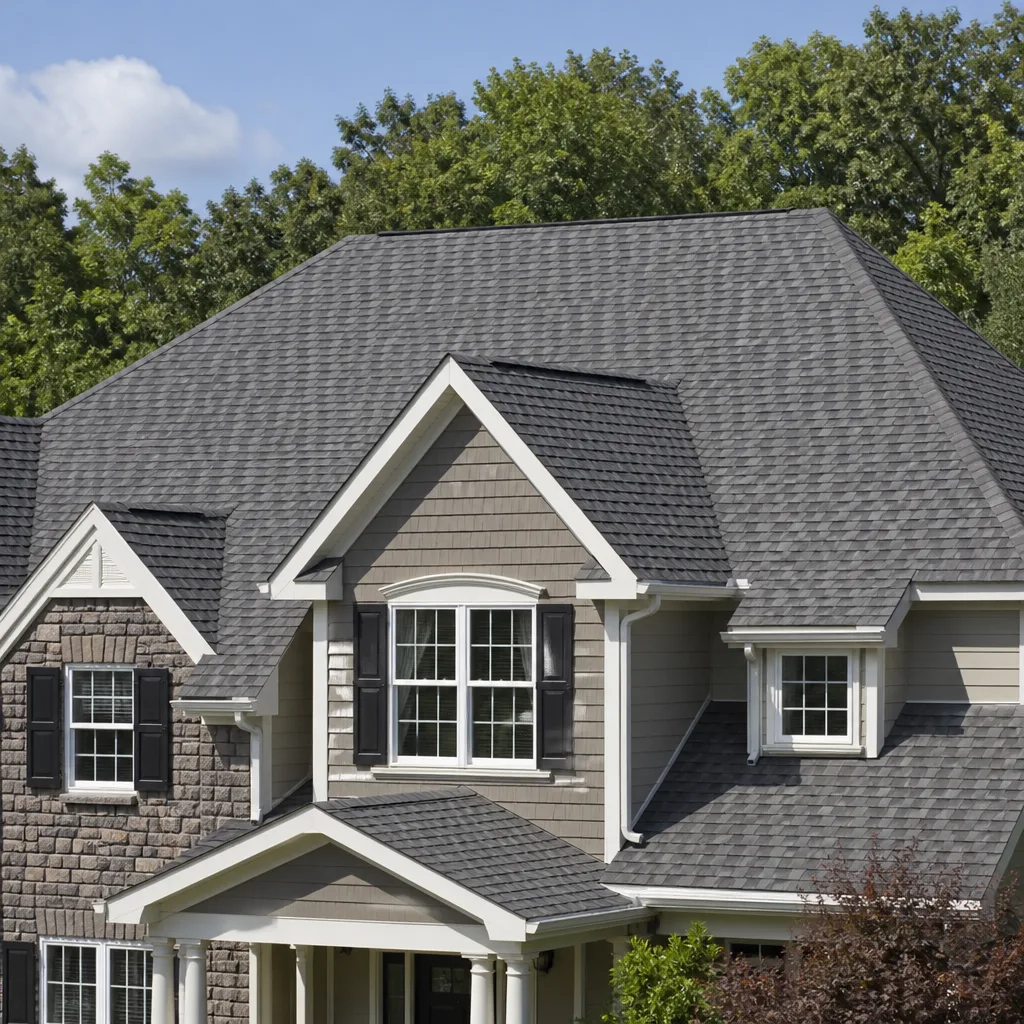
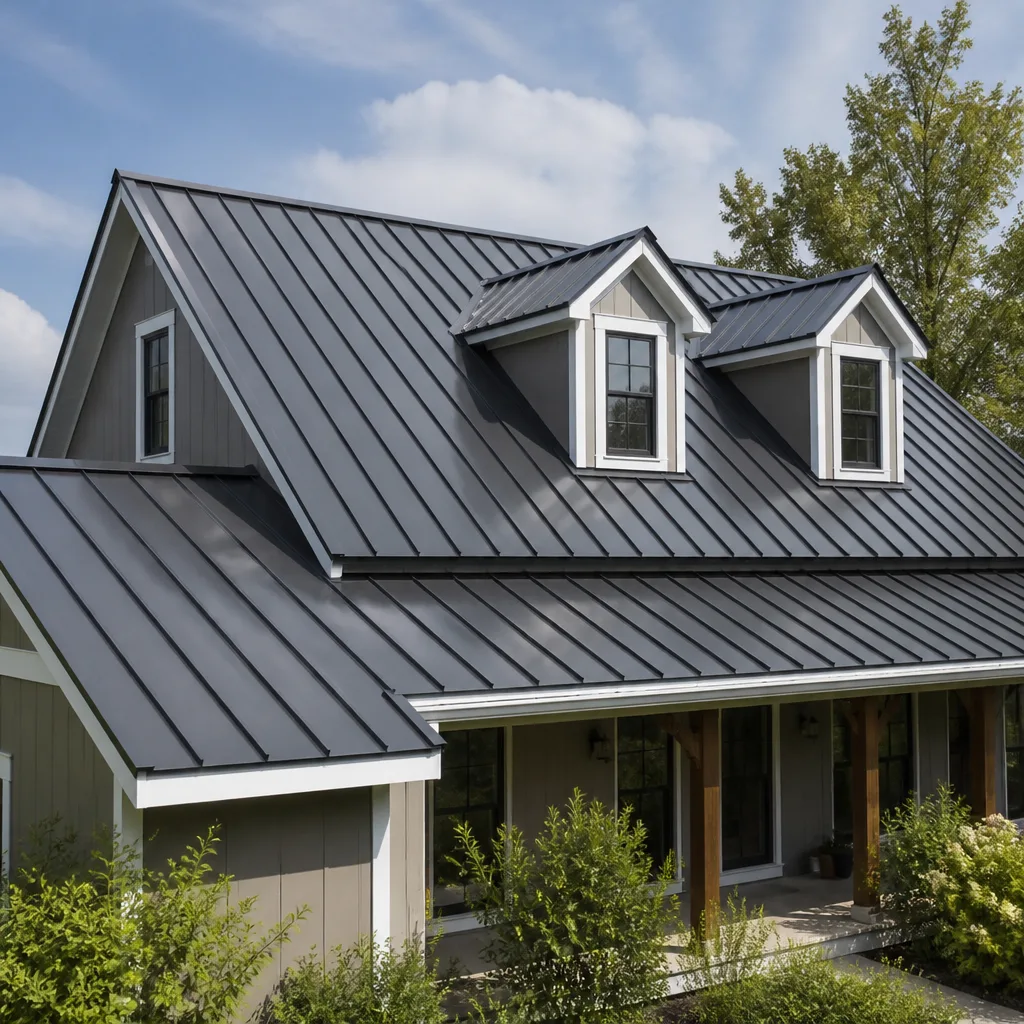
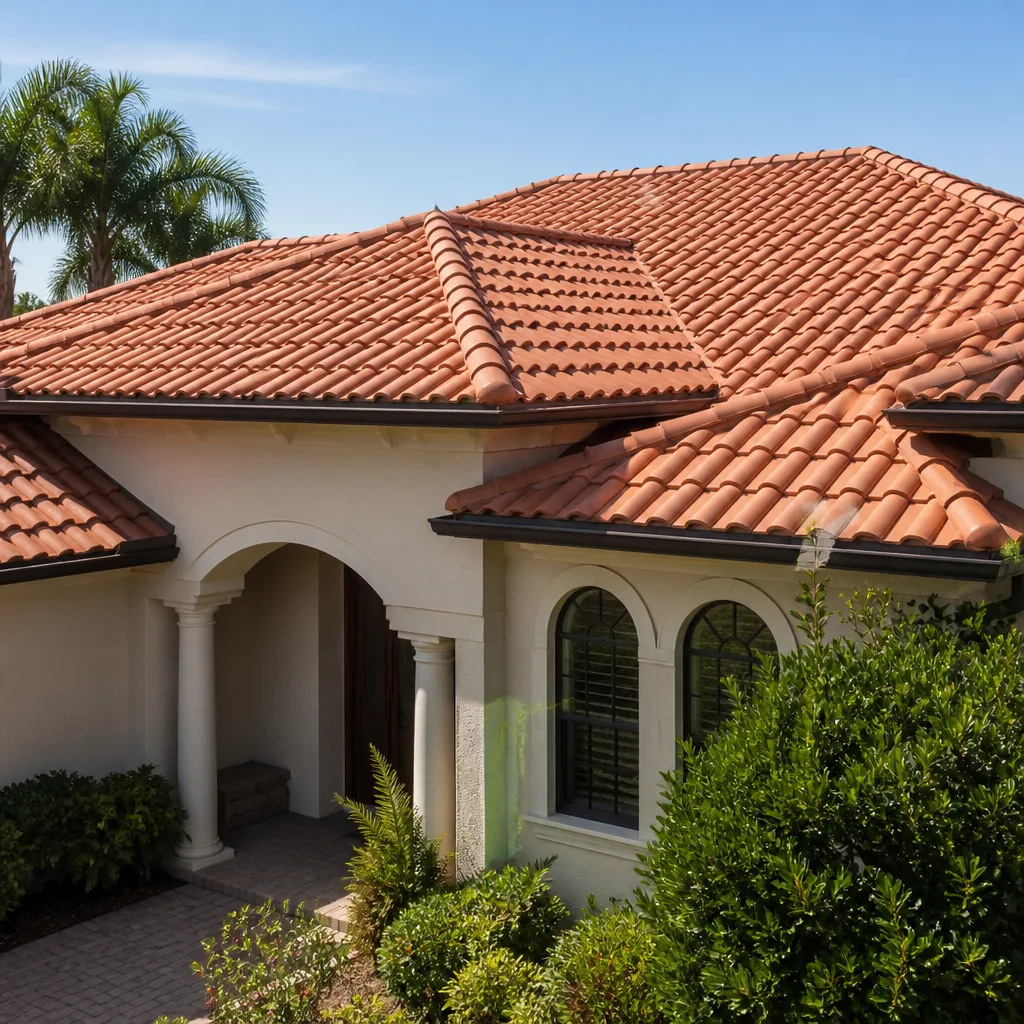
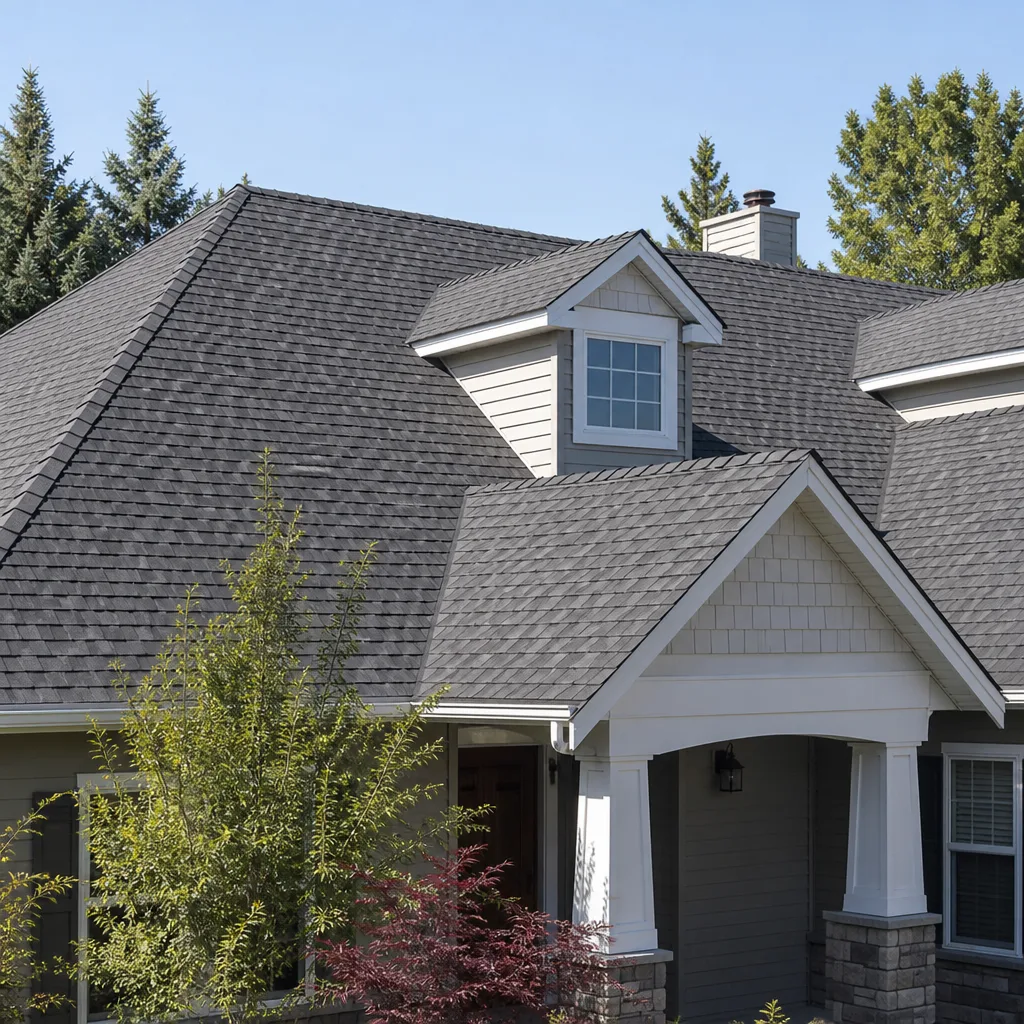
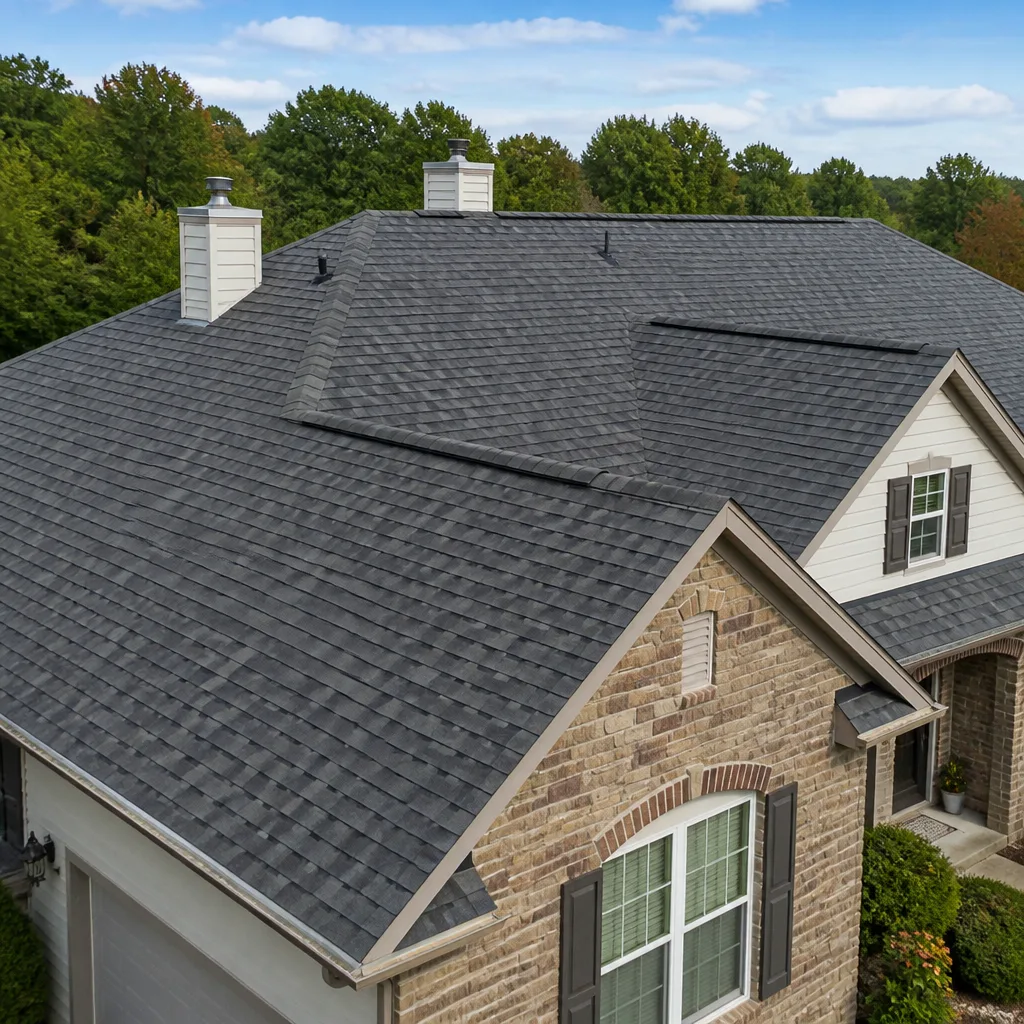
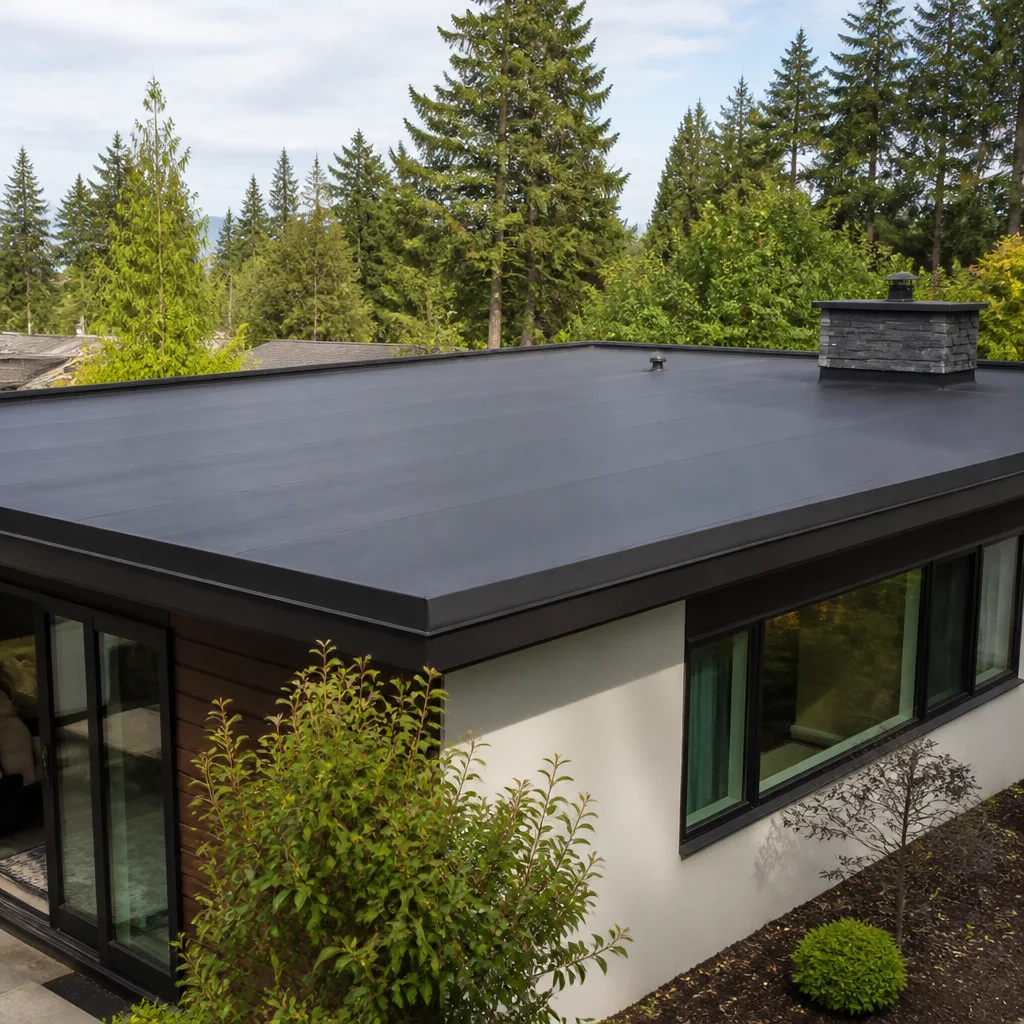
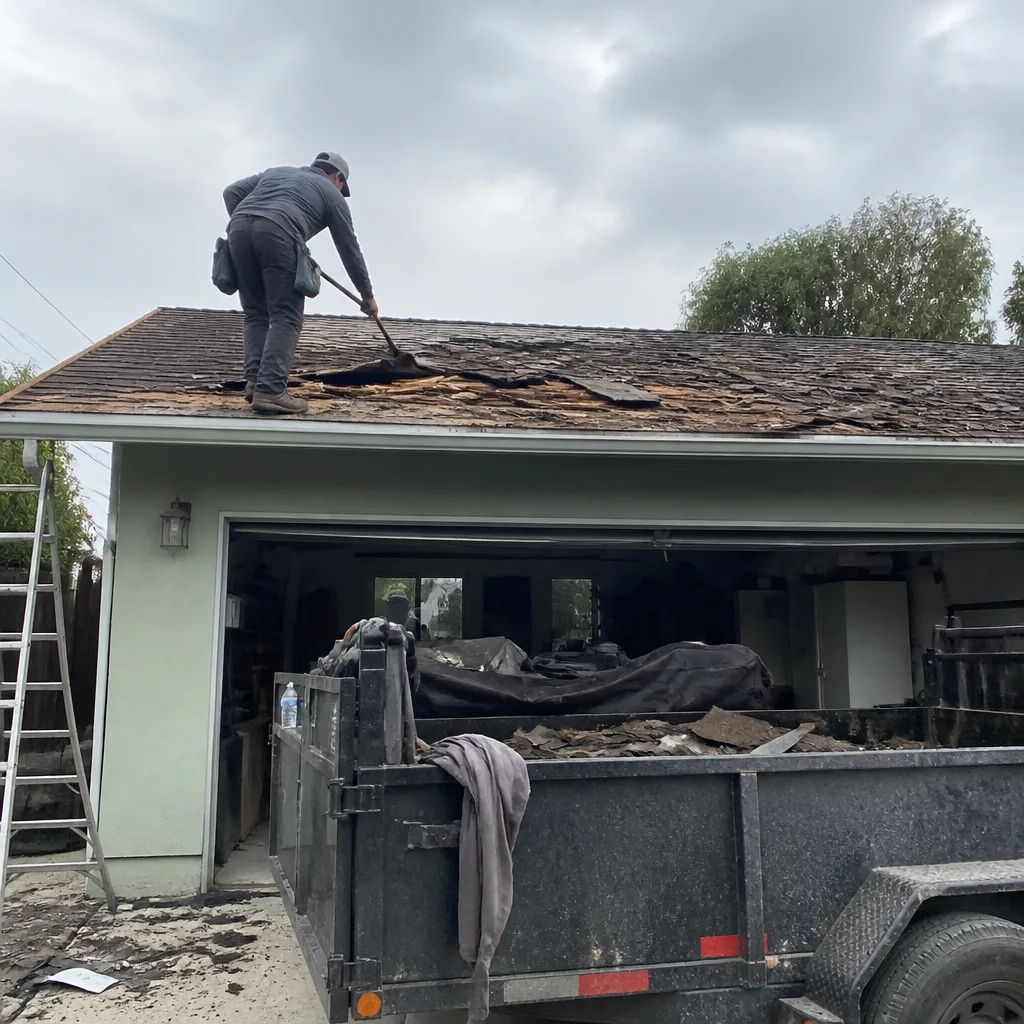 Before
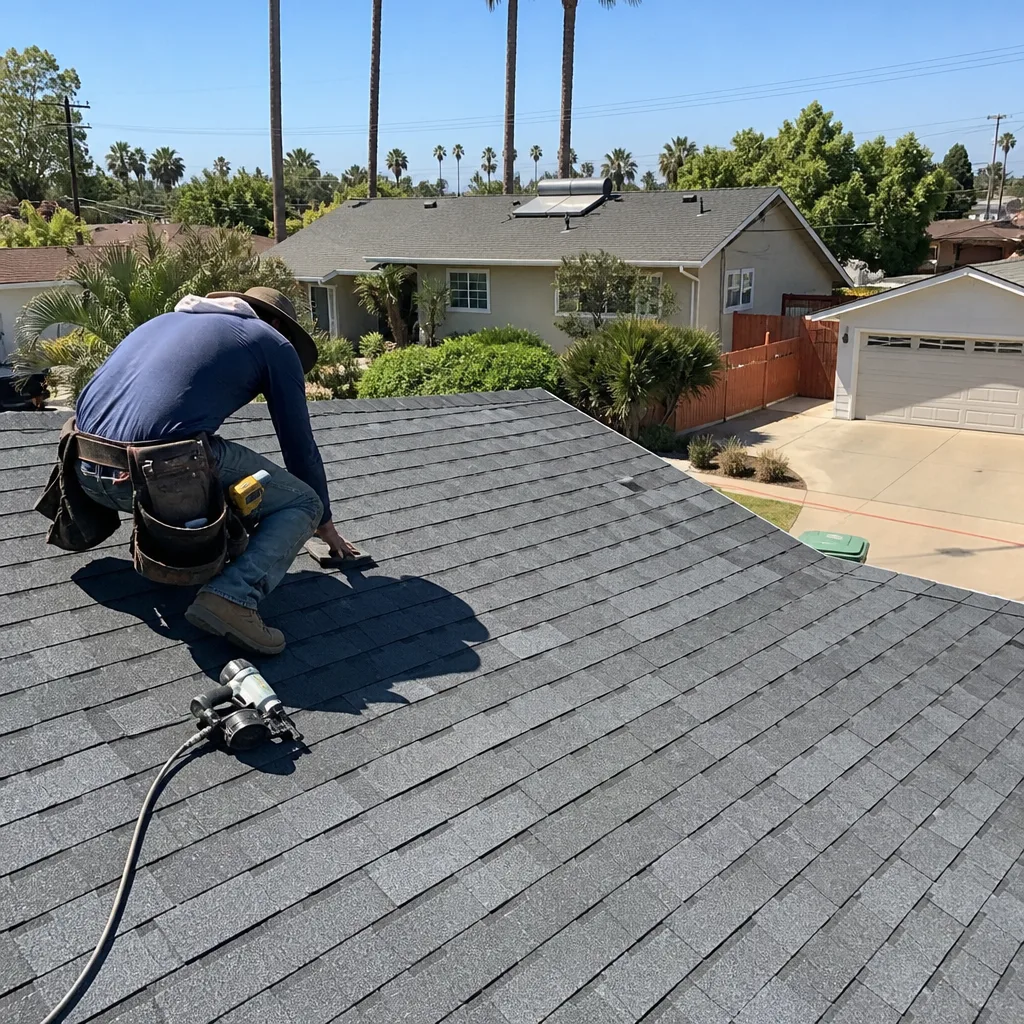 After
After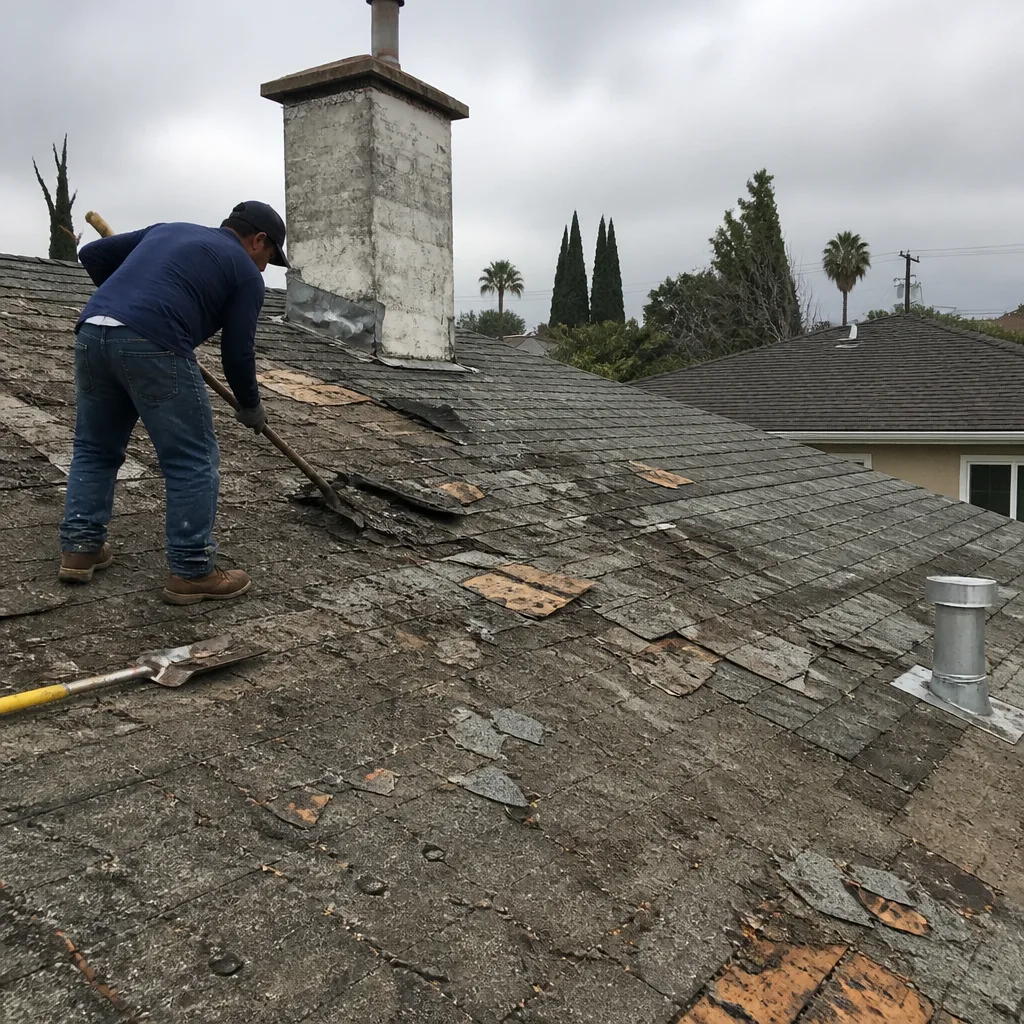 Before
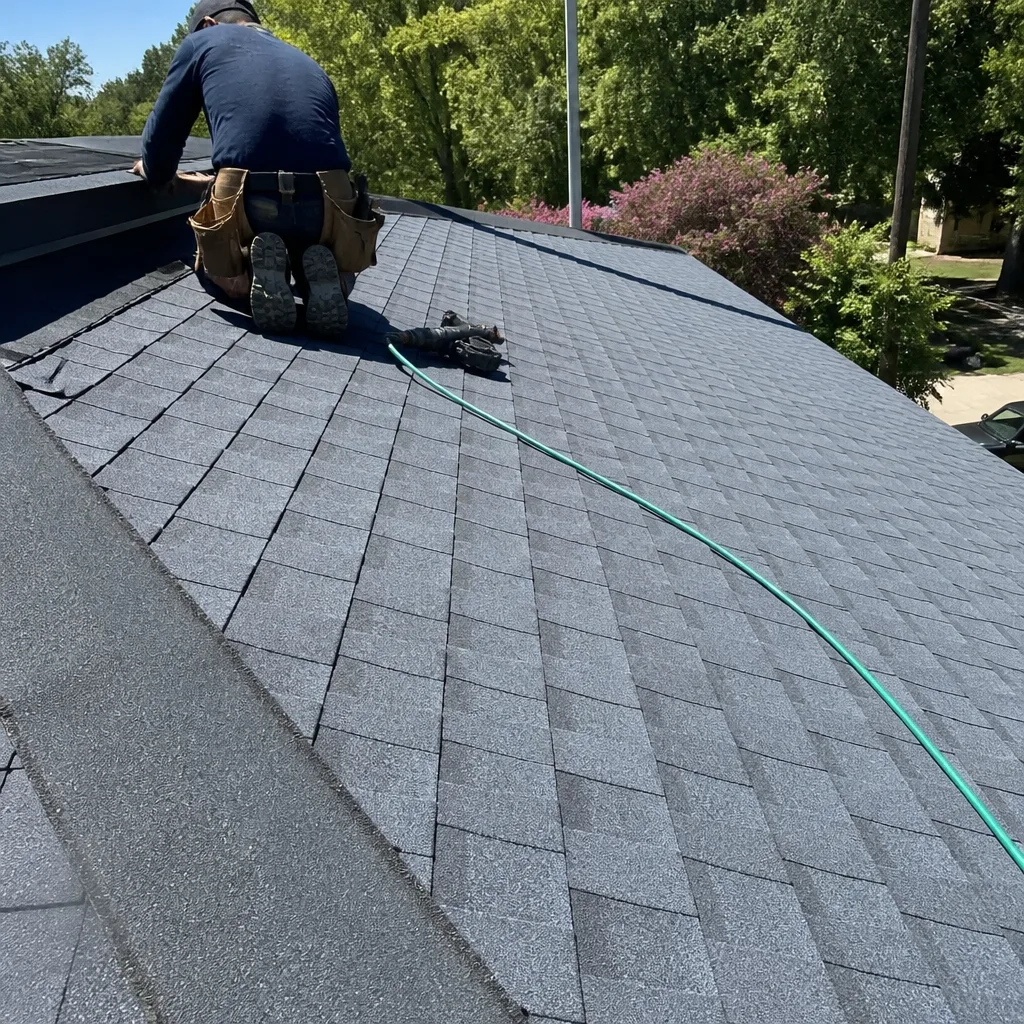 After
After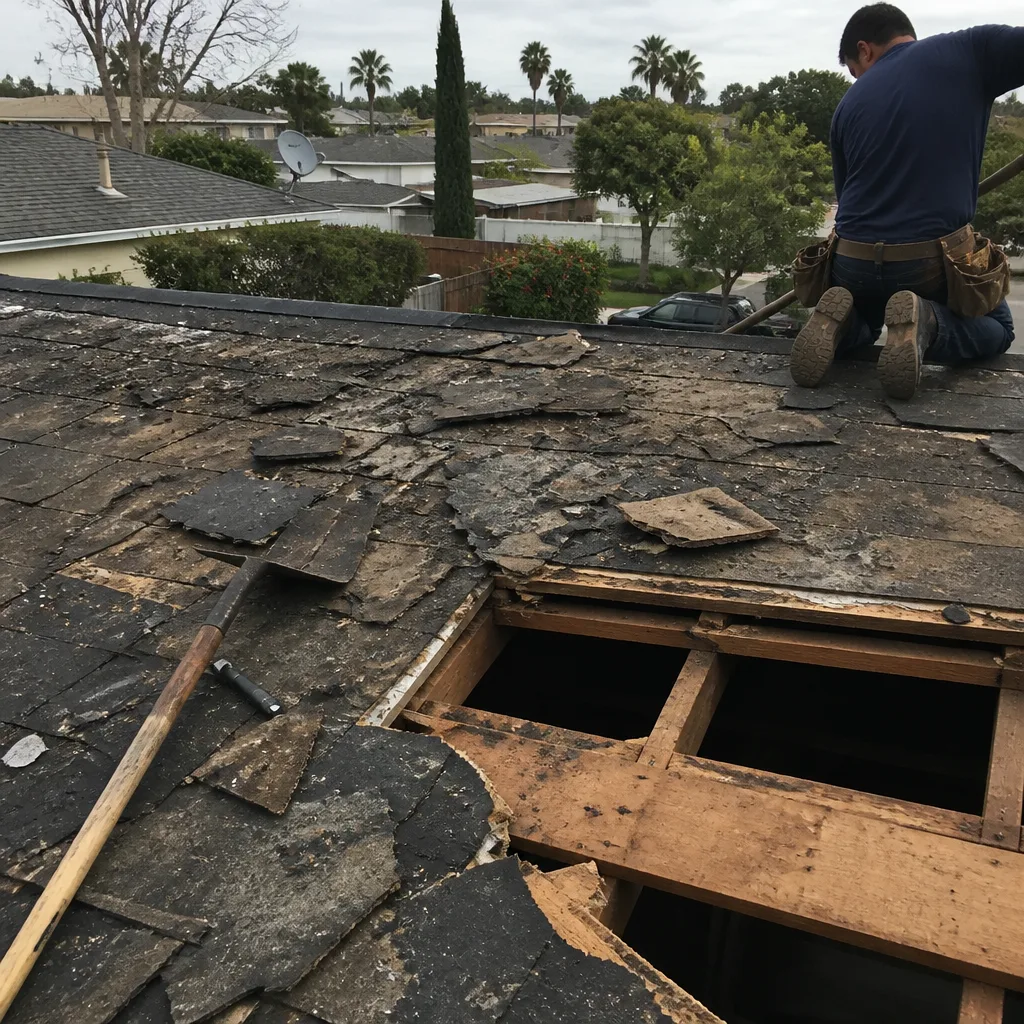 Before
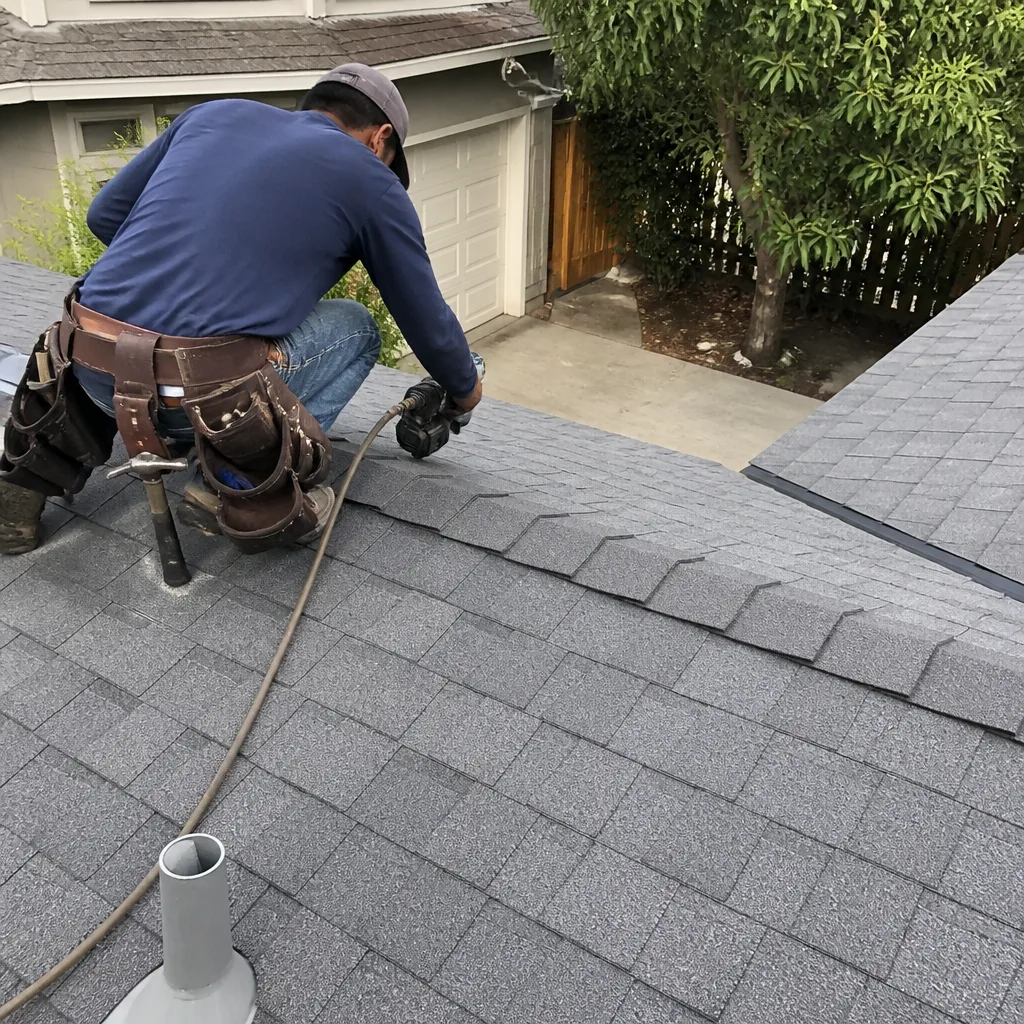 After
AfterRoofing Emergency Preparedness Guide for Los Angeles Homes
After a major Santa Ana wind event tears through Los Angeles, roofing contractors across the basin book out two to four weeks for emergency calls. The homeowners who get tarps on the same day are not the lucky ones. They are the ones who already knew who to call, what to say, and what documentation to have in hand before the wind ever picked up. This guide walks you through the three predictable roofing emergencies LA homes face, how to rank them by severity, what temporary protection actually involves, and how to prepare now so you are not waiting three weeks with water coming through your ceiling.
Quick Answer
Roofing emergencies in Los Angeles cluster around three predictable events: Santa Ana wind events, the first heavy rains of the season, and post-wildfire debris and ember damage. A prepared homeowner keeps three things current before storm season: a vetted roofing contractor’s phone number, a dry-condition photo set of their roof, and their insurance policy number. For a deeper look at what to watch for, see our Roofing Warning Signs: A Los Angeles Homeowner’s Reference Guide. When damage happens, the order of operations is document first, stop active water intrusion second, and get a written price before any repair work begins.
Table of Contents
- The Three Predictable Roofing Emergencies in Los Angeles
- How to Rank a Roofing Emergency by Severity
- What Temporary Tarping Actually Involves
- Documentation Steps Before Any Emergency Repair
- How to Vet an Emergency Roofing Contractor in Five Minutes
- What to Have Ready Before Storm Season
- Post-Wildfire Roof Damage: What Los Angeles Homeowners Miss
- What Insurance Adjusters Look For in LA Roof Claims
The Three Predictable Roofing Emergencies in Los Angeles
Roofing emergencies in Los Angeles are not random. They repeat on a schedule, and homeowners who learn the pattern stop being surprised. The three events that produce the overwhelming majority of emergency roof calls in LA are Santa Ana wind events, the first heavy rains of the season, and post-wildfire debris and ember damage.
Santa Ana Wind Events
Santa Ana winds typically arrive between September and April, with peak intensity from October through December. These winds come down through the Cajon Pass, the Santa Clarita Valley, and the canyons of the San Gabriels, then slam into neighborhoods from Porter Ranch to Pasadena to the foothill communities. Gusts regularly exceed 60 mph, and in the foothills, 80 mph is not uncommon.
What Santa Anas do to roofs is specific. They lift the edges of asphalt shingles and tear them off in strips. They rip ridge cap shingles and send them into the yard. They peel flashing away from chimneys, skylights, and vent pipes. They also drive tree branches and debris across roof surfaces at high speed, puncturing shingles and underlayment. The damage is often widespread and obvious, but the real problem appears days later, when the first rain after the wind finds every nail hole and lifted seam.
The First Heavy Rains of the Season
Los Angeles gets most of its rain between November and March, and the first significant storm of the season catches an enormous number of homeowners off guard. Roofs that developed small failures during the dry season, cracked flashing, dried-out pipe boots, tiny punctures from the previous spring’s Santa Anas, leak the moment sustained rain arrives. The first storm is when we see the majority of active interior water intrusion calls in Los Angeles.
This is also when scheduling gets tight. Contractor calendars compress, and a homeowner who calls during the first storm of the season is competing with every other homeowner whose roof just revealed its dry-season damage. Preparation here means having your roof inspected in September or October, before the rain arrives, not after the ceiling stain appears. Our Seasonal Roofing Care for Los Angeles: Year-Round Homeowner’s Guide has a full maintenance calendar.
Post-Wildfire Debris and Ember Damage
Los Angeles sits against chaparral-covered mountains that burn on a regular cycle. Homes in the foothill communities, La Cañada Flintridge, Tujunga, Sunland, Porter Ranch, and the western San Fernando Valley corridors face a specific post-fire roofing threat: embers and debris that land on roofs during a fire event, then sit there for weeks or months. Embers can smolder in roof valleys, gutters, and behind fascia boards. Debris accumulations trap moisture and accelerate shingle deterioration. Ash is acidic and corrosive to metal flashing.
After any wildfire within a few miles of your home, even if the fire never reached your street, your roof needs a documented inspection. The damage from a nearby fire is often invisible from the ground and does not show up until the next rain.
How to Rank a Roofing Emergency by Severity
Not every roof problem is an emergency. Los Angeles homeowners who can rank damage by severity make better decisions under pressure, and they do not get talked into emergency pricing for a problem that could have waited a week. Here is how we classify roof issues when someone calls us after a storm.
Category 1: Active Interior Water Intrusion – Act Now
Water is coming through the ceiling, running down a wall, pooling around a light fixture, or dripping from a vent. This is a genuine emergency. Every hour of active water intrusion adds damage to insulation, drywall, electrical components, and the roof decking itself. In Los Angeles homes with flat or low-slope roofs, water that gets through the membrane can travel laterally for feet before it finds a seam in the decking and shows up inside. By the time you see a ceiling stain, the roof deck has likely been wet for days.
What to do: Move furniture and valuables out of the path. Place buckets or bins to catch active drips. Cut off power to any affected light fixture at the breaker if water is near electrical. Document everything with photos and video. Then call a roofing contractor and tell them you have active interior water intrusion. Those three words get you prioritized correctly. This is also the scenario where temporary tarping is most likely warranted, which we cover below.
Category 2: Compromised but Not Leaking – Act Within 48 Hours
You can see missing shingles from the ground, a tree branch on the roof, lifted flashing, or granule loss in your gutters, but no water has appeared inside. The roof is compromised. It will leak. The only question is when. In Los Angeles, where the next rain might be ten days away or three months away, the temptation is to wait. Do not wait.
Compromised but not leaking means you have a window of 48 hours to get a roofer out, get the damage documented, and get a written price for the repair before the next storm turns Category 2 into Category 1. You also have time to call your insurance company and start a claim while the damage is fresh and easy to photograph.
Category 3: Storm-Stressed but Intact – Document and Inspect
The roof survived the storm. No missing shingles, no visible punctures, no interior leaks. But the wind was strong, debris hit the roof, or ash fell. This is the category where Los Angeles homeowners make their most expensive mistake: doing nothing.
A roof can sustain wind stress that breaks the seal between shingle courses without tearing anything off. It can take a branch strike that cracks a shingle without displacing it. These failures are invisible from the ground and do not leak immediately. They fail during the next rain. The correct response to a heavy storm is a documented inspection, either your own photo walkaround if you can safely access the area, or a professional roof inspection. Baseline documentation from before the storm makes this comparison far more useful.
What Temporary Tarping Actually Involves
Temporary tarping is the most misunderstood emergency roof service in Los Angeles. Homeowners think of it as a simple cover thrown over a hole. It is not. A correct emergency tarp is a engineered temporary roof, and a wrong tarp causes more damage than it prevents.
What a Proper Tarp Job Involves
- Weight and size: A proper emergency tarp for a roof section is heavy, typically a reinforced polyethylene or vinyl-coated fabric. It needs to cover the damaged area plus a generous margin, usually 4 to 6 feet beyond the failure in every direction.
- Anchor points: The tarp must be anchored to the roof structure, not just laid over it. On most LA homes, this means furring strips screwed through the tarp into the roof decking at the tarp edges and along the seams. The screws and strips are sacrificial, meaning the repair will require patching those screw holes later.
- Seam direction: The upper edge of the tarp must be secured under the next intact course of shingles or sealed against the roof surface so water running down the roof cannot get underneath. This is the step most DIY tarp jobs get wrong.
- Traffic consideration: Someone has to be on the roof to install the tarp correctly. On a storm-damaged roof with compromised decking, that person needs to know where it is safe to walk. This is exactly when a background-checked, uniformed technician with roofing experience earns their keep.
When to Wait for a Professional
If the damaged area is on a steep pitch, if the roof is two stories or higher, if the damage is near power lines, or if the roof decking feels soft or spongy, do not go up there. The roof is compromised, and a fall from a two-story Los Angeles home is a life-changing injury. The first heavy rain after a Santa Ana event also makes roof surfaces slick. Your job in an emergency is to document, protect the interior, and call a professional. Temporary tarping inside a two-week contractor backlog is not a task you want to be teaching yourself from a video. We have repaired roofs where the homeowner’s tarp was nailed through the underlayment, creating dozens of new leak points. It is far cheaper to wait a day for a proper tarp than to pay for the collateral damage of a bad one.
Documentation Steps Before Any Emergency Repair
The single most valuable thing a Los Angeles homeowner can do during a roofing emergency is document the damage before anyone touches the roof. Insurance adjusters, contractors, and even your future self will rely on this record. Here is the exact order we recommend.
- Interior first: Take photos and video of every visible sign of water intrusion inside the home. Ceiling stains, drips, bubbling paint, wet drywall, water on floors or furniture. Include wide shots that show where the damage is located in the room, and close shots that show the extent.
- Exterior from the ground: Photograph the roof from all four sides of the house using your phone’s zoom. Missing shingles, lifted flashing, displaced tiles, and debris are often visible from the ground if you look carefully. Do this before anyone moves anything.
- Timestamp everything: Your phone records date and time automatically, but take a photo of a clock or a current newspaper in at least one shot per affected area if you want an extra layer of verifiable timestamping. It is overkill until it is not.
- Photograph in the dry if possible: If the damage is discovered during a dry period, document it then. Photos taken during active rain show less detail and can obscure the extent of the damage.
- Save your pre-storm baseline: This step happens before any emergency. Take a photo set of your roof in dry, clear conditions, all four sides plus close-ups of flashing, valleys, and any feature like skylights or vents. Store these somewhere you can find them. When a storm hits, these baseline photos are the comparison point that proves what is new damage and what predates the event.
- Keep a written log: Note the date and time you first noticed the problem, what the weather was doing, and every action you took. If you call a roofer, note who you spoke with and what they said. Insurance adjusters look for a record that is consistent and detailed.
What insurance adjusters specifically look for is this: evidence that the damage is new, caused by a covered event, and was addressed in a timely way. Gaps in documentation, missing baseline photos, and repairs made before any photos were taken all give the adjuster reasons to reduce the claim. Los Angeles homeowners with older roofs have an additional burden: insurers are increasingly aggressive about attributing damage to wear and tear rather than storm events. Your documentation is your leverage.
How to Vet an Emergency Roofing Contractor in Five Minutes
Storm chasing is a real problem in Los Angeles after major wind events. Out-of-area contractors show up, take deposits, and disappear. Or they do work that fails, and the homeowner has no recourse because the company has no local presence. Under time pressure, you still have time for three checks that take five minutes total.
- CSLB license check, part one: Go to the California State License Board website and look up the license number. Confirm the license is active, the classification includes roofing (C-39), and the business name on the license matches the business name on the truck and the contract.
- CSLB license check, part two: Look at the license issue date. A license that is two months old is not automatically a dealbreaker, but a license that is ten years old and active tells you the company has survived a decade of California’s regulatory environment. A suspended or expired license stops the process right there.
- Insurance verification: Ask for a certificate of insurance and confirm the policy is current. The contractor should carry general liability and workers’ compensation. In California, a roofer without workers’ comp coverage is a massive liability exposure for the homeowner if someone gets hurt on your property.
Beyond the five-minute checks, ask one more question: will you put the price in writing before any work starts? At Brennan Roofing, this is not a negotiation. The price goes on paper before any work begins, and it does not move at the door. A contractor who will not commit to a written price before starting emergency work is one that will likely find a reason to charge more after the fact.
What to Have Ready Before Storm Season
The difference between a manageable roofing emergency and a catastrophe in Los Angeles is about ninety minutes of preparation done in September, before the first Santa Ana wind event. Here is exactly what to have in place.
- Your contractor’s contact: Pick your roofing company now, when you are not under pressure, and save their number in your phone. Interview them, check their CSLB license, and get a roof inspection done in the dry season. When the emergency hits, you are calling someone you already vetted, not someone you found on a sponsored ad at 2 a.m. after the storm.
- Your insurance policy number: Keep your policy number with your contractor’s contact. When you file a claim, the first thing the adjuster asks for is the policy number. Digging through a filing cabinet while water drips through your ceiling is not how anyone wants to spend that hour.
- Your roof’s age and material: Know what your roof is made of (asphalt shingle, tile, modified bitumen, metal) and approximately when it was installed or last replaced. This context matters for both your contractor and your insurance adjuster. An asphalt shingle roof in Los Angeles that is 22 years old responds to a storm very differently than one that is 6 years old.
- Baseline photos of your roof in dry conditions: This is the same item from the documentation section, and it belongs on this list because it is the single most important pre-storm preparation step. Shoot in good light, cover all four sides, and store the images in a place you can access from your phone.
- One interior inspection of your attic or crawl space: Before the rainy season starts, go into your attic with a flashlight and look at the underside of the roof decking. You are looking for dark stains, white streaks, or soft spots, all signs that moisture has already gotten through. In Los Angeles, the first signs of roof failure often show up in the attic months before they show up on the ceiling.
Post-Wildfire Roof Damage: What Los Angeles Homeowners Miss
When a wildfire burns within a few miles of your Los Angeles home, the threat to your roof does not end when the smoke clears. Embers can travel a mile or more from a fire front, and they land on roofs, in gutters, and behind fascia boards. A home that was never in the evacuation zone can still have significant ember damage to its roof system.
The damage takes three forms. First, embers burn through shingles or the membrane on flat roofs, creating small penetrations that do not leak until the next rain. Second, embers and ash collect in gutters and valleys, where they trap moisture and hold it against the roof surface, accelerating shingle deterioration. Third, ash deposits are acidic and corrosive to metal flashing, particularly around chimneys, vents, and valleys. On older Los Angeles homes with original flashing, a heavy ash accumulation can shorten the remaining life of that flashing by years.
The correct response after any nearby wildfire is a documented roof inspection. If the fire came close enough that ash fell on your property, treat the roof as suspect. Walk the perimeter and photograph any visible debris. Clean gutters as soon as it is safe to do so. And if you see any evidence of ember strikes, dark pitting or melted spots on shingles, or charred debris on the roof, get a professional inspection before the next rain. This is not the time for assumptions. We have inspected Los Angeles roofs after fires where the damage looked like nothing from the street and turned out to be a dozen ember strikes across the south-facing slope.
What Insurance Adjusters Look For in LA Roof Claims
Los Angeles homeowners filing roof claims after a storm event face a specific set of challenges. Insurance adjusters in this market are experienced, which means they have seen every type of roofing claim, and they are looking for reasons to attribute damage to age, deferred maintenance, or pre-existing conditions rather than the storm event. Here is what they evaluate and how to position your claim correctly.
First, they look at the roof’s age and material. A 25-year asphalt shingle roof that is 23 years old with a hail or wind claim is going to get significant pushback. The adjuster’s position will be that the roof was near the end of its service life and the storm simply finished what time had already started. This is where your dry-condition baseline photos and any recent inspection reports become critical. If you can show that the roof was sound before the storm, with photos and a professional inspection, the claim changes completely.
Second, they look for consistency between the reported damage and the weather event. Wind claims should align with recorded wind data for your area. If you report wind damage but the nearest weather station recorded 25 mph gusts on the date in question, the claim faces an uphill battle. This is one more reason to document the date and time you first noticed damage.
Third, they look at whether you mitigated the damage. A homeowner who let water pour through a hole in the roof for two weeks before calling anyone has a weaker claim than one who called a roofer within 24 hours. Mitigation matters. Temporary tarping, interior drying, and prompt professional assessment all demonstrate that you acted responsibly. Keep the receipts.
For Los Angeles specifically, adjusters are also increasingly knowledgeable about wind-driven dust and debris claims, especially in the foothill areas where Santa Ana winds are strongest. If you live in a wind corridor like the hills above Glendale, Pasadena, or the western San Fernando Valley, your roof faces different stresses than a roof in the basin. Documenting which corridor you live in and what the wind did matters more than most homeowners realize.
Common Mistakes to Avoid
- Waiting for the next rain to confirm the leak. A roof that is compromised but not leaking will leak eventually. The cost of waiting is measured in wet drywall, damaged insulation, and a roof deck that needs replacing instead of patching. Los Angeles homeowners who act in the dry window pay less.
- Hiring the first contractor who knocks on the door after a storm. Storm chasers descend on Los Angeles neighborhoods after every major wind event. The five-minute CSLB and insurance check we outlined earlier filters most of them out. A company that goes door to door after a storm is rarely the company you want on your roof.
- Skipping the pre-storm baseline photos. Every insurance dispute about roof damage comes down to the same question: was the damage there before the storm? Baseline photos answer that question. Without them, you are arguing from memory.
- Attempting a DIY tarp on a steep or two-story roof. We discussed this earlier. A fall from a roof is a life-altering event, and a tarp installed incorrectly creates new leaks. The money you save on a DIY tarp will be spent several times over on the repair.
- Filing a claim without documentation. Insurance adjusters work from evidence, not from your description of events. A claim filed without photos, timestamps, and a written log is a claim that gets reduced or denied. Document first, file second.
- Accepting a verbal price for emergency work. Verbal quotes do not hold up in a dispute. If a contractor will not put the price in writing before starting, find one who will. At Brennan Roofing, the written price is the first thing that happens, before any work starts, every time.
- Ignoring post-fire debris on the roof. Embers and ash do not fix themselves. A gutter full of fire debris will hold moisture against the roof edge and accelerate failure. After any nearby wildfire, clean and inspect, even if the fire never came close.
When to Call a Professional
Call a professional the moment you see active water intrusion, significant wind damage, or ember strikes on your roof. If you are unsure whether the damage is serious, call anyway and ask for an inspection. A professional assessment costs far less than the damage caused by a roof that fails the next time it rains. If you are in Los Angeles and need a roof inspection, repair, or replacement, Brennan Roofing offers free estimates. Call (361) 320-9467 and a live person answers, around the clock, not a voicemail system.
Frequently Asked Questions
Emergency roof repair in Los Angeles typically ranges from $350 to $1,500 for localized damage like missing shingles or lifted flashing, while temporary tarping runs $200 to $600 depending on the size of the affected area and the roof’s accessibility. Full roof replacement after major storm damage runs $8,000 to $25,000 or more depending on the size of the home and the roofing material. Every job at Brennan Roofing starts with a written price before any work begins. Call (361) 320-9467 for an exact quote, estimates are free.
At Brennan Roofing, no. The price is written down before any work begins, and it does not move at the door. If we discover additional damage during the repair, we stop, show you what we found, and put the revised scope and price in writing before continuing. You approve every dollar before it is spent.
Localized repairs like replacing missing shingles or resealing flashing typically take two to four hours once a crew is on site. Temporary tarping takes one to two hours. The variable in Los Angeles is scheduling: after a major Santa Ana wind event, even the best contractors are booked out, which is why preparation matters. A homeowner who calls in the dry window gets scheduled in days, not weeks.
For most emergency repairs and localized shingle replacement, Los Angeles does not require a building permit. For full roof replacement, the City of Los Angeles Department of Building and Safety typically requires a permit, and a legitimate contractor will pull it as part of the job. See Roofing Permits, Codes & Inspections in CA: What You Need to Know for details on what to expect. At Brennan Roofing, permits are pulled and inspections are passed on every job that requires them. It is part of the written scope before work starts.
For wind resistance, properly installed architectural asphalt shingles from manufacturers like GAF, CertainTeed, or Owens Corning perform well in Los Angeles wind corridors, and tile or metal roofs provide additional durability in the highest-exposure foothill areas. The installation matters as much as the material. A premium shingle nailed wrong will fail in the first Santa Ana, which is why manufacturer specifications and proper nailing patterns are non-negotiable.
Most standard homeowners policies in California cover sudden wind damage, including damage from Santa Ana wind events, subject to your deductible and any policy exclusions. The key variable is the roof’s age and condition: insurers increasingly attribute wind damage on older roofs to pre-existing wear. Your documentation, including baseline photos and inspection reports, is what protects your claim. File promptly and keep every receipt.
The Bottom Line
Roofing emergencies in Los Angeles are predictable: Santa Ana winds, the first heavy rains of the season, and post-wildfire debris cause almost all of them. The homeowners who fare best are the ones who prepared in the dry season: a vetted contractor on speed dial, baseline photos of a sound roof, a current insurance policy number, and a clean gutter system. When damage hits, the order is document, protect, and get a written price before any work starts. At Brennan Roofing, that written price is the standard, along with background-checked technicians, a live person on the phone around the clock, and a 365-day written guarantee on every job. Browse our more guides & resources for additional homeowner tips. Travis Oakley and the team are ready when you are. Call (361) 320-9467 for a free estimate.
Written by Travis Oakley, Owner at Brennan Roofing, serving Los Angeles since 2000.