
Last updated October 9, 2026
Free roof inspection with deck photos before we talk money - GAF and Owens Corning certified installation
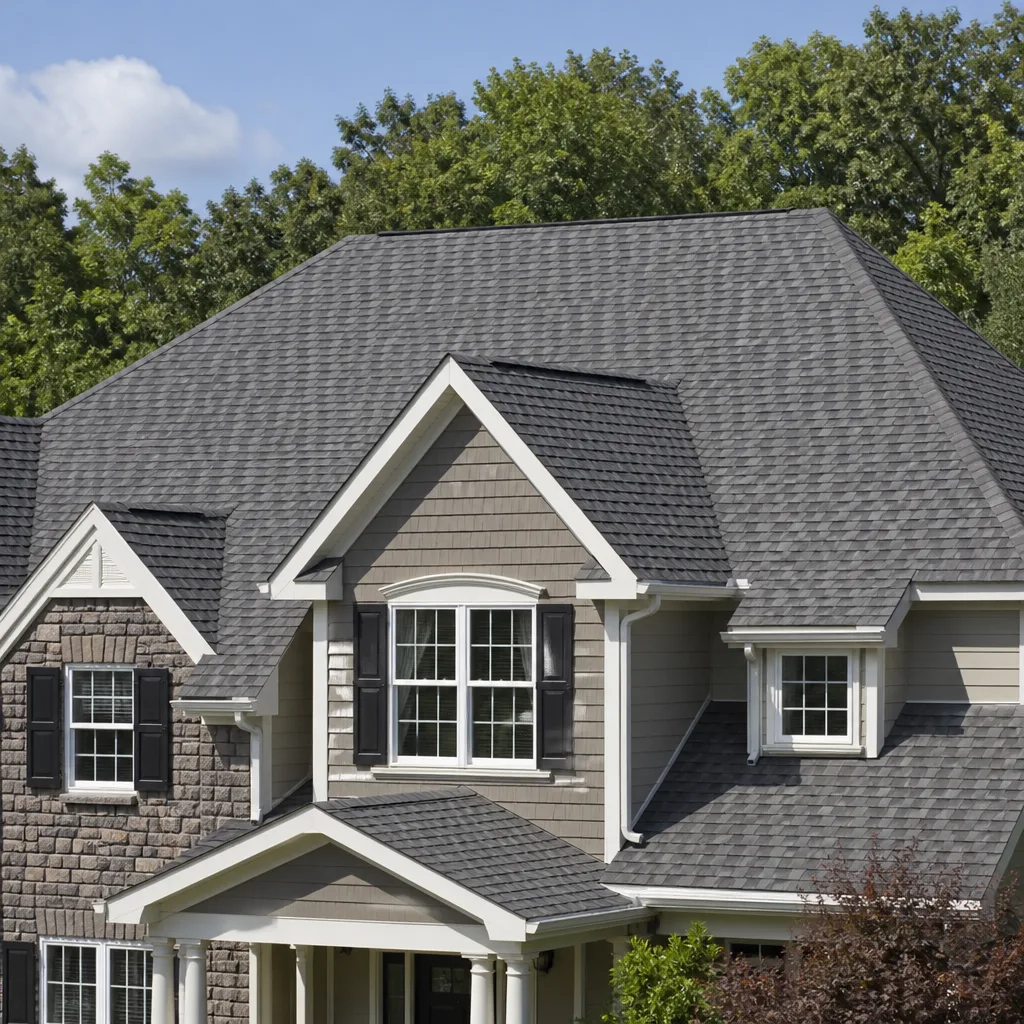
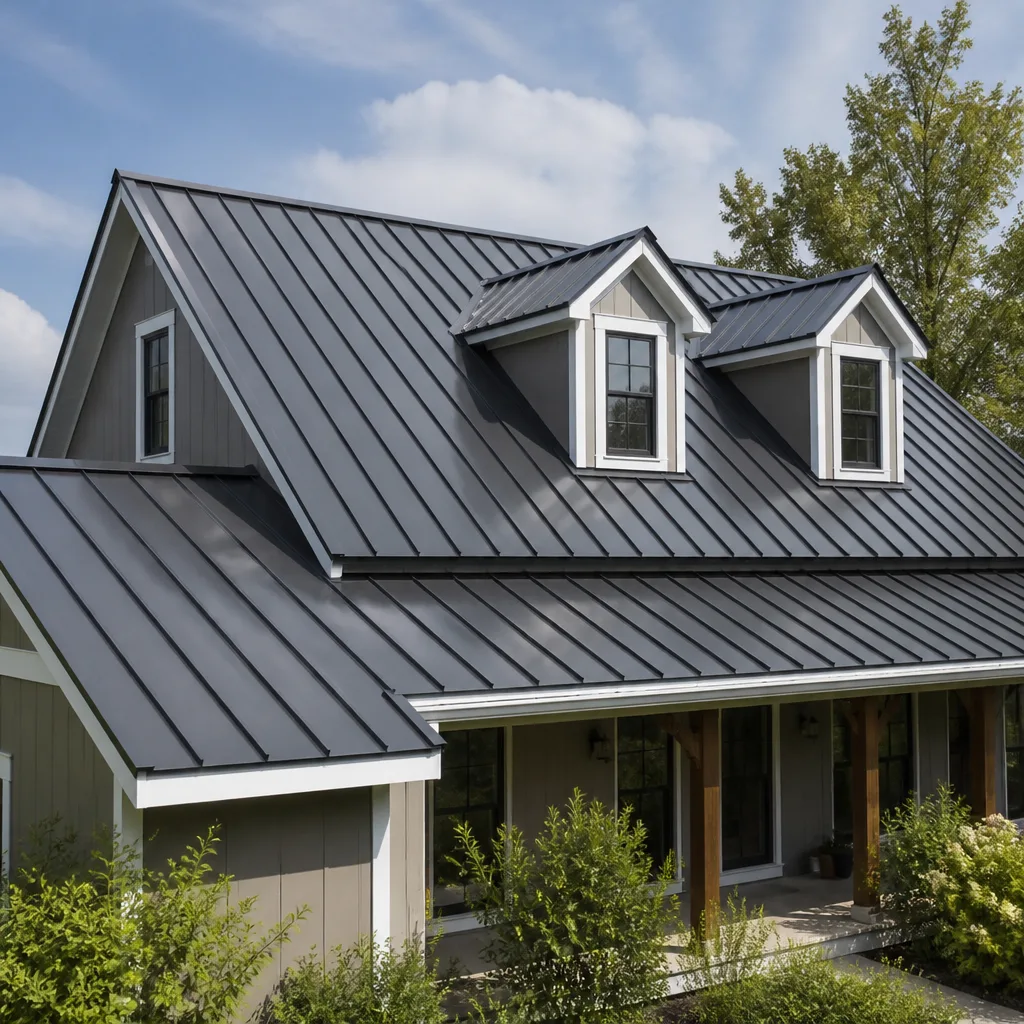
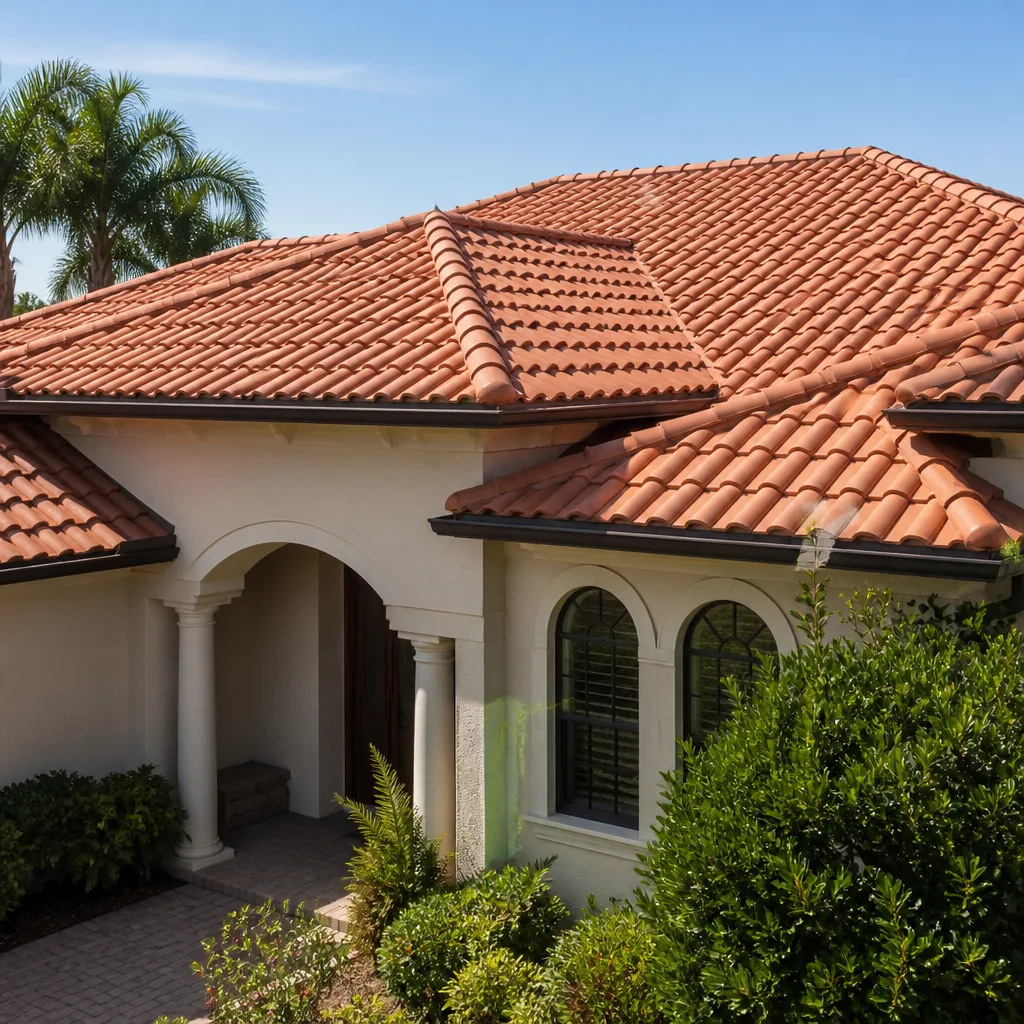
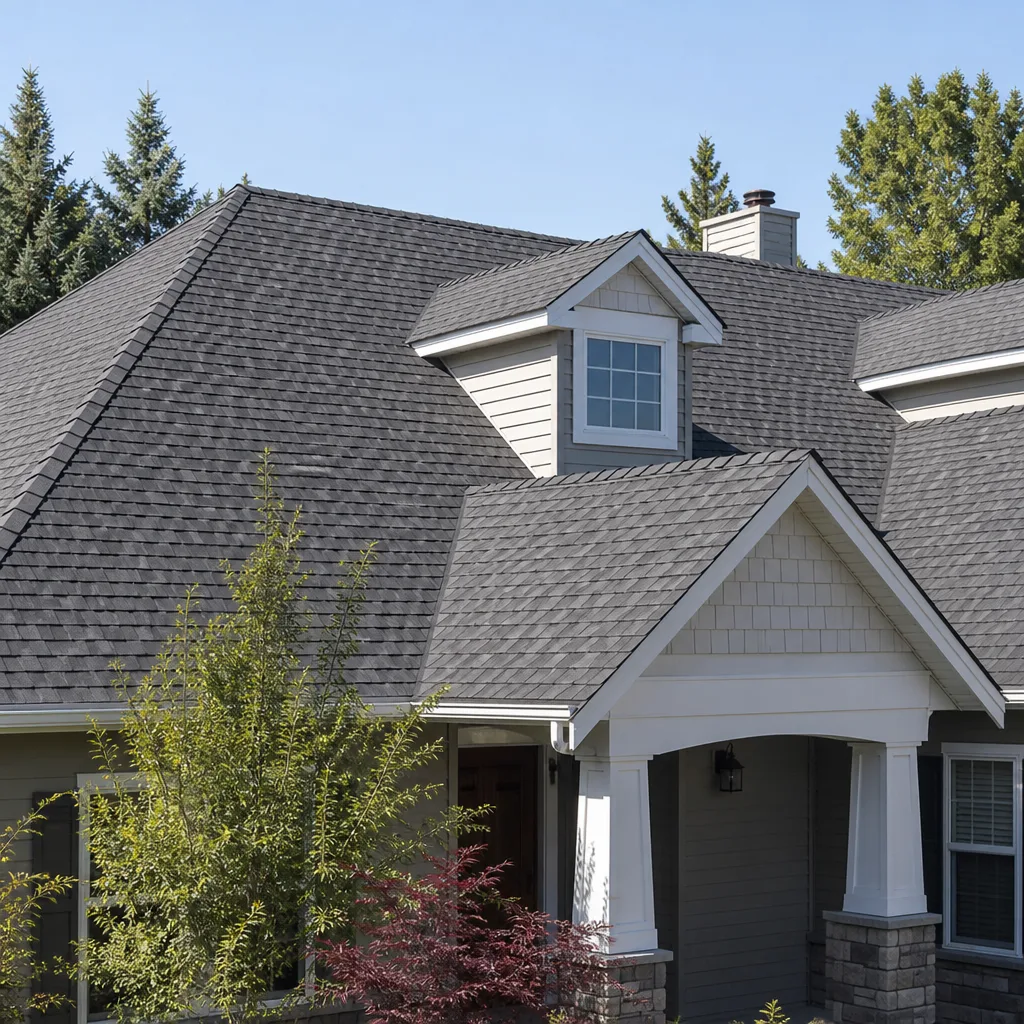
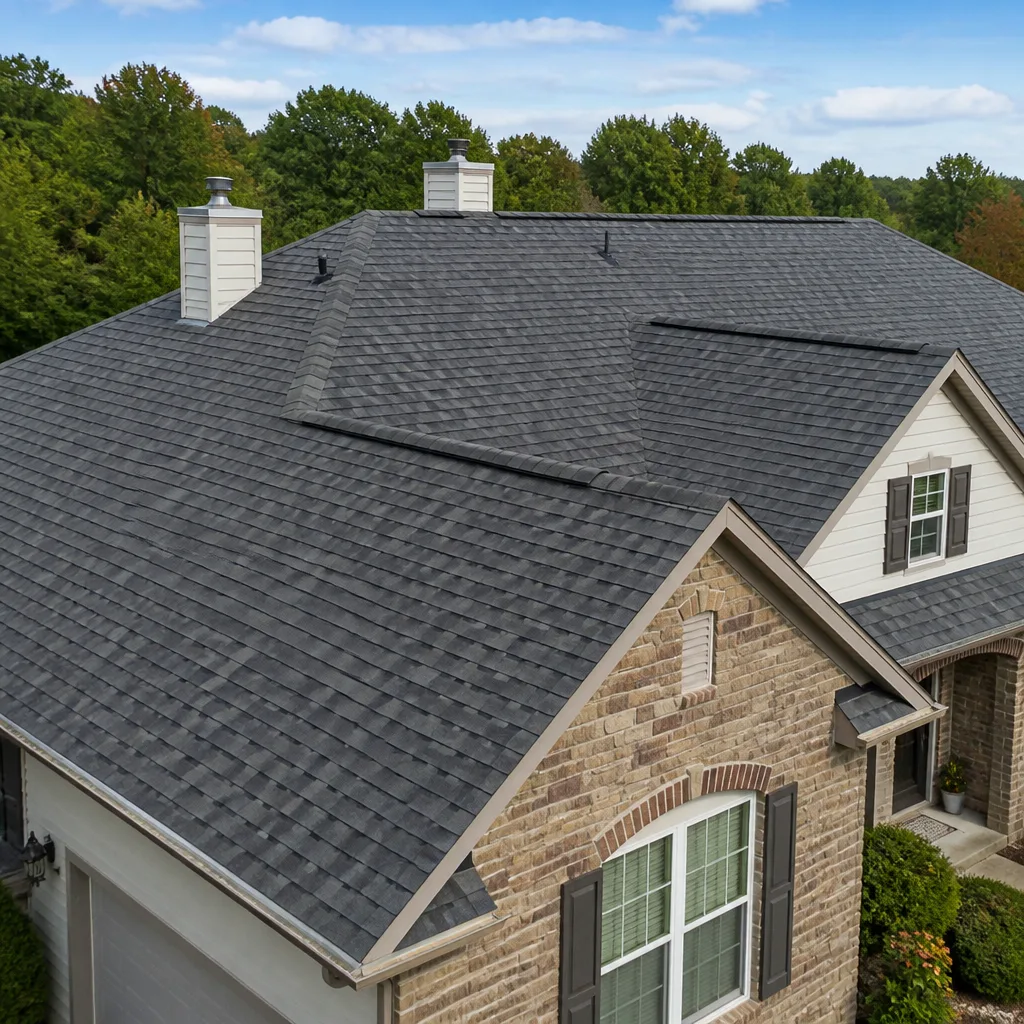
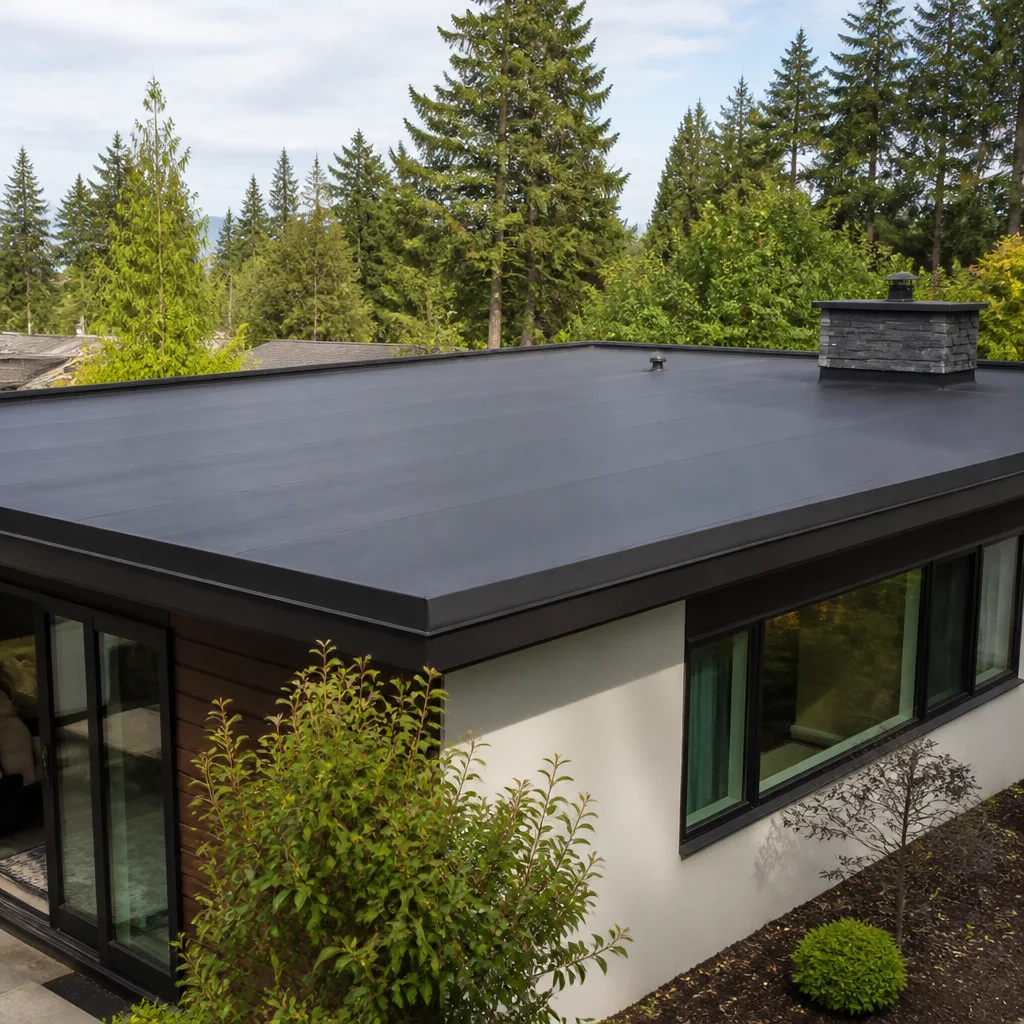
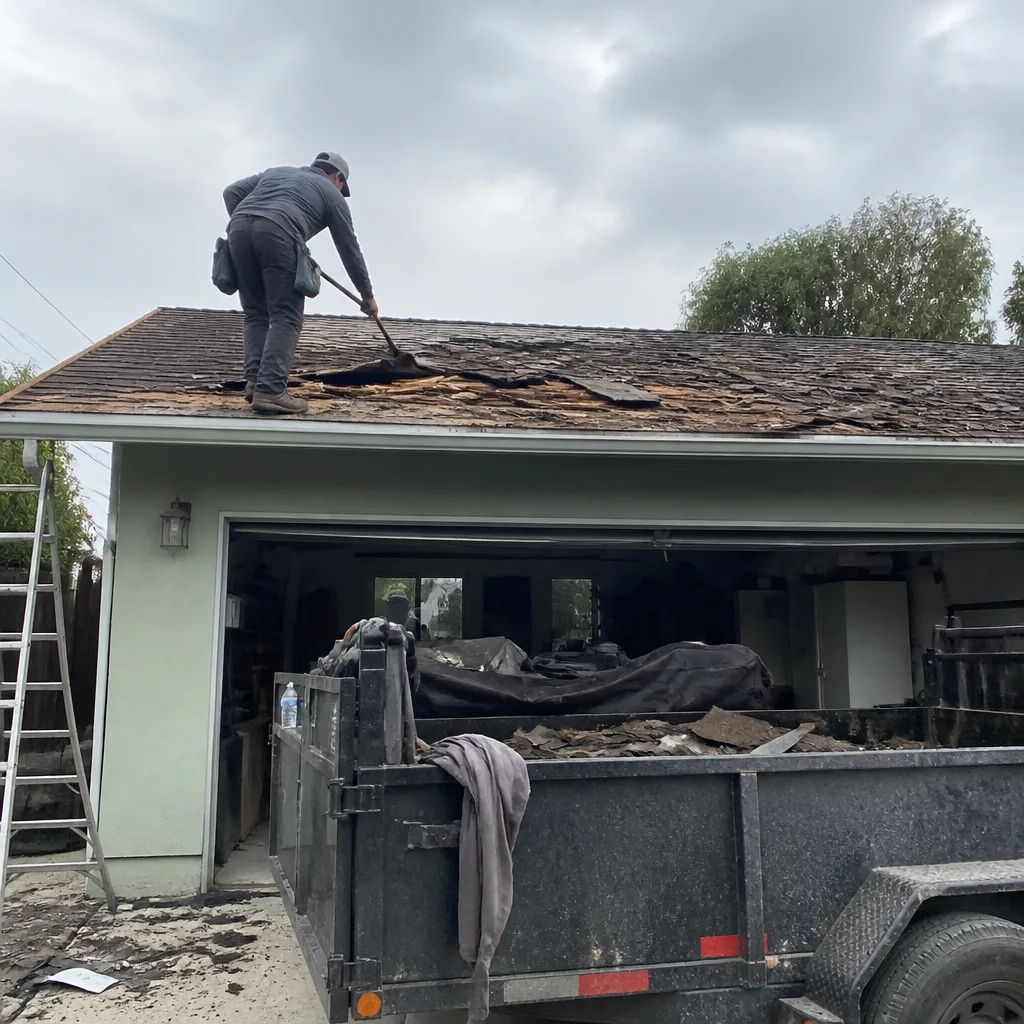 Before
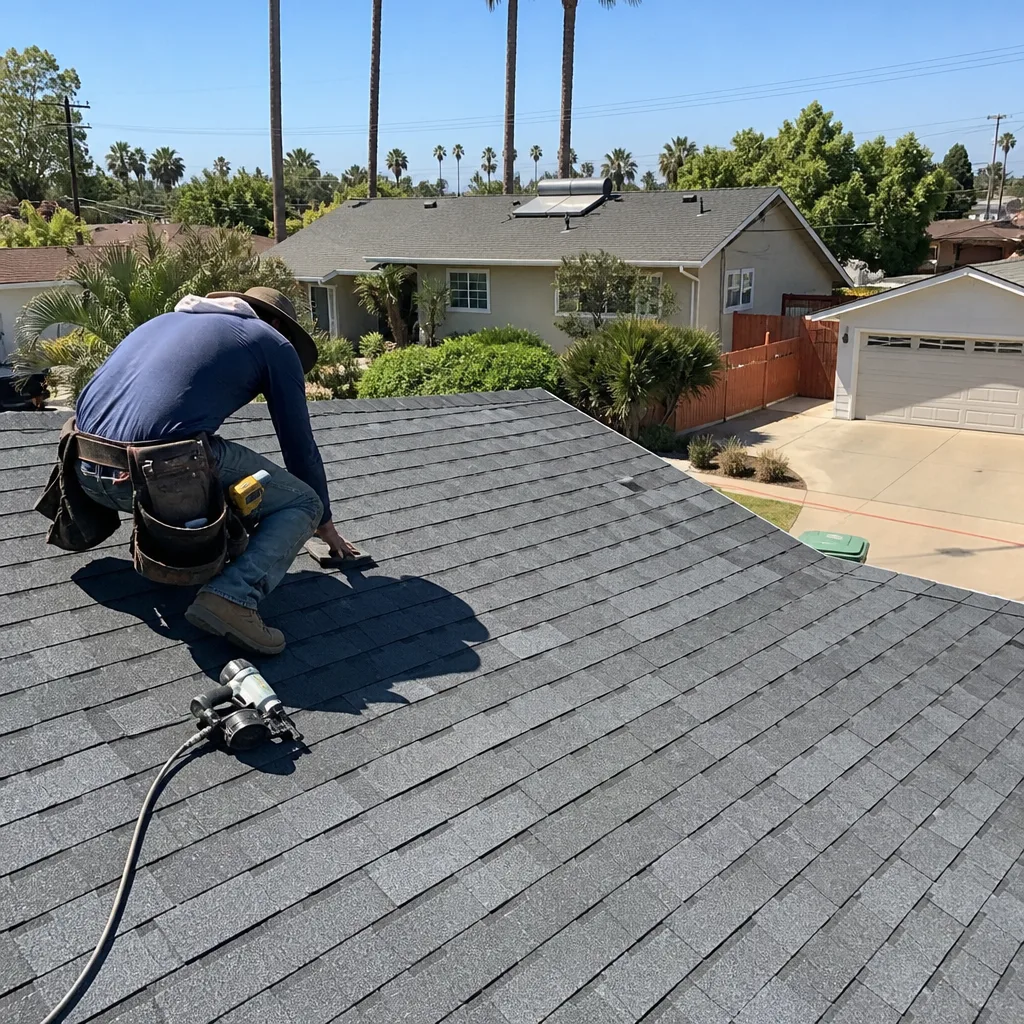 After
After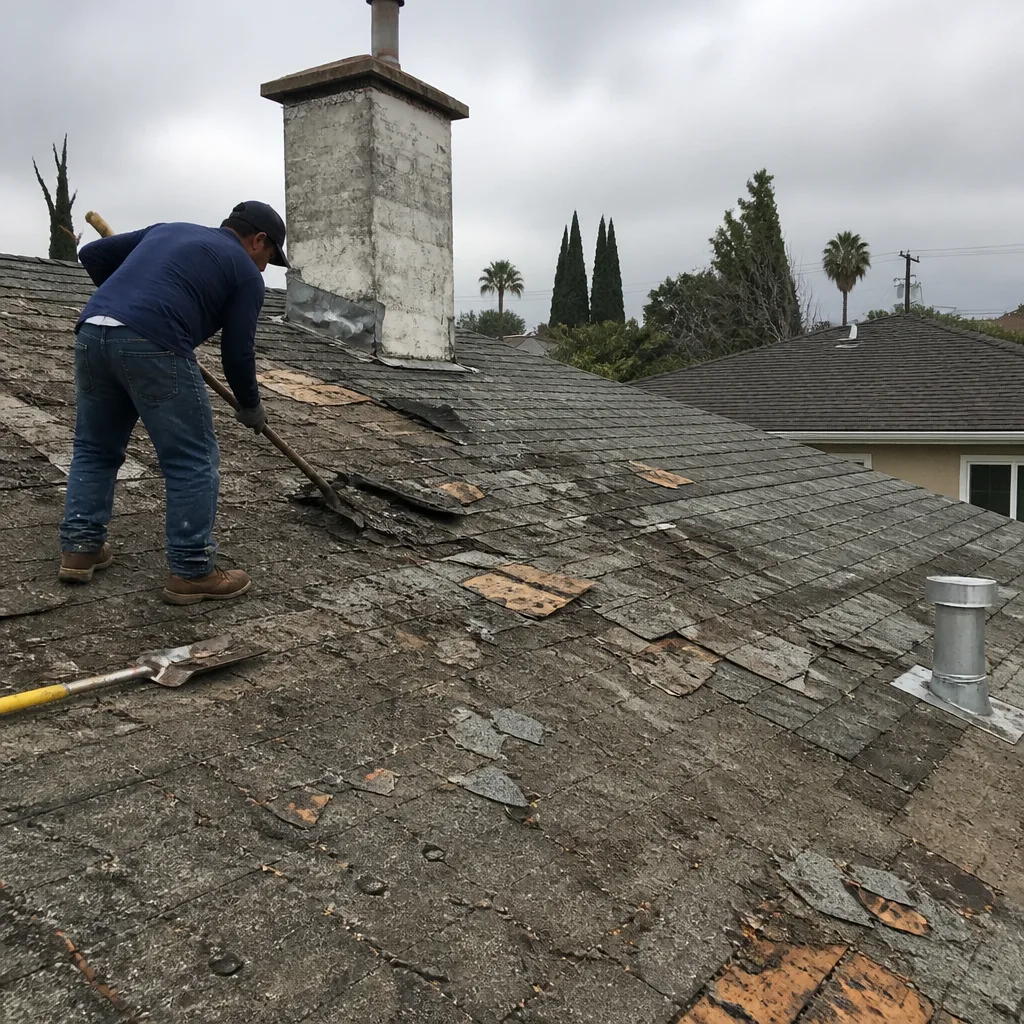 Before
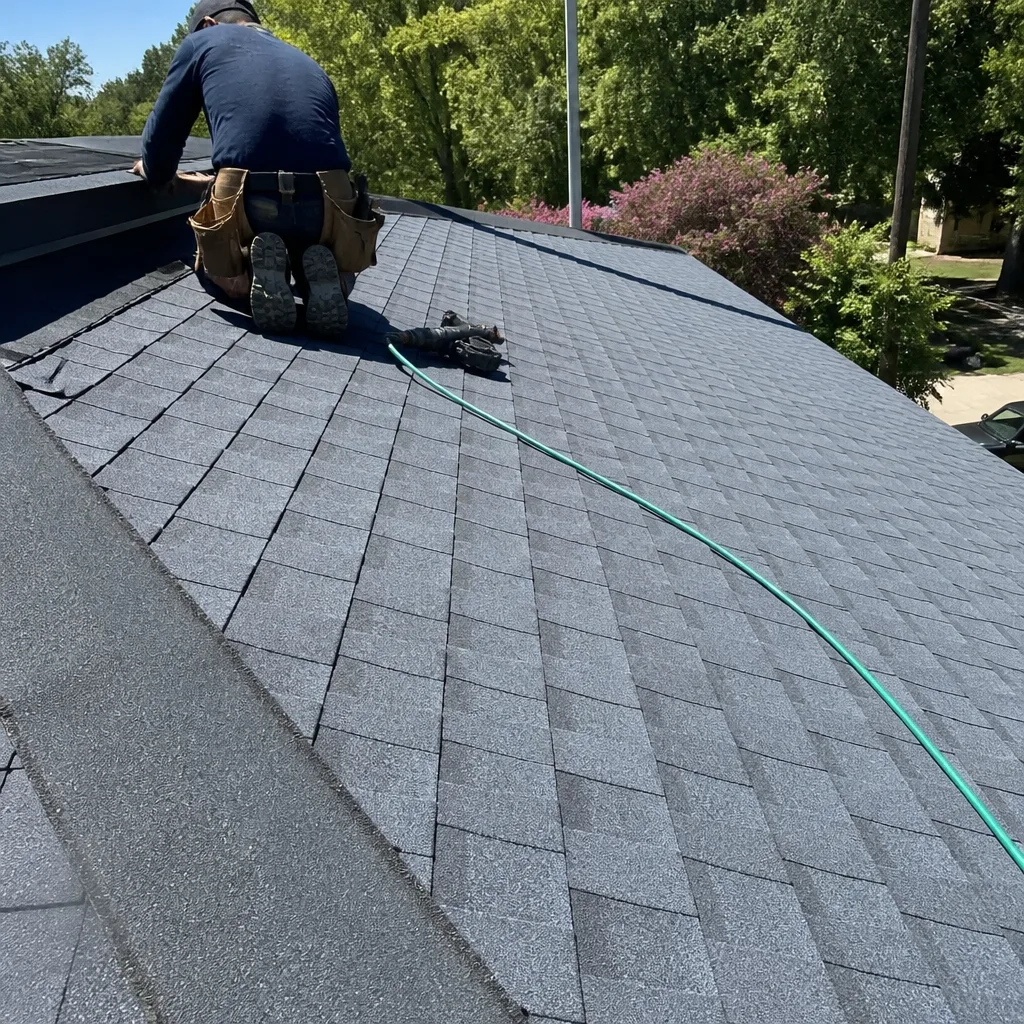 After
After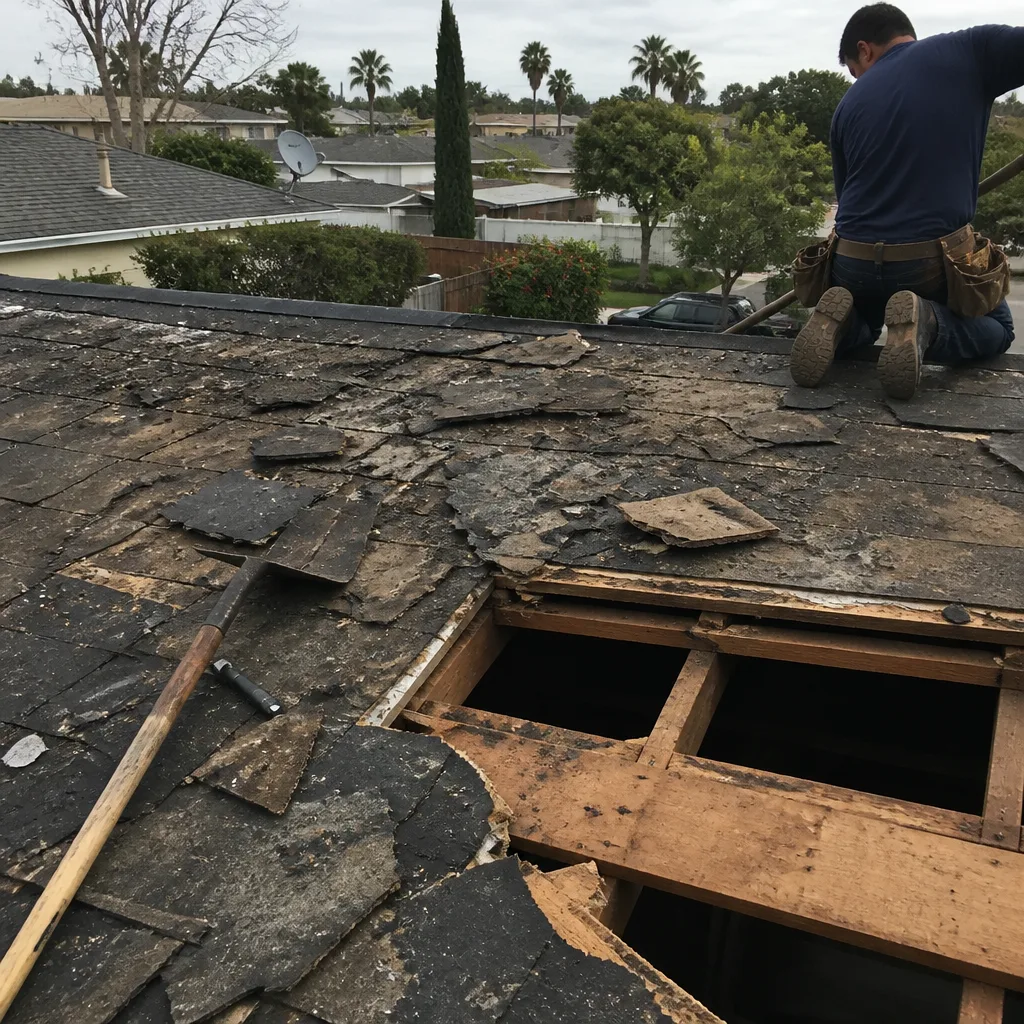 Before
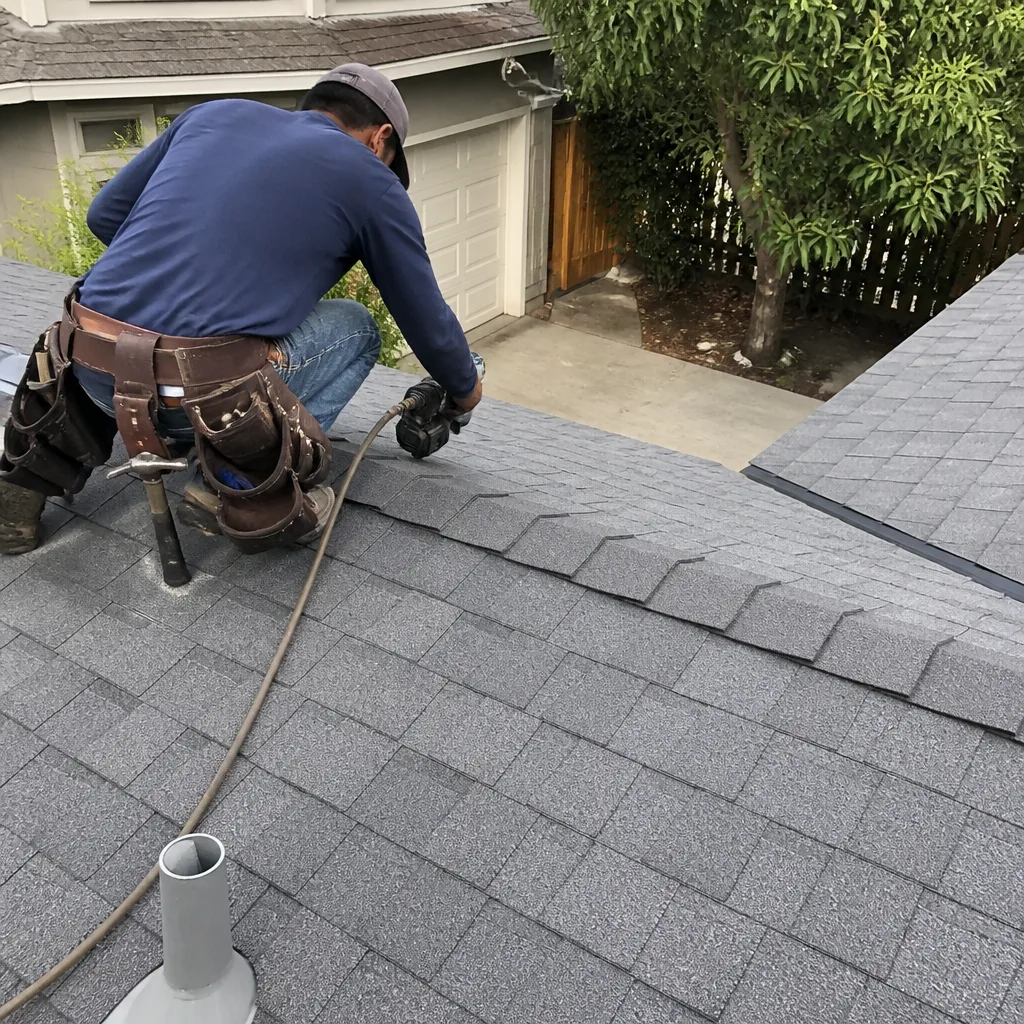 After
AfterRoofing Warning Signs: A Los Angeles Homeowner’s Reference Guide
Most roofing guides give you a list of symptoms and leave you to guess which ones matter. That’s backwards. A missing shingle after a Santa Ana wind event is not the same problem as a hairline crack in a clay tile, and neither is the same as a dark streak on your ceiling that turns out to be condensation from an attic duct. This guide gives Los Angeles homeowners a severity-ranked reference: what to watch, when to act, and what’s safe to monitor until your next scheduled inspection. For broader context, see our Complete Guide to Roofing in Los Angeles.
Quick Answer
Roofing warning signs fall into three tiers. Water actively entering your home, visible daylight through the roof deck, or a section of roof that has shifted structurally requires action within 24 hours. Granule loss on aging composition shingles, minor flashing gaps, and cracked but still-seated tiles can usually wait up to 30 days for a scheduled repair. Surface staining, cosmetic discoloration, and small amounts of moss or debris generally need monitoring only. When in doubt, a roof inspection in Los Angeles costs less than the water damage from a leak you ignored.
Table of Contents
- The Three-Tier Severity System Los Angeles Homeowners Actually Need
- Warning Signs by Material: What LA Roofs Tell You
- Interior Warning Signs That Precede Ceiling Damage
- Is It the Roof? Separating Roof Leaks from Plumbing, Windows, and HVAC
- Flashing Failures: The Most Misdiagnosed Problem on LA Homes
- What a Real Roof Inspection Should Cover
- What Warning Signs Cost to Fix in Los Angeles
- Common Mistakes to Avoid
- When to Call a Professional
- Frequently Asked Questions
- The Bottom Line
The Three-Tier Severity System Los Angeles Homeowners Actually Need
Before you worry about any specific symptom, sort it. Not every roof issue is an emergency, and treating them all like emergencies is how homeowners end up paying for rushed work they didn’t need. Here is the triage framework we use when a Los Angeles homeowner calls us about something they spotted.
Tier 1: Act Within 24 Hours
- Active water intrusion. Water dripping, running, or pooling inside the home during or after rain. This includes wet insulation, water stains that grow between checks, or a drip you can hear in the attic.
- Visible daylight through the roof deck. If you can stand in the attic and see sky through any gap, the roof envelope is breached. That’s not a repair, that’s a failure.
- Structural movement. A sagging ridge line, a visible dip between rafters, or roof decking that bounces when walked on. These indicate the framing or decking has lost integrity.
- Post-storm displacement. Los Angeles gets hit hard by Santa Ana winds. If shingles, tiles, or membrane sections have blown off entirely and the underlayment or deck is exposed, rain will find the gap.
Tier 2: Schedule Within 30 Days
- Granule loss without exposed matting. Composition shingles shed granules over time, especially under LA’s UV load. If the shingle looks smooth but the fiberglass mat isn’t visible, you have weeks, not days.
- Small flashing gaps or lifted flashing corners. Flashing pulled away from a chimney or wall penetration but still covers the joint. Water hasn’t necessarily entered yet, but it will if left alone.
- Cracked but seated clay tiles. Hairline cracks in a tile that hasn’t shifted or slipped. The underlayment below is still doing its job.
- Clogged or slow-draining gutters. A gutter that overflows in one spot during rain. It’s a problem, but it’s not an active leak.
- Moss or algae accumulation. On composition shingles in shaded canyon areas like Laurel Canyon or Studio City, moss holds moisture against the shingle surface. It shortens shingle life but rarely opens a leak overnight.
Tier 3: Monitor and Recheck at Next Inspection
- Cosmetic staining. Dark streaks from algae or atmospheric soot, especially on north-facing roof planes. Ugly, but not structurally significant.
- Scattered surface granules in the gutter. Normal aging, particularly on shingles past year 10. A handful of granules is expected; a quarter-inch layer after every rain is not.
- Small, stable cracks in sealant around pipes or vents. If the sealant is cracked but still adhered and no water is entering, note it and recheck.
- Faded color or chalky surface on tiles. UV degradation on paint or glaze. Cosmetic, not functional.
This tier system exists because a disciplined approach saves money. If you call a contractor for a Tier 3 issue and they insist on an emergency repair, that’s a signal to get a second opinion.
Warning Signs by Material: What LA Roofs Tell You
Los Angeles is not one roofing market. A home in Silver Lake with a 1920s clay tile roof has different failure modes than a 1990s track home in Northridge with composition shingles, and neither resembles a flat-roofed mid-century in Palm Springs adjacent neighborhoods. The warning signs change with the material, and if you don’t know what your roof is made of, you’ll misread what it’s telling you.
Composition Shingles: The UV Problem
Asphalt shingles dominate LA’s suburban housing stock. The primary failure driver here is ultraviolet radiation, not rain. Los Angeles averages 284 sunny days a year, and that sun bakes the asphalt, breaks down the adhesive bond, and accelerates granule loss. A 30-year shingle in Los Angeles rarely makes it past year 20 without meaningful degradation.
The warning sequence looks like this: first, shingle edges curl upward or downward. Then granules begin to collect in the gutters, slowly at first, then faster. Eventually the shingle surface looks smooth, like sandpaper that’s been worn down to the backing. At that point the fiberglass mat is exposed and the shingle is structurally failing, even if there’s no leak yet.
What to look for: curled shingle corners, a gritty deposit in the gutter after dry weather (wind alone shouldn’t strip granule that fast), bare patches on shingle surfaces, and shingles that crack when you walk on them (don’t walk the roof yourself; this is observable from the edge).
Clay and Concrete Tile: Cracks, Not Just Breakage
Clay tile is the signature roof of older Los Angeles neighborhoods, from Hancock Park Spanish Revivals to Pasadena Craftsmans. The tiles themselves routinely last 50 years or more. What fails first is almost always what’s underneath: the underlayment wears out in 20 to 30 years, which means a tile roof can look beautiful while the waterproofing layer has already failed.
You cannot see underlayment from the ground, so the tile warning signs are indirect. Look for tiles that have slipped out of position, especially after wind or seismic activity. Look for hairline cracks running the full width of a tile, which lets water through to the underlayment faster. Look for tiles that have shifted at the hips and ridge lines, where the overlap is most critical. And critically, look for staining on the underside of roof eaves or in the attic, which often signals underlayment failure long before any tile breaks.
One Los Angeles-specific note: small earthquakes do incremental damage to tile roofs. A 4.0 quake won’t knock tiles off, but it can crack mortar at the ridge and loosen tiles enough that the next heavy rain finds a gap. After any noticeable quake, a visual check from the ground is sensible.
Flat and Low-Slope Membrane Roofs: Standing Water and Seam Splits
Mid-century moderns in the hills, apartment buildings, and many commercial conversions run on membrane systems: modified bitumen, TPO, PVC, or built-up roofs. Membranes fail differently than pitched roofs. Water doesn’t run off as fast, which means ponding is a symptom, not a nuisance.
The warning signs are: standing water that persists more than 48 hours after rain (which accelerates membrane breakdown), visible seams lifting or splitting, blistering in the membrane surface, and exposed mesh or scrim at the membrane edges. On older built-up roofs, look for alligator cracking in the asphalt surface and gravel displacement that leaves bare patches. In LA’s dry climate, membrane failures can sit dormant through summer and then open up dramatically in the first heavy winter rain, which is why flat roof leaks in November and December account for so many emergency calls.
Interior Warning Signs That Precede Ceiling Damage
By the time a water stain appears on your ceiling, the leak has been active for a while. The water had to travel through the roof system, across or through the decking, and along a rafter or pipe before it found a way into your living space. Homeowners who only look at their ceilings are looking at the last warning sign, not the first.
Here is the sequence we teach our customers to check, in order of where the evidence appears:
- Attic moisture or damp insulation. After rain, go into the attic with a flashlight. Feel the insulation in suspect areas. Damp fiberglass insulation loses its loft and clings together; it smells musty and feels heavier than it should.
- Decking staining. The plywood or OSB panels on the underside of the roof deck will show dark water stains, white mineral residue from evaporated water, or streaking, often running downhill toward the eaves before any marks show on the ceiling below.
- Rafter and truss discoloration. Water that travels along a rafter darkens the wood. Look for lines, streaks, or a dull sheen against the surrounding dry, dusty wood. Mold growth on rafters is a late-stage sign that the leak has been active for weeks or months.
- Fastener corrosion. Nails or staples protruding through the decking into the attic will rust if water has been passing through. A rusted nail head in the attic is a small but reliable warning sign.
- Ceiling stains. The classic yellowish or brown ring. By this point, the leak has saturated the insulation and penetrated the sheetrock. The stain’s size understates the actual moisture-affected area, which is typically two to three times larger.
- Paint bubbling or peeling. When water enters the wall cavity or ceiling at enough volume, the paint film separates. This is one stage beyond a stain.
- Visible drip or active water flow. The final stage. If water is actively dripping into your living space, the roof system has failed and you’re now also dealing with interior damage.
Most Los Angeles homeowners have attics they never enter. If that describes you, a roof inspection in Los Angeles that includes an attic walk-through is the most direct way to catch leaks before they reach the ceiling.
Is It the Roof? Separating Roof Leaks from Plumbing, Windows, and HVAC
The opening hook of this guide was deliberate: a wet spot on your ceiling is not automatically a roof problem. We’ve been called to homes in Los Angeles where the ceiling stain turned out to be a pinhole leak in a supply line, a failed window seal on a stucco wall, or condensation from an uninsulated AC duct in a hot attic. Knowing the difference before you call a contractor saves you the cost of a diagnosis you don’t need.
Roof Leak vs. Plumbing Leak
A roof leak tracks with weather. It appears during or shortly after rain, grows during storms, and often dries out between events. A plumbing leak is constant, regardless of the forecast. If the stain is directly below a bathroom, kitchen, or water heater, and it grows even when it hasn’t rained for weeks, suspect plumbing first. Here’s why this matters in Los Angeles: roof leaks are weather-driven, and LA can go months without rain. A stain that only appears in January after a storm is roof-related. A stain that appears in August is not the roof.
Roof Leak vs. Window Seal Failure
Window leaks show up on walls, around or below window frames, and at the corners of the rough opening. The water travels inside the wall cavity, so the stain often appears below the window or on the floor, not on the ceiling. In stucco homes, window flashing failures can also let water into the wall cavity and travel along a header before dripping out at a recessed light fixture or an electrical box, which homeowners frequently mistake for a roof leak.
Roof Leak vs. HVAC Condensation
This is the most common misdiagnosis we see in Los Angeles attics. An air handler or supply duct in a hot, uninsulated attic produces condensation. The condensate drips onto the ceiling below, creating a stain that grows during summer, not winter. The clue: if the stain grows when the air conditioning runs and is stable or dry during rain, it’s not the roof. The fix is insulating the duct or the attic floor, not replacing shingles.
The practical takeaway: before you pay for roof work, note when the stain appears, whether it correlates with rain, and what’s directly above the stain in the attic. Those three observations will resolve most confusion before you pick up the phone.
Flashing Failures: The Most Misdiagnosed Problem on LA Homes
Flashing is the metal or membrane material that seals the joints where the roof meets something else: a chimney, a skylight, a vent pipe, a wall, a valley where two roof planes intersect. Roofing material itself rarely fails first. Flashing does. And in Los Angeles, with its mix of old masonry chimneys, retrofitted skylights, and accumulated remodel penetrations, flashing failures are the single most common source of leaks we repair.
Here is what flashing failure looks like in plain terms:
- Lifted or curled flashing edges. Wind and thermal expansion slowly pull metal flashing away from the surface it was protecting. If you can see a gap between the flashing and the wall or chimney, water can enter.
- Cracked or shrunken sealant. Around pipes, vents, and skylight curbs, the caulk or sealant is the first line of defense. It dries, cracks, and pulls away over time. In LA’s dry air, sealant failure happens faster than in coastal climates.
- Rust or corrosion on metal flashing. Galvanized steel flashing corrodes, especially within a few miles of the coast. Corrosion thins the metal and opens pinholes.
- Step flashing pulled out of place. Where a sloped roof meets a wall, step flashing is installed in courses that overlap each shingle. If a shingle is replaced without reseating the step flashing, the overlap breaks and water gets behind the siding.
- Kick-out flashing missing at roof-to-wall intersections. If your roof plane drains into a wall below, there should be a small angled piece of metal at the bottom of the flashing run that diverts water into the gutter. Its absence lets water run down the wall and into the structure. This detail is missed on a surprising number of Los Angeles homes.
Flashing problems are frequently misdiagnosed because the visible symptom, a ceiling stain near a chimney or wall, looks like a roof surface problem. A competent roof repair in Los Angeles always checks the flashing before recommending shingle or tile work. The repair is usually small and inexpensive, which is why a roofer who skips the flashing inspection and quotes a full roof replacement should be viewed with suspicion.
What a Real Roof Inspection Should Cover
You can stand in the street and look at your roof, but that’s a visual check, not an inspection. A real inspection is methodical and covers surfaces you can’t see from the ground. In Los Angeles, where many roofs are complex from decades of additions and remodels, this matters even more.
A proper roof inspection includes:
- The roof surface. Every slope and plane. Shingles checked for granule loss, curling, cracking, and missing pieces. Tiles checked for cracks, slippage, and mortar failure at hips and ridges. Membranes checked for seams, blisters, ponding, and edge detail.
- All flashing points. Chimneys, skylights, vents, pipes, roof-to-wall intersections, valleys, and any penetration from HVAC equipment, satellite dishes, or solar mounting.
- Gutters and downspouts. Not just for clogs. Looked at as part of the drainage system: are they sloped right, are the seams sealed, do they discharge away from the foundation?
- The attic. Decking from the underside, rafters, insulation, ventilation. This is where active leaks show up long before any ceiling damage.
- The roof edge. Drip edge, fascia, and soffit. These tell you whether water is being guided into the gutter or allowed to run back under the shingle.
- All penetrations from the top. Vent pipes, plumbing stacks, and any mechanical curbs. The gaskets and boots around these fail faster than the roofing material.
The difference between an estimate and an inspection: an estimate tells you what it will cost. An inspection tells you what’s actually wrong and what can wait. The roofing company in Los Angeles you choose should offer written findings and recommendations, and if the findings are all clear, they should tell you that, too. A roofer who always finds a problem is billing you, not informing you.
What Warning Signs Cost to Fix in Los Angeles
Price transparency should apply to roof repairs the same way it applies to anything else. Here are honest ballpark ranges for common Los Angeles repair scopes, based on what we write on estimates across the metro. These are ranges, not quotes; your specific roof, height, and access will move the number.
| Repair Type | Typical Range in Los Angeles | What It Includes |
|---|---|---|
| Minor flashing repair (one penetration or seam) | $250 – $600 | Resealing a vent boot, re-securing lifted flashing, small patch at a chimney corner |
| Composition shingle replacement (small area, 1-3 shingles) | $300 – $700 | Matching replacement shingles, removal of damaged pieces, re-nailing, sealant |
| Clay tile replacement (individual tiles) | $40 – $100 per tile | Removal of cracked or slipped tile, new tile set and secured |
| Flat roof membrane patch (small, localized) | $400 – $1,200 | Cleaning and prepping the area, patch membrane, seam sealing |
| Underlayment replacement under tile (section) | $1,500 – $4,000 | Tile removal and reset, new underlayment, flashing at edges; this is the expensive repair homeowners don’t plan for |
| Full composition re-roof (average LA home) | $12,000 – $25,000 | Tear-off, decking repair, new underlayment, new shingles, flashing, cleanup, permits |
These are line-item ranges, not commitments. But you should be able to get a written price before any work begins, and the price should not move at the door. That’s the Garrison Standard, and it’s non-negotiable for us. Materials from lines like GAF, CertainTeed, and Owens Corning vary in cost, durability, and aesthetic; a straight-written estimate shows you what each option costs and lets you choose without pressure. Our Choosing the Right Roofing Brand: A Buyer’s Guide for Los Angeles breaks down how to evaluate these options.
Common Mistakes to Avoid
- Painting over a ceiling stain. The stain will bleed through and the leak will continue. Fix the source, then replace or seal the damaged sheetrock. We see this in Los Angeles homes constantly because renters and flippers go for the cosmetic fix.
- Ignoring a small stain because “it only leaks in heavy rain.” In LA, heavy rain is rare, which means the leak gets months to do quiet damage inside the attic between storms. Small stain, big hidden rot.
- Using silicone caulk from a hardware store on a roof leak. Caulk is not a roofing repair. It’s a temporary bandage, and in LA’s heat it fails within a season. We regularly see homeowner-applied caulk that made the leak worse by trapping water behind it.
- Assuming a newer roof means no problems. We’ve inspected roofs less than five years old in Los Angeles with flashing failures and underlayment tears from bad installation. Roof age is not a guarantee. Installation quality is.
- Calling the cheapest bidder because “it’s just a small repair.” The discount roofer patches the visible shingle and skips the flashing that caused it. Six months later, the leak is back and you’re paying twice.
- Delaying because it’s not raining. Los Angeles has a long dry season. The best time to repair a roof is during those dry months, when contractors can schedule the work without weather interruptions and materials cure properly. Waiting for the first rain to “see where it leaks” is how a $600 flashing repair becomes a $4,000 underlayment job.
- Skipping the attic during a visual roof check. The roof surface can look perfect while the underside of the decking is telling a different story. If your inspector doesn’t go in the attic, it’s not an inspection.
When to Call a Professional
Call a professional if you see active water intrusion, daylight through the roof deck, structural movement, or a Tier 2 issue you’re not confident assessing. Call if you’ve had a leak recur after a repair. Call if you’re buying or selling and the roof condition is a contingency. Call if you simply haven’t had the attic and roof checked in five years or more. A Brennan Roofing home inspection is straightforward: we show up when we say we will, walk the roof and the attic, and put our findings in writing. If the roof is fine, we tell you it’s fine. If it’s not, you get a written price before any work starts. Brennan Roofing offers free estimates in Los Angeles, call (361) 320-9467.
Frequently Asked Questions
Track when the stain appears. A roof leak correlates with rain: it shows up during or shortly after a storm and grows with repeated wet weather. A plumbing leak is constant regardless of weather. HVAC condensation grows when the air conditioning runs, which in Los Angeles means summer. If the stain matches the rain, it’s the roof. If it doesn’t, start with the other system. Call (361) 320-9467 for an inspection if you’re still not sure; the diagnosis will point you to the right contractor, not automatically to a roof replacement.
Most localized roof leak repairs in Los Angeles run between $250 and $1,200, depending on the cause. A flashing reseal or small shingle patch sits at the low end. Underlayment replacement under tile or a membrane patch sits at the high end. The price should be written down before any work begins, and it should not change when the crew arrives. For an exact quote on your specific leak, call (361) 320-9467; estimates are free.
Not under the Garrison Standard. The price goes on paper before any work begins, and it does not move at the door. If the scope genuinely changes because we find something hidden, we show you what we found and write a new price before touching it. No change orders without your sign-off, in writing. That’s how Brennan Roofing operates on every job in Los Angeles.
Yes. Los Angeles requires permits for re-roofing and most structural roof repairs, and the permit ensures the work is inspected by the city. We pull permits, schedule the inspections, and make sure the job passes. A contractor who suggests skipping the permit is asking you to assume legal and resale risk to save them time. We don’t do that.
A real inspection takes 45 to 90 minutes, depending on the size and complexity of the roof. It includes the roof surface, all flashing points, gutters, the attic, and the roof edge. If someone offers a “quick look” from the curb and a quote, that’s an estimate, not an inspection. Schedule a full roof inspection in Los Angeles by calling (361) 320-9467.
Every two to three years, plus after any significant seismic or wind event. LA’s UV load wears composition shingles faster than the national average, and clay tile underlayment ages even when the tiles look fine. A roof that goes five years without inspection is a roof that can hide a slow leak until it’s expensive.
The Bottom Line
Roofing warning signs in Los Angeles are not all created equal. The skill is in sorting them: active water intrusion and structural movement demand action within 24 hours; granule loss, flashing gaps, and cracked tiles can usually wait up to 30 days; staining and surface wear can be monitored. Learn what your roof is made of, check the attic, and track whether a stain correlates with rain. And when it’s time for a professional opinion, get a written price before any work begins from a contractor who answers the phone. For more guides & resources, visit our blog. Call Brennan Roofing at (361) 320-9467 for a free estimate anywhere in Los Angeles.
Written by Travis Oakley, Owner at Brennan Roofing, serving Los Angeles since 2000.