
Last updated October 9, 2026
Free roof inspection with deck photos before we talk money - GAF and Owens Corning certified installation
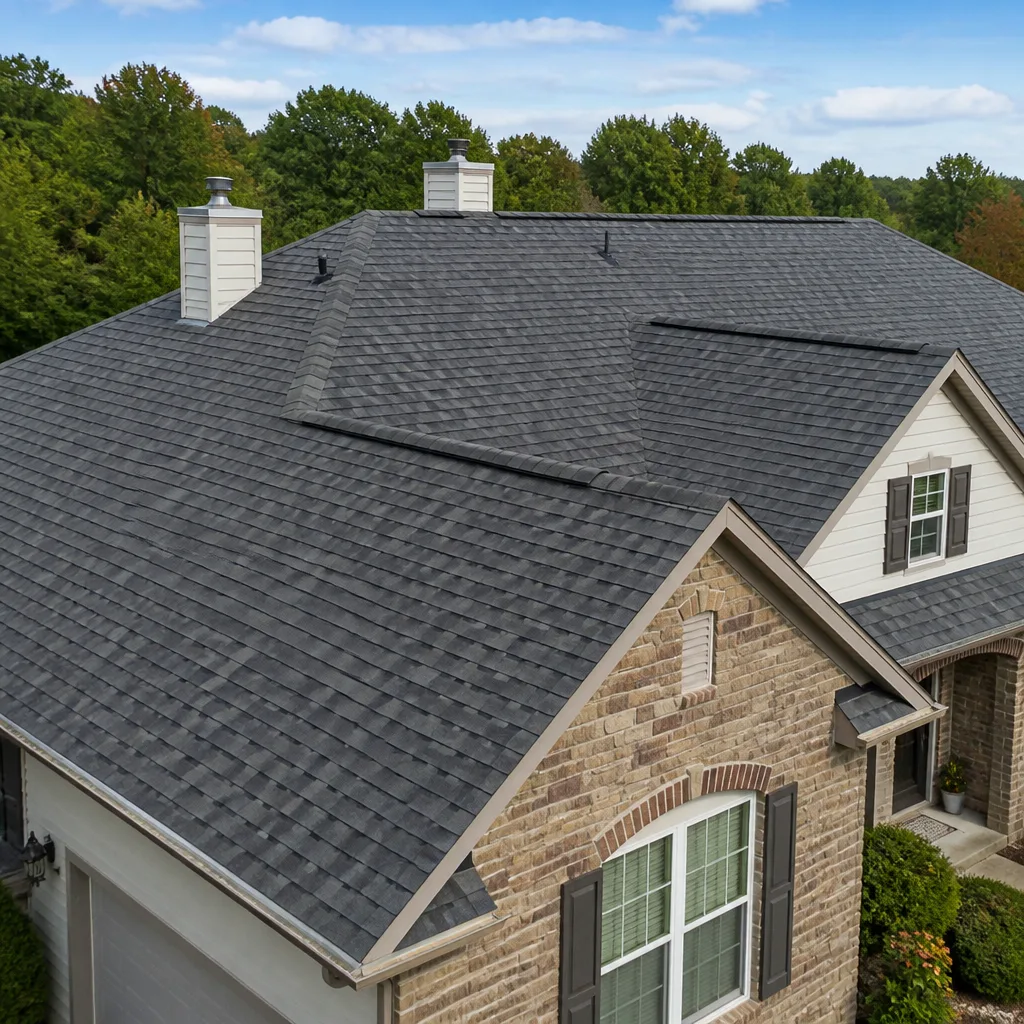
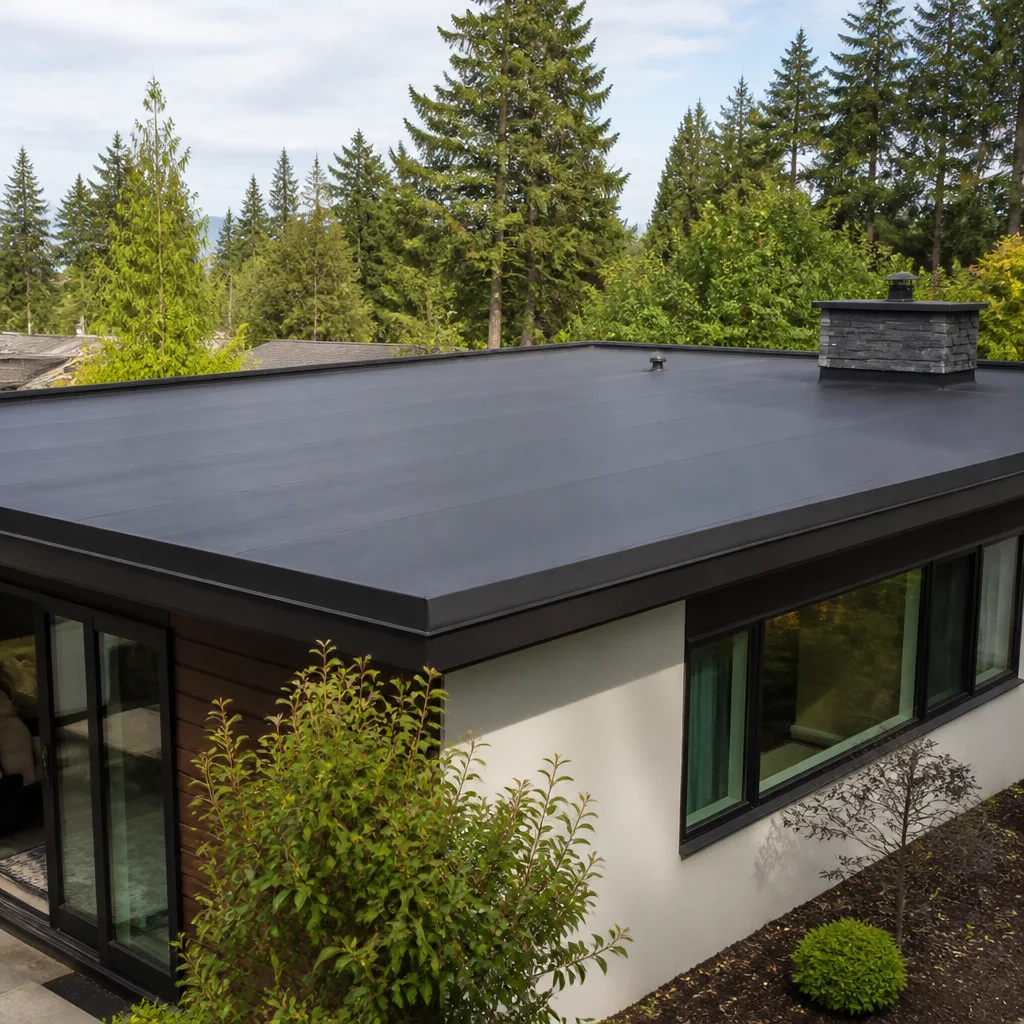
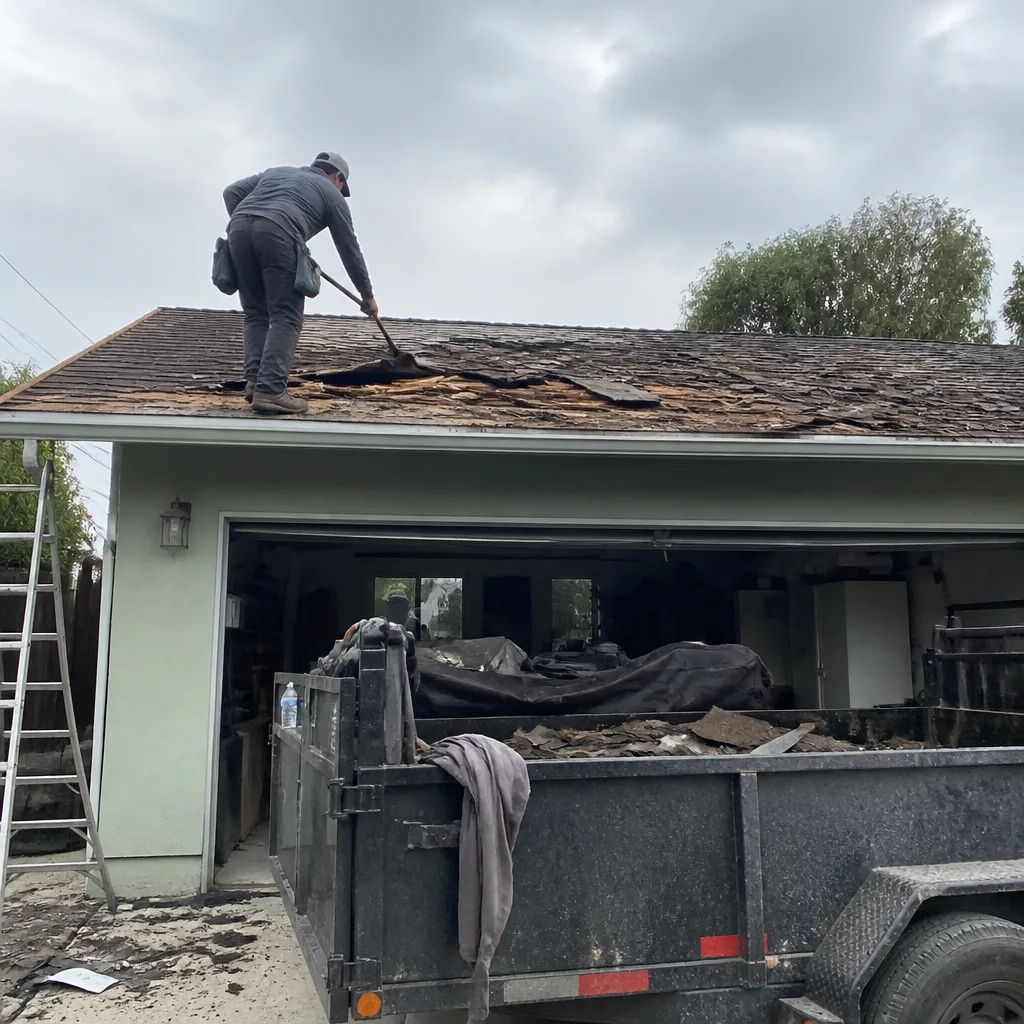 Before
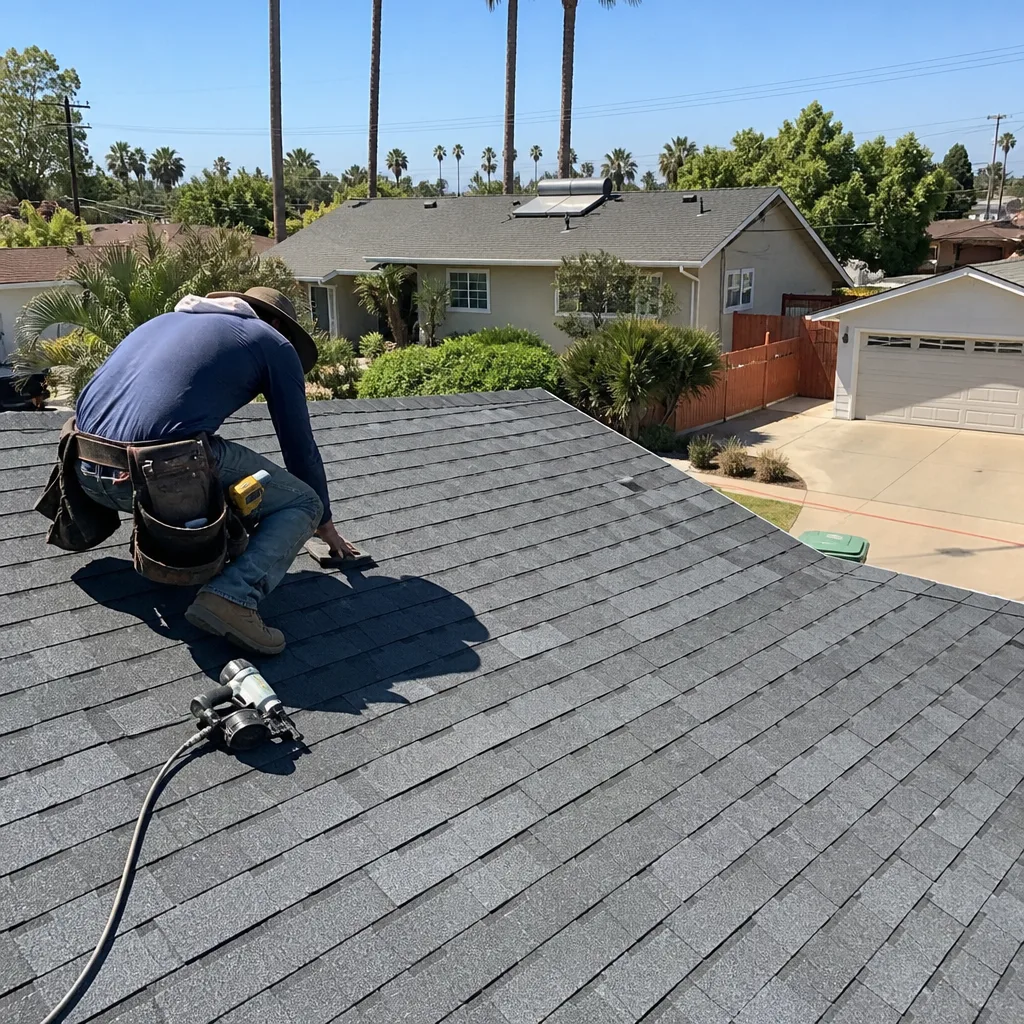 After
After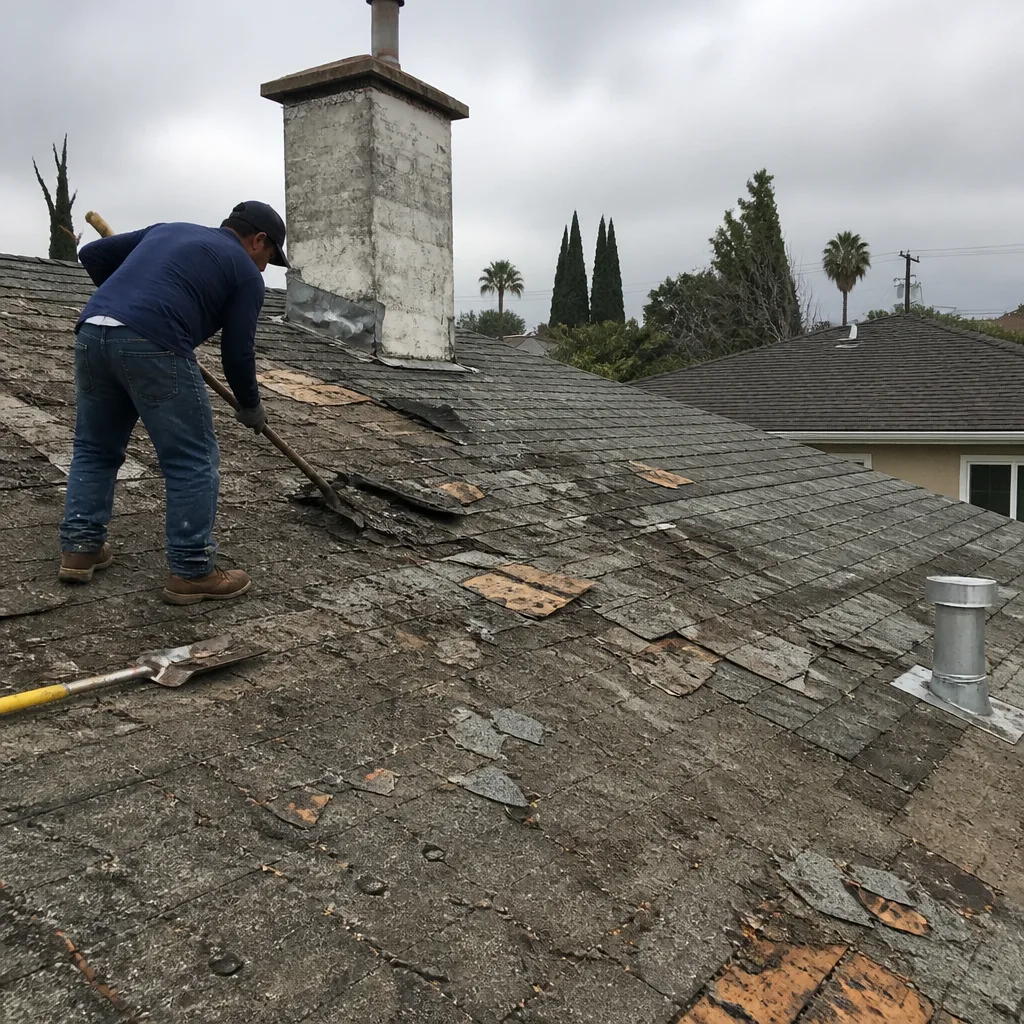 Before
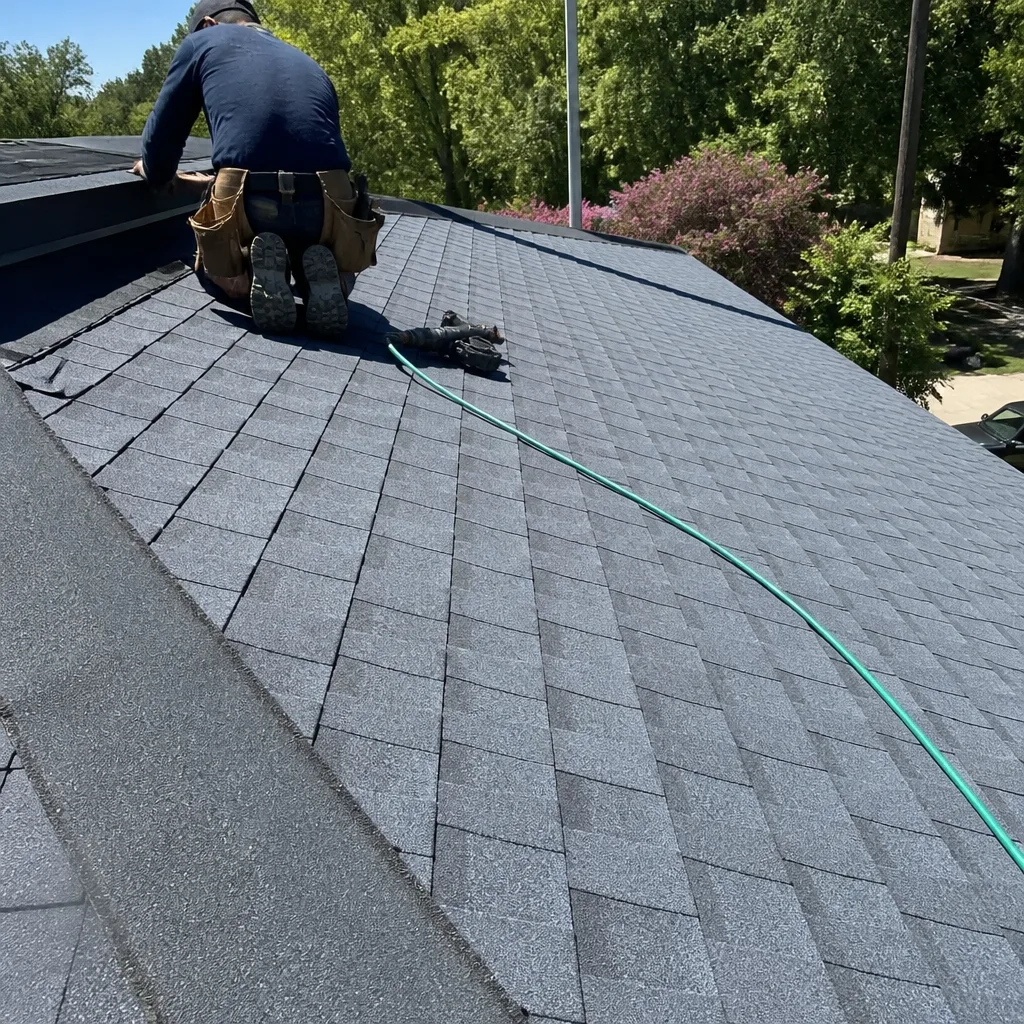 After
After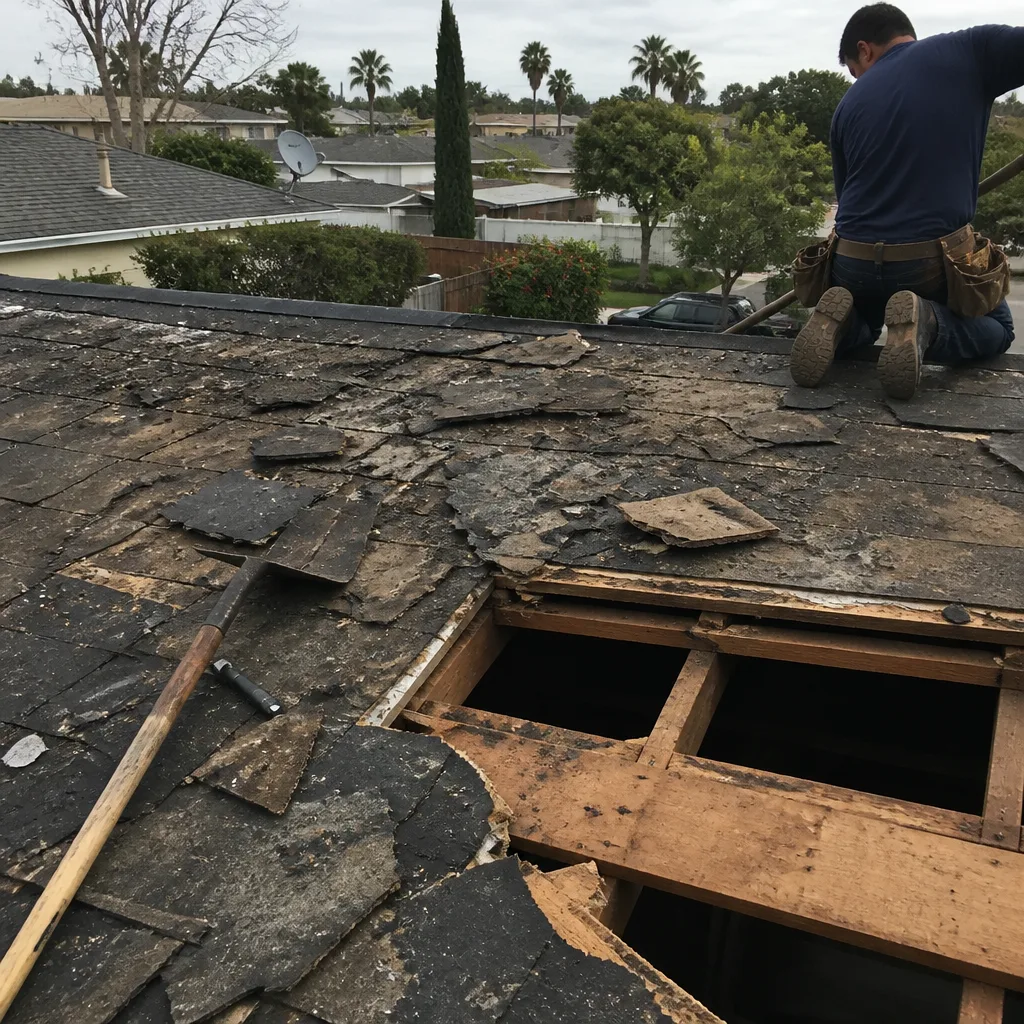 Before
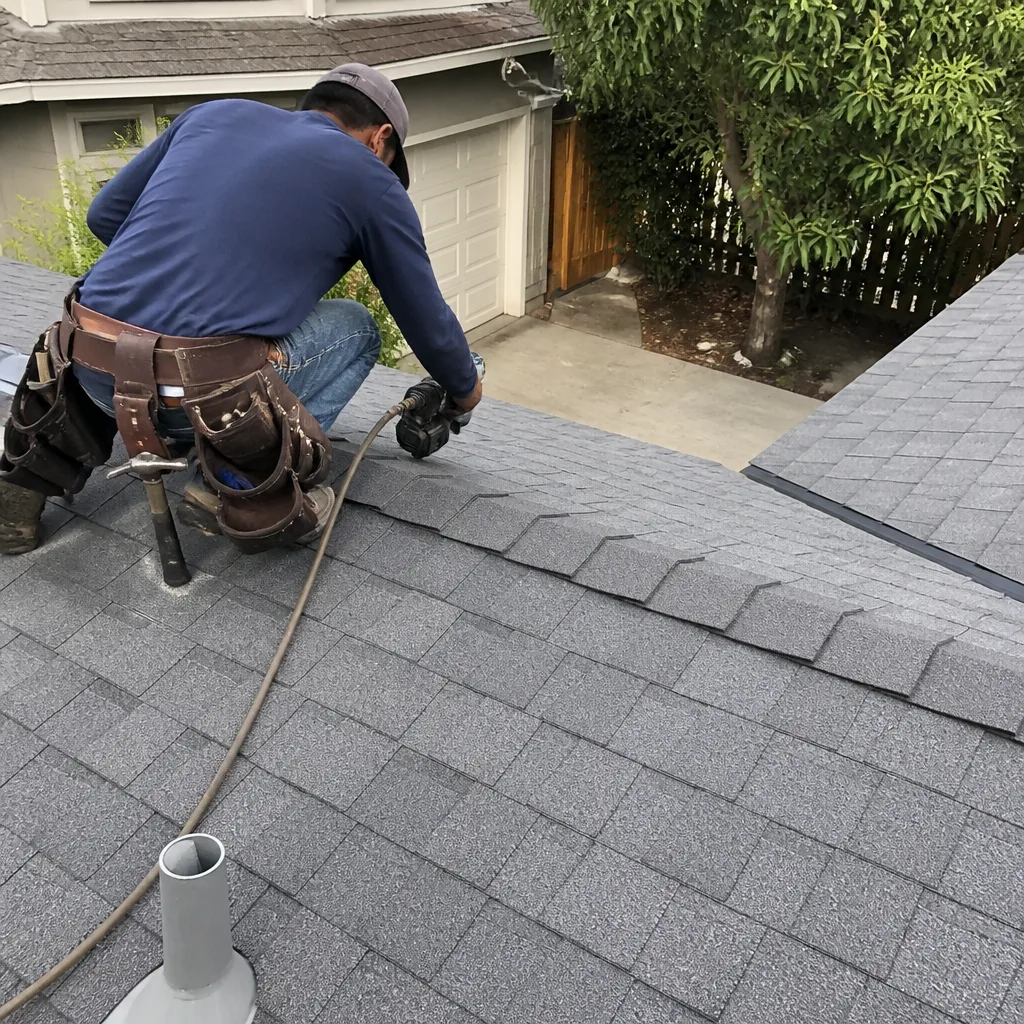 After
AfterChoosing the Right Roofing Brand: A Buyer’s Guide for Los Angeles
Most Los Angeles homeowners start their roofing search backwards. They pick a brand name they recognize from a commercial, then try to figure out which contractor can install it. That’s the wrong order, and in Los Angeles it can create a specific problem: a homeowner in a Very High Fire Hazard Severity Zone can install a brand-new roof from a major manufacturer and still fail a compliance check because that specific product isn’t on California’s approved materials list. This guide reverses the sequence. You’ll learn how to read the requirements that actually govern your property first, then match brands to those requirements. We’ll cover fire ratings, cool roof mandates, warranty fine print, and what brand marketing language means once you get past the brochure.
Quick Answer
The right roofing brand in Los Angeles is the one that meets three tests in this order: the specific product is listed on the California State Fire Marshal’s approved roofing materials database, it clears the Solar Reflectance Index minimum for your roof’s slope under Title 24, and your contractor holds a current certification with that manufacturer so you qualify for the stronger system warranty rather than the basic coverage. Brand reputation alone doesn’t satisfy any of those three tests.
Table of Contents
- Fire Rating and the California Approved Materials List: Check This Before Any Brand
- Title 24 Cool Roof Rules: What SRI Minimums Mean for LA Roofs
- Warranty Fine Print: Standard vs. System Coverage and Why Contractor Certification Matters
- Comparing the Four Dominant LA Roofing Materials: Shingle, Tile, TPO, Modified Bitumen
- What “Lifetime Warranty” and Other Brand Claims Actually Mean
- How to Choose a Brand Once the Requirements Are Met
- Common Mistakes to Avoid
- When to Call a Professional
- Frequently Asked Questions
- The Bottom Line
Fire Rating and the California Approved Materials List: Check This Before Any Brand
In Los Angeles, fire rating isn’t a preference. It’s a code requirement that varies by your property’s location within the city’s designated fire hazard severity zones. The California State Fire Marshal maintains a searchable database of approved roofing materials, and every product on that list has been tested to a specific standard. If a product isn’t listed, it doesn’t legally matter how reputable the manufacturer is. The listing is what counts.
Here’s how to check whether a specific product qualifies before you commit to a brand:
- Pull up the California State Fire Marshal’s Building Materials Listing Program database online. It’s free and public.
- Search by manufacturer name, product name, or listing number if you have one from a contractor’s quote.
- Confirm the listing status shows “current” or “approved,” not expired or withdrawn.
- Verify the product’s fire classification matches what your zone requires. Most LA hillside and canyon neighborhoods in Very High Fire Hazard Severity Zones require Class A rated roof coverings.
- Print or save the listing page. If you ever sell the home, the buyer’s inspector may ask for it.
We have seen this trip up homeowners in neighborhoods like Sherman Oaks, Studio City, and parts of the Hollywood Hills where fire code enforcement is strict. A contractor quotes a brand name, the homeowner assumes it’s fine because the brand is well-known, and then the permit review flags it because that specific line wasn’t listed. The fix is usually a product swap, which changes the quote. Checking the listing before you fall in love with a particular shingle color or tile profile saves that rework.
The lesson: brand selection in Los Angeles starts with the California listing, not with the marketing. When we prepare a written estimate at Brennan Roofing, the product name and its fire listing status go on paper before any work starts. That’s part of how we operate under The Garrison Standard. You know what’s going on your roof and that it clears the local requirement.
Title 24 Cool Roof Rules: What SRI Minimums Mean for LA Roofs
Title 24 is California’s energy code, and for roofs it sets rules about how much solar heat a finished roof surface can absorb. The measurement is called Solar Reflectance Index, or SRI. A higher SRI means the roof reflects more heat and keeps the building cooler. In Los Angeles, this matters because your roof is a heat sink. A dark roof in July can reach 160 degrees or more on the surface, which pushes heat into the attic and forces your air conditioner to work harder.
For most residential re-roofing projects in LA’s climate zone, the requirement is an SRI of at least 16 for low-slope roofs and 20 for steep-slope roofs. What this means in practice is that many of the darker asphalt shingle colors are either at the edge of compliance or don’t clear it at all. The manufacturer publishes SRI values for each specific color and product line, not for the brand as a whole. A GAF shingle in one color may have an SRI of 25. The same shingle in a near-black shade may sit at 10 and fail.
This narrows the field in a way most buyer’s guides never mention. You may prefer the look of a deep charcoal shingle, but if you’re re-roofing in Los Angeles and you want to pull a permit without an energy compliance workaround, you may need to pick a lighter color or a product engineered with reflective granules specifically for Title 24 markets. Brands like CertainTeed and Owens Corning both manufacture shingle lines designed to clear cool roof minimums in darker color blends, but you have to verify the SRI for the exact color you’re ordering. Not the brand’s general claim.
Clay and concrete tile typically clear cool roof requirements without much trouble. TPO membranes for flat roofs are white by default and reflect heat aggressively. Modified bitumen is where it gets tricky in Los Angeles, because standard dark cap sheets usually fall below the SRI minimum unless they’re coated with a reflective surfacing. If you have a flat or low-slope roof and someone proposes modified bitumen, ask for the SRI documentation on the specific cap sheet. Don’t take the brand’s word for it.
Warranty Fine Print: Standard vs. System Coverage and Why Contractor Certification Matters
Here’s a fact most Los Angeles homeowners miss: the warranty on a new roof is not just about the brand. It’s about the brand’s relationship with the contractor who installs it. Every major manufacturer offers a basic material warranty that covers defects in the shingles or tiles themselves. But the stronger coverage, sometimes called a system warranty or enhanced warranty, covers the entire roof assembly including the underlayment, the flashing, and often the labor to fix it. You only qualify for that stronger coverage if the contractor holds a current certification with that manufacturer.
This distinction shows up in the fine print in ways that matter financially. A standard warranty may cover defective shingles but pay only the depreciated material value after the first few years. A system warranty can cover the full replacement cost of the failed components and sometimes the labor for a much longer period. The gap between those two coverages on the same brand of shingle can be thousands of dollars if a roof fails.
The contractor’s certification level also matters. GAF, CertainTeed, and Owens Corning all run tiered contractor programs. Higher tiers generally require proof of continuing education, documented installation volume, and positive customer history. In exchange, the higher-tier contractor can register a homeowner for better warranty terms. A contractor who isn’t certified at all can still buy the brand’s products and install them, but you get the base warranty. Nothing more.
When you’re comparing quotes in Los Angeles, ask two questions of every contractor: which manufacturer certifications do you hold, and which warranty tier will I actually be registered under? A contractor who can’t answer the second question clearly is telling you something. At Brennan Roofing, we install materials from manufacturer lines including GAF, CertainTeed, Owens Corning, IKO, Atlas, Tamko, and Boral. The warranty conversation is part of the estimate, and it goes on paper before any work begins. That’s the only way a homeowner can compare one quote to another honestly.
Comparing the Four Dominant LA Roofing Materials: Shingle, Tile, TPO, Modified Bitumen
Los Angeles roofs fall mostly into four material categories. Each behaves differently in our specific climate: hot dry summers, mild wet winters, marine layer mornings near the coast, and intense afternoon sun in the valleys. Here’s how they compare.
Composition Shingle
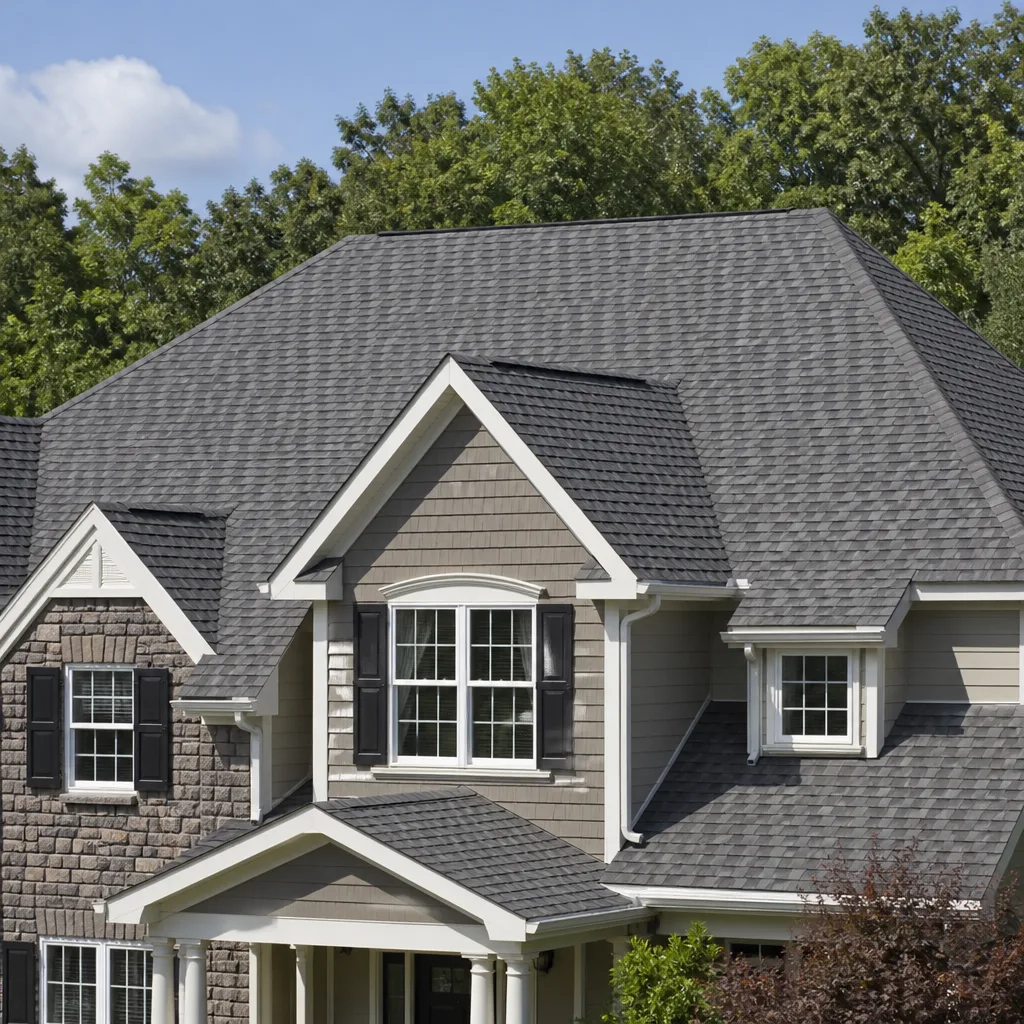
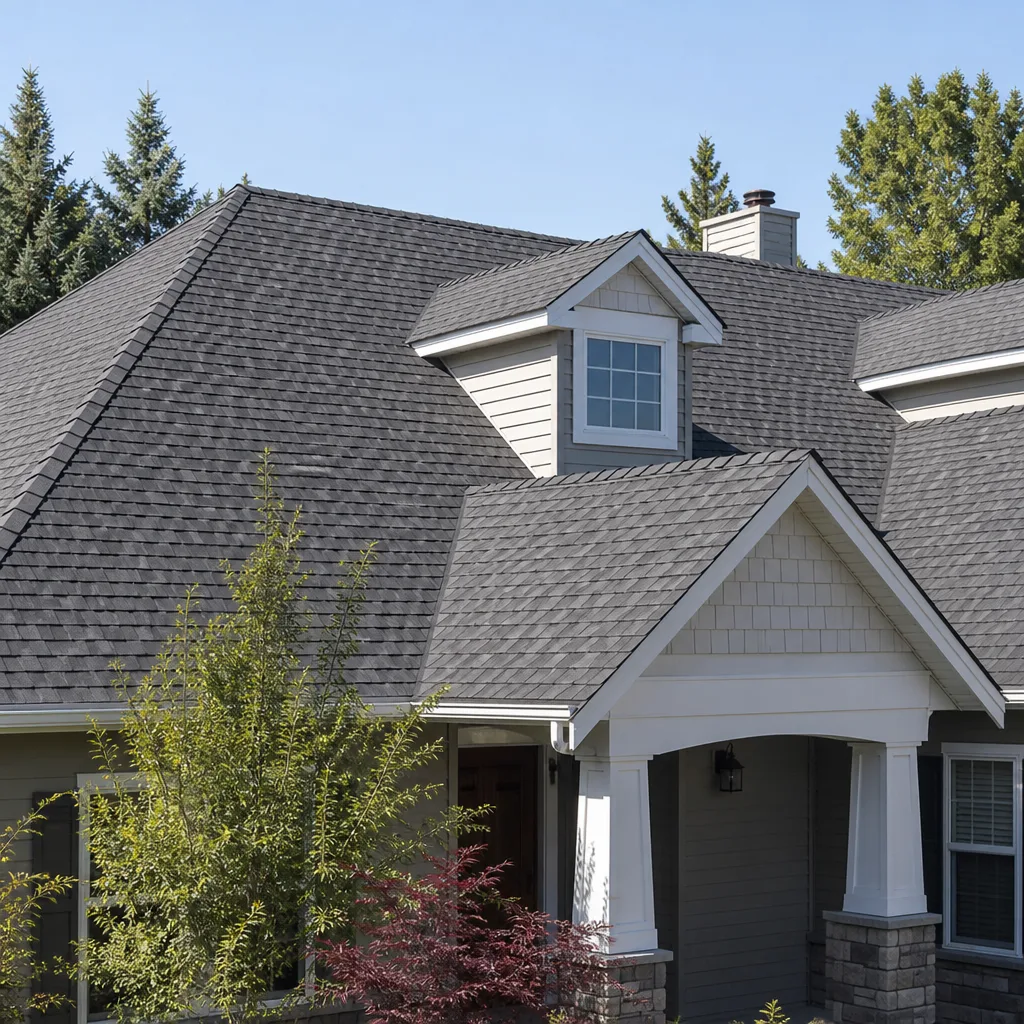
Composition shingle is the most common roofing material in Los Angeles because it’s the least expensive to install and the easiest to repair. Entry-level shingles carry 20 to 30 year warranties. Premium laminated shingles carry 50 year or lifetime warranties with full replacement language for the early years. The trade-off is heat performance. Darker shingle colors absorb heat, and older shingles in the San Fernando Valley often show granule loss within a decade because of sustained heat exposure. If you’re choosing shingle in Los Angeles, pick a product with a published SRI that clears Title 24 for your slope, and confirm the fire listing.
Concrete and Clay Tile
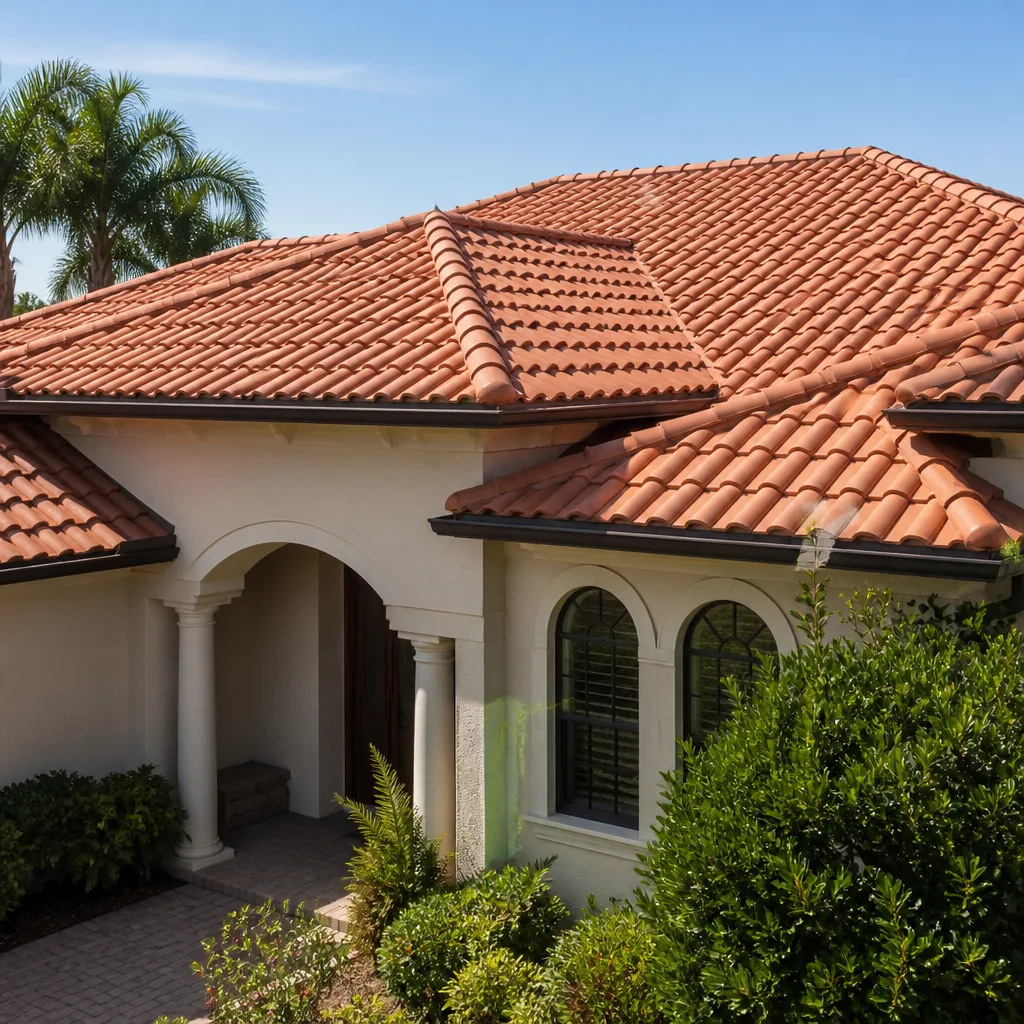
Tile is the traditional Los Angeles roof, especially in Spanish-style homes. It carries a much longer material warranty, often 50 years or lifetime, because the tile itself rarely fails. What fails is the underlayment beneath it, which typically lasts 20 to 30 years before it needs replacement. Tile is heavy. Your roof structure has to be able to carry it, and in an earthquake retrofit, that weight calculation matters. Tile also performs well against heat. Most clay and concrete products clear SRI requirements easily even in darker terracotta tones.
TPO Membrane
TPO is the white single-ply membrane common on flat and low-slope roofs across Los Angeles, from downtown commercial buildings to mid-century residential homes in the hills. TPO is white by design and reflects heat well, which helps with Title 24. Warranty terms on TPO depend heavily on the installation details: seam welds, flashing details, and the specific membrane thickness. The manufacturer’s system warranty is the one you want here, because improperly welded seams are the most common TPO failure point and a basic material warranty won’t cover that repair.
Modified Bitumen
Modified bitumen is a multi-ply asphalt-based system also used on flat and low-slope roofs. It’s durable and has been used in Los Angeles for decades. The heat performance issue is real: standard dark cap sheets fail cool roof SRI requirements unless they have a reflective coating. The coating adds cost and maintenance, because it wears and needs re-coating over time. If you have a flat roof and you’re weighing TPO against modified bitumen, the long-term maintenance burden is part of the math.
What “Lifetime Warranty” and Other Brand Claims Actually Mean
Brand marketing language is written to be memorable, not precise. “Lifetime warranty” is the clearest example. In roofing, lifetime does not mean the roof will never need replaced and it does not mean every failure is covered forever at full cost. Here’s what the terms mean in the fine print:
- Lifetime warranty: Usually covers the shingle material for as long as the original homeowner owns the home. In most cases it’s a prorated warranty, meaning the amount the manufacturer will pay declines after a specified period, often starting after the first 10 years.
- Non-prorated period: The window where the manufacturer pays the full replacement cost of defective material. Premium shingle lines often advertise a 50 year non-prorated period. Check the exact language.
- System warranty: Covers more than just the shingles, including underlayment and flashing. Often requires a certified contractor and sometimes requires using the manufacturer’s accessory products as a complete system.
- Wind warranty: Covers shingle blow-off up to a stated wind speed, often 110 mph or 130 mph. Upgrade activation usually requires special installation steps, like additional fasteners or sealing, and if the installer doesn’t document that, the upgrade doesn’t apply.
- Transferability: Some warranties transfer to a second owner, often at reduced coverage or with a fee and a deadline. If you may sell your Los Angeles home, check whether the warranty transfers and what it takes to preserve it.
None of these warranties are worthless. But they’re narrower than the adjectives suggest. The practical rule is to ask for the warranty document by name and version, then read the exclusions section. That’s where the real terms live. If a contractor can’t produce the document, you’re being sold a slogan.
How to Choose a Brand Once the Requirements Are Met
Once you’ve confirmed fire listing compliance and cool roof SRI clearance, the brand decision gets simpler because the functional field narrows. Your actual selection at that point comes down to three practical factors: warranty structure, color and profile availability that clears code, and your contractor’s ability to register you for the stronger coverage.
Here’s a step-by-step approach that works in Los Angeles:
- Start with a roof inspection in Los Angeles so you know what you actually need. A replacement decision without an inspection is a guess.
- Ask the contractor for product options from the manufacturer lines they carry that clear your fire zone and SRI minimum. Don’t ask the contractor to pick a brand for you. Ask them to show you compliant options.
- For each compliant option, request the warranty document. Compare the non-prorated period, the wind warranty, and the transferability terms.
- Confirm in writing which manufacturer certification the contractor holds for that specific product. The stronger warranty only exists if that certification is current.
- Get the total installed price on paper. No brand is worth paying a premium for if the installed price doesn’t include the warranty registration and the code compliance documentation.
In our experience, the homeowners who get the best outcome in Los Angeles are the ones who treat the brand as the last decision, not the first. The brand is a component of the roof system. The system is what protects your house. If the roofing company in Los Angeles you hire can’t walk you through the fire listing and the SRI documentation for the product they’re proposing, the brand name on the package won’t fix that gap.
Common Mistakes to Avoid
- Picking a brand before checking the California approved materials list. A brand’s reputation means nothing if the specific product isn’t listed for your fire zone. The listing is the compliance document, not the brand.
- Assuming all shingle colors are Title 24 compliant. SRI values differ by color, not by brand. A dark shingle can fail even from a premium manufacturer. Verify the SRI for the exact color you’re ordering.
- Comparing quotes without comparing warranty tiers. A lower bid that registers you for a prorated basic warranty can cost more long-term than a higher bid that includes a system warranty with labor coverage. The quote should state the warranty tier in writing.
- Ignoring the contractor certification requirement. The strongest warranties require a certified contractor. If the contractor isn’t certified, you can’t buy your way into the better coverage. Ask for the certification before signing.
- Believing “lifetime warranty” means full coverage forever. It means a prorated material warranty with a limited non-prorated window. Read the exclusions before you compare brands.
- Choosing dark modified bitumen without checking SRI. Standard dark cap sheets often fail cool roof minimums in Los Angeles. Reflective coatings add upfront cost and ongoing maintenance.
- Skipping the written estimate discipline. If the price isn’t on paper before work starts, the brand conversation is the least of your problems. At Brennan Roofing, the written price is non-negotiable. It’s part of The Garrison Standard, and it’s the only way a homeowner can hold any contractor accountable.
When to Call a Professional
If you’re re-roofing in Los Angeles, don’t try to evaluate fire listings, SRI values, and warranty tiers alone. A roof repair in Los Angeles contractor who does this daily can pull the product documentation and explain it in plain language. Call a professional if you’re in a fire hazard severity zone and can’t verify your product listing, if your roofer can’t produce SRI numbers for the color you want, or if you’re comparing quotes and the warranty language doesn’t match. The stakes are higher here than in most markets because the code requirements are stricter. Brennan Roofing offers free estimates in Los Angeles. Call (361) 320-9467 and we’ll walk you through the documentation on paper, before any work starts.
Frequently Asked Questions
There is no single best brand for every Los Angeles home. The right brand is the one whose specific product clears the California fire listing for your zone, meets the SRI minimum under Title 24, and comes with a warranty you can actually use. GAF, CertainTeed, Owens Corning, and IKO all manufacture products that can meet these requirements. The product and color matter more than the brand name.
Search the California State Fire Marshal’s Building Materials Listing Program database using the manufacturer name or product name. Confirm the listing status is current and that the fire classification, usually Class A for high-hazard zones, matches your property’s requirement. Save the listing page for your records. Browse more guides & resources, or call (361) 320-9467 if you’d like help verifying a product before you sign a contract.
For most residential re-roofing in Los Angeles, Title 24 requires an SRI of at least 20 for steep-slope roofs and 16 for low-slope roofs. The requirement applies to the specific product and color, not to the brand. Dark colors often fail unless the manufacturer engineered them specifically for cool roof markets.
No. A lifetime warranty typically covers the shingle material on a prorated basis after an initial non-prorated period. It rarely covers labor, underlayment, flashing, or removal and disposal unless it’s an enhanced system warranty. Read the exclusions section of the actual warranty document before comparing brands. Call (361) 320-9467 for an exact quote that includes the warranty terms in writing.
Manufacturer certifications unlock enhanced warranty tiers that cover more than just the basic material defect. If your contractor isn’t certified with that manufacturer, you’re limited to the standard prorated material warranty. The same brand of shingle can come with significantly different coverage depending on who installs it.
Dark roofs aren’t banned outright, but they often fail Title 24 cool roof SRI requirements unless the specific product was engineered with reflective technology. If you’re set on a dark roof, ask for the SRI documentation for the exact product and color. A compliant dark shingle from certain manufacturers exists, but it’s a narrower field than the marketing catalogs suggest.
The Bottom Line
Roofing brand selection in Los Angeles is a compliance exercise before it’s an aesthetic one. Start with the California fire listing, move to the SRI requirement, then compare warranties with the contractor’s certification level in view. The brand conversation only becomes relevant once those filters are applied. When you find a product that clears every requirement, get the price on paper before any work starts. That’s the discipline at Brennan Roofing, where every estimate includes the warranty terms and the code documentation you’ll need. The right roof is a set of documented decisions, not a brand name on a sample board.
Written by Travis Oakley, Owner at Brennan Roofing, serving Los Angeles since 2000.