
Last updated October 9, 2026
Free roof inspection with deck photos before we talk money - GAF and Owens Corning certified installation
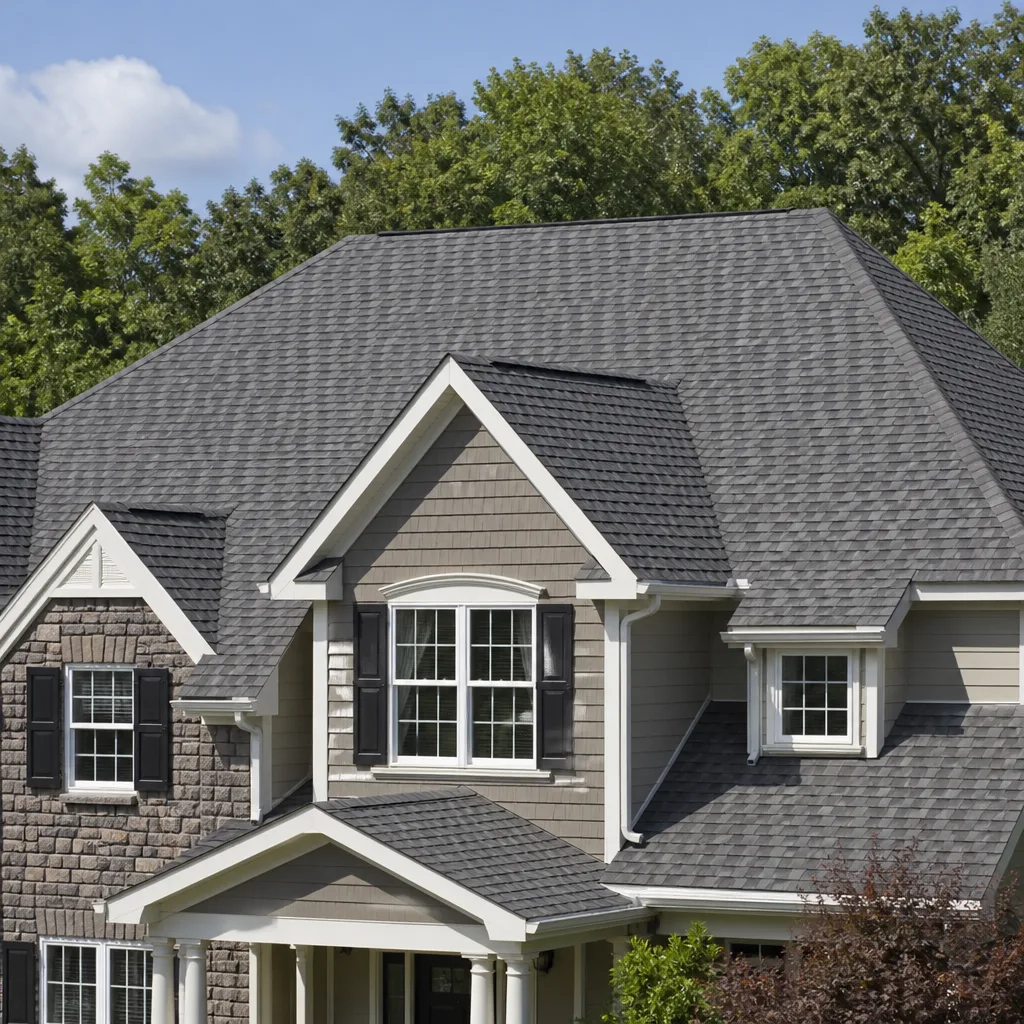
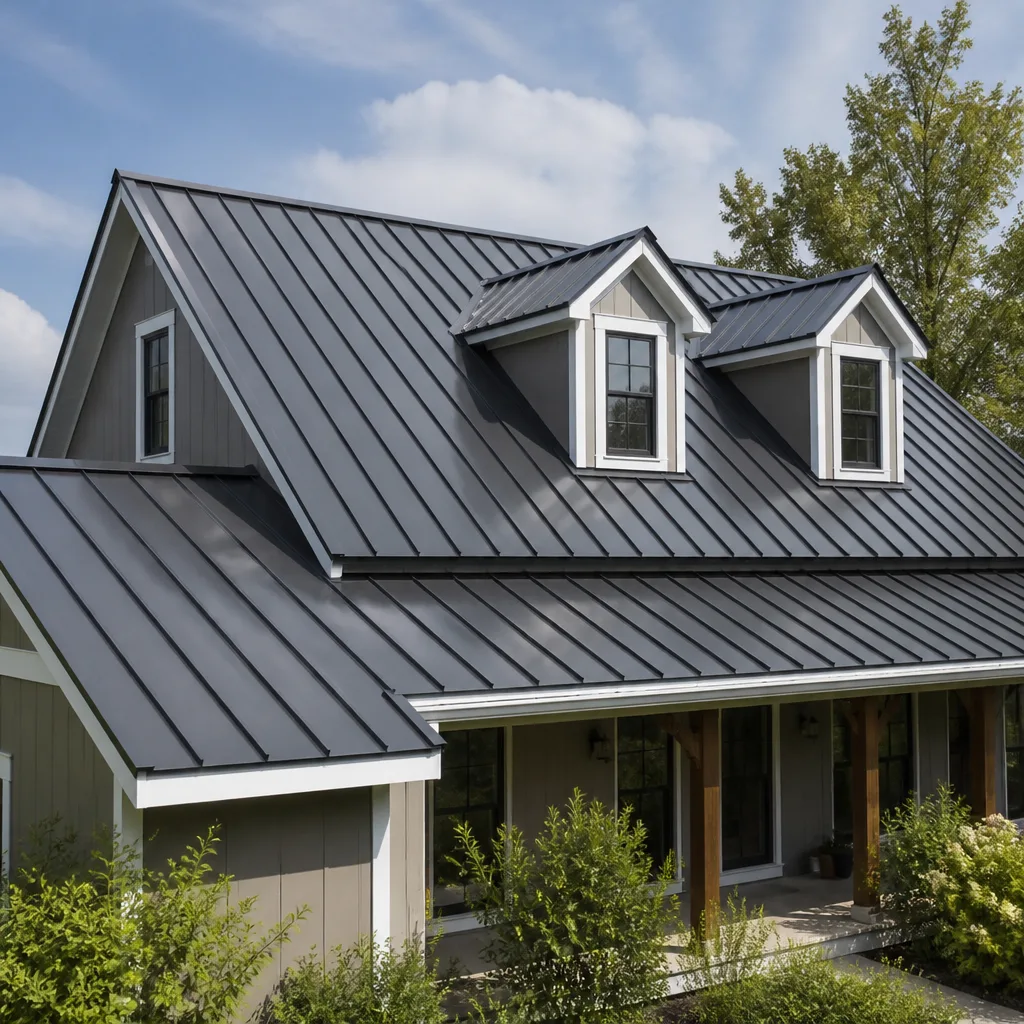
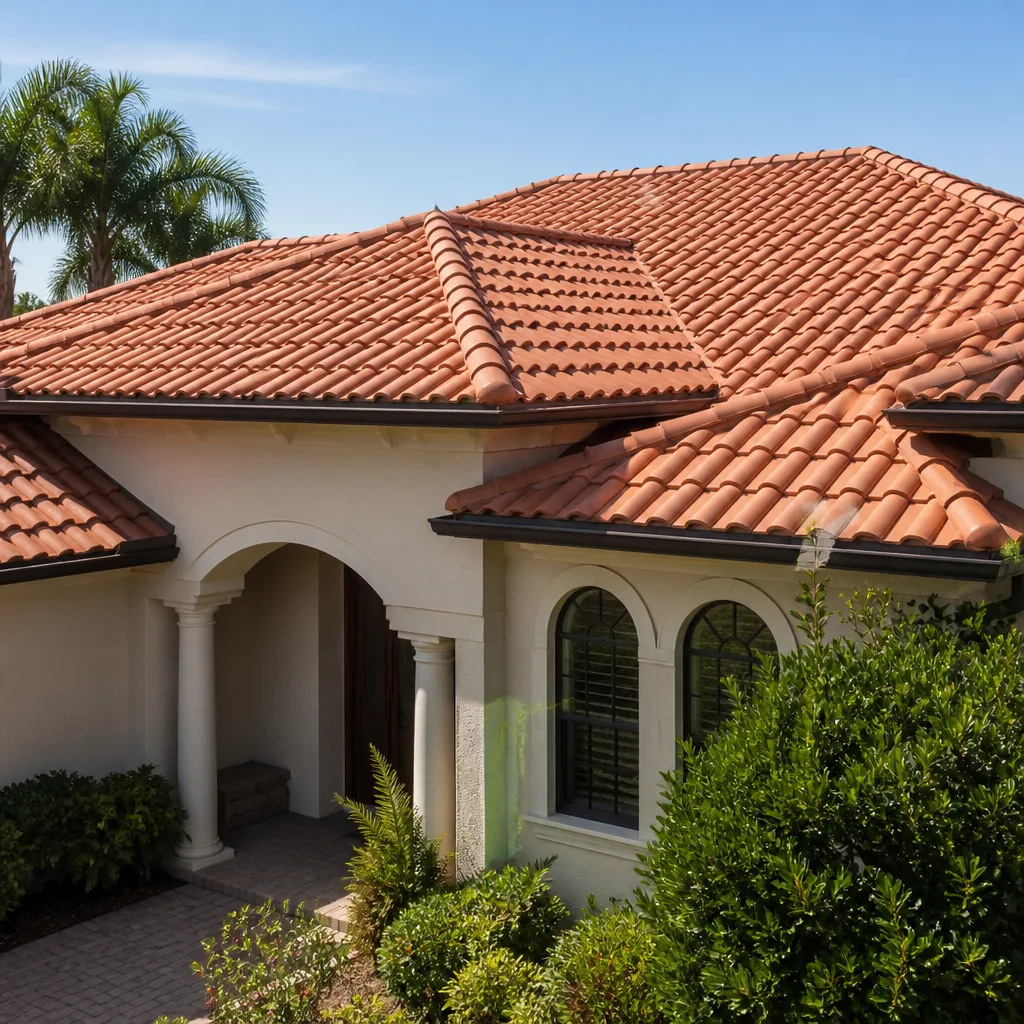
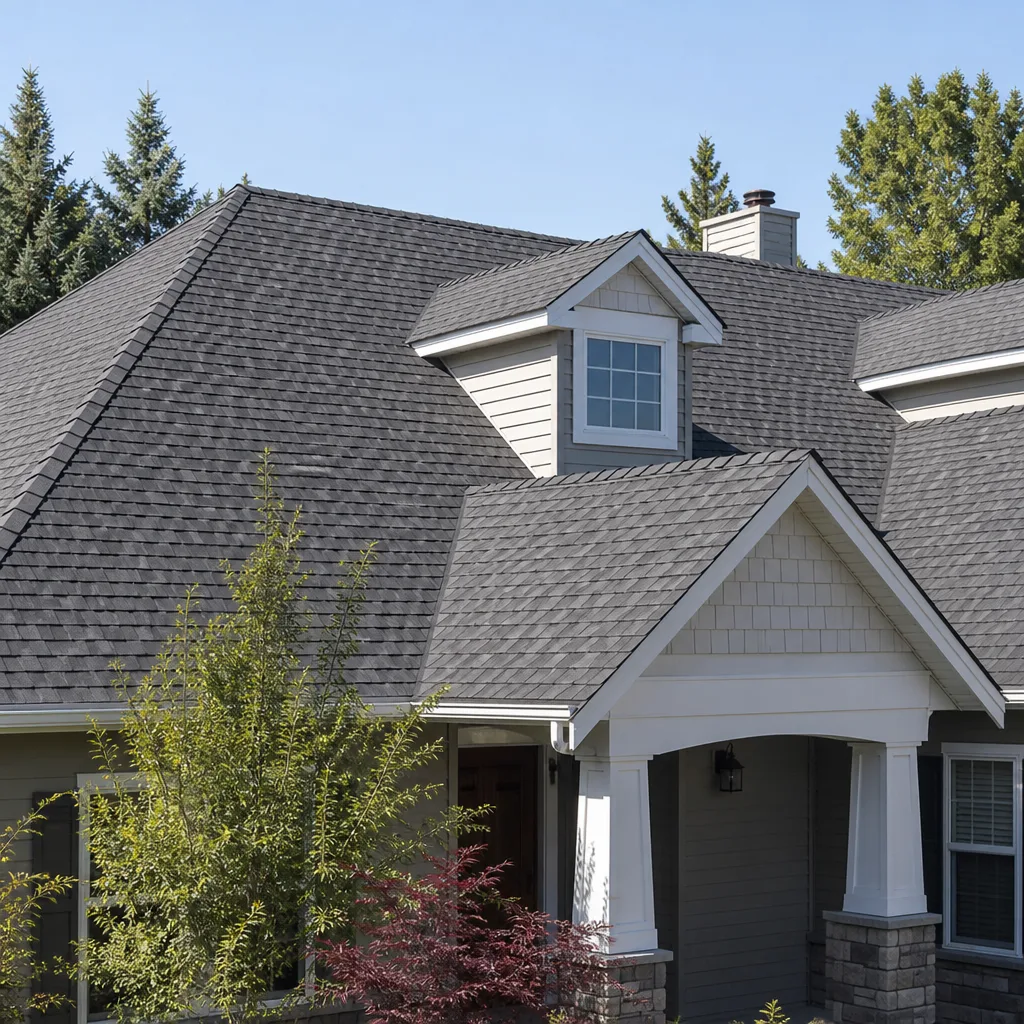
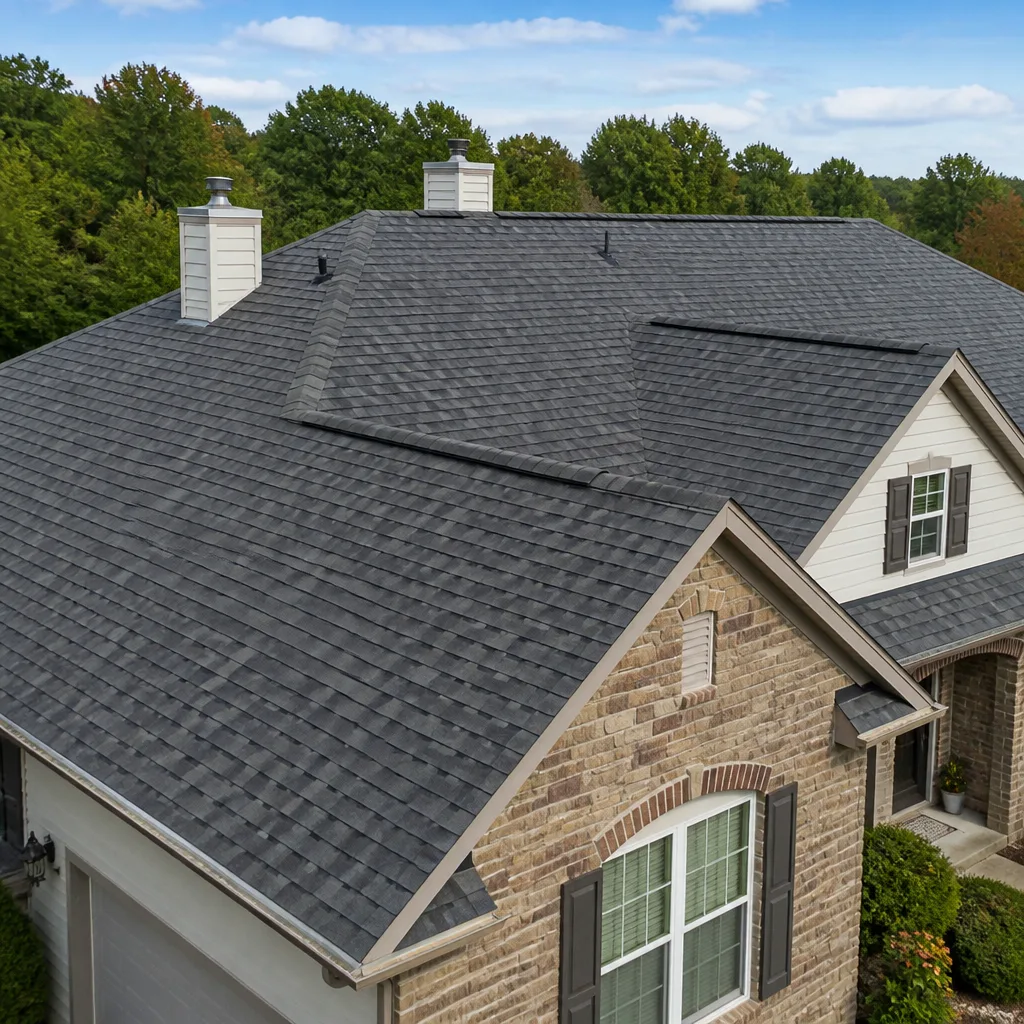
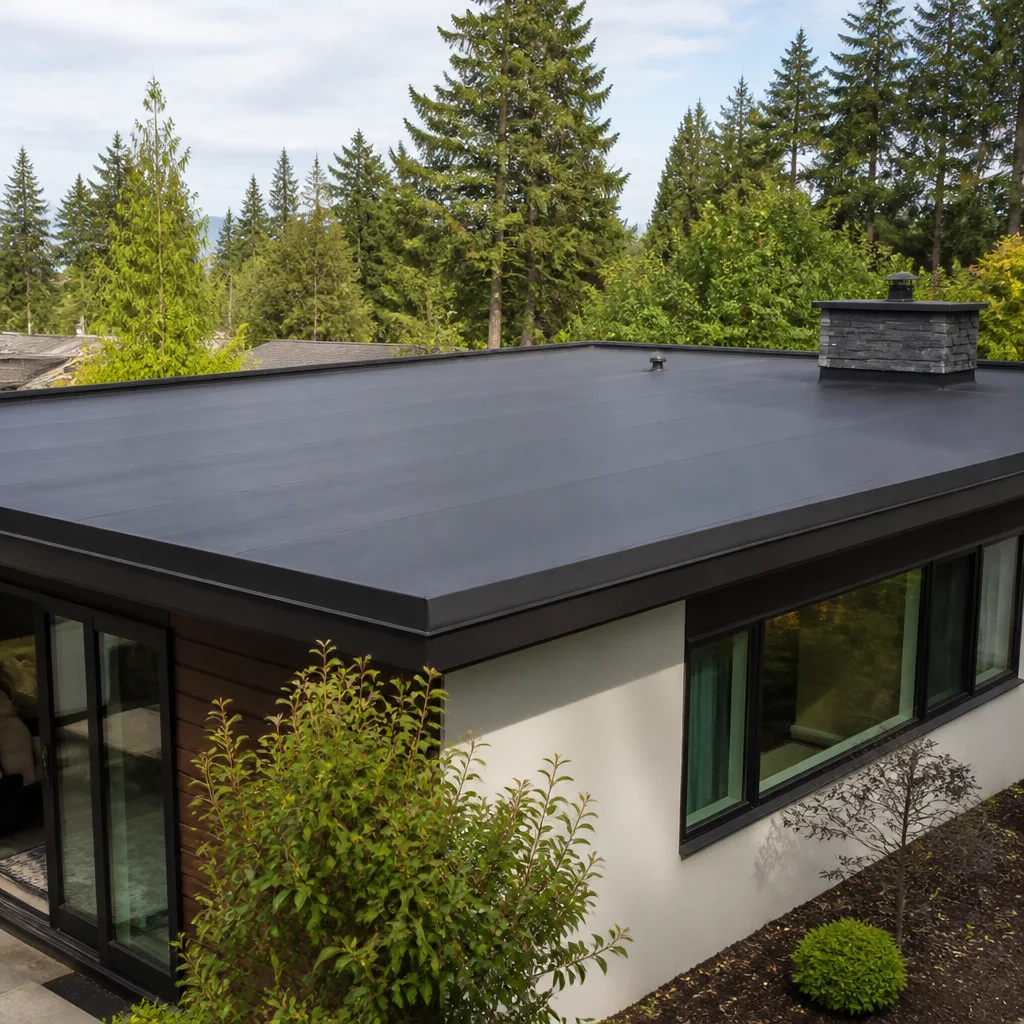
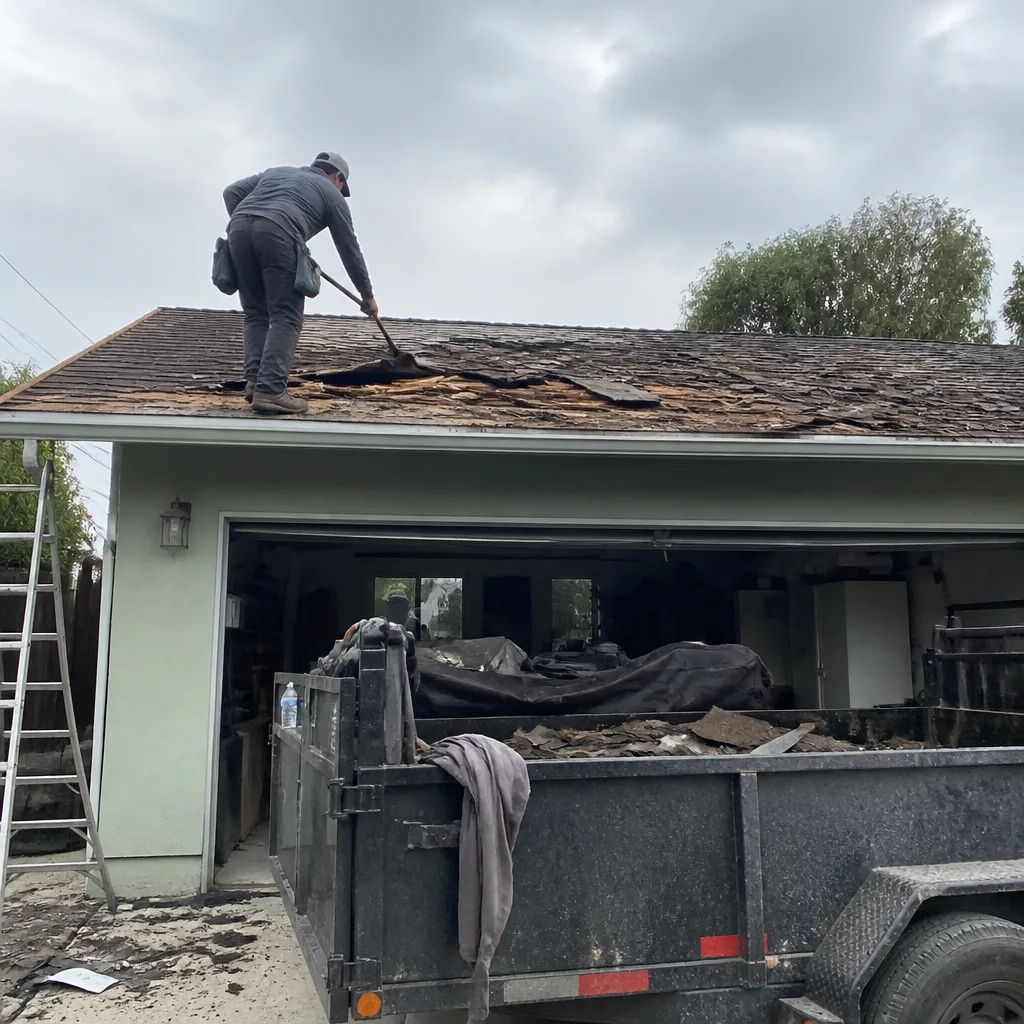 Before
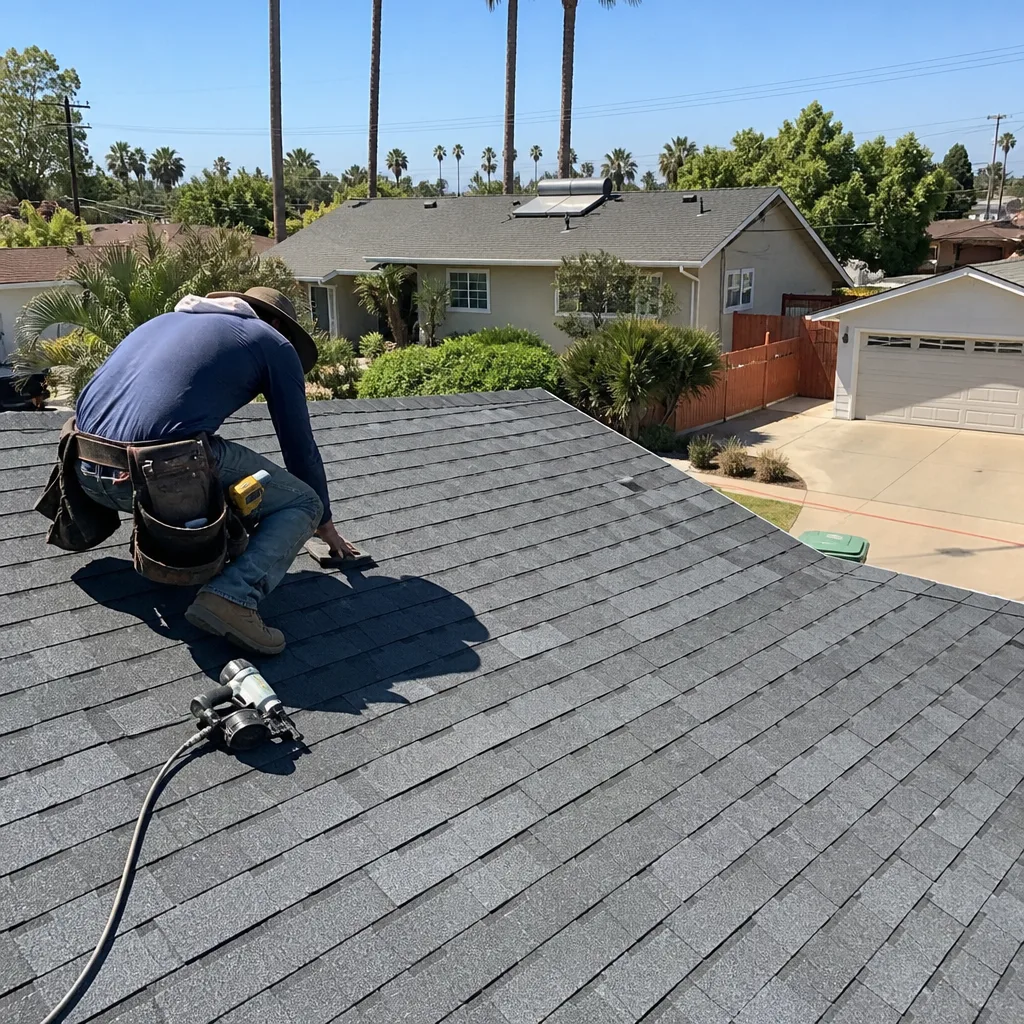 After
After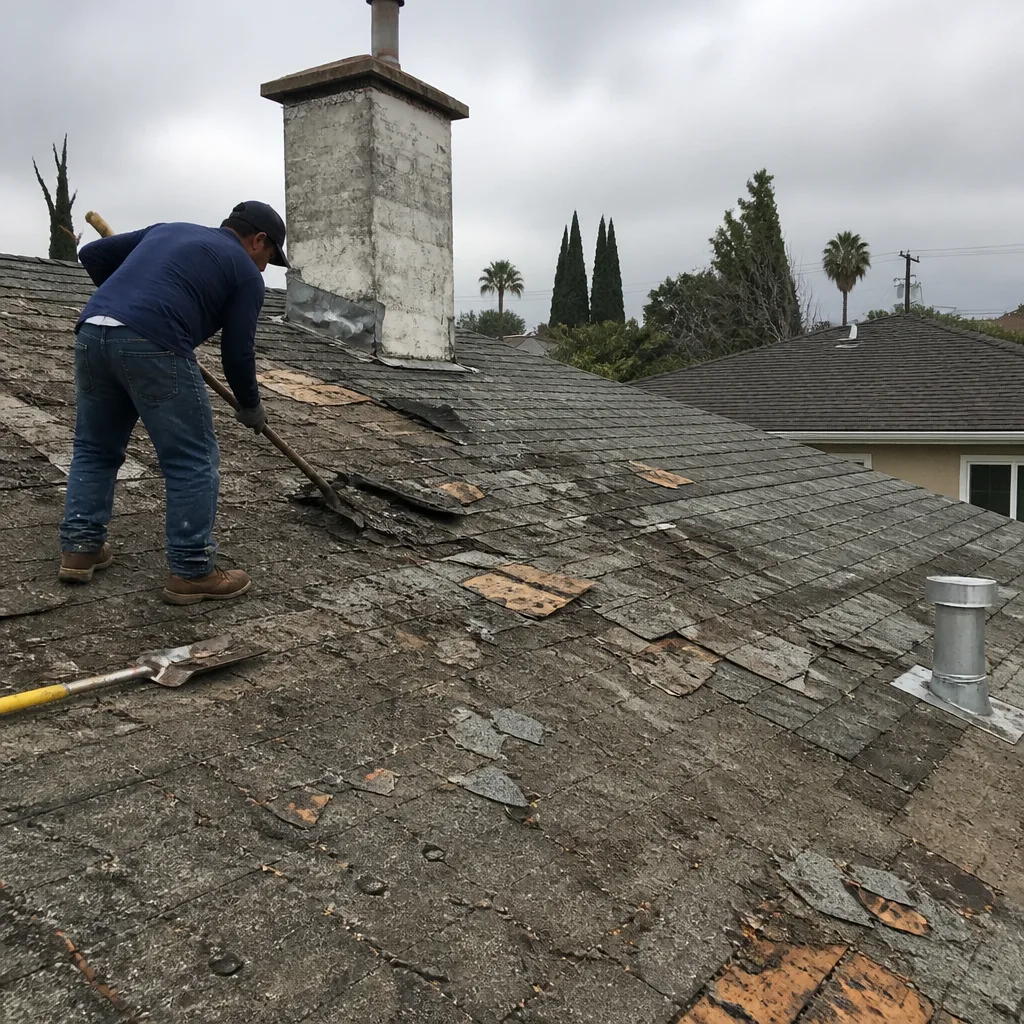 Before
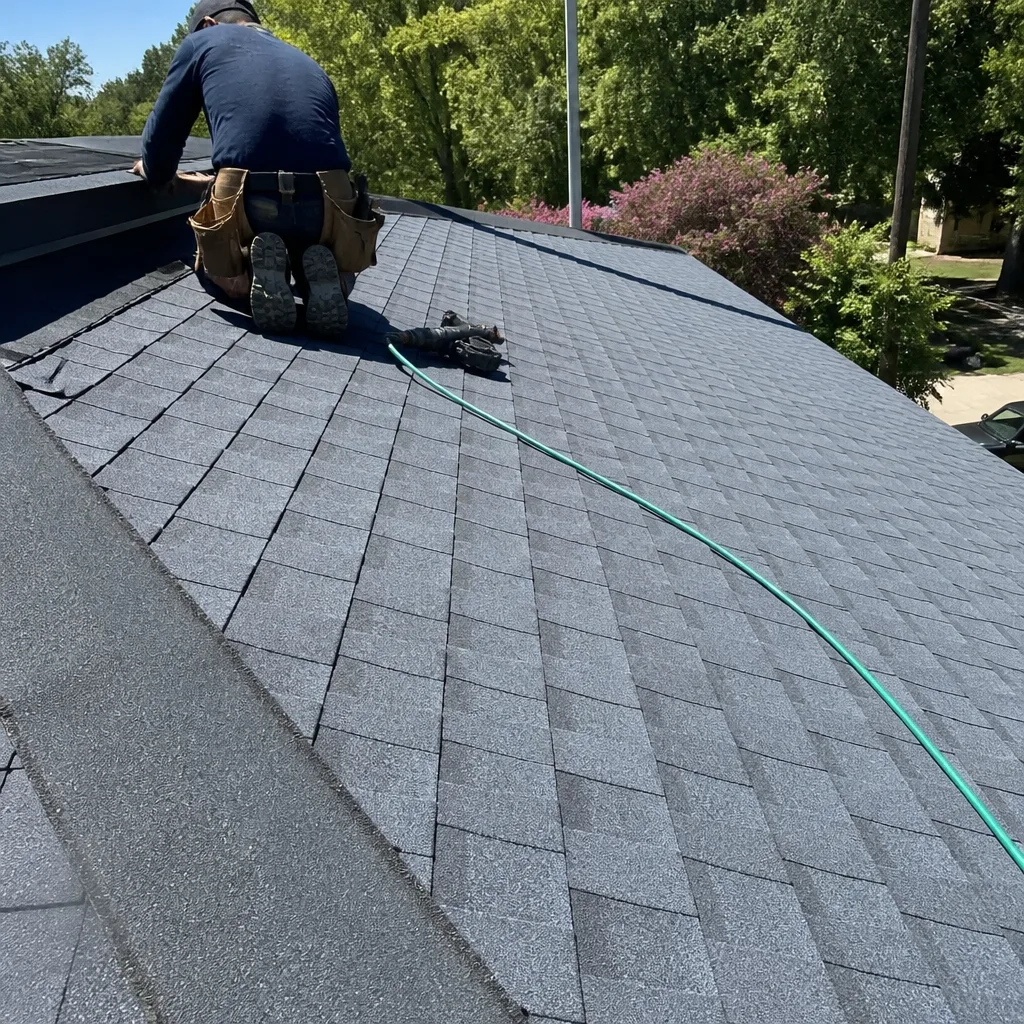 After
After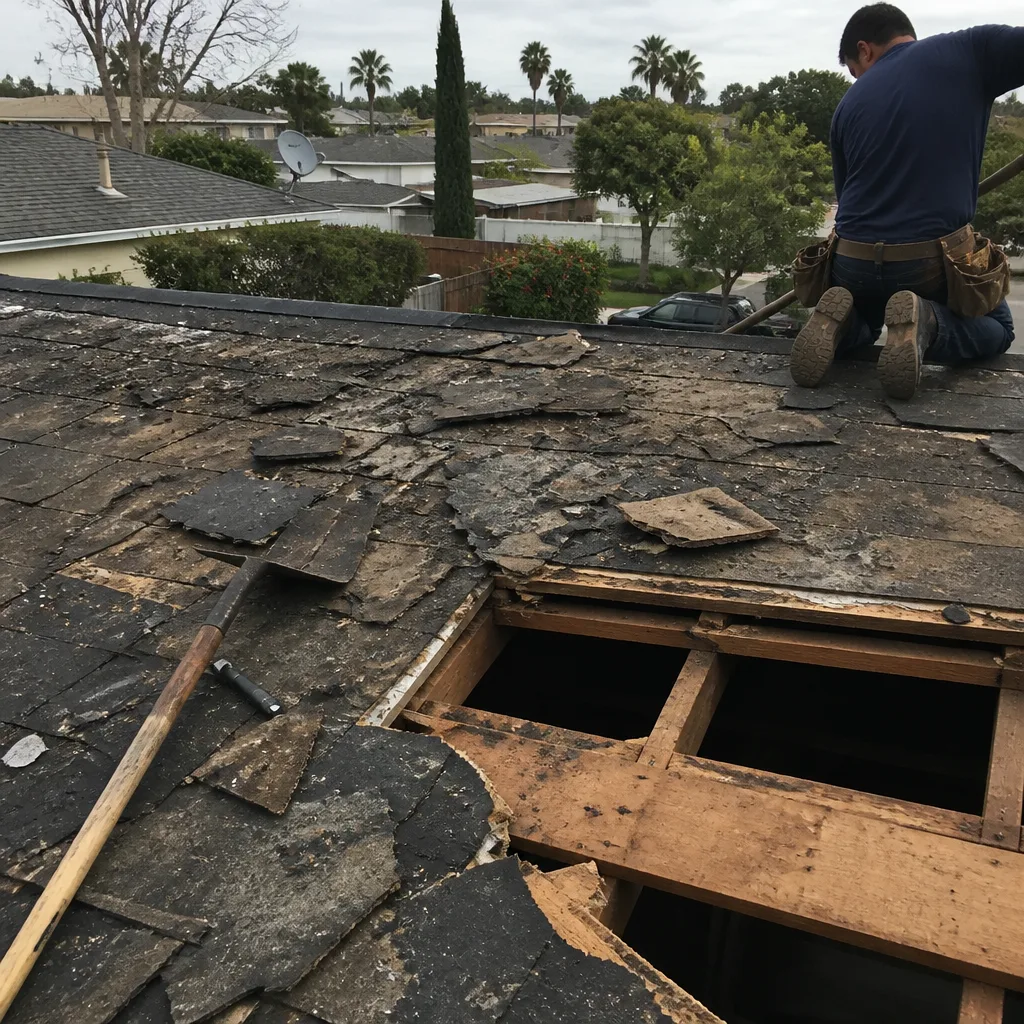 Before
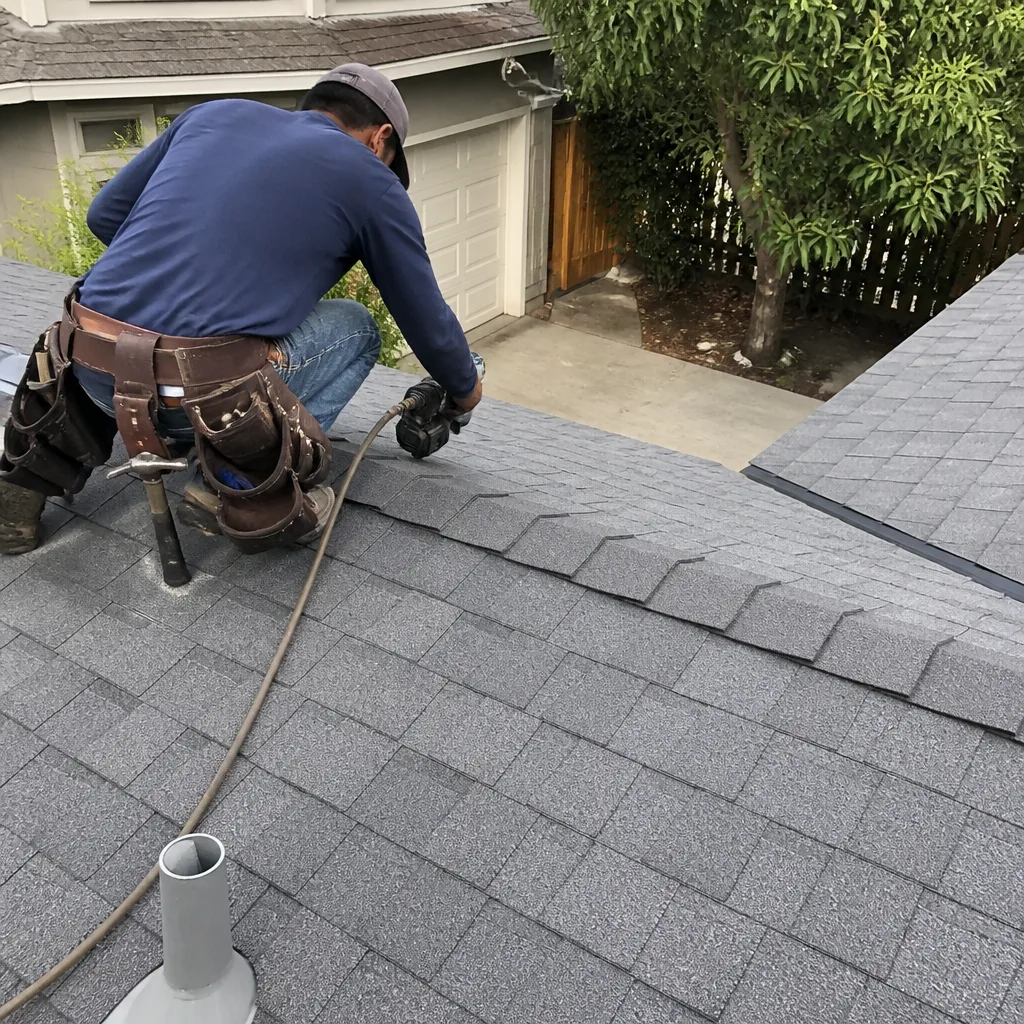 After
AfterThe Complete Guide to Roofing in Los Angeles
The rooftop of a home in Woodland Hills runs 30 – 40°F hotter on a summer afternoon than a home three miles west in Encino – same city, same week, different roof life expectancy. That single fact explains why most roofing advice written for a national audience fails Los Angeles homeowners. A roof spec that works in Malibu will bake and crack prematurely in the San Fernando Valley, while a valley-spec roof may be disqualified by fire code in the hills above Glendale. This guide maps the actual variables – UV index, Santa Ana wind exposure, fire zone classification, and municipal code layers – so you can make material and contractor decisions that fit your specific address, not someone else’s zip code. For a deeper look at evaluating your roof’s condition, see The Complete Roof Inspection Guide for Los Angeles Homeowners. We’ll cover real installed costs for the Los Angeles labor market in 2026, how to read an estimate line by line, and which materials belong on which roofs.
Quick Answer
Roofing in Los Angeles is governed by five distinct microclimates, two separate building code jurisdictions (LA City and LA County DPW), and fire zone overlays that disqualify certain materials in specific parcels. A full roof replacement in LA County typically costs $12,000 to $28,000 depending on material and pitch, and the single most important step you can take before signing any contract is checking your parcel’s fire zone classification and municipal code requirements. Get that wrong and you either overpay for materials you don’t need or fail inspection on materials you already bought.
Table of Contents
- Los Angeles Has Five Roofing Climates, Not One
- Fire Zone Overlays: The Material Disqualifier Most Homeowners Miss
- LA City vs. LA County Codes: Why the Wrong Permit Path Delays Your Roof
- Real Installed Roofing Costs in Los Angeles for 2026
- Materials That Work in LA (and Where They Fail)
- How to Read a Roofing Estimate Line by Line
- How to Vet a Los Angeles Roofer Without Getting Burned
- Common Mistakes to Avoid
Los Angeles Has Five Roofing Climates, Not One
Most roofing guides treat Los Angeles as a single climate: sunny, dry, mild. That’s the first mistake. Los Angeles County spans five distinct microclimates, and each one attacks a roof differently. We see this every week in the field – a 15-year-old shingle roof in Santa Monica that still looks serviceable, while the same shingle in Northridge is curling at year nine. The difference is not the quality of the shingle. It’s the climate load at that address.
The five roof-relevant climates in Los Angeles County are:
- Coastal (Malibu, Santa Monica, Playa del Rey, San Pedro): Salt air and morning marine layer. The salt accelerates metal fastener corrosion. The moisture supports moss and algae on north-facing slopes. UV is moderate but constant. These roofs fail from corrosion and biological growth before heat.
- Valley (Woodland Hills, Encino, Northridge, Burbank): Extreme heat and UV. Summer roof-surface temperatures regularly exceed 150°F. Asphalt shingles lose volatile oils faster here than anywhere else in the county. Valley roofs fail from thermal fatigue – cracking, curling, granule loss.
- Hillside (Hollywood Hills, Glendale foothills, Topanga, Mount Washington): Santa Ana wind exposure and steep pitches. Wind-driven embers are the primary threat, not heat. Hillside roofs need Class A fire-rated assemblies and, in many parcels, specific material restrictions. The slope also changes labor cost – steep roofs cost more to walk, which shows up in the bid.
- High desert fringe (Palmdale, Lancaster, Acton, Agua Dulce): Freeze-thaw cycling that the rest of the county never sees. Nighttime winter temperatures below freezing expand trapped moisture in shingle granules and underlayment seams. High desert roofs fail from freeze-thaw flaking, a failure mode most LA roofers never diagnose because most LA roofers don’t work there.
- Urban core (Downtown LA, Koreatown, Westlake, Boyle Heights): Older housing stock with unique framing and decades of layered roofs. Many urban-core roofs have two or three layers of shingles already in place, which changes tear-off cost and decking condition. Access is tight – alley-loaded garages, zero lot lines – which changes labor time and waste-disposal logistics.
The practical takeaway: when you pull a roof quote in Los Angeles, ask the contractor which of these climates your address falls into and how that shapes their material recommendation. If they look confused, that’s your signal to call someone else. A roofer who treats Compton the same as Calabasas is guessing.
Fire Zone Overlays: The Material Disqualifier Most Homeowners Miss
Here’s a scenario we see at least once a month: a homeowner signs a contract for a wood-shake replacement with a certain aesthetic in mind, only to discover at permit stage that LA County fire code prohibits wood shake on that parcel entirely. The deposit is already spent, the material is already ordered, and now the whole project is on hold. This should never happen, and it doesn’t have to.
Los Angeles County maintains fire hazard severity zone maps that classify parcels by wildfire risk. These classifications come from the California Department of Forestry and Fire Protection (CAL FIRE) and are adopted into local building codes. In Very High Fire Hazard Severity Zones (VHFHSZ), which cover much of the hillside climate we described above, the code requires:
- Class A fire-rated roof assemblies, which includes the covering and the underlying assembly – not just the surface material
- Specific eave, gutter, and vent details to block ember intrusion
- Prohibitions on untreated wood shingles and shakes regardless of aesthetic preference
Some materials that carry Class A listings in standard testing are restricted further in certain LA hillside overlays. The point is not to memorize the code – it’s to check your parcel before you shop materials. You can verify your fire zone status through the CAL FIRE Fire Hazard Severity Zone viewer or by calling LA County Building and Safety and requesting your parcel’s classification. This takes five minutes. The contractor you hire should also verify this during the estimate phase, not after you’ve signed. At Brennan Roofing, we pull the parcel fire classification before we write the price, because there’s no point pricing a roof that code won’t allow us to install.
If your home sits in a VHFHSZ, your realistic material choices narrow to: Class A asphalt shingles (certain lines from GAF, CertainTeed, Owens Corning, Atlas, or Tamko), standing seam or Class A-rated metal, concrete or clay tile, and certain synthetic slate products. Wood shake is off the table. Fiber-cement and composite shingles may be options depending on the assembly. Your contractor should be able to explain exactly which materials pass at your address and why.
LA City vs. LA County Codes: Why the Wrong Permit Path Delays Your Roof
Los Angeles is a patchwork of building jurisdictions. If your home is in the City of Los Angeles, you permit through LA City Building & Safety (LADBS). If you’re in an unincorporated county area – parts of Altadena, Topanga, Marina del Rey, and many canyon communities – you permit through LA County Department of Public Works (DPW). The two jurisdictions have different forms, different fee schedules, different inspector workloads, and different enforcement emphasis. A contractor who pulls permits in one jurisdiction routinely and casually assumes the other works the same way will burn two to six weeks of schedule before they realize the difference.
Here’s what actually differs in practice:
- Permit application and plan review: LADBS uses a specific online system (ePlanLA) with its own drawing requirements. County DPW has a different submission path and, in some districts, a different review turnaround. The forms are not interchangeable, and a preparer who doesn’t know one system stalls the submission.
- Fire classification enforcement: Both jurisdictions enforce fire zone overlays, but the specific documentation they request at the permit counter varies. LA City inspectors in hillside communities want to see the Class A assembly detail clearly called out on the permit drawings. County DPW often asks for a separate fire-resistance confirmation depending on the zone.
- Inspection scheduling: LADBS and DPW schedule inspections through separate systems. Miss one online scheduling window and you wait for the next cycle. This is purely procedural, but it’s the procedural detail that turns a two-week roofing project into a two-month project.
- Fee structures: Both jurisdictions charge permit fees based on project valuation, but the calculation method and the fee tables differ slightly. The difference is typically a couple hundred dollars, not thousands – but when the line item on the estimate changes after the fact, the homeowner is right to ask why.
The practical point: when you’re vetting a roofer, ask them directly which jurisdiction your property sits in and how they confirm it. A competent contractor answers immediately and tells you the specific permit path. A sloppy one says “we handle all that, don’t worry.” In our experience, “don’t worry” is the most expensive phrase in Los Angeles contracting.
Real Installed Roofing Costs in Los Angeles for 2026
Every national roofing cost guide gets Los Angeles wrong because they average across the country. Los Angeles labor rates, waste-disposal fees, and material logistics are not national. Here’s what we’re actually seeing in the LA market for a full tear-off and replacement in 2026, based on a typical 1,800 – 2,200 square foot single-story home with a 4/12 to 6/12 pitch. These are installed prices, including tear-off, disposal, underlayment, flashing, and permits.
| Material | Installed Cost Range (LA County, 2026) | Typical Life Expectancy (LA Climate) |
|---|---|---|
| Three-tab asphalt shingle | $11,000 – $16,000 | 15 – 18 years (valley) / 20 – 25 years (coastal) |
| Architectural asphalt shingle (dimensional) | $13,500 – $19,000 | 20 – 25 years (valley) / 25 – 30 years (coastal) |
| Standing seam metal (steel, 24-gauge) | $24,000 – $38,000 | 50+ years, may need fastener/coating service at year 30 |
| Concrete tile (flat or low-profile) | $22,000 – $35,000 | 50 – 75 years, underlayment replacement at year 25 – 30 |
| Clay tile (S or mission profile) | $28,000 – $45,000+ | 75 years+, underlayment replacement at year 30 – 40 |
| Class A composite/synthetic shingle | $18,000 – $28,000 | 30 – 40 years depending on exposure |
These numbers assume a straight tear-off of one existing layer. Add $1,500 to $3,500 if you have multiple layers that need to come off – which is common in the urban core, where homes from the 1920s and 1930s often carry two or three layers of old roofing. Add for steep-pitch labor if your roof is steeper than 7/12. Add for accessibility if the roofing crew has to hand-carry materials up a hillside or down a narrow alley.
For repairs rather than replacement, The Complete Roof Repair Guide for Los Angeles Homeowners breaks down the common Los Angeles repair calls:
- Leak diagnosis and small patch repair: $450 – $1,200
- Flashing replacement around a chimney or skylight: $600 – $1,800
- Valley re-flashing and resealing: $800 – $2,400
- Small section of shingle replacement (one slope): $1,500 – $4,000
- Tile ridge re-bedding and re-pointing: $1,200 – $3,000
These repair prices are range-wide because each depends on what the technician finds once they open the roof up. Which is exactly why the estimate process matters – more on that below.
Materials That Work in LA (and Where They Fail)
Every roofing material has a failure mode. The question is not which material is “the best” – it’s which material fails the slowest at your specific address and which one fits your budget. Here’s the real-world breakdown by Los Angeles climate zone.
Asphalt shingle (architectural, Class A): The workhorse of LA roofs. The lines we install from GAF, CertainTeed, and Atlas carry Class A fire ratings when installed with the right underlayment assembly, which makes them acceptable in most fire zones. In coastal zones, architectural shingles hold up well but watch the fastener corrosion – a galvanized nail rated for 20 years inland lasts 12 to 15 in salt air. In valley zones, expect granule loss from UV and thermal cycling; you’re buying time, not permanence. On hillside properties in VHFHSZ, shingle roofs are allowable but wind-driven ember entry at the eaves is the vulnerable point, so the assembly detail matters more than the shingle brand.
Concrete and clay tile: These are the classic Los Angeles hillside roofs, and for good reason – tile is inherently fire-resistant and handles Santa Ana heat without thermal degradation. The failure point is never the tile itself. It’s the underlayment beneath it, which degrades over 25 to 35 years and then leaks while the tile on top still looks perfect. If you own a tile roof in LA and it’s passing its 30th birthday, the roof does not need new tile – it likely needs tile removal, new underlayment, and re-installation of the original tile. That’s a more specialized job than a simple re-roof, and it costs less than a full replacement because the tile is reused. Tamko and Boral both make high-quality tile options, but for a re-underlayment job the existing tile often stays.
Standing seam metal: The longest-lived option in the LA market and the one that handles coastal salt and valley heat equally well. The cost is the disqualifier for most homeowners, not the performance. Standing seam works everywhere in LA County, including high fire zones, provided the assembly is detailed correctly at eaves and gables. The one failure mode we see in coastal Los Angeles is galvanic corrosion where dissimilar metals touch – a detail that separates a competent metal roof install from a problem five years out.
Composite/synthetic shingle: These have gained real traction in Los Angeles hillside communities in the last five years because they look like wood shake but carry Class A ratings. They cost more than asphalt and less than metal. The variable is quality: some synthetic lines hold color and profile shape well, others fade chalky in valley UV. When we price a synthetic roof for a Los Angeles home, we show the homeowner the specific product’s UV-weatherability data, because “Class A” tells you about fire resistance, not about how the surface will look in year nine.
How to Read a Roofing Estimate Line by Line
Most Los Angeles homeowners evaluate a roofing bid by looking at the total number at the bottom. That’s exactly backward. The line items are where the realism lives, and the total is only as honest as the lines. Here’s what each major line item on a competent LA roofing estimate should show, and what lowball bids leave out.
1. Tear-off and disposal. Removing the old roof and hauling it away legitimately costs money in Los Angeles. Landfill tipping fees and disposal of old shingles and tile are real. If this line is missing or suspiciously low, the contractor is either planning to leave the old roof in place (roofing over it, which is legal for a second layer but reduces the life of the new roof and hides decking problems) or they’re planning to dump the debris somewhere they shouldn’t. In the urban core, where dumpsters need street permits and parking restrictions apply, disposal is genuinely more expensive than in a Tarzana tract home with a driveway. Expect $1,500 to $3,500 for tear-off and disposal on a typical LA single-story.
2. Decking repair. The plywood or OSB surface under your old roof. Every competent roofer budgets replacement decking per sheet, because you won’t know what’s rotted until the old roof comes off. A lowball bid that says “decking included” without specifying sheet count is playing a game. We write decking as a per-sheet line item: “remove and replace up to X sheets at $Y per sheet, additional sheets at $Y per sheet, homeowner approved at time of discovery.” That’s the honest way to price a variable you can’t see before tear-off.
3. Underlayment. The water-shedding layer between the decking and the visible roof. The code-required minimum in most of LA is a basic asphalt-saturated felt or synthetic underlayment depending on the application. Upgrading to a high-grade synthetic underlayment adds $500 to $1,200 on a typical home and is worth it in every LA climate zone – synthetic handles the heat better and provides a better secondary barrier during the install itself. This line item tells you a lot about the roofer: if they quote a name-brand underlayment and specify the material, they’re serious. If it just says “felt,” they’re doing the minimum.
4. Flashing. The metal pieces at every roof penetration – chimney, skylight, pipe, wall intersection. This is where leaks come from in Los Angeles, and it’s the line item that separates a good roofer from a cheap one. Lowball bids often say “re-flash as needed” without detail. A squared-away bid lists each flashing location and the material. Re-flashing properly costs $400 to $1,500 depending on the number of penetrations; doing it sloppily costs nothing and leaks in six months.
5. Ridge and soffit ventilation. A roof that can’t breathe cooks from the inside in valley summer heat. Proper ridge and eave/soffit ventilation costs $800 to $1,800 and extends the life of your shingles and your decking. Lowball bids skip ventilation entirely, and the homeowner never knows because it’s the invisible line item until the attic hits 140°F in August and the shingles start cupping. In Los Angeles, ventilation is not optional – it’s part of a correct roof assembly, and it’s code-relevant.
6. Permits and inspections. $500 to $1,500 depending on jurisdiction and job value. If this line is zero, the contractor is unpermitted. Unpermitted roofing work in Los Angeles is a real liability – at resale, the buyer’s inspector flags it, the seller pays, and the contractor is long gone. We won’t write an estimate without the permit line, and we’ll tell you exactly which jurisdiction it goes through.
How to Vet a Los Angeles Roofer Without Getting Burned
The biggest risk in Los Angeles roofing isn’t the material – it’s the contractor. The city is dense with roofing companies, and a meaningful percentage of them are marketing operations that subcontract the actual work to crews they don’t supervise and won’t stand behind. The Complete Roofing Company Guide for Los Angeles Homeowners covers how to sort them.
1. Ask who actually performs the work. Is it the company’s own crew or a subcontractor? Neither is automatically disqualifying, but you have the right to know, and the answer needs to be direct. At Brennan Roofing, the technician who writes your estimate is backed by crews that work to a written, defined standard – the Garrison Standard – with background-checked, uniformed technicians on the job. You should be able to look at your roofer and know exactly who is on your roof.
2. Require the price in writing before any work starts. This one is non-negotiable. A roofer who can’t or won’t put a price on paper before the job begins is pricing you at the door. Every Brennan Roofing estimate is written before any work starts, and it does not change at the door. If a contractor balks at this, walk away.
3. Ask what the guarantee covers and for how long. “We guarantee our work” means nothing unless the duration and the remedy are in writing. Our 365-Day Done Right Promise is what it sounds like: if it’s not done right in the first year, we make it right, at no charge, and we come back for a free second visit if a repair fails within the guarantee period. It’s in writing. If a roofer can’t tell you what their guarantee covers in one sentence, they don’t have one.
4. Check the local presence. A Los Angeles roofing company should understand LA permits, LA fire zones, and LA material logistics. That’s not a test where you ask “do you know Los Angeles?” and they say yes. It’s a test where you ask “which jurisdiction is my home in and what does that mean for my permit?” and they answer with the specific correct answer. If they can’t, they’re a call-center front or they’re new here. See our Roofing Company in Los Angeles page for more on what local competence actually looks like.
Common Mistakes to Avoid
- Shopping by total price alone. The low bid in Los Angeles roofing is often the most expensive by year five. When one estimate is $4,000 cheaper than the next, the difference is in the line items – missing ventilation, missing flashing, missing decking contingency. You don’t save thousands. You defer thousands.
- Signing before checking the fire zone. The parcel classification determines what materials are legal on your roof. Sign a contract for an unpermitted material and you own the delay and the change order. This is a five-minute check. Do it.
- Roofing over the old roof to save money. Legal for a second layer in many LA situations, and a money-saver in year one. But you can’t see decking rot or structural problems under the old layer, and the new roof’s lifespan drops. In a valley or urban-core home with two layers already, overlay is almost never the right call.
- Ignoring ventilation. An LA roof without proper ridge and eave ventilation fails from the inside out. The attic heat stress transfers to the decking and the shingles, and the lifespan drops by years. Ventilation is not an upsell – it’s a systems requirement in this climate.
- Going without a permitted job to “save” the permit fee. The permit fee is a few hundred dollars. The cost of unpermitted roofing work at resale is thousands. When the buyer’s inspector flags work without a permit, the seller either opens up the roof to inspection or drops the sale price. The contractor is not there to help.
- Not reading the estimate line items before signing. You don’t need to be a roofing expert to catch the red flags. If the estimate doesn’t list tear-off, underlayment, flashing, ventilation, and permits as separate lines, you’re not looking at an honest bid.
When to Call a Professional
Call a roofer when you see water staining on an interior ceiling, when shingles are curling or losing granules into the gutter, when tile is cracked or slipping, or when you see light through the attic boards from the inside. Also call when you’re selling a home – a pre-listing roof inspection catches what the buyer’s inspector will find anyway, and gives you time to fix it on your schedule instead of under a closing deadline. Brennan Roofing offers free estimates in Los Angeles – call (361) 320-9467 to schedule yours.
Frequently Asked Questions
A full tear-off and re-roof in Los Angeles County typically costs $11,000 to $45,000 depending on material, with architectural asphalt shingles running $13,500 to $19,000 on a typical 1,800 – 2,200 square foot home. The spread is driven by material choice, roof pitch, number of existing layers, and accessibility. Call (361) 320-9467 for an exact quote – our estimates are free and written before any work starts.
Yes – roof replacement in Los Angeles requires a building permit from either LA City Building & Safety or LA County DPW, depending on your jurisdiction. The permit triggers the inspections that document the new roof is code-compliant, and it protects the value of your home at resale. Repairs that do not alter the structure may not require a permit, but replacement always does.
A typical single-story LA home with architectural shingles takes two to four days for tear-off, deck inspection and repair, underlayment, shingle installation, and cleanup. Tile or metal roofs take longer – one to two weeks – and any project requiring permit review adds time on the front end depending on the jurisdiction.
For valley heat, concrete tile and standing seam metal handle thermal load best because neither degrades meaningfully from UV the way asphalt granules do. Architectural asphalt shingle is the most practical budget choice, but expect a 20-to-25-year life in the valley versus 25-to-30 closer to the coast. The right material for you depends on your specific microclimate and your budget.
In many Los Angeles jurisdictions you can add a second layer of shingles over the first, but we rarely recommend it. The overlay hides decking damage, shortens the new roof’s life, adds weight the framing may not have accounted for originally, and complicates the next tear-off. There are cases where it’s appropriate, but get a straight assessment of your decking condition first.
A legitimate Los Angeles roofing estimate should itemize tear-off and disposal, decking replacement (as a per-sheet contingency), underlayment type and brand, flashing at each penetration, ventilation, permits, and the material line with the specific product name. If those lines are missing or vague, the price you’re seeing is not the price the job will actually cost. See our Roof Repair in Los Angeles page for more on how repair estimates differ.
A repair addresses a defined problem – a leaking flashing, a cracked tile, a failed section of shingles. Replacement addresses systemic aging: granule loss over most of the roof surface, curling across entire slopes, or widespread decking failure. The way to know without guessing is a professional roof inspection. Our Roof Inspection in Los Angeles service documents exactly what you have and what it needs, in writing.
The Bottom Line
Roofing in Los Angeles is an address-specific problem. The material that works in Mar Vista is wrong for Northridge, and the permit path for a hillside home in Glendale looks nothing like an unincorporated county parcel in Topanga. Before you sign anything: check your fire zone, verify your jurisdiction, read your estimate line by line, and hire a contractor who puts the price in writing and stands behind the work in writing. That’s the whole game – the roof itself is almost the easy part. The decisions that determine whether the roof lasts 15 years or 35 are made before the first shingle comes off. If you’re ready for a real, written estimate on your Los Angeles home, call (361) 320-9467 – the call is answered by a live person, and the estimate is free. Start with the Brennan Roofing home page to see exactly how we work.
Written by Travis Oakley, Owner at Brennan Roofing, serving Los Angeles since 2000. Explore more guides & resources from our team.