
Last updated October 9, 2026
Free roof inspection with deck photos before we talk money - GAF and Owens Corning certified installation
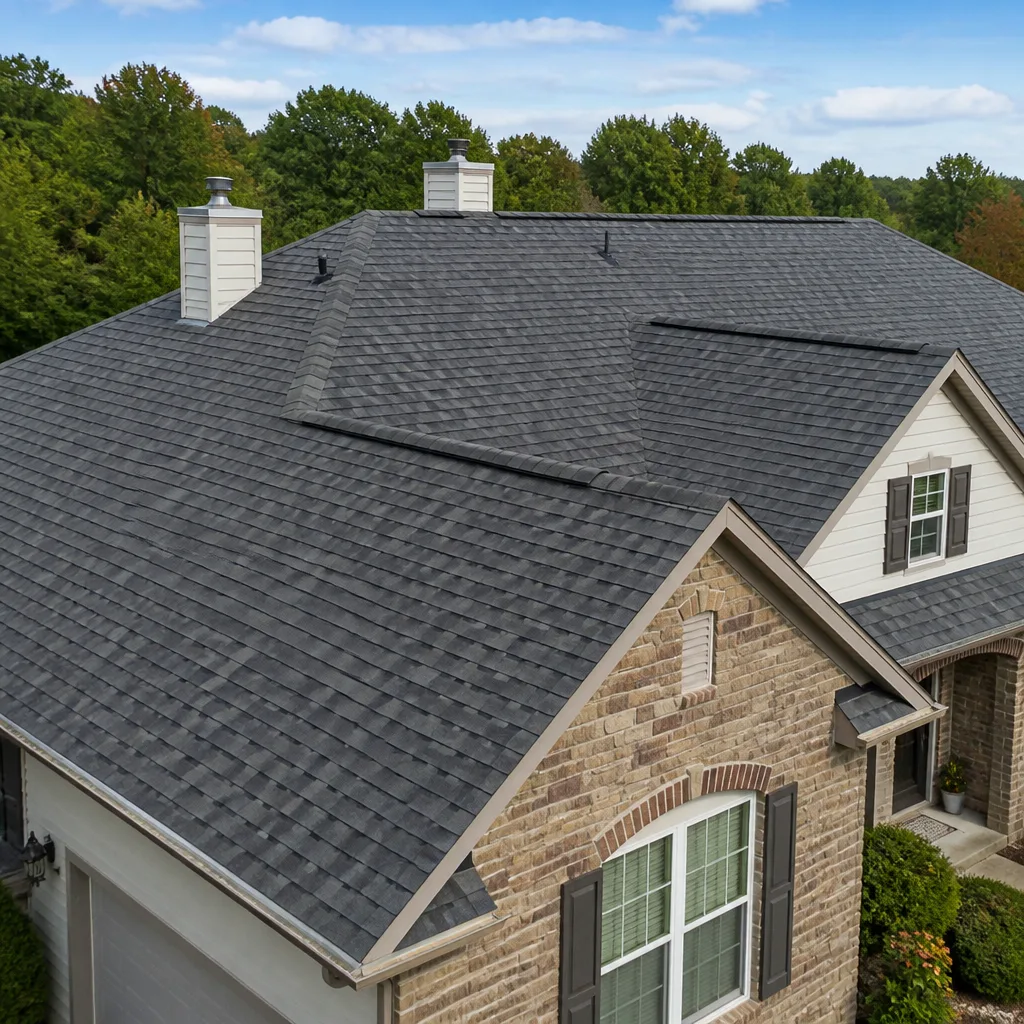
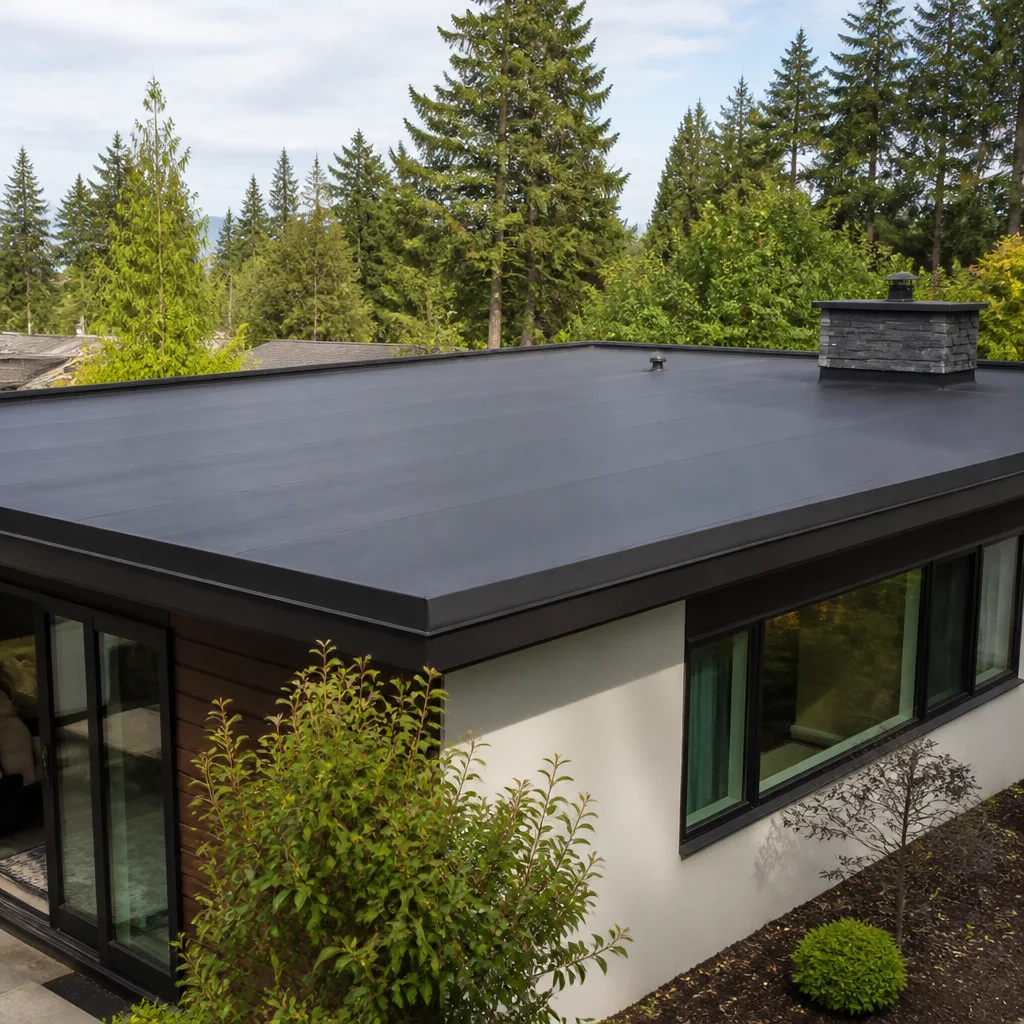
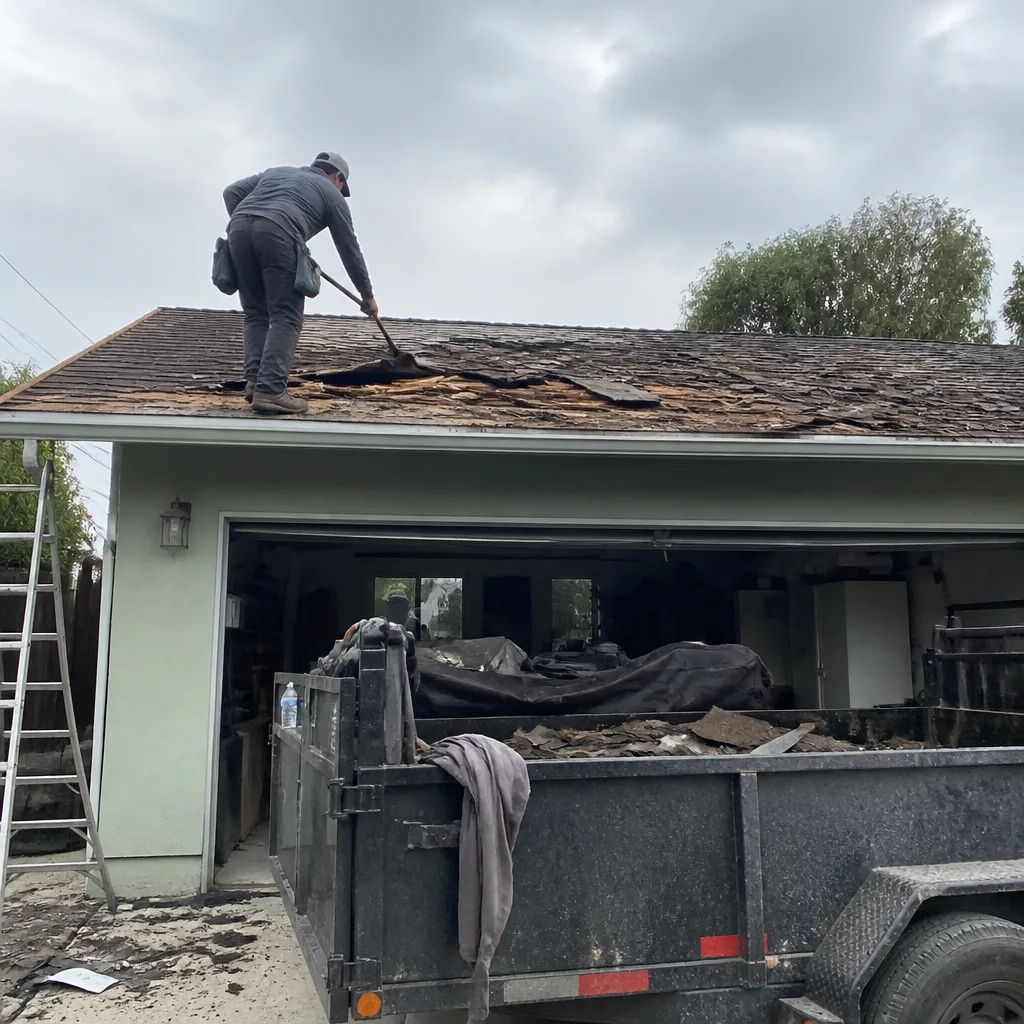 Before
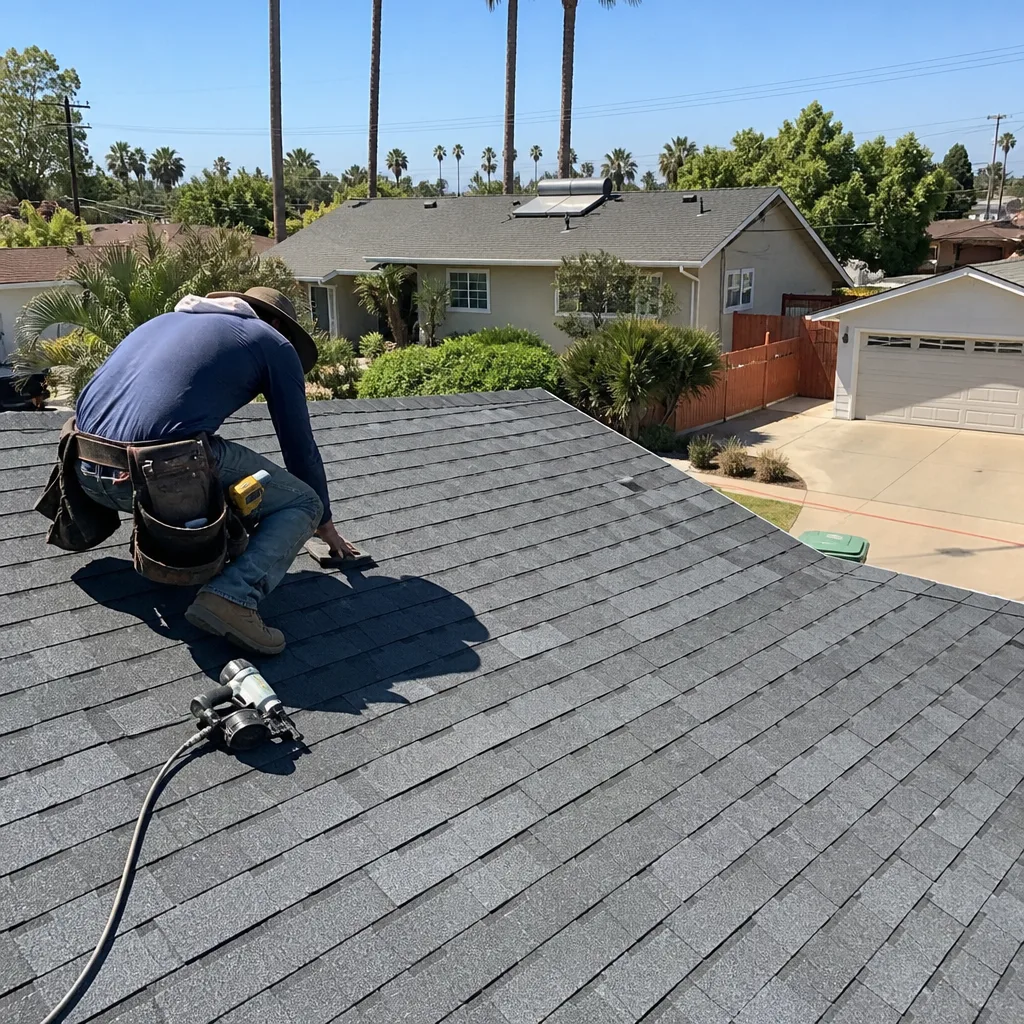 After
After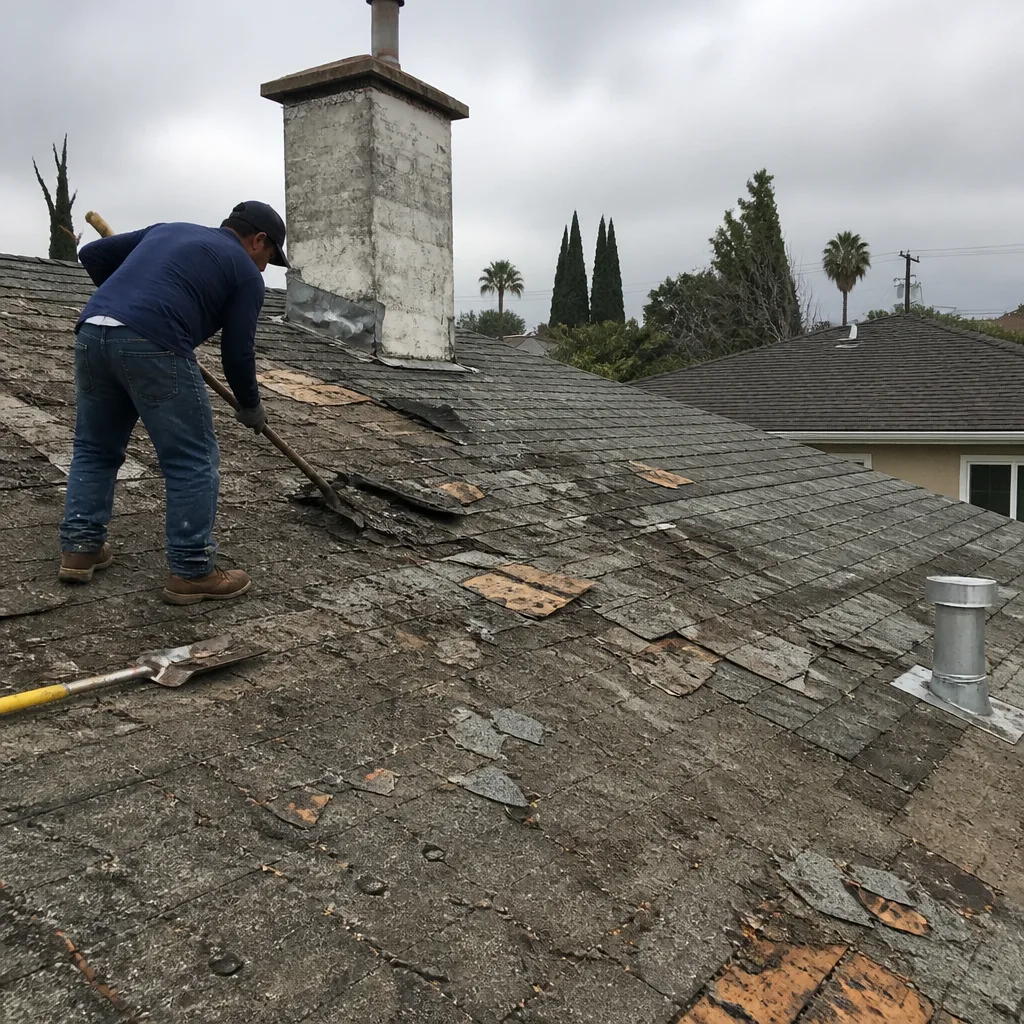 Before
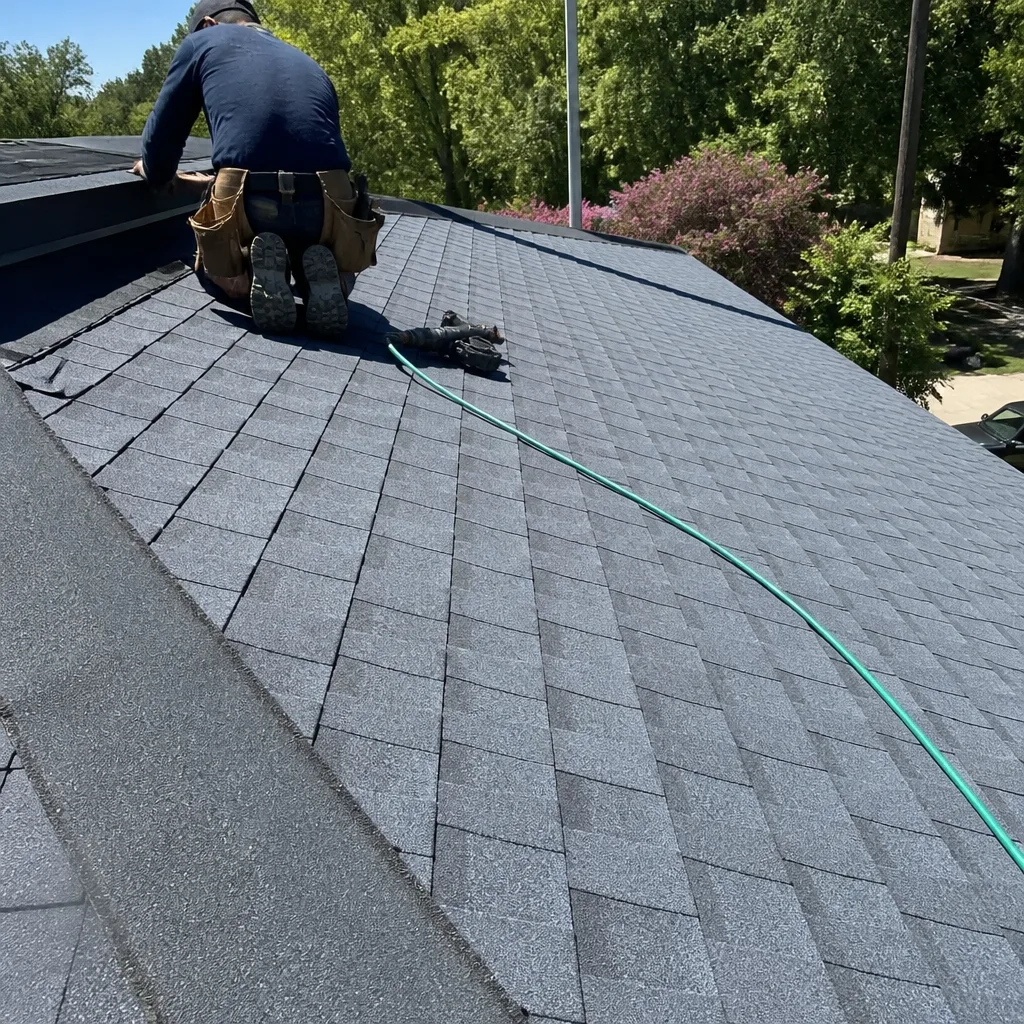 After
After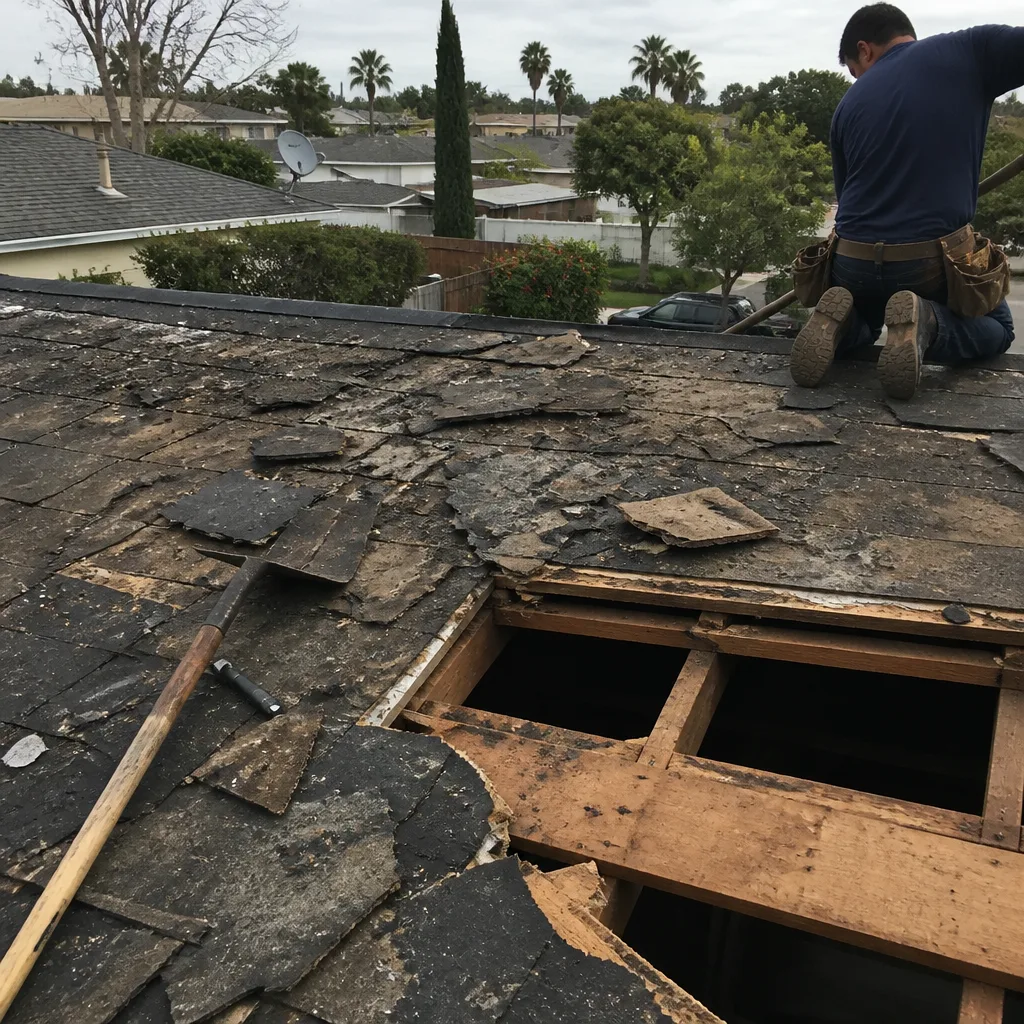 Before
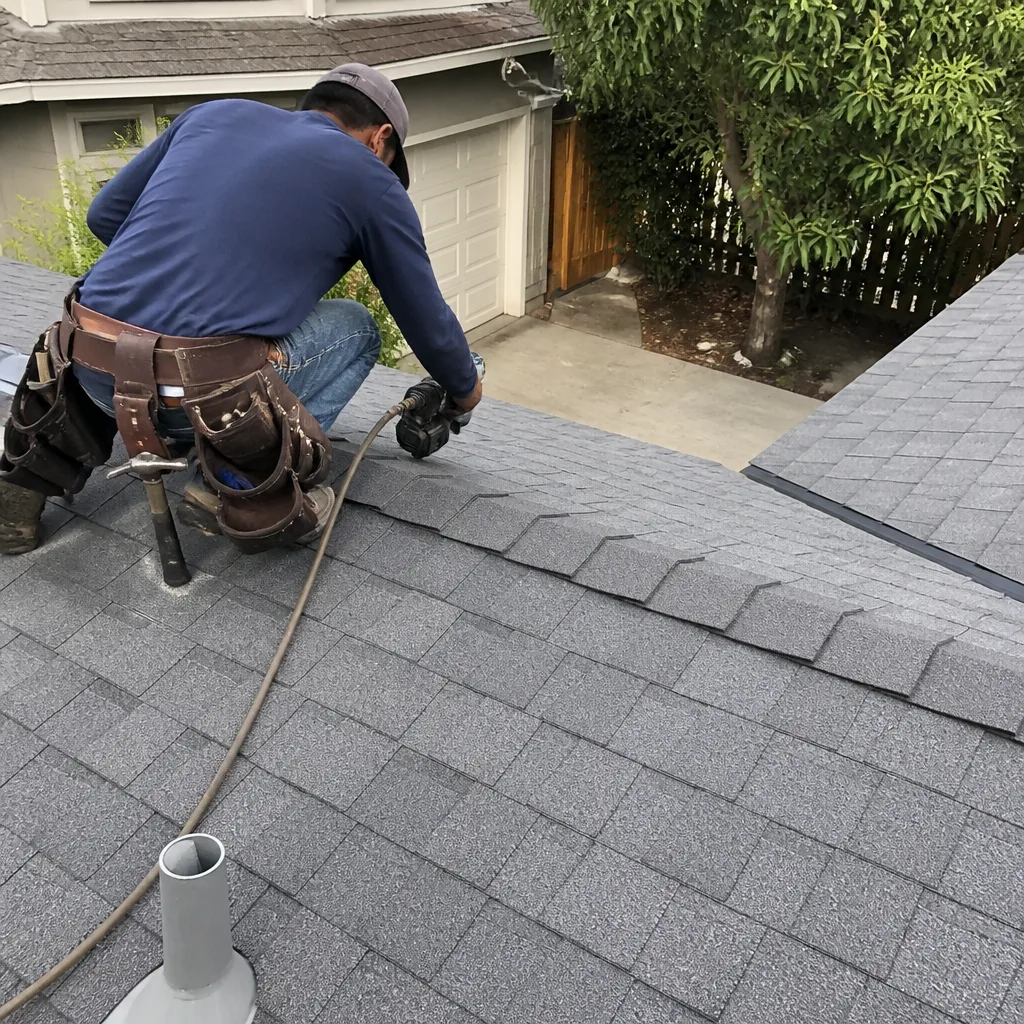 After
AfterRoofing Cost Breakdown: The Los Angeles Homeowner’s Reference for 2026
A $12,000 re-roof bid and a $17,000 bid on the same Los Angeles house are often not comparable. One might include full tear-off, code-required underlayment, new flashing, and a permit. The other might leave all of that out and still look cheaper on paper. This guide breaks roofing cost into its actual components, gives real 2026 LA-market ranges for each line item, and teaches you to read an estimate the way a roofer’s accountant would. For Roofing Warning Signs: A Los Angeles Homeowner’s Reference Guide, see our dedicated resource. By the end, you’ll know where your money goes on a roof, what low bids quietly omit, and which questions separate a disciplined contractor from a gamble.
Quick Answer
In Los Angeles, a full roof replacement in 2026 typically costs $14,000 to $28,000 for an average 1,800-square-foot home, depending on material and pitch. That figure breaks down into tear-off, decking, underlayment, flashing, material, labor, and permit fees. Cost per installed square (100 square feet) runs roughly $700 to $1,300 for composite shingle, $1,200 to $1,900 for clay or concrete tile, and $900 to $1,600 for TPO flat roofing. The single best question to ask any contractor before signing is: “What does this estimate assume about tear-off, flashing, and decking?”
Table of Contents
- Per-Square Cost Ranges by Roof Type
- The Line Items Your Estimate Should Include
- Why Los Angeles Roofing Costs Run Higher Than the National Average
- How to Read an Estimate Line by Line
- How to Compare Bids Fairly Using Cost Per Square
- Contingency Lines: Legitimate vs. Red Flag
- Common Mistakes to Avoid
- When to Call a Professional
- Frequently Asked Questions
- The Bottom Line
Per-Square Cost Ranges by Roof Type
Roofing is priced by the square, which is 100 square feet of roof area. A 1,800-square-foot single-story home in Los Angeles often has 20 to 24 squares of roof surface once pitch and overhangs are counted. Here are realistic installed cost ranges for 2026 in the LA market, including labor, not just material:
| Roof Type | Installed Cost Per Square (2026 LA) | Life Expectancy in LA Climate | Notes |
|---|---|---|---|
| 3-Tab Composition Shingle | $700 – $900 | 15 – 20 years | Entry-level asphalt; thin, lower wind rating, phased out by many LA roofers in favor of architectural. |
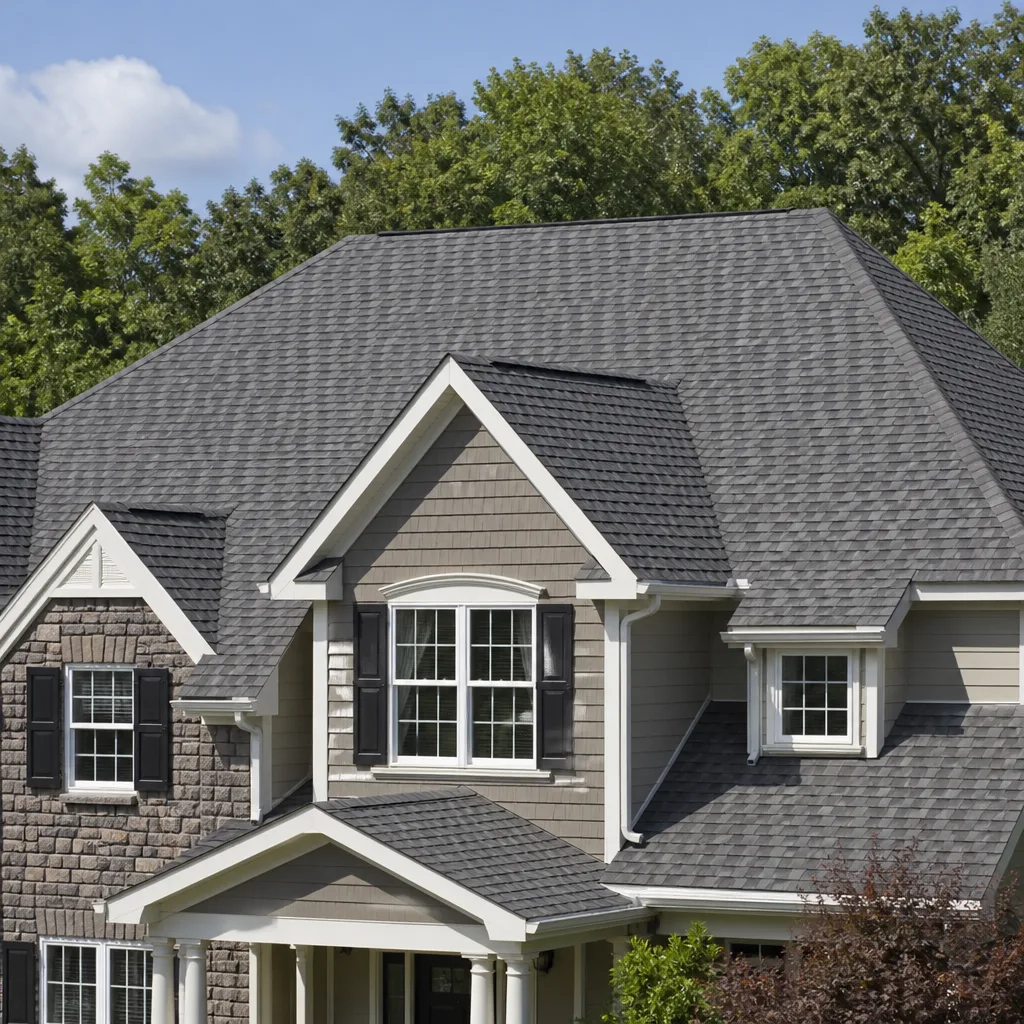
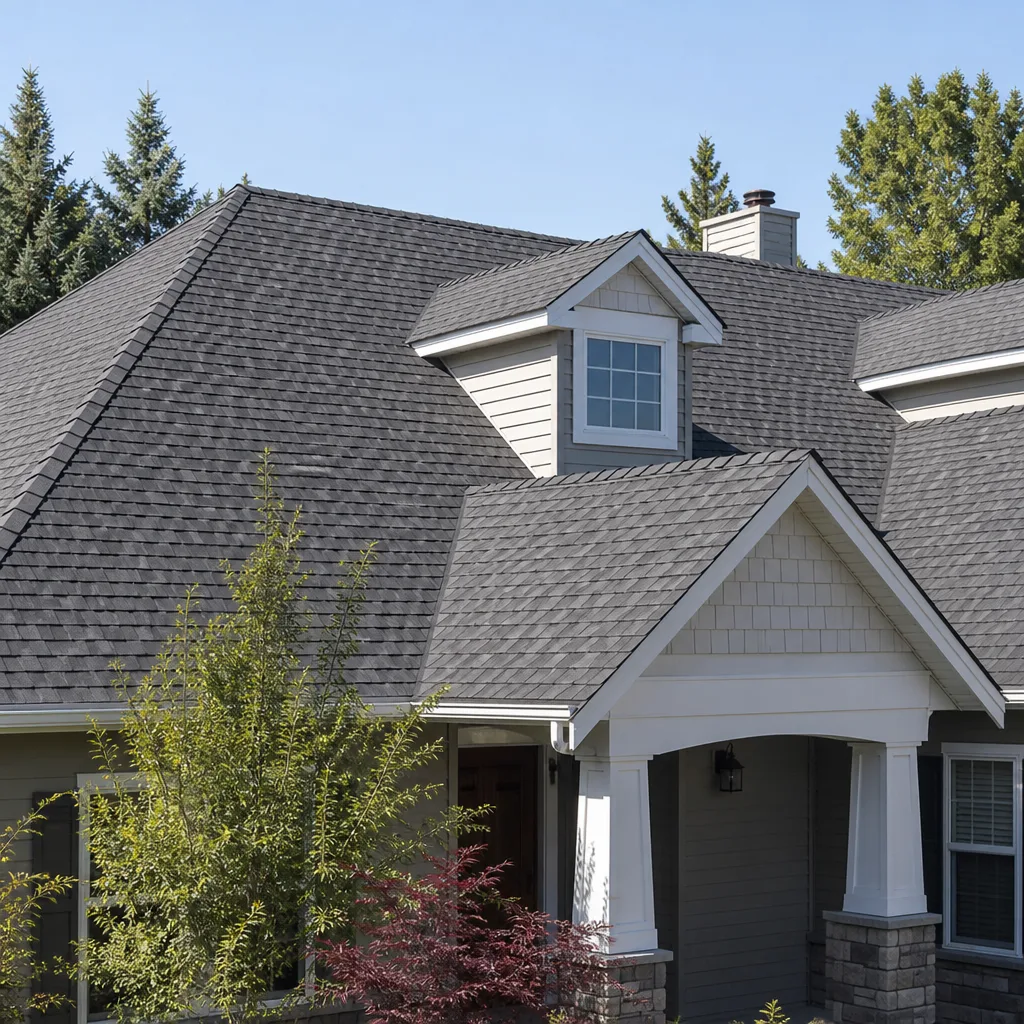
| Architectural Shingle | $850 – $1,300 | 30 – 50 years, depending on line | Thicker, higher wind rating. Lines like GAF Timberline, CertainTeed Landmark, and Owens Corning Duration are common in LA. |
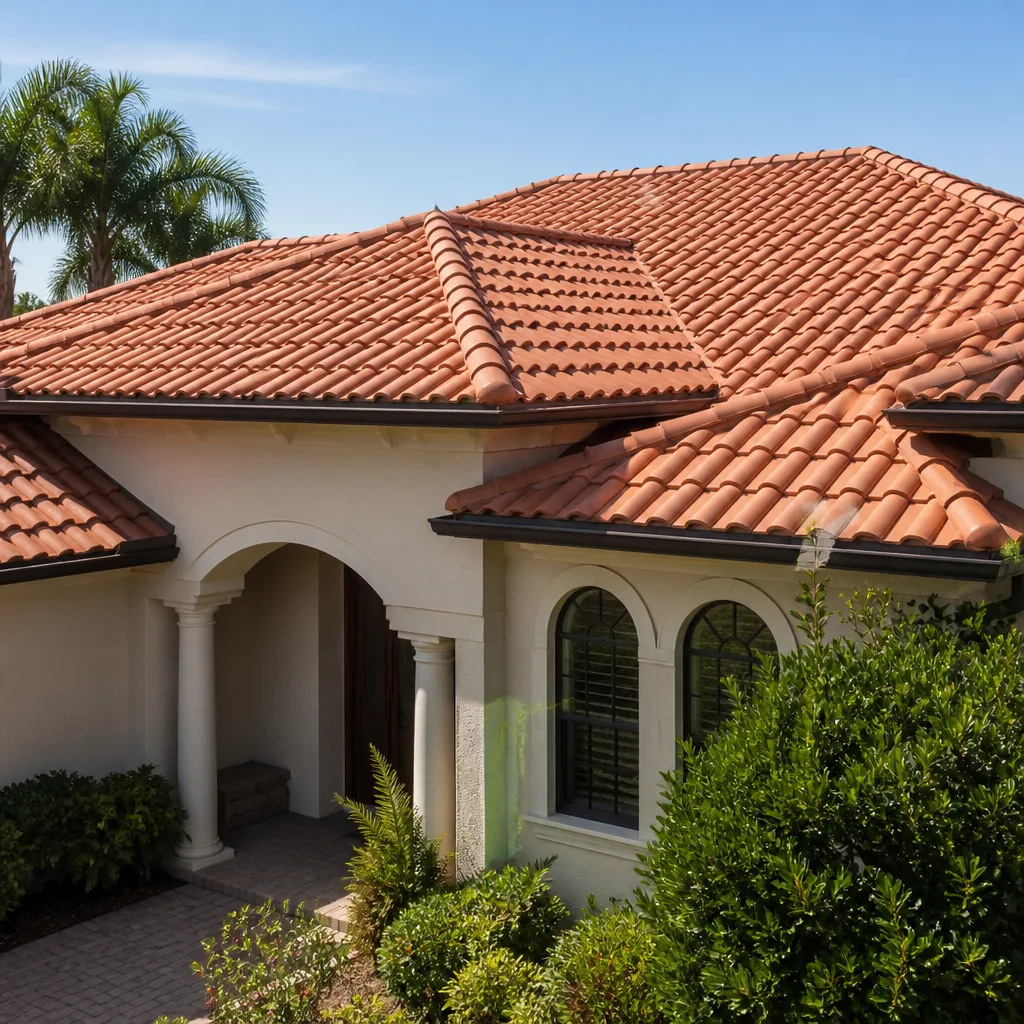
| Clay or Concrete Tile | $1,300 – $1,900 | 50+ years, often underlayment fails first | Heavy; requires structural check on older LA homes. Title 24 cool-roof performance is strong with light-colored tile. |
| TPO Flat Roof | $900 – $1,600 | 20 – 30 years | Common on mid-century LA flat and low-slope homes. White membrane helps Title 24 compliance. |
Those per-square numbers are for a straightforward replacement with standard decking in serviceable condition. If the existing roof has two layers that both need removal, if the decking underneath is rotted, or if the house sits on a steep hillside lot with limited staging, the per-square number moves up.
In our experience across Los Angeles neighborhoods from the Valley to the Westside, architectural shingle runs between $900 and $1,100 per square on most jobs, putting a full replacement on a 22-square roof around $20,000 to $24,000 before any decking surprises. Tile sits above that because the material is heavier, the underlayment spec is stricter, and the labor is slower.
The Line Items Your Estimate Should Include
An estimate is only as useful as its line items. A single number with no breakdown tells you nothing about what you are actually buying. Here are the components a complete Los Angeles roofing estimate should list, with 2026 price ranges where applicable, and what our Roofing Permits, Codes & Inspections in CA: What You Need to Know covers in detail:
- Tear-off and haul-away: $150 to $400 per square in LA. This covers removing the existing roof layers, loading the debris, and paying disposal fees. Roofs with two layers of old shingles often run at the top of that range.
- Decking repair allowance: Rotted or damaged plywood sheathing replacement typically runs $65 to $120 per sheet of 4×8 plywood in LA. A legitimate estimate lists this as a per-sheet allowance that only gets billed if the decking is actually bad once the roof is opened.
- Underlayment: For LA homes, code now requires a high-performance synthetic or a double-layer system in many cases, especially under tile. Figure $45 to $150 per square depending on the material and the roof type. This is the layer most often omitted on lowball bids.
- Flashing replacement: Valley flashing, pipe boots, chimney flashing, and wall step flashings run $350 to $1,200 total depending on how many penetrations the roof has. Some bids budget “reuse existing flashing” to keep the price low, which is a false economy on a new roof.
- Drip edge and edge metal: $2 to $5 per linear foot installed, roughly $400 to $900 for a typical LA roofline. Required by code on most replacements.
- Permit fees: The City of Los Angeles Department of Building and Safety charges permit fees that vary by job value and number of squares, but homeowners should expect $400 to $1,200 on a full re-roof. A contractor who says “no permit needed” is not doing the job to code.
- Labor: In LA in 2026, skilled roofing crews cost more than the national average. Steep-pitch surcharges of 10% to 15% apply on roofs above a 6:12 pitch, and hillside lots often add another surcharge because staging is tighter and work is slower.
At Brennan Roofing, the estimate you see is the estimate you sign. Every line goes on paper before any work starts, and the number does not move at the door. That is the whole point of the Roofing Company in Los Angeles approach we operate under: a written price first, every time. We list our material lines plainly too, because homeowners deserve to know whether they are pricing GAF, CertainTeed, or Owens Corning, not a generic “quality shingle.”
Why Los Angeles Roofing Costs Run Higher Than the National Average
National roofing-cost figures you find online do not reflect what it costs to roof a house in Los Angeles. Here is what pushes LA pricing above the national midpoint:
- Title 24 cool-roof requirements. California’s energy code mandates minimum solar reflectance and thermal emittance values for roofing materials in most climate zones. That often means upgrading from a basic dark shingle to a cool-roof-rated product, which costs more per square.
- Steep-pitch and hillside surcharges. The LA housing stock includes a large share of hillside construction. Steeper roofs need safety harnesses, roof jacks, and slower production. Hillside lots often mean the crew can’t stage material on a flat driveway; everything gets carried up.
- Limited staging space. In neighborhoods like Echo Park, Silver Lake, and the Hollywood Hills, narrow streets and tight lots complicate dumpster placement and material delivery, which raises hauling and logistics costs.
- Labor rates. Licensed, background-checked roofing crews in LA are not cheap, and they should not be. The alternative is worse.
- Two-layer tear-offs are common. Many older LA homes have a second roof layered over the original. Full tear-off of two layers costs more than a single-layer removal, and skipping it is a code violation in most cases.
None of these factors are optional. A roofer who quotes Los Angeles pricing from a national flat-rate book is either underbidding the job or planning to cut scope once the roof is open. The second possibility is the one that turns a $12,000 bid into a $19,000 change order by week two.
How to Read an Estimate Line by Line
When two estimates for the same Los Angeles roof differ by $5,000, the difference is almost always in the scope, not the margin. Reading an estimate line by line is the only way to see which bid is real and which bid is an opening position. Here is a step-by-step method we recommend to any homeowner comparing bids:
- Check the tear-off line first. Does the estimate clearly state the number of existing layers to be removed? One layer? Two? If it says “overlay existing roof,” the bid is lower for a reason, and that reason is almost never in your favor.
- Look for a decking allowance, not a vague clause. The estimate should list a per-sheet price for damaged decking replacement, with a note that it applies only to sheets that are actually rotted. A line that says “decking as needed” with no per-sheet price is an open checkbook.
- Verify underlayment by name and spec. A real estimate names the underlayment product and the number of layers. If the line just says “felt paper,” ask what grade and whether it meets the current LA building code for your roof type.
- Find the flashing scope. New roof, new flashing. Pipe boots, valleys, chimneys, walls. If the estimate says “reuse existing flashing,” that is scope being cut to win the bid.
- Confirm the permit line. The permit fee should appear as its own line item, and the contractor should be named as the party pulling it. If the bid has no permit line, the price is not real.
- Ask about the material brand, not just the color. “Architectural shingle” can mean a 30-year GAF Timberline or a house-brand product with half the warranty. The estimate should name the manufacturer.
At Brennan Roofing, we write the estimate this way because it is the only way we know how. The price goes on paper before any work starts, and that paper includes the material lines, the permit, the tear-off, and the decking allowance. We operate under The Garrison Standard, which is our internal name for a simple rule: the written price is the price, and the job does not start until you have that number in hand. Travis Oakley, who leads our Los Angeles operation, has the same conversation with every homeowner: read the estimate, ask any question, and sign only when the scope is clear. Most roofers are not afraid of your questions. The ones who are, are the ones to avoid.
How to Compare Bids Fairly Using Cost Per Square
The cleanest way to compare two Los Angeles roofing bids is to convert both to cost per square, then adjust for scope. Here is the method:
- Divide the total price by the number of squares. If the roofer did not list square count on the estimate, ask for it. A roofer who cannot tell you how many squares your roof is, is not measuring it.
- Adjust for tear-off layers. Subtract $150 to $400 per square from any bid that includes fewer layers than the competition, or add it back in your mental math.
- Adjust for decking. If Bid A includes a $90-per-sheet decking allowance and Bid B has none, the two bids are not comparable until you know the condition of your decking. If you suspect rot, the bid without an allowance is understated.
- Adjust for material brand. A GAF, CertainTeed, or Owens Corning architectural shingle line has a published warranty and a track record. An off-brand “30-year shingle” may not. There is a real material price difference between those two, and you want to know which one you are buying.
- Compare the final adjusted per-square numbers. If they are within 10%, the bids are essentially the same price and you should choose based on process. If they are still far apart, one contractor is cutting something you have not found yet.
The one question to ask every contractor before signing: “Walk me through every line that could increase once the roof is opened.” A disciplined contractor will point to the decking allowance and explain how it works. A contractor who says “nothing can change” is either lying or has already padded the bid to cover surprises he does not intend to explain.
Contingency Lines: Legitimate vs. Red Flag
Roofing is one of the few home improvement trades where the contractor cannot see the full condition of the job until the old roof comes off. The decking under a 40-year-old roof can be solid or it can be mush. That reality means a legitimate estimate contains a contingency, but the form of that contingency tells you a lot about the contractor.
A legitimate contingency is a specific per-sheet price for decking replacement. It says: “If the decking is damaged, replacement is billed at $90 per sheet, and you will see the damaged sheets before we replace them.” The number is on paper, the trigger condition is defined, and you retain control.
A red flag contingency is a vague allowance with no unit price, no trigger condition, and no cap. “Material overages as required” or “wood replacement at market rate” are not contingencies; they are open billing lines that protect the contractor and leave the homeowner guessing.
Every Brennan Roofing estimate includes a defined decking allowance. If we open the roof and the decking is fine, you do not pay a dollar of that allowance. If it is damaged, you see the sheets, you see the price per sheet on paper, and the math is simple. The Garrison Standard exists for exactly this moment: the written price governs, and every dollar above it is explained before it is spent, not after.
Common Mistakes to Avoid
- Comparing bids on total price alone. A $12,000 bid and a $17,000 bid on the same Los Angeles roof are not the same job until the scope lines match. Compare cost per square after adjusting for tear-off, decking, and material brand.
- Accepting “reuse existing flashing.” Flashing is cheap relative to the damage it causes when it fails. A new roof over old flashing is a future leak waiting for a rainy season.
- Skipping permits to save money. Unpermitted roof work in Los Angeles can surface during a home sale and cost far more to resolve than the permit fee would have. A contractor who suggests skipping the permit is not protecting you.
- Choosing the lowest bid because it feels frugal. A roof is a 20-to-50-year purchase. The difference between a disciplined crew and a cut-corner crew is often less than 10% of the bid, and it is paid back in roof lifespan.
- Not asking about material brand. “Architectural shingle” is a category, not a product. Ask for the manufacturer, the line name, and the warranty terms in writing.
- Paying in full before the job starts. A deposit is normal. The full price before any work begins is not. A disciplined contractor invoices progress, with the final payment tied to completion and your sign-off.
When to Call a Professional
Roofing is not a project where the homeowner should be on the ladder. Steep-pitch Los Angeles rooflines, two-story drops, and the weight of tile make this one of the more dangerous residential trades. If you are reading this guide because your roof is at end of life, you need a structural inspection, code verification, and a written scope of work. None of that happens from the ground. If you are reading it because a storm opened a leak or a section of shingles blew off, the clock is running on water damage. A Roof Repair in Los Angeles professional can assess the damage and quote the fix on paper. If you are not sure whether your roof is failing, an Roof Inspection in Los Angeles from a licensed roofer will tell you how much life is left and what it will cost to extend it. Brennan Roofing offers free estimates in Los Angeles, call (361) 320-9467 to schedule one.
Frequently Asked Questions
A full roof replacement in Los Angeles typically costs $14,000 to $28,000 for an average 1,800-square-foot home in 2026, with architectural shingle running about $850 to $1,300 per square installed. The final number depends on roof pitch, tear-off layers, decking condition, and the material you select. Call (361) 320-9467 for a written estimate on your specific roof.
A square is 100 square feet of roof surface area. Roofers price by the square because roof area includes pitch and overhangs, which makes it different from the home’s interior square footage. A 2,000-square-foot home often has 22 to 28 squares of roof.
Los Angeles roofing costs run higher because of Title 24 cool-roof requirements, steep-pitch and hillside surcharges on LA’s terrain, tight staging on many city lots, and higher labor rates for licensed, background-checked crews. These are real cost drivers, not markup.
On a roof replacement, the only legitimate reason for the price to change is decking damage discovered after tear-off. A disciplined contractor writes a defined per-sheet decking allowance into the estimate so you know the unit price before the roof is opened. Vague “material overage” clauses are a red flag. Call (361) 320-9467 and we will walk you through how our estimates handle this before any work starts.
Yes. The City of Los Angeles Department of Building and Safety requires permits for full roof replacements. Permit fees typically add $400 to $1,200 to the job. A contractor who proposes skipping permits is not doing the job to code, and the liability lands on the homeowner.
A typical asphalt shingle re-roof on an LA home takes 2 to 4 working days from tear-off to final inspection, assuming normal conditions. Tile and TPO flat roofs take longer, usually 4 to 8 days. Weather, hillside access, and decking repairs can extend the schedule.
We recommend every homeowner get at least two written estimates, but more important than the number of bids is reading each one line by line. If an estimate will not itemize, it cannot be compared. At Brennan Roofing, every estimate we write is itemized before any work starts, with the material brands named and the decking allowance defined. You can call (361) 320-9467 and get that written price on your Los Angeles roof with no obligation.
The Bottom Line
Roofing costs in Los Angeles are shaped by more than material prices. Title 24 requirements, steep and hillside terrain, tear-off layers, and decking condition all move the number, and the only way to compare bids honestly is to break each estimate into its component lines. A roof is a 20-to-50-year decision on a house you live under every day. The goal is not the lowest bid. It is a written, itemized price from a contractor who will stand behind the work in writing for a full year and come back for free if anything fails. That is the standard we operate to at Brennan Roofing, on every roof we touch in Los Angeles. Explore more guides & resources to protect your investment. To get your free itemized estimate, call (361) 320-9467, a live person answers.
Written by Travis Oakley, Owner at Brennan Roofing, serving Los Angeles since 2000.