
Last updated October 9, 2026
Free roof inspection with deck photos before we talk money - GAF and Owens Corning certified installation
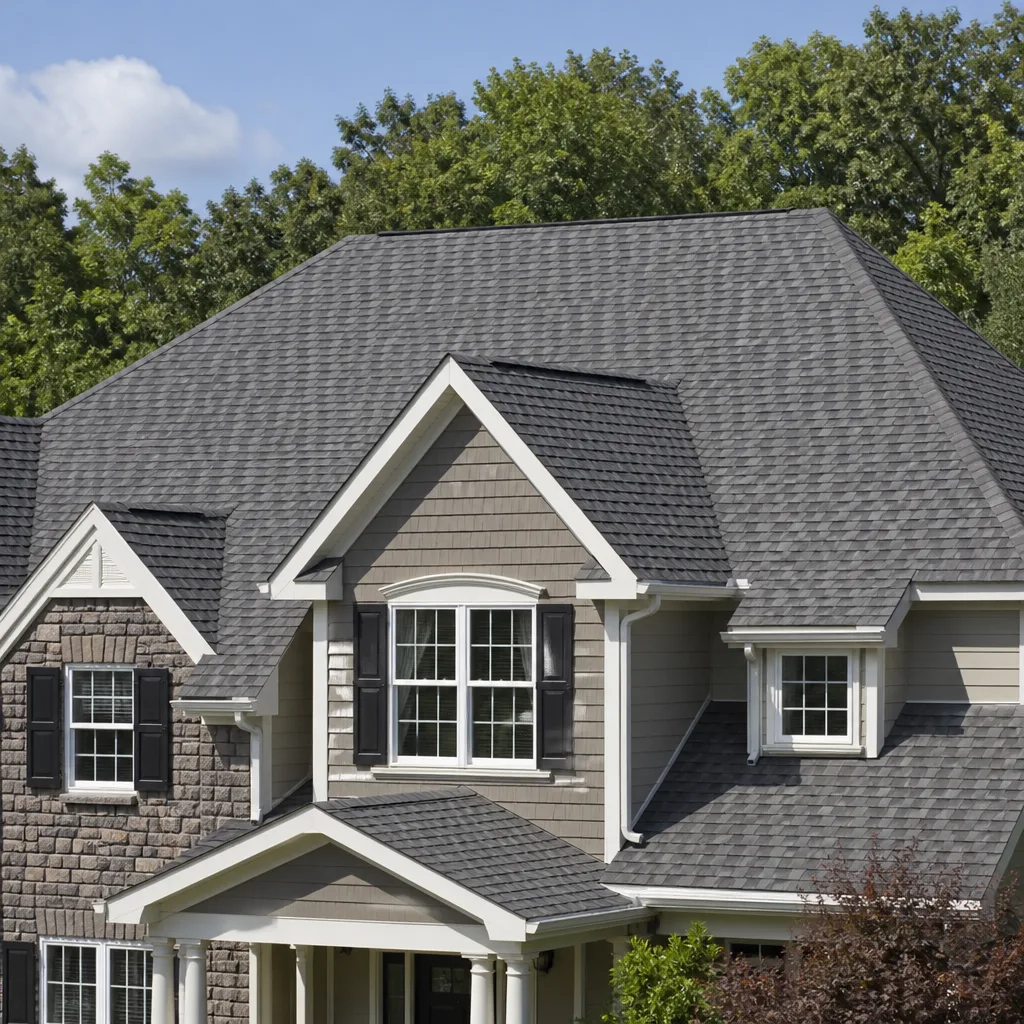
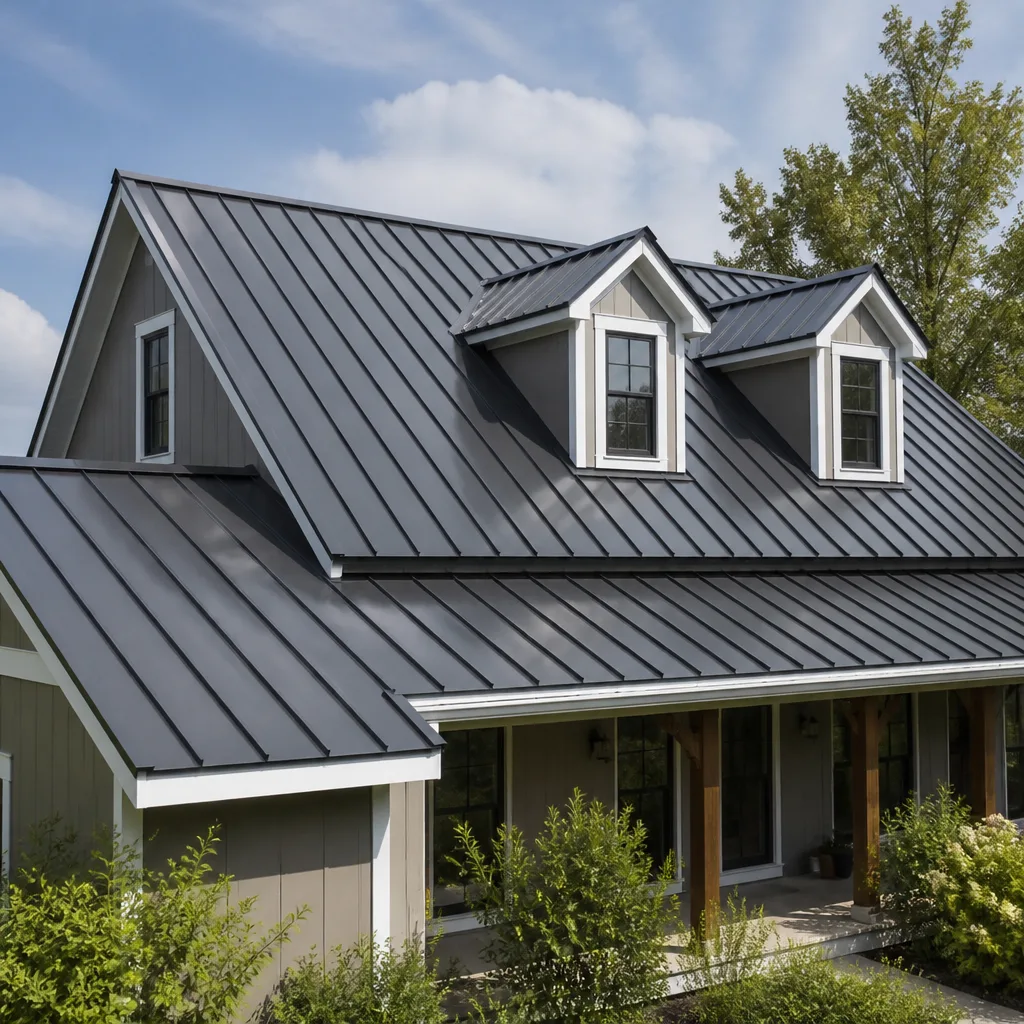
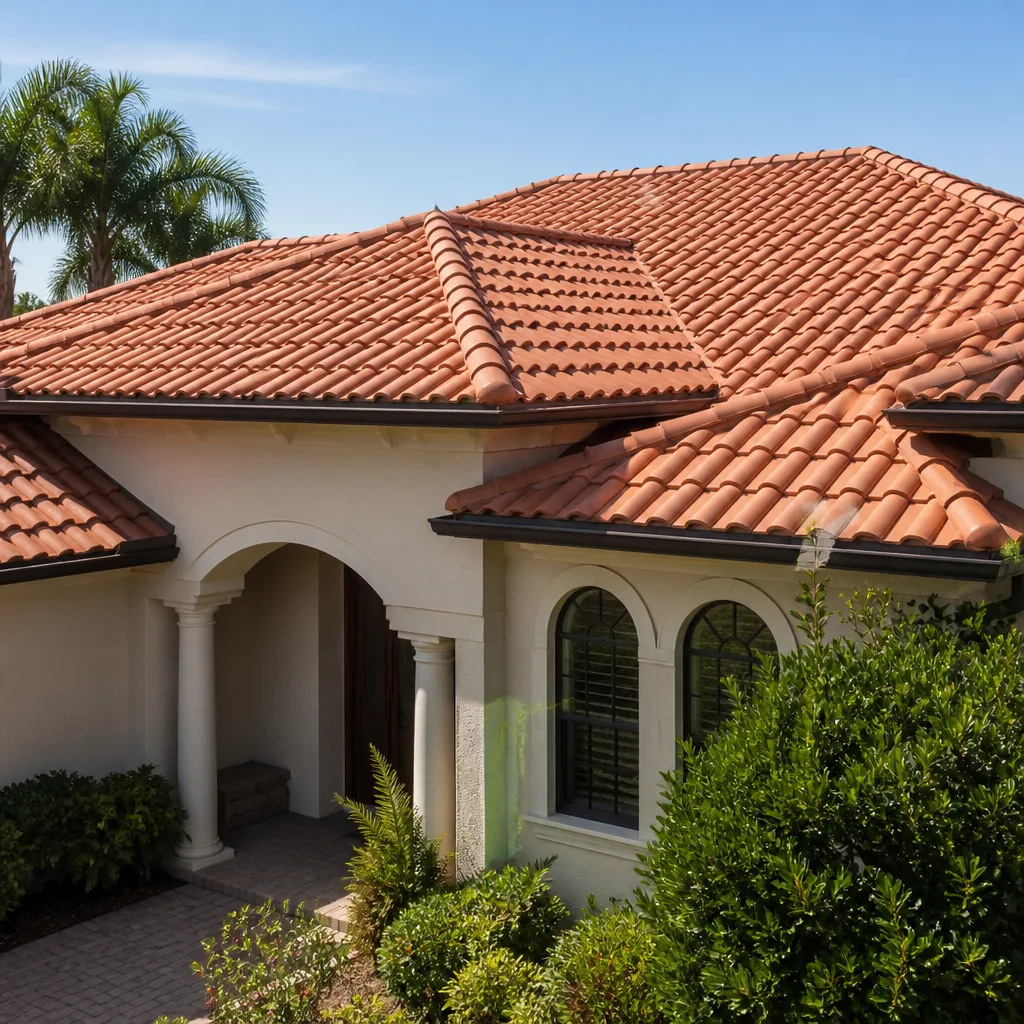
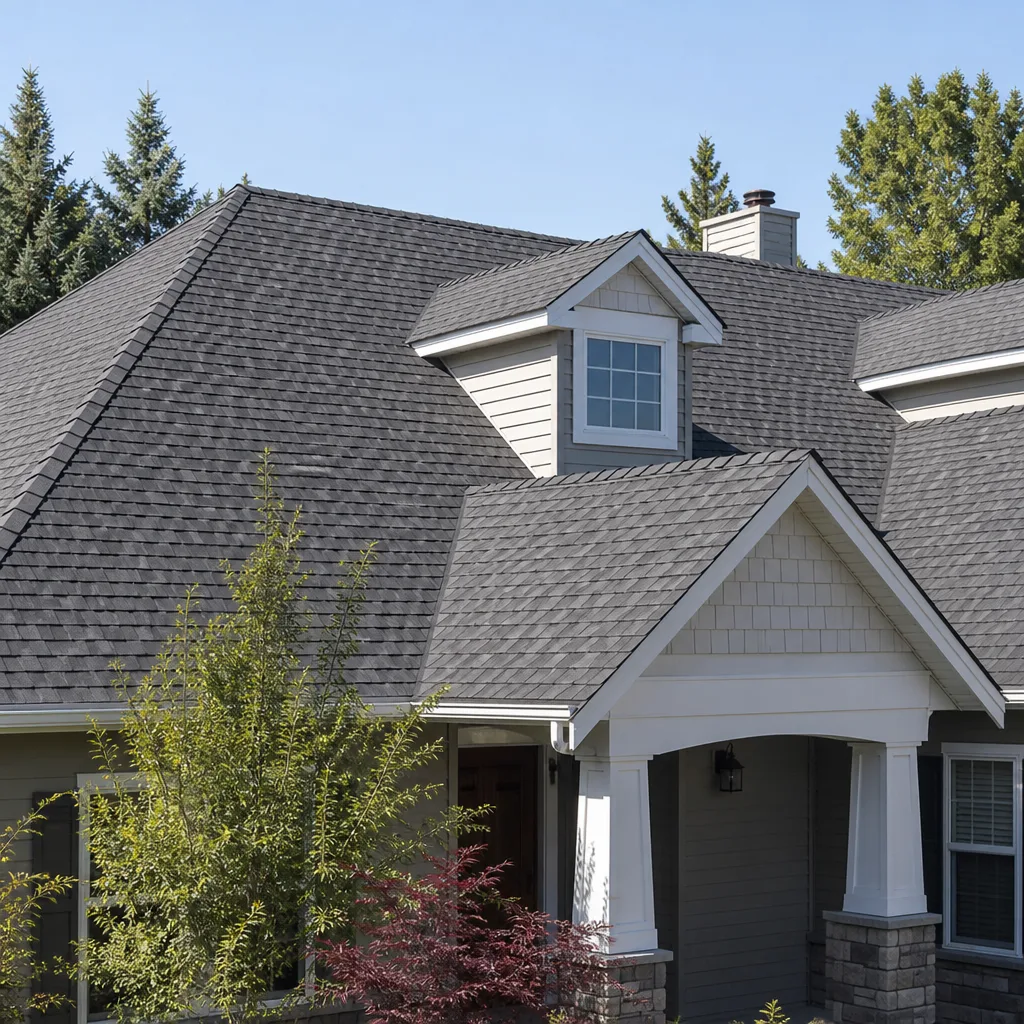
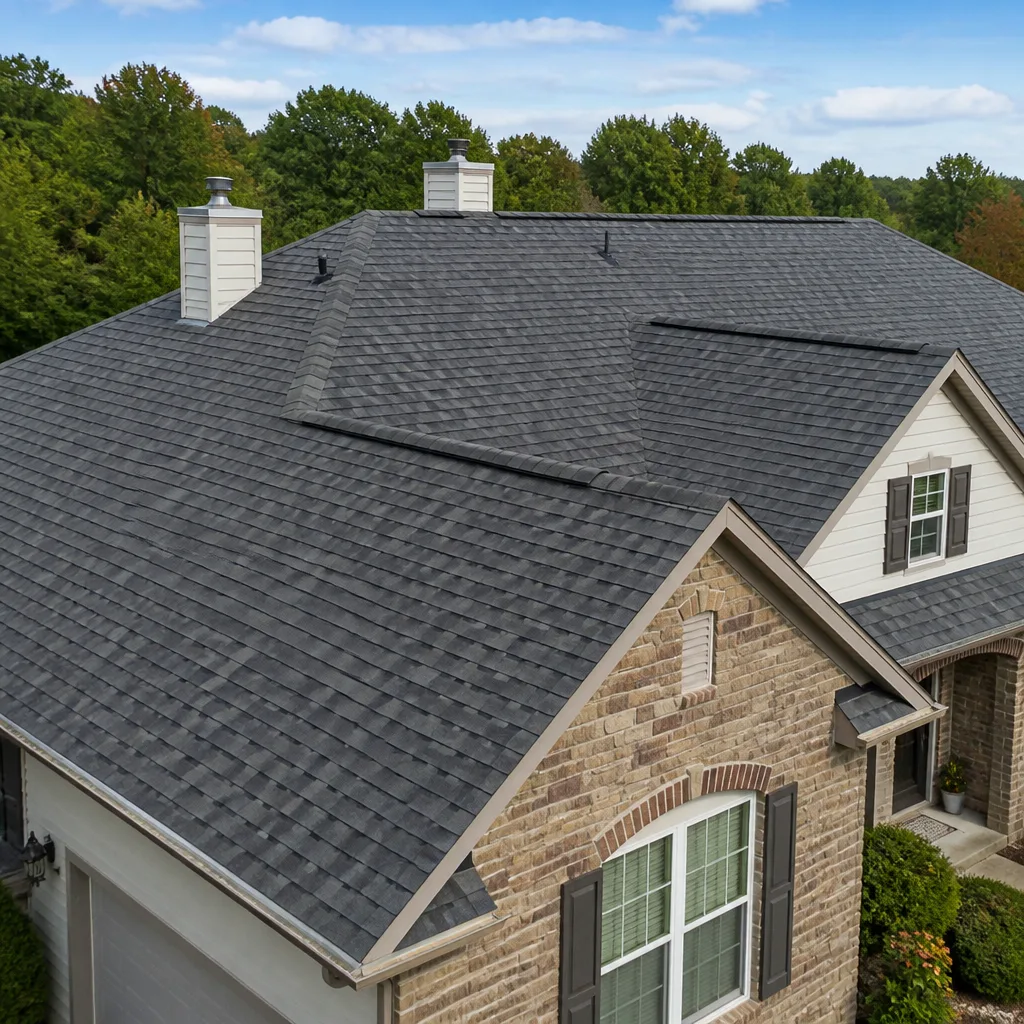
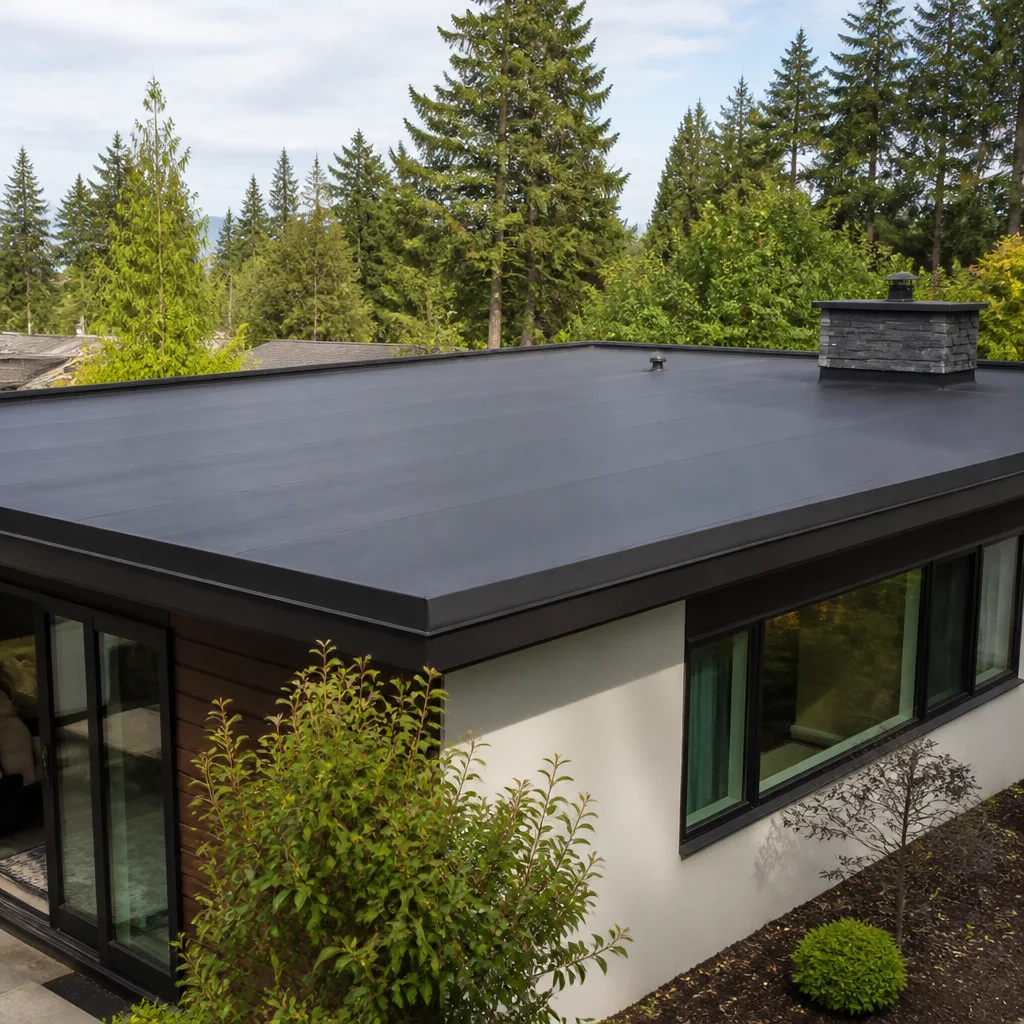
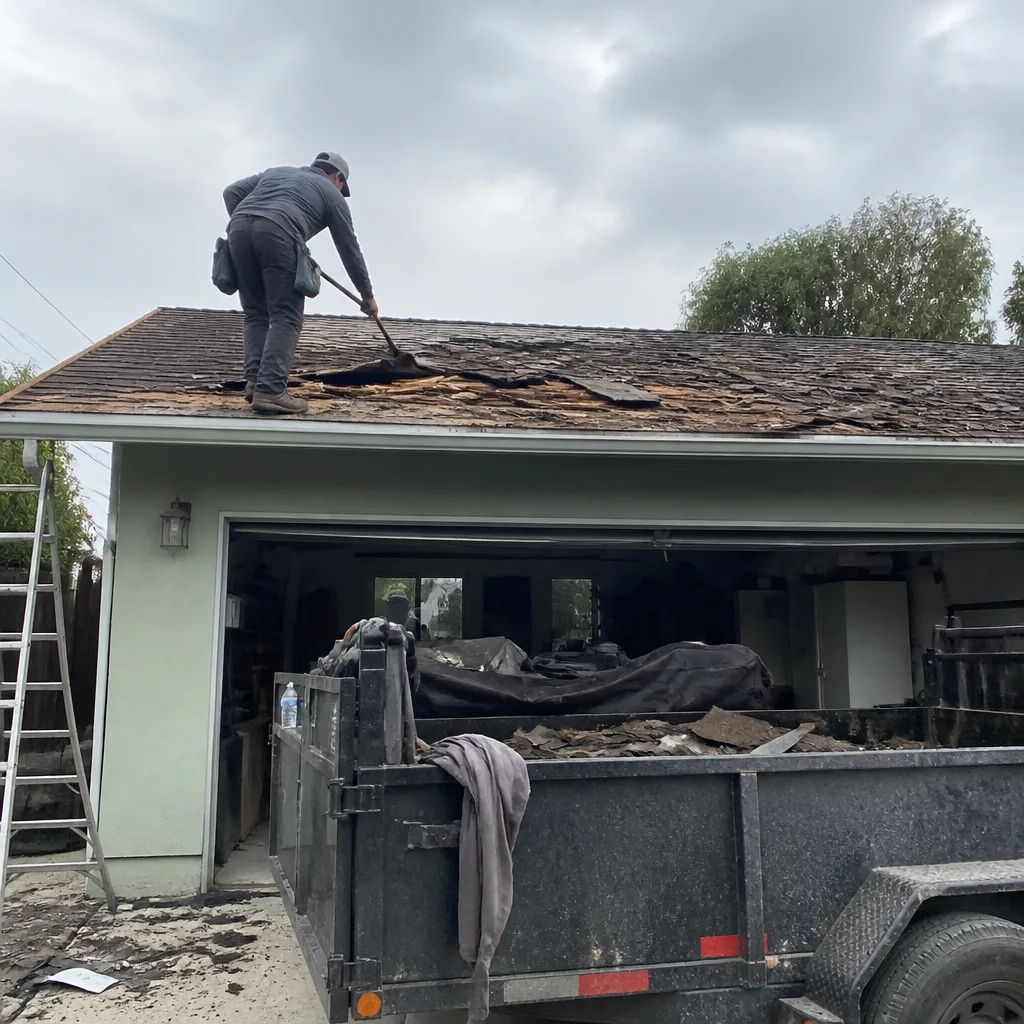 Before
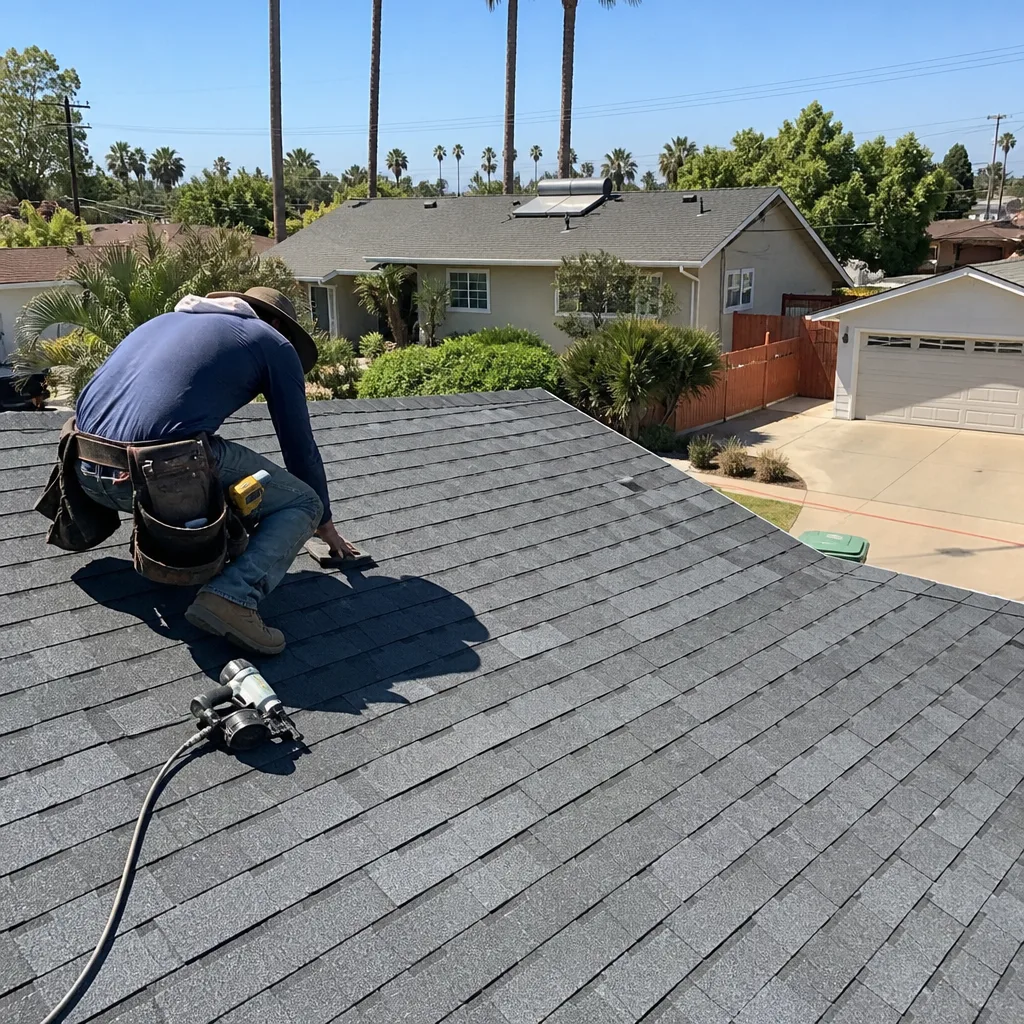 After
After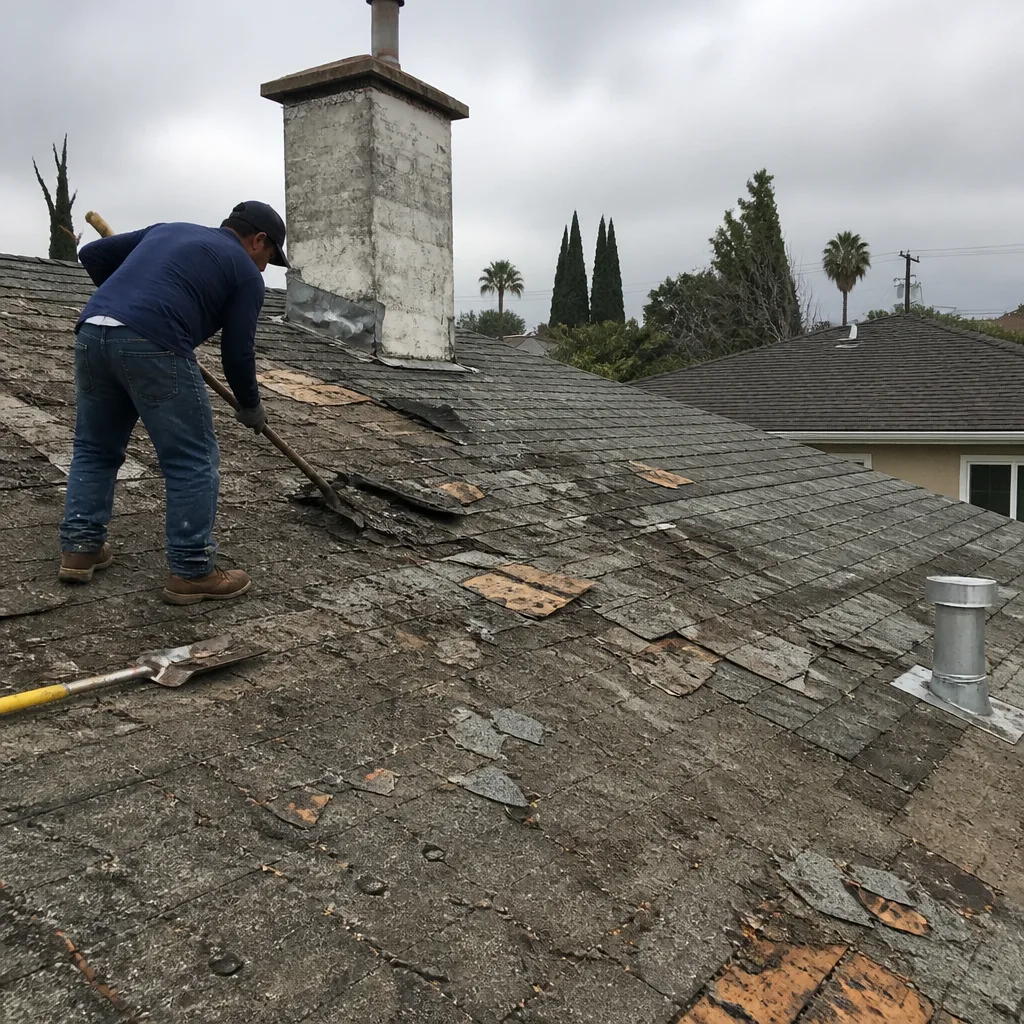 Before
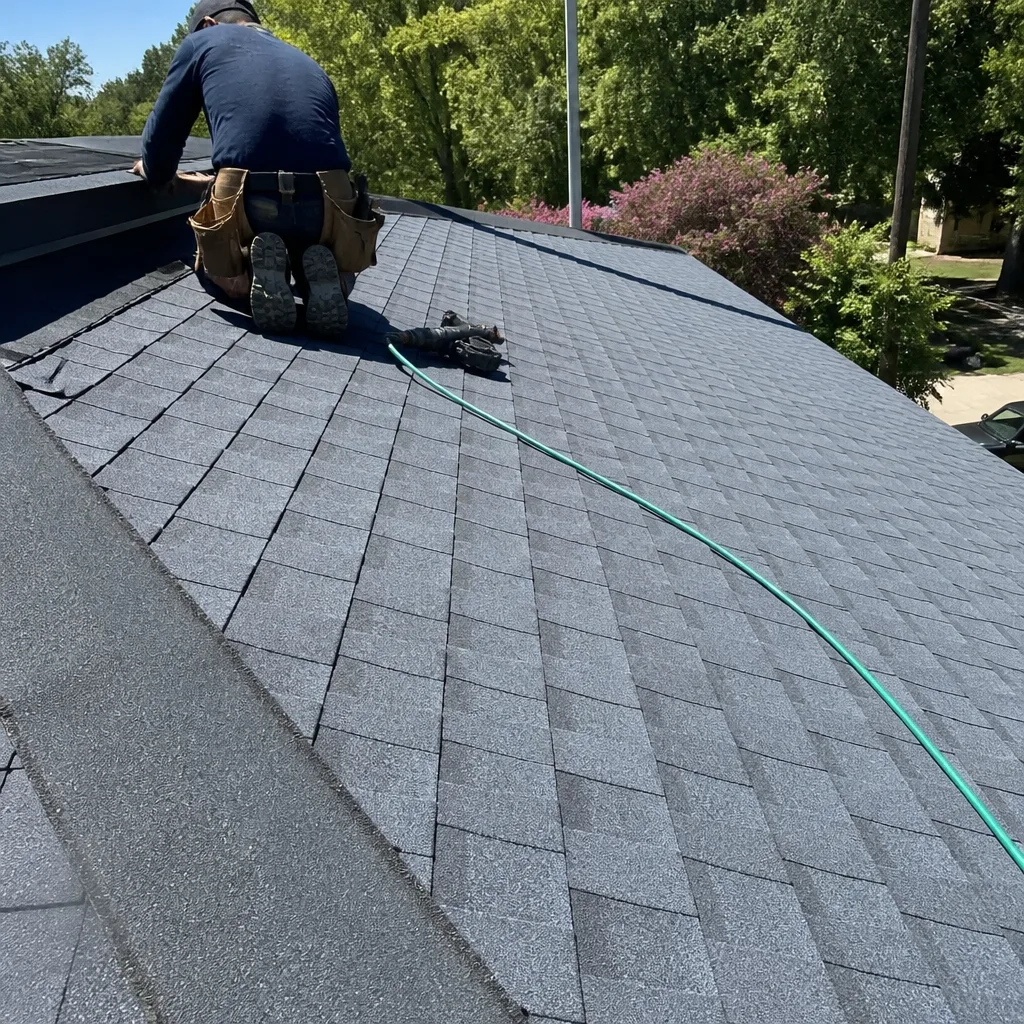 After
After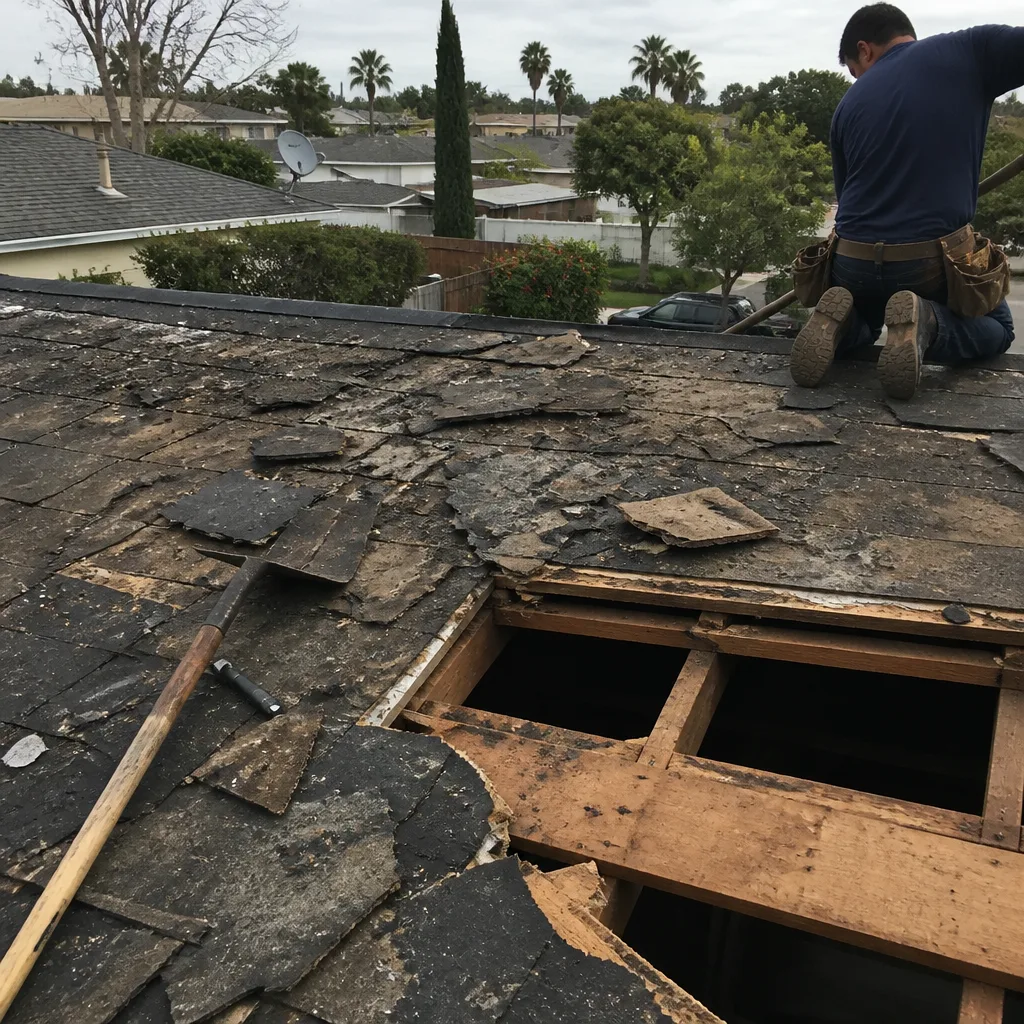 Before
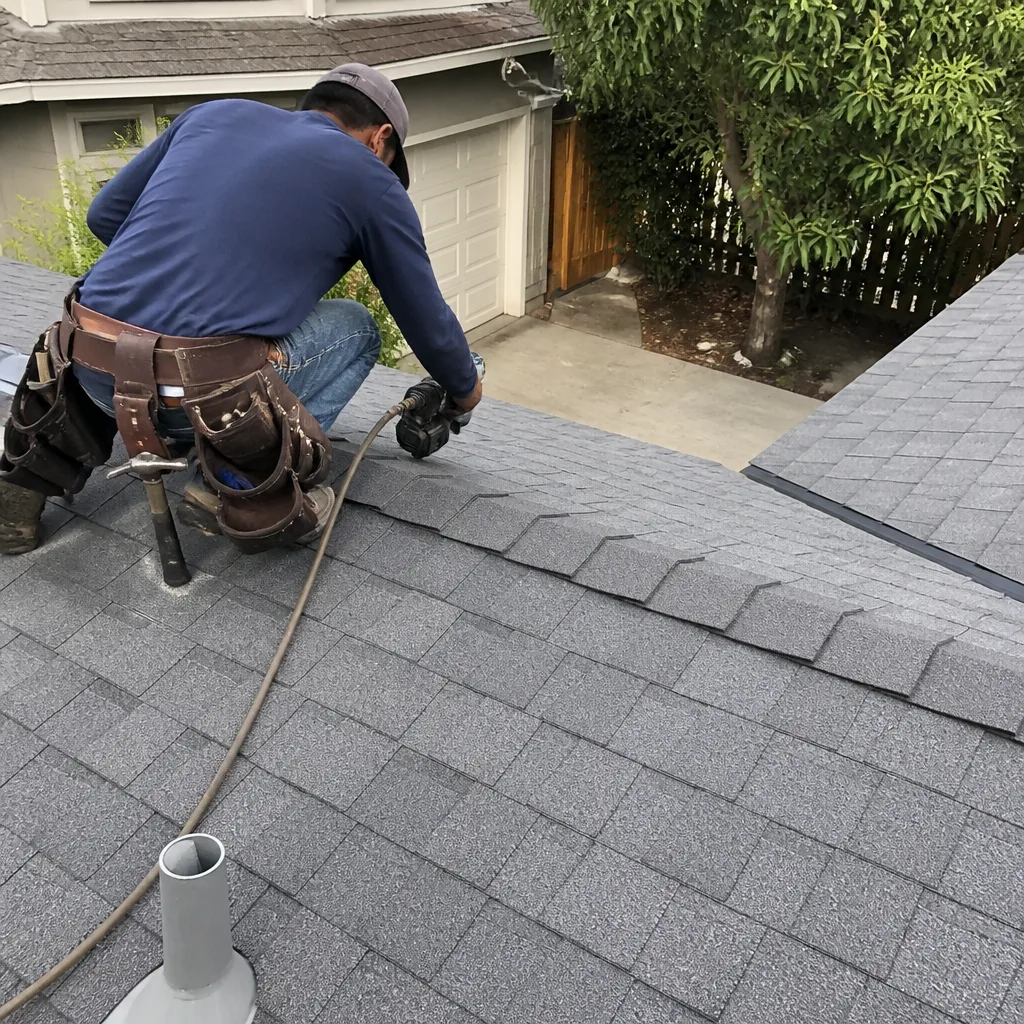 After
AfterThe Complete Roofing Company Guide for Los Angeles Homeowners
The California Contractors State License Board (CSLB) suspends or revokes thousands of contractor licenses every year. Most homeowners never check. They take the business card, sign the estimate, and hope. This guide exists so you don’t have to hope. You’ll learn exactly how to verify a roofer’s license, what permits Los Angeles requires, what your contract must say under California law, and how the city’s specific climate zones should shape your material choices. If you’re hiring a roofing company in Los Angeles, this is the filter that separates disciplined contractors from the rest.
Quick Answer
Hiring a Roofing Company in Los Angeles comes down to five verifiable steps: check the CSLB license is active, require the permit and have it pulled, get a written contract that complies with Business & Professions Code Section 7159, confirm the price on paper before any work starts, and match materials to your specific LA climate zone. A roofer who passes all five is accountable. A roofer who dodges any one of them is handing you risk.
Table of Contents
- Step 1: Verify the CSLB License in Under Two Minutes
- Step 2: Know Which Los Angeles Permits Your Roof Job Requires
- Step 3: What California Law Requires in Your Roofing Contract
- Step 4: Match Materials to Los Angeles Climate Zones
- Step 5: Red-Flag Contract Language That Signals a Low-Bid Roofer
- What a Disciplined Roofing Process Looks Like
- Common Mistakes to Avoid
- When to Call a Professional
- Frequently Asked Questions
Step 1: Verify the CSLB License in Under Two Minutes
Every legitimate roofing contractor in California must hold a C-39 roofing license issued by the Contractors State License Board. That’s non-negotiable. The license number should be on the roofer’s business card, website, truck, and every piece of paper they hand you. If it’s missing from any of those, treat that as your first red flag.
Here’s the two-minute verification process:
- Go to the CSLB website (cslb.ca.gov) and click “Check a License.”
- Enter the license number or the business name.
- Look at the status field. It must say “Active.” Not “Suspended,” not “Expired,” not “Revoked,” not “Inactive.” Active means the contractor has a current bond and current workers’ compensation insurance on file.
- Check the classification. Roofing is C-39. A general building contractor (B license) can also legally perform roofing, but a C-39 specializes in it. We hold the appropriate roofing classification and our license status is active and verifiable any time.
- Scroll down and look at the bond and insurance fields. If either shows “None on file,” walk away.
What “Active” actually means: the CSLB has confirmed the contractor’s $25,000 contractor’s bond is current and that workers’ compensation coverage is in place. A suspended license often means the bond lapsed, which means if something goes wrong, there’s no state-backed financial recourse. The CSLB publishes disciplinary actions publicly. Take the extra minute and look.
This matters more in Los Angeles than most places. Los Angeles County is one of the largest construction markets in the country, and the volume of work attracts unlicensed operators. We regularly hear from homeowners who paid a deposit to someone who claimed to be licensed, then vanished. Two minutes on the CSLB site prevents that.
Step 2: Know Which Los Angeles Permits Your Roof Job Requires
In the City of Los Angeles, roof replacement and structural roof repair require a building permit from the Los Angeles Department of Building and Safety (LADBS). This is not optional. A new roof changes the structural load on your home, and the city wants an inspector to verify the decking, underlayment, and fastening meet current code.
Here’s the breakdown:
- Full roof replacement: Permit required. The LADBS will inspect the decking before the new roof goes on and the finished roof after installation.
- Structural repair (rafters, trusses, decking replacement): Permit required. Any work that touches the structural frame of the roof falls under building code jurisdiction.
- Minor repair (replacing a few shingles, sealing flashing): Usually no permit required, but this is where it gets gray. If the repair involves removing underlayment or decking, the city may consider it structural. A disciplined roofer tells you up front.
Why a roofer who skips the permit leaves you holding liability: Los Angeles requires a final permit sign-off for any permitted work. When you sell your home, the buyer’s title search will flag unpermitted roof work. You’ll either pay to legalize it retroactively or knock money off the sale price. A roofer who says “we don’t need a permit for this” is not the one who deals with that consequence. You are.
At Brennan Roofing, we pull the permit ourselves, schedule the inspections, and the permit is closed out before we consider the job done. The permit fee is a line item on your written estimate. It’s not hidden, and it’s not optional because we don’t want you dealing with LADBS cleanup five years from now when you’re selling.
Step 3: What California Law Requires in Your Roofing Contract
California Business & Professions Code Section 7159 sets specific requirements for home improvement contracts, and roofing falls squarely under it. A compliant contract is your strongest legal tool. An incomplete one is a signal that the roofer either doesn’t know the law or doesn’t care.
A California-compliant roofing contract must include:
- Contractor’s CSLB license number – present and matching the entity you validated in Step 1.
- Total price in dollars – as a single, complete figure. Not an estimate, not a range, not “to be determined.”
- Description of work – detailed enough that a third party could read it and understand exactly what will be done, including materials, quantities, and scope.
- Payment schedule – the down payment cannot exceed 10% of the total or $1,000, whichever is less. Any contractor asking for more than that up front is violating state law.
- Approximate start and completion dates – California allows flexibility here, but the contract must state them.
- Notice of Right to Cancel – a three-day right to cancel any home improvement contract, per state law. If that notice isn’t in the contract, the contract is not compliant.
- Change order procedures – how changes to scope or price are documented and approved. In writing. Always in writing.
- Coastal marine layer (Santa Monica, Venice, Playa del Rey, Manhattan Beach): Persistent morning fog and salt air. Asphalt shingles hold up, but algae-resistant shingles from manufacturers like Atlas or CertainTeed perform measurably better. The marine layer keeps roofs damp for hours every morning, and algae takes hold faster than most homeowners realize. Flashing should be corrosion-resistant – galvanized steel or better.
- Santa Ana wind events (affects most of LA County, worst in foothill neighborhoods like Altadena, Tujunga, and parts of the San Fernando Valley): High-wind-rated fastening matters. Standard four-nail installation fails wind-lift testing more often than homeowners assume. We specify six-nail fastening on windward slopes in high-wind zones. Cheap installers nail four and call it done. The next Santa Ana event tells the difference.
- Fire-risk zones (large portions of LA’s hillside communities, including areas near Griffith Park, Bel Air, and the Verdugo Mountains): Los Angeles has some of the strictest wildland-urban interface (WUI) building codes in the country. In WUI zones, the roof covering must carry a Class A fire rating. Materials matter here – not every shingle qualifies. Tamko and Boral both manufacture Class A-rated products, and the city inspector will verify the rating. A roofer who doesn’t know your fire zone is a liability.
- Inland heat (Woodland Hills, Northridge, parts of the San Gabriel Valley): Summer roof deck temperatures routinely exceed 140°F. Underlayment matters here more than people think. We specify high-temperature synthetic underlayment on inland jobs because traditional felt degrades faster under sustained heat.
- “Allowances” for materials: An allowance means the roofer is guessing at material cost and plans to adjust the price later. The adjustment is always upward. A disciplined contractor knows material costs before quoting.
- Verbal change orders: If the roofer says “we’ll handle that verbally, don’t worry about the paperwork,” worry about the paperwork. California law requires written change orders. Verbal changes are how a $12,000 roof becomes an $18,000 roof.
- Open-ended “additional work” clauses: Look for language like “contractor may perform additional work as needed.” That’s a blank check. Any additional work should require a written change order with a specific dollar amount and your signature.
- Down payment over 10%: We said it before, and it’s worth repeating: California caps the down payment on home improvement contracts at 10% of the total or $1,000, whichever is less. A roofer asking for 30% or 50% up front is either violating the law or planning to use your money to fund someone else’s job.
- “Warranty” with no terms: If the contract says “warranty included” but doesn’t say what’s covered, for how long, and in what form the warranty is documented, you don’t have a warranty. You have a sentence.
- Initial call and scheduling: You call Brennan Roofing and speak to a live person, not an automated system, not a voicemail. Around the clock, every day. We schedule a time for a technician to walk your roof.
- On-site inspection: A background-checked, uniformed technician arrives inside the promised window. We walk the roof, inspect the decking, flashing, underlayment, and ventilation. We take photos and measurements.
- Written estimate: We prepare a line-item written estimate. Every material, every labor item, every fee – including the permit – is on paper before any work starts. The price does not move at the door. This is The Garrison Standard, the same standard that applies to every independent owner in the Garrison Partners family, founded in 2000.
- Permit and scheduling: We pull the Los Angeles building permit ourselves. We schedule the work and keep you informed. If rain is coming, we tell you and adjust the schedule. We don’t put a roof on in unsafe conditions.
- Installation or repair: The crew shows up in uniform, works the job, and cleans up. Debris doesn’t stay in your yard. Old materials get hauled off.
- Inspection and closeout: We schedule the LADBS inspection, walk the finished job with you, and provide your written 365-Day Done Right Promise in hand. The permit is closed out. You’re done.
- Skipping the CSLB license check. The difference between an active license and a suspended one is a two-minute search. Most homeowners never do it, and the CSLB suspends licenses every single week for bond lapses and disciplinary actions.
- Accepting an estimate without a written contract. In California, a verbal roofing agreement is effectively unenforceable. If it’s not on paper with the required Section 7159 elements, you have no legal protection.
- Paying more than 10% down. The state caps home improvement deposits at $1,000 or 10%, whichever is lower. A contractor asking for more is either uninformed or worse. Either way, that’s not who you want on your roof.
- Choosing materials based on price alone. An asphalt shingle that’s right for a shaded Santa Monica hillside is wrong for a wind-exposed Altadena ridge. Material choice should follow climate data, not the roofer’s inventory.
- Trusting a warranty that isn’t written. If the warranty is a verbal promise, it’s not a warranty. Get the terms, the duration, and the comeback policy in writing before the job starts.
- Ignoring permit requirements. Unpermitted roof work becomes your problem at resale. A roofer who skips the permit is saving themselves a trip to LADBS, not saving you anything.
We write every Brennan Roofing estimate as a fixed-price contract. The number we put on paper before any work starts is the number you pay. That’s The Garrison Standard, and it’s not negotiable. If the scope changes because we find rotted decking under the old shingles, you get a written change order with a specific dollar amount, and you approve it before we move forward. No verbal “we’ll figure it out later.”
Step 4: Match Materials to Los Angeles Climate Zones
Los Angeles is not one climate. It’s several, and they each punish different roofing materials in different ways. A roofer who gives you the same shingle pitch in Pacific Palisades, Woodland Hills, and San Pedro is not thinking about your house.
Here’s what we see across the LA basin:
This is why we walk every roof before we quote it. The neighborhood, the sun exposure, the slope, the tree coverage – all of it changes what we recommend. A roof in Malibu and a roof in Sherman Oaks are not the same job.
Step 5: Red-Flag Contract Language That Signals a Low-Bid Roofer
You can learn almost everything you need to know about a roofer by reading the contract before you sign it, or explore our DIY vs Professional Roof Inspection: What’s Safe to Do Yourself guide for more context. Specific phrases are reliable indicators of how the job will go wrong. Here’s what to watch for:
Brennan Roofing puts everything in writing. Fixed price, no allowances, no verbal changes, nothing open-ended. Every job is backed by the 365-Day Done Right Promise: if the repair or installation fails within one full year, we come back and fix it at no charge. That guarantee is written into the contract, not mentioned over a handshake.
What a Disciplined Roofing Process Looks Like
So you’ve verified the license, confirmed the permit, reviewed the contract, and matched materials to your climate zone. Now what does the actual job process look like when you hire a roofer that operates under a defined standard? Here’s how we run it at Brennan Roofing.
That’s the entire process. No surprises, no pressure, and a written record of everything. If something fails within the year, you call, and we come back free. That’s the guarantee, and it’s on paper.
Common Mistakes to Avoid
When to Call a Professional
If you see water stains on your ceiling, daylight through the attic boards, curling or missing shingles, or granules collecting in your gutters, call a roofer. These are not cosmetic issues, and they don’t self-correct. A roof leak that looks small from inside is often a sign of compromised underlayment across a larger area. The longer it sits, the more the decking rots, and the more the repair costs. If your roof is 15 to 20 years old and you’re in a high-fire-risk zone, get an inspection in Los Angeles before the next fire season. Disciplined roofers will tell you what needs repair, what can wait, and what the price is in writing before you commit to anything. Brennan Roofing offers free estimates throughout Los Angeles – call (361) 320-9467 and a live person will answer.
Frequently Asked Questions
A full asphalt shingle roof replacement on a typical single-family home in Los Angeles generally runs $9,000 to $22,000 depending on roof size, pitch, decking condition, and material grade. Architectural shingles from manufacturers like GAF or Owens Corning cost more than three-tab, and WUI-compliant Class A materials in fire zones add cost. Call (361) 320-9467 for a written, line-item estimate specific to your house – the price goes on paper before any work starts.
Most standard roof replacements in Los Angeles take two to five working days once the permit is issued and materials are delivered. Larger homes, steep pitches, and decking replacement extend the timeline. The permit process through LADBS can add several days to a few weeks depending on inspection scheduling. Your contract should state an approximate start and completion date, and any delays should be communicated in writing.
Yes, roof replacement in the City of Los Angeles requires a building permit from LADBS. The permit process includes an inspection of the roof deck before new materials are installed and a final inspection after completion. Selling a home with unpermitted roof work creates liability at escrow. A roofer who skips the permit is not doing you a favor.
The 365-Day Done Right Promise is Brennan Roofing’s written guarantee: every repair and installation is guaranteed in writing for one full year. If the work fails within that period, we return and fix it at no charge. It’s part of The Garrison Standard and it’s included on every job. No hoops, no fine print.
Visit cslb.ca.gov, click “Check a License,” and enter the roofer’s license number or business name. The status must show “Active” with a current bond and workers’ compensation insurance on file. A suspended or expired license means the contractor is not legally allowed to perform roofing work in California. We welcome every homeowner to verify our license before hiring us.
Contain the water inside as best you can, then call a licensed roofer. We answer the phone around the clock with a live person, not an automated system. A storm-driven leak needs a temporary mitigation assessment quickly, and a same-week repair plan. Call (361) 320-9467 and describe what you’re seeing. We’ll schedule a roof inspection and provide a written estimate before any work begins.
The Bottom Line
Hiring a roofing company in Los Angeles is a process, not a prayer. For more guides & resources, visit our blog. Verify the CSLB license. Require the permit. Demand a California-compliant written contract with a fixed price. Match materials to your fire zone, wind exposure, and marine-layer proximity. Reject allowances, verbal change orders, and open-ended clauses. And get the warranty in writing. Follow that checklist, and the roofer you hire will be accountable to the same standard every time. Skip it, and you’re gambling. That’s how roofers get away with no-shows and price changes. It doesn’t have to be that way.
Written by Travis Oakley, Owner at Brennan Roofing, serving Los Angeles since 2000.