
Last updated October 9, 2026
Free roof inspection with deck photos before we talk money - GAF and Owens Corning certified installation

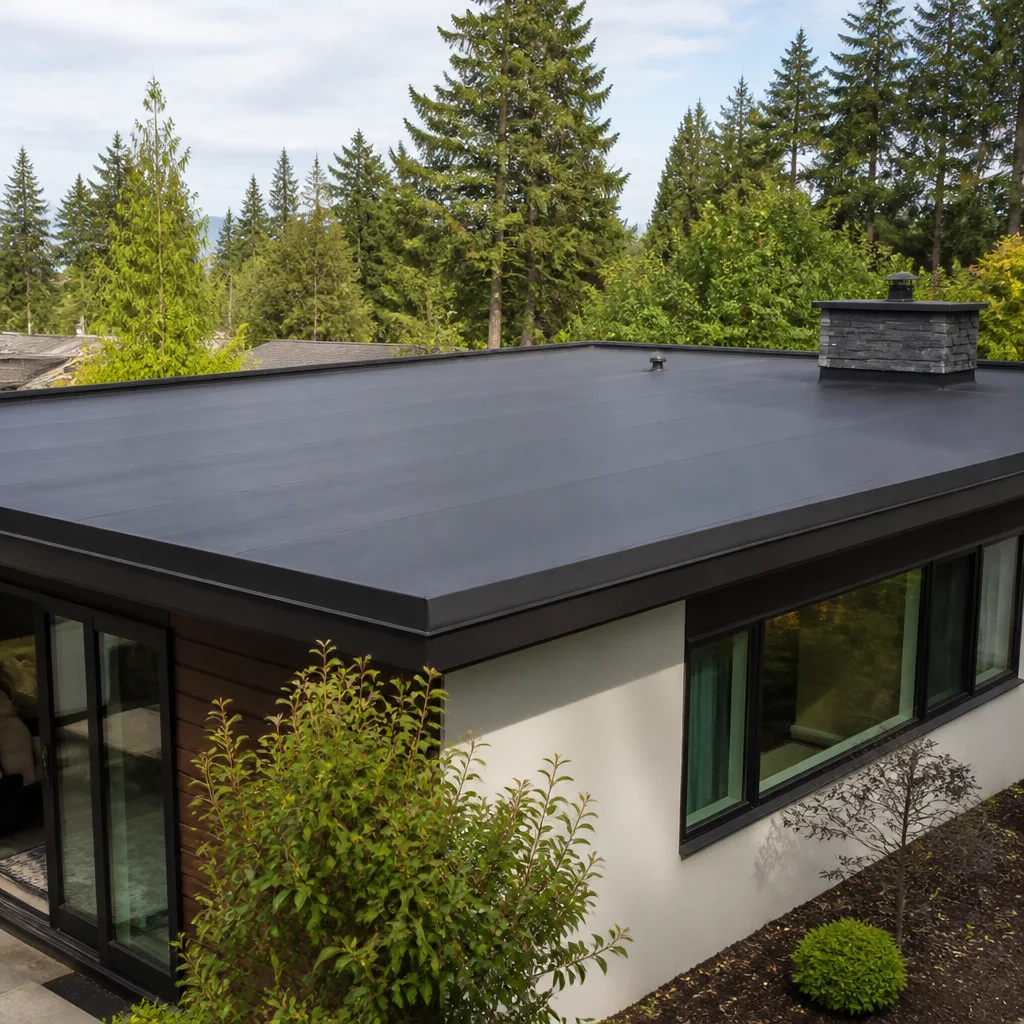
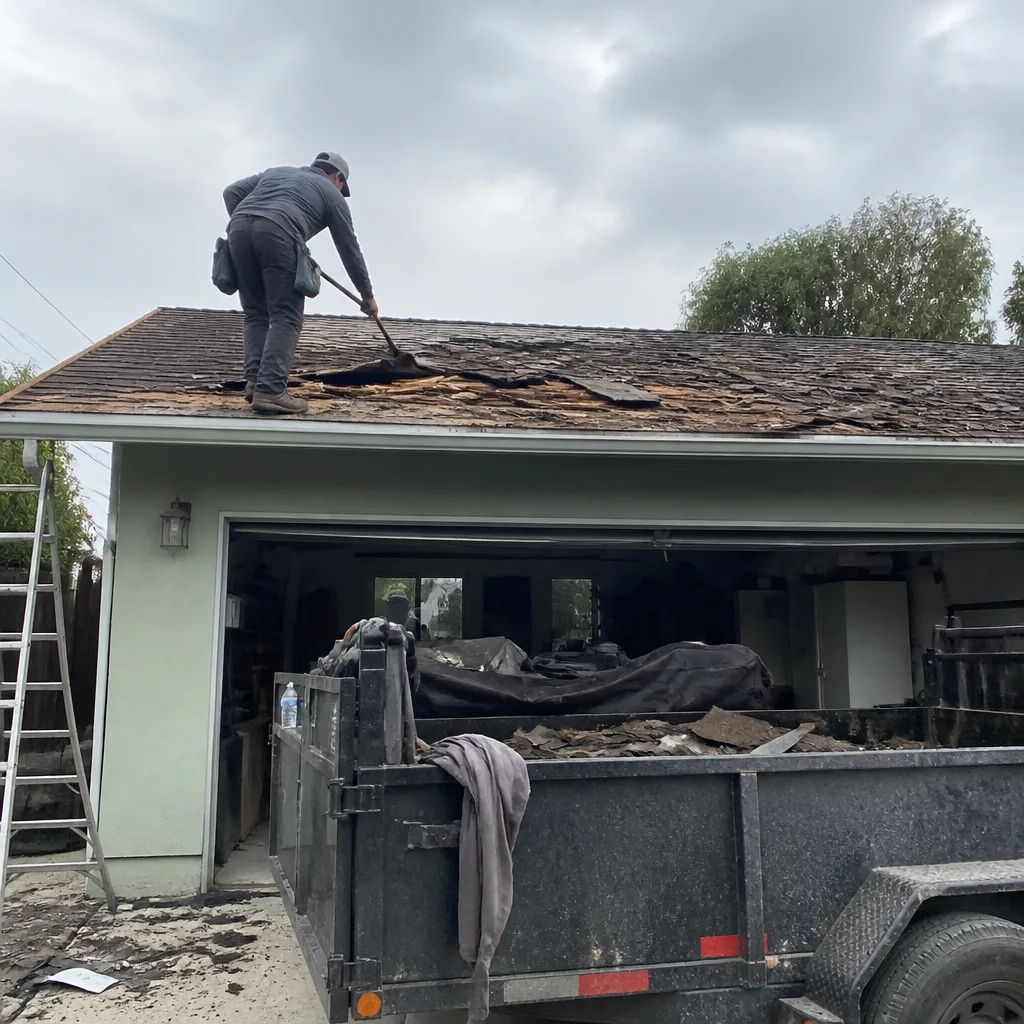 Before
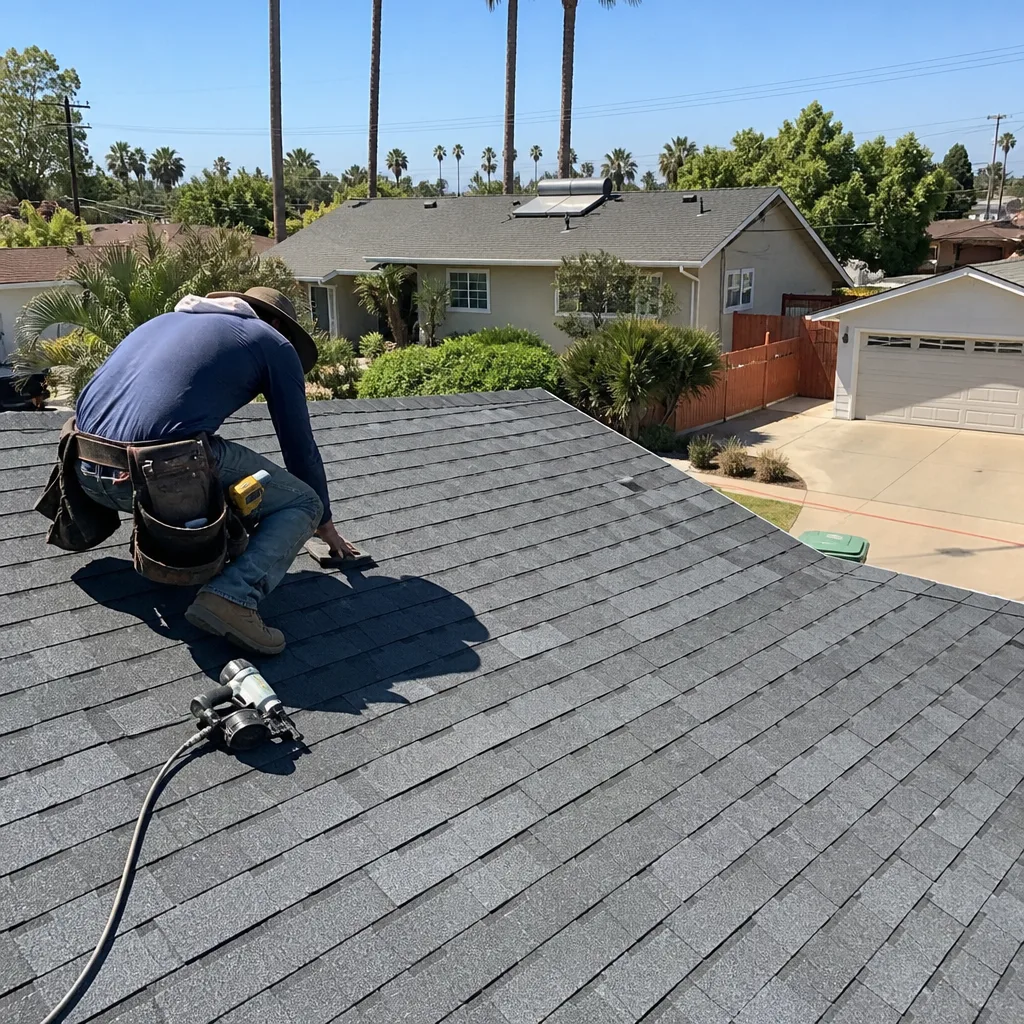 After
After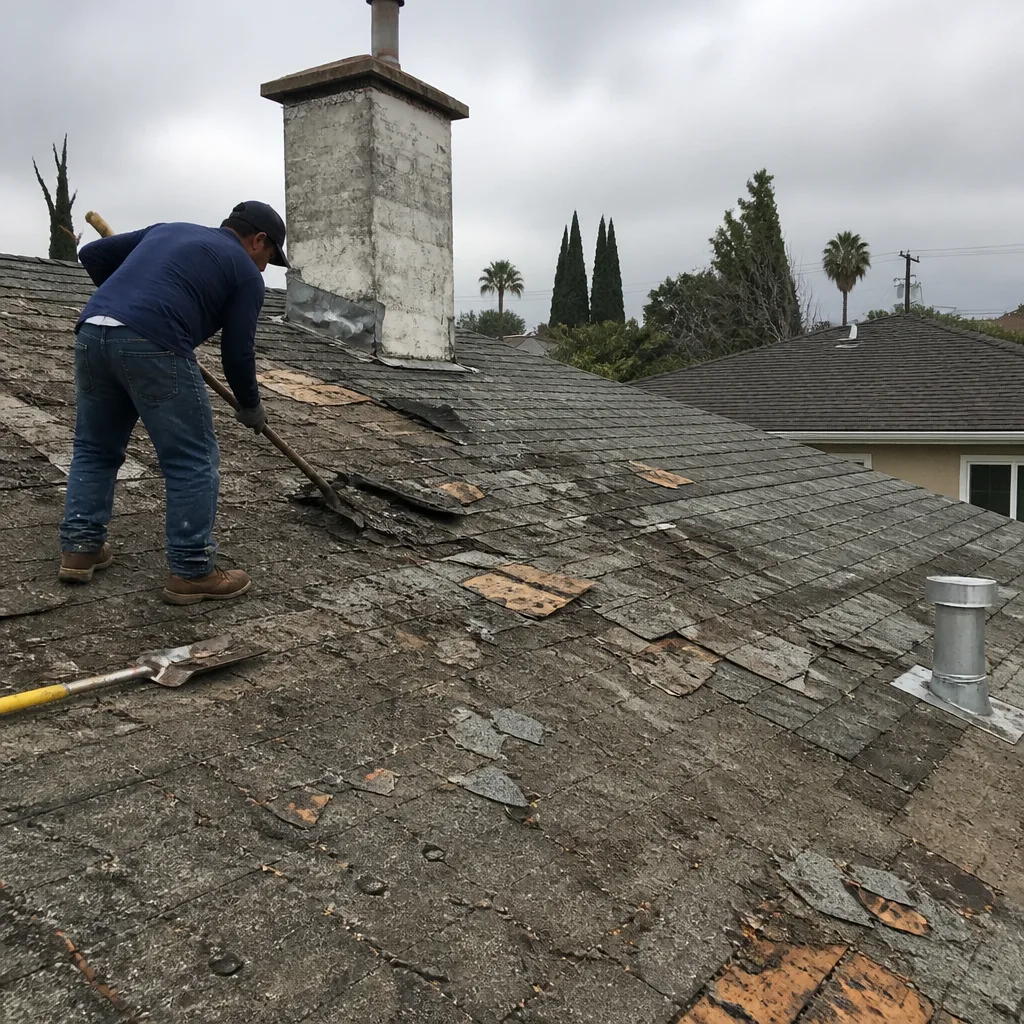 Before
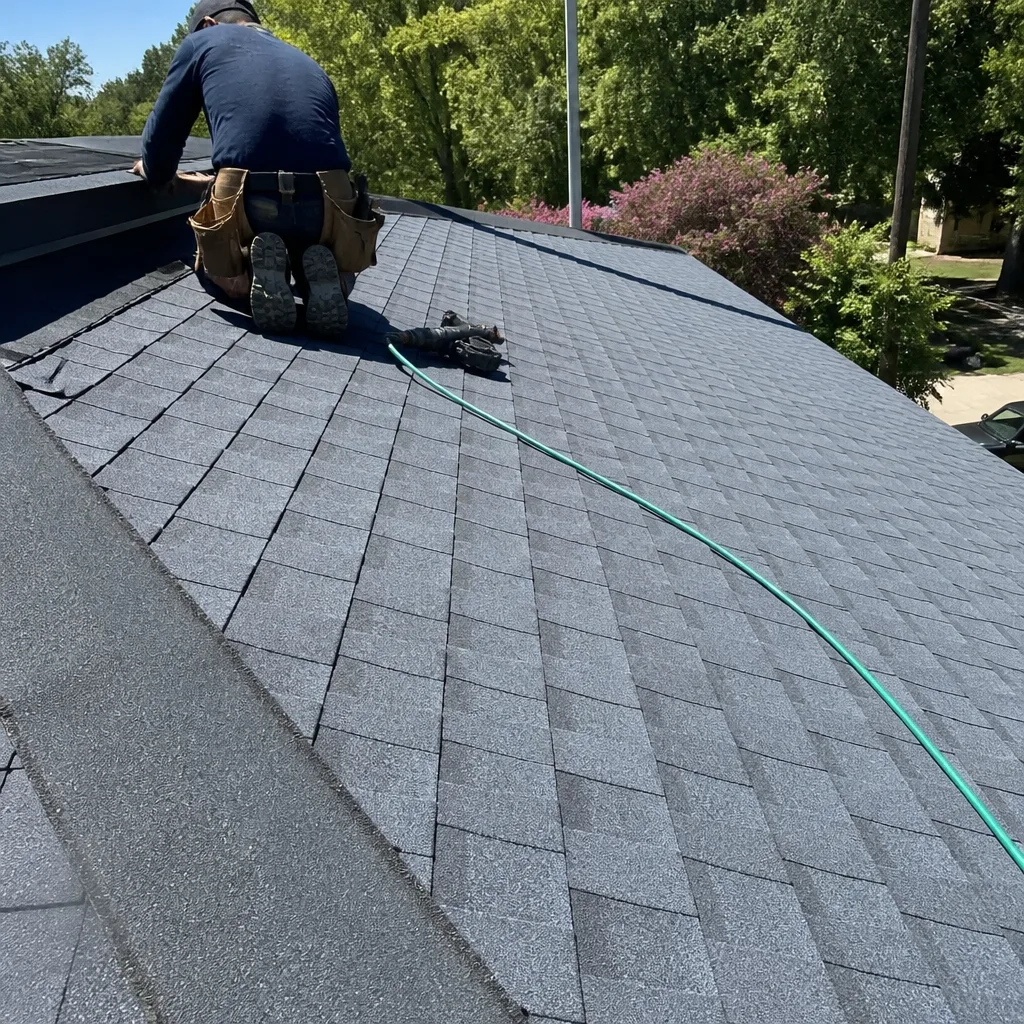 After
After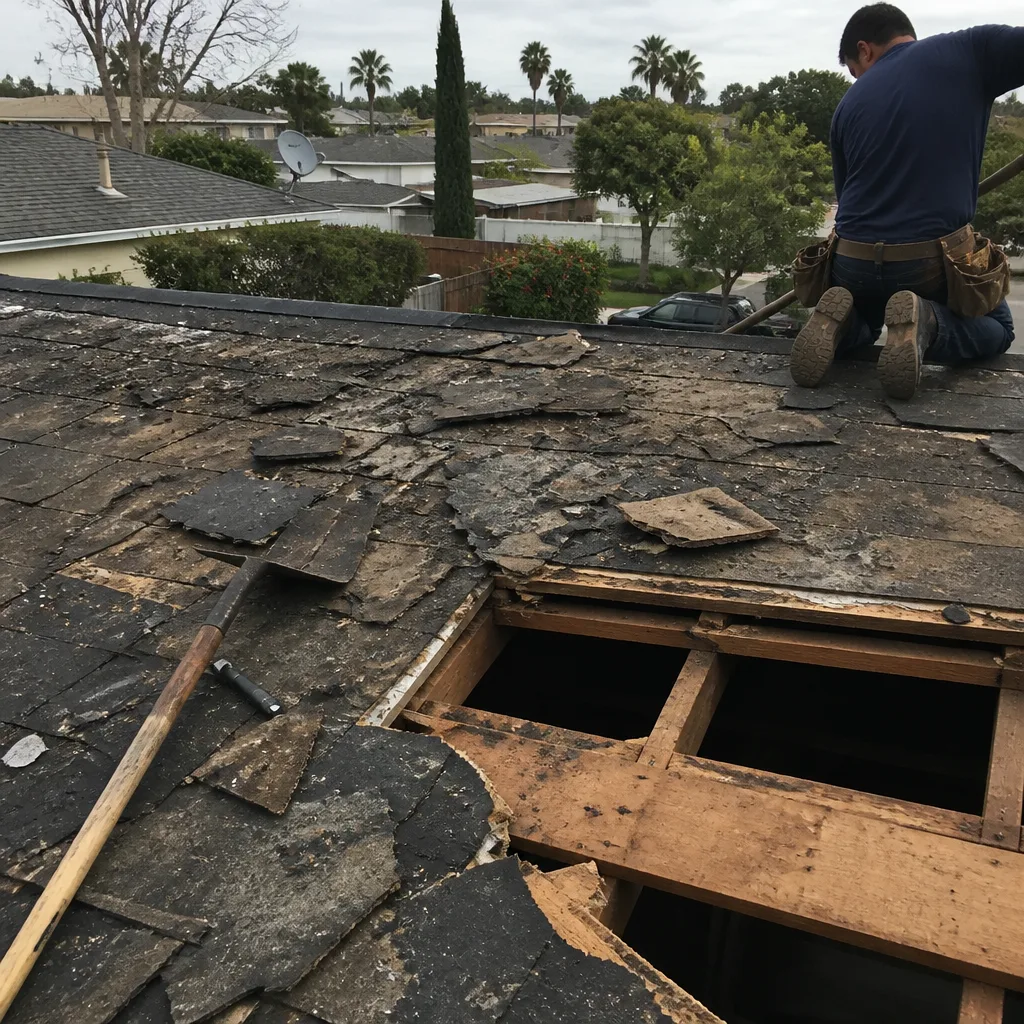 Before
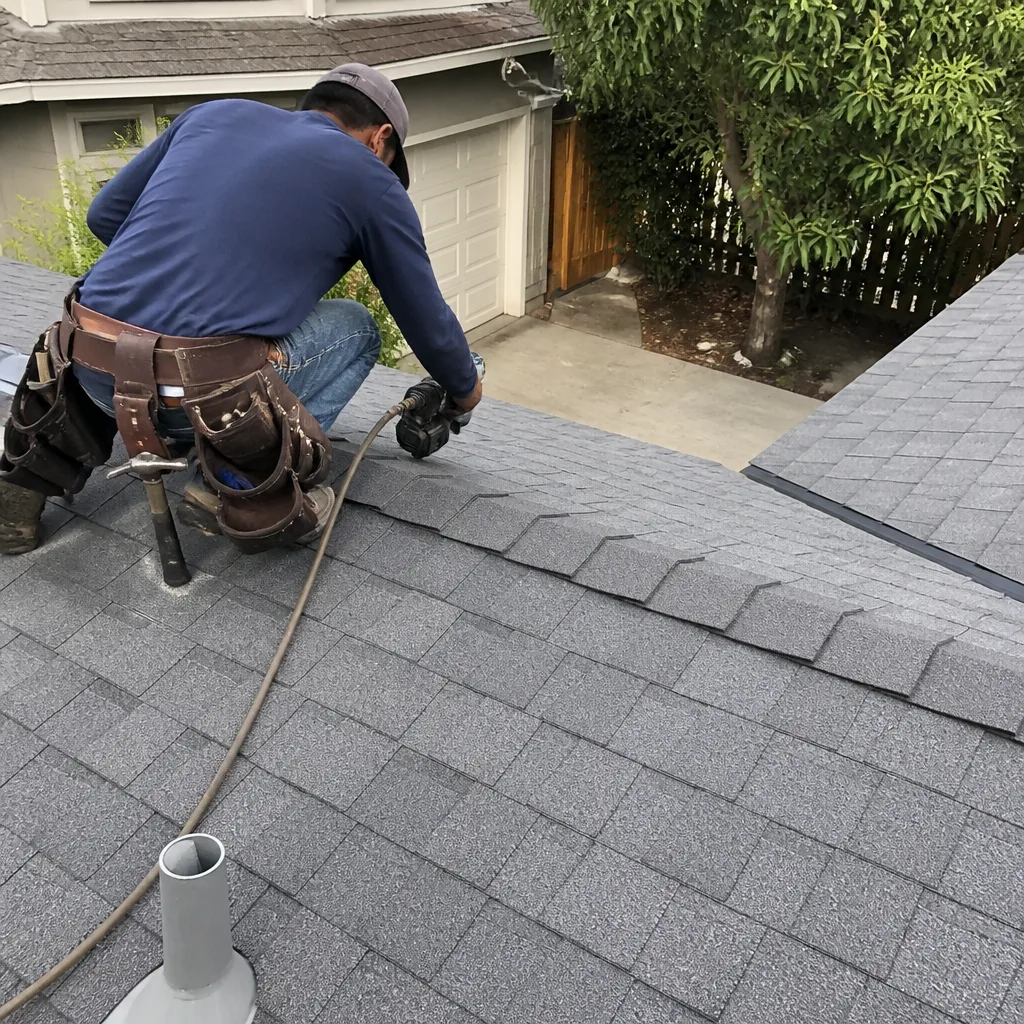 After
AfterRoofing Company Maintenance Schedule: What to Do and When
Los Angeles gets roughly 14 inches of rain per year, but nearly all of it falls inside a four-month window. A roof that wasn’t prepared by October is already behind. This guide lays out a month-by-month maintenance schedule built around the actual threat calendar Angelenos face: Santa Ana winds in fall, the November-through-March rain window, and summer UV that bakes flat roofs for six straight months. You’ll learn what to check, when to check it, what you can do yourself, and where a roofer’s eyes are worth more than a ladder and a garden hose.
Quick Answer
For Los Angeles homeowners, roof maintenance runs on a four-season schedule: wind-season prep in September and October, rain-season monitoring from November through March, a post-rain inspection in February or March, and UV/surface maintenance from April through August. Two professional inspections per year (one in early October, one in late March) cover the highest-risk windows, and most annual maintenance for LA roofs costs between $250 and $600 when no repairs are needed.
Table of Contents
- Why Maintenance in Los Angeles Is Different
- September – October: Pre-Santa Ana Wind Season Checklist
- November – March: Rain Season Monitoring
- The Post-Rain Inspection (February – March)
- April – August: Summer UV Maintenance
- What a Homeowner Can Document vs What Needs a Roofer’s Eyes
- What Roof Maintenance Costs in Los Angeles
- Common Mistakes to Avoid
- When to Call a Professional
- Frequently Asked Questions
- The Bottom Line
Why Maintenance in Los Angeles Is Different
Every roofing maintenance guide on the internet talks about ice dams, snow load, and winter freeze-thaw cycles. None of that applies in Los Angeles. What does apply is a threat calendar that cycles between three distinct hazards: sustained winds that can hit 60 mph before the rains arrive, a four-month wet window that drops nearly all the city’s annual rainfall in concentrated bursts, and six months of direct UV exposure that cooks flat-roof membranes at surface temperatures well above 140°F.
Here’s the part most homeowners miss: in Los Angeles, the wind and the rain are one combined threat. Santa Ana winds strip loose flashing, lift unsealed edges on flat roofs, and hurl tree debris onto roof surfaces. Then the rains come and exploit every gap the wind just created. A roof that survived rain season last year without issue can leak in January because October’s wind loosened a drip edge three months earlier. That’s why the pre-wind checklist in September matters as much as any rain check.
We’ve worked on every type of roof Los Angeles throws at a our Roofing Company services: Spanish tile in the foothills, composition shingle across the Valley floor, and modified bitumen, TPO, and built-up roofs across the commercial and mid-century residential stock that dominates the Westside and South Bay. The maintenance logic changes with each one, and this guide breaks that down by season and by roof type.
September – October: Pre-Santa Ana Wind Season Checklist
Santa Ana winds typically peak between October and December, but September is when smart Los Angeles homeowners prepare. The goal is simple: find and secure every loose edge before a 60 mph gust finds it first. Here’s the checklist in order of priority, based on the failure patterns we see most often on service calls after wind events.
- Walk the perimeter and look up from ground level. From the street or backyard, you can spot lifted shingle tabs, missing tiles, and flashing that’s separated from chimney or wall surfaces. Use binoculars if you need them. You’re looking for anything that moves or catches light at an odd angle.
- Clear every gutter, downspout, and scupper. “Scuppers” are the drainage openings on flat roofs that let water exit through the parapet wall. If they’re blocked with leaves or debris when the first heavy rain hits, water ponds on the roof membrane instead of draining. Ponding water is the leading cause of premature membrane failure on LA flat roofs.
- Check all roof penetrations from inside the attic. Pipes, vents, and exhaust flues each pass through the roof deck with a rubber boot or metal collar at the penetration point. In an attic with natural light, you can often see daylight around a failed boot. No attic access for a flat roof? Note it for your roofer during the fall inspection.
- Trim overhanging tree branches. Santa Ana winds turn eucalyptus and palm fronds into projectiles. A branch that’s been rubbing a shingle surface for months can shear it off entirely in a wind gust. Cut back anything within 3-4 feet of the roof surface.
- Secure loose satellite dishes, antennas, and rooftop equipment. Anything bolted to the roof deck is a potential entry point for water if the anchor loosens in the wind.
We write every one of these points into our fall inspection reports for a reason: if you handle this list in September, the rain season that follows is usually uneventful. If you skip it, November’s first storm becomes a diagnostic event you didn’t schedule and don’t want.
November – March: Rain Season Monitoring
In Los Angeles, rain season is not a slow drip. It’s a series of concentrated storm events, each one testing the roof’s drainage system under load. Between storms, the sun returns and dries things out, which lulls homeowners into thinking everything held. The problem is that small leaks don’t always announce themselves. Water can travel along a rafter or across a top plate and pool somewhere entirely different from where it entered.
Here’s what to do during the November-through-March window, month by month:
November
- After the first real storm, check ceilings for discoloration, especially in corners, around light fixtures, and where walls meet the ceiling.
- Verify that gutters and downspouts are moving water. A downspout that isn’t flowing during rain is telling you something about the gutter above it.
- Walk the exterior and look for water stains on stucco below roof edges, particularly at clip metal drip edges and under parapet caps.
December and January
- Keep scuppers and gutters clear. A single Santa Ana can dump a half-inch of leaf litter in an afternoon.
- Look at flat roofs if you have safe access: any water still standing 48 hours after rain stopped is “ponding,” and it shortens the membrane’s life every time it happens.
- Take photos of any area that concerns you. Dated photos give your roofer a reference point if a leak appears later.
February
- This is peak season for discovering slow leaks, because the cumulative exposure has now been sustained for weeks rather than hours. A small membrane failure on a flat roof might not leak during a single storm, but three months of intermittent soakings will eventually make it show.
- Check the attic (if you have one) on a dry day. Look for darkened wood, rust on nail heads, and any dried water trails on the underside of the roof deck.
Throughout this window, watch for the two roof types that behave differently in continuous rain. Composition shingle roofs shed water quickly and either leak visibly or don’t. Flat roofs hold water longer, which means failures show up slowly, often as a stain on the ceiling that appears days after the storm and grows over time.
The Post-Rain Inspection (February – March)
The single highest-value maintenance action for a Los Angeles homeowner is the post-rain inspection, performed between mid-February and early April, after the heaviest rain months have passed but before summer heat bakes every surface dry. Here’s why: water is still visible in flat-roof depressions, membrane seams are still slightly swollen from moisture if they’ve been compromised, and the evidence of winter damage hasn’t been erased by six months of sun.
Here’s what the post-rain inspection should cover, in order:
- Ponding water check on flat roofs. Look for any depression that holds water after 48 hours of dry conditions. These are the spots where membranes fail first, especially on older modified bitumen and built-up roofs.
- Elastomeric coating inspection. If your flat roof wears a reflective coating, look for hairline cracks in the coating, peeling, or areas where the coating has worn thin enough to expose the membrane beneath. In the LA market, coatings that looked fine in October often show cracking by March after exposure to UV, then rain, then UV again.
- Caulk and sealant check at every penetration. HVAC curbs, plumbing vents, skylight frames, and chimney flashings all have caulked joints. Caulk hardens, cracks, and separates from the metal under seasonal movement. Any separation is a future leak point.
- Parapet cap and edge metal inspection. On flat roofs, the parapet cap is the metal covering on top of the low wall around the roof edge. These are vulnerable to wind uplift and are a frequent source of leaks that show up on living space ceilings well inside the building footprint.
- Interior check under every roof penetration. Attic spaces around flues, vents, and chimneys should be dry and free of staining.
We recommend scheduling a professional post-rain inspection every year, even if you do the homeowner-level checks yourself. The difference is this: homeowners inspect what they can see. Roofers inspect what matters, and in our experience, the roof failures that cost the most money are the ones hiding behind a parapet cap where nobody looked for three years. If you’d rather have someone with boots on the roof, Roof Inspection in Los Angeles is a service we run year-round.
April – August: Summer UV Maintenance
Los Angeles summers are long, hot, and unrelenting, and flat roofs absorb that energy directly. Roof surface temperatures on an uncoated dark membrane regularly exceed 150°F in July and August. That heat does two things: it accelerates the breakdown of membrane compounds, and it accelerates the breakdown of every coating meant to protect those membranes.
For owners of flat roofs with modified bitumen or built-up systems, the maintenance question is this: is the reflective coating doing its job? Here’s how to tell:
- The coating should look uniform. If you see worn patches where the black membrane shows through, the protective layer is compromised in those areas and needs a recoat.
- Chalk on your hand is normal; visible granules aren’t. Some surface wear is expected. If the coating is flaking off entirely in gray chips, it’s past its service life.
- Interior heat loads jump when coatings fail. If a room that used to stay comfortable is suddenly unbearable in August, and that room sits under the flat portion of the roof, the coating may have failed.
TPO roofs, which are becoming more common on Los Angeles residential and light commercial buildings, behave differently. They’re manufactured white, so they don’t need a reflective coating. Instead, the maintenance concern is with seams and edge details. Summer heat causes TPO membrane to expand, and that expansion stresses the welded seams. Check seam edges for lifting and the membrane surface for punctures from dropped tools or rooftop traffic. TPO resists UV well, but a seam failure is a leak waiting for rain season to arrive.
For composition shingle roofs, summer is the season for two things: granule loss and soft spots. Check gutters for accumulating granules (some loss is normal, heavy loss tells you the shingles are aging). And never walk a shingle roof when it’s hot; the shingles are more likely to crack under foot pressure. If you need an inspection during summer, let a roofer handle the walking. Our technicians are on roofs across Los Angeles every week, and in summer, they’re most often looking at UV-damaged coatings when other companies are saying everything looks fine. For a broader picture of what a professional evaluation covers, start at the Brennan Roofing home page.
What a Homeowner Can Document vs What Needs a Roofer’s Eyes
There’s a clear line between homeowner maintenance and professional inspection, and knowing where it sits saves you money without costing you safety. Here’s the breakdown:
You can do this yourself:
- Clear gutters and downspouts from the ground or a stable ladder, with someone holding it.
- Take dated photos of roof concerns from ground level, including chimney flashing, pipe boots, and edge metal.
- Check ceilings and attic spaces for staining after rain events.
- Document ponding water on flat roofs if you have safe roof access from an existing hatch or doorway with proper guardrails.
- Track utility bills and interior room temperatures for changes that suggest a failed roof coating.
This needs a roofer’s eyes:
- Walking any sloped roof surface. This isn’t gatekeeping; it’s physics. Shingle roofs are steep, and a fall from even a single story can be fatal. The roof material also gets damaged by improper foot placement.
- Evaluating elastomeric coating thickness or condition with a professional moisture meter.
- Inspecting parapet caps, edge metal, and any detail that requires working near a roof edge more than 6 feet off the ground.
- Opening up a suspected leak area to trace the actual water path. Water travels, and opening the wrong section of ceiling or roof deck creates more damage than it finds.
- Deciding whether a cracked coating only needs spot repair or a full recoat. This call determines how much you spend and how long the fix lasts.
If you’re keeping notes and photos, bring them to your roofer. A homeowner who says “the stain appeared after the January 9 storm and grew after February’s rain” gives us more useful diagnostic information than half the roofing reports we read on first inspection. We use homeowner documentation all the time when planning a Roof Repair in Los Angeles job; it focuses the work on the right square footage.
What Roof Maintenance Costs in Los Angeles
Maintenance pricing is one of the things Los Angeles homeowners find hardest to pin down, because so many roofing companies won’t put numbers in writing until they’ve sold an inspection. Here’s what we see in the current LA market:
- Professional roof inspection (residential, single-family): $150 – $350. Includes written report and photos. Some companies waive this fee if you proceed with repairs.
- Gutter and scupper cleaning: $120 – $250 for a standard single-story roof line, more for two-story homes with steep access.
- Spot coating repair on a flat roof: $200 – $500 to clean, prime, and recoat a localized area of elastomeric failure.
- Full recoat of a small-to-mid flat roof (approx 1,000 – 1,500 sq ft): $1,800 – $3,500 depending on coating type and surface prep.
- Caulk and sealant renewal at roof penetrations: $150 – $400 depending on number of penetrations and accessibility.
- Annual maintenance package (inspection + minor sealing + gutter clearing): $400 – $700, depending on roof type and home size.
Those numbers assume a roof in functional condition. If the inspection finds structural problems, all maintenance pricing moves to repair pricing. That’s normal and expected. The point of maintenance is to catch problems while they’re still priced in hundreds, not thousands.
On pricing transparency: we put the price in writing before any work starts. That’s not a marketing slogan; it’s how we operate. The number you agree to is the number you pay, and it doesn’t move at the door. No change orders, no surprise upcharges. That discipline is what we call The Garrison Standard, and it applies to every inspection, repair, and installation we do across Los Angeles.
Common Mistakes to Avoid
- Waiting until rain season to think about the roof. Once the first storm hits, your maintenance window is gone and you’re in repair mode. The fall checklist exists to keep you in the lower-cost lane.
- Ignoring small wind damage because “it didn’t leak.” Loose flashing from Santa Anas often doesn’t leak during dry season. It leaks the moment rain returns. Treat wind damage as future water damage.
- Skipping the post-rain flat-roof inspection. Flat roofs in Los Angeles hide problems until they become expensive. The March inspection is cheap insurance, every time.
- Walking a shingle roof to inspect it yourself. Homeowners damage shingles by walking them wrong, especially in summer heat. We mentioned this above; it bears repeating because we repair the boot-print damage every season.
- Recoating over a failed coating without addressing substrate issues. A new elastomeric coat over a bubbled membrane traps moisture and speeds up failure. Prep matters more than product.
- Treating all Los Angeles roofs as if they have the same maintenance needs. A tile roof in the foothills and a TPO roof in the Valley are not the same animal. Your schedule follows your roof type, not a generic article.
When to Call a Professional
Call a roofer when you see interior staining that you can’t trace to a plumbing leak, when flat-roof ponding persists after two dry days, when wind has visibly lifted edge metal or displaced tiles, or when your roof is 15 years old and hasn’t had a professional inspection in five. Don’t wait for the next rain to confirm what you’ve already noticed; see our Roofing Company Warning Signs Every Homeowner Should Know. Brennan Roofing offers free estimates in Los Angeles, and our phones are answered by a live person around the clock. Call (361) 320-9467, describe what you’re seeing, and we’ll put a time on the schedule that works.
Frequently Asked Questions
Twice a year: once in early October before the Santa Ana and rain season, and once in late February or March after the heaviest rain has passed. Two inspections cover the two failure windows that define Los Angeles roofing. Call (361) 320-9467 to schedule either inspection, or both.
September and November are the two critical months. September clears what summer dropped before Santa Ana season arrives; November clears what the winds blew in before real rain starts. In neighborhoods with heavy tree cover like Los Feliz and parts of the Valley, a third clearing in January is often worthwhile.
A professional inspection with a written report typically runs $150 – $350, and a full annual maintenance package with inspection, minor sealing, and clearing runs $400 – $700. Exact pricing depends on roof type, height, and size, and we’ll put it in writing before anyone goes up. Estimates are free.
Yes. Ponding water degrades the membrane, encourages the growth of organisms that attack coatings, and dramatically shortens the life of flat-roof systems. In LA’s climate, ponding after 48 dry hours means the drainage system isn’t working and the roof needs attention.
They can and they do. Sustained winds over 40 mph with gusts to 60 are enough to lift unsealed edge metal, loosen roof tiles, and strip compromised flashing. Wind damage often goes unnoticed because it doesn’t leak until rain arrives, which is why the pre-wind September checklist matters.
Yes. We run two seasonal inspection programs and perform the maintenance these inspections identify. Every job gets a written price before work begins, and every repair carries our 365-Day Done Right Promise: a written guarantee for one full year, with a free return visit if the work fails in that period. Call (361) 320-9467 to get on the schedule.
The Bottom Line
Roof maintenance in Los Angeles is a seasonal discipline, not a weekend project. Prepare before the winds, watch during the rains, inspect after the storms, and protect against the sun. Twice-a-year professional inspections cover your exposure windows, and the small cost of maintenance buys years of additional roof life. The homeowner who cleans scuppers in September and checks for ponding in March is not the one calling us at 10 p.m. in the middle of a storm; find more guides & resources here. That’s the standard worth holding.
Written by Travis Oakley, Owner at Brennan Roofing, serving Los Angeles since 2000.