
Last updated October 9, 2026
Free roof inspection with deck photos before we talk money - GAF and Owens Corning certified installation
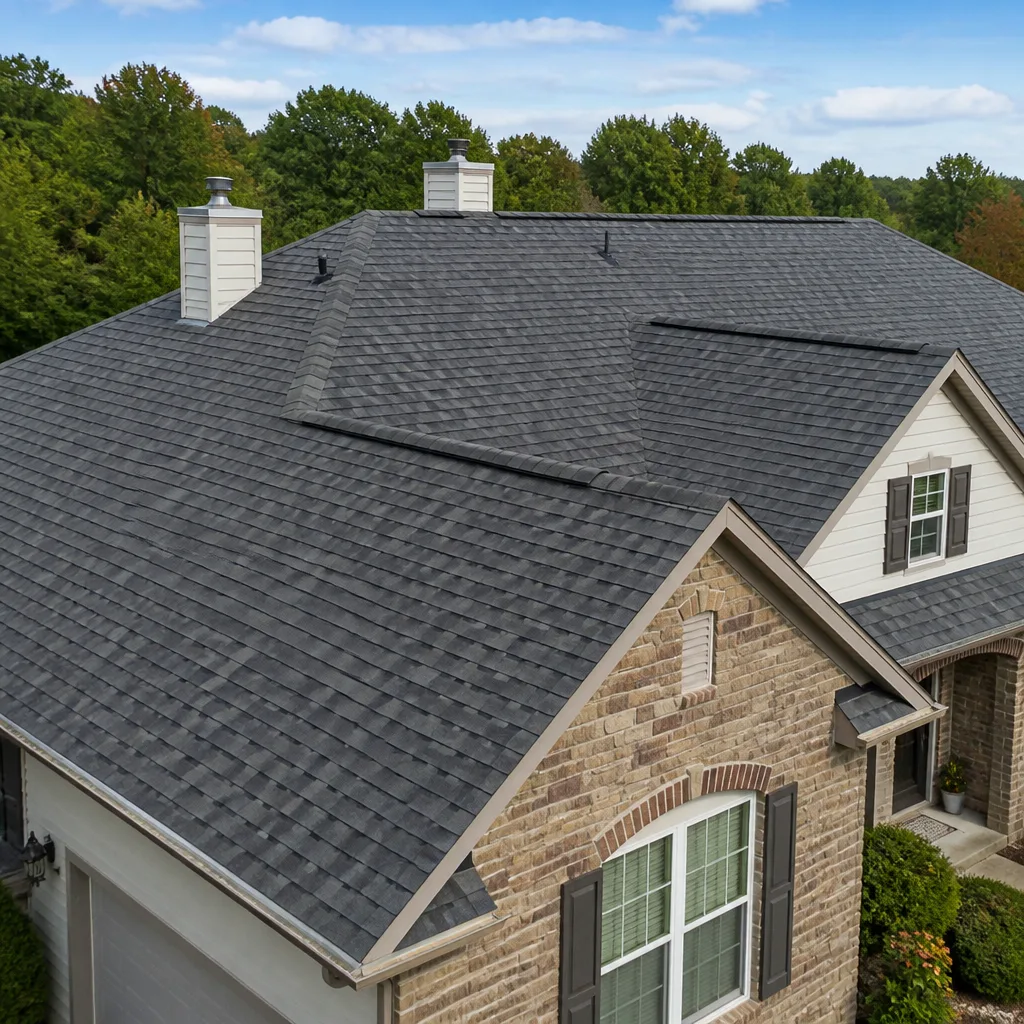
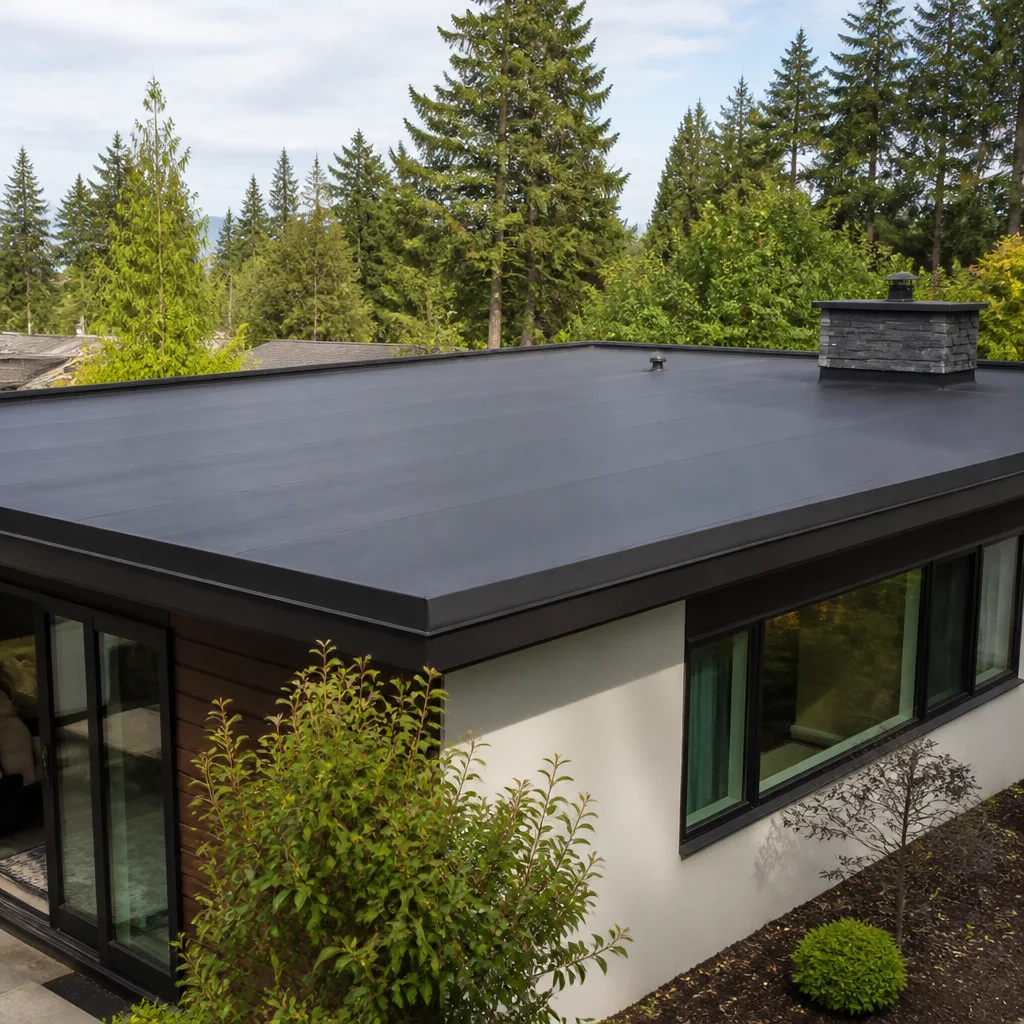
 Before
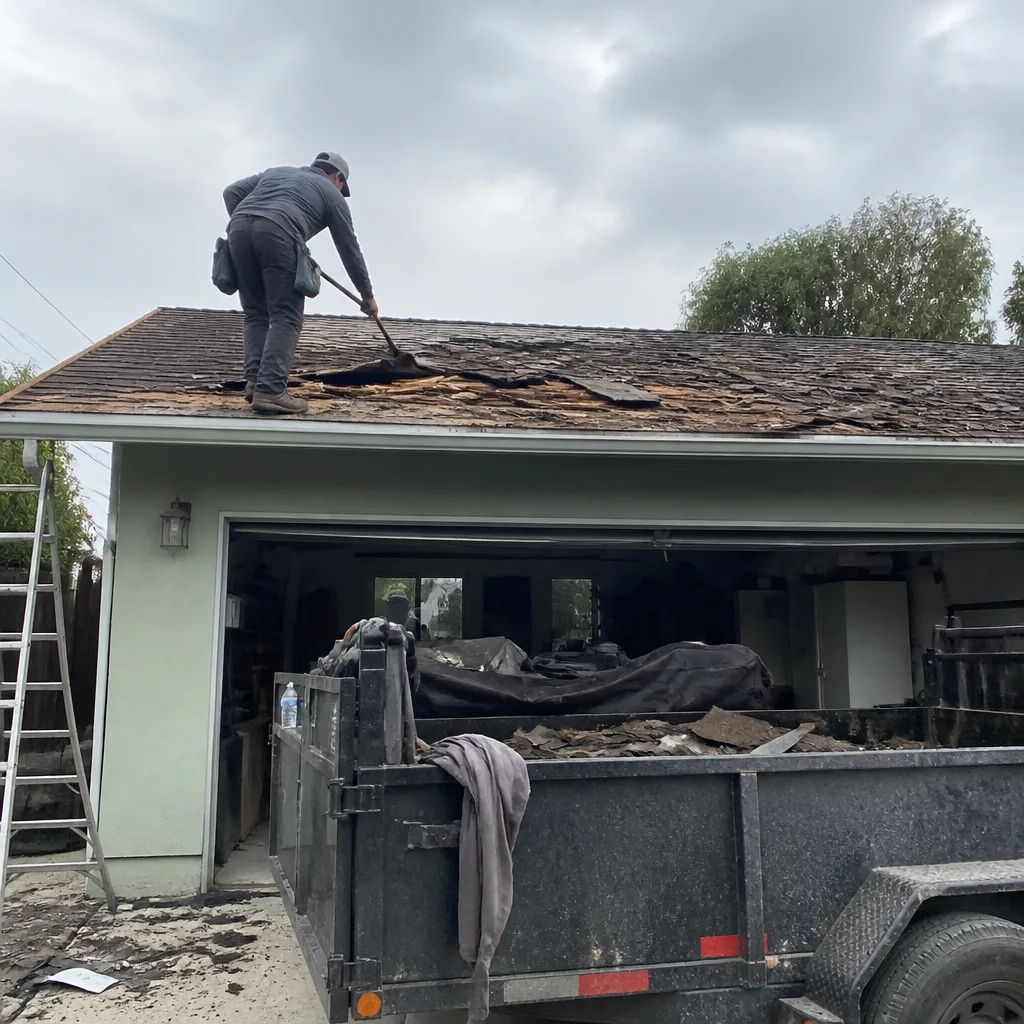
 After
After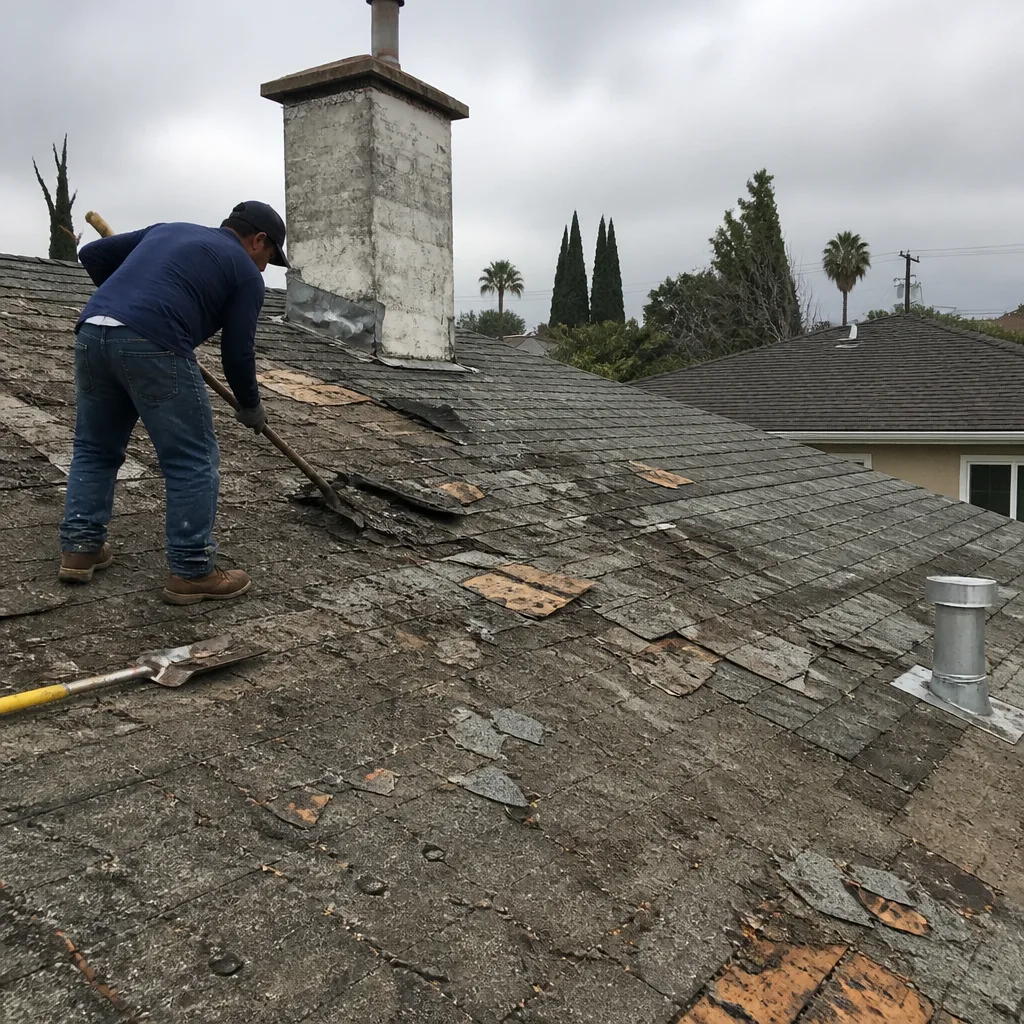 Before
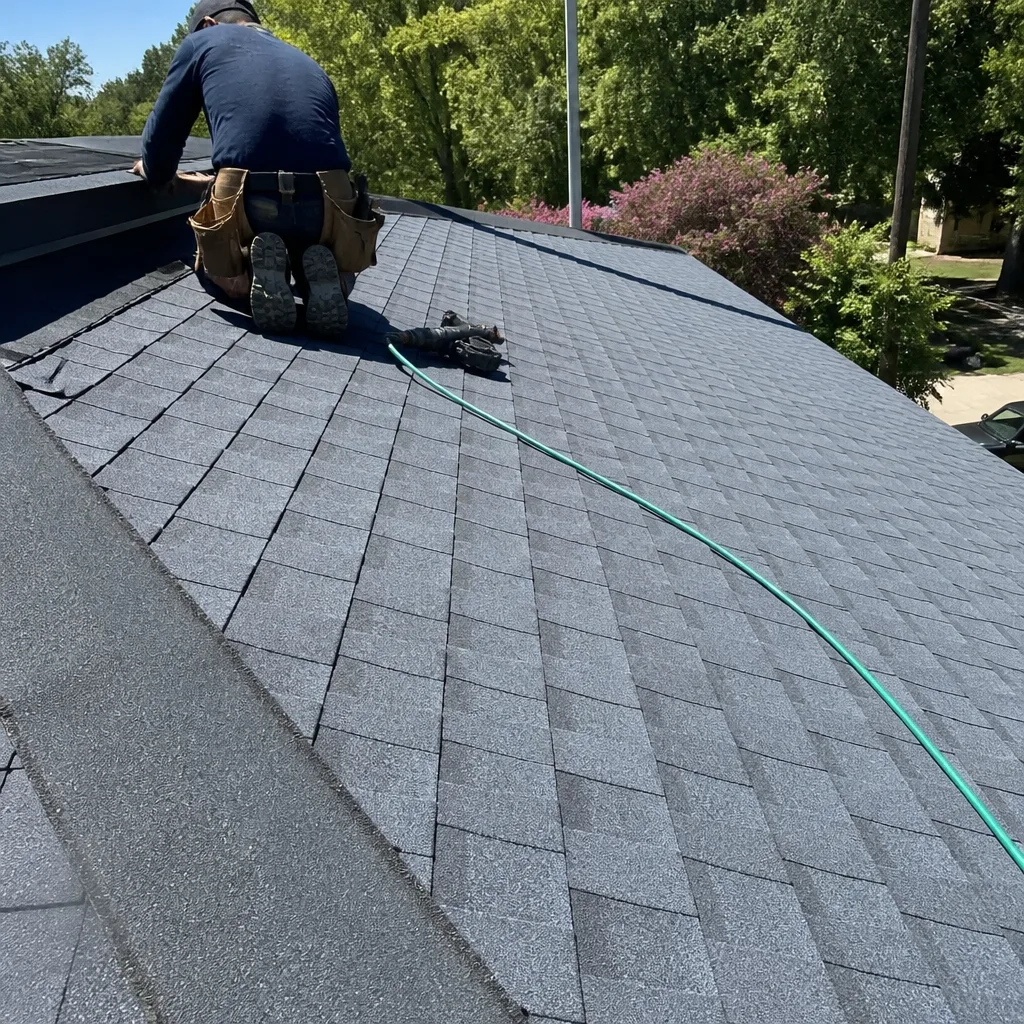 After
After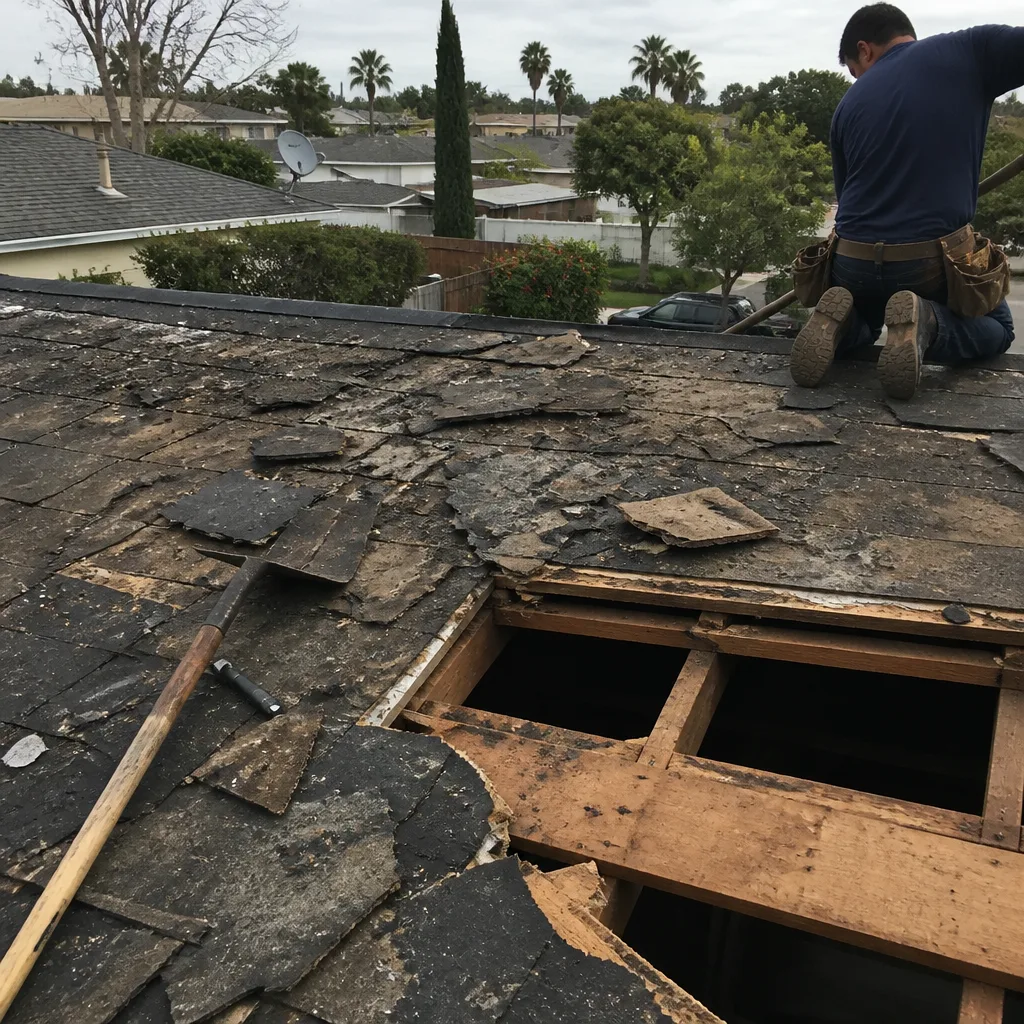 Before
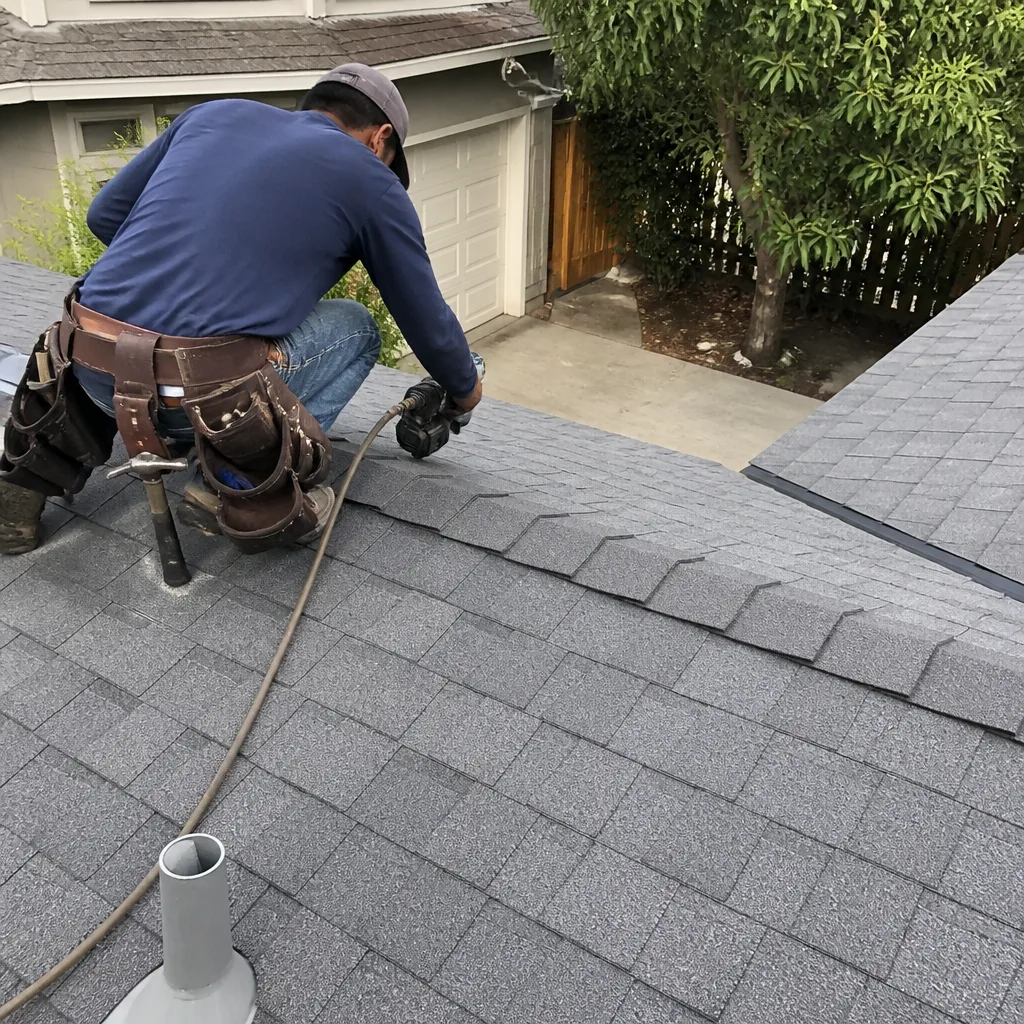 After
AfterHow Long Does Roof Repair Take? Timelines and What to Expect
A shingle patch takes 90 minutes. Getting the right shingle delivered in the right color to a Los Angeles address can take 3 to 5 days. Most roofers quote you the 90 minutes and go quiet on everything else. That gap between what gets quoted and what actually happens is where frustration lives, and it’s entirely avoidable once you understand the real schedule. This Roof Repair guide breaks down every phase of a roof repair timeline in Los Angeles, from the first phone call to the final inspection, so you know what’s normal, what’s a red flag, and when a delay means something’s actually wrong.
Quick Answer
Most roof repairs in Los Angeles take between 1 and 3 days of active work, but the full timeline from first call to finished job typically spans 3 to 10 days when you include diagnosis, material ordering, permit approval, and cure time. Minor shingle replacement can often be completed same day. Structural repairs involving dry rot or decking replacement run 3 to 7 days. The single biggest variable isn’t the repair itself. It’s material availability and municipal approval, both of which are predictable if your roofer addresses them before work begins.
Table of Contents
- The Four Phases of a Roof Repair Timeline
- Realistic Timelines by Repair Type
- Los Angeles Factors That Extend Timelines
- Legitimate Delays Versus a Roofer Stalling
- Why the Written Start-and-Completion Window Matters
- What Actually Happens on Repair Day
- After the Repair: Cure Time and Follow-Up
- Common Mistakes to Avoid
- When to Call a Professional
- Frequently Asked Questions
- The Bottom Line
The Four Phases of a Roof Repair Timeline
Every roof repair, from a single missing shingle to a full valley rebuild, moves through four distinct phases. Most guides only talk about the active repair window. That’s the shortest phase of the four, and ignoring the other three is why homeowners feel blindsided. Here’s how the timeline actually breaks down.
- Diagnosis (same day to 2 days). This starts the moment you call. A technician needs to physically inspect the roof, identify the source of the leak or damage, and determine the scope of the repair. In Los Angeles, most reputable companies can schedule an inspection within 24 to 48 hours. The inspection itself takes 30 to 60 minutes on a standard single-family home. If the damage is hidden, such as water traveling under the decking before showing up on your ceiling, diagnosis might require a second visit with moisture testing.
- Material procurement (same day to 5 days). If the repair uses standard materials the roofer stocks, like common asphalt shingle colors, underlayment, or standard flashing, this phase is effectively zero. The issue arises when your roof uses a discontinued shingle line, a specialty tile, or a specific color from an Atlas, Tamko, or IKO line that isn’t sitting in a local supplier’s warehouse. Los Angeles has significant roof diversity: Mission tile in Sherman Oaks, wood shake in the Palisades, slate in Hancock Park, clay tile in Pasadena. If your material isn’t in stock, you’re waiting on a delivery window that can take 3 to 5 days, sometimes longer for custom orders.
- Active repair (half day to 4 days). This is the window most roofers quote. It covers the physical work: stripping damaged material, repairing or replacing decking, installing new underlayment, securing new shingles or tile, and sealing penetrations. A simple shingle replacement runs 90 minutes to half a day. A valley leak with decking replacement runs 1 to 2 full days. Structural dry rot repair around eaves, rafters, or fascia can stretch to 3 or 4 days once framing is involved.
- Post-repair cure and inspection (1 to 7 days). Most modern roofing adhesives and sealants need time to cure. A thermoplastic sealant applied around a vent pipe reaches full adhesion in 24 to 48 hours depending on Los Angeles humidity levels. Our crews schedule a final walkthrough after cure time to confirm the seal is holding and the repair area is clean. If the repair is structural and required a city inspection, that adds a scheduling window of 1 to 7 days depending on the Los Angeles Department of Building and Safety inspection backlog.
When you stack these four phases, a minor repair that takes 2 hours of active work realistically spans 2 to 4 days from first call to finished job. A structural repair that takes 3 days of active work spans 7 to 10 days. That’s the honest math.
Realistic Timelines by Repair Type
Not all roof repairs are equal, and the time involved varies more by material and location on the roof than by the square footage of the repair. Here’s what we’ve observed across hundreds of roof repair jobs in Los Angeles. These are realistic ranges, not best-case scenarios.
- Minor shingle replacement: same day. One to five missing or damaged asphalt shingles on a field of the roof, no decking damage, no leak active. Active work time is 60 to 90 minutes. Total timeline: 1 to 2 days including inspection. The most common source of this damage in LA is wind-driven branches from eucalyptus and pine trees, and Santa Ana wind events that loosen shingle tabs by late fall.
- Flashing repair: 1 to 2 days. Flashing is the metal material where the roof meets a vertical surface: chimney, skylight, wall, or vent pipe. When flashing fails, water gets in. Repairing it means removing surrounding shingles, replacing the corroded flashing, resealing, and reinstalling shingles. Active work is 2 to 4 hours. Total timeline: 2 to 3 days. Flashing failure is particularly common in older Los Angeles neighborhoods where the original galvanized flashing from the 1960s and 1970s has finally rusted through.
- Valley leak: 1 to 3 days. Valleys are the V-shaped channels where two roof planes meet. They carry more water than any other part of the roof, which is why valley leaks escalate fast. Repair typically involves lifting shingles on both sides of the valley, replacing the valley liner or metal, and sometimes replacing decking if water has saturated it. Active work: 1 to 2 days. Total timeline: 3 to 5 days. In the hillside neighborhoods of Los Angeles, valleys on steep rooflines are harder to access, and crews work slower on higher pitches, which stretches the active work window.
- Structural dry-rot repair: 3 to 7 days. This is the repair homeowners dread for good reason. Dry rot means the wood decking or framing has been quietly decaying, often for years, behind the shingles. Repair means opening the roof, cutting out the rotten wood, reframing if necessary, installing new decking, new underlayment, and new roofing material. Active work: 2 to 4 days. Total timeline: 5 to 10 days when you include the structural permit and inspection cycle required by the City of Los Angeles for repairs that involve framing members.
- Tile roof repair: 2 to 4 days. Clay and concrete tile roofs require more care. Matching an existing tile profile from a manufacturer line like Boral or similar takes time, and tiles are fragile. The work is slower, and the active window is longer. Tile repairs in the foothill communities of Los Angeles, from La Cañada to Woodland Hills, often involve sourcing tile that’s been out of production for 20 years, which pushes the material procurement phase out further.
Los Angeles Factors That Extend Timelines
Los Angeles isn’t one roofing market. It’s a patchwork of climate zones, building codes, HOAs, and geography that affect every phase of a repair timeline. Homeowners who understand these local realities stop interpreting normal delays as contractor incompetence.
Permit requirements for structural repairs. The City of Los Angeles requires a permit for any roof repair that involves structural framing: rafters, ridge beams, or more than a certain threshold of decking replacement. That permit process adds 1 to 5 days in processing time, plus an inspection after the repair is complete. A roofer who tells you they’ll handle structural work “without bothering the city” is asking you to accept risk that should sit with them. Every legitimate Los Angeles roofing company pulls the permit, schedules the inspection, and builds that time into the written estimate.
HOA material approval. A large percentage of Los Angeles homes sit in HOAs with architectural review committees. If your repair involves visible materials, like replacing a section of tile or shake, the HOA may need to approve the material match before work begins. That adds 3 to 7 days in the best case, and 2 to 4 weeks if the committee meets monthly. If you live in a gated community in Porter Ranch, Calabasas, or Brentwood, ask your roofer about HOA approval before the estimate, not after.
Hillside delivery windows. The hillside neighborhoods of Los Angeles, from Mount Washington to the Hollywood Hills, have narrow streets, switchback access, and limited staging areas. Material deliveries require coordination with the roofer, the supplier, and sometimes the city for street use permits. A material order that would take 1 day in the flatlands of Torrance can take 3 days in a hillside location simply because the delivery truck has a 4-hour window and needs a place to unload that isn’t blocking a fire lane.
Santa Ana wind season. From September through January, Santa Ana winds bring gusts that can hit 40 to 60 mph in the passes and foothills. Roofing crews cannot safely work when sustained winds exceed 20 to 25 mph at roof height. During an active Santa Ana event, repairs can be delayed 2 to 3 days waiting for a wind window. A roofer who keeps a schedule delay silent during these events is doing it wrong. A roofer who tells you the truth, “the wind makes this unsafe today and we’re rescheduling for Thursday,” is doing it right. Wind is also the season when the most shingle and tile damage occurs, which means the best repair crews in LA are booked out further in the fall and early winter.
Legitimate Delays Versus a Roofer Stalling
Knowing the difference between a real delay and a roofer who’s overbooked, disorganized, or hoping you’ll give up and call someone else is a skill. Here are the concrete signals.
Legitimate delays look like this:
- The roofer tells you the specific reason before you ask, and names the material or the approval that’s pending.
- The roofer gives you a revised date without being pushed, and it’s a specific date, not “sometime next week.”
- The roofer’s explanation matches the reality on your roof. A delay for “waiting on the HOA” when your neighborhood has no HOA is not legitimate.
- The roofer offers you the option to contract and lock your place in the schedule while the material is ordered, so the work starts the day the material arrives.
- When the delay is for weather, the roofer can explain the specific safety threshold: wind speed, rain probability, temperature minimums for adhesives.
Stalling looks like this:
- The roofer won’t give you a start date at all. “We’ll get back to you” with no date attached is the beginning of a stall.
- The reason changes every time you call. First it was materials, then the truck, then the crew, then the weather. A moving explanation is a roofer who doesn’t have a schedule.
- The roofer collected a deposit and went dark. In Los Angeles, a reputable roofer takes a deposit only against the calendar, and that deposit is tied to a written start window.
- The roofer won’t put a completion date in writing. No written completion window means no enforceable schedule, and it’s the single clearest signal that you’re dealing with a company that doesn’t intend to be accountable.
- The roofer starts another job before finishing your small repair. Roofers do run multiple jobs, but a small repair should not keep sliding to make room for larger jobs. That’s the sign of a company that’s chosen the bigger payday and deprioritized you.
At Brennan Roofing, the schedule is part of the contract. The written price includes a start-and-completion window. If a material delay happens, you hear about it before you call us, with the specific item and the revised date attached.
Why the Written Start-and-Completion Window Matters
The price matters. But the schedule matters just as much, because a price without a schedule isn’t a complete commitment. See our guide on How Long Does Roofing Company Take? Timelines and What to Expect for deeper detail. A roofer who won’t commit to a written start date and completion window is telling you something: they don’t want to be held to a promise.
A written start-and-completion window does three things that protect you:
- It gives you a schedule for your own life. Roof repair means noise above your head, a crew on your property, and possibly time off work. You deserve to plan around the repair, not wait indefinitely for it.
- It separates committed roofers from time-fillers. A company that runs a disciplined schedule can commit to a window. A company that takes every job that calls and figures out the order later cannot. The company that can’t commit is the one most likely to leave you waiting for weeks.
- It gives you leverage if the promise is broken. A written window is a contract term. If the roofer misses it without a documented legitimate delay, you have standing to ask for a revised date in writing or a partial refund of any deposit. A verbal “we’ll be there Tuesday” is worth nothing in a dispute.
What to do if a roofer won’t commit to a written window: don’t sign. Walk away. There are plenty of roofing companies in Los Angeles that will put the schedule on paper. The refusal to commit is the refusal to be accountable, and accountability is the whole point of the contract.
What Actually Happens on Repair Day
Knowing what to expect on repair day helps you spot when something’s going wrong. Here’s the sequence of events on a standard repair, start to finish.
- Crew arrival and site setup. The crew arrives inside the window that was committed to you in writing. They introduce themselves. They’re in uniform, they’re background-checked, and they can tell you exactly what the repair is and how long the active work will take. Tarps go down around the work area to catch debris. Tools and materials are staged.
- Protection and access. The crew establishes safe roof access. On a single-story home, that’s ladder work. On a two-story or hillside home, it may involve a scaffold. This is also when the crew protects landscaping, patio furniture, or anything directly below the work area.
- Removal of damaged material. The crew opens the roof around the repair area, removes the damaged shingles, tile, or flashing, and exposes the underlying decking and underlayment. This is the moment of truth: the decking may be sound, or it may be rotten. A disciplined roofer communicates immediately if the decking is compromised and shows you photos before replacing it. If decking wasn’t in the original written price, you get a change order in writing before any additional work begins, not a surprise on the final bill.
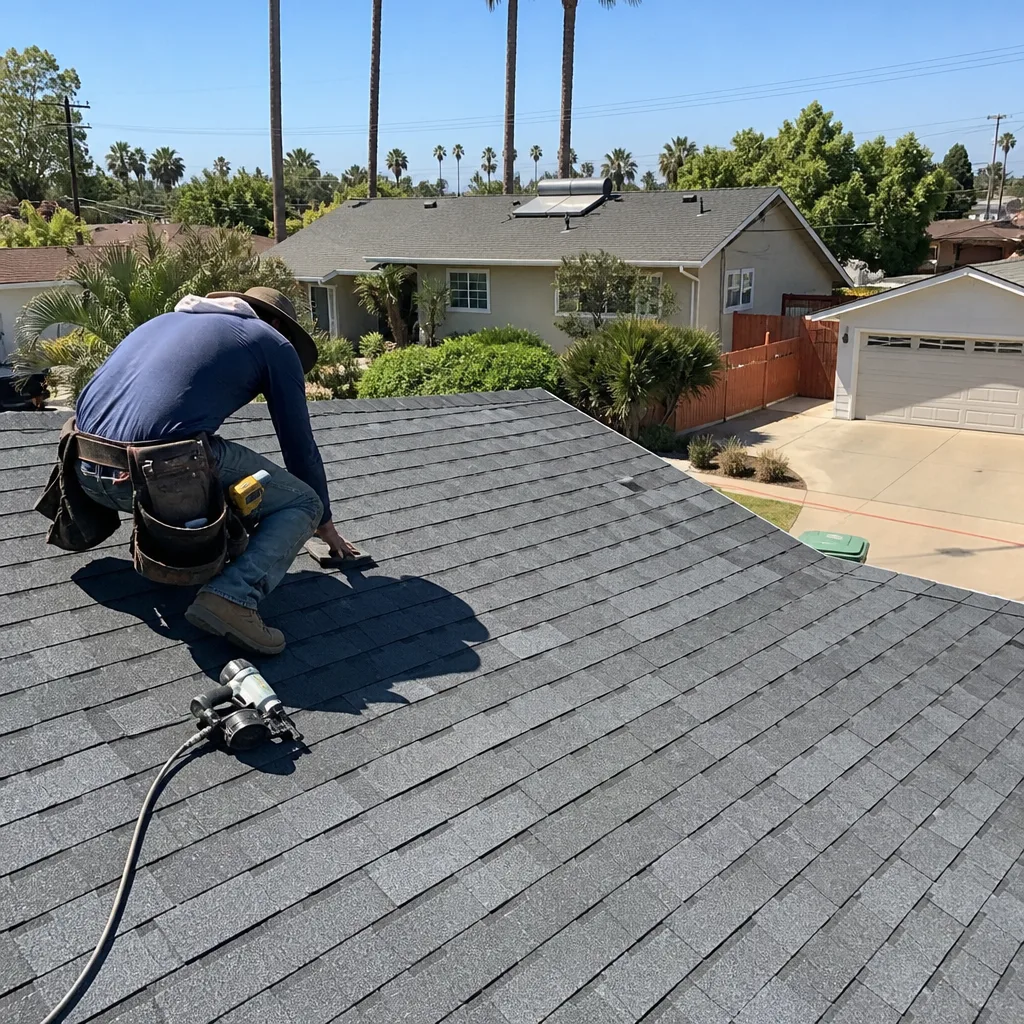
- Repair execution. The roofer replaces the underlayment, installs new flashing if required, lays the new roofing material, and seals all penetrations. On a tile roof, this phase is slower and more delicate. On an asphalt roof, it moves fast.
- Cleanup and magnet sweep. The crew removes all debris, runs a magnet sweep over the ground around the house to collect loose nails, and inspects the repair from both the roof surface and the ground. The job isn’t done when the last shingle goes down. It’s done when the site is clean and the repair has been walked and verified.
This is the standard our technicians work to on every single job, and it’s the same standard whether the repair is a 90-minute shingle patch or a 3-day structural rebuild. The roofing company in Los Angeles you hire should be able to describe this sequence before you sign anything, because a roofer who can’t explain their process in plain terms is a roofer who hasn’t thought about it.
After the Repair: Cure Time and Follow-Up
The last nail goes in. The crew packs up. The repair is done. Almost. There are still two things that affect your timeline and long-term outcome.
Cure time. Roofing adhesives, sealants, and coatings need time to reach full strength. The exact cure window depends on the product and the Los Angeles weather on the repair day. Most thermoplastic sealants used around vent pipes and flashing reach full cure in 24 to 48 hours in the moderate Los Angeles climate. During a rainy stretch, which is rare in LA but happens December through February, cure times extend and crews may need to protect the repair with temporary covering until conditions improve.
Follow-up inspection. If the repair was structural and required a city permit, the Los Angeles Department of Building and Safety schedules the final inspection. The inspector verifies that the framing, decking, and attachment comply with current code. This inspection is separate from the roofer’s own walkthrough, and it can add 1 to 7 days to the tail end of the timeline depending on the city’s scheduling backlog. A roofer who pulled the permit will manage the inspection scheduling and be on site for it. A roofer who skipped the permit has now left you with an unpermitted structural repair that can complicate a future home sale.
For non-structural repairs, the roofer’s own post-repair walkthrough may happen same day or a day later, after the crew has fully cleaned and the sealant has begun to cure. This walkthrough is the moment when the repair is visually verified, the work area is checked for stray nails, and the roofer signs off. If any adjustment is needed, it’s made then, not weeks later.
Our 365-Day Done Right Promise covers every repair we perform for a full year, in writing. If a repair fails within that period, we return and make it right at no charge. That’s not a courtesy. It’s the written commitment that comes with every job, and it’s the reason we do a careful final walkthrough instead of rushing off to the next appointment.
Common Mistakes to Avoid
- Hiring based on the fastest quoted time. A roofer who promises to fix everything same day has either done no diagnosis or is giving you the number you want to hear. The roofer who tells you the truth about the timeline, including the material-order delay, is the one who’ll actually show up.
- Not asking about the material before signing. If your roof uses a discontinued shingle color or a tile profile from a specific manufacturer line like Atlas or Tamko, you need to know how long sourcing will take. Ask before you sign so the delay doesn’t surprise you.
- Accepting a verbal schedule. If the start date and completion window aren’t in writing, they don’t exist. No written schedule means no accountability, regardless of how friendly the estimator was.
- Skipping permits on structural work. In Los Angeles, structural roof repairs require a permit. A roofer who offers to skip it is saving themselves time and handing you a compliance problem. The permit adds days, but it’s the only way the repair is legal and insurable.
- Ignoring the HOA until after the repair is done. If you’re in an HOA with architectural review, get the repair approved before the crew arrives. A repair done without approval can be ordered removed or redone, and it’s the homeowner who eats that cost.
- Choosing the cheapest bid without checking the schedule. The lowest-priced roofer often has the least disciplined schedule, because they’re chasing volume. The bid that’s 10% higher but comes with a written start date is usually the better deal.
- Not asking what happens if the repair fails. Every roof repair should come with a written workmanship guarantee. If the roofer won’t put “we’ll fix it free if it fails” in writing, you’re assuming all the risk.
When to Call a Professional
Some roof problems are obvious: water coming through the ceiling, missing shingles after a windstorm, a chunk of tile in the yard. But the timeline starts when you call, and waiting makes the repair bigger. Call a professional when you see water stains on your ceiling or walls, when you notice granules from asphalt shingles collecting in your gutters, when daylight is visible in your attic, or when any part of your roof looks sagged or soft. In Los Angeles, small leaks become big ones fast once the winter rain arrives, and a $400 flashing repair in October is a $4,000 decking replacement in January. If you’re not sure what you’re looking at, get a professional roof inspection in Los Angeles and let an experienced eye tell you whether there’s a problem. Brennan Roofing offers free estimates throughout the Los Angeles area. Call (361) 320-9467 and a live person will answer, day or night, no voicemail and no automated system.
Frequently Asked Questions
Most roof repairs in Los Angeles take 1 to 3 days of active work, with the full timeline from first call to finished job spanning 3 to 10 days when you include inspection, material sourcing, and cure time. The active repair window depends on the type of damage: minor shingle replacement is same day, flashing repair runs 1 to 2 days, and structural dry-rot repair runs 3 to 7 days. Call (361) 320-9467 for a written estimate with a committed start-and-completion window.
A small shingle or flashing leak can often be repaired the same day if the roofer has already completed the inspection and has the needed materials on hand. If the leak involves damaged decking or requires special-order material, the repair will take longer. A roofer who promises same-day repair before seeing the roof is guessing.
Standard asphalt shingle colors from major manufacturers are usually available same day or next day from local Los Angeles suppliers. Specialty colors, discontinued lines, and certain tile profiles from manufacturers like IKO or Boral can take 3 to 5 days, and custom or back-ordered items can take 2 weeks. Tell your roofer your exact material before you sign so the delivery window is written into the schedule.
Minor repairs that don’t involve structural framing typically don’t require a permit in the City of Los Angeles. Repairs that involve replacing rafters, ridge beams, or significant sections of decking do require a structural permit, which adds 1 to 5 days for processing and a final inspection after the work is complete. A reputable roofer pulls the permit and manages the inspection. Call (361) 320-9467 and we’ll tell you whether your repair requires one.
Los Angeles weather is mild most of the year, but roof repairs can be delayed by Santa Ana wind events from September through January, when gusts make roof work unsafe, and by winter rain, which prevents sealant and adhesive from curing properly. A disciplined roofer reschedules for the next safe weather window and tells you the new date in writing.
Minor shingle repair in Los Angeles typically runs $300 to $600. Flashing repair runs $400 to $900. Valley leak repair runs $600 to $1,500. Structural dry-rot repair runs $1,500 to $4,500 or more depending on the extent of framing damage. Every Brennan Roofing job starts with a written price before any work begins, and that price does not move at the door. Call (361) 320-9467 for a free estimate.
The Bottom Line
Roof repair timelines in Los Angeles are longer than the active work window, and that’s normal. The real schedule includes diagnosis, material procurement, permit approval, the repair itself, and post-repair cure time. Most repairs span 3 to 10 days end to end, with structural work running longer. The homeowners who get blindsided are the ones whose roofers only quoted the 90-minute patch and stayed silent about everything else. Ask for a written start-and-completion window, ask about material availability before you sign, and choose a roofer who puts their guarantee in writing. For more guides & resources, visit our blog. That’s the difference between a repair that’s done right and a timeline that keeps slipping.
Written by Travis Oakley, Owner at Brennan Roofing, serving Los Angeles since 2000.