
Last updated October 9, 2026
Free roof inspection with deck photos before we talk money - GAF and Owens Corning certified installation
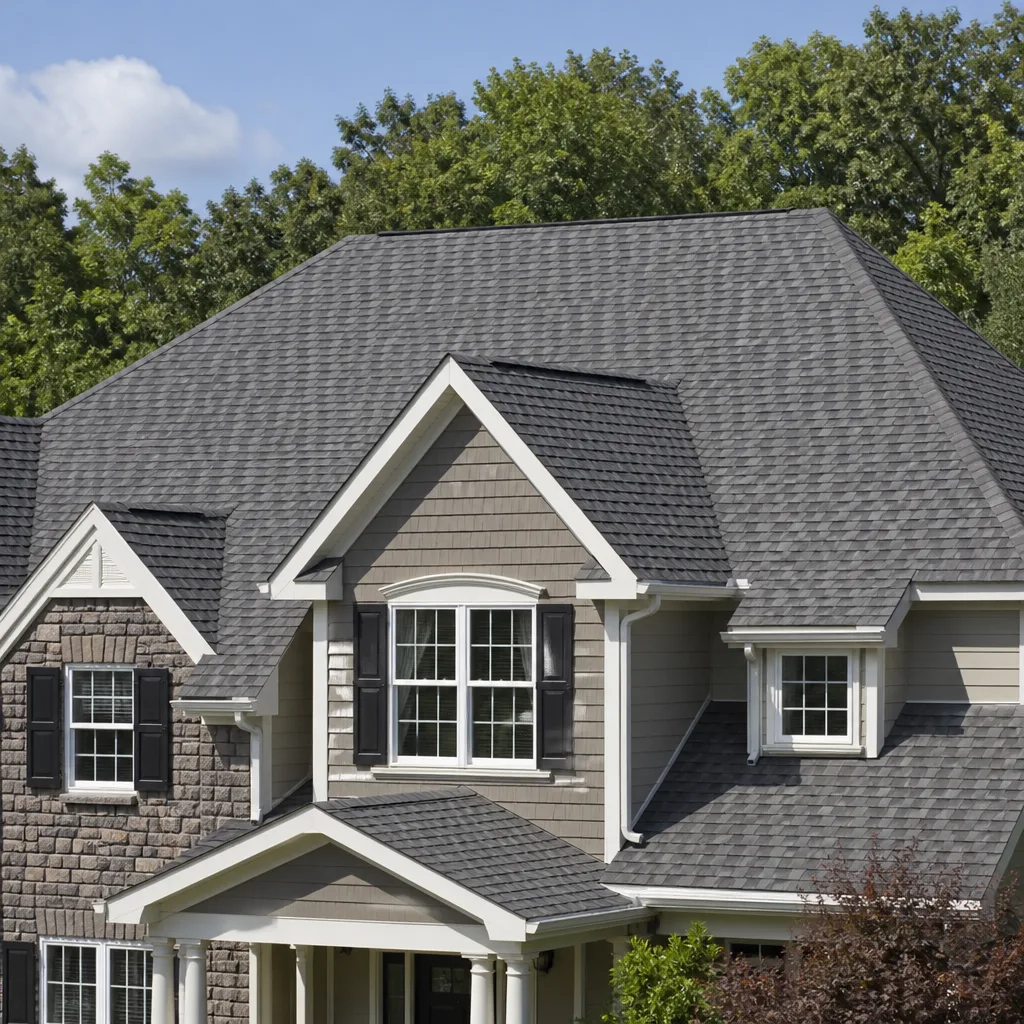
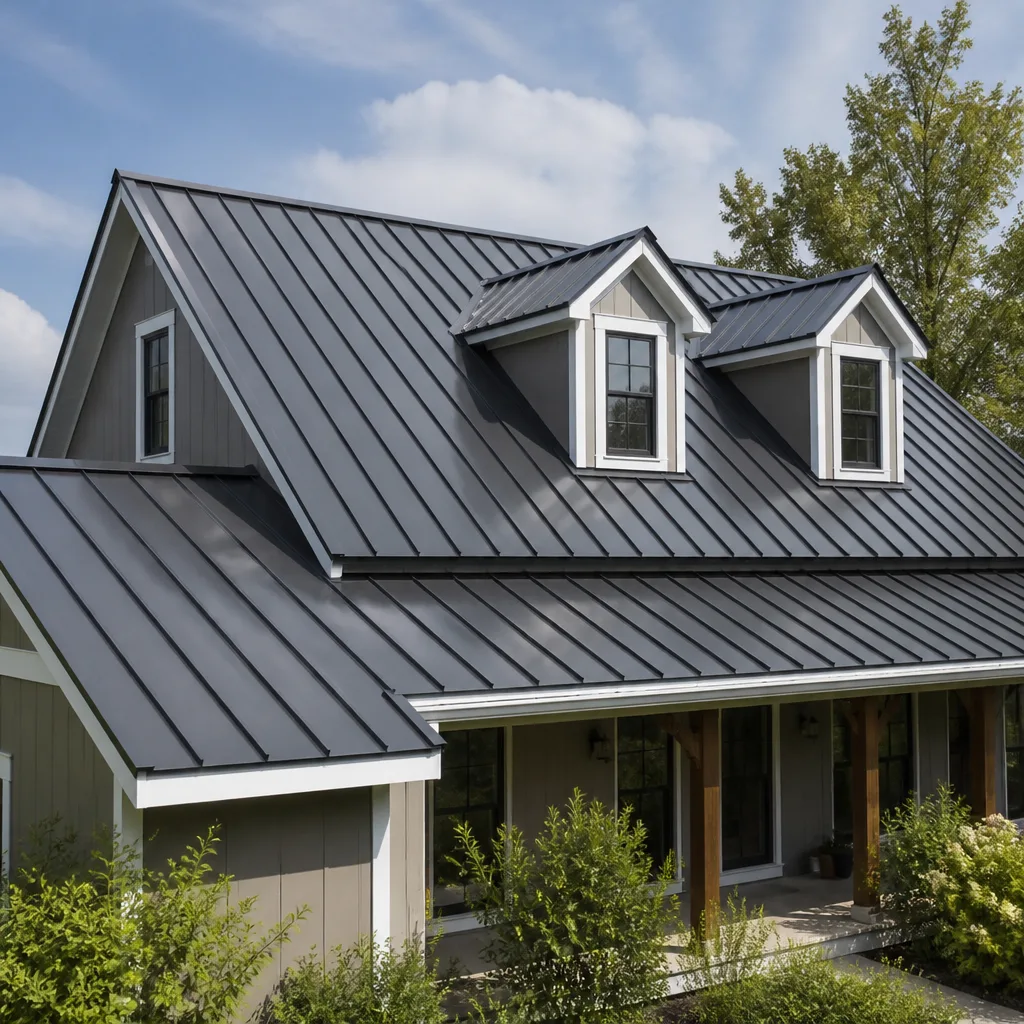
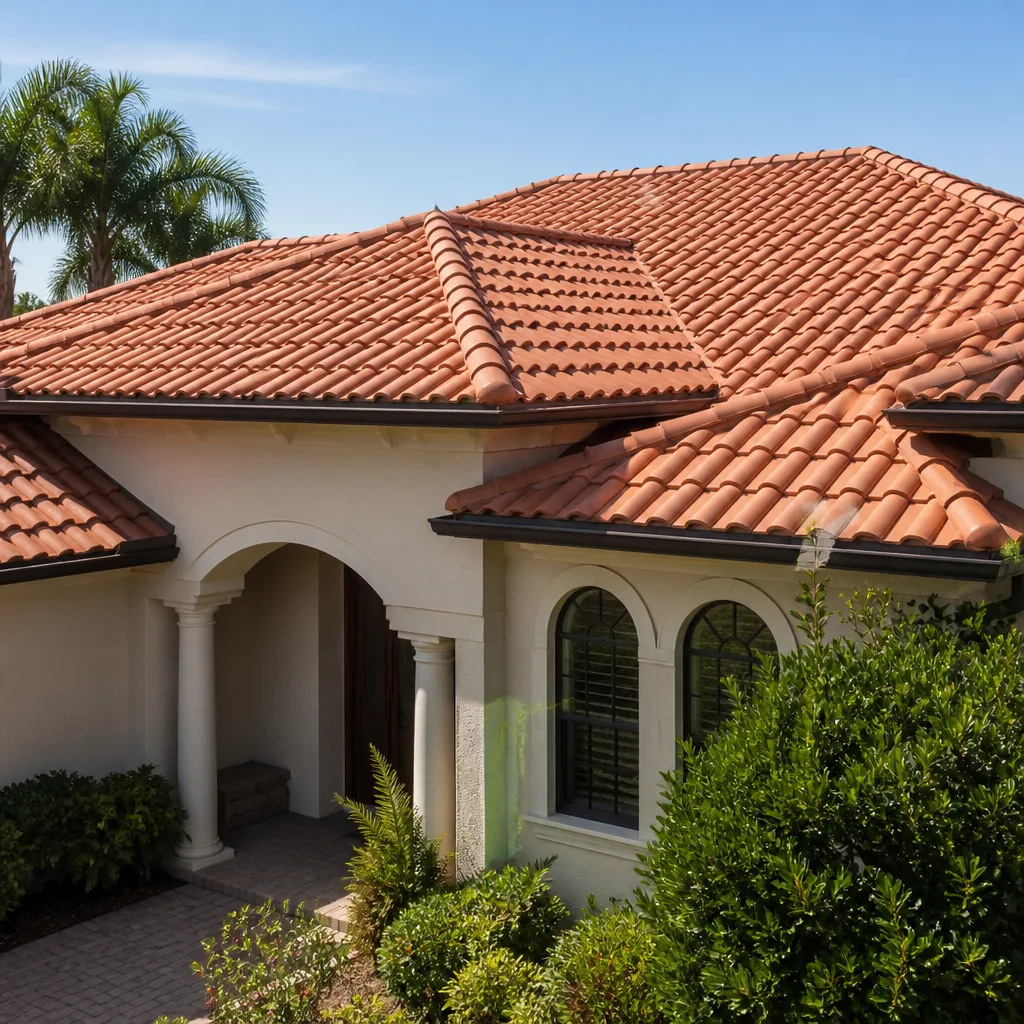
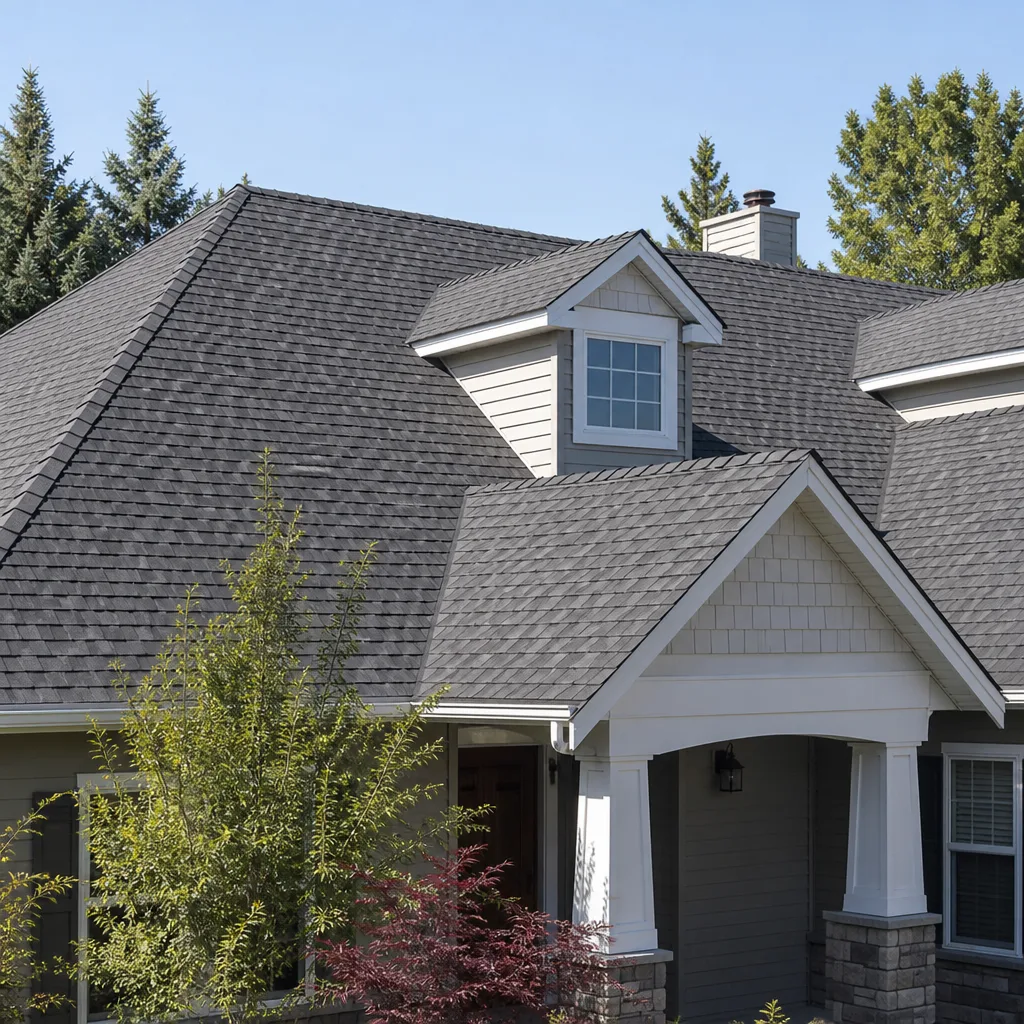
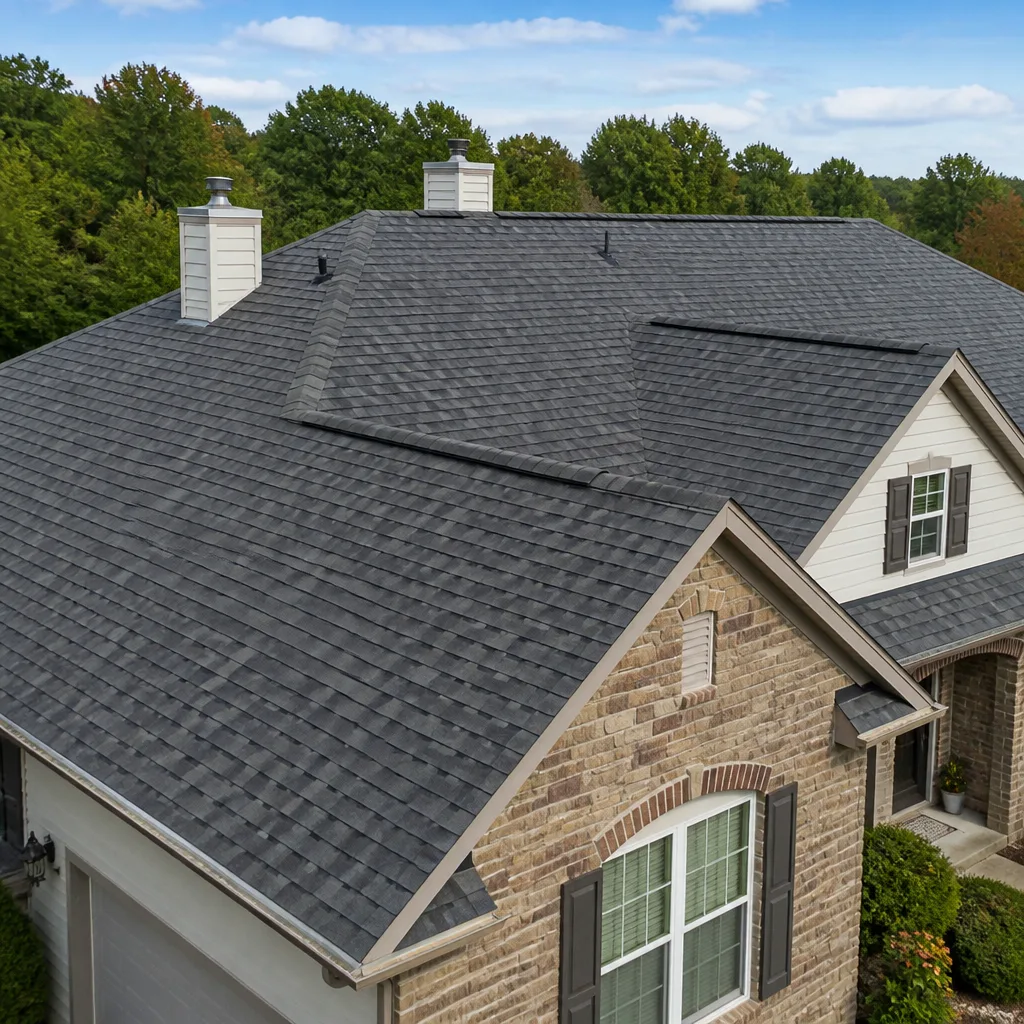
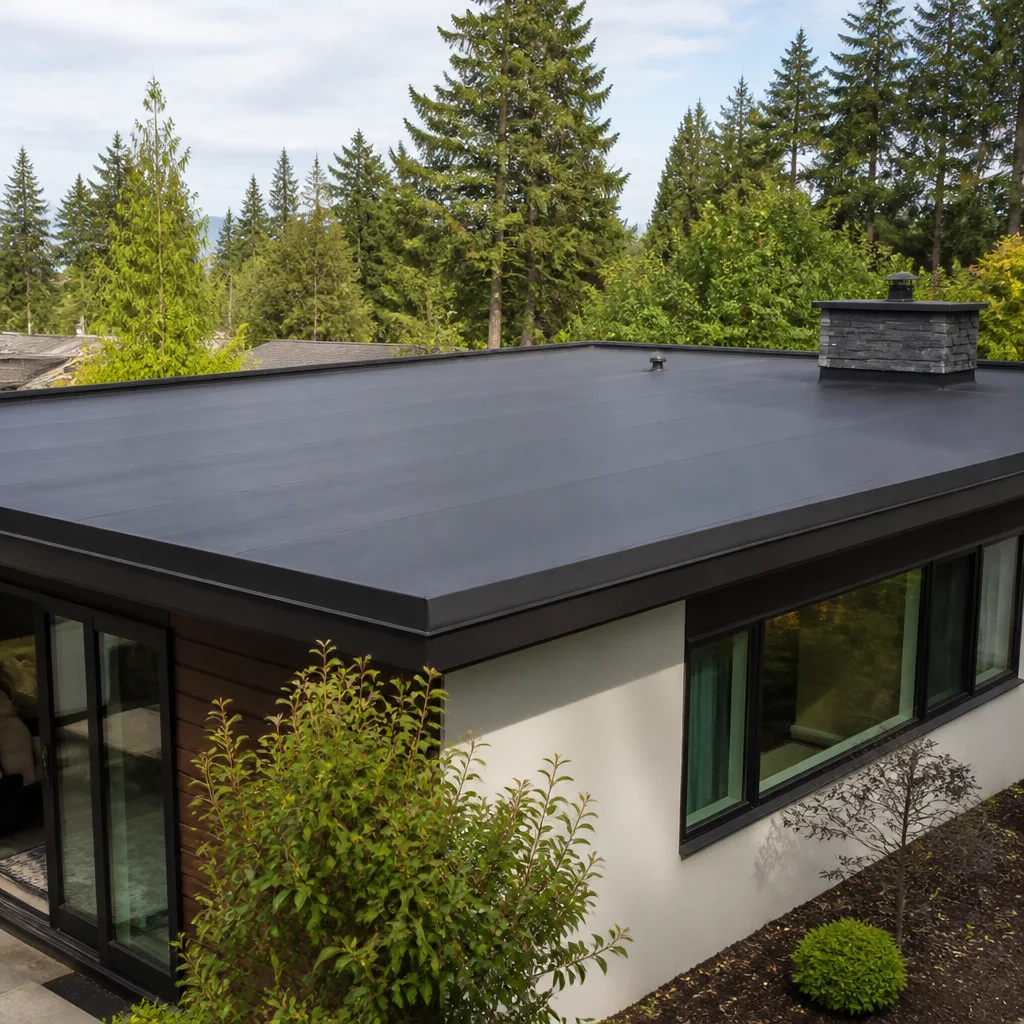
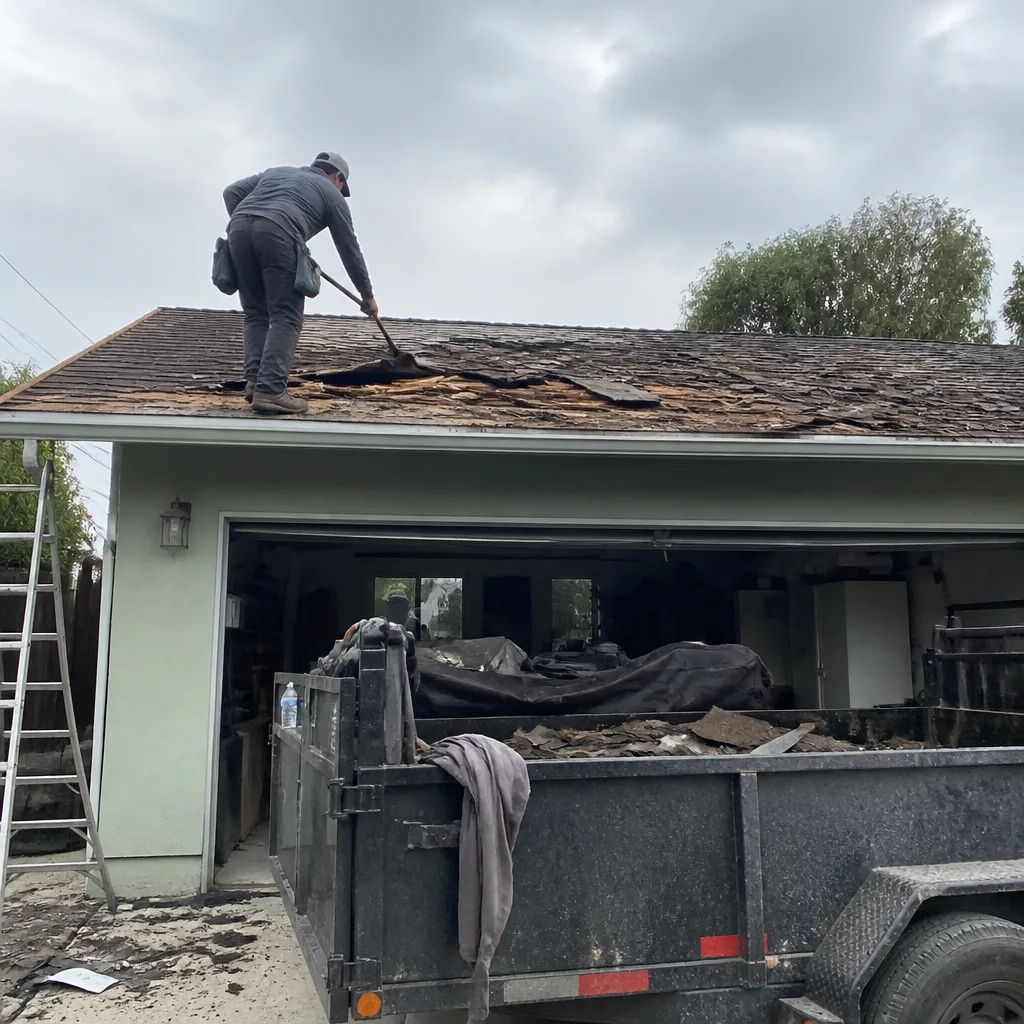 Before
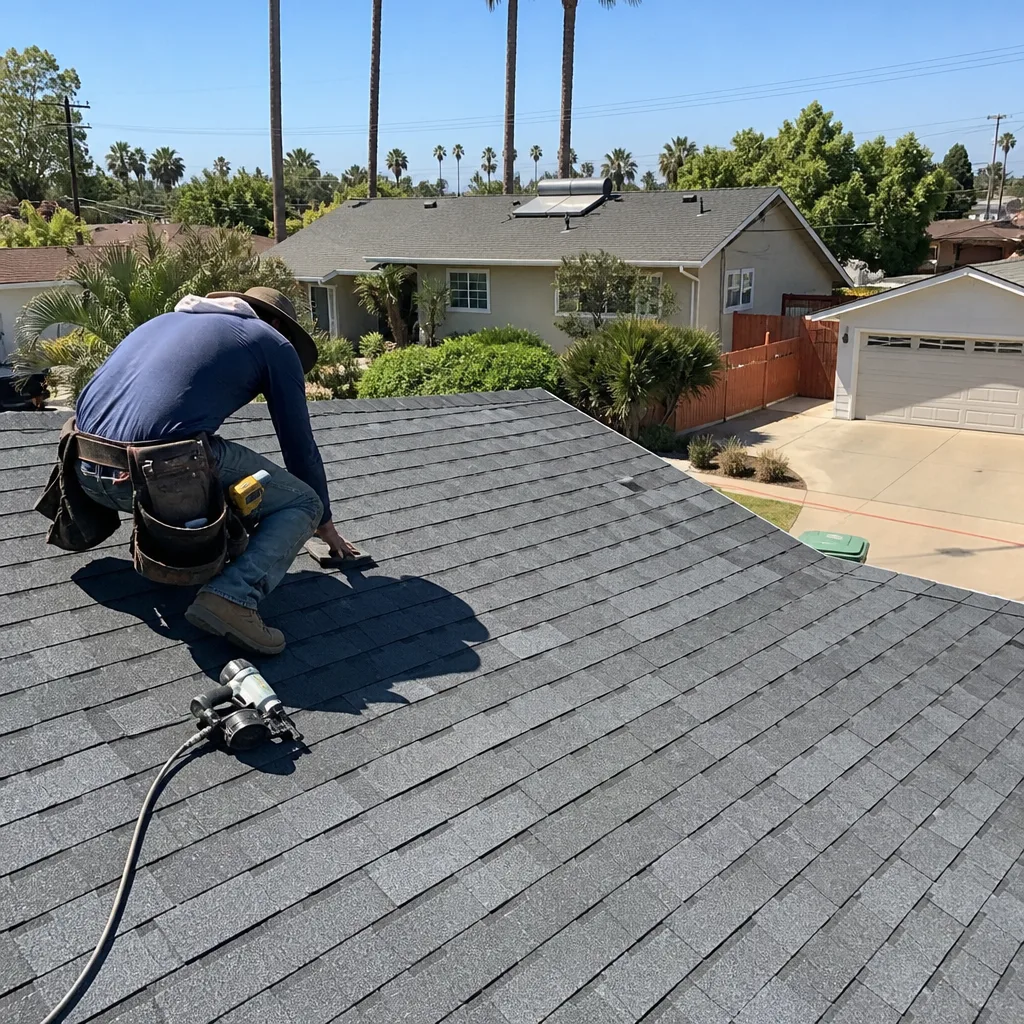 After
After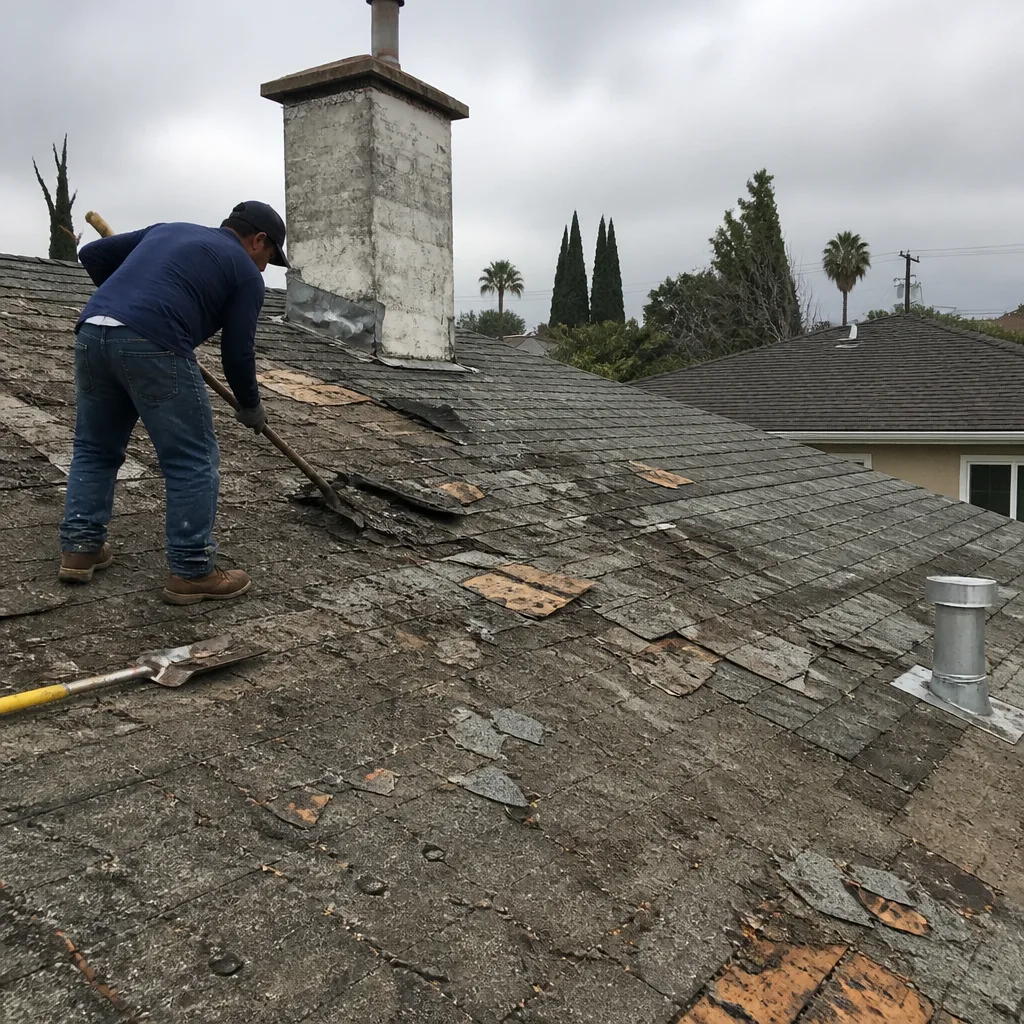 Before
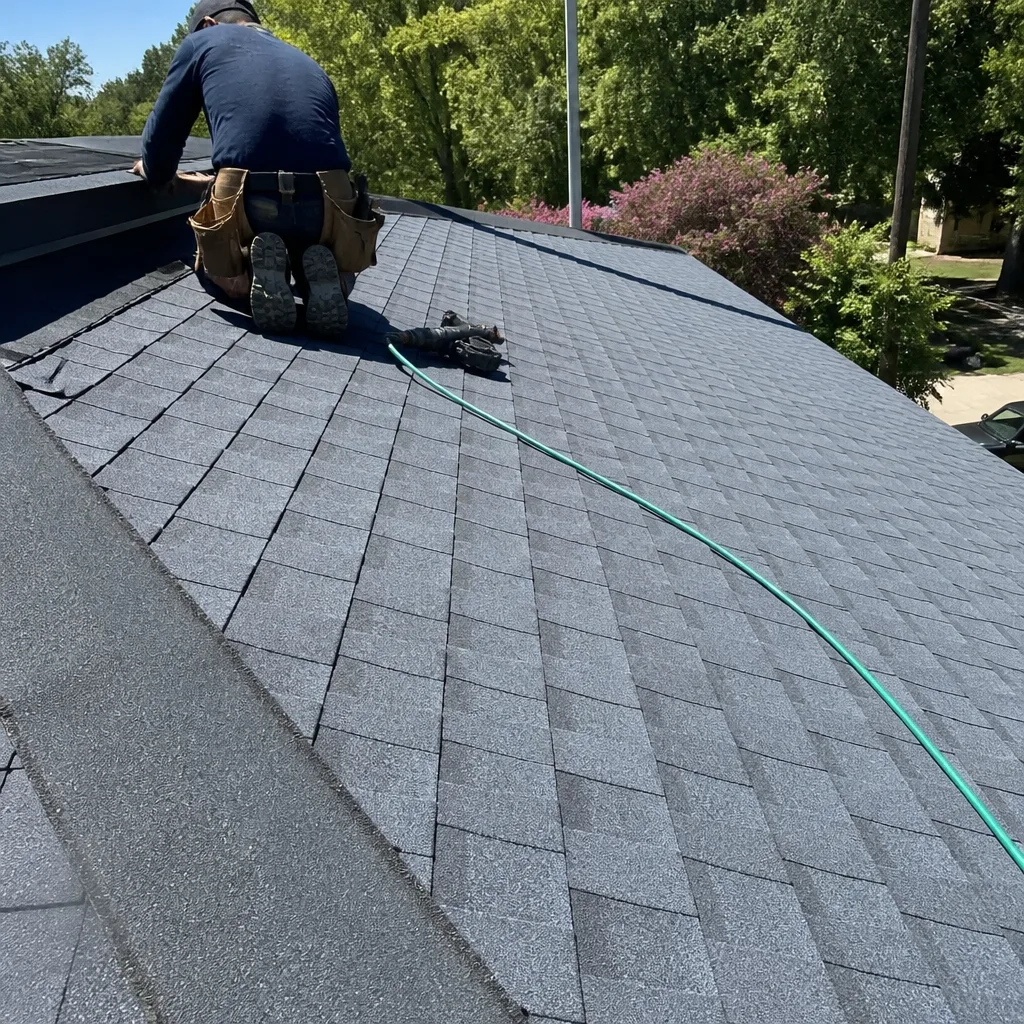 After
After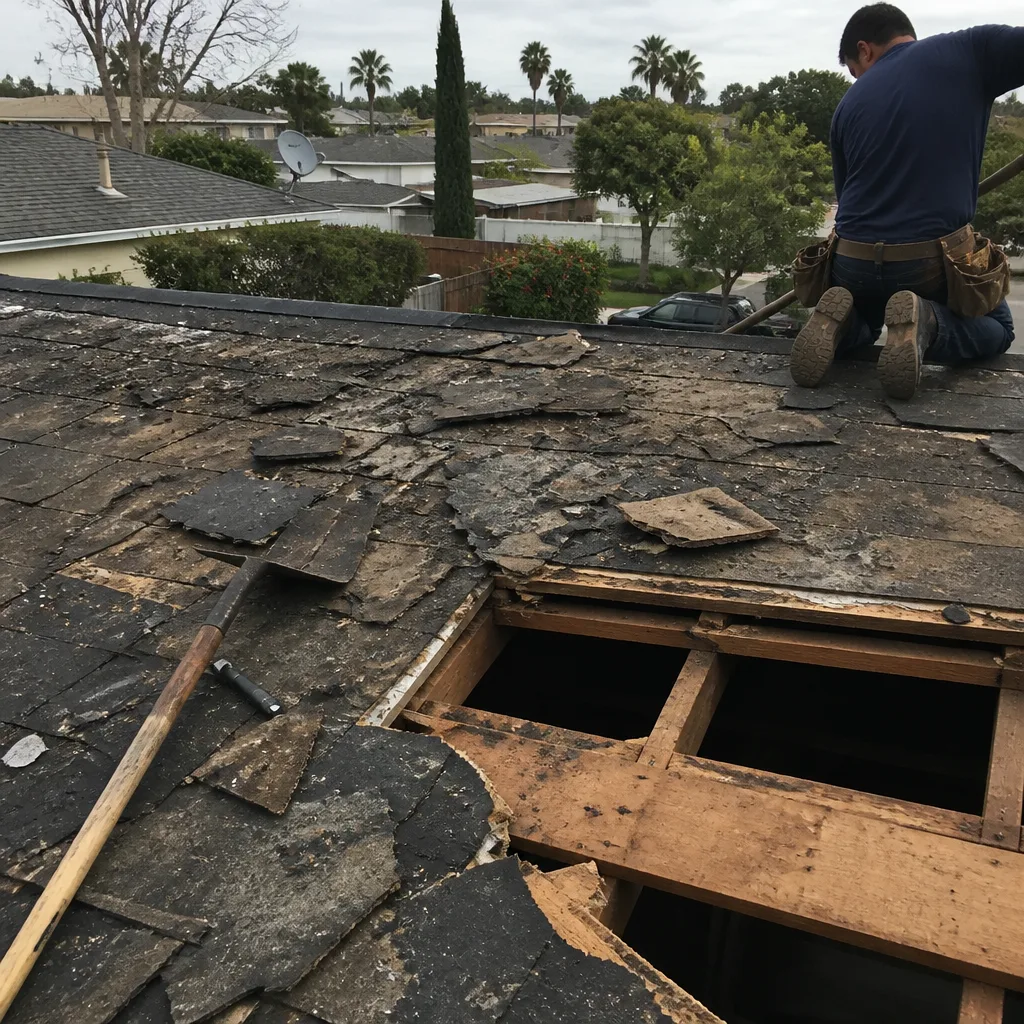 Before
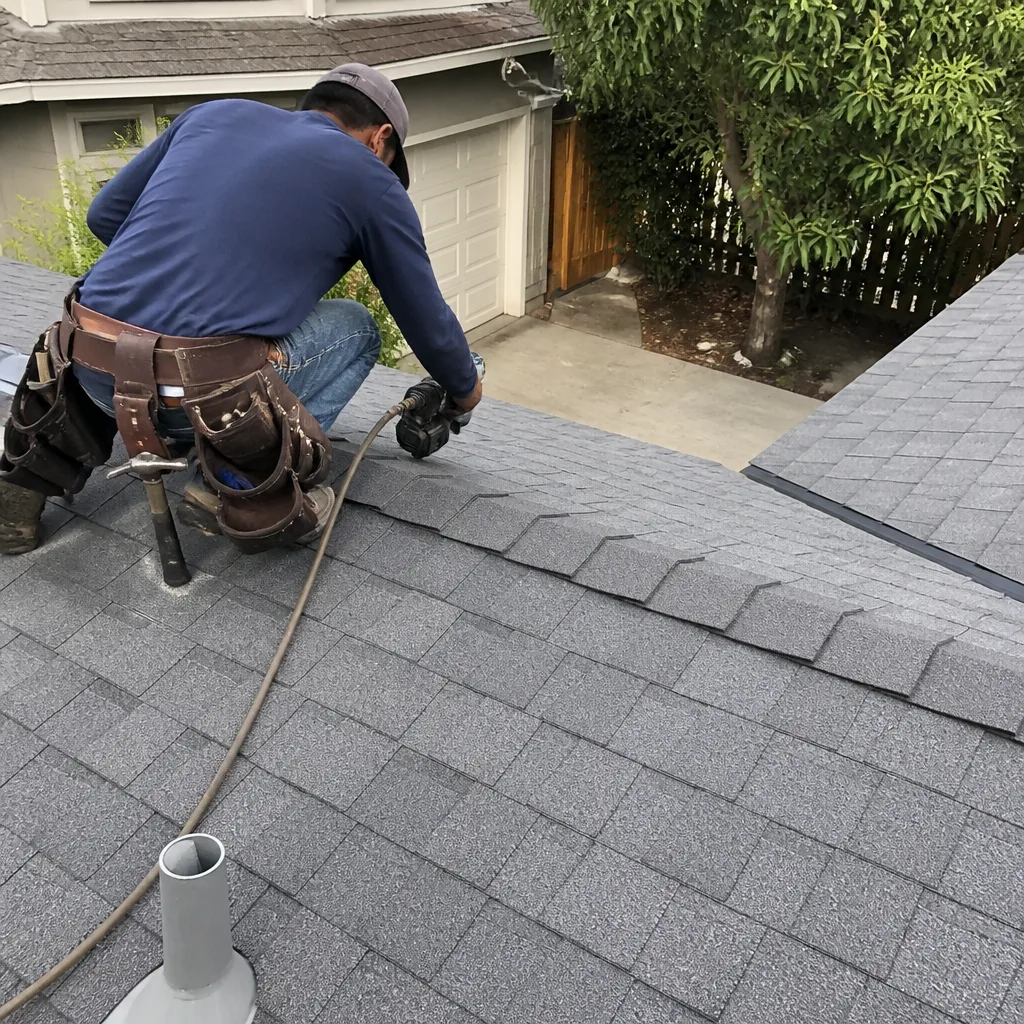 After
AfterRoof Inspection Troubleshooting: Common Problems and How to Fix Them
Roof inspectors find problems. That’s their job. But a 21-point inspection report with photos and circled annotations doesn’t tell you which findings need a check this month and which ones can wait until the rainy season has passed. In Los Angeles, where homes range from 1920s Spanish Revival in Silver Lake to 1990s stucco tracts in Porter Ranch, the same finding can mean very different things depending on roof age, pitch, and material. This guide translates the most common roof inspection findings into plain language, assigns realistic urgency to each one, and gives you dollar ranges so you can evaluate repair quotes without having to trust anyone’s word for it.
Quick Answer
Most roof inspection warning signs every homeowner should know fall into five categories: flashing failures, granule loss, shingle damage, ponding water, and ventilation issues. The fix for each ranges from a $250 targeted repair to a full replacement exceeding $18,000. The key is separating findings that threaten the roof’s water-shedding ability this season from findings that are cosmetic or slow-moving. Flashing and active leaks always take priority over granule loss and cosmetic staining.
Table of Contents
- Compromised Flashing: What It Actually Means
- Granule Loss: When It’s Normal and When It’s Not
- Cracked, Curled, or Missing Shingles
- Ponding Water on Flat and Low-Slope Roofs
- Ventilation Problems: The Finding Roofers Care About Most
- The Urgency Matrix: What to Fix Now, What Can Wait
- When Two Roofers Disagree About the Same Finding
- Common Mistakes to Avoid
- When to Call a Professional
- Frequently Asked Questions
- The Bottom Line
Compromised Flashing: What It Actually Means
Flashing is the metal material, usually galvanized steel, aluminum, or copper, that seals the joints where the roof meets something else: chimneys, skylights, vent pipes, walls, valleys. When an inspector writes “compromised flashing,” they’re saying the seal at one of these transition points has failed or is failing. Water doesn’t need a big gap. A pinhole in old caulk or a lifted edge of flashing will channel water into the roof deck during a heavy rain, and in Los Angeles, the first real storm of the season after eight dry months is when these failures surface.
The most common flashing failure points, in order of frequency we see them, are chimney bases, vent pipe collars, and valley metal. Chimney flashing fails because brick moves at a different rate than roof decking during temperature swings. Vent pipe collars fail because the rubber gasket cracks from UV exposure. Valley flashing fails because debris accumulates and holds moisture against the metal.
What Fixing Flashing Usually Costs in Los Angeles
- Vent pipe collar replacement: $180 to $350
- Chimney flashing repair with new step and counter-flashing: $450 to $900
- Valley flashing replacement on a standard 20-foot valley: $600 to $1,400
- Skylight flashing replacement: $400 to $850
These are per-flashing-point prices, and they assume the underlying decking is still sound. If the flashing has been leaking long enough to rot the wood underneath, the repair goes up by the cost of decking replacement, typically $3 to $5 per square foot. An inspector who flags “compromised flashing” and an inspector who flags “moisture staining visible on underside of decking at chimney” are telling you two very different stories. Both matter, but the second one means the repair window has already narrowed.
For anyone reading this in Los Angeles: the roof inspection reports we review most often come from buyers in escrow, and flashing is the single most common cause of a repair credit request. Sellers sometimes hear “flashing” and assume it’s a $100 handyman fix. It rarely is. Done correctly, flashing work requires removing surrounding shingles or tile, installing new metal, and re-sealing everything so the water still sheds away from the joint, not toward it.
Granule Loss: When It’s Normal and When It’s Not
Asphalt shingles are coated with ceramic granules that do two jobs: they protect the asphalt from UV radiation and they provide the color. An inspector who notes “granule loss” is saying the protective layer is wearing away. Some granule loss is completely normal, especially on a roof that’s past the 10-year mark. You’ll see granules in your gutters or at the base of your downspouts. That alone is not cause for alarm.
The difference between normal aging and a problem is how the loss appears on the shingle surface. Uniform fading with occasional bare spots is aging. Large bald patches where the asphalt layer is exposed and shiny means the shingle has lost its UV shield and is now degrading quickly. On a sunny Los Angeles roof, a completely bald shingle can crack and fail within two to three years of losing its granules.
Granule loss has a few distinct causes. Hail, which is rare but not unheard of in the San Fernando Valley and the foothill communities, knocks granules loose in a random pattern. Foot traffic from HVAC techs or satellite installers scrapes granules off in lines. And age-related cupping or curling simply sheds granules over time. If the inspection report doesn’t say which pattern they saw, ask.
What Granule Loss Means for the Roof’s Future
- Minor granule loss on a roof under 15 years old: monitor, no immediate action needed
- Bald patches on less than 10% of roof area: repair or replacement within 12 to 24 months
- Bald patches on more than 20% of roof area: replacement is now more cost-effective than continued repair
Here’s the part most more guides & resources skip: granule loss does not leak. A shingle missing granules still sheds water until it cracks or the asphalt degrades to the point of splitting. That’s why this finding is often categorized as “monitor” instead of “repair.” A perfectly rational buyer will look at a roof with 15% granule loss and think they need a new roof next week. They don’t. What they need is a roofer who will tell them honestly how many seasons remain.
We don’t downplay granule loss, but we also don’t inflate it into a tear-off. The honest answer is usually a timeline, not a hard date. A roof with moderate granule loss in the West Adams area may have five more years. The same roof in Glendale with full western exposure may have three. Sun exposure is the variable that drives decline, and in Los Angeles, western exposure is the hardest on shingles. Tamko and IKO both make shingle lines with reinforced granule adhesion for high-UV markets, and that’s a conversation worth having if you’re replacing a Los Angeles roof that gets hammered by afternoon sun.
Cracked, Curled, or Missing Shingles
This is the finding most homeowners understand immediately, and it’s the one roofers look for first when they walk a roof. A cracked shingle has a split in the asphalt layer. A curled shingle has lifted at the edges, usually from age or heat. A missing shingle is exactly what it sounds like: the shingle is gone, and the underlayment or decking is exposed.
Each of these has a different cause and a different urgency. Cracking comes from age, impact, or thermal shock. Curling comes from trapped moisture or from the shingle’s reinforcing mat breaking down. Missing shingles come from wind, which in Los Angeles mostly means Santa Ana events in the fall and early winter. The October and November Santa Anas are when we get the most calls about shingles in the yard.
How to Think About Shingle Damage
- Count the affected shingles. If the report shows three cracked shingles on a 25-square roof, that’s a spot repair. If it shows cracking across multiple slopes, the shingle system is at end of life.
- Check whether the damage is concentrated. A cluster of missing shingles at one edge suggests a wind event or a bad fastening run at installation. Scattered damage across the roof suggests age.
- Ask about the underlayment. A missing shingle isn’t automatically a leak. The underlayment below is a secondary water barrier. If the underlayment is intact, the roof is still shedding water, but it’s now relying on the backup layer.
- Get the age of the roof. An 8-year-old architectural shingle roof with a few cracked shingles is a repair. A 22-year-old three-tab roof with cracking and curling is a replacement candidate regardless of the shingle count.
Repair pricing for shingle work is straightforward. A minor shingle repair, defined as replacing up to ten shingles, runs $250 to $450. A localized repair that includes new underlayment in a specific area runs $450 to $800. Full replacement of a slope or section starts around $1,800 and goes up from there depending on size and pitch.
In Los Angeles, shingle roofs are common in the valley and in older neighborhoods like Van Nuys, Reseda, and parts of Torrance. These roofs see a lot of heat. A curled shingle on a roof in Woodland Hills is almost always heat-related aging, not an installation defect. The materials matter here too. We install shingles from Atlas and Boral among others, and different product lines handle heat differently. The right shingle for a West Los Angeles coastal home is not necessarily the right shingle for a Chatsworth roof that bakes in 105-degree August heat.
Ponding Water on Flat and Low-Slope Roofs
Ponding water is the inspection finding most specific to flat and low-slope roofs, and Los Angeles has a lot of them. Mid-century modern homes in the hills, commercial flat roofs in every business district, and plenty of residential additions with low-slope sections. An inspector who writes “ponding water observed” is saying that water remains on the roof surface 48 hours or more after rain stops.
Some ponding is normal on membrane roofs. A roof that holds water in a shallow pool for a day after a storm is functioning the way many low-slope systems are designed to. The problem is persistent water: the kind that sits there for days, grows algae, and attacks the membrane seam over time. Ponding water is one of the leading causes of premature membrane failure because standing water, especially in the Los Angeles heat, accelerates the breakdown of modified bitumen, TPO, and built-up roofing systems.
What Ponding Water Indicates
- Sagging decking between roof joists means the structure isn’t carrying weight the way it should. This is a structural red flag, not just a roofing one.
- Inadequate slope at installation means the roof was built too flat. The fix is a tapered insulation system or a new roof with correct slope.
- Clogged or undersized drains is the simplest cause. If the scuppers or internal drains can’t move water fast enough, the roof will pond even with proper slope.
- Debris accumulation around drains is a maintenance issue, not a roofing failure. But it leads to the same ponding, and over years, to the same membrane failure.
Repair costs for ponding water vary wildly depending on the cause. Cleaning drains and scuppers is a $150 to $300 maintenance call. Resealing membrane seams where water has been sitting costs $500 to $1,500 depending on how many seams need work. Correcting a drainage problem with tapered insulation is a roofing project: $2,000 to $6,000 for a typical residential flat section. And if the decking has rotted from years of ponding, you’re adding decking replacement at $3 to $5 per square foot on top of the membrane cost.
This finding matters more in Los Angeles than it does in wetter cities because our flat roofs don’t get tested very often. A flat roof in Seattle gets rained on weekly, and a ponding problem would be obvious. A flat roof in Los Angeles gets three or four real storms a year. The water pools, dries out, and the damage accumulates invisibly over five or six years until the membrane fails. By then, the decking is often involved. When an inspection report flags ponding water on a Los Angeles flat roof, read it as a signal that the roof needs a closer look sooner rather than later.
Ventilation Problems: The Finding Roofers Care About Most
Here’s a finding that inspectors flag and homeowners routinely ignore: inadequate attic ventilation. It doesn’t sound urgent. It doesn’t leak. It doesn’t show up in photos of the roof surface. But the roofers we know care about this one more than almost any other finding because it shortens the life of every shingle or tile on the roof and it can void manufacturer warranties.
An attic needs to breathe. Intake ventilation at the eaves pulls cooler air in, and exhaust ventilation at the ridge or high on the roof lets hot air out. When that cycle works, the attic stays close to outside temperature and moisture doesn’t accumulate. When it doesn’t, you get the two things that kill roofs fastest in Los Angeles: heat and trapped humidity.
Heat is the obvious one. A Los Angeles attic with poor ventilation hits 140 degrees or higher in summer. That heat radiates down through the shingles and cooks them from below, which is why granule loss and curling happen faster than they should on a properly ventilated roof. The second problem is moisture. In the winter, warm indoor air migrates into a cold attic and condenses on the underside of the decking. That condensation rots decking, rusts fasteners, and creates the conditions for mold. Most homeowners don’t know any of this is happening because they never go into their attic.
Signs of a Ventilation Problem on an Inspection Report
- Rust or corrosion on nail points visible in the attic
- Dark staining or streaking on the underside of the decking
- Mold or mildew odor in the attic
- Warped or buckled decking
- High attic temperature during a mild day
Fixing ventilation in Los Angeles typically costs between $800 and $2,500. Common solutions include adding ridge vents, installing box vents or turbine vents, adding eave baffles to keep insulation from blocking airflow, and in some cases powered attic fans. The exact fix depends on the existing vent configuration, the attic square footage, and the roof shape. This is a repair that should be done by someone who understands the math of intake-to-exhaust ratios, not just a handyman who cuts a hole and drops in a vent.
The reason roofers weight this finding heavily is that manufacturer warranties from companies like GAF, CertainTeed, and Owens Corning require adequate ventilation as a condition of warranty coverage. If your roof fails and the manufacturer determines that inadequate ventilation contributed to the failure, the warranty claim gets denied. An inspection report that notes a ventilation problem is doing you a favor. Read it.
The Urgency Matrix: What to Fix Now, What Can Wait
Every inspection report should come with a second document: a translation. Since most inspectors aren’t in a position to tell you which findings are urgent, this matrix does it for you. The categories below are based on what actually happens to roofs in Los Angeles when a flagged problem goes unaddressed.
Repair Within 30 Days
- Active leaks or water stains on interior ceilings. Whatever is causing this is already inside the house. Waiting means more damage to drywall, insulation, and framing.
- Flashing that has separated from the roof surface. A lifted flashing edge is an open channel for water. The first real rain will find it.
- Missing shingles with exposed underlayment. The backup layer is doing the work. That’s not a permanent condition.
- Ponding water that has been present for a week or more. Membrane seams soak up water and the decking below starts to degrade.
Repair Within the Next Season
- Cracked or curled shingles on an aging roof. If the roof is over 15 years old and temperatures have been high, this is the roof telling you the end is coming. You have time to plan, but you should be planning.
- Ventilation improvements. Not urgent, but do it before the next hot stretch or winter condensation cycle.
- Minor flashing deterioration that is not yet separated. If the inspector says the flashing is at the end of its life but still sealed, you have a window. Don’t waste it.
- Moderate granule loss with no balding. You’re not leaking, but the UV protection is thinning. Next roof replacement should be discussed.
Cosmetic or Monitor-Only
- Uniform granule loss on a roof over 15 years old. At this point it’s an age metric, not a defect.
- Algae or moss staining. This is not a structural or water-shedding problem. It’s aesthetic. In shaded Los Angeles canyons, it’s also extremely common.
- Small nail pops that haven’t lifted the shingle. A roofer can fix this during another repair call. Alone, it’s not worth a dispatch.
- Color variation between shingle bundles. This happens when homes are re-roofed over time in sections. Not a functional problem.
If you’re in escrow on a Los Angeles home and the inspection turned up items in the first category, the repair cost should be part of your negotiation. Get a real quote, not the inspector’s estimate. Inspectors are generalists. Roofers price the actual repair. That’s the number that belongs in the credit request.
When Two Roofers Disagree About the Same Finding
This happens more than you’d think. One roofer says the flashing is fine and needs sealant. Another says the flashing is shot and needs replacement. One says the roof has five years left. Another says it’s time for a tear-off. The homeowner is left holding two different opinions and no way to tell which one is right.
The way through this is to ask questions that reveal whether the roofer actually looked at the roof. Not just from the ground. Not just at the photos from the inspection report. Actually walked the roof and examined the problem directly. Here are the questions that separate a careful assessment from a guess.
- “Can you show me the specific flashing points you’re concerned about?” A roofer who walked the roof can point to them and explain what they saw. A roofer who didn’t will give you a general answer about how flashing “can fail.”
- “What did the decking look like under the problem area?” This is the question that catches the roofer who never got into the attic or under the shingles. If the decking is soft, the repair is bigger. If the roofer can’t tell you what the decking looked like, they didn’t check.
- “What would make this problem worse, and how soon?” A careful roofer can give you a trajectory. “This flashing will probably be fine for two more seasons, but the valley metal is already showing rust and that’s the one I’d replace.” A pushy roofer can’t give you a trajectory because they want everything urgent.
- “If we fix only the items that are active risks, what does that cost?” This separates the roofer who prices the real work from the roofer who prices a teaser. Anyone who won’t break out the urgent items from the recommended items is trying to sell a bigger job than you need.
In our experience reviewing inspection reports for Los Angeles homeowners, the most common disagreement is about timing, not condition. Roofers generally agree on what’s wrong. They disagree about when it has to be addressed. One sees a 15-year-old roof with granule loss and says replace now. Another sees the same roof and says you’ve got three years. Both could be right. The useful question is what the roof will look like in three years and whether you’ll still be able to repair it or whether it will fail all at once.
The reason to do this questioning is simple: the inspection report is information, not a verdict. The roofer’s job is to add judgment to that information. If a roofer can’t explain the evidence behind their recommendation, understandably you should keep looking. The good roofers in Los Angeles can tell you exactly what they saw, where they saw it, and why they’re recommending what they’re recommending. If you get a vague answer to a specific question, that’s your answer.
We’d also note this: at Brennan Roofing, we put the price on paper before any work starts, and we explain the scope in plain English. When a homeowner calls us with an inspection report, we walk the roof ourselves and give a line-item assessment of what needs doing now, what should be budgeted for next year, and what the inspector flagged that we don’t think needs any attention at all. Two honest roofers can disagree about timing. What they shouldn’t disagree about is what’s actually on the roof.
Common Mistakes to Avoid
- Treating every inspection finding as equally urgent. An inspector’s report lists findings. It doesn’t rank them. If you call a roofer and ask them to “fix everything in the report,” you’re paying for repairs that may not have been necessary, and you’re not prioritizing the ones that are.
- Asking a roofer to “just patch it.” Patching flashing or a shingle cluster delays the real repair and often makes the eventual fix more expensive because water continues to find its way in. A patch is a bandage, not a repair.
- Ignoring ventilation findings. It’s the least dramatic item on the report and the one with the longest-term consequences. A roof that cooks from below fails years early, and the manufacturer won’t pay for it.
- Using the inspection report as a quote. Inspectors estimate. Roofers price. The difference matters when you’re negotiating a home purchase or budgeting for a repair. Get the actual number.
- Waiting until the rainy season to fix a known flashing problem. In Los Angeles, the week before the first big storm is not the time to find out that your flashing is worse than the inspector said. Fix it in August when the roofers are available and the roof is dry.
- Assuming a new roof fixes everything. If the ventilation was never corrected, the new roof ages just as fast as the old one. Any replacement should address the underlying cause of failure, not just the failed material.
When to Call a Professional
Some inspection findings are clear signals to call a roofer. If the report shows active water intrusion, separated flashing, or ponding water that persists after rain, the time to act is now, not after the next storm. The same is true if you’re buying or selling a Los Angeles home and need a real opinion on what the inspection actually means for the deal. If you’re seeing granules in the gutters but the inspector didn’t flag it, a professional can tell you whether it’s age-related shedding or something more concerning. If two roofers have already disagreed and you want a third set of eyes, that’s a professional call too.
Roof repair in Los Angeles starts with a real look at the roof, not a quote from a photo. Brennan Roofing offers free estimates with a written price before any work starts. If you’re holding an inspection report and you want to know which findings matter, call (361) 320-9467 and we’ll walk you through it in plain English.
Frequently Asked Questions
A standalone roof inspection in Los Angeles typically costs between $200 and $500, though many roofing companies, including our Los Angeles roofing team, offer inspections at no charge as part of a repair or replacement estimate. Home inspectors include a roof inspection as part of their overall home inspection, but that’s a generalist’s look. A roofer’s inspection is more detailed and focused specifically on the water-shedding system. For a roof inspection tied to a specific problem like a leak or storm damage, expect a professional to examine the roof surface, flashing points, attic underside, and drainage in one visit. Call (361) 320-9467 to schedule a free inspection from our team.
Flashing failures are the most common problem found during roof inspections, particularly at chimneys, vent pipes, and valleys. Flashing is the metal that seals roof transitions, and it fails faster than the roof surface itself because it’s exposed to more movement, more UV, and more thermal stress. Granule loss is a close second, especially on older asphalt shingle roofs in sunny Los Angeles neighborhoods.
Some findings, like clearing debris from gutters and drains, are safe DIY maintenance. But working on a roof is dangerous, and repairs like flashing replacement, shingle repair, and ventilation work require tools, materials, and experience most homeowners don’t have. A fall from even a single-story roof can be fatal. If the finding involves sealing a roof transition or replacing any roof component, call a professional. The cost of a proper repair is less than the cost of a hospital visit or a botched patch that leaks.
Most flashing and shingle repairs take a half day to a full day once materials are on site. Ventilation work typically takes one day. Larger repairs that involve decking replacement or membrane work on flat roofs can take two to three days. Roof replacement timelines in Los Angeles run three to five days for a standard single-family home, depending on size, pitch, and weather.
It shouldn’t, and if a contractor has a habit of changing prices after starting work, that’s a red flag. The honest way to price roof work is to look at the roof, determine the scope, and put the number on paper before anything begins. Sometimes rot is hidden under shingles and can’t be seen until they’re lifted, and a good contractor will explain that possibility upfront. But the price should be in writing, and any change should be discussed before it’s done. At Brennan Roofing, the price goes on paper before any work starts, and it doesn’t move at the door.
Most minor repairs like flashing work, shingle replacement, and ventilation upgrades don’t require permits in Los Angeles. Full roof replacements and structural work like decking replacement or adding new roof framing do require permits and inspections. A qualified roofer will know which work triggers the permitting requirement and will handle the paperwork. Ask about permits when you get your quote. The answer should be specific, not vague.
The Bottom Line
An inspection report is a map, not a verdict. The findings on it matter, but they matter differently depending on what caused them, how old the roof is, and where the home sits. In Los Angeles, where the dry season hides slow leaks and the rainy season reveals them all at once, the smart move is to understand the urgency of each finding and act on the ones that threaten the roof’s water-shedding ability now. Flashing, ponding water, and active leaks are immediate. Granule loss, ventilation, and minor shingle damage are planning signals that belong in a roof repair maintenance schedule: what to do and when. When you get the report translated into plain language, you can decide with confidence, and you can call the shots on the repair instead of having them called for you.
Written by Travis Oakley, Owner at Brennan Roofing, serving Los Angeles since 2000.