
Last updated October 9, 2026
Free roof inspection with deck photos before we talk money - GAF and Owens Corning certified installation
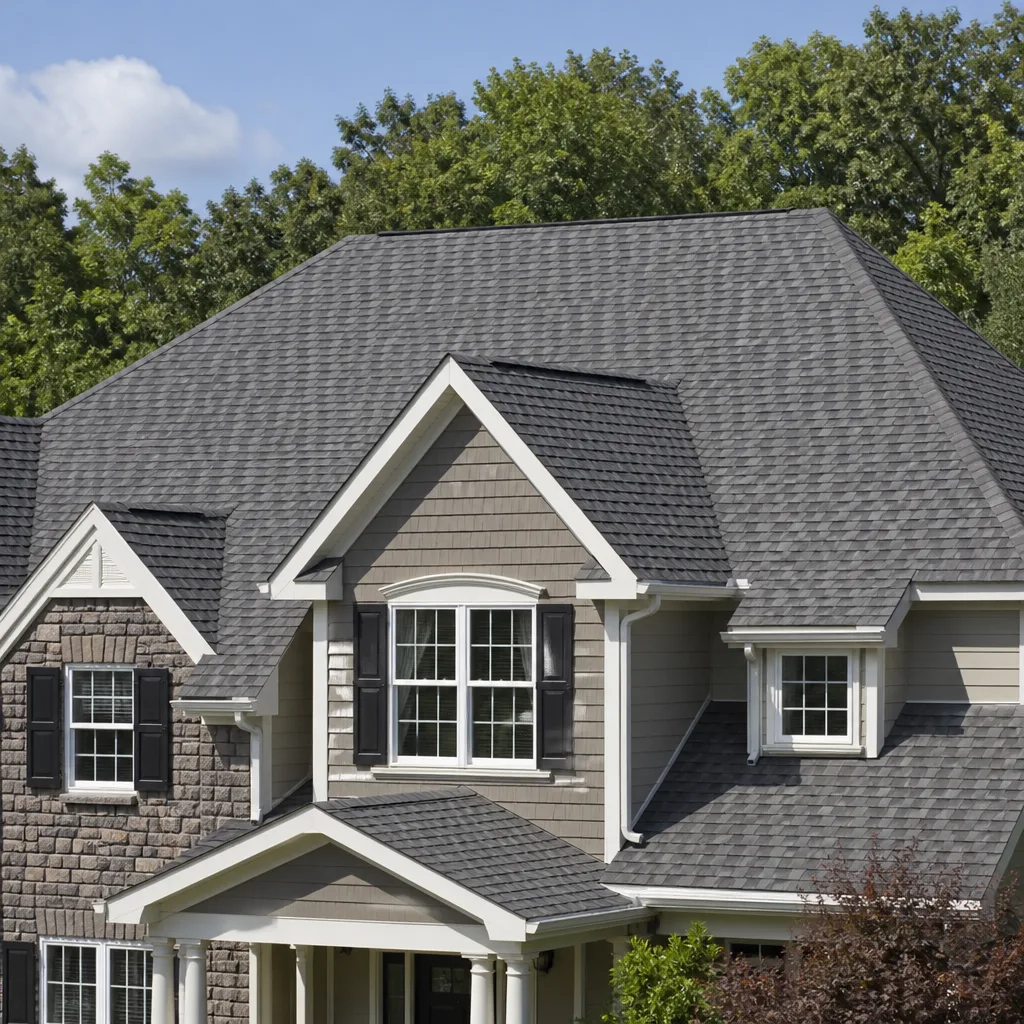
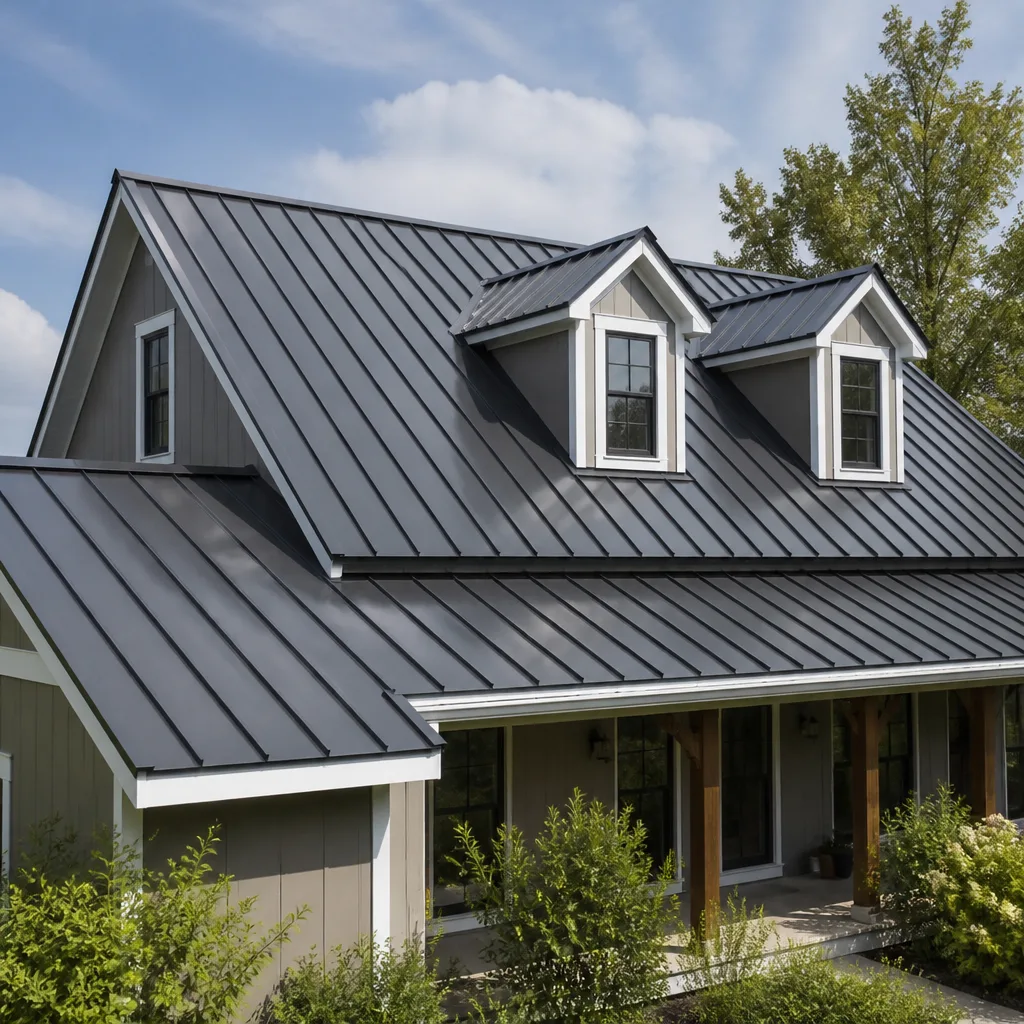
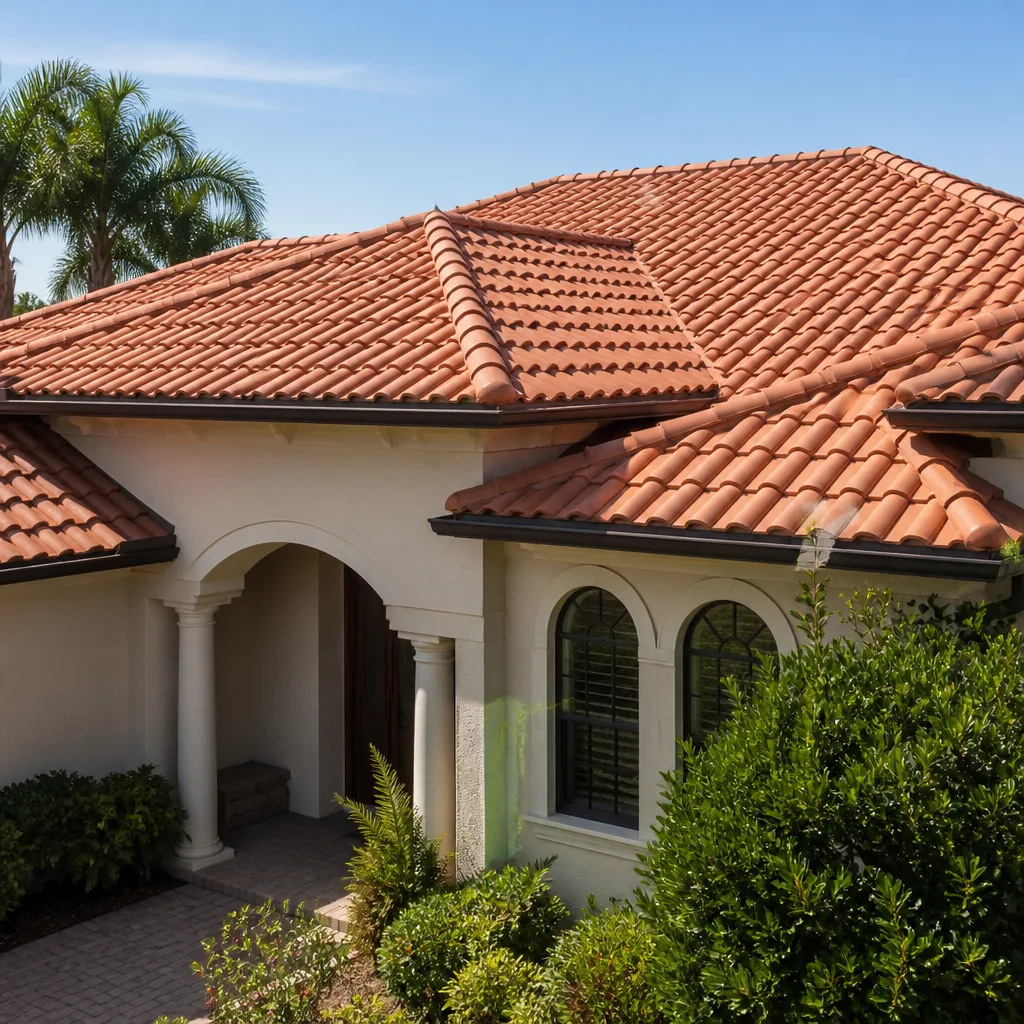
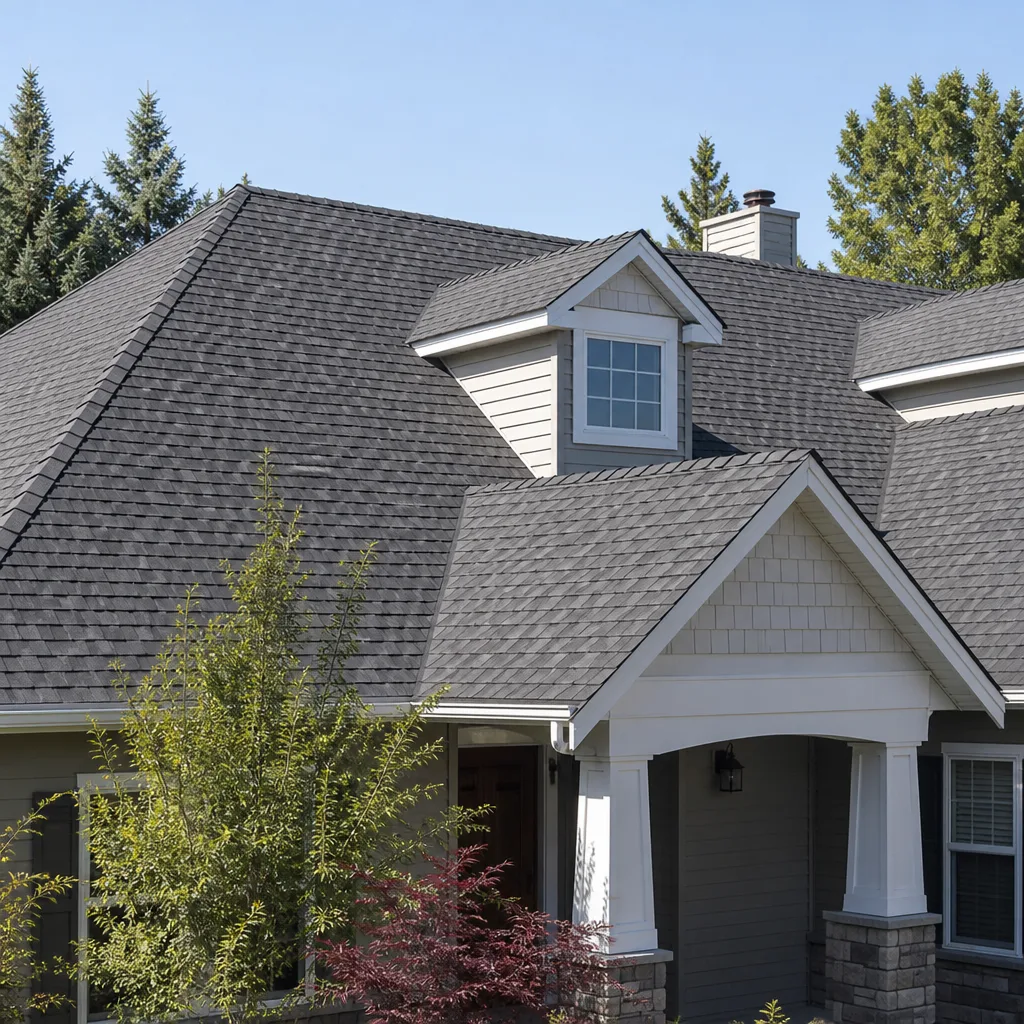
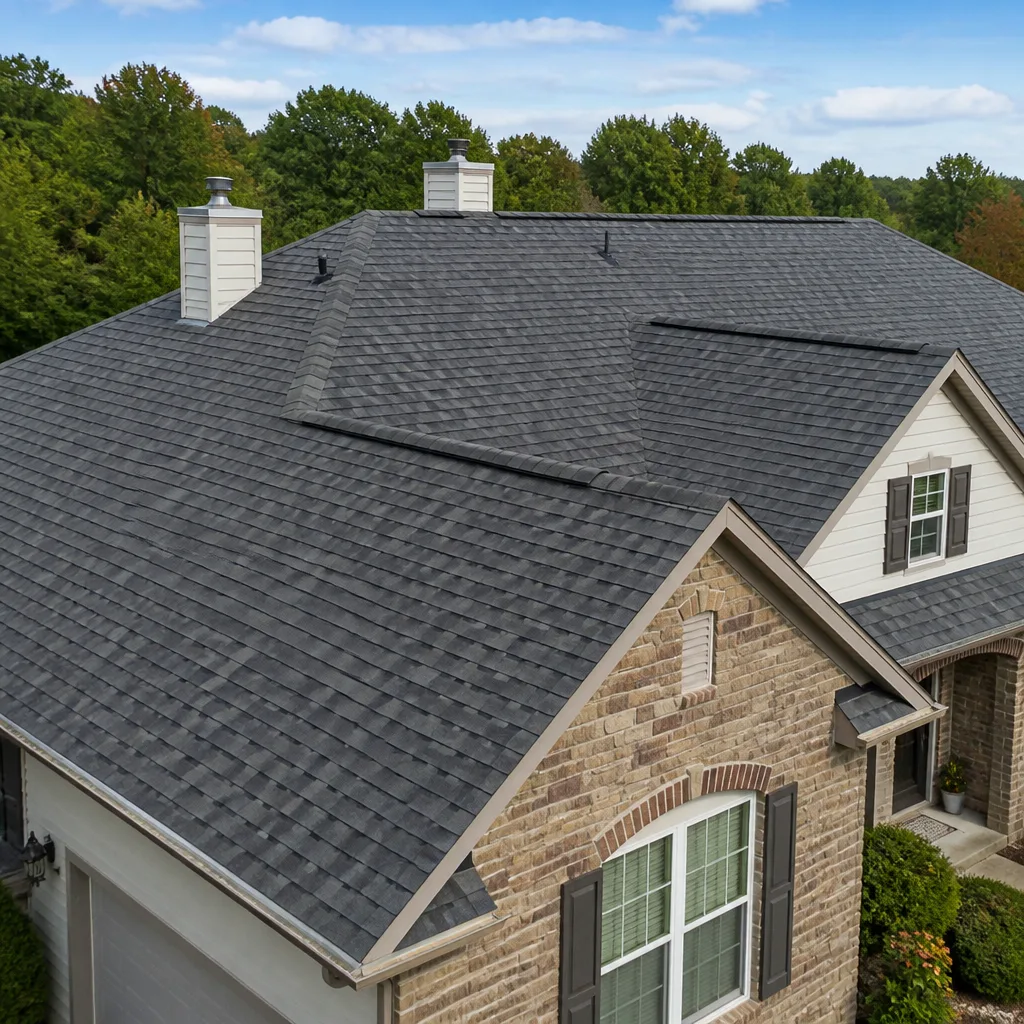
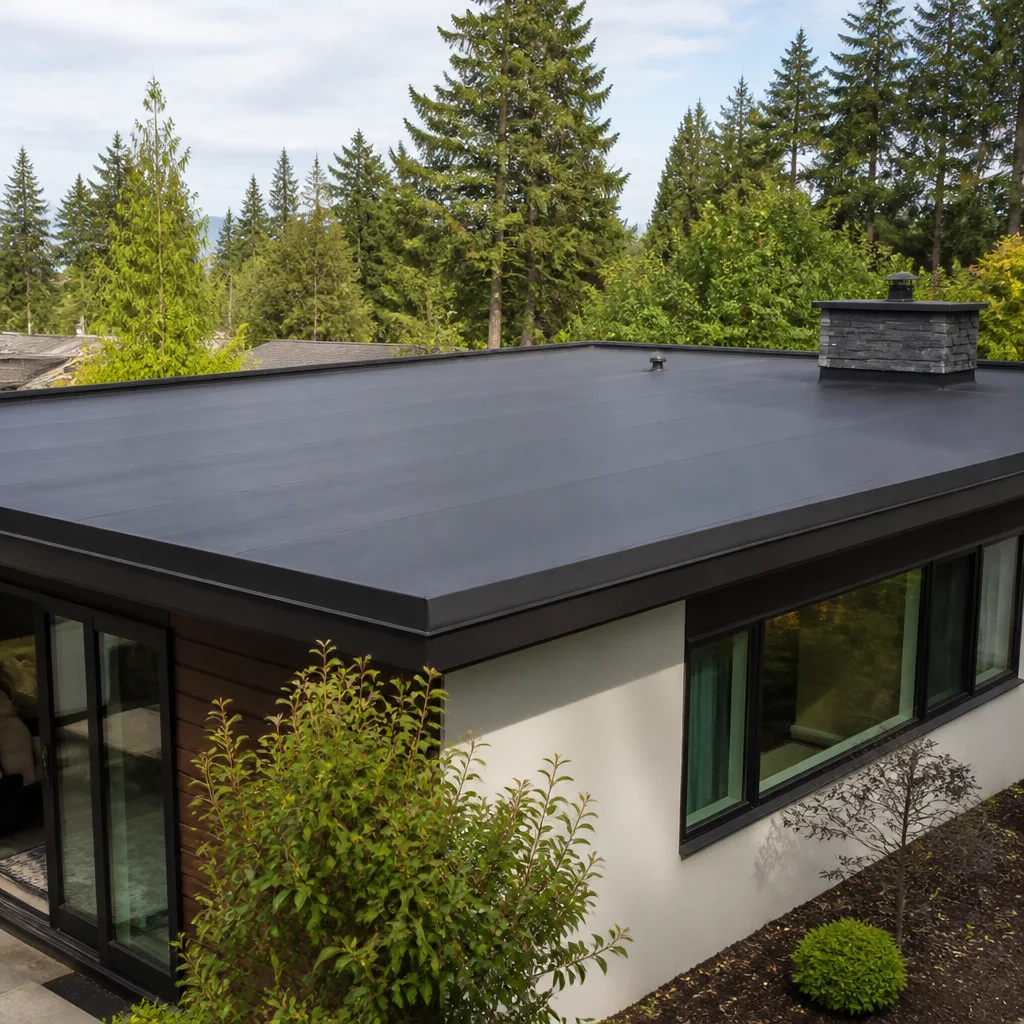
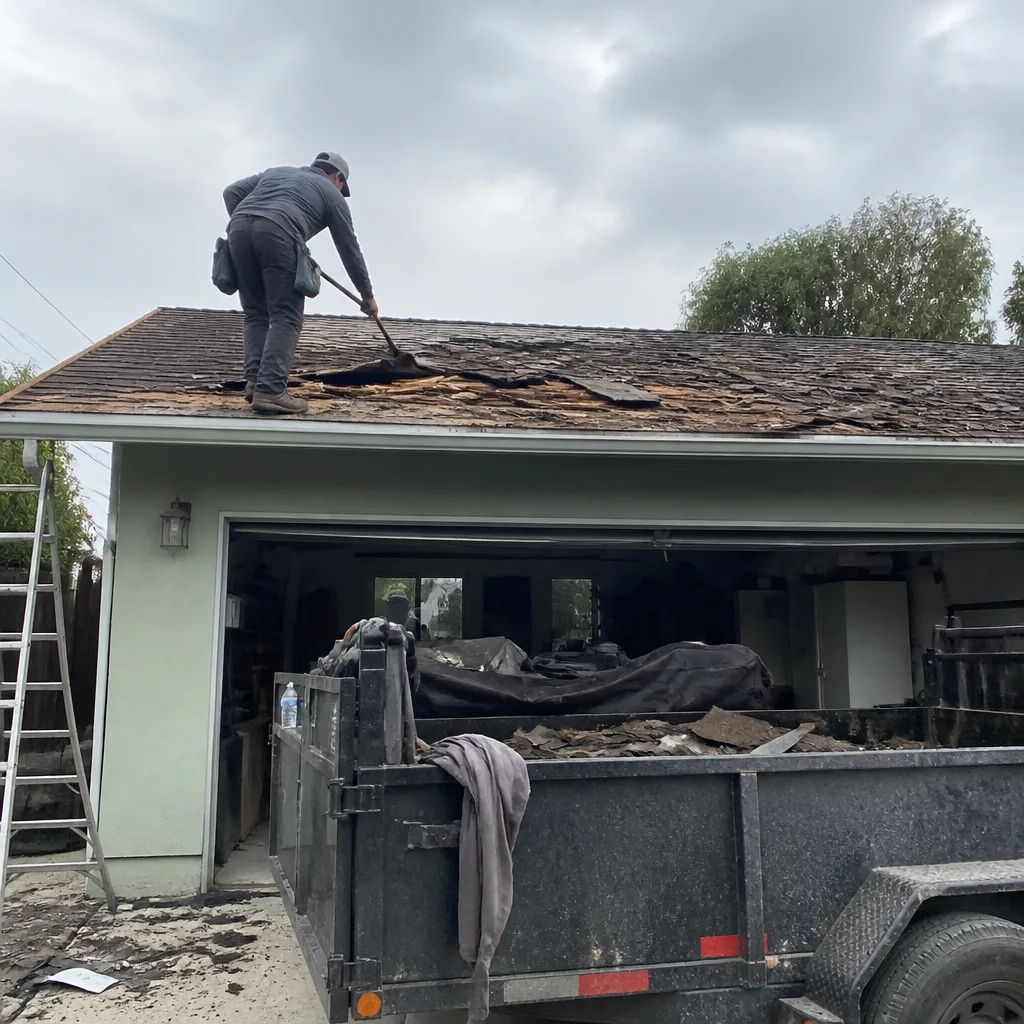 Before
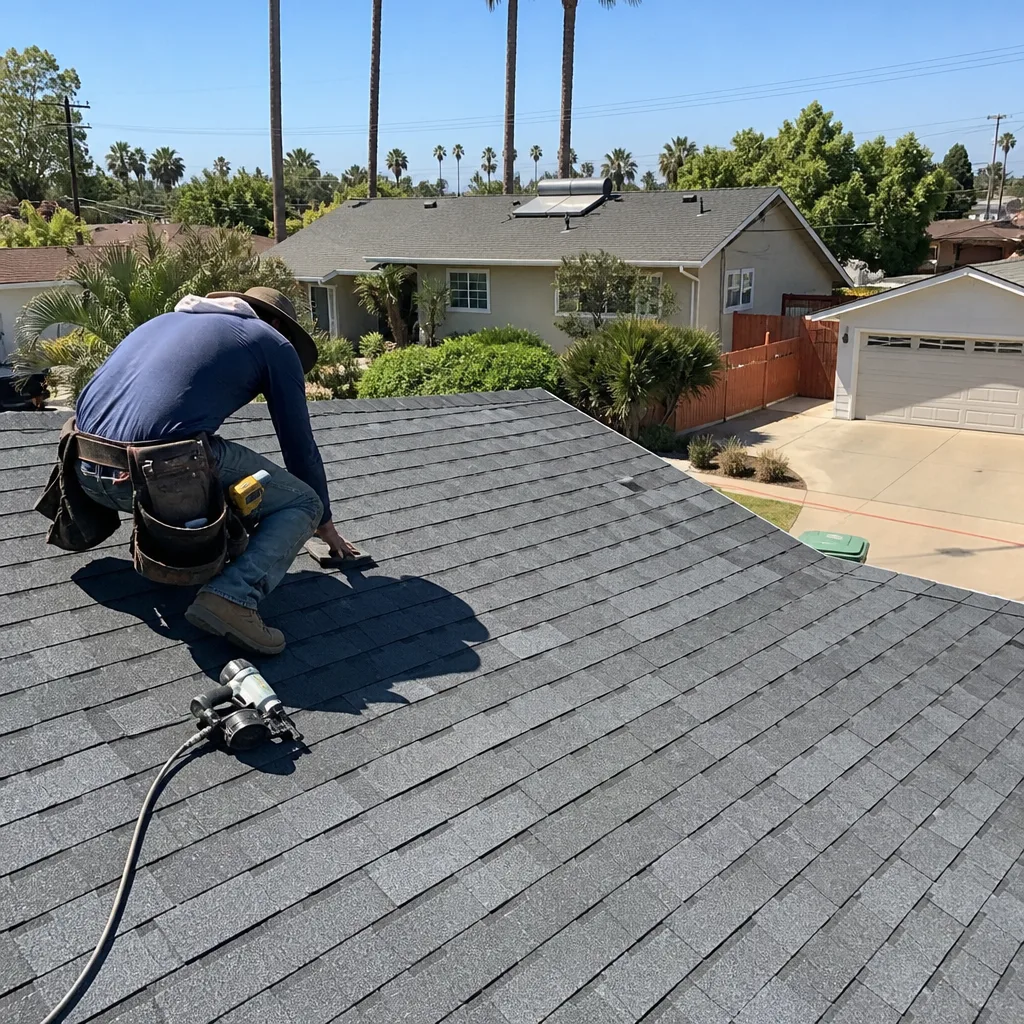 After
After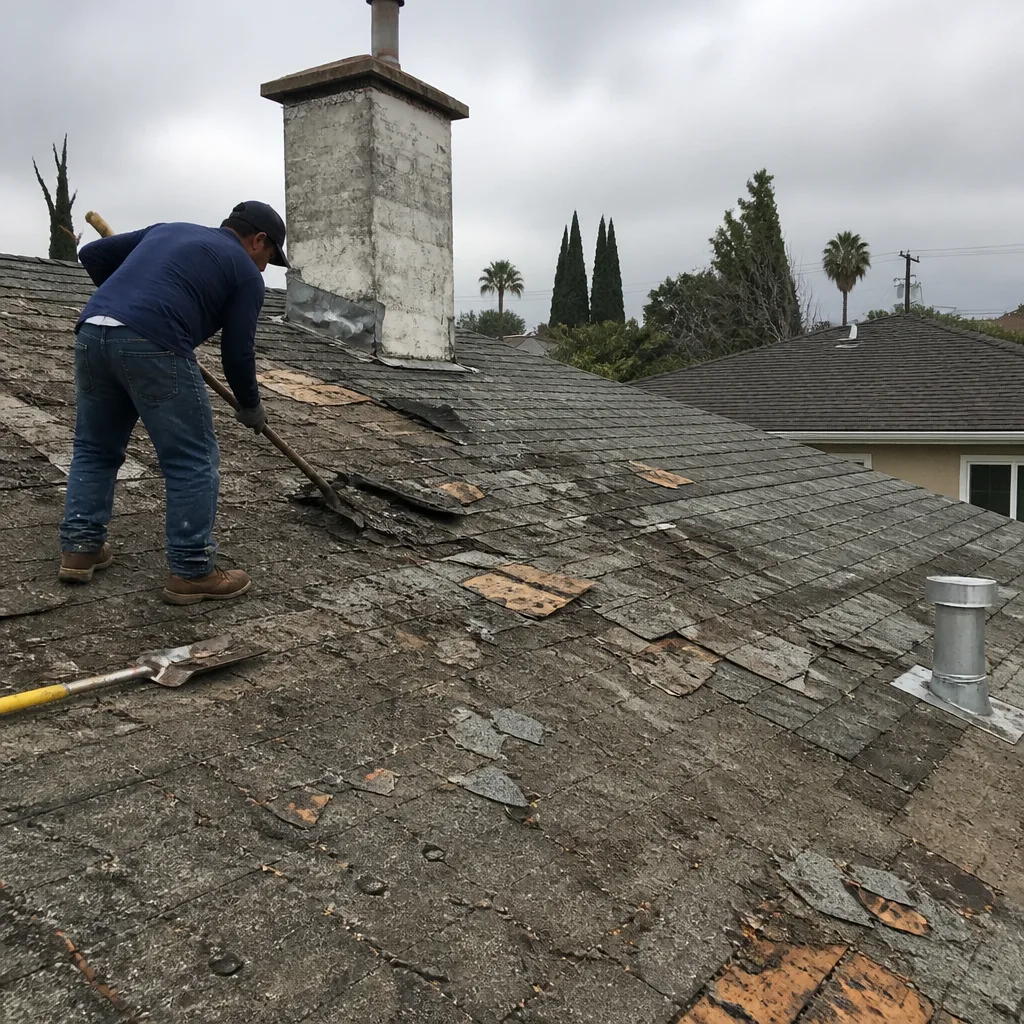 Before
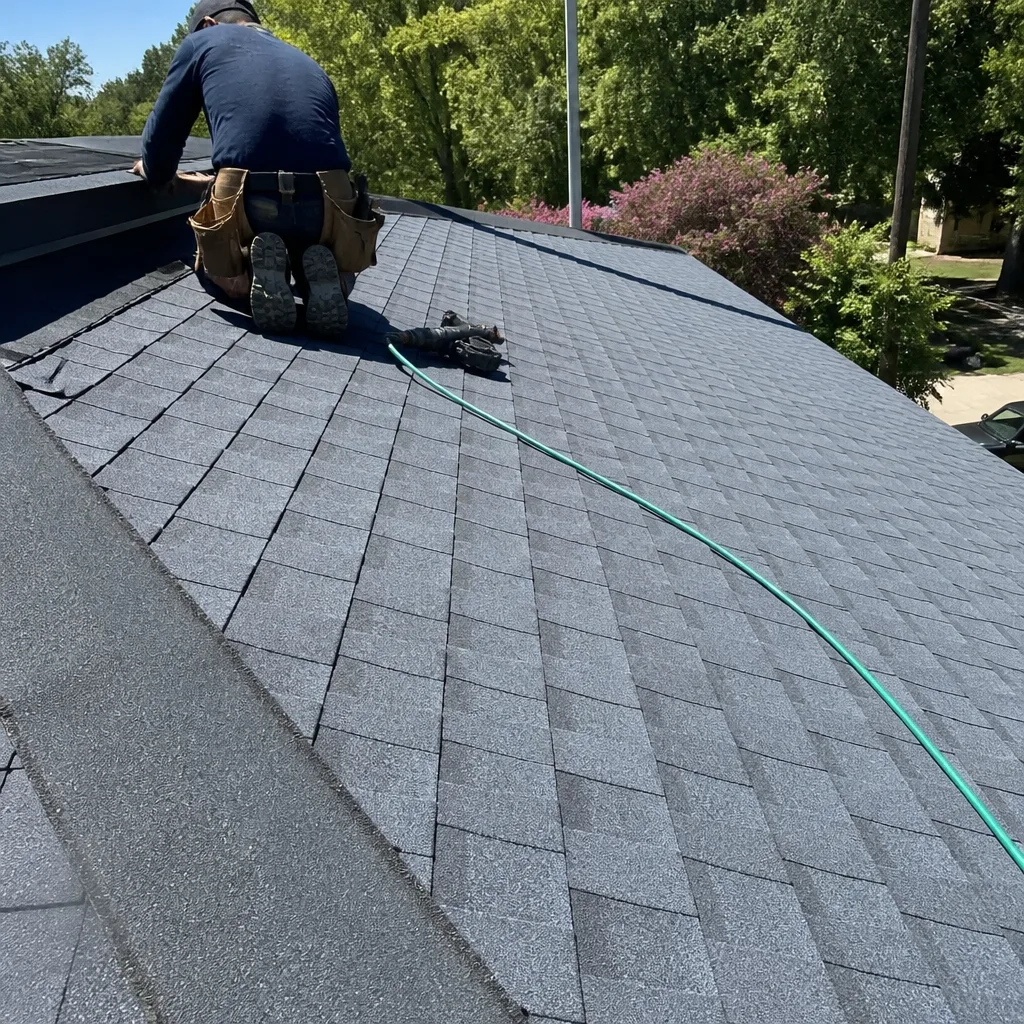 After
After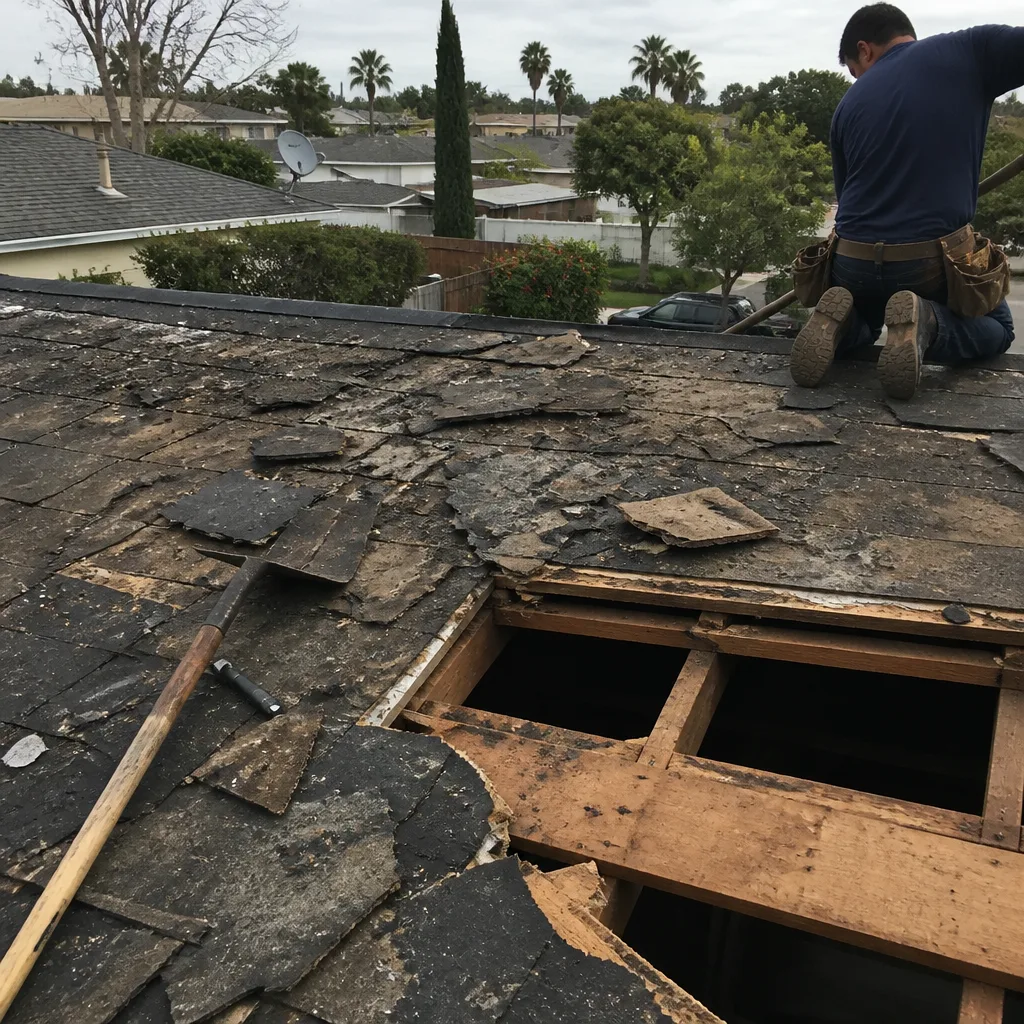 Before
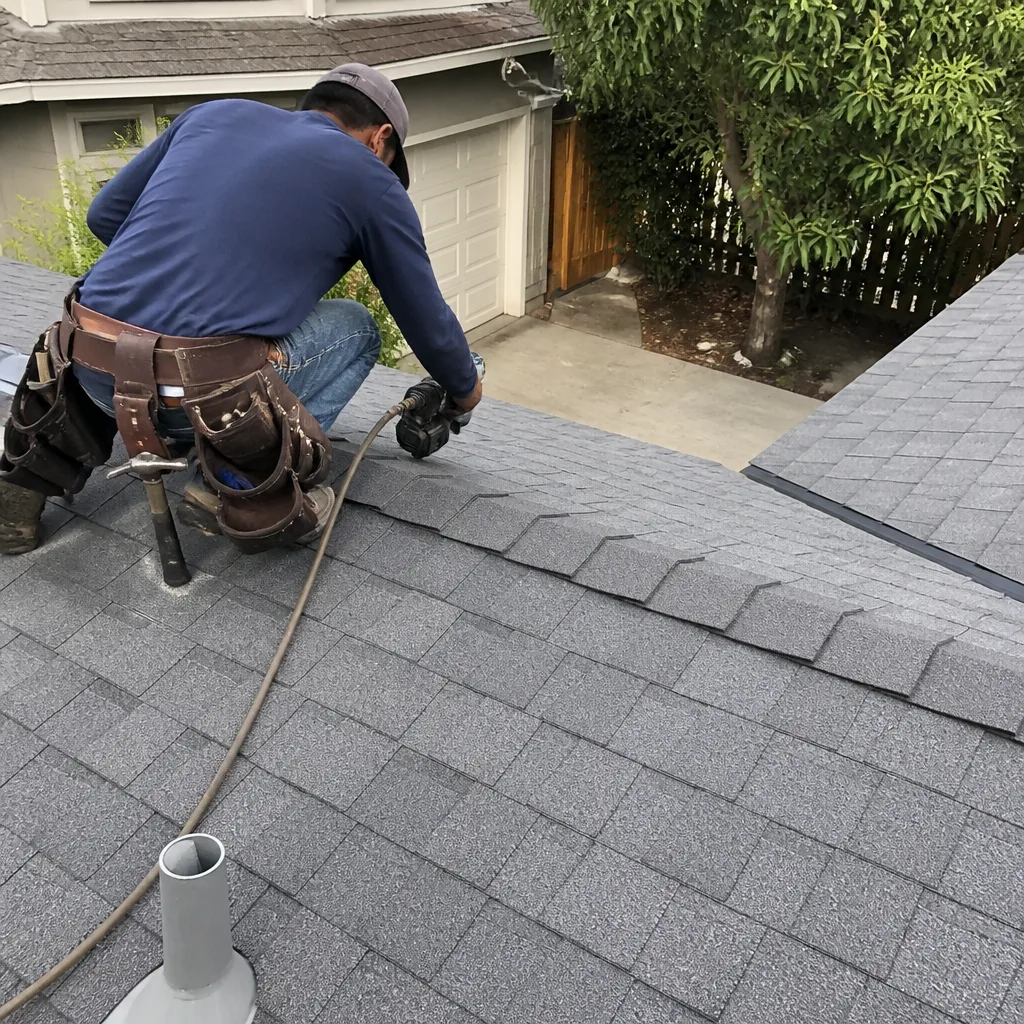 After
AfterHow Long Does Roof Inspection Take? Timelines and What to Expect
A roofer who inspects your 2,200-square-foot home in 12 minutes and hands you a handwritten note did not inspect your roof. A legitimate inspection of that same Los Angeles home takes 45 to 75 minutes on the roof alone, and the total time from arrival to a written report should run closer to two hours. If you’re wondering what to expect, see How Long Does Roof Repair Take? Timelines and What to Expect for related timelines. This guide breaks down both halves of the inspection clock: what happens on site, and what has to happen afterward for the inspection to be worth the paper it’s written on. Every homeowner should know what those minutes actually buy.
Quick Answer
A proper roof inspection takes 45 to 75 minutes of physical examination on the roof, plus 20 to 30 minutes in the attic and at ground level, for a total of roughly 90 minutes to two hours on site. A written inspection report should follow within 24 to 48 hours. If a roofer finishes the roof portion in under 30 minutes without documenting what they found, treat the inspection as incomplete.
Table of Contents
- The Two Clocks: On-Site Time vs. Report Time
- Time Breakdown by Zone: Where the Minutes Go
- How Roof Size and Type Change the Timeline
- Shortcuts That Cut Inspection Time Illegitimately
- Free Courtesy Inspection vs. Paid Diagnostic Inspection
- What the Written Report Should Contain and How Long It Takes
- Using the Inspection Timeline as a Quality Signal
The Two Clocks: On-Site Time vs. Report Time
Most homeowners think of a roof inspection as a single event. Driveway to driveway. A truck pulls up, a person climbs a ladder, they look around, they climb down, they leave. That clock is important, but it’s only half the story. The second clock starts the moment the inspector’s boots hit the ground. That’s when measurements get checked, photos get sorted, and the findings get turned into something a homeowner can actually use.
We’ve seen too many Los Angeles homeowners evaluate roofers entirely on the first clock and completely ignore the second. That’s a mistake. An inspector who spends 90 minutes on the roof and then hands you a business card with a number scrawled on the back did not deliver an inspection. They delivered a sales call. The written report is the deliverable. If there’s no report, there was no inspection, no matter how long the ladder was up.
The reason this matters in Los Angeles specifically comes down to the housing stock. Flat roofs, clay tile roofs, Spanish-style homes with multiple roof planes, hillside homes with difficult access. These are not simple gable roofs that can be read from the curb. They take time to walk properly, and they take time to document properly. A quick walk and a verbal summary is not how a disciplined roofing company operates. That’s why our Roof Inspection services include full documentation every time.
Time Breakdown by Zone: Where the Minutes Go
A legitimate roof inspection is not one continuous walk around the roof. It’s a series of deliberate passes over specific zones. Each zone has its own failure patterns, and a disciplined inspector spends a predictable amount of time on each one. Here is where the minutes go on a typical 2,000 to 2,500-square-foot Los Angeles home.
- The field (10-15 minutes): The main roof surface, whether that is asphalt shingles, tile, or rolled roofing on a flat section. The inspector is looking for lifted shingles, cracked tiles, blistering, granule loss, and any sign that the roof deck is flexing underfoot.
- Penetrations (10-15 minutes): Every pipe boot, vent stack, skylight, chimney, and roof-mounted HVAC unit. Penetrations are where the vast majority of leaks start. Each one needs to be examined from multiple angles, and the sealant around each one needs to be tested by look and by light touch.
- Flashing (10-15 minutes): The metal or membrane strips where the roof meets a wall, a chimney, or another roof plane. Flashing is the second most common leak source. The inspector should check step flashing, counter-flashing, valley flashing, and drip edge. In older Los Angeles hillside homes, we routinely find valley flashing that was installed decades ago and has been holding water against the decking since.
- Edges and eaves (5-10 minutes): Drip edge, gutters, and fascia boards. The inspector is looking for sagging gutters, separated drip edge, and any sign that water is running behind the gutter rather than into it.
- Attic interior (15-20 minutes): This is the step that separates a real inspection from a curb-level look. The inspector enters the attic and checks the underside of the decking for water stains, mold, dark streaks, and daylight coming through. They also check the venting system. A roof that looks fine from above can be rotting from below, and the only way to see it is to get into the attic.
- Ground-level perimeter (10-15 minutes): A walk around the house looking at the roofline from below, checking for sagging, checking the condition of the fascia, and looking at how the roof meets the walls at the eaves. This is where the inspector sees the roof the way rain sees it.
That’s 60 to 85 minutes of active inspection work, plus time to set up, move the ladder, and put tools away. The total comes to roughly 90 minutes to two hours. Any roofer who does the entire job in 30 minutes is skipping at least two of those zones, and usually it’s the attic and the flashing.
How Roof Size and Type Change the Timeline
Not every roof inspection takes the same amount of time. Los Angeles has a wide mix of roof styles, and the clock changes meaningfully depending on what’s overhead. Here’s a realistic breakdown.
Small homes and condos (800 to 1,200 square feet)
These roofs are simpler. One or two planes. Maybe a single chimney. The field walk takes less time because there is simply less field. You can expect 35 to 50 minutes on the roof and 15 minutes in the attic, for a total of roughly an hour on site. Even on a small roof, the inspector should still walk every plane and check every penetration. Small does not mean quick. It means fewer square feet to cover, not fewer things to find.
Mid-size suburban homes (1,800 to 2,500 square feet)
This is the bread-and-butter inspection in Los Angeles. Multiple roof planes, valleys, at least one chimney or plumbing stack, and usually one or two skylights. The 45 to 75 minute on-roof estimate applies here. The valley flashing takes real time to check properly because the inspector needs to lift the shingle edges carefully and look for rust, separation, or trapped debris. A rushed valley inspection is a missed leak.
Large or complex homes (3,000 square feet and up)
Hillside homes, Spanish colonials, anything with turrets or multiple additions. These inspections can take two hours or more on the roof alone. Multiple rooflines mean multiple transition points, and every transition is a potential failure. Tile roofs in particular slow the clock down. Tile must be walked carefully to avoid cracking it, and the inspector has to visually check the underlayment at the eaves without disturbing the tile. That takes patience.
Flat and low-slope roofs
Flat roofs are common in mid-century Los Angeles neighborhoods like Silver Lake, Echo Park, and the Valley. They require a different inspection approach. The inspector is looking at membrane condition, seam integrity, ponding water, and the condition of the flashing at the parapet walls. A flat roof inspection of a 1,500-square-foot home typically takes 45 to 60 minutes on the roof plus attic time, because the inspector has to check the entire membrane surface for cracks, splits, and soft spots that indicate trapped moisture underneath.
Shortcuts That Cut Inspection Time Illegitimately
Here’s the part where we name the shortcuts. Homeowners can’t always see what’s happening on their own roof, but they can recognize the signs that shortcuts were taken. And in Los Angeles, where roofing competition is fierce and a certain percentage of contractors are working out of the back of a truck, knowing the shortcuts matters.
- Skipping the attic. This is the single most common shortcut. The inspector stays on the roof, never enters the house, and leaves without ever seeing the underside of the decking. A roof inspection without an attic check is a half-inspection. You should ask directly: “Did you go into the attic?” If the answer is no, ask why.
- Not walking the full perimeter. Some inspectors stand in one spot and rotate. Others walk half the roof and declare the rest fine. A roof has to be walked, plane by plane, to be inspected properly. If the ladder only went up in one spot, the inspection was a spot check, not an inspection.
- Not lifting flashing. Flashing can look fine from above and be rusted through underneath. A rushed inspector glances at the flashing without lifting the shingle edge or checking the sealant bead. This takes seconds per section, but seconds add up, and skipping them misses the leak that’s been slowly dripping into the decking since the last rainy season.
- The “binocular inspection.” This happens more than you’d think: a roofer stands in the driveway with binoculars, looks at the roof from the ground, and hands you an estimate. That is not an inspection. That is a viewing. No legitimate roofer writes a roof condition report from the curb.
- Verbal-only findings. If the inspector tells you what they found but doesn’t write anything down, the inspection has no value. A verbal summary cannot be compared against another roofer’s findings, cannot be used as documentation for insurance, and cannot be held accountable six months from now when the leak appears.
- No photos. A real inspection report includes photos of the specific areas that need attention. If the roofer left without a camera, they left without doing the job. Photos of your actual roof, not stock photos from a website.
Free Courtesy Inspection vs. Paid Diagnostic Inspection
There are two kinds of roof inspections available to Los Angeles homeowners, and they serve different purposes. Understanding the difference will save you from being sold a roof you don’t need, or from paying for a diagnosis that was never done.
The free courtesy inspection
Most roofing companies offer a free inspection. It’s a business development tool: the company comes out, looks at the roof, and gives the homeowner an honest assessment of the roof’s condition. A good free inspection should take 45 to 75 minutes on the roof and result in a clear verbal summary plus a written estimate if work is needed. The report might be simpler than a paid inspection report, but it should still be specific. “Your roof is fine” is not an inspection result. “Your flashing at the northeast chimney is separating and the shingles on the west slope have roughly 5 years of life remaining” is an inspection result.
The free inspection is the right choice when you haven’t had any problems and you want to know where your roof stands, or when you’ve just bought a home and want a baseline. As part of the Garrison Standard, we do free inspections the same way we do paid ones: same checklist, same attic visit, same documentation, written price before any work starts. The free inspection is a chance to prove the standard, not a chance to chase a sale.
The paid diagnostic inspection
A paid diagnostic inspection is different. This is what you need when you have an active leak, a specific problem, or a dispute with an insurance company. A diagnostic inspection is more surgical. The inspector spends the same amount of time on the roof, but the focus is on finding the specific source of a specific problem. That might mean water-testing a suspect area, pulling up a section of shingles to check the underlayment, or running a moisture meter over the decking.
In Los Angeles, a paid diagnostic inspection typically costs between $150 and $400 depending on the complexity of the roof and the problem being diagnosed. That money should buy documentation: photos, measurements, a written description of the problem, and a recommended scope of repair. If a roofer charges for a diagnostic and then hands you a verbal summary, you haven’t been given what you paid for.
Companies like Brennan Roofing handle this differently as a matter of policy. We don’t charge for inspections, and we don’t charge for the diagnosis before we tell you what we found. The price goes on paper before any work starts. That’s the Garrison Standard at work: the homeowner gets the information first, and then decides what to do with it.
What the Written Report Should Contain and How Long It Takes
After the inspector leaves, the report clock starts. A thorough inspection produces a document, and that document doesn’t write itself. A roofer who emails you a two-sentence summary 20 minutes after leaving did not write a report. They wrote a text message.
A legitimate written inspection report takes 45 minutes to two hours to produce after the on-site visit. The inspector is organizing the photos they took, matching them to the zones they inspected, and writing notes that a homeowner can act on. The report should contain:
- Date of inspection and inspector’s name. You should know who was on your roof and when.
- Scope of inspection. Which areas were examined: roof field, penetrations, flashing, gutters, attic interior, ground perimeter.
- Photos with annotations. Pictures of the actual areas, with arrows or notes explaining what to look at.
- Condition assessment by zone. Not a single overall score, but a zone-by-zone summary: roof field condition, flashing condition, penetration condition, attic condition.
- Specific findings with severity levels. “The pipe boot at the main bathroom vent is cracked. This is a minor repair now, but if left unfixed it will leak within one rainy season.”
- Recommended next steps. If repairs are needed, a written scope of work with a firm price. If no repairs are needed, a note saying the roof was inspected and is in stable condition.
- Estimated remaining life. A realistic range in years for the roof surface, if that can be determined from the inspection.
Most companies deliver a written report within 24 to 48 hours. At Brennan Roofing, the report is part of the inspection process itself, not an add-on. Our inspectors document everything on site and produce a written summary before they leave the property, with photos attached. The full report follows by email once it’s organized. The homeowner never has to chase us for the paperwork.
Using the Inspection Timeline as a Quality Signal
Here’s the practical takeaway for a Los Angeles homeowner who is comparing roofers and doesn’t have the expertise to judge an inspection by its technical content. For more guides & resources on evaluating contractors, visit our blog. You can judge it by its clock.
- Ask how long the inspection will take before you book it. The answer should be at least 45 minutes on the roof, plus attic time. If the answer is “15 or 20 minutes,” you’re dealing with someone who doesn’t inspect deeply.
- Watch where the ladder goes. It should be moved at least twice during the inspection. A single ladder position for an entire inspection means the inspector didn’t walk the full roof.
- Ask about the attic. Does the inspection include an attic check? A disciplined roofer says yes without hesitation. A rushed roofer makes an excuse.
- Ask when you’ll receive the written report. The answer should be specific: “Before I leave” or “By tomorrow by email.” The answer “I’ll just tell you what I saw” is not an answer.
- Ask for photos. A roofer who took no photos took no inspection. Photos are the evidence that the time was actually spent.
These questions don’t require you to know anything about roofing. They don’t require you to go on the roof. They just require you to hold a contractor accountable for the time they claim to have spent. In our experience, the roofers who pass this test cleanly are the same ones who do the work cleanly. The clock is a surprisingly reliable tell.
Common Mistakes to Avoid
- Booking an inspection during rain. You can’t safely walk a wet roof in Los Angeles after a storm, and the inspector can’t see under flashing that’s saturated. Wait for the roof to dry. A roofer who insists on inspecting during rain is cutting safety corners, which is a red flag in itself.
- Accepting a verbal estimate without a written report. If the roofer says “your roof needs $8,000 of work” and writes nothing down, you have no way to compare that against another roofer’s findings. Written price before any work starts is the baseline standard, not a luxury.
- Inspecting only after a leak appears. By the time water is dripping into the living room, the damage behind the drywall is weeks or months old. A regular inspection, even every 24 to 36 months, catches problems before they become interior damage.
- Getting one estimate and moving forward. The timeline test works best when you can compare roofers. Two or three inspections, using the questions above, will show you the difference in discipline very quickly.
- Ignoring the attic because it’s inconvenient. The attic is not optional. Ask any roofer whether they’ll be entering the attic before you book. If they say no, find another roofer.
- Hiring based on price alone. A free inspection from a company that does a 15-minute drive-by costs you nothing today and could cost you thousands when the missed problem becomes a major repair. A free inspection from a company that spends two hours and documents everything costs you nothing and actually tells you something. Same price, different value.
When to Call a Professional
Call a roofing professional for an inspection if you notice staining on your ceiling or walls, especially after rain. Call if you see shingles or tiles in your yard. Call if your roof is 15 years old or older and hasn’t been inspected in the last two years. Call if you’re buying or selling a home and need an honest baseline. And call if you simply want to know where your roof stands before the next rainy season arrives. Roof Inspection in Los Angeles should never be deferred until there’s a problem. Brennan Roofing offers free estimates in Los Angeles, and every inspection includes the full attic check, full perimeter walk, and a written report. Call (361) 320-9467 to schedule yours.
Frequently Asked Questions
For a standard 2,000 to 2,500-square-foot home in Los Angeles, expect 45 to 75 minutes of roof inspection plus 15 to 20 minutes in the attic, for a total of roughly 90 minutes on site. The written report follows within 24 to 48 hours. A roofer who finishes faster than 30 minutes on the roof is skipping inspection zones. Call (361) 320-9467 to schedule an inspection that covers every zone.
A free roof inspection is worth exactly as much as the inspection itself. If it’s a 45 to 75 minute walk of the entire roof with attic access and a written summary, it’s a legitimate service. If it’s a 15-minute drive-by with a verbal estimate, it’s a sales call. Our free inspections follow the same checklist as paid ones, with no cost to the homeowner. Call (361) 320-9467 for a free estimate you can hold us to in writing.
It should, always. The attic tells the inspector what the roof surface can’t: whether water has been getting through, whether the decking is rotting, and whether the venting system is working. If a roofer says the attic isn’t part of the inspection, treat that inspection as incomplete. Every Brennan Roofing inspection includes an attic check without exception.
The inspector should walk the roof. A ground-level viewing from the driveway with binoculars is a viewing, not a roof inspection. Walking the roof allows the inspector to feel for soft decking, lift flashing, and examine penetrations up close. Walking a tile roof requires care to avoid cracking tiles, which is part of why a proper inspection takes the time it takes. Call (361) 320-9467 and ask us how long your specific roof will take to inspect.
Every 24 to 36 months for most homes, and after any significant storm event that brought high winds or heavy rain. Los Angeles homes with flat roofs should be inspected more frequently because ponding water causes problems faster than standard sloped drainage. If your roof is over 15 years old, annual inspections are worth the time.
A real report includes the inspection date, the inspector’s name, a zone-by-zone condition assessment, photos with annotations, specific findings with severity levels, and recommended next steps with a written price if work is needed. Reports from our inspections include everything above and are delivered to the homeowner before the inspector leaves the property, with the full organized report following by email. Call (361) 320-9467 for an inspection you can read.
The Bottom Line
A roof inspection is a two-part job: the time on the roof and the time spent documenting what was found. A legitimate inspection of a typical Los Angeles home takes 45 to 75 minutes on the roof alone, plus attic time, and produces a written report within 48 hours. If a roofer finishes faster than that without photos, an attic check, or a written summary, the inspection was incomplete. Use the clock as your test. Ask the questions. Hold the roofer to a standard, because the roof you’re standing under holds itself to one. Brennan Roofing home inspections are held to the Garrison Standard every time, and the price goes in writing before any work starts.
Contact Brennan Roofing
Brennan Roofing provides roofing installation and replacement, roof repair, and roof inspection for homeowners across Roofing Company in Los Angeles. Every inspection is thorough, documented, and free. We install materials from manufacturer lines including GAF, CertainTeed, Owens Corning, and Atlas, and every job is backed by the 365-Day Done Right Promise: if it’s not done right, we make it right, in writing, for one full year, at no charge. Our technicians are background-checked, uniformed, and answer for their work under the Garrison Code. When you need Roof Repair in Los Angeles or a full inspection, call (361) 320-9467 and you’ll reach a live person, day or night. Your written price comes before any work starts, every time.
Written by Travis Oakley, Owner at Brennan Roofing, serving Los Angeles since 2000.