
Last updated October 9, 2026
Free roof inspection with deck photos before we talk money - GAF and Owens Corning certified installation
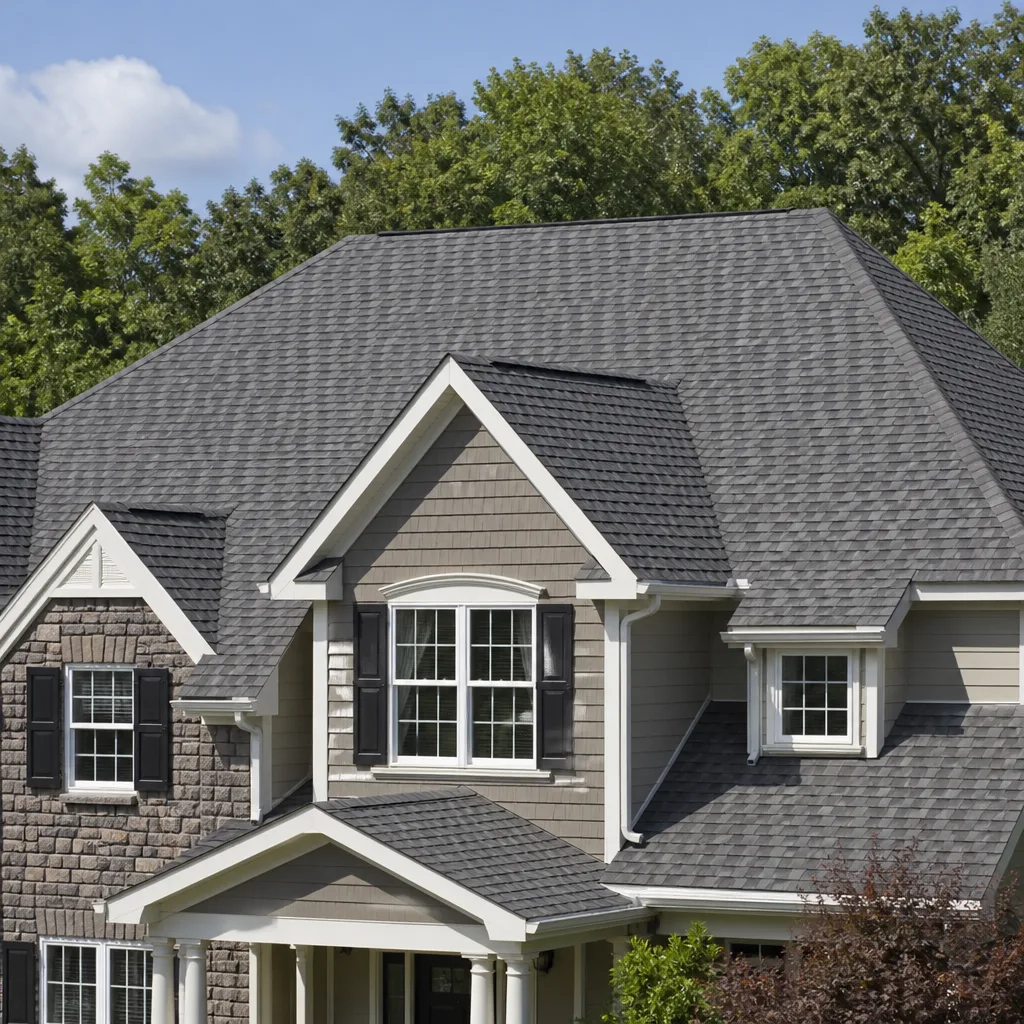
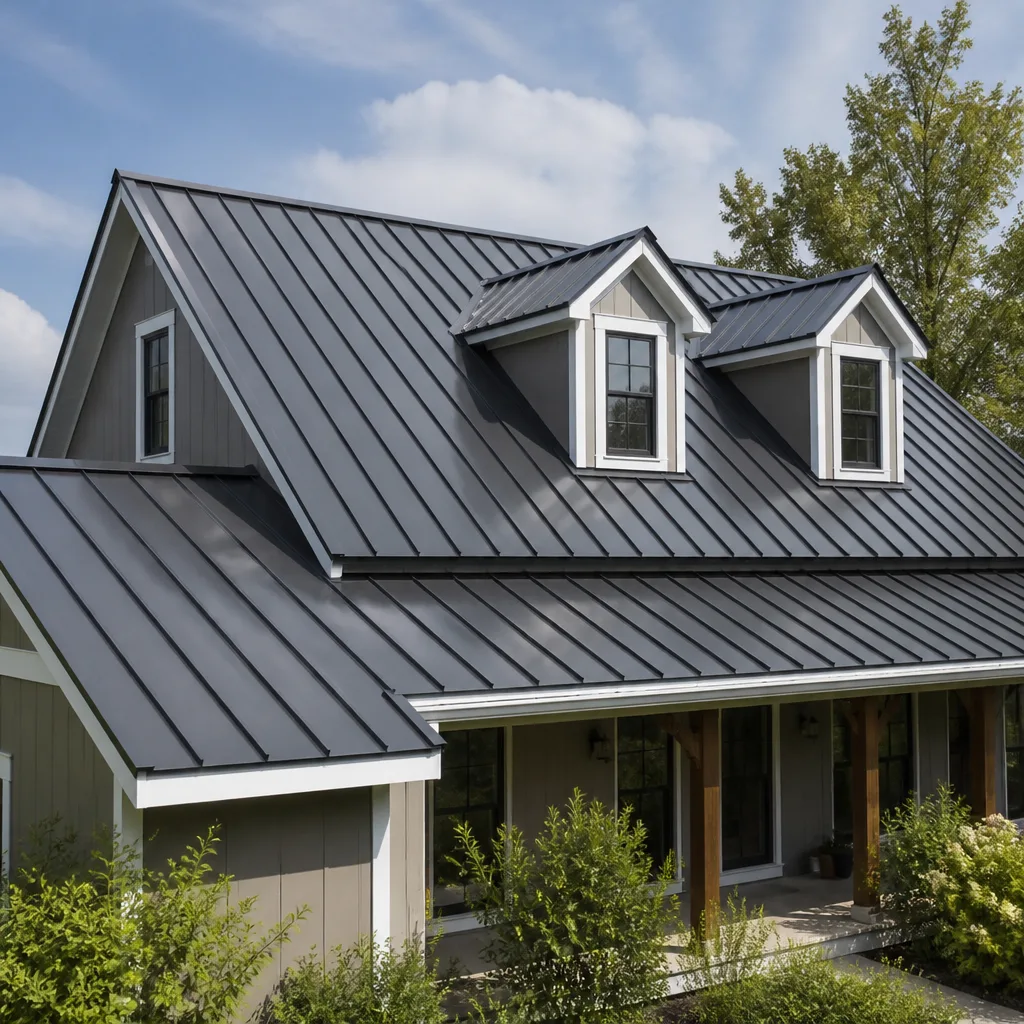
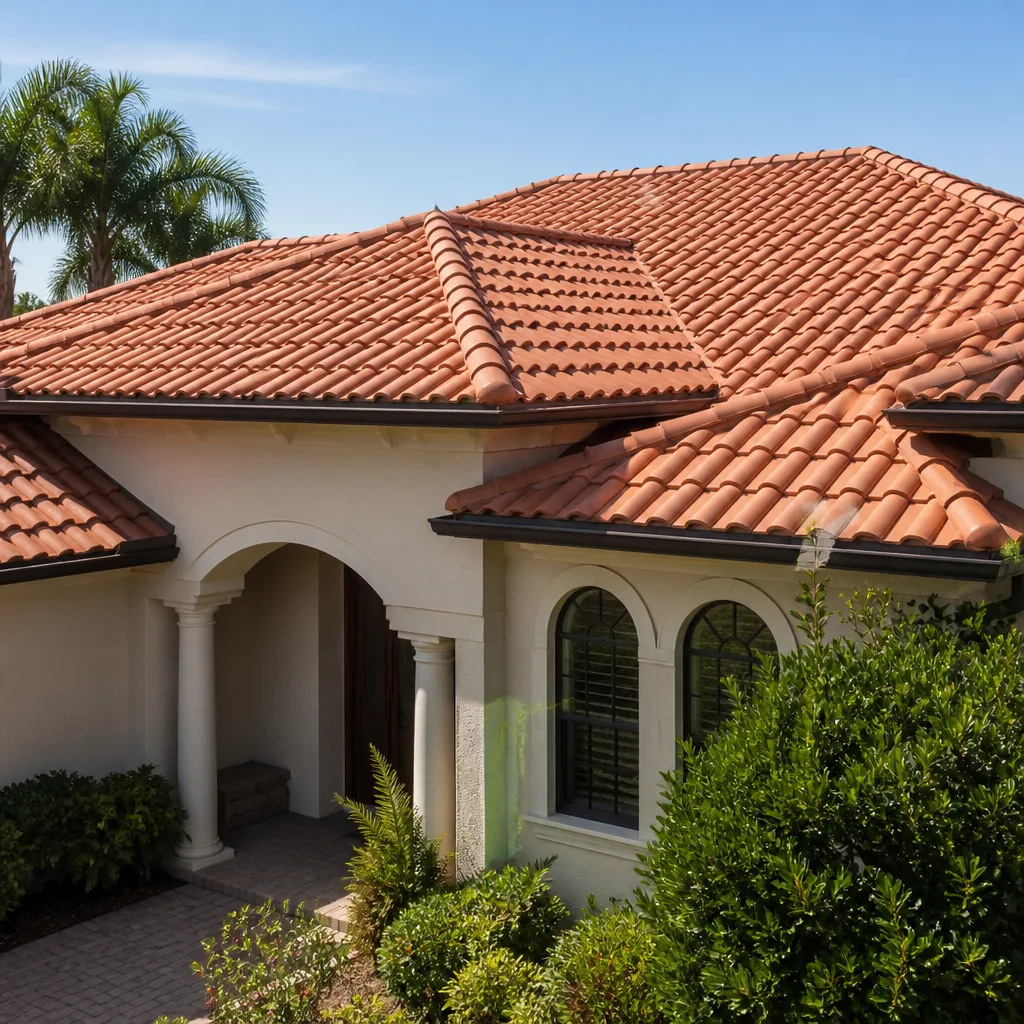
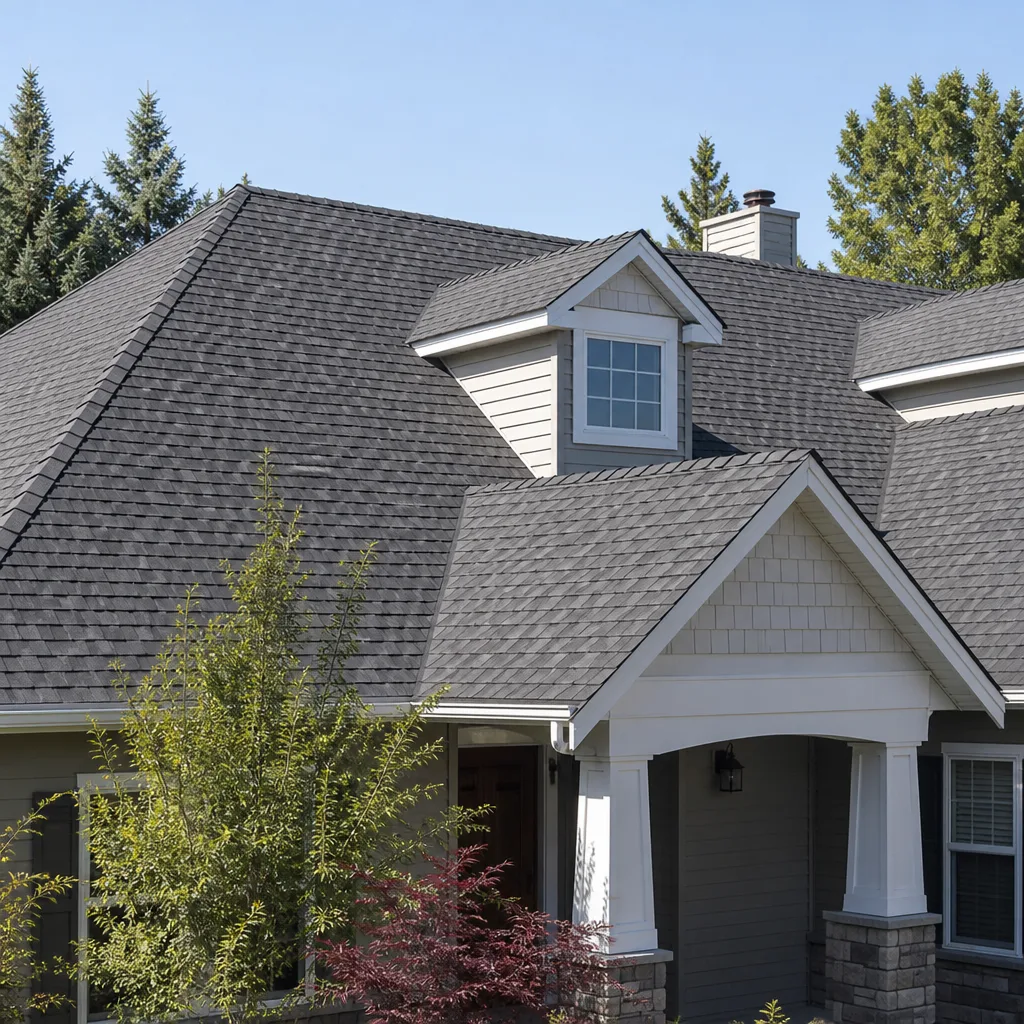
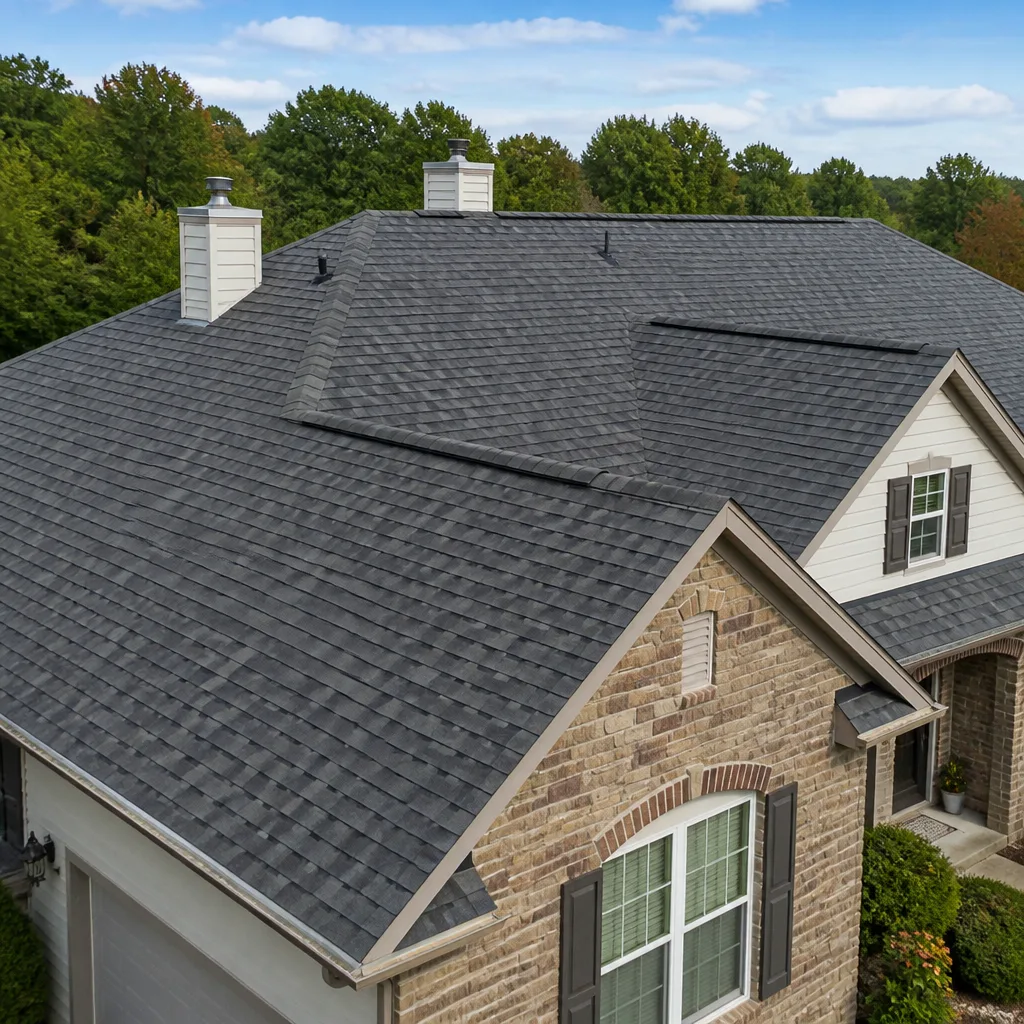
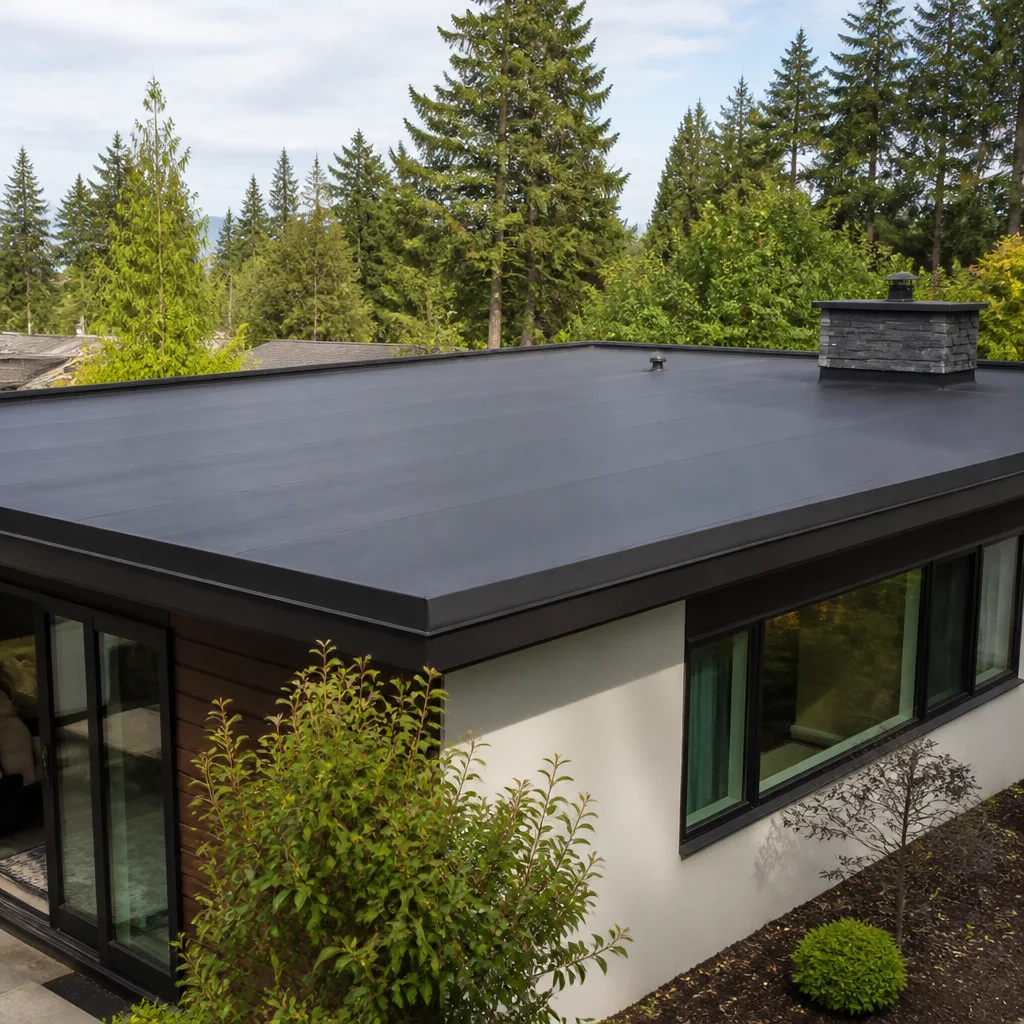
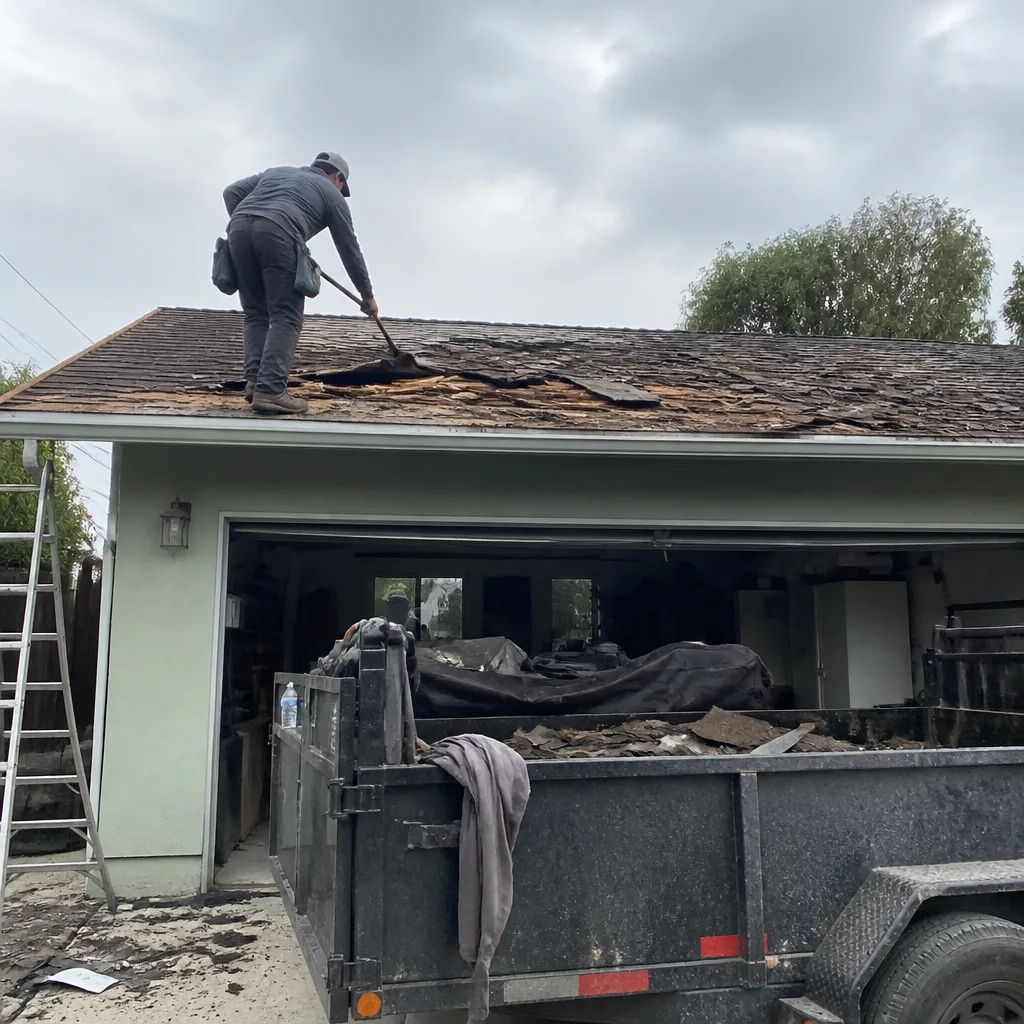 Before
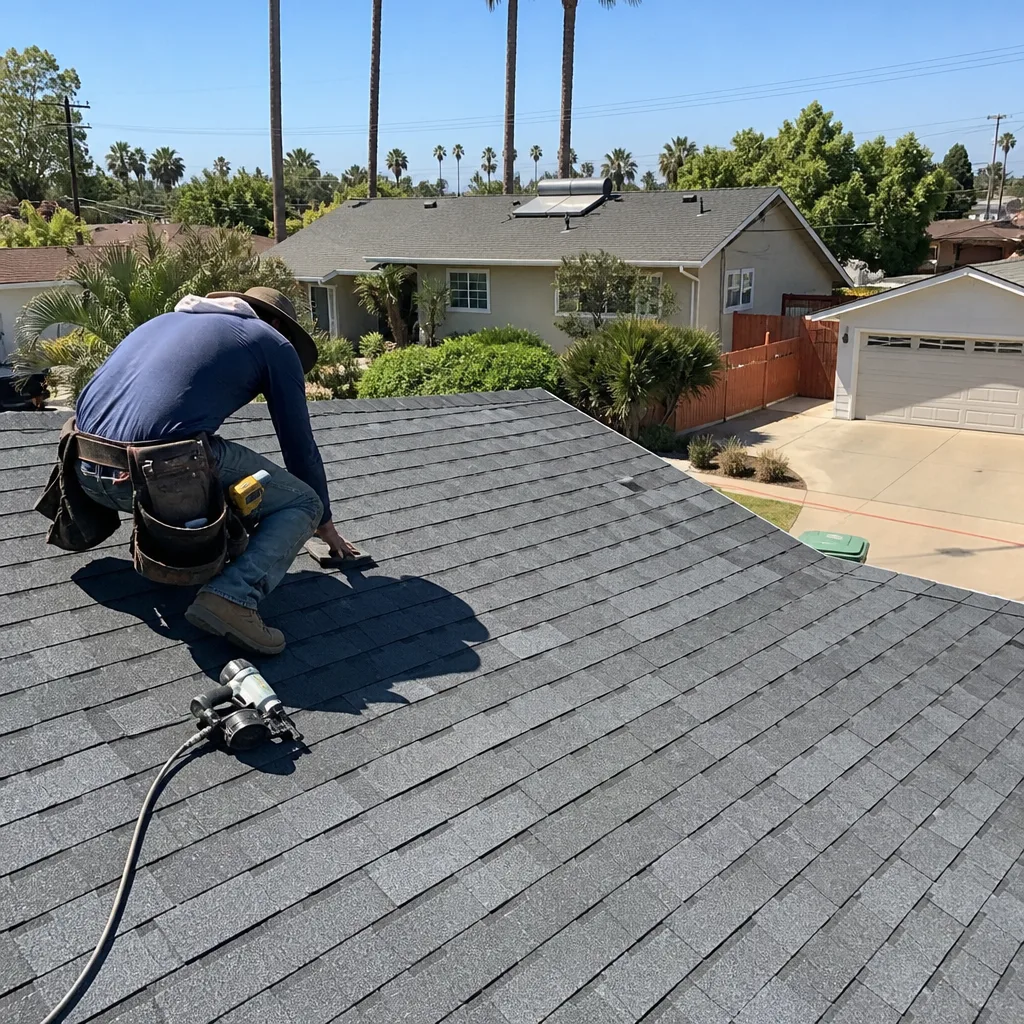 After
After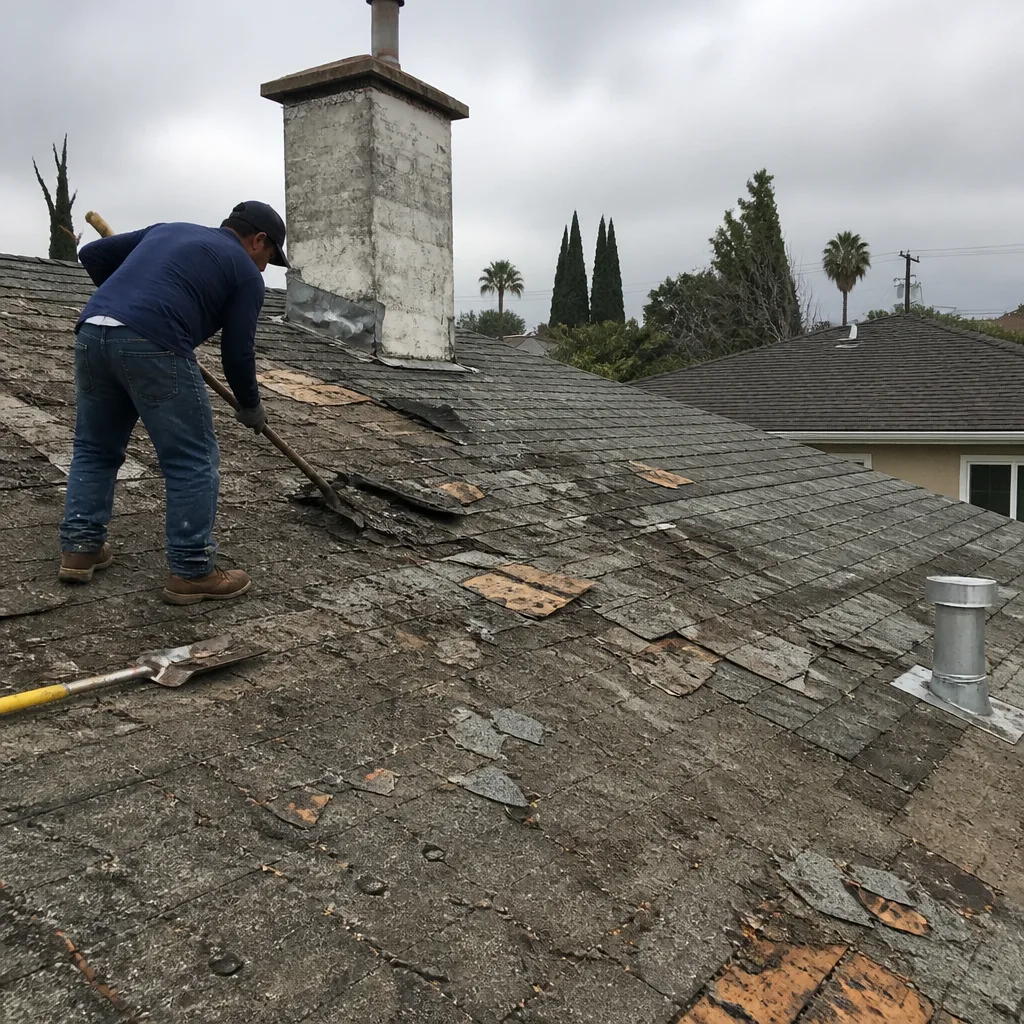 Before
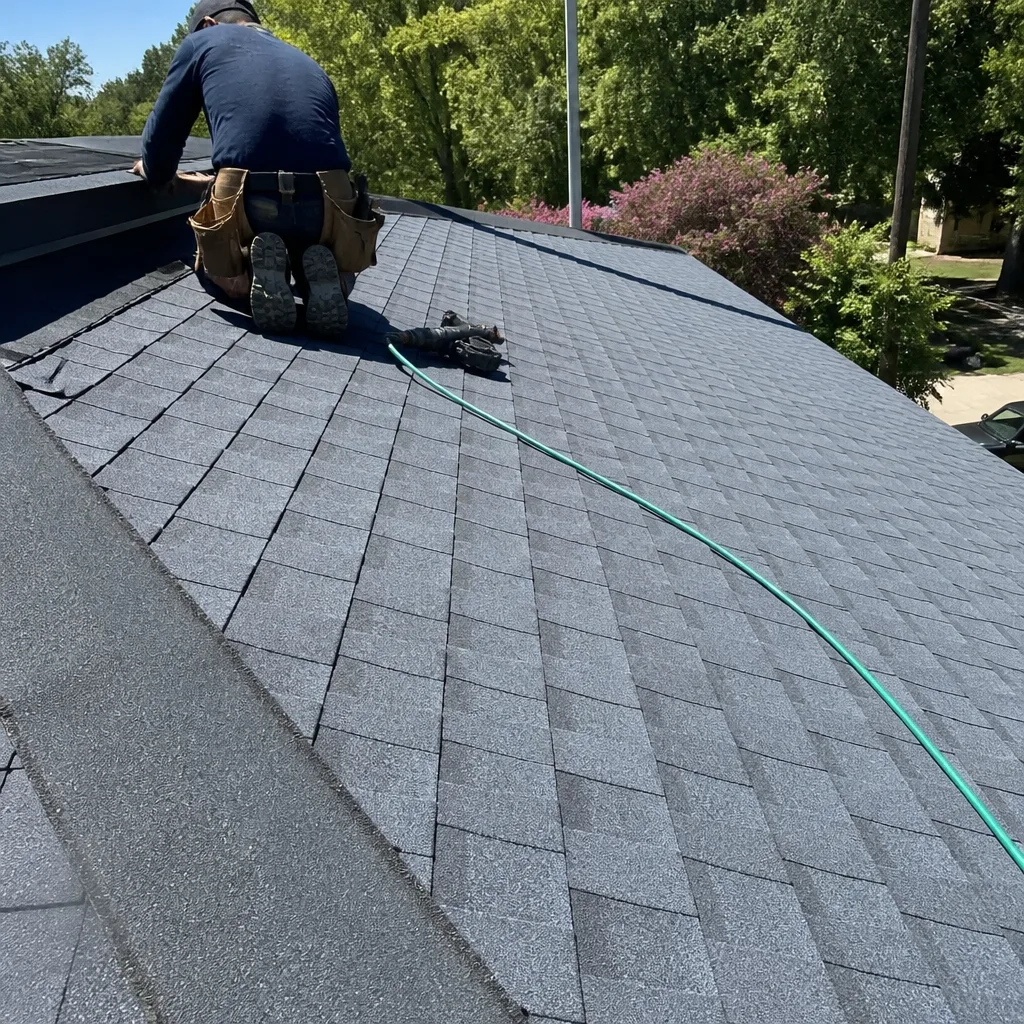 After
After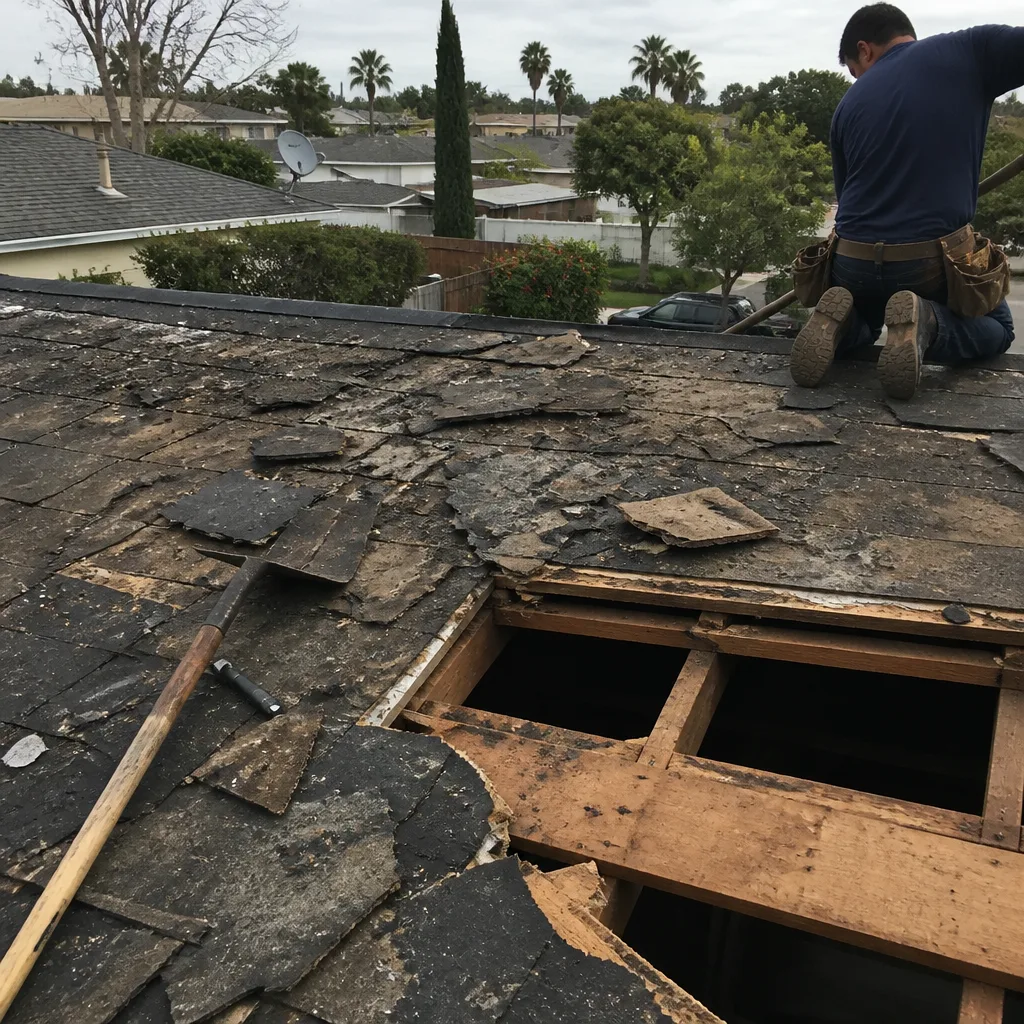 Before
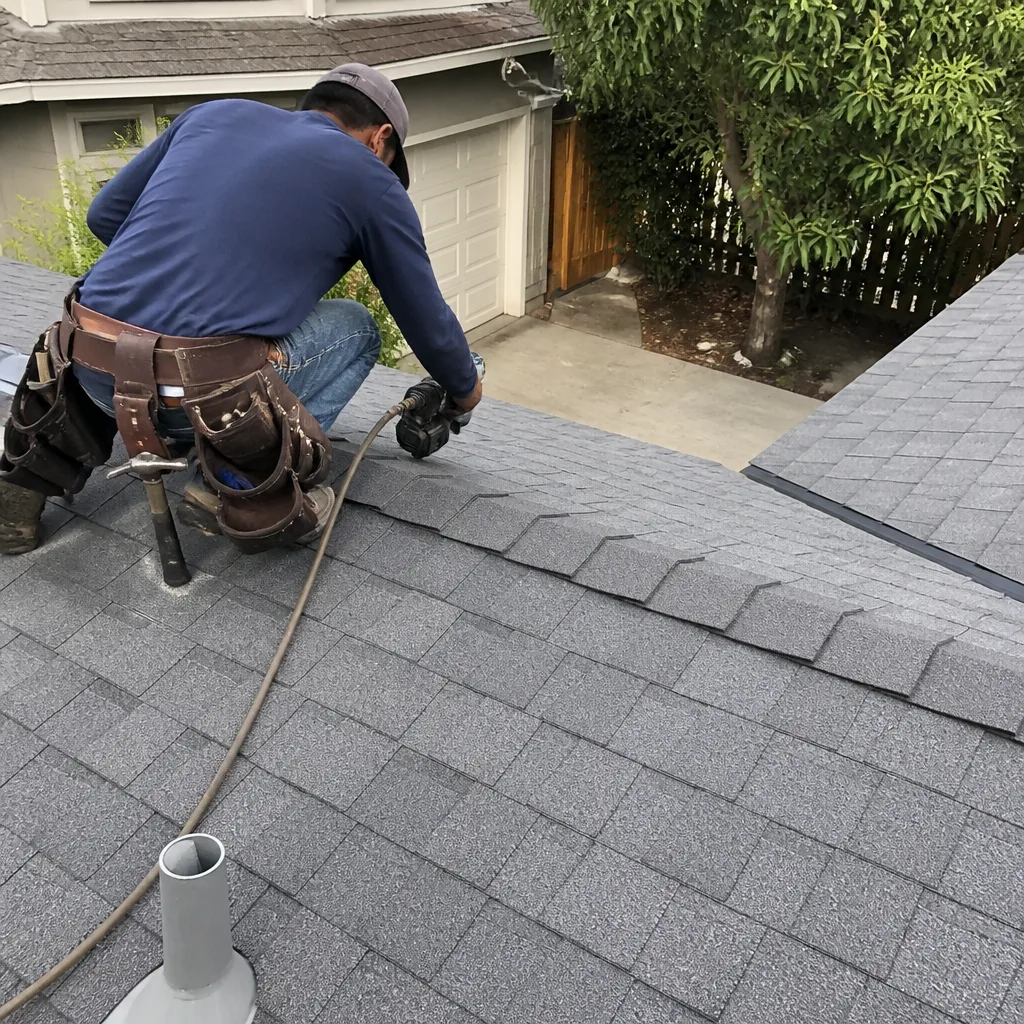 After
AfterRoofing Company Maintenance Checklist for Los Angeles Homeowners
Los Angeles recorded 47 days of Santa Ana wind events in a single recent year. That number matters because each one of those wind days lifts flashing, stress-tests ridge caps, and drives palm fronds and debris into roof valleys. A calendar-based inspection schedule that says “check your roof in spring and fall” misses every single one of those events. What actually protects a roof in Los Angeles is a trigger-based protocol: you inspect after specific events happen, not when a month flips on the calendar. This guide gives you that protocol, written from the perspective of a Roofing Company that works on Los Angeles roofs every week.
Quick Answer
The most effective roofing maintenance checklist for Los Angeles homeowners is organized around trigger events, not months: inspect after every Santa Ana wind event, after the first heavy rain of the season, every 5 years minimum, after any wildfire smoke or ash exposure, and after any contractor walks on the roof for HVAC or solar work. For a deeper look at timing, see our Roofing Company Maintenance Schedule: What to Do and When. Between professional inspections, homeowners should check from the ground for lifted shingles, displaced tiles, clogged valleys, and granule loss. A professional inspection in Los Angeles typically costs $150 to $350, while deferred maintenance repairs commonly run $800 to $2,500.
Table of Contents
- The 5 Trigger Events That Should Prompt a Roof Inspection in LA
- What You Can Safely Check From the Ground vs. What Requires a Pro
- How to Document Roof Condition Over Time for Insurance and Resale
- Maintenance Tasks That Void Manufacturer Warranties If Skipped
- What Professional Inspections Cost vs. Deferred Repairs in the LA Market
- Step-by-Step Homeowner Maintenance Protocol
- Los Angeles Roofing Materials and What They Need
The 5 Trigger Events That Should Prompt a Roof Inspection in LA
Most roofing maintenance advice is written for places with snow, ice, and hard freezes. Los Angeles has none of those things. What Los Angeles has is wind. Sustained gust events that push under shingles and tiles, lift flashing at roof transitions, and drive debris into drainage paths. The protocol below replaces seasonal checkups with event-based triggers because in this climate, the events are what damage roofs, not the months.
1. After Every Santa Ana Wind Event
Santa Ana winds typically blow from the northeast and can sustain 40 to 60 mph gusts in the foothill communities and canyon areas, with stronger bursts in places like Porter Ranch, Sunland, and the Santa Clarita fringe. Those gusts get under the leading edge of composition shingles and concrete tiles. We’ve seen lifted ridge caps in Burbank after a single overnight wind event. We’ve seen entire sections of tile displaced in Chatsworth the same week. The check after a Santa Ana event does not require getting on the roof. From the ground or from a second-story window, look for shingles or tiles that sit at an angle, visible underlayment, or new gaps at the ridge line.
2. After the First Heavy Rain of the Season
The first rain after a long dry stretch is the one that finds every existing leak point. Dry sealant shrinks and cracks over a Los Angeles summer. The first real storm pushes water into those cracks for the first time in months. If you have a flat roof section (common on the west side in neighborhoods like Mar Vista and Westchester), the first rain also tests whether the drainage scuppers are clear. We recommend marking the first significant rain on your calendar and doing a ceiling check that evening in every room. Stains, bubbling paint, or a musty smell in the attic within 48 hours of first rain almost always traces to a roof penetration.
3. Every 5 Years Without a Professional Inspection
If none of the other triggers happen for five years, the five-year mark is itself the trigger. Sealant fails on a timeline, not on a weather schedule. Pipe boots, vent flashings, and skylight flashings all have exposed rubber or sealant components that degrade from UV exposure alone. A five-year professional inspection catches those before they become interior water damage. This is the minimum interval for every roof type in Los Angeles, including tile, composition shingle, and flat or low-slope built-up roofs.
4. After Nearby Wildfire Smoke or Ash Exposure
Wildfire ash is not inert dust. It is fine particulate matter that is often acidic, and it settles into roof valleys, behind chimneys, and around rooftop equipment. When dew forms, that ash turns into a mild acidic slurry that sits against flashing metals and painted roof accessories. In Los Angeles, even homes far from an active fire line can receive measurable ashfall. After a significant smoke or ash event, check your valleys and roof penetrations for ash accumulation. If you see thick ash buildup, have it removed. It is not urgent like a wind event, but it is not cosmetic either.
5. After Any HVAC or Solar Work on the Roof
Any time a contractor walks on your roof, there is a chance a tile cracks, a shingle tears, or a flashing gets bent. HVAC technicians are not roofers. Solar installers usually take care around penetrations, but post-installation leaks are a documented failure mode across the industry. The rule is simple: after any rooftop work by any trade, do a ground-level inspection and check the attic in the following week. If anything looks disturbed, call the contractor back, or have a roofing professional document the condition before and after.
What You Can Safely Check From the Ground vs. What Requires a Pro
Falls from roofs are a leading cause of serious injury among homeowners. The rule at Brennan Roofing home is that no homeowner should be on a roof without fall protection and the right ladder setup. The good news is that a meaningful amount of roof inspection can be done from the ground or from an upstairs window. Here is the split.
Safe to Check From the Ground or Window
- Shingles or tiles that are visibly lifted, curled, cracked, or missing
- Debris accumulation in valleys, behind chimneys, and around skylights
- Missing or bent pipe jack collars (visible on most single-story Los Angeles homes from the ground)
- Granule loss: check gutters and downspout splash blocks for sand-like shingle granules
- Sagging or ponding water visible on flat roof sections from an upstairs window
- Visible sealant that is cracked, peeling, or separating from vent pipes
- Displaced or missing ridge caps at the peak
Requires a Credentialed Contractor
- Walking any roof surface to check for soft decking or hidden damage
- Inspecting the underside of flashing at walls, chimneys, and skylights
- Testing sealant adhesion at penetrations
- Assessing the condition of underlayment beneath tiles or shingles
- Checking attic ventilation systems at the source
- Evaluating flat roof membrane integrity and seam condition
A professional roof inspection includes all of the above with fall protection, documented photos, and a written report. That report is the foundation of the documentation system in the next section.
How to Document Roof Condition Over Time for Insurance and Resale
A roof claim or a disclosure dispute is won or lost on documentation. Most Los Angeles homeowners have zero dated photos of their roof until something goes wrong. By then, the only record is the damage itself. Here is the documentation protocol we recommend. It takes about 15 minutes twice a year and creates a paper trail that insurance adjusters and buyers respect.
- Take dated photos from the same vantage points every time. Ground-level photos of each roof plane, plus one from each upstairs window that faces the roof. Consistency matters more than photo quality.
- Photograph the attic. Every rafter bay that is visible, plus the underside of the decking. Water stains show up here first, often weeks before they show inside the house.
- Log every wind event. After each Santa Ana event or heavy rain, make a one-line note in a notes app: date, event type, whether you observed any visible change.
- Keep every invoice. Professional inspections, repairs, and maintenance all generate paper. Keep digital copies. An unbroken chain of dated invoices is evidence of reasonable care.
- Request a written report from every professional inspection. A checklist with checkmarks is not documentation. You want a dated report with photos and specific observations, including areas that were checked and found sound.
This system costs almost nothing and takes no special skill. When a tile cracks three years from now, you will be able to show a dated photo of that exact tile in sound condition. That is the difference between a straightforward claim and a denied one.
Maintenance Tasks That Void Manufacturer Warranties If Skipped
Manufacturer warranties from brands like GAF, Owens Corning, CertainTeed, IKO, Atlas, Tamko, and Boral all contain maintenance requirements. This is where Los Angeles homeowners get surprised. Here are the maintenance omissions that most commonly void or reduce coverage, based on what we see in the field.
1. Ignoring Granule Loss on Composition Shingles
Shingle manufacturers warrant against manufacturing defects, not normal wear. But if shingles lose granules prematurely and the homeowner cannot show a history of maintenance, the manufacturer may classify it as neglect. Granule loss is visible in gutters. Document it.
2. Letting Debris Sit in Valleys and Behind Chimneys
Manufacturers explicitly require keeping the roof free of debris that traps moisture. Palm fronds in a valley in a Los Angeles home are not a cosmetic issue. They hold water against the shingle or tile surface and accelerate wear at exactly the point where the roof is most vulnerable. Remove debris, and document that you did.
3. Blocking Attic Ventilation
Most shingle warranties require adequate attic ventilation. When a homeowner adds insulation and blocks eave vents, or when a contractor covers ridge vents during a re-roof, the shingle deck runs hotter. Warranty claims for premature shingle failure get denied when ventilation is inadequate. This is checked during a professional inspection.
4. Pressure Washing Roof Surfaces
A pressure washer strips granules from composition shingles and forces water under tiles. It also voids warranties. A roof should be cleaned with low-pressure methods or not at all.
5. Skipping Flashing Maintenance at Penetrations
Most manufacturers cover the roofing material, not the flashing. But when a flashing fails and water damage spreads to the roofing material, the manufacturer can argue that the homeowner’s failure to maintain the flashing caused the loss. Pipe boot collars and vent pipe flashings should be inspected regularly and replaced when cracked. They are inexpensive compared to a denied claim.
What Professional Inspections Cost vs. Deferred Repairs in the LA Market
Los Angeles pricing is not the same as national pricing. Here is the real range we see across the city, from the San Fernando Valley to the South Bay to the Eastside.
| Service | Typical Los Angeles Range | Notes |
|---|---|---|
| Professional roof inspection | $150 – $350 | Higher end for steeper pitches or tile roofs requiring more care |
| Pipe boot replacement | $125 – $300 | Most common small repair; sealant fails first |
| Localized shingle repair | $300 – $700 | Depends on access and number of shingles |
| Tile replacement (single tile) | $200 – $450 | Includes matching and access considerations |
| Flashing repair at chimney or wall | $500 – $1,200 | Most common source of leaks in older LA homes |
| Interior water damage repair (deferred) | $1,500 – $6,000+ | Includes drywall, paint, and potential mold remediation |
| Premature roof replacement | $8,000 – $25,000+ | When deferred maintenance shortens roof life by 5-10 years |
The math is straightforward. A $250 inspection every five years costs $50 per year. A single deferred flashing repair that becomes interior water damage costs between $1,500 and $6,000. The inspection is not an expense. It is insurance with a written report.
Step-by-Step Homeowner Maintenance Protocol
This is the complete protocol we teach homeowners who want to stay ahead of roof problems in the Los Angeles climate. It takes less than an hour per year in most cases, plus a professional inspection every five years.
Step 1: Create a Roof File (Once)
Start a folder, physical or digital, labeled with your address and “Roof.” Put a note in it with the following: roof age (if known), material type, date of last professional inspection, and warranty documents if you have them. This file becomes the backbone of everything else.
Step 2: Do the Ground-Level Check After Every Santa Ana Event
Walk the perimeter of the house. Look up. Check for lifted or missing shingles and tiles, visible underlayment, debris in valleys, and anything that looks different from the last time you looked. Photograph anything concerning.
Step 3: Check the Attic After the First Heavy Rain
Go into the attic with a flashlight within 48 hours after the first meaningful rain of the season. Look at the underside of the decking. Water stains, dark spots, or damp insulation are the earliest signs of a roof penetration leak. Photograph anything new.
Step 4: Clear Debris From Valleys and Roof Transitions
Using a leaf blower from the ground (or a professional with the right equipment for anything beyond safe reach), clear leaves, palm fronds, and twigs from valleys, behind chimneys, and around skylights. Do not walk on the roof to do this.
Step 5: Schedule a Professional Inspection Every 5 Years
Set a recurring reminder. The inspection should include a written report with photos, a ventilation check, a flashing check at every penetration, and an assessment of sealant condition. Keep the report in your roof file.
Step 6: Document After Any Rooftop Contractor Work
Whenever an HVAC tech, solar installer, or satellite dish installer walks your roof, do the ground check within a week afterward and photograph the area where they worked. If something looks off, get it inspected before the next rain.
Los Angeles Roofing Materials and What They Need
The Los Angeles roofing market is split among several material types, and each one has a different failure mode. Here is what to watch for on each.
Composition Shingles
The most common residential material in Los Angeles. The main failure modes are granule loss, lifting at the leading edge after wind, and sealant failure at penetrations. Shingle roofs in Los Angeles last 18 to 30 years depending on the product line. Quality shingle lines from manufacturers like IKO and Atlas come with specific installation and maintenance requirements that affect warranty coverage.
Concrete and Clay Tile
Tile roofs are common in Spanish-style homes throughout Los Angeles. Tile itself lasts 50 years or longer, but the underlayment beneath it does not. Most tile roof failures in Los Angeles are underlayment failures, not tile failures. Cracked or displaced tiles after wind allow water to reach the underlayment. Every displaced tile shortens underlayment life.
Flat and Low-Slope Roofs
Common on mid-century homes in the Valley and west side. The main issues are ponding water, seam failure, and clogged scuppers or drains. These roofs need more frequent professional attention than sloped roofs. Debris removal is not optional; it is the maintenance task that determines roof life.
Wood Shake and Shingle
Less common but still present in older hillside communities. The main issues are curling, splitting, and fungal growth. These roofs require the most maintenance per year and are increasingly rare in Los Angeles due to fire code restrictions in many areas.
Regardless of material, the maintenance triggers from the earlier section apply. What changes is what you look for during the check.
Common Mistakes to Avoid
- Checking only after a leak appears. By the time water shows up inside the house, the roof has been leaking for weeks or months. The damage under the surface is always larger than the stain on the ceiling.
- Pressure washing a roof to make it look clean. A pressure washer strips granules and forces water under tiles. It also voids most manufacturer warranties.
- Skipping the attic check. The attic is where roofs show their problems first. A homeowner who never checks the attic is flying blind.
- Assuming tile roofs need no maintenance. Tile lasts a long time, but the underlayment underneath does not. Displaced tiles left unrepaired are the fastest way to an underlayment replacement.
- Letting anyone walk on the roof without checking afterward. Every trade that walks a roof can cause damage. HVAC and solar work are the most common sources of post-contractor leaks we see in Los Angeles.
- Trusting a visual check without documentation. If there is no dated photo and no written report, there is no evidence for an insurance claim or a resale disclosure. Documentation is part of maintenance.
- Deferring a small flashing repair because it looks minor. A $300 pipe boot repair is the cheapest roof repair there is. Deferred, it becomes a $5,000 interior repair.
When to Call a Professional
Call a professional if you see lifted or missing shingles or tiles after a wind event, water stains in the attic or on ceilings, granule accumulation in gutters that indicates shingle wear, or sealant that is visibly cracked at roof penetrations. Call a professional if any contractor has done work on your roof and you want an independent condition assessment. Call a professional if you cannot remember the last time a roofer inspected your roof. Brennan Roofing offers free estimates in Los Angeles, and every inspection includes a written report. Call (361) 320-9467 to schedule one.
Frequently Asked Questions
A professional roof inspection in Los Angeles typically costs between $150 and $350, depending on roof size, pitch, and material. Inspections that include a written report and photos are worth paying for, because the report is documentation you can use. Call (361) 320-9467 for current pricing.
You should do a ground-level visual check after every Santa Ana wind event and after the first heavy rain of the season. You should have a professional inspection at least every 5 years, and more often if your roof is over 15 years old or if a contractor has recently worked on it.
You can safely check your roof from the ground and from upper-story windows. You should not walk on the roof without fall protection and proper ladder setup. Roof falls are a leading cause of serious homeowner injury, and the risk is not worth the information gained.
The most common roof problem we see in Los Angeles is failed flashing at roof penetrations: pipe boots, vent pipes, and chimney transitions. Sealant fails from UV exposure long before the roofing material itself wears out. These failures are small to fix but cause major damage if ignored.
Concrete and clay tiles can last 50 years or more, but the underlayment beneath them typically lasts 20 to 30 years. The tile itself is not the weak point. The weak point is what the tile sits on, and displaced or cracked tiles accelerate underlayment wear.
Most manufacturer warranties from brands like Tamko and Boral cover manufacturing defects, not maintenance-related failures. If you cannot show a maintenance history, a warranty claim may be denied. Keep documentation of inspections and repairs, and do the maintenance the warranty requires. Call (361) 320-9467 to discuss your specific warranty and what it covers.
The Bottom Line
Los Angeles roofs fail on an event schedule, not a calendar schedule. The checklist that protects your roof here is built around Santa Ana wind events, first rains, the five-year inspection interval, wildfire ash exposure, and post-contractor checks. Document everything. Do not walk the roof without fall protection. And when the professional inspection happens, get a written report. The difference between a $250 inspection and a $5,000 repair is usually just time. Roof repair in Los Angeles is cheaper when it is small, and roof inspection in Los Angeles is what keeps it small. Call (361) 320-9467 for a free estimate.
Written by Travis Oakley, Owner at Brennan Roofing, serving Los Angeles since 2000. For more guides & resources, visit our blog.